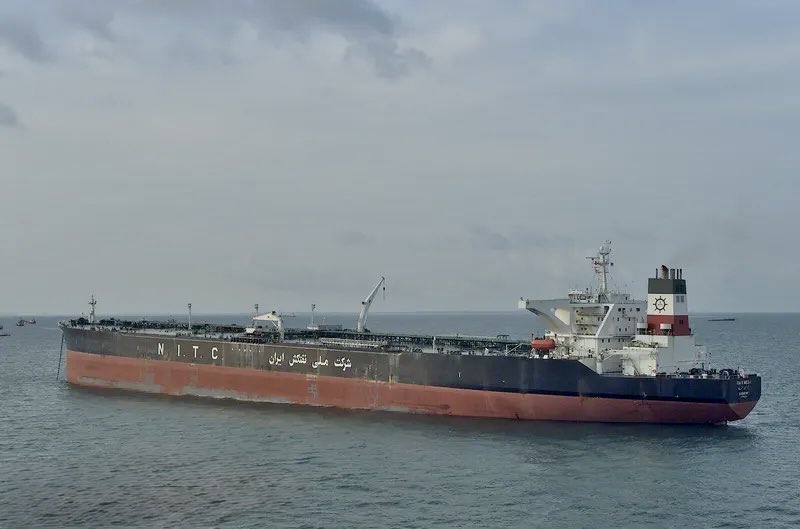

Tensions between the United States, Iran, and Israel are once again approaching a critical point—one that feels strikingly similar to the escalation cycle seen earlier this year.
According to a source close to Mohammad Bagher Ghalibaf, U.S. and Israeli force concentration around Iran has reached its maximum level, raising fears of a potential large-scale strike targeting key infrastructure, including energy facilities.
The warning also underscores Tehran’s posture: any attack would be met with immediate and overwhelming retaliation, potentially extending to Israeli targets and energy assets across the Gulf.
Déjà Vu: Back to February 2026
In many ways, the current moment mirrors February 2026:
- all sides are on high alert
- military assets are positioned for rapid escalation
- diplomatic efforts are ongoing—but fragile
The most striking similarity, however, is this:
the positions of the parties have not changed.
Despite months of conflict and economic disruption, neither Washington nor Tehran appears willing to fundamentally shift its core demands.
Hormuz Still at the Center of the Crisis
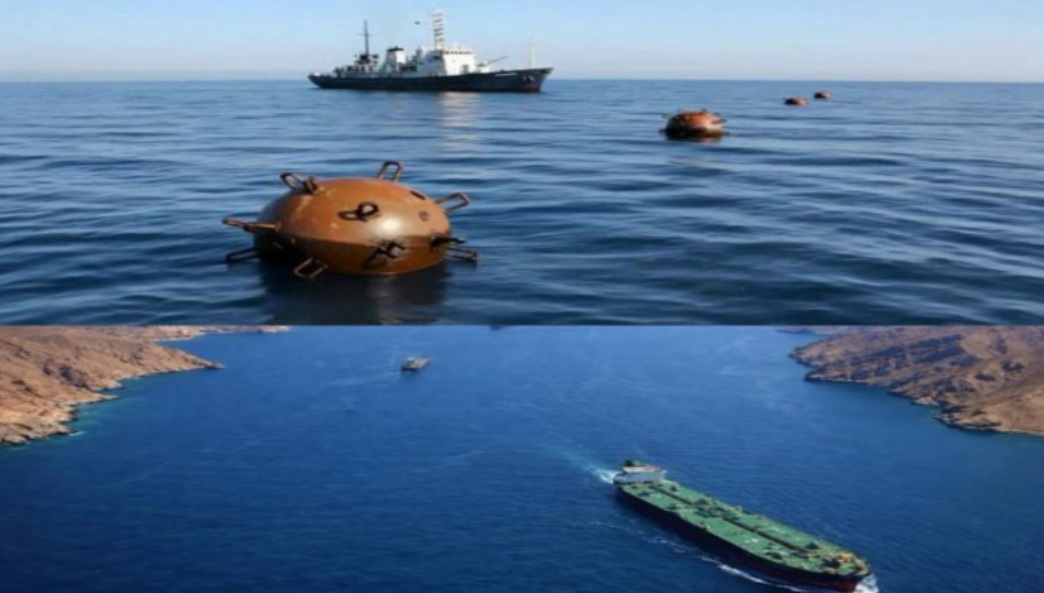
The Strait of Hormuz remains the central fault line.
- it carries roughly 20% of global oil supply
- disruptions have already shaken energy markets
- control over the strait remains Iran’s key leverage
This issue has moved from a background risk to a primary strategic battleground, shaping both military planning and diplomatic negotiations.
Washington’s Strategic Dilemma
The crisis once again raises a critical question for Washington:
Can pressure force Iran to concede—or will it trigger escalation instead?
The administration faces two familiar paths:
- continue military and economic pressure in hopes of forcing concessions
- offer compromises to unlock a diplomatic agreement
But Tehran’s apparent belief that it holds the upper hand complicates both options.
Israel’s Push for Military Action
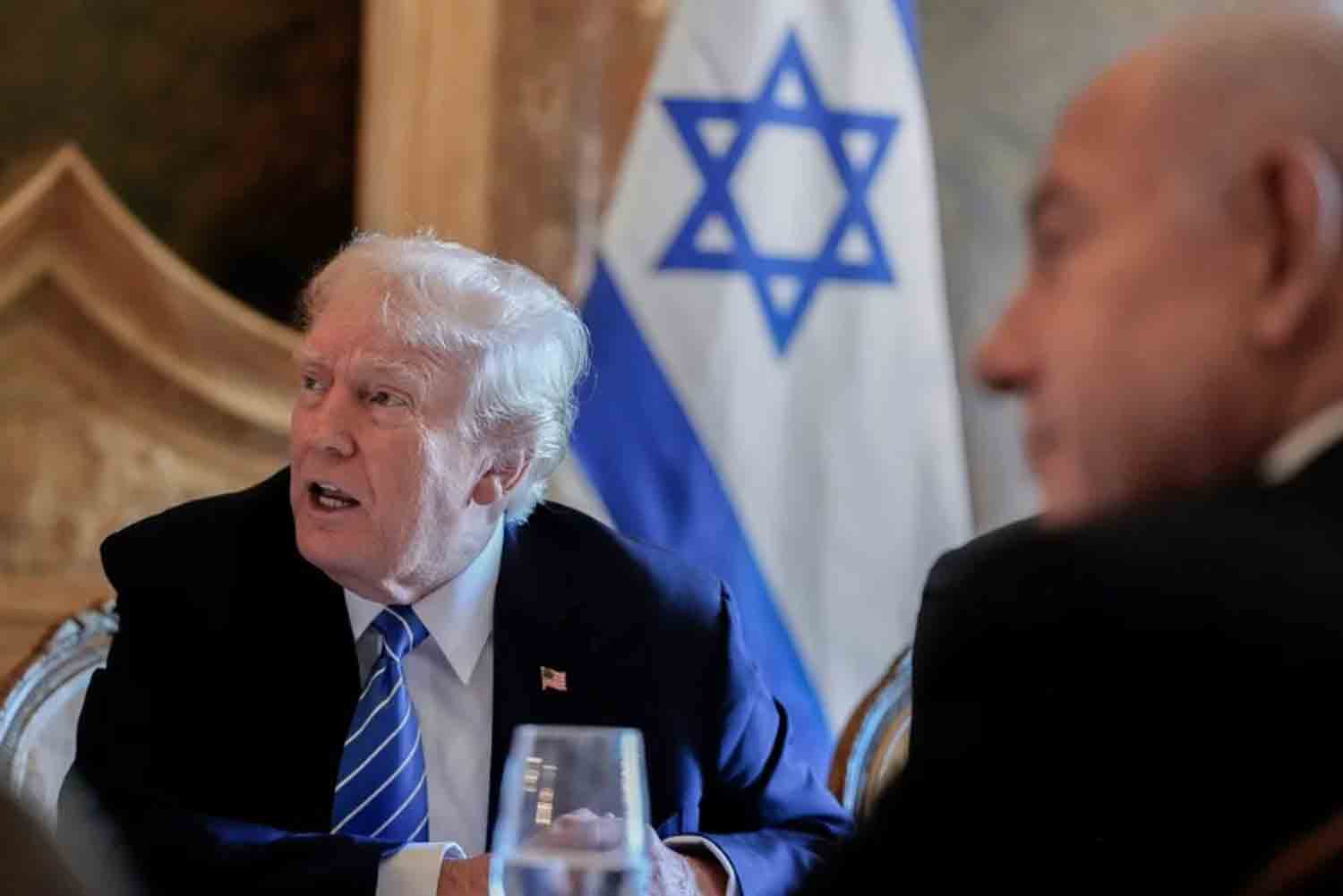
In the background, Israel is reportedly advocating for renewed strikes, arguing that targeting Iran’s infrastructure could “finish the job.”
This reflects a broader divergence in strategy:
- Israel favors decisive military action
- the U.S. remains caught between escalation and diplomacy
That gap could prove decisive in the coming days.
Diplomacy Without Trust
Even if talks resume, expectations remain low.
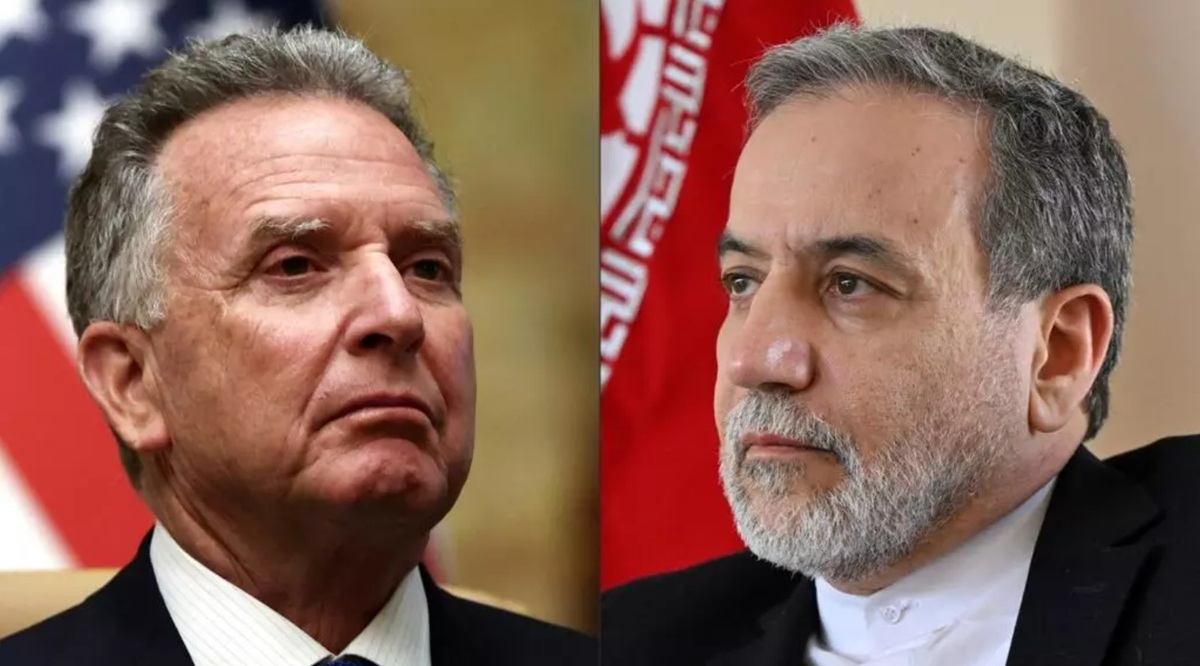
The relationship between Abbas Araghchi and Steve Witkoff—key figures in past negotiations—has deteriorated significantly.
Trust between the two sides is now:
- minimal
- fragile
- easily reversible
This means that any diplomatic process will operate under severe constraints, with little margin for error.
Iran’s Likely Response: No Major Shift
There is little indication that Iran’s strategic posture will change.
Past behavior—and current signals—suggest:
- resistance to pressure
- willingness to escalate selectively
- refusal to concede on core issues
Even a “constructive” response from Tehran is unlikely to include major concessions.
The Clock Is Ticking for Washington
Donald Trump now faces a narrowing window.
Options include:
- easing pressure in response to partial progress
- maintaining the current strategy and waiting
- escalating militarily if talks fail
However, there is growing doubt that the administration is willing to wait months for results from a maritime pressure strategy.
A Decision Point Approaches
The current moment is not just another phase—it is a decision point.
- diplomacy without compromise is unlikely to succeed
- pressure without results increases risk
- escalation remains the default outcome if talks fail
Absent a breakthrough in the coming days, the probability of renewed conflict will rise sharply.
Conclusion: A Crisis Repeating Itself
The most concerning aspect of the current situation is not just the risk of escalation.
It is the sense that:
nothing has fundamentally changed.
The same strategies are being tested.
The same assumptions are being made.
And potentially, the same outcomes are approaching.
The ceasefire may still be holding—but the conditions for conflict are once again falling into place.