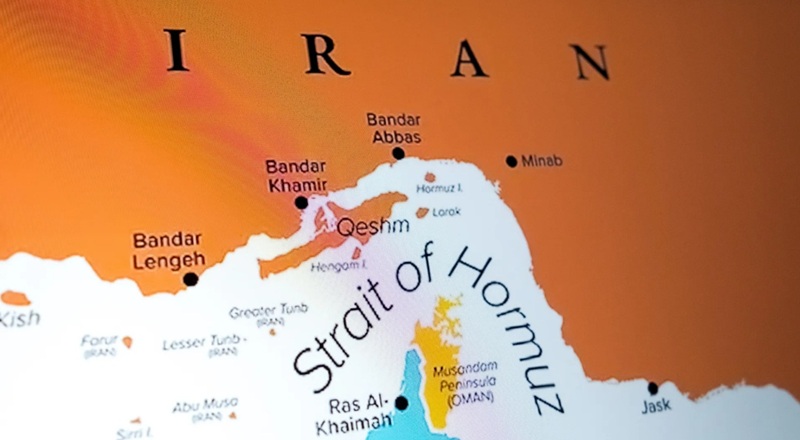
Iran and the United States may be willing to tolerate a prolonged deadlock at the Strait of Hormuz—but the real cost is being paid elsewhere.
From rising fuel prices to disrupted supply chains, the consequences are cascading across economies that have no direct role in the conflict. What began as a geopolitical standoff is now evolving into a global economic burden.
A Deadlock with No Urgency
Both Washington and Tehran appear comfortable with the current stalemate.
- Marco Rubio acknowledges Iran’s negotiating strength but sees no compromise
- Donald Trump insists he is in “no rush”
The result is a frozen diplomatic track—but a rapidly escalating global impact.
Global Trade Feels the Shock First
The first and most immediate victim of the crisis is global shipping.
Before tensions escalated:
- ~3,000 vessels crossed Hormuz monthly
Now:
- Traffic has collapsed by nearly 90%
- Only a handful of ships pass daily
This is not just a regional disruption—it is a direct hit to global trade arteries.
Oil Markets Tighten — Everyone Pays More
Energy markets are absorbing the shock in real time.
- Oil supply from the Gulf has dropped sharply
- Strategic reserves are being drained
- Market buffers are nearly exhausted
For consumers worldwide, this translates into:
👉 Higher fuel costs
👉 Increased transportation prices
👉 Rising inflation
And the worst may still be ahead as existing reserves continue to decline.
Sanctions Expand the Damage
The United States has added another layer of pressure—one that directly affects global commerce.
Shipping companies are now warned:
- Paying transit fees through Hormuz could trigger sanctions
- Even indirect transactions carry risk
This creates a lose-lose scenario:
Avoid Hormuz → disrupt supply chains
Use Hormuz → risk sanctions
Either way, the global economy absorbs the shock.
Inflation Becomes the Real Battlefield
While the US and Iran remain locked in strategic positioning, inflation is emerging as the real battlefield—impacting countries far removed from the Gulf.
- Import-dependent economies face rising costs
- Developing nations risk deeper economic strain
- Global markets brace for prolonged instability
This is where the deadlock becomes truly global.
Iran Holds Position — Time as a Weapon
Tehran shows little urgency to resolve the crisis.
Iranian leadership has:
- Asserted control over the Persian Gulf
- Framed the situation as strategic success
- Indicated readiness for prolonged confrontation
From Iran’s perspective, time increases pressure—not on itself, but on the global system.
A Proposal That Changes Little
Iran has proposed:
- Reopening Hormuz shipping
- Ending the US blockade
- Delaying nuclear talks
But Washington has rejected the framework so far.
Diplomacy remains stalled
Global costs continue to rise
Risk Remains — But Cost Already Real
Even without escalation, the damage is already unfolding.
- Oil flows disrupted
- Shipping routes constrained
- Economic pressure building
And if tensions escalate further, the impact could multiply rapidly.
A Global System Under Stress
This crisis highlights a harsh reality:
Modern economies are deeply interconnected
A regional chokepoint can trigger global consequences
Even countries with no direct involvement in the conflict are now exposed to its fallout.
Bottom Line
Iran and the US may tolerate a prolonged deadlock—but the world cannot.
- Energy markets are tightening
- Trade routes are disrupted
- Inflation is rising
The longer the stalemate continues, the more the global economy pays
Quick Take
- Hormuz traffic down nearly 90%
- Oil supply disruption intensifying
- Sanctions hitting global shipping
- Inflation risks rising worldwide
- Deadlock persists with no resolution