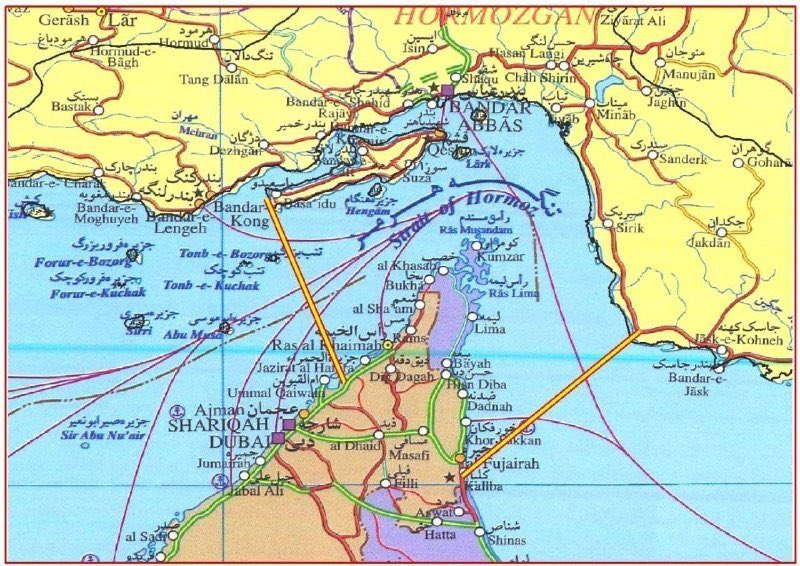
The Islamic Revolutionary Guard Corps has released new operational maps claiming control over key sections of the Strait of Hormuz—but events on the water are moving even faster.
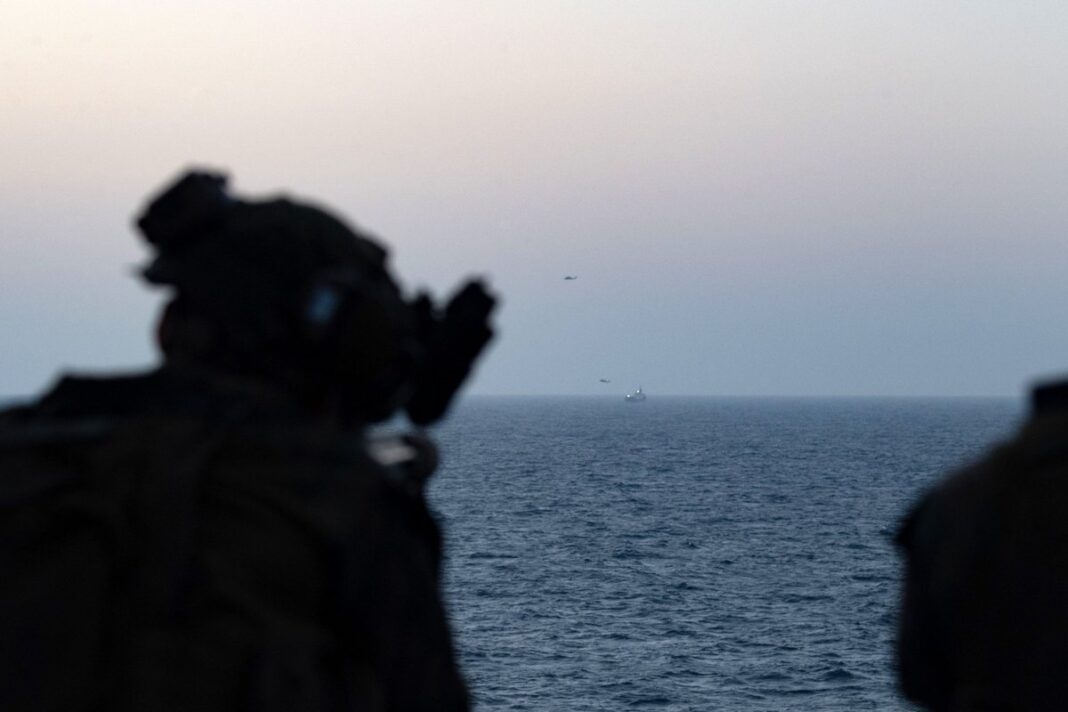
Iran now claims its navy has actively blocked “enemy destroyers” from entering the strait, marking a dangerous escalation from rhetoric to operational action.
At the same time, the United States is launching a counter-mission.
The Strait is no longer just contested—it is actively being enforced by both sides.
Iran Claims Naval Interception
According to Iran’s state news agency IRNA, the Iranian navy issued a “firm and rapid warning” that prevented U.S. and Israeli destroyers from entering Hormuz.
The statement frames the move as:
- a defensive action
- enforcement of Iranian control
- a warning against foreign military presence
While U.S. officials have not confirmed the claim, the message from Tehran is clear:
Iran is prepared to physically enforce its red lines
US Moves to Restore Control
In response, the U.S. Central Command is moving ahead with Project Freedom, a large-scale operation aimed at securing maritime traffic.
CENTCOM commander Brad Cooper confirmed:
“Our support for this defensive mission is essential to regional security and the global economy.”
Deployment Includes:
- Guided-missile destroyers
- 100+ aircraft
- Unmanned systems
- ~15,000 troops
The mission: restore freedom of navigation while maintaining pressure on Iran
Iran’s “Control Box” Strategy
The IRGC’s newly released maps outline a defined control zone across Hormuz:
- West boundary: Qeshm Island → UAE coast near Umm Al Quwain
- East boundary: Mobarak Mountain → Fujairah
This effectively creates:
A claimed Iranian-controlled corridor across the Strait
Iranian commanders have warned:
- All ships must coordinate with Iranian forces
- Unauthorized transit risks interception
- Foreign military entry will be targeted
Parallel Shipping Systems Emerging
The situation has forced a major shift in maritime operations.
According to maritime advisories:
A new U.S.-backed corridor is now active
- Ships routed south toward Oman
- Avoiding traditional lanes
This creates two overlapping systems:
- Iranian control expectations
- U.S.-secured navigation routes
Commercial shipping is now navigating between competing authorities
Global Trade Under Pressure
The Strait of Hormuz carries nearly 25% of global seaborne oil.
Any disruption immediately impacts:
- Oil prices
- Shipping insurance costs
- Global supply chains
With both sides asserting control, uncertainty—not just disruption—is now the biggest risk.
Diplomacy Continues in the Background
Despite military escalation, diplomatic channels remain open.
Iran has:
- engaged Oman on safe passage protocols
- received U.S. responses via intermediaries
However, Tehran continues to accuse Washington of making:
“excessive and unreasonable demands”
Result: talks continue—but without progress
A High-Risk Standoff
This is no longer just a political dispute—it is a live operational standoff.
Iran’s Position:
- Control the Strait
- Force coordination
- Deter foreign military presence
US Position:
- Maintain freedom of navigation
- Protect global trade
- Counter Iranian pressure
Both strategies cannot coexist without friction
Global Stakes Rising Fast
The consequences extend far beyond the Gulf:
- Oil markets tightening
- Shipping routes disrupted
- Insurance and freight costs rising
Even without direct conflict, the economic impact is already spreading.
Bottom Line
The Strait of Hormuz is shifting from a transit route into a contested control zone.
- Iran is enforcing authority
- The US is pushing back
- Shipping is caught in between
And with both sides escalating, the risk is no longer hypothetical—it is operational
Quick Take
- Iran claims to block US/Israeli destroyers
- US launches Project Freedom
- 15,000 troops deployed
- New shipping corridor near Oman
- Global oil route under pressure
Update (Latest Developments):
This story has been updated to include new developments on the Iran–US standoff in the Strait of Hormuz, including Iran’s claim that its navy prevented the entry of “enemy destroyers” into the strait, as well as the latest operational details of the U.S. military response under Project Freedom. Additional context on global shipping disruptions, oil supply impacts, and ongoing diplomatic exchanges has also been incorporated to reflect the rapidly evolving situation.