Iran is strengthening diplomatic engagement with China as tensions in the Strait of Hormuz continue to threaten global energy flows and push the region toward further escalation.
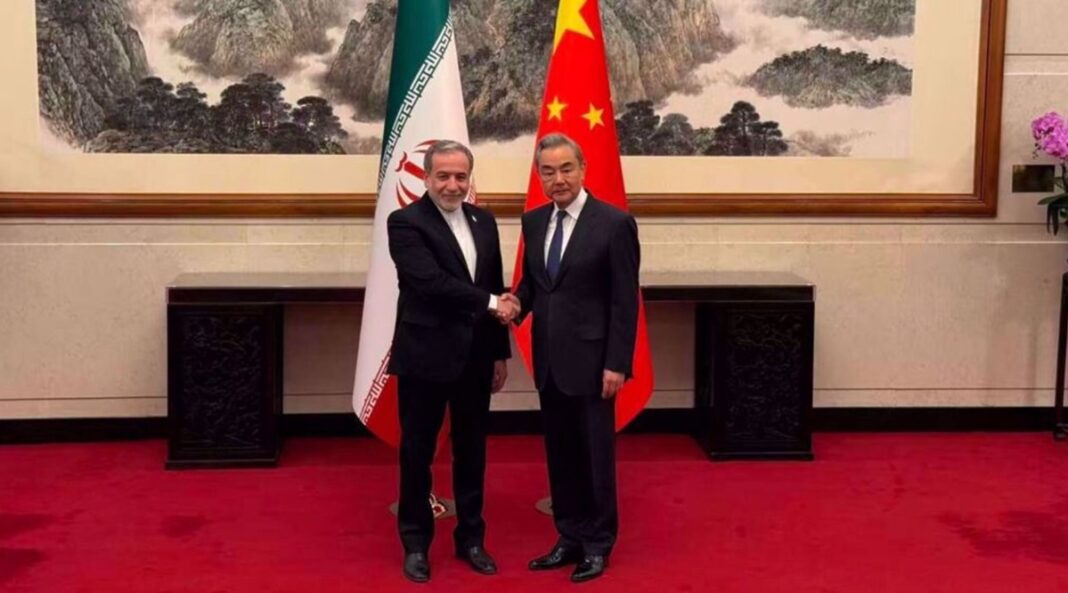
Iranian Foreign Minister Abbas Araghchi met his Chinese counterpart Wang Yi in Beijing — their first face-to-face talks since the outbreak of the US-Israeli war with Iran.
بازتاب دیدار وزرای امور خارجه ایران و چین در رسانههای منطقهای و بینالمللی pic.twitter.com/nuFqmbpNmL
— خبرگزاری تسنیم (@Tasnimnews_Fa) May 6, 2026
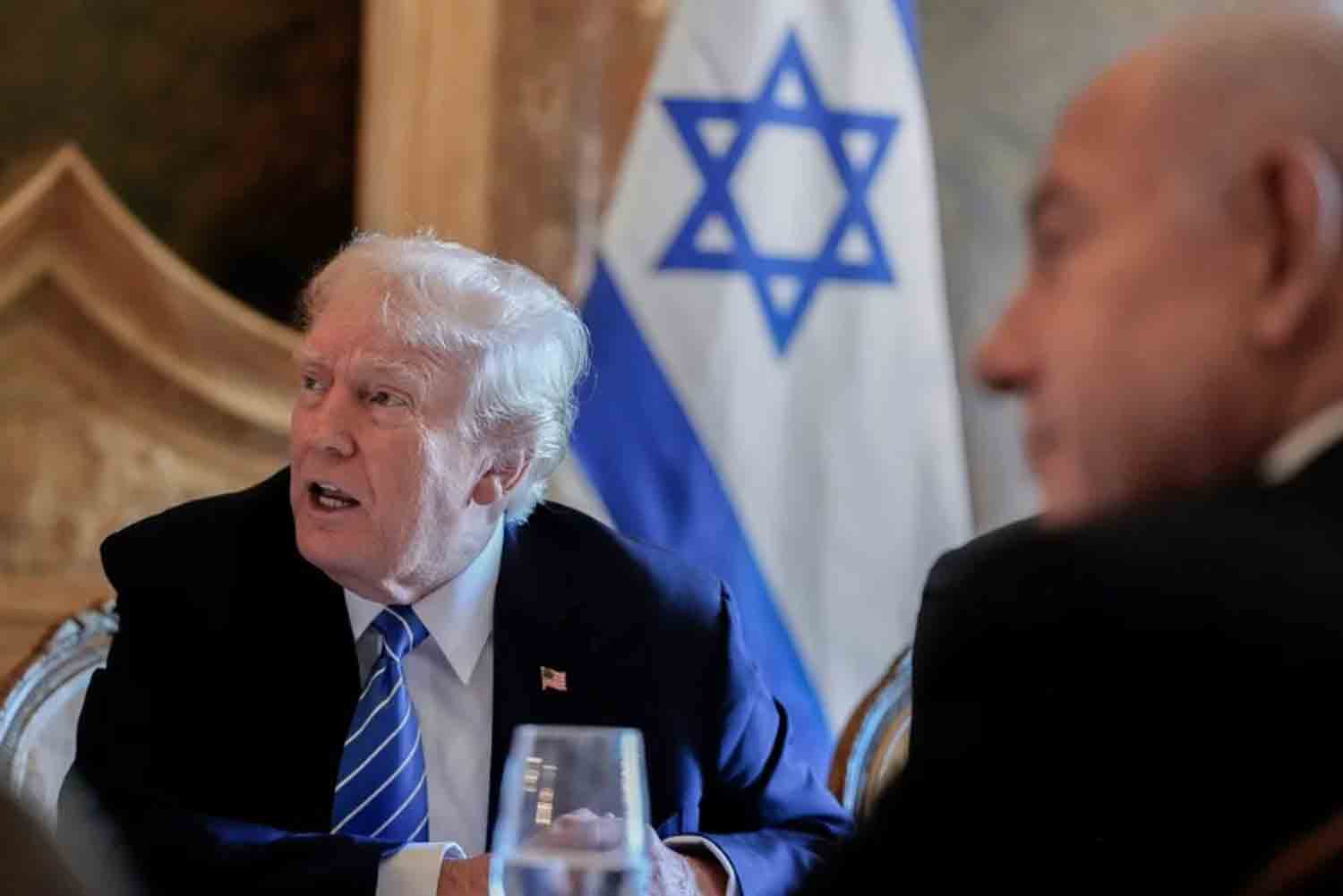
The meeting comes just days before President Donald Trump is set to visit China, placing Beijing at the center of a rapidly evolving geopolitical crisis.
China’s Dual Role: Economic Lifeline and Diplomatic Broker
China has emerged as a critical player in the Iran crisis, balancing two key roles:
- Economic lifeline: Beijing remains Iran’s largest oil customer, providing crucial revenue amid sanctions
- Diplomatic mediator: China is quietly engaging both Tehran and Washington in efforts to de-escalate tensions
U.S. officials have increasingly called on China to use its influence over Iran to reopen the Strait of Hormuz.
U.S. Treasury Secretary Scott Bessent urged Beijing to “step up with diplomacy,” while Secretary of State Marco Rubio accused Iran of attempting to “hold hostage the global economy.”
Beijing Pushes for Ceasefire, Backs Iran’s Nuclear Rights
During the meeting, China emphasized the urgency of de-escalation.
Wang Yi called for:
- A comprehensive ceasefire without delay
- Restoration of safe navigation in Hormuz
- Avoidance of further escalation
At the same time, China reaffirmed its position on Iran’s nuclear program:
- Opposing nuclear weapons development
- Supporting Iran’s right to peaceful nuclear energy
This balanced stance reflects Beijing’s broader strategy — prevent conflict escalation while protecting its strategic ties with Tehran.
Hormuz Crisis: Global Stakes Rising
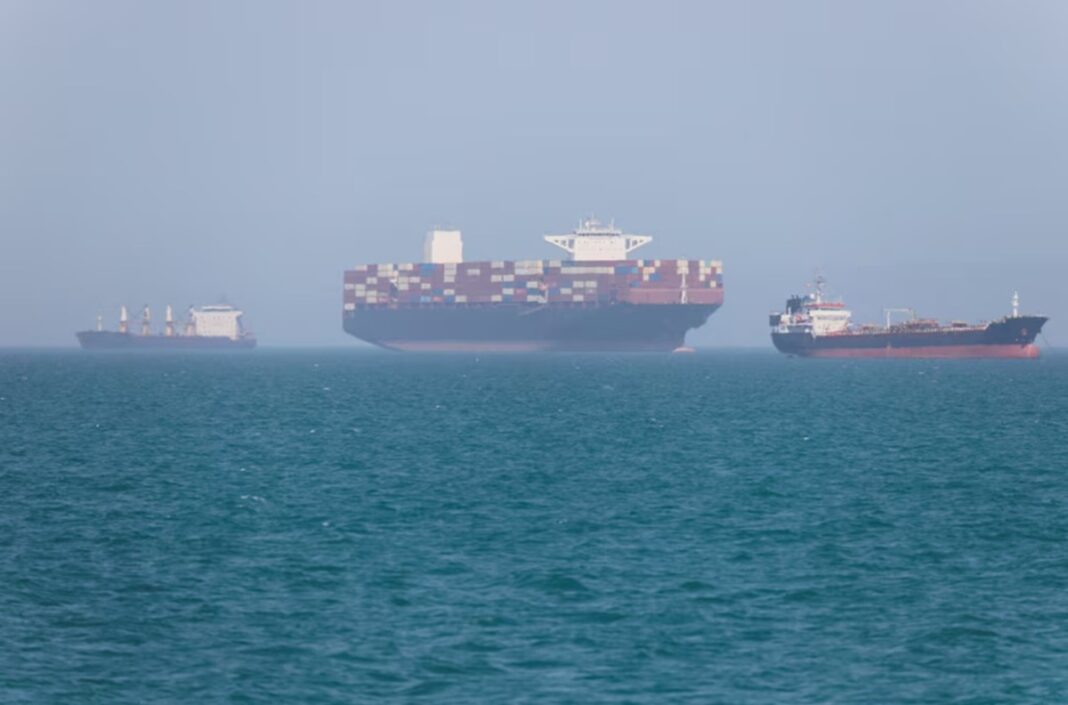
The stakes surrounding Hormuz are immense:
- Nearly 20% of global oil supply flows through the strait
- Disruptions are impacting global markets
- Shipping risks and insurance costs are rising
China, as the world’s largest energy importer, has a direct interest in ensuring the waterway remains open.
US Pressure on China Increasing
Washington is not only urging China to act diplomatically — it is also increasing economic pressure.
The U.S. has targeted:
- Chinese “teapot” refineries
- Entities purchasing sanctioned Iranian oil
In response, Beijing has instructed its refiners not to comply with U.S. sanctions, highlighting growing tensions between the two global powers.
Iran Signals Stronger Strategic Alignment with China
Following the talks, Araghchi described China as a “sincere friend” and said bilateral cooperation would be “stronger than ever.”
Tehran also reiterated its negotiating position:
- Will only accept a fair and comprehensive agreement
- Rejects pressure-based diplomacy
- Maintains firm stance on sovereignty
This signals a deepening Iran-China partnership at a time when both face increasing U.S. pressure.
Trump Visit: A Diplomatic Flashpoint
The timing of the meeting is critical.
President Trump’s upcoming visit to China could:
- Shape the next phase of US-China relations
- Influence negotiations with Iran
- Determine whether diplomacy or escalation prevails
Beijing now finds itself in a pivotal position — balancing its ties with Tehran while managing pressure from Washington.
Conclusion: China at the Center of a Global Power Play
The Iran-China talks underscore a broader reality:
The crisis is no longer just about Iran and the United States —
it is now a global strategic contest involving major powers.
China’s next moves could determine:
- Whether Hormuz reopens
- Whether tensions de-escalate
- Or whether the crisis expands into a wider geopolitical confrontation