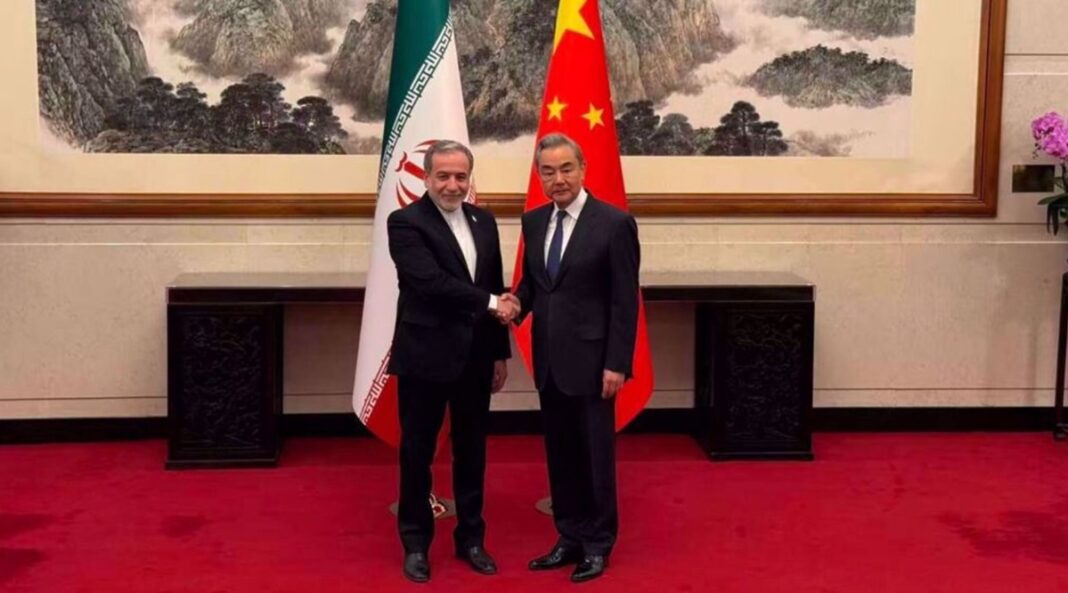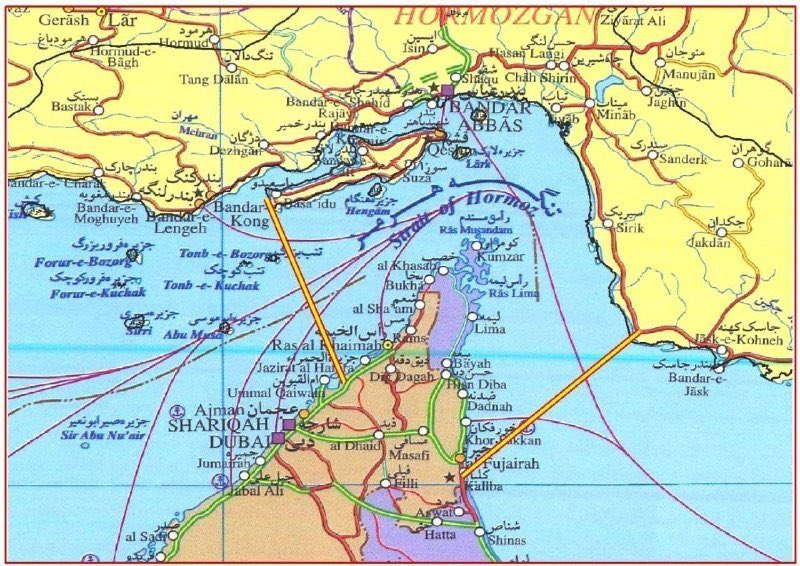
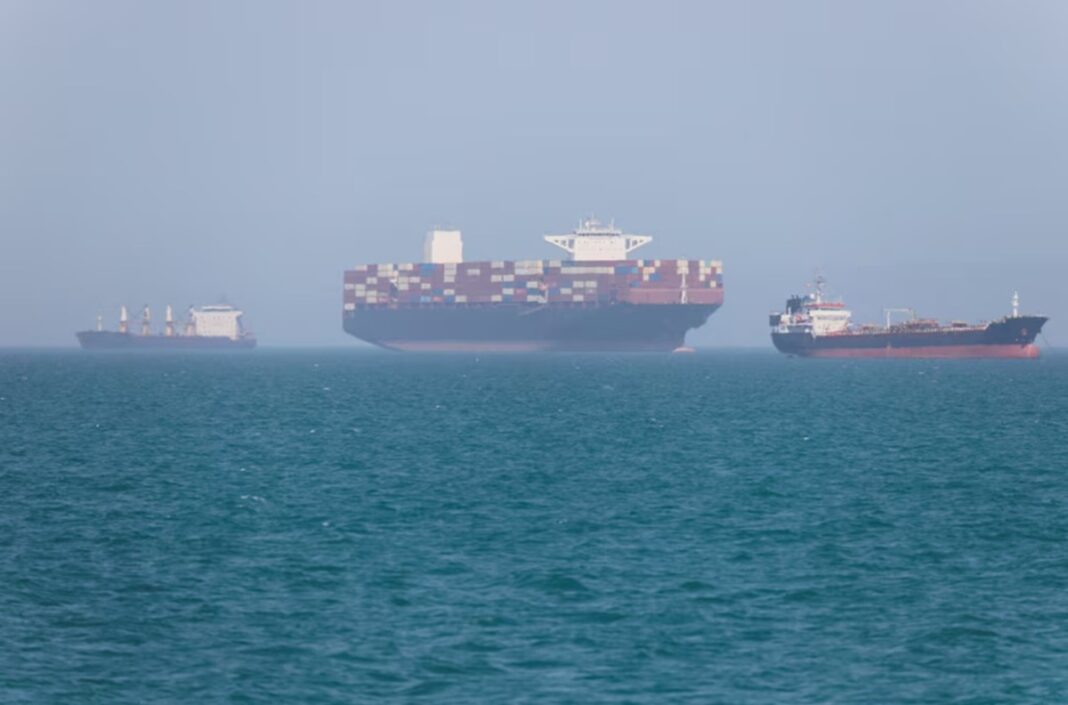
The United States and Iran are edging closer to a potential diplomatic breakthrough, with both sides reportedly working toward a one-page Memorandum of Understanding (MOU) aimed at ending the ongoing crisis in the Strait of Hormuz.
According to reports, Washington expects a formal Iranian response within 48 hours, marking what could be the most significant progress in negotiations since the conflict began.
President Donald Trump has already signaled confidence in the talks by pausing the U.S. naval mission “Project Freedom,” a move widely seen as a gesture to facilitate diplomacy.
“We have mutually agreed that, while the Blockade will remain in full force and effect, Project Freedom (The Movement of Ships through the Strait of Hormuz) will be paused for a short period of time to see whether or not the Agreement can be finalized and signed…” – President… pic.twitter.com/R9SlC4w68g
— The White House (@WhiteHouse) May 5, 2026
What the Proposed MOU Could Include
The emerging framework is designed as a rapid de-escalation mechanism, focusing on immediate stabilization rather than a comprehensive long-term agreement.
Key Provisions Under Discussion:
- Nuclear Freeze:
Iran agrees to a temporary moratorium on nuclear enrichment activities - Sanctions Relief:
The U.S. lifts key sanctions and releases billions in frozen Iranian funds - Hormuz De-escalation:
Both sides ease restrictions on shipping and restore safe transit through the strait
This structure reflects a “stop-the-bleeding” approach — prioritizing stability before addressing deeper strategic issues.
Why a One-Page Deal Matters
Unlike complex multi-year agreements, the proposed MOU is intentionally short and flexible.
Its purpose is to:
- Quickly reduce tensions
- Restore global shipping flows
- Create space for broader negotiations
This minimalist approach suggests both sides recognize the urgency of the situation — particularly the economic impact of the Hormuz disruption.
Project Freedom Pause Signals Strategic Shift
The suspension of Project Freedom marks a significant policy adjustment.
The mission, launched to escort commercial vessels through Hormuz, faced major challenges:
- Limited participation from global shipping companies
- Continued Iranian attacks on vessels
- Rising operational risks
Its pause indicates a shift from military enforcement to diplomatic resolution.
Iran’s Position: Firm but Open to Agreement
Iran has maintained a strong negotiating stance, insisting on:
- A “fair and comprehensive agreement”
- Recognition of its sovereignty
- Balanced concessions from both sides
Tehran’s strategy appears focused on leveraging its control over Hormuz while remaining open to negotiations that ease economic pressure.
Global Stakes: Energy Markets Watching Closely
The urgency behind the MOU is driven by its global implications:
- Nearly 20% of world oil supply flows through Hormuz
- Disruptions have triggered price volatility
- Asian and European economies face supply risks
Even news of the potential deal has already impacted markets, with oil prices reacting to signs of de-escalation.
Challenges Ahead: Can a Short Deal Hold?
Despite optimism, several risks remain:
- Deep mistrust between Washington and Tehran
- Disagreements over implementation timelines
- Potential spoilers from regional actors
A one-page MOU may stabilize the situation temporarily — but it does not resolve underlying strategic tensions.
Conclusion: A Tactical Deal, Not a Strategic Solution
The proposed US–Iran MOU represents a critical moment:
✔️ A chance to reopen Hormuz
✔️ A pathway to reduce immediate tensions
✔️ A window for broader diplomacy
But it also highlights a key reality:
This is a tactical pause in conflict — not a permanent solution.
The success of the agreement will depend on whether both sides can move beyond short-term fixes toward a sustainable framework for stability.