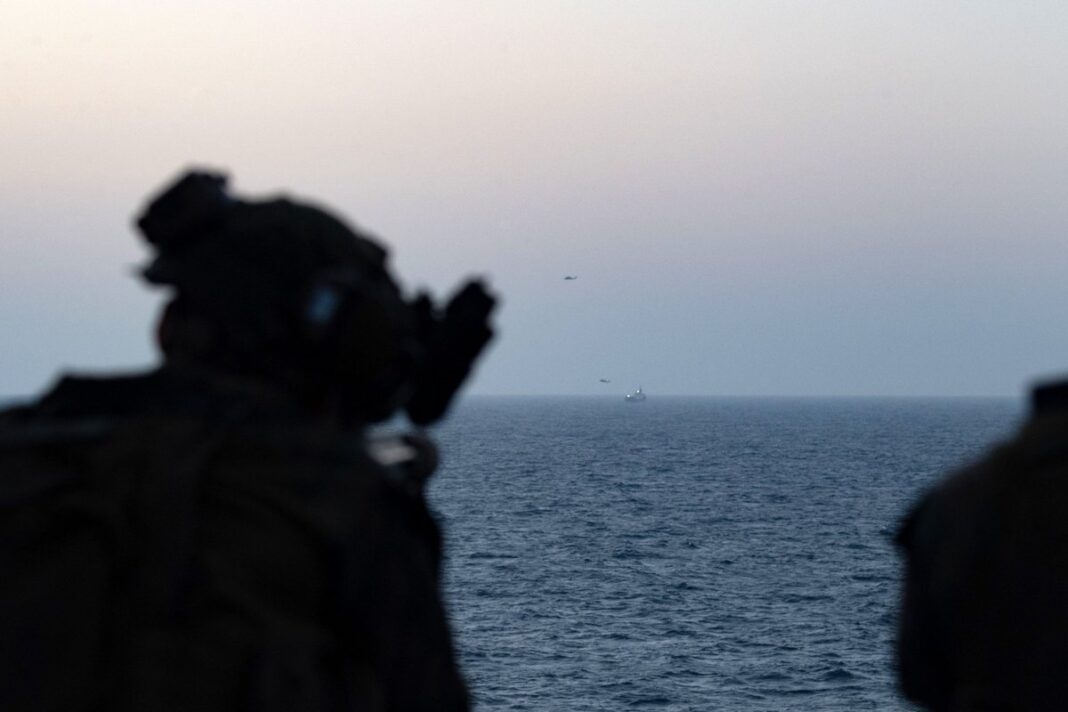
The fragile ceasefire between the United States and Iran is showing signs of collapse after fresh naval clashes in the Strait of Hormuz, one of the world’s most critical maritime routes.
According to U.S. Central Command, American forces destroyed multiple Iranian boats after Tehran launched cruise missiles, drones, and fast-attack craft toward U.S. Navy vessels and commercial shipping.
President Donald Trump confirmed the confrontation, stating that several Iranian “fast boats” were neutralized, with no major damage reported aside from a South Korean vessel being affected.
US Pushes Shipping Through Hormuz Despite Rising Risks
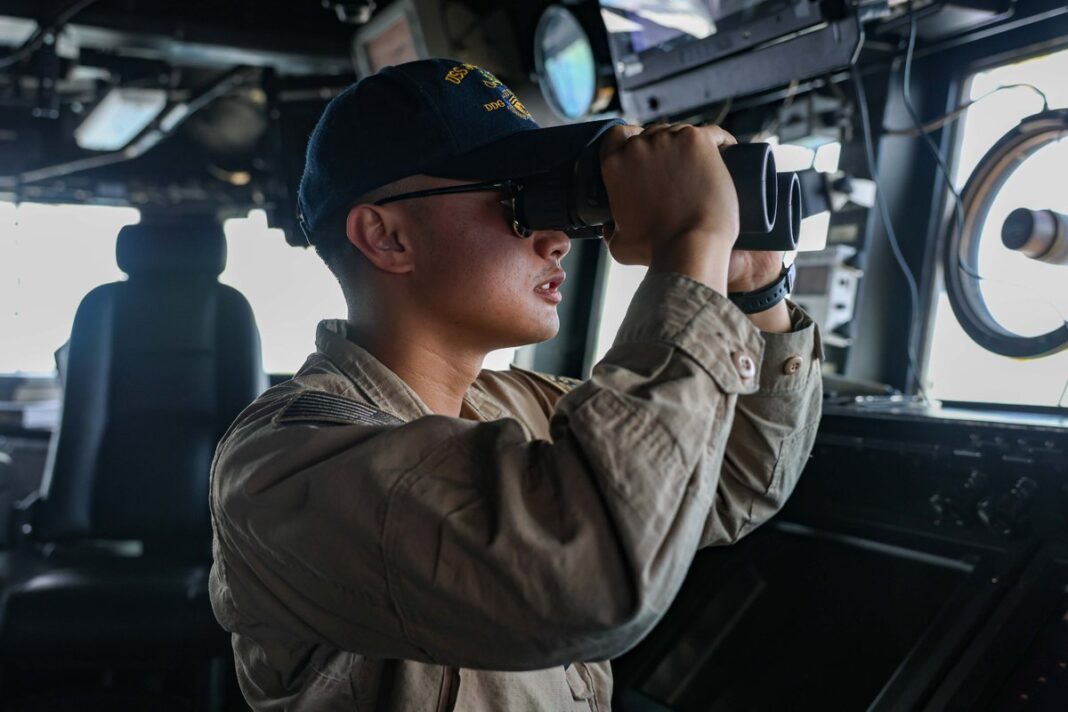
In a significant shift, Washington has begun actively escorting commercial vessels through the strait under a new initiative to restore shipping flows.
- Two U.S. warships recently transited the strait
- U.S.-flagged merchant vessels followed under naval guidance
- The effort aims to counter disruptions caused by Iranian actions
The move reflects growing urgency within the White House to reopen global trade routes, even at the risk of direct confrontation.
Blockade Strategy Under Strain
The renewed push into Hormuz signals a key strategic shift:
the U.S. no longer appears willing to rely solely on economic blockade to pressure Iran.
Initial assumptions that sanctions and maritime restrictions would force Tehran into negotiations are now being questioned.
- The blockade has failed to deliver quick results
- Iran continues to challenge U.S. presence
- Shipping disruptions persist
This suggests the blockade may have been miscalculated both in timing and effectiveness.
Friction is Driving Escalation
Recent events highlight a dangerous dynamic:
➡️ Increased U.S. presence in Hormuz
➡️ Iranian resistance and retaliation
➡️ Rising risk of direct confrontation
Military analysts warn that continued efforts to force shipping through the strait under current conditions could inevitably lead to escalation.
As one assessment notes:
“Friction leads to escalation.”
Iran’s Strategy: Control, Not Capitulation
Iran’s actions suggest a clear strategic posture:
- Maintain leverage over Hormuz
- Resist economic coercion
- Signal readiness for escalation
Tehran appears to view confrontation as preferable to surrender, reinforcing the limits of economic pressure alone.
Operational Reality: A Long and Risky Process
Even under favorable conditions, securing safe maritime transit through Hormuz could:
- Take weeks or months
- Require sustained naval presence
- Face continuous disruption attempts by Iran
This makes the current U.S. approach a tactical solution, not a strategic one.
Energy Markets at Risk
The stakes extend far beyond the battlefield.
- Nearly 20% of global oil supply passes through Hormuz
- Any sustained disruption could trigger major energy shocks
- Insurance costs and shipping delays are already rising
A prolonged confrontation could escalate into a global economic crisis.
A Strategic Gap: Tactics Without a Clear Endgame
The unfolding situation reveals a deeper issue in U.S. policy:
- The blockade was introduced late in the escalation cycle
- It lacks integration into a broader strategy
- It fails to address Iran’s structural advantages
Critically, analysts argue that targeting symptoms — such as shipping disruptions — does not resolve the core strategic challenge.
Conclusion: Escalation Becoming the Default Path
The Hormuz clashes suggest that both the U.S. and Iran are moving along an escalatory trajectory, whether intentionally or not.
- Diplomatic options remain uncertain
- Military friction is increasing
- Strategic clarity is lacking
The result is a dangerous reality:
Escalation is no longer a possibility — it is becoming the default path.