Despite growing speculation, a breakthrough in negotiations between the United States and Iran remains uncertain, with both sides still divided over key issues in a proposed 14-point framework.
The latest version of the plan has been revised by Tehran and sent back to Washington, while U.S. officials are expected to respond with further modifications.
Although some positions have converged, significant gaps remain, making any immediate agreement unlikely.
Spokesman of the Iranian National Security Council:
“Axios’ text is Americans’ wish list until it becomes reality, Americans will not obtain through a failed war what they failed to gain in face-to-face negotiations,
Iran has its finger on the trigger and is ready; if they… https://t.co/3Wzhku3qyP— Open Source Intel (@Osint613) May 6, 2026
Trump Raises Stakes: Deal or Escalation
President Donald Trump has intensified pressure on Iran, signaling a stark choice:
- Accept the deal framework
- Or face renewed and intensified military action
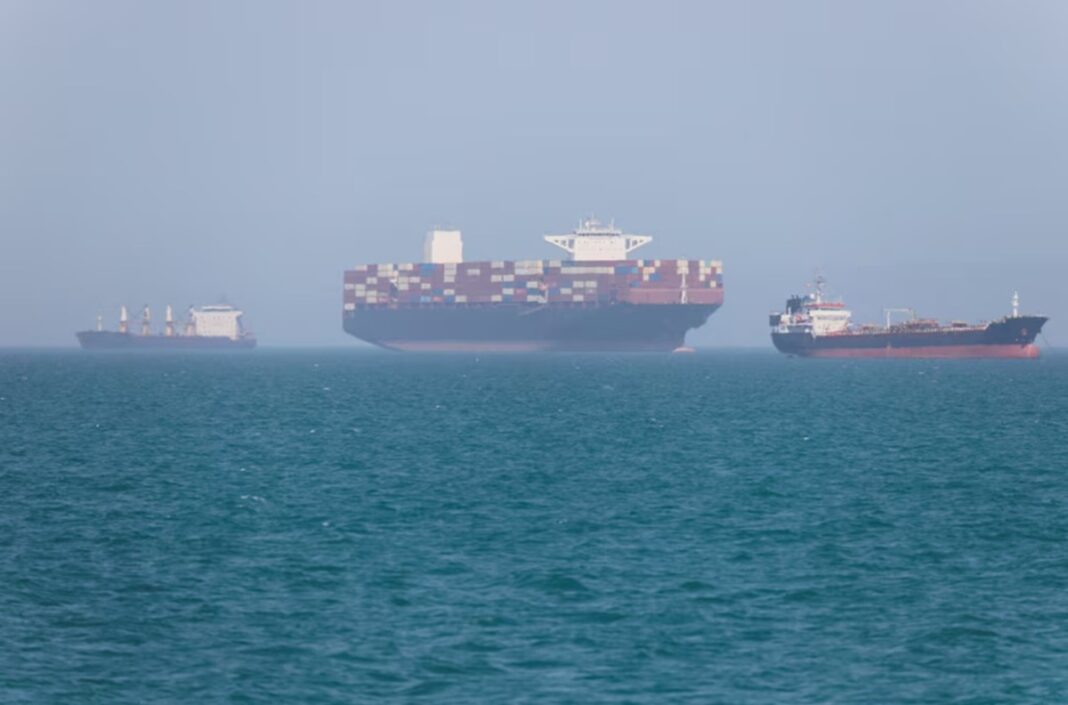
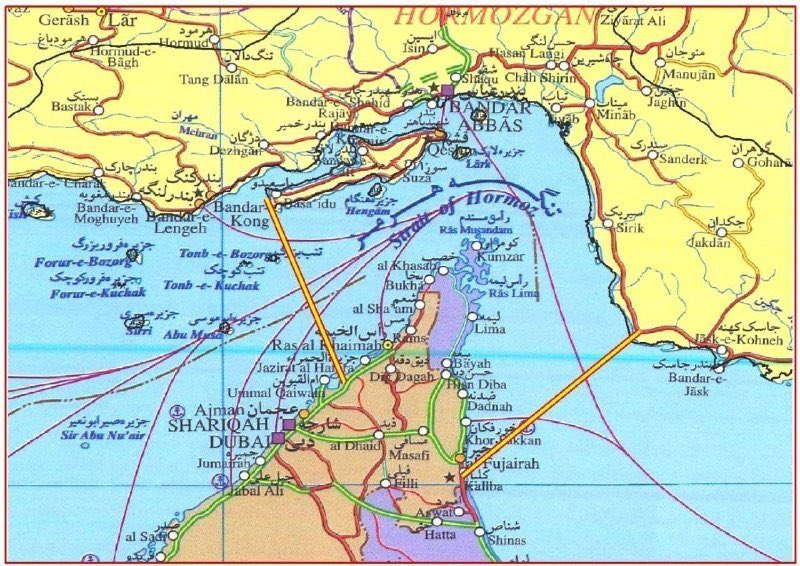
Trump suggested that if Iran agrees, the blockade could ease and the Strait of Hormuz would reopen to all shipping.
However, he also warned that failure to reach an agreement could lead to more severe bombing than previous phases of the conflict.
A War Without Strategic Clarity?
The emerging negotiations have sparked deeper questions about the overall strategy behind the war.
Initially framed as an effort to:
- Dismantle Iran’s nuclear program
- Weaken its missile capabilities
- Pressure the regime
The likely outcome now appears far more limited.
Even if a deal is reached, Iran could:
- Retain parts of its nuclear infrastructure
- Maintain missile capabilities
- Continue regional influence
This raises a critical question:
Has the war achieved its original objectives — or merely reshaped them?
The Hormuz Factor: A New Strategic Reality
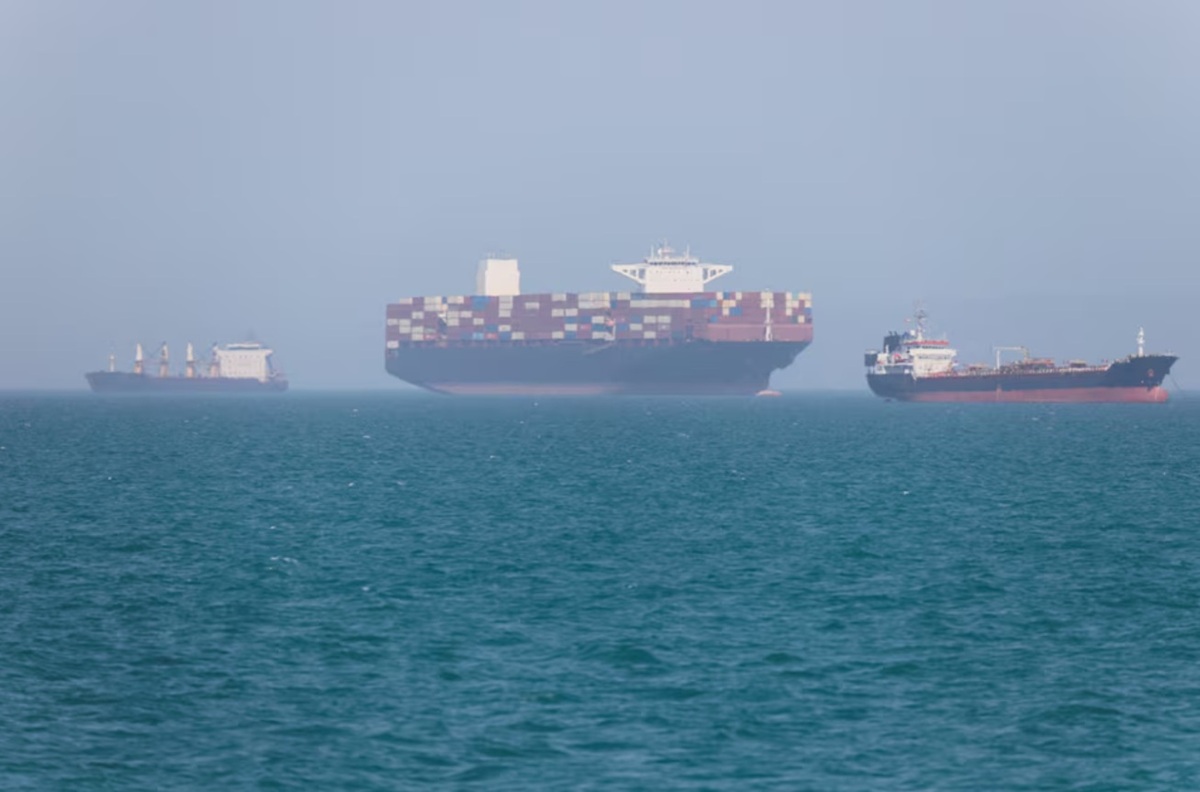
One of the most significant outcomes of the conflict has been the renewed centrality of the Strait of Hormuz.
The waterway has become:
- A primary pressure point in negotiations
- A symbol of Iran’s strategic leverage
- A major risk to global energy markets
Rather than diminishing Iran’s influence, the crisis has arguably reinforced its leverage over global trade flows.
Iran After the War: More Resilient, More Complex
Another unintended consequence of the conflict is the transformation of Iran’s internal dynamics.
According to the analysis:
- The regime has become more radicalized
- Decision-making has become more decentralized
- Strategic positions remain largely unchanged
This suggests that military pressure has not fundamentally altered Tehran’s long-term outlook.
The Real Choice: Capitulation or Stabilization
At the heart of the current deadlock lies a fundamental strategic dilemma:
Should the U.S. aim for total Iranian capitulation?
Or pursue a manageable, stabilizing agreement?
The two goals are not compatible.
- Capitulation is highly unlikely
- Stabilization requires compromise
Analysts argue that a realistic path forward could include:
- Lifting the blockade in exchange for freedom of navigation
- Long-term negotiations involving regional stakeholders
- Verifiable limits on nuclear enrichment over 10–15 years
Such a deal would be imperfect — but potentially effective in preventing escalation.
A Narrow Path Forward
The current situation reflects a broader policy challenge:
- Balancing military pressure with diplomatic engagement
- Managing expectations without clear end goals
- Avoiding prolonged conflict without decisive victory
Without a clear strategic shift, the risk is a cycle of escalation, deterrence, and stalled diplomacy.
Conclusion: A Decision Washington Cannot Avoid
The future of the crisis now depends less on Tehran — and more on Washington.
The key decision is clear:
- Continue pursuing an unlikely total victory
- Or accept a limited but stabilizing agreement
Until that choice is made, the conflict risks remaining locked in a prolonged and unstable equilibrium, with rising costs for the region and the global economy.