Tuesday, April 7, 2026
Home Blog Page 126

Israel has officially notified the UN of its termination of relations with UNRWA

0

Israel has formally informed the United Nations of its decision to terminate the agreement that has governed its relationship with the United Nations Relief and Works Agency for Palestine Refugees in the Near East (UNRWA) since 1967, as stated by the country’s foreign ministry on Monday.

Recently, the Israeli parliament enacted legislation prohibiting UNRWA from operating within Israel and restricting cooperation between Israeli authorities and the agency, which delivers aid and educational services to millions of Palestinians in the occupied West Bank and Gaza.

Israel has consistently criticized UNRWA, which was established following the 1948 war that coincided with the founding of the state of Israel. The country has accused the agency of harboring anti-Israel sentiments and argues that it exacerbates the conflict by keeping Palestinians in a state of perpetual refugee status.

Since the onset of the Gaza conflict in October of the previous year, Israel has also claimed that UNRWA has been significantly infiltrated by Hamas in Gaza, alleging that some of its personnel participated in the October 7 attack on Israel.

The recent legislation has raised concerns among the United Nations and several of Israel’s Western allies, who worry it may exacerbate the already critical humanitarian crisis in Gaza, where Israel has been engaged in conflict with Hamas militants for the past year. The legislation does not specifically address operations in the Palestinian territories or other regions.

Israel’s U.N. Ambassador, Danny Danon, stated that despite the substantial evidence presented to the U.N. regarding Hamas’s infiltration of UNRWA, the organization has failed to take action on this issue.

While the legislation does not explicitly prohibit UNRWA’s activities in the West Bank and Gaza—areas recognized by international law as occupied by Israel—it is expected to significantly hinder its operations in these regions.

This has caused considerable concern among humanitarian organizations and many of Israel’s allies. The Israeli foreign ministry indicated that activities by other international organizations would be increased, and plans would be made to sever ties with UNRWA while enhancing alternatives to its services.

EU and South Korea urge the withdrawal of North Korean forces from Russia’s conflict in Ukraine

0

South Korea and the European Union issued a joint condemnation on Monday regarding North Korea‘s provision of weaponry to Moscow, calling for the withdrawal of North Korean troops deployed to support Russia in its ongoing conflict with Ukraine.

This statement came during the inaugural “Strategic Dialogue” meeting held in Seoul, shortly after concerns were raised by Washington and Seoul about North Korea’s military assistance to Russia.

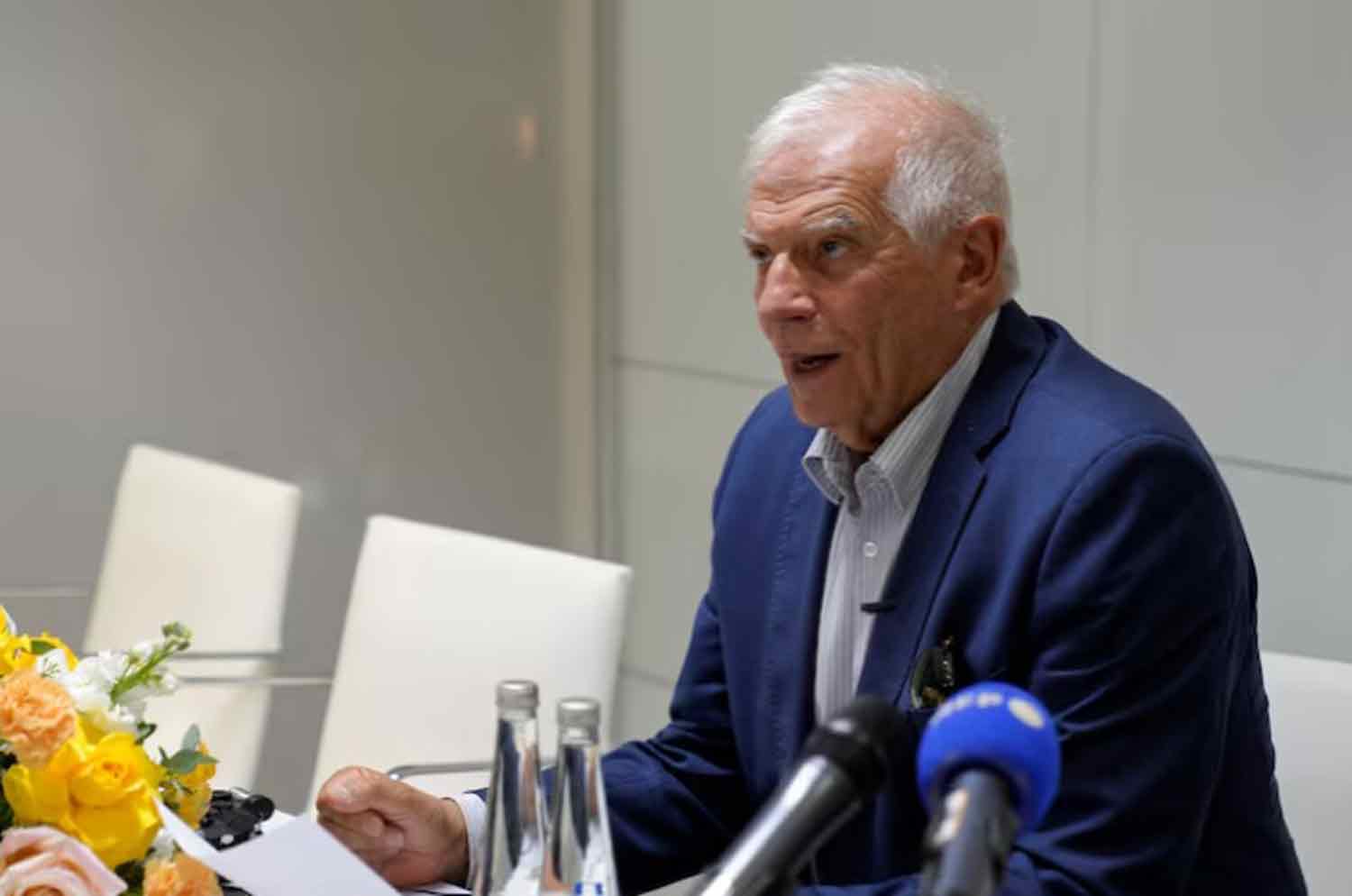
In their joint declaration, EU foreign policy chief Josep Borrell and South Korean Foreign Minister Cho Tae-yul denounced North Korea’s “illegal arms transfers to the Russian Federation for use in its aggression against Ukraine.”

They called for an immediate cessation of this “illegal military cooperation” and the withdrawal of North Korean forces. Borrell also engaged with South Korean Defence Minister Kim Yong-hyun.

“Russia’s aggression against Ukraine poses an existential threat,” Borrell remarked in a post on X, accompanied by a photo of his handshake with Kim. “The Republic of Korea is uniquely positioned to comprehend this threat. We stand united in our support for Ukraine and I urged them to enhance their efforts.”

The two nations have established a security and defense partnership that encompasses 15 areas, including cyber security and disarmament. In response to a question last week about the possibility of Seoul supplying weapons to Ukraine due to North Korea’s support for Russia, Cho indicated that all potential scenarios are being evaluated.

While South Korea has supplied non-lethal assistance to Ukraine, such as mine clearance equipment, it has declined requests for weaponry.

Seoul anticipates that North Korea will receive military and civilian technology from Moscow as it strives to launch a spy satellite and enhance its missile capabilities. Recently, North Korea demonstrated its military strength by testing a large new solid-fuel intercontinental ballistic missile known as Hwasong-19. U.S. Secretary of State Antony Blinken mentioned last week that Washington expects North Korean troops stationed in Russia’s Kursk region, which has been partially occupied by Ukraine, to soon engage in combat against Ukrainian forces.

During discussions in Moscow on Friday, North Korean Foreign Minister Choe Son Hui expressed her nation’s support for Russia until it secures victory in Ukraine.

A Trump victory could create a ‘buy-the-dip’ opportunity in European defense

0

A victory for Donald Trump in the presidential election is generally perceived as favorable for European defense stocks, particularly due to his indications of reducing U.S. military assistance in the area and pressuring NATO allies to allocate 2% or more of their GDP towards defense expenditures. However, if he were to win and act on his commitments to swiftly conclude the conflict in Ukraine, the defense sector could experience increased volatility.

JPMorgan has recommended that clients take precautions against potential short-term downturns as the November 5 election approaches.

Significance of this situation

The significance of this situation cannot be overstated. Analysts predict that a ceasefire in Ukraine may lead to substantial drops in defense stock prices. However, investors are poised to capitalize on this high-growth sector by acquiring shares at reduced prices. Since Russia’s invasion of Ukraine in 2022, stocks of Germany’s Rheinmetall, Sweden’s Saab, and Italy’s Leonardo have surged by 230-360%. Similarly, France’s Thales and the UK’s BAE Systems have experienced increases of 70% and 100%, respectively, during the same timeframe.

Analysis of the Situation

Citi estimates suggest that the prospect of Washington facilitating peace in Ukraine may lead to an initial decline of as much as 20% in European defense stock prices. The U.S. bank interprets a potential victory for Kamala Harris as a means of maintaining the current situation. Additionally, there is the possibility of increased capital inflows, which could bolster any future market rally. According to Morgan Stanley’s investor positioning data, 72% of global funds currently lack exposure to the European defense sector.

Key Quote

Rob Hansen, a portfolio manager at Vontobel and an investor in Rheinmetall, stated in New York, “The announcement of a ceasefire in Ukraine will likely trigger a significant market pullback. However, that day will present an excellent opportunity to invest in these companies. The defense sector is experiencing sustained structural growth.”

Israel’s attacks on Iran have sparked interest in air-launched ballistic missile technology

0

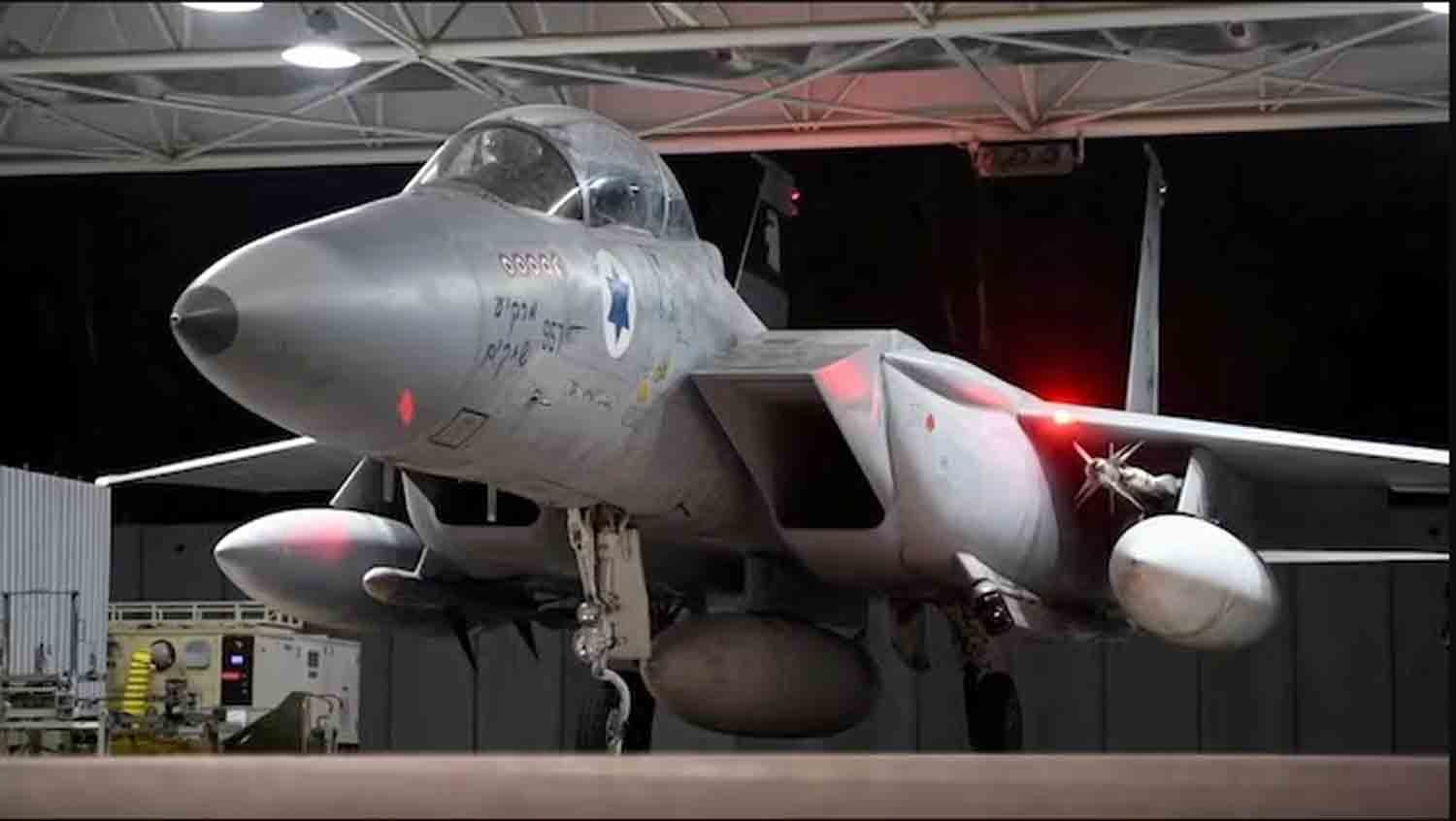
Israel’s strategic deployment of air-launched ballistic missiles in its airstrikes against Iran is likely to attract attention from other nations considering similar capabilities, particularly as most major powers have opted for cruise missiles and glide bombs instead. The Israel Defense Forces reported that their operation on October 26 successfully targeted Iranian missile production facilities and air defense systems through a series of three coordinated strikes. Analysts noted that satellite imagery indicated the strikes hit structures previously associated with Iran’s nuclear program.

Tehran employs a wide array of anti-aircraft systems to protect these sites, according to Justin Bronk, an expert in airpower and technology at the Royal United Services Institute in London. While cruise missiles are more vulnerable to sophisticated, integrated air defense systems, ballistic missiles present a different challenge. They are typically launched from known locations and have limited maneuverability during flight.

Experts highlight that advanced air-launched ballistic missiles, such as the Rampage developed by Israel Aerospace Industries, circumvent the limitations faced by ground-based ballistic missiles and air-launched cruise missiles, which rely on small wings for extended range and altitude maintenance.

Jeffrey Lewis, director of the East Asia Nonproliferation Program at the James Martin Centre for Nonproliferation Studies at the Middlebury Institute of International Studies in California, stated, “The primary benefit of an air-launched ballistic missile (ALBM) compared to an air-launched cruise missile (ALCM) is its superior speed in overcoming defenses. However, the issue of accuracy appears to have been largely addressed.”

Ground-launched ballistic missiles, which Iran has employed in attacks against Israel this year and which have been utilized by both Ukraine and Russia since the onset of Russia’s invasion in 2022, are prevalent in the military inventories of numerous nations. Cruise missiles are also widely available.

The flexibility of launch points for ALBMs, as they are deployed from aircraft, provides significant advantages for strike planners. Uzi Rubin, a senior researcher at the Jerusalem Institute for Strategy and Security and a key figure in the development of Israel’s missile defense systems, noted, “The benefit of air-launching is that these missiles can be deployed from various directions, making it more challenging to defend against them.”

While these weapons are not impervious to air defense systems—evidenced by the successful interceptions of Russia’s Khinzhal missiles by Lockheed Martin’s Patriot PAC-3 systems in Ukraine—many nations, including the United States and the United Kingdom, explored the potential of ALBMs during the Cold War. Currently, only Israel, Russia, and China are known to actively deploy these systems.

The U.S. has conducted tests on a hypersonic ALBM, the Lockheed Martin AGM-183, but it did not receive funding for the 2025 fiscal year. Given its extensive inventory of cruise missiles and other long-range strike capabilities, the U.S. has shown limited interest in pursuing ALBMs. A U.S. Air Force official, who requested anonymity, indicated that ALBMs are not part of current Air Force operations.

Raytheon’s SM-6 missile, originally designed for air defense, has been adapted for air-to-air and surface-to-surface operations, and has also undergone testing as an air-launched anti-ship weapon, according to a senior U.S. defense technical analyst who requested anonymity due to the sensitive nature of the information. The analyst noted that during tests, the missile successfully hit a small land target simulating the center of mass of a destroyer, although the SM-6 is not officially designated for air-to-ground attacks.

A defense industry executive, speaking on the condition of anonymity due to the delicate nature of the topic, remarked that since air-launched ballistic missiles (ALBMs) combine guidance systems, warheads, and rocket motors, many nations with precision weaponry already possess the capability to develop such systems. “This represents an innovative approach to utilizing a common set of technologies and components, transforming them into a highly effective new weapon that enhances their capabilities and options at a cost-effective price,” the executive stated.

Myanmar’s military leader will make his first visit to China since taking power

0
Myanmar's junta chief Senior General Min Aung Hlaing presides over an army parade on Armed Forces Day in Naypyitaw, Myanmar.

Myanmar’s junta leader, Min Aung Hlaing, is set to visit China this week to participate in regional summits, as reported by state media on Monday. This marks his first trip to the significant neighboring country since he took control following a coup in 2021.

Since the coup, Myanmar has experienced significant turmoil, particularly in regions bordering China, where an armed resistance movement has allied with established ethnic minority militias to gain control over substantial areas from the military regime.

Min Aung Hlaing will take part in the Greater Mekong Subregion summit and the Ayeyawady-Chao Phraya-Mekong Economic Co-operation Strategy (ACMECS) meetings, along with discussions with representatives from Cambodia, Laos, and Vietnam on November 6 and 7 in Kunming, according to MRTV. The report indicated that he will engage in talks with Chinese officials to strengthen bilateral relations and explore opportunities for economic and developmental collaboration across various sectors.

The decline of the Myanmar military, exacerbated by significant advances made by anti-junta forces following a surprise offensive last October, has raised concerns in China. In response, China has restricted access to certain border areas and suspended critical imports to regions controlled by rebels, according to Reuters.

China’s interests in Myanmar are substantial, encompassing vital oil and gas pipelines that traverse the nation and a proposed deep-sea port in the Bay of Bengal. Additionally, Beijing relies on imports of rare earth minerals from Myanmar for its automotive and wind energy industries.

“Whether he is visiting to garner additional support from China or to face increased pressure, the outcome is detrimental for the populace,” stated David Mathieson, an independent analyst monitoring the situation in Myanmar. “China has clearly indicated its backing for the State Administration Council and its electoral transition strategy,” he added, referring to the junta led by Min Aung Hlaing.

The junta initiated a nationwide census last month to facilitate an election scheduled for next year, despite lacking control over significant portions of the country and having dissolved numerous political parties. According to Myanmar state media, Beijing has pledged technical assistance and support to the junta for both the census and the upcoming election, following a meeting between Chinese Foreign Minister Wang Yi and Min Aung Hlaing in Naypyidaw,

Myanmar’s capital. This meeting has been interpreted by some critics as an endorsement of the junta by Beijing, leading activists in the conflict-ridden nation to express their frustration with China’s position, viewing it as an obstacle to their pursuit of democracy.

Indonesia and Russia hold joint military training exercises in Java Sea

0

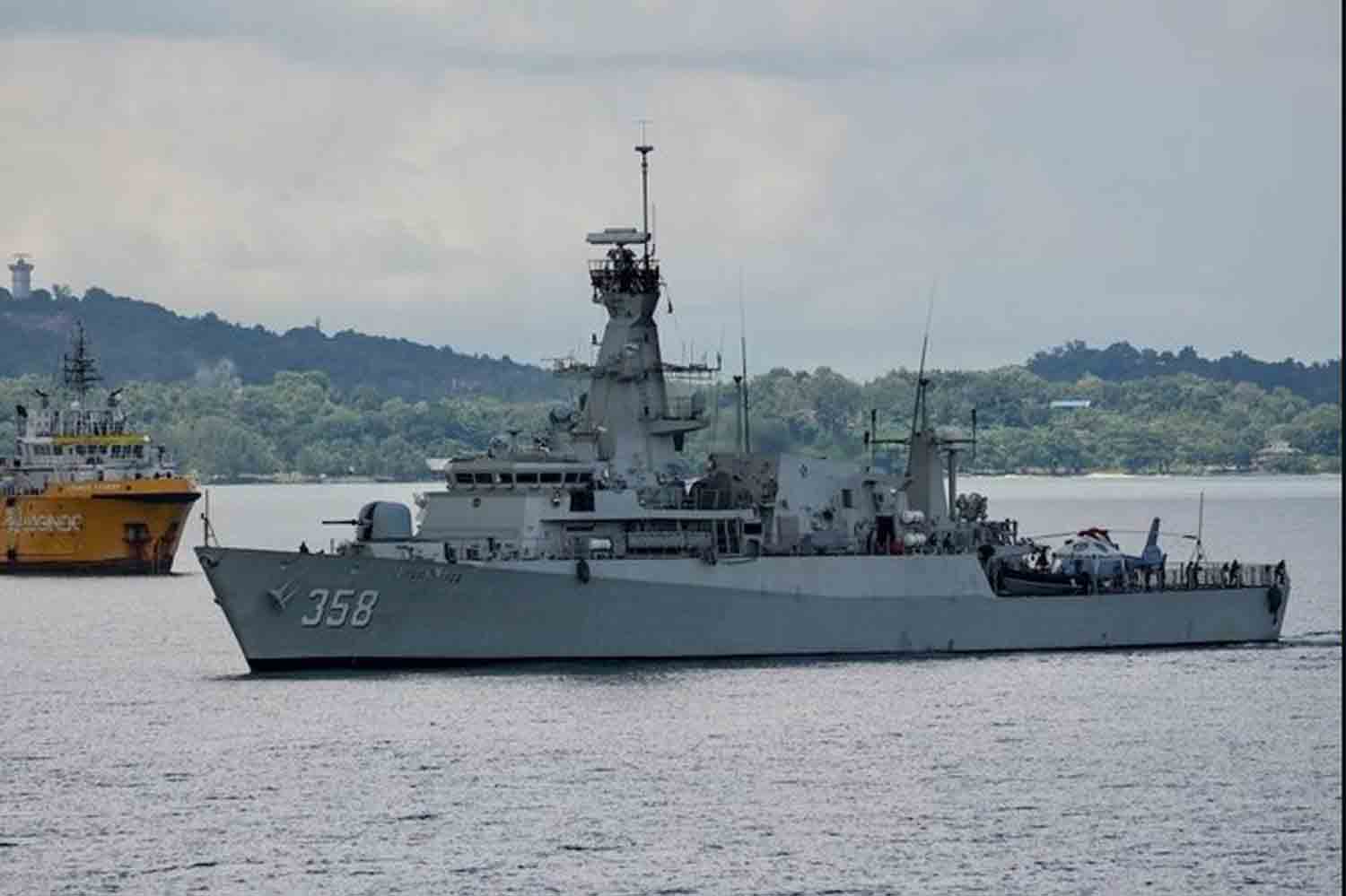
Naval forces from Indonesia and Russia commenced their inaugural joint military training exercises in the Java Sea on Monday, according to the Indonesian navy. Analysts interpret this development as a reflection of Indonesia’s openness to establishing relationships with various nations.

This collaborative effort aligns with the recent commitment made by Indonesia’s newly inaugurated President Prabowo Subianto to strengthen defense ties with Russia, as part of his broader strategy to engage with multiple countries while adhering to Indonesia’s longstanding non-alignment foreign policy.

The exercises are scheduled to occur in the Java Sea, close to Surabaya, east of Jakarta, from November 4 to 8, following the arrival of four Russian warships on Sunday, as reported by navy spokesperson I Made Wira Hady Arsanta Wardhana. “These joint drills represent the realization of an international partnership between the Indonesian and Russian navies, which has consistently been positive,” Wardhana stated, without disclosing additional specifics regarding the nature of the exercises.

A representative from the Russian delegation stated that the purpose of the exercise was to facilitate knowledge exchange between the two navies. The Russian embassy in Jakarta has not yet responded to a request for comment. Sergey Tolchenov, Russia’s ambassador to Indonesia, mentioned in a recent interview with the Russian state news agency TASS that these drills represent the “first large-scale naval exercises between Russia and Indonesia.”

Analysts suggest that these exercises indicate Indonesia’s increasing openness to forming relationships with various nations. “This could imply that Indonesia is eager to collaborate with everyone,” noted Yohanes Sulaiman, a professor of international relations. He also pointed out that there are still uncertainties regarding Prabowo’s overarching foreign policy strategy, suggesting that the drills might serve as a demonstration of Russia’s continued alliances. Prabowo referred to Russia as his “great friend” during his visit to Moscow in July.

Indonesia has conducted military exercises in collaboration with various nations. Since 2006, it has organized the annual “Super Garuda Shield” drills alongside the United States, with the 2024 iteration involving more than 4,500 personnel and spanning a duration of two weeks.

Putin is unlikely to negotiate, regardless of the U.S. election outcome

0
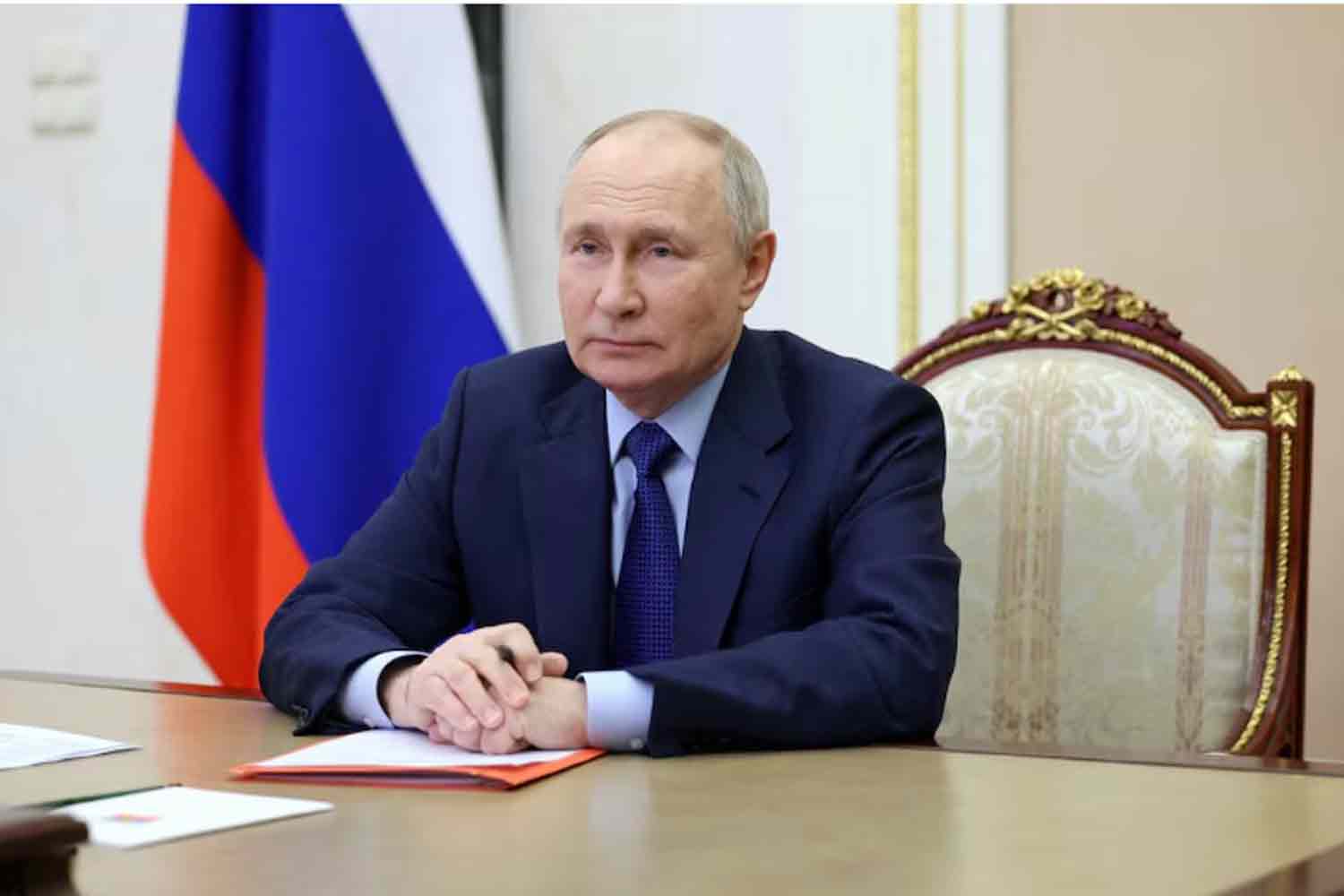
Russian President Vladimir Putin chairs a meeting

Russia’s Putin is closely monitoring U.S. policy developments.

This was the message conveyed by Ukrainian President Volodymyr Zelensky during a press conference in Kyiv last week when asked about Moscow’s readiness to engage in negotiations. He stated, “It hinges on the elections in the United States.”

Should Kamala Harris be elected, she is anticipated to largely uphold the Biden administration’s policies, which have been favorable towards Ukraine, despite some areas of contention, such as the deployment of Western weaponry for strikes deep within Russian territory.

In stark contrast, Donald Trump has indicated that he would withdraw support for Ukraine’s military efforts, asserting that he could resolve the conflict “in one day.” The peace plan proposed by his vice-presidential candidate, JD Vance, bears a striking resemblance to the demands put forth by Putin.

American foreign policy stands at a pivotal moment, yet analysts caution that this may not lead to significant advancements in peace talks.

This is largely due to the absence of any indications that Russia is prepared to engage in negotiations, irrespective of the outcome of the presidential election.

Thomas Graham, a Russian foreign policy expert and distinguished fellow at the Council on Foreign Relations, stated, “It remains uncertain what [Trump] believes he can achieve or what leverage he possesses at this moment, but I doubt it will be a swift process.”

Experts suggest that a decrease in U.S. aid could lead to significant shifts on the battlefield.

Regardless of who becomes president, Putin is likely to take advantage of what he perceives as political instability in the United States, as well as “cracks in Western unity,” Graham informed CNN.

These fractures might manifest through a Trump administration’s potential reduction of U.S. aid and a diminished role in NATO, or through a divided U.S. Congress, among other elements. Additionally, financial strains on European allies and divisions within NATO, particularly with pro-Russian governments in countries like Hungary and Slovakia, contribute to this situation.

Graham further noted, “Without Western unity and a clear demonstration that the West and Ukraine share a common vision for their objectives, Putin has no incentive to alter his actions in Ukraine at this time.”

Experts contend that the complexity of the war extends beyond a straightforward negotiation between Moscow and Kyiv, framing it as a larger conflict between Russia and the West.

According to John Lough, an associate fellow in the Russia and Eurasia Program at Chatham House, “For Putin, Ukraine serves merely as a tool to achieve the broader goal of diminishing U.S. influence in global affairs.”

Lough added that when Trump’s advisors clarify the situation, particularly regarding China’s crucial role in supporting Russia’s ongoing military efforts, Trump may find himself less inclined to support Putin. He cautioned that any concessions made could be interpreted by Beijing as a sign of U.S. weakness, which contradicts Trump’s assertive stance on the threat posed by China.

Attritional warfare is benefiting Putin

Ukraine is currently outnumbered, and Putin seems willing to endure significant casualties. NATO reports indicate that over 600,000 Russian soldiers have been killed or injured.

“The enemy is reinforcing its forces to push the Ukrainian Armed Forces out of the Kursk region at any cost,” stated Oleh Shiryaev, commander of the 225th Separate Assault Battalion engaged in Ukraine’s unexpected incursion across the Russian border. “Russia’s primary advantage in this conflict is its troop numbers—these are substantial assaults and offensive maneuvers. They are executing this strategy across all sections of the frontline.”

In the Zaporizhzhia region, another commander from the Security Service of Ukraine remarked, “By deploying a large number of personnel as expendable resources, they aim to establish a presence in the contested areas of the front.” The officer, who requested anonymity and goes by the call sign “Bankir,” meaning accountant, informed CNN that a sophisticated network of fortifications in Zaporizhzhia is aiding Ukraine in defending its positions.

However, Kyiv recognizes that this alone is insufficient. On Wednesday, Ukraine’s Parliament voted to prolong martial law and the draft for an additional 90 days, with plans to mobilize an extra 160,000 individuals, as announced by the National Security Council.

Ukrainian servicemen interviewed by CNN highlighted that Russia possesses several advantages, including a vast array of drones, high-cost aircraft, and a greater number of vehicles, which facilitate operations during the challenging muddy conditions of fall and winter.

According to these servicemen, Ukraine requires additional support for both its infantry and its supply of equipment.

“We have ammunition, but as our artillery units often remind us, it is never sufficient,” stated Vitaliy Milovidov, spokesman for the 15th Brigade National Guard, who is currently engaged in combat in the eastern Donetsk region, where Russian forces are steadily advancing.

Should a potential Trump administration decide to reduce US aid, Ukraine would find itself increasingly outmatched.

In response, European countries are working urgently to boost ammunition production for Ukraine to mitigate any setbacks that might arise from a decrease in US support.

However, even if US policy remains consistent, it seems that Kyiv’s Western allies are not prepared to provide the level of resources necessary for significant advancements on the battlefield.

Chatham House’s Lough expressed, “I suspect this situation will persist, potentially at a diminished intensity, but over an extended period. A Harris administration would certainly not abandon the Ukrainians; however, it would significantly challenge their determination and willingness to sustain this protracted conflict.”

This is why Putin’s approach seems designed to undermine the morale of the Ukrainian populace.

Russia has consistently targeted civilians and civilian infrastructure, severely damaging Ukraine’s energy grid. This has intensified the hardships faced by ordinary Ukrainians, who are now confronted with a winter lacking adequate heating and water.

Experts indicate that while the Ukrainian population is undoubtedly fatigued, they do not seem inclined to capitulate. Following the horrific mass killings in Bucha and Mariupol, the cruel treatment of Ukrainian prisoners in Russian custody, and the forced deportation of Ukrainian children, they are acutely aware of the harsh realities of Russian occupation.

Meanwhile, Zelensky continues to seek support from both political parties. He remarked on Thursday that if Trump aims to compel Ukraine to concede everything for a deal with Russia, he believes that outcome is unattainable.

Australia terminated a multi-billion dollar military satellite project with Lockheed Martin

0

Australia has terminated a multi-billion dollar military satellite initiative with Lockheed Martin, as announced by the Department of Defence on Monday. The military will now redirect its efforts towards developing a multi-orbit system.

Last year, Lockheed Martin Australia was selected as the preferred bidder for the Geostationary Earth Orbit (GEO) satellite communications system, which was intended to establish Australia’s first sovereign-controlled satellite communication network across the Indo-Pacific region.

The Department of Defence confirmed the cancellation of the single orbit satellite project with Lockheed Martin in its statement. It noted that due to advancements in space technologies and the changing landscape of threats in space since the project’s inception, a single orbit GEO-based satellite communications system would not align with strategic priorities. Consequently, Australia will focus on enhancing its multi-orbit capabilities to bolster the resilience of the Australian Defence Force.

In a recent radio interview with the Australian Broadcasting Corporation, Prime Minister Anthony Albanese stated that although Australia’s defence budget is on the rise, his administration is focusing on prioritizing its acquisitions.

When the Lockheed Martin project was unveiled last year, officials described it as a “multi-billion dollar” agreement; however, the Defence statement released on Monday did not specify the value of the cancelled project.

Orban says Europe must reconsider its support for Ukraine if Donald Trump is re-elected

0

Hungarian Prime Minister Viktor Orban stated on Sunday that Europe must reconsider its support for Ukraine if Donald Trump is re-elected as president of the United States, emphasizing that the continent cannot shoulder the burdens of the war independently.

Orban, who is against military assistance to Ukraine, believes that Trump aligns with his perspective and would pursue a peace agreement for Ukraine. He expressed his support for Trump, the Republican candidate, to defeat Democratic candidate Kamala Harris in the upcoming U.S. election.

“We in Europe must understand that if America elects a pro-peace president, which I firmly believe is possible based on the current trends, then Europe cannot continue to adopt a pro-war stance,” Orban remarked.

He noted that the situation in Ukraine will be a key topic during the upcoming meetings of European leaders in Budapest, which will include a session of the European Political Community and a more informal gathering of EU leaders.

Europe cannot shoulder the weight of the conflict independently, and should the United States pivot towards peace, we too must adjust our approach, which will be the focus of our discussions in Budapest, Orban stated.

There is growing anxiety in Europe regarding how the results of the U.S. election might influence the situation in Ukraine and the overall security of the continent.

Orban’s close relationship with Russia and his resistance to providing support for Ukraine have drawn criticism from Brussels.

In July, Hungary’s foreign minister, Peter Szijjarto, expressed that the Hungarian government views Trump as a potential “opportunity for peace” in Ukraine.

Orban mentioned in July that his team was collaborating with Trump’s advisors on family and migration policies. On Thursday, he reached out to Trump to extend his best wishes ahead of the upcoming election.

Taiwan sees rising Chinese military activity as the US election nears

0

Taiwan’s defense ministry reported on Sunday that it had identified 35 Chinese military aircraft, comprising fighters and bombers, heading south towards the island as part of exercises in the Pacific. This marks the second consecutive day of such sightings.

China regards Taiwan, which operates under a democratic government, as part of its territory, despite strong opposition from Taipei. The Chinese military frequently conducts operations in the air and waters surrounding the island to assert its sovereignty claims.

China’s defense ministry did not provide a response regarding these missions, which come just days before the U.S. presidential election on Tuesday. The United States is legally obligated to supply Taiwan with defensive capabilities, and recent arms sales, including a $2 billion missile system announced last month, have provoked anger from Beijing. According to Taiwan’s defense ministry, as of 9 a.m. (0100 GMT) on Sunday, it had detected 37 Chinese military aircraft, including J-16 fighters, nuclear-capable H-6 bombers, and drones.

A total of 35 aircraft were reported to have flown to Taiwan’s southwest, south, and southeast regions, entering the Western Pacific for long-range training exercises, according to the ministry. The ministry also indicated that it had deployed its own forces to monitor the situation.

On Saturday, the ministry announced that China had conducted another “joint combat readiness patrol” involving warships and aircraft in proximity to Taiwan.

Last month, China conducted extensive military exercises around Taiwan, which it characterized as a warning against “separatist actions,” prompting criticism from both the Taiwanese and U.S. governments.

Beijing has expressed strong disapproval of Taiwan President Lai Ching-te, who assumed office in May, labeling him a “separatist.” Lai maintains that only the people of Taiwan have the authority to determine their future and has consistently proposed discussions with Beijing, only to be met with rejection.

United States to deploy B-52 bombers, destroyers to the Middle East

0
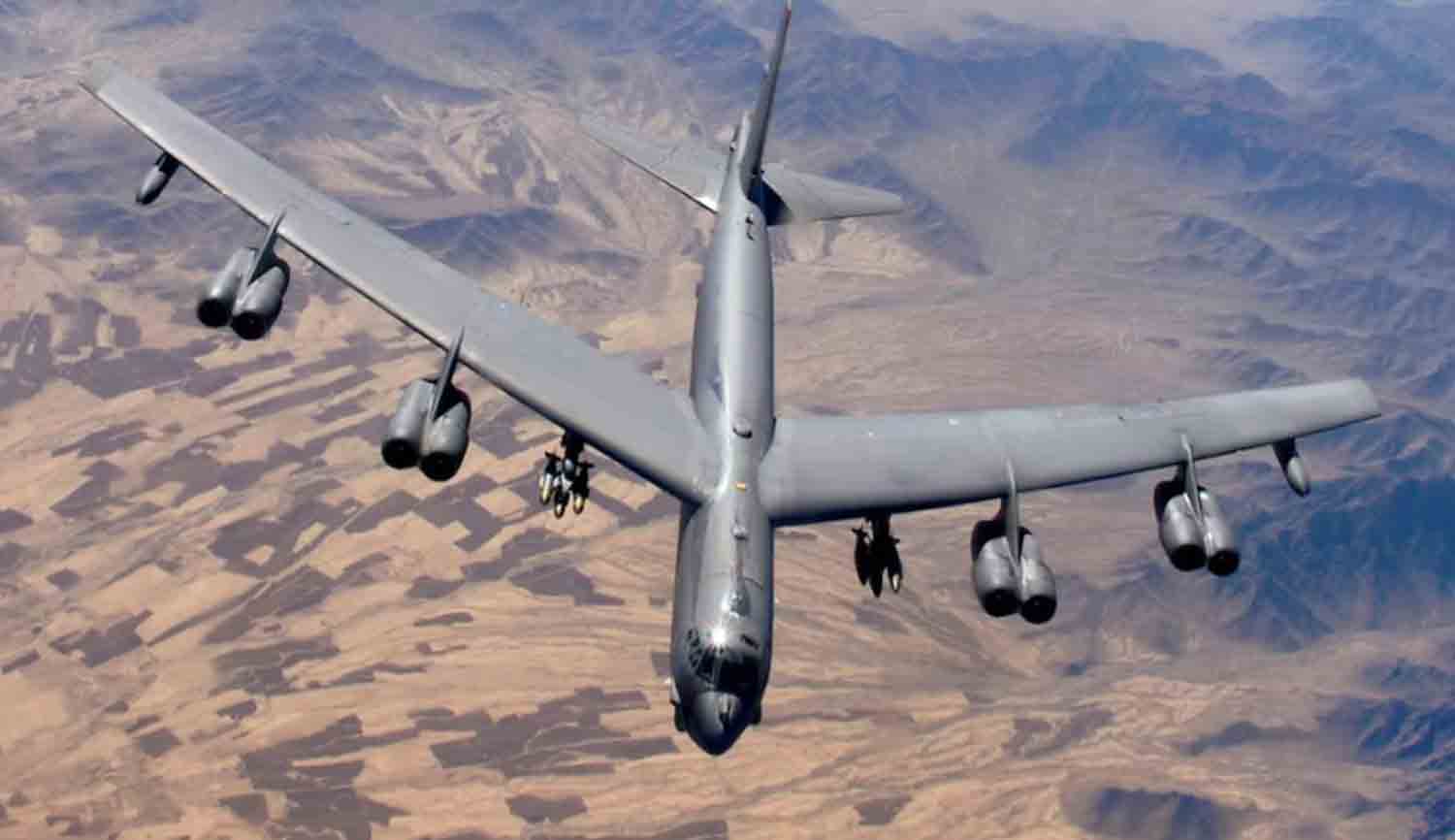
B-52 Stratofortress

The United States announced on Friday its plans to deploy B-52 bombers, fighter jets, refueling aircraft, and Navy destroyers to the Middle East as part of a strategic realignment of military resources, coinciding with the impending departure of the Abraham Lincoln carrier strike group from the region.

According to a Pentagon statement, these deployments are expected to occur over the coming months and highlight the adaptability of U.S. military operations globally.

“Should Iran, its allies, or its proxies take this opportunity to target American personnel or interests in the region, the United States will take all necessary actions to protect our people,” stated Pentagon spokesperson Air Force Major General Patrick Ryder.

Over the past year, the U.S. has maintained as many as two aircraft carriers in the Middle East amid escalating tensions following the onset of the Israel-Hamas conflict in October 2023.

The withdrawal of the Lincoln will result in a temporary gap in aircraft carrier presence until another is deployed to the region. This latest adjustment in U.S. military forces comes in the wake of direct confrontations in October between Israel and Iran. Israel is currently engaged in conflict with Iran-backed Hamas in Gaza and Hezbollah in Lebanon, and has conducted strikes in Yemen in response to attacks from Iran-aligned Houthi fighters.

The United States has committed to supporting Israel against potential attacks and ensuring the safety of U.S. forces in the Middle East, who have faced assaults from Iran-backed groups in Syria, Iraq, Jordan, and off the coast of Yemen.

Israel’s military claims its strategic goals in Lebanon and Gaza are met; will Netanyahu agree to a ceasefire?

0
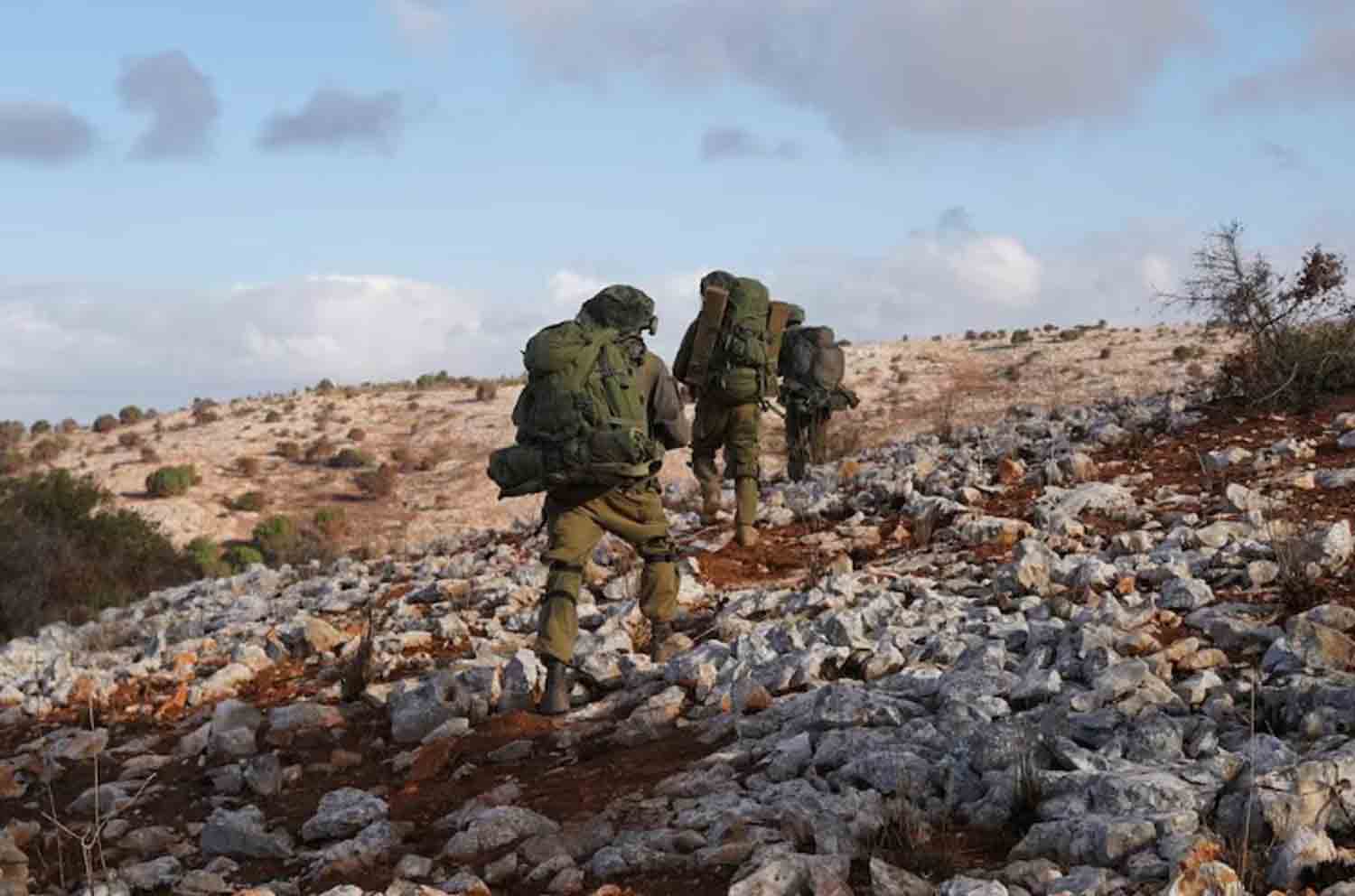
A handout image released on October 3, 2024 by the Israeli army says to show members of the Israeli army taking part in an operation in southern Lebanon.

Israel’s military leaders are increasingly indicating that the nation has reached its military objectives in Lebanon and Gaza, suggesting it is now time for political negotiations to take place.

This development coincides with statements from Lebanon’s prime minister, who has indicated that a ceasefire between Hezbollah and Israel may be on the horizon. Additionally, both candidates for the upcoming American presidency have expressed their desire to avoid having the conflicts in Gaza and Lebanon dominate their agendas upon taking office.

During a meeting with officers in northern Gaza, where one of the military’s most intense operations is underway since last year’s invasion, the Chief of the General Staff, Herzi Halevi, made a notable suggestion that the military operations in both regions should come to a close. He remarked, “In the north, there’s a possibility of reaching a sharp conclusion,” referring to the conflict with Hezbollah in Lebanon. Regarding Gaza, he noted, “if we take out the northern Gaza Brigade commander, it’s another collapse…. I don’t know what we’ll encounter tomorrow, but this pressure brings us closer to more achievements.”

The definition of what those achievements should entail remains a topic of significant debate.

Israeli Prime Minister Benjamin Netanyahu has consistently asserted his commitment to achieving “absolute victory.” However, his defense minister and long-time political rival, Yoav Gallant, has expressed skepticism regarding this objective. In August, during a private meeting of a parliamentary committee, he described the notion of “absolute victory” in Gaza as “nonsense,” as reported by Israeli media.

Gallant’s critical perspective on Netanyahu’s war aims was formalized earlier this week when he allegedly sent a confidential memo to the prime minister and his cabinet, indicating that the war had deviated from its intended path.

He stated, “The current situation in which we operate, without a valid compass and without updated war objectives, undermines the management of the campaign and cabinet decisions,” according to Israel’s Channel 13.

In his memo, Gallant emphasized that Israel should focus on securing the release of remaining hostages, eliminating any military threats from Hamas, and fostering civilian governance. This approach significantly contrasts with the current, more ambitious goal of dismantling Hamas’ military and governance structures.

CNN reached out to the Israeli defense ministry for comments regarding the memo, but a spokesperson for the prime minister chose not to respond.

Lebanon’s caretaker Prime Minister Najib Mikati expressed optimism on Wednesday regarding the possibility of a ceasefire between Hezbollah and Israel, suggesting it could be reached “within the next few hours or days.” This statement followed his discussions with US envoy Amos Hochstein, who arrived in the region on Thursday.

For the past month, Israel has conducted an extensive bombing campaign across Lebanon, resulting in the death of Hezbollah’s elusive leader, Hassan Nasrallah. In his remarks, Mikati noted that Hezbollah appears to be shifting its stance, no longer insisting that its conflict with Israel must end only after the situation in Gaza is resolved. This change could facilitate a ceasefire even while the Gaza conflict continues.

A source familiar with the Israeli government’s perspective told CNN, “There is currently a desire to exit the war in Lebanon while we are still in a favorable position.”

Israeli Defense Minister Yoav Gallant stated that both Hamas and Hezbollah have been rendered ineffective as Iranian proxies. “These two organizations, Hamas and Hezbollah, which were developed over the years as a long arm against the State of Israel, are no longer a viable tool for Iran,” Gallant remarked during a memorial service on Sunday. He emphasized the importance of fulfilling moral obligations to bring captives home, acknowledging the difficult compromises that may be necessary.

Netanyahu has maintained a resolute stance. As the Knesset, Israel’s parliament, reconvened this week, the prime minister reiterated his ambitious objectives, suggesting that he is not inclined to reach a resolution in the near future: “The absolute victory is an orderly and consistent work plan that we fulfill step by step,” he stated.

At the same time, indirect negotiations between Israel and Hamas are taking place in Qatar for the first time in two months. Netanyahu’s office announced on Monday that if a limited proposal—such as a brief ceasefire in exchange for the release of hostages—were presented, “the Prime Minister would accept it on the spot.” However, a source familiar with the discussions informed CNN that Netanyahu remains unwilling to provide any definitive commitments toward a larger agreement to conclude the conflict.

According to another official acquainted with the negotiations, “The most important war goal has not been achieved, which is bringing the hostages home. Gaza will not end until the hostages are home.”

Russia has questioned the UN on why North Korea shouldn’t aid them if the West is backing Ukraine

0
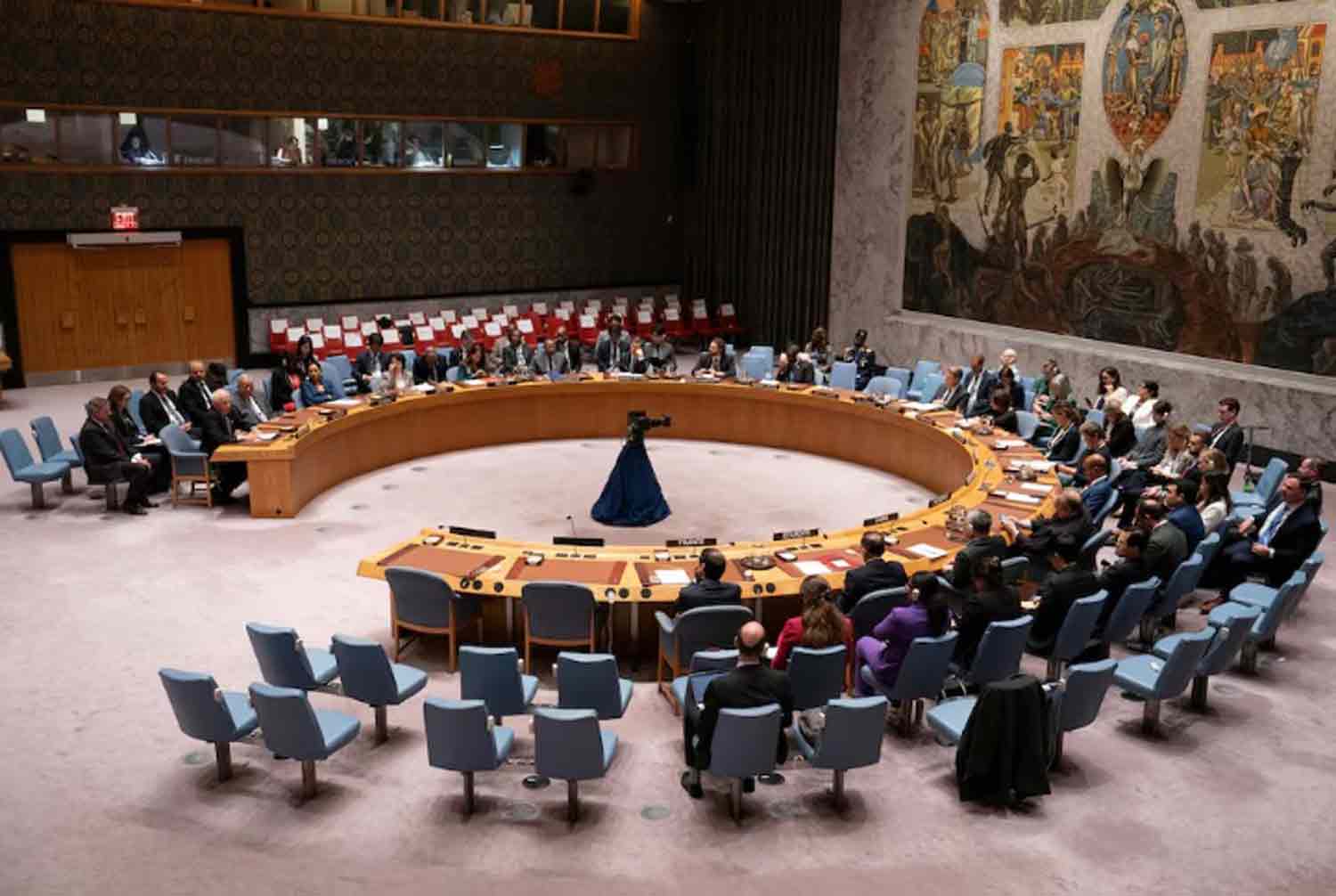
The United Nations Security Council meets on the escalation in fighting in Lebanon between Israel and Hezbollah during the United Nations General Assembly at U.N. headquarters in New York.

Russia’s representative to the United Nations raised concerns on Wednesday regarding the lack of support from its allies, such as North Korea, in its conflict with Ukraine, especially in light of Western nations asserting their right to assist Kyiv.

During a Security Council meeting, Vassily Nebenzia encountered strong opposition from representatives of the United States, Britain, South Korea, Ukraine, and others, who accused Russia of breaching U.N. resolutions and the foundational U.N. Charter by deploying troops from North Korea (DPRK) to aid its efforts.

“Supporting an act of aggression that fundamentally contravenes the principles of the U.N. Charter is unlawful,” stated South Korea’s U.N. Ambassador Joonkook Hwang. “Any actions related to the DPRK’s troop deployment to Russia constitute clear violations of several U.N. Security Council Resolutions.”

According to U.S. Defense Secretary Lloyd Austin, approximately 10,000 North Korean troops are already stationed in eastern Russia, and it is anticipated that they will be utilized in combat operations in Russia’s Kursk region, which borders Ukraine.

Nebenzia stated that Russia’s military cooperation with North Korea does not breach international law. Russia has not refuted the presence of North Korean forces in the conflict it has been conducting in Ukraine since February 2022.

“Even if all the claims made by our Western counterparts regarding the collaboration between Russia and North Korea are accurate, why do the United States and its allies insist on the flawed notion that they have the right to support the Zelenskiy administration while denying similar rights to Russian allies?” Nebenzia remarked.

In response, Ukraine’s U.N. Ambassador Sergiy Kyslytsya asserted, “None of the nations providing aid to Ukraine are subject to Security Council sanctions.” He further stated, “Accepting support from North Korea, which is fully sanctioned, constitutes a blatant violation of the U.N. Charter.

The deployment of DPRK troops to assist Russia’s aggressive actions against Ukraine is a clear infringement of international law.” North Korea has been under U.N. Security Council sanctions since 2006, with these measures being progressively intensified over the years to prevent the advancement of its nuclear weapons and ballistic missile programs.

North Korea has not confirmed the deployment of troops to Russia, but stated that any such action would align with international law.

North Korea’s U.N. Ambassador Song Kim informed the council, “If Russia’s sovereignty and security are threatened by ongoing aggressive actions from the United States and the West, and if it is deemed necessary to respond, we will make an appropriate decision.”

He added, “Pyongyang and Moscow are in close communication regarding mutual security and the evolving situation.”

In contrast, U.S. Deputy Ambassador Robert Wood issued a warning to North Korean leader Kim Jong Un, stating, “If DPRK troops were to enter Ukraine in support of Russia, they would undoubtedly return in body bags. I strongly advise Chairman Kim to reconsider engaging in such reckless and perilous actions.”

North Korea conducted a test of “most powerful” intercontinental ballistic missile

0

North Korea announced on Thursday that it conducted a test of an intercontinental ballistic missile, enhancing what it described as the “world’s most powerful strategic weapon.” This development comes as Seoul cautioned that Pyongyang might acquire missile technology from Russia in exchange for support in the ongoing conflict in Ukraine.

During the test, North Korean leader Kim Jong Un was present and indicated that the launch served as a warning to adversaries perceived as threats to the nation’s security, according to the KCNA state news agency.

Kim stated, as reported by KCNA, that “the test-fire is a fitting military response aimed at informing our adversaries, who have deliberately heightened tensions in the region and jeopardized the security of our Republic, of our intended counteractions.”

This display of military strength occurs amidst widespread international criticism and growing concerns regarding North Korea’s reported deployment of 11,000 troops to Russia, with 3,000 stationed near the western frontlines in Ukraine.

Additionally, just a day prior, Seoul indicated that North Korea might be preparing for an ICBM test launch or a seventh nuclear test coinciding with the U.S. presidential election on Tuesday, likely aiming to showcase its advancing military capabilities. Shin Seung-ki, the head of North Korea military research at the Korea Institute for Defense Analyses, suggested that the launch was probably intended to evaluate the enhanced performance of an existing ICBM, potentially with assistance from Russia.

North Korea is likely to continue seeking assistance of this nature, as it enhances efficiency and reduces expenses while also bolstering the reliability of its weapon systems, he stated.

In light of the scrutiny surrounding its ties with Russia, “the aim may be to demonstrate resilience against external pressure, to counter strength with strength, and to potentially exert some influence over the U.S. presidential election,” Shin remarked.

North Korea’s longest ballistic missile test

The missile launch early Thursday marked North Korea’s longest ballistic missile test to date, with a flight duration of 87 minutes, as reported by South Korea. According to KCNA, this test established new benchmarks for the country’s missile capabilities. The missile was launched at a steep angle from a location near the North’s capital and landed approximately 200 km (125 miles) west of Japan’s Okushiri Island, off Hokkaido. It achieved an altitude of 7,000 km and traveled a distance of 1,000 km, according to the Japanese government.

The lofted trajectory, characterized by a steep ascent, is designed to evaluate the missile’s thrust and stability over shorter distances compared to its intended range, primarily for safety reasons and to mitigate the political repercussions of a missile traveling far into the Pacific. North Korea’s previous intercontinental ballistic missile, known as the Hwasong-18, was tested in December of the previous year. This missile, powered by solid propellant and launched from a mobile platform, was also fired at a steep angle, flying for 73 minutes, which could translate to a potential range of 15,000 km (9,300 miles) under normal conditions, placing the entire mainland United States within its reach.

The latest test from Pyongyang occurred just hours after U.S. Secretary of Defense Lloyd Austin and South Korean Defense Minister Kim Yong-hyun convened in Washington to denounce North Korea’s troop deployment in Russia. While neither Moscow nor Pyongyang has explicitly acknowledged this deployment, Russia’s U.N. Ambassador Vassily Nebenzia raised questions on Wednesday about why allies like North Korea could not assist Moscow in its conflict with Ukraine, given that Western nations assert their right to support Kyiv.

South Korea has expressed that this deployment poses a direct threat to its security, as North Korea could acquire significant combat experience in modern warfare and may be compensated by Moscow with “technology transfers” in critical areas such as tactical nuclear weapons, intercontinental ballistic missiles, ballistic missile submarines, and military reconnaissance satellites.

Lebanon’s Prime Minister hopes ceasefire agreement with Israel within a few days

0
Lebanon's caretaker Prime Minister Najib Mikati speaks during a press conference in Beirut, Lebanon.

Lebanon’s Prime Minister expressed optimism on Wednesday regarding the potential announcement of a ceasefire agreement with Israel within a few days. This comes as Israel’s public broadcaster reported the existence of a draft agreement that outlines a preliminary 60-day truce.

According to the broadcaster Kan, the document, which it claims was leaked and drafted by Washington, stipulates that Israel would withdraw its military forces from Lebanon during the first week of the ceasefire period. This information is consistent with earlier reports from Reuters, which cited two sources familiar with the negotiations.

Caretaker Prime Minister Najib Mikati initially doubted the feasibility of a deal until after the U.S. presidential election on Tuesday. However, following a conversation on Wednesday with U.S. Middle East envoy Amos Hochstein, who is scheduled to visit Israel on Thursday, Mikati’s outlook shifted. “Hochstein indicated during our discussion that an agreement could be reached before the end of the month and prior to November 5th,” Mikati shared with Lebanon’s Al Jadeed television.

Mikati stated, “We are making every effort possible and should maintain hope that a ceasefire will be achieved in the coming hours or days.” The draft shared by Kan was dated Saturday. When asked for a comment, White House national security spokesperson Sean Savett remarked, “Numerous reports and drafts are in circulation. They do not accurately represent the current status of negotiations.” However, Savett did not address whether the version released by Kan could serve as a foundation for further discussions.

According to the Israeli network, the draft was presented to Israel’s leadership, but Israeli officials did not provide an immediate response. For the past year, Israel and the Lebanese militant group Hezbollah have been engaged in conflict, coinciding with Israel’s military actions in Gaza, following Hezbollah’s attacks on Israeli targets in support of Hamas. The situation in Lebanon has significantly intensified over the last five weeks, with the Lebanese health ministry reporting that most of the 2,800 fatalities over the past year occurred during this period. Hezbollah has not yet commented on the leaked ceasefire proposal.

Earlier on Wednesday, Naim Qassem, the newly appointed leader of Hezbollah, indicated that the Iran-backed group would consider a ceasefire under specific conditions if Israel was willing to halt the conflict. However, he noted that Israel had not yet accepted any proposals for discussion. This marked Qassem’s inaugural address as secretary-general, following Hezbollah’s announcement of his election after the assassination of the group’s long-standing leader, Hassan Nasrallah.

ISRAEL TARGETS ANCIENT CITY

On Wednesday, Israel’s military operations against the heavily armed Hezbollah in Lebanon intensified, with significant airstrikes launched on the historic city of Baalbek, renowned for its Roman temples, as well as surrounding villages, according to security sources reported by Reuters.

In the wake of an Israeli evacuation alert, tens of thousands of Lebanese, many of whom had sought refuge in Baalbek from other regions, began to flee. Bilal Raad, the regional head of the Lebanese civil defense, described the situation as chaotic, stating, “The entire city is in a state of panic, trying to determine where to go, and there is a massive traffic jam,” prior to the airstrikes.

Lebanon’s health ministry reported that 19 individuals lost their lives due to Israeli strikes on two towns in the Baalbek vicinity on Wednesday. Since the onset of Israel’s military campaign in Lebanon in October 2023, the ministry has indicated that 2,822 people have been killed, with over 1.2 million displaced.

Following the airstrikes, the Israeli military announced that it had targeted Hezbollah fuel storage facilities in the Bekaa Valley. In response to inquiries regarding the bombardment of Baalbek, the U.S. State Department reiterated its support for Israel’s right to strike legitimate Hezbollah targets in Lebanon, while emphasizing the need to avoid endangering civilians, critical infrastructure, and significant cultural heritage sites.

For the third consecutive day, Hezbollah reported fierce clashes with Israeli forces in or around the southern town of Khiyam, marking the deepest incursion by Israeli troops into Lebanon since the escalation of hostilities five weeks ago. Additionally, Hezbollah claimed to have launched missiles at a military camp located southeast of Tel Aviv.

PLAN FOR PERMANENT CEASEFIRE

The White House announced that U.S. security official Brett McGurk, accompanied by Hochstein, will visit Israel on Thursday. A U.S. representative indicated that their discussions would cover various topics, including Gaza, Lebanon, hostages, Iran, and broader regional issues.

The Lebanese prime minister refrained from commenting on the draft proposal released by the Israeli media, which suggested a permanent ceasefire to commence after an initial 60-day period, contingent upon the implementation of United Nations resolutions 1701 and 1559.

Mikati stated that Lebanon is prepared to fully adhere to resolution 1701, enacted in 2006, which mandated the demilitarization of southern Lebanon and the establishment of a U.N. peacekeeping force in the region.

Earlier this month, Hochstein remarked to reporters in Beirut that improved enforcement mechanisms are necessary, as neither Israel nor Lebanon has fully complied with the 18-year-old resolution. The leaked draft from Wednesday proposed the creation of an independent international body to oversee the ceasefire.

Resolution 1559, adopted in 2004, called for the disbandment and disarmament of all militias in Lebanon. The initiative for a ceasefire in Lebanon coincides with ongoing diplomatic efforts to halt hostilities in Gaza.

U.S. mediators developing a proposal aimed at ceasing hostilities between Israel and Hezbollah

0

U.S. mediators are currently developing a proposal aimed at ceasing hostilities between Israel and the Lebanese militant group Hezbollah, which would initiate a 60-day ceasefire, according to two sources on Wednesday. However, Israel has intensified its military actions, instructing residents to evacuate the eastern Lebanese city of Baalbek.

The sources, comprising an individual informed about the negotiations and a senior diplomat involved in Lebanon, informed Reuters that the two-month timeframe would be utilized to ensure the complete implementation of United Nations Security Council Resolution 1701, which was established in 2006 to maintain a weapons-free southern Lebanon outside of state control.

A U.S. official indicated that White House representatives Brett McGurk and Amos Hochstein are scheduled to visit Israel on Thursday to discuss various topics, including Gaza, Lebanon, hostages, Iran, and broader regional issues. This latest initiative occurs as Israel’s military campaign against the Iran-aligned Hezbollah in Lebanon continues to escalate. On Wednesday, the Israeli army issued its first evacuation order for Baalbek, where tens of thousands of predominantly Shi’ite Lebanese, many of whom had previously fled from other regions, are currently residing.

Such alerts are typically succeeded by intense bombardment, prompting Governor Bachir Khodr to urge residents to evacuate towards the north. Bilal Raad, the regional leader of the Lebanese civil defense, indicated that the predominantly volunteer team has been using megaphones to instruct residents to leave, following calls from individuals claiming to represent the Israeli military. “The streets are overcrowded, and the entire city is in a state of panic as people scramble to find safe locations, resulting in significant traffic congestion,” he remarked.

Many of the destinations they are heading to are already overwhelmed with displaced individuals. Antoine Habchi, a lawmaker from the Christian-majority area of Deir al-Ahmar, located northwest of Baalbek, reported that over 10,000 people were already taking refuge in homes, schools, and churches prior to the evacuation directive issued on Wednesday. “We are open to everyone, of course, but we urgently require government assistance to ensure these individuals do not have to endure the cold outdoors,” he stated to Reuters.

Hezbollah has announced that for the third consecutive day, there has been fierce combat with Israeli forces in or near the southern town of Khiyam, marking the furthest incursion by Israeli troops into Lebanon since the onset of hostilities.

On Tuesday, Israeli airstrikes in Sarafand, located in southern Lebanon, resulted in the deaths of at least 10 individuals, predominantly women and children. Additionally, a separate attack on the port city of Sidon claimed the lives of at least five people and left 37 others injured, according to Lebanese officials.

Significant Effort

Resolution 1701 has served as the foundation for discussions aimed at concluding the recent conflict between Israel and Hezbollah, which intensified alongside the war in Gaza and has seen a notable escalation over the past five weeks.

“We want to emphasize our commitment to a diplomatic solution that fully enacts 1701 and allows both Israeli and Lebanese citizens to return to their homes on either side of the border,” stated Sama Habib, spokesperson for the U.S. embassy in Beirut, in response to inquiries about the proposed plan.

U.S. envoy Hochstein mentioned to reporters in Beirut earlier this month that improved enforcement mechanisms are necessary, as neither Israel nor Lebanon has completely adhered to the resolution.

According to two sources who spoke to Reuters, a 60-day truce has now taken the place of a previous proposal from the United States and other nations, which suggested a 21-day ceasefire as a precursor to the full implementation of 1701.

However, both sources warned that the agreement could still collapse. “There is a significant effort underway to achieve a ceasefire, but realizing it remains challenging,” the diplomat remarked.

A source familiar with the discussions indicated that Israel continues to advocate for the capability to execute “direct enforcement” of the ceasefire through airstrikes or other military actions against Hezbollah in the event of a breach.

According to Israel’s Channel 12 television, the country is pursuing a strengthened version of U.N. Resolution 1701, which would permit intervention if Israel perceives a threat to its security. Lebanese officials noted that Lebanon has not yet received a formal briefing on the proposal and is unable to comment on its specifics.

The initiative for a ceasefire in Lebanon coincides with the upcoming U.S. presidential election and aligns with ongoing diplomatic efforts regarding Gaza. Israeli and U.S. officials are optimistic that Hezbollah may be inclined to distance itself from Hamas in Gaza, particularly following significant setbacks, including the death of its leader, Hassan Nasrallah, as reported by Axios.

China suggest Trump could lead to a disregard for Taiwan

0
The Chinese flag is seen in this illustration.

China suggested on Wednesday that a victory for U.S. Republican presidential candidate Donald Trump in the upcoming Nov. 5 election could lead to a disregard for Taiwan, emphasizing that the United States has consistently followed an “America First” approach.

Trump, currently in a tight race with Vice President Kamala Harris according to polls, has made statements during his campaign indicating that Taiwan, which China claims, should bear the costs of its own defense and has accused the island of appropriating American semiconductor business.

In response to Trump’s recent comments about imposing significant tariffs on China if it were to “intervene in Taiwan,” as well as his assertion that Taiwan should finance its own protection, a spokesperson from China’s Taiwan Affairs Office remarked that the people of Taiwan are well aware of U.S. intentions.

“Regardless of whether the United States aims to support or undermine Taiwan, I believe that the majority of our compatriots in Taiwan have already made a rational assessment and understand that the U.S. policy is fundamentally ‘America First’,” Zhu Fenglian stated during a regular press briefing.

She was alluding to Trump’s preferred slogan that emphasizes prioritizing American interests. Zhu remarked that the people of Taiwan understand that “Taiwan could easily shift from being a pawn to a neglected child,” without directly mentioning Trump. Zhu’s expression draws on a strategy from the game of Go, where a player may sacrifice a lesser piece to gain a significant advantage or achieve victory.

The United States is legally obligated to equip Taiwan with the resources necessary for self-defense, despite the lack of formal diplomatic relations between Washington and Taipei.

In a recent interview on “The Joe Rogan Experience” podcast, Trump reiterated his assertions that Taiwan is “stealing” U.S. chip business and suggested that it should pay for protection. On Wednesday, Taiwan’s Economy Minister Kuo Jyh-huei informed reporters in Taipei that he would refrain from commenting due to the ongoing U.S. election campaign. “I wish the United States well for a successful democratic election,” he stated. Taiwan received substantial support from Trump’s administration from 2017 to 2021, including arms sales, which have persisted under President Joe Biden’s administration.

The United States revealed a new arms package for Taiwan on Friday, valued at nearly $2 billion, primarily for missile systems. This move has provoked strong disapproval from Beijing, which opposes all arms sales to Taipei.

Zhu issued a firm warning to the administration of Lai Ching-te, stating that purchasing weapons will not guarantee security, referring to Taiwan’s president, whom China labels a “separatist.” Taiwan’s democratically elected government firmly contests Beijing’s claims of sovereignty, asserting that only the people of the island have the authority to determine their future.

Modi’s tough-minded potential successor Amit Shah under the radar

0

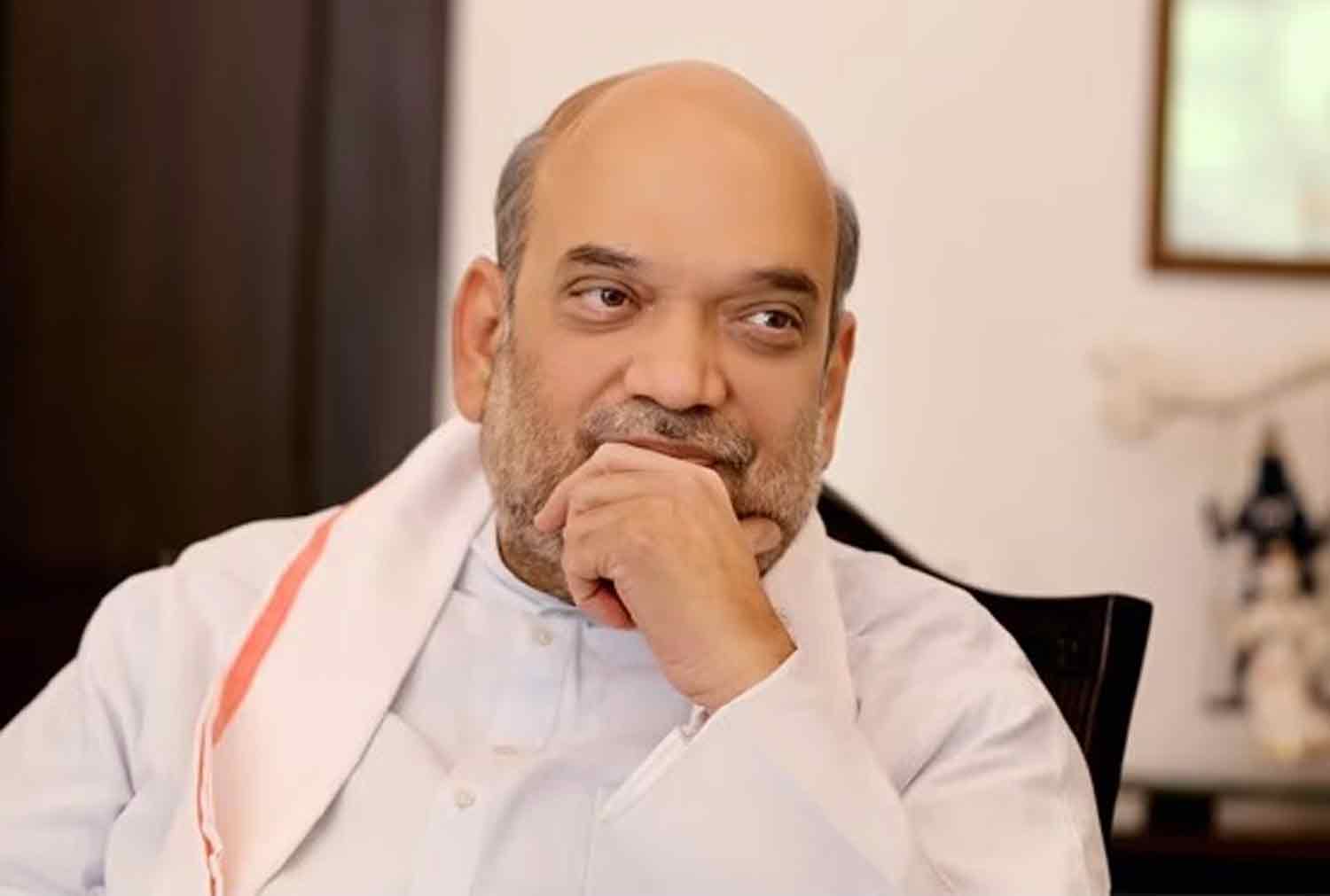
India’s Home Minister Amit Shah has been accused by Canada of orchestrating efforts to target Sikh separatists within its borders. Shah has served as a key ally to Prime Minister Narendra Modi for many years and is often regarded as Modi’s tough-minded counterpart and a potential successor.

Neither Shah’s office nor the Indian Ministry of External Affairs has responded to inquiries regarding these allegations. India has consistently denied involvement in the 2023 assassination of Sikh separatist Hardeep Singh Nijjar in Canada, as well as in the alleged targeting of other dissidents, although this controversy has resulted in the expulsion of diplomats from both nations.

Canada has yet to provide any evidence supporting the claims of Shah’s involvement in actions against Sikh separatists, a point highlighted by Canadian Deputy Foreign Affairs Minister David Morrison on Tuesday. Political analysts frequently identify Shah, 60, as the most influential politician in India after Modi. The two, both aligned with Hindu nationalist ideologies, have collaborated in various governmental roles for over twenty years, beginning in their home state of Gujarat. Many observers believe Shah is poised to assume leadership should Modi step down.

During his inaugural press conference in India as prime minister in 2019, Modi delivered a succinct statement without taking any questions, indicating the presence of then-ruling party president Shah beside him.

“I am a disciplined soldier of the party; the president means everything to me,” Modi remarked, alluding to Shah.

Shah, known for his strategic prowess in campaigning, has been instrumental in leading Modi’s nationalist Bharatiya Janata Party (BJP) to significant electoral successes, transforming the party from relative obscurity to a position of political prominence. In 2019, Modi appointed him as the head of the influential Ministry of Home Affairs.

According to Shah’s official website, “As a vigilant and alert administrator, Amitbhai Anilchandra Shah views inadequate and inconsistent security as a significant barrier to the progress of society, the nation, and the state.” The site also notes that he was wrongfully accused in 2010 of involvement in the extrajudicial killing of a “notorious terrorist” during his tenure as Gujarat’s home minister, which led to his resignation and a three-month imprisonment. He was acquitted by a court in 2014.

Shah played a crucial role in the revocation of the semi-autonomy of Jammu and Kashmir, India’s only Muslim-majority state, in 2019, and facilitated the process for non-Muslims from neighboring countries to acquire Indian citizenship, as stated on his website.

Hailing from Mumbai, he has been an elected official for over 25 years. Born into a well-off family in Gujarat, Shah left his education at around 18 years old, as noted in a declaration made during the 2019 general elections.

Since that time, apart from a brief period selling plastic tubing, he has dedicated nearly his entire adult life to the Bharatiya Janata Party (BJP) and its associated organizations, earning a reputation as a staunch Hindu nationalist with rigid beliefs.

A long-time acquaintance of both Modi and Shah remarked that they view their advocacy for Hindu causes not merely as intellectual leaders but as proactive leaders, demonstrating a fearless commitment to their principles.

In 2021, Shah stated at a conference that under Modi’s leadership, India was adopting a “nation first” approach, particularly following targeted military actions against alleged militant camps in Pakistan in 2016 and 2019, which were responses to attacks on Indian forces.

“The world was astonished when we took action within Pakistan’s borders,” he remarked. “Previously, the U.S. and Israel were recognized for such actions, but now India has entered that sphere. For the first time, our defense strategy has emerged from the confines of foreign policy. We have made it clear that we desire peaceful relations with all, but it is essential that others also conduct themselves peacefully towards us.”

Leaders across Europe taking proactive measures regarding a potential “Trump 2.0” scenario

0

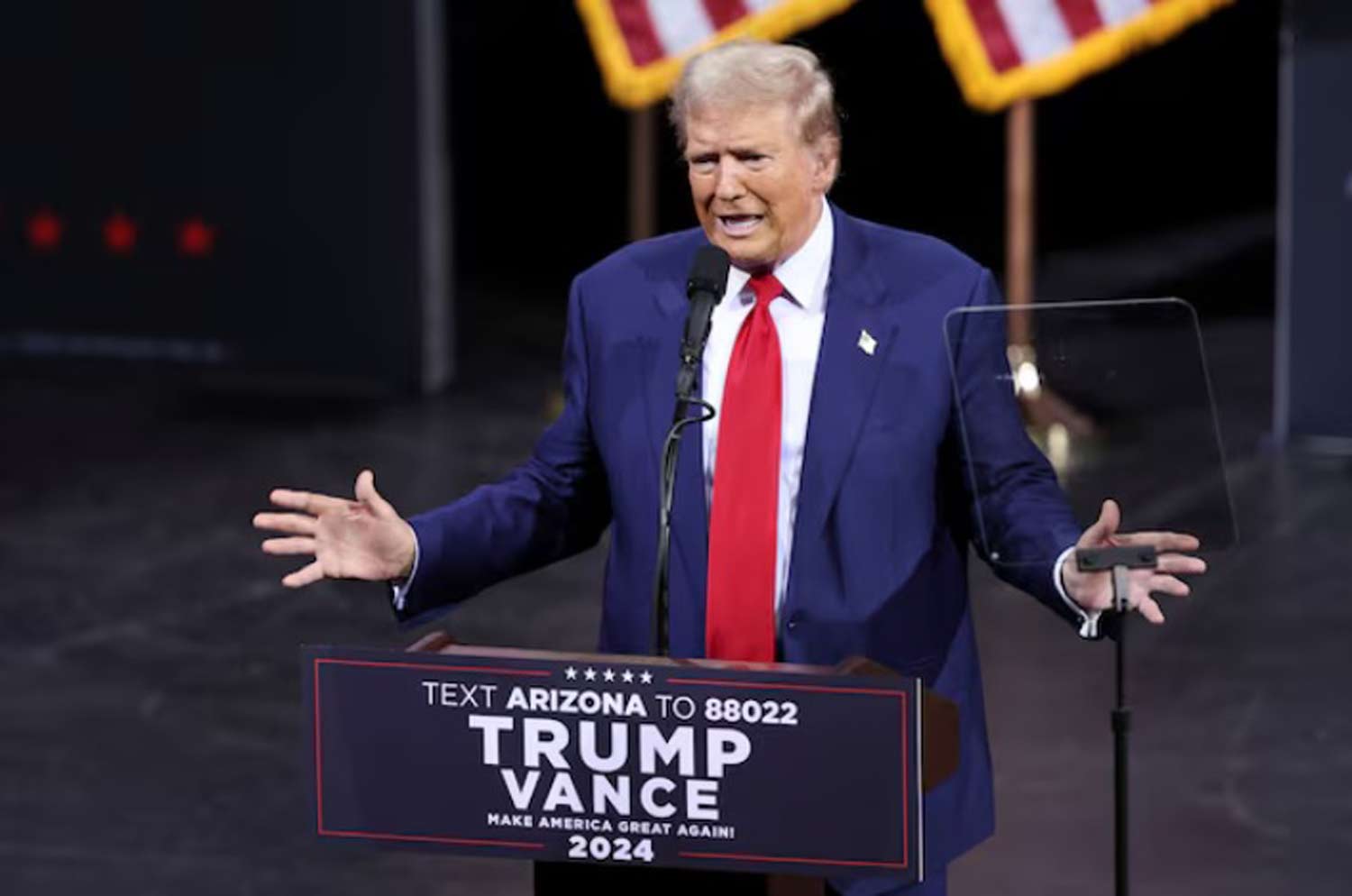
Trump has pledged to pursue specific objectives if he regains the presidency of the United States, and his proposals, regardless of their feasibility, are raising alarms internationally. He has promised to resolve the conflict in Ukraine “within 24 hours” through negotiations with Russia’s President Vladimir Putin, request that Europe cover the costs of billions in US aid to Ukraine, withdraw from the Paris climate agreement once more, and impose significant tariffs on foreign imports, potentially reaching as high as 200 percent in some instances.

As the November 5 election approaches, which is anticipated to be highly competitive, leaders across the Atlantic are taking proactive measures. Europe finds itself in a more precarious situation than during Trump’s initial term, particularly following the full-scale Russian invasion of Ukraine in 2022. Additionally, the former president has committed to maintaining his isolationist, “America first” foreign policy stance, with intentions to adopt a more radical approach than he could during his first term. This has led to increased apprehension regarding a potential “Trump 2.0” scenario.

“Trump was not fully prepared for victory in the 2016 election, which forced him to depend heavily on established party figures and military generals to project an image of ‘strength.’ However, these individuals were less inclined to compromise on established norms than he was. They acted as the ‘adults in the room’ and restrained some of his more disruptive ambitions,” stated Oscar Winberg, a US politics expert at Finland’s Turku Institute for Advanced Studies.

“Now, however, he has had four or even eight years to strategize, intending to populate his administration with conservatives and loyalists while dismissing civil servants who were not politically appointed. Consequently, the safeguards—the seat belts and airbags that previously existed—are no longer in place.”

A resurgent Russian threat

As the possibility of Trump returning to power looms, Europe is increasingly anxious about two main issues: the ongoing war in Ukraine and the United States’ commitment to NATO.

Reports indicate that Trump has pledged not to provide any financial support to Ukraine if he is elected, opting instead to pursue a “peace deal” through negotiations with Putin. However, such an agreement could compel Ukraine to make significant sacrifices, including the loss of parts of its eastern territory. There are concerns that this concession would only exacerbate the Russian threat to Europe.

In response to this potential scenario, measures have been implemented on both sides of the Atlantic to ensure robust support for Ukraine, aiming to provide sufficient financial and military resources for its long-term resistance against Russian aggression.

This summer, NATO announced the establishment of a dedicated mission called the NATO Security Assistance and Training for Ukraine (NSATU), which will be based in Germany. This initiative signifies that NATO, rather than solely relying on the United States as its primary contributor, will now take the lead in coordinating the training of Ukrainian forces and supplying military equipment.

The Group of 7, comprising the United States, Germany, France, the United Kingdom, Italy, Canada, and Japan, has finalized a long-term loan agreement for Ukraine amounting to $50 billion, primarily funded through the interest accrued from frozen Russian assets in Europe.

Outgoing US President Joe Biden has reinforced his support for European allies by addressing the potential risk of a US withdrawal from the agreement in the event of a Trump re-election. He has ensured that the $20 billion US contribution will begin to be disbursed by the end of the year. Since the onset of the war, Congress has passed five bills providing Ukraine with $175 billion in assistance, with $106 billion allocated directly to the Ukrainian government. During a mid-October news conference in Riga, James O’Brien, the assistant secretary of state for European and Eurasian Affairs, stated that Biden intends to utilize the funds designated by Congress for Ukraine before the conclusion of his term.

The European Union is also taking measures to reinforce its sanctions against Russia in anticipation of a potential Trump return. However, a significant obstacle remains, as Hungarian Prime Minister Viktor Orban, who supports both Vladimir Putin and Trump, has threatened to obstruct EU aid to Ukraine and has expressed a desire to lift the sanctions. Approval of EU sanctions requires unanimous consent from all 27 member states.

Another challenge for Europe

To effectively support Ukraine and protect itself from the Russian threat, Europe must enhance its defense capabilities. With uncertainty surrounding the future of U.S. support, several European nations have increased their defense budgets and significantly boosted domestic arms production.

Another challenge for Europe is NATO.

During his first term, Trump frequently expressed a desire to withdraw from the alliance. EU Commissioner Thierry Breton reported that Trump made this sentiment clear to European Commission President Ursula von der Leyen.

“Trump told Ursula: ‘You need to understand that if Europe is under attack, we will never come to help you and to support you. And by the way, NATO is dead. And we will leave, we will quit NATO’,” Breton recounted.

Trump criticized what he termed the “free-loading” behavior of European nations, which benefited from U.S. protection without meeting the NATO guideline of allocating 2 percent of their GDP to defense. At that time, only three of the alliance’s 32 members met this benchmark.

However, following Russia’s extensive invasion of Ukraine in 2022, 23 members have since reached that target.

Despite these improvements in contributions, Trump remains dissatisfied. At a rally in South Carolina earlier this year, he stated he would allow Russia to “Do whatever the hell they want” to NATO members that had not met the 2 percent goal.

It is not within the power of a US president to unilaterally withdraw the nation from NATO, as Congress enacted a law last year requiring Senate approval for such a decision. However, Trump’s threats pose a significant concern as he questions the Alliance’s fundamental principle of mutual defense.

Winberg noted, “A president doesn’t need to formally exit the Alliance to render it ineffective. Simply stating that he will no longer uphold the commitment would have the same practical effect as a withdrawal, and he possesses the authority to do so.”

As reported by Politico, this apprehension has led numerous European diplomats to engage with Trump and his advisors in an effort to moderate his position on the military alliance.

Full-blown trade war

The final challenge for Europe posed by Trump is his commitment to implement significant tariffs on imported goods to stimulate the US economy. This would mean imposing a 60 percent surcharge on Chinese exports and a 10 percent tariff on products from Europe.

Economists have cautioned that this could lead to a full-blown trade war.

Winberg noted that even if Europe attempts to establish new trade agreements with other nations to reduce its dependence on US consumers, “it doesn’t really matter how much you prepare when you have an unreliable person in the White House.”

Europe lacks a proactive strategy; instead, it has developed a contingency plan for potential responses.

The strategy involves retaliatory measures designed to compel Trump to engage in negotiations.

“We will respond swiftly and decisively,” a senior European diplomat informed Politico.

However, despite Europe’s efforts to insulate itself from potential fallout, Wingberg stated that a Trump victory would ultimately be “very detrimental” for the liberal and democratic advocates across the continent.

Israel’s assault has compromised Iran’s defenses, sparking talks of a nuclear option

0

Iran quickly sought to minimize the significance of Israel‘s strikes on its territory over the weekend, indicating that it has opted for a path to prevent a larger conflict. However, this attack has established a precedent that the Islamic Republic has endeavored to avoid for the past 40 years.

For decades, both nations have steered clear of direct conflict, instead engaging in a covert struggle. Israel has employed secretive operations to eliminate prominent Iranian figures and launch cyberattacks on critical infrastructure, while Iran has continued to mobilize its Arab proxy militias to target Israel.

The recent attack represents the first instance in which Israel has openly acknowledged conducting strikes within Iran, thereby bringing their covert conflict into the public eye and prompting some within the Islamic Republic to reassess the nation’s deterrent strength.

In April, following an Iranian strike in retaliation for what it claimed was an Israeli attack on its diplomatic facility in Damascus, U.S. officials reported that Israel responded with its own strikes against Iran shortly thereafter, although Israel did not publicly confirm this action.

This latest incident, however, was distinct. Israel explicitly stated that it executed “precise strikes” on military installations in Iran.

“Israel now enjoys greater aerial operational freedom in Iran,” stated Daniel Hagari, Israel’s military spokesman, highlighting the successes of the operation.

In the aftermath of the assault, Iranian state media released images depicting normal life persisting in its cities. Schools remained open, and Tehran’s streets were shown congested with traffic. Hardline commentators ridiculed the attack on television, while social media memes lampooned the limited scope of the Israeli response.

Internal discussion in Iran

Following the attack, Iran’s Supreme Leader Ayatollah Ali Khamenei provided a cautious response, indicating that the strikes should be viewed with neither exaggeration nor minimization.

However, this initial stance of dismissal gradually faded, leading to an internal discussion regarding the necessity for Iran to respond decisively to deter the normalization of Israeli strikes against a regime that prioritizes its own survival.

Trita Parsi, executive vice president of the Quincy Institute for Responsible Statecraft in Washington, DC, noted, “The prevailing sentiment is that failing to respond could establish a precedent where Israel feels entitled to strike Tehran without facing repercussions.” He expressed concern that if Iran does not take action now, Israel may begin to treat Iran similarly to Syria, resulting in periodic strikes.

The recent strikes, initiated in retaliation for an Iranian assault on Israel three weeks prior, intentionally avoided targeting nuclear and oil installations. Instead, they focused on what the Israeli military identified as “strategic systems in Iran” deemed to be of “great importance.” Israeli Prime Minister Benjamin Netanyahu stated that Iran’s defense capabilities and missile exportation abilities suffered significant damage. CNN has not been able to independently verify these assertions.

Iranian officials reported that some military locations experienced “minor damage” that was “swiftly repaired,” with the Iranian government confirming the deaths of five individuals, including four military personnel.

However, experts contend that the extent of the damage is greater than what Tehran has publicly acknowledged.

“This attack was far more damaging than Iranian officials have suggested. It appears that Iran’s air defense systems and several radars essential for detecting incoming missiles were likely destroyed in the initial strike,” stated Nicole Grajewski, a fellow in the Nuclear Policy Program at the Carnegie Endowment for International Peace.

Tehran has invested years in cultivating regional proxies intended to function as a security shield and the primary defense line against Israel. These militias, positioned along Israel’s borders, also served as a deterrent, discouraging direct Israeli attacks on Iran. The strategy was that any Israeli strike on Iran would provoke a response from Tehran, unleashing its militias against Israel.

This delicate balance of power maintained peace in the region until last year, when Hamas, backed by Iran, launched an attack on Israel from Gaza, resulting in the deaths of 1,200 individuals and the abduction of over 250 hostages. This incited a severe Israeli military response that devastated the Gaza Strip and resulted in the deaths of more than 42,000 Palestinians. The escalation of conflict into southern Lebanon led to the assassination of Hassan Nasrallah, the leader of Hezbollah, Iran’s most significant proxy, severely weakening the organization’s leadership structure.

The weakening of Iran’s key allied militias, Hamas and Hezbollah, along with recent strikes on Iran, has sparked an internal debate within the country regarding the effectiveness of its regional proxies as a deterrent.

“There are certainly voices within the political establishment who question the efficacy of the ‘forward defense’ doctrine, or the notion that Iran’s regional alliance network can provide a security umbrella. If that is changing, one natural aspect of the debate is what could take place to restore deterrence,” stated Mohammad Ali Shabani, editor of Amwaj.media, a London-based news outlet focusing on Iran, Iraq, and the Arabian Peninsula.

The nuclear option

Following the Trump administration’s withdrawal from the nuclear agreement with Tehran in 2018, aimed at limiting Iran’s nuclear activities, the Islamic Republic has progressively increased its uranium enrichment. This enrichment is crucial for developing a nuclear bomb if elevated to a high purity level. Currently, Iran’s stockpiles have reached a purity level of 60%, which is just a step away from the weapons-grade threshold of 90%.

Iranian officials have consistently asserted that they do not intend to weaponize their nuclear program, yet they leverage its potential as a bargaining chip in discussions with Western nations.

As Israel continues to undermine Iran’s deterrent capabilities, the voices within the Islamic Republic advocating for the development of a nuclear weapon are gaining traction, according to Parsi. He noted, “The trajectory and momentum are with those who argue that if Iran possessed a nuclear deterrent, these events would not be occurring.”

Experts express skepticism regarding Iran’s capacity to swiftly construct a nuclear weapon, even if it achieves weapons-grade uranium purification. The entire process of developing and testing an atomic bomb could span several years, leaving Iran exposed to potential Israeli strikes on its nuclear sites.

The prospect of a nuclear bomb has become “much more public now” and is increasingly “normalized in conversation,” yet Israel has successfully disrupted Iran’s nuclear ambitions in the past and may do so again, Grajewski remarked.

Parsi indicated that if Israel were to target Iran’s nuclear facilities, regardless of the speed at which Iran could develop a bomb, Tehran would pursue nuclear weaponization.

“Even the more hawkish American presidents have refrained from endorsing military action, as the most probable outcome would be that it pushes Iran towards nuclear armament,” Parsi stated.