Sunday, April 12, 2026
Home Blog Page 48

Turkey claims that while a peace agreement for Ukraine may be difficult to accept, it is preferable to ongoing loss of life

0
Turkish Foreign Minister Hakan Fidan

Turkish Foreign Minister Hakan Fidan stated to Reuters on Friday that any prospective peace agreement between Ukraine and Russia would be “challenging to accept,” yet it would still be preferable to the ongoing cycle of death and devastation.

As a NATO member, Turkey has fostered friendly relations with both Kyiv and Moscow since Russia’s full-scale invasion of Ukraine in 2022. The country has expressed support for Ukraine’s territorial sovereignty and has provided military assistance, while also opposing sanctions against Russia.

During an interview at a NATO foreign ministers’ meeting in Brussels, Fidan indicated that Turkey backs a U.S. initiative aimed at ending the conflict in Ukraine, although he noted that the parties involved are still “a little bit far away” from achieving an agreement. “Any proposal will be extremely difficult to accept,” Fidan remarked. “However, when we consider the alternative, which involves further death and destruction, I believe that any conditions we have will be more justifiable.”

He also mentioned that U.S. President Donald Trump “is finally pursuing an agenda to halt the war.”

When questioned about possible security guarantees for Ukraine, Fidan remarked that Europe cannot provide these independently without U.S. assistance, emphasizing the need for a deterrent to prevent the resumption of hostilities. “There is significant effort to encourage the American side to re-engage in security support for Ukraine,” he noted, referencing recent discussions among European nations. He expressed the expectation that all parties, including Russia, would adhere to any final agreement.

The potential for concluding the war has elevated Turkey’s significance in regional security, positioning it as a crucial partner in the reconfiguration of Europe’s security framework, as European nations strive to enhance their defenses and seek assurances for Ukraine in any upcoming peace arrangement.

Kyiv has indicated that Turkey, which possesses the second largest military in NATO, would play a crucial role as a security guarantor. Ankara has expressed its willingness to contemplate participation in a peace initiative on the ground, although it has noted that the specifics of such a mission are still uncertain.

Fidan reiterated Turkey’s proposal to facilitate peace talks between Russia and Ukraine, following its role in hosting initial discussions in 2022.

U.S. SANCTIONS

Regarding Trump’s significant shift in U.S. transatlantic security policies, which includes fostering closer relations with Russia, Fidan suggested that this could present an opportunity for Europe to achieve greater independence after being heavily reliant on the United States since the Cold War.

He stated, “If we observe that the key players are no longer adversarial and are engaging in some form of cooperation, I believe the mindset inherited from the Cold War, characterized by hostility primarily between the United States and Russia, will undergo a significant transformation.”

Fidan, who recently met with U.S. Secretary of State Marco Rubio at the NATO summit after visiting him in Washington last month, expressed optimism that Trump would find a resolution to lift the long-standing U.S. sanctions imposed on Turkey’s defense sector.

The CAATSA sanctions were enacted following Turkey’s acquisition of Russian S-400 defense systems in 2019, which also led to Turkey’s exclusion from the F-35 fighter jet development and procurement program. Fidan remarked, “These sanctions need to be rectified. I believe Mr. Trump, with his problem-solving approach and his team, will be able to devise a solution.”

Israel escalates airstrikes in Syria as Turkey plans to create a ‘protectorate’

0
member of Syrian security forces stands guard at a damaged site, after Israel carried out an air strike on the Syrian capital Damascus.

Israel has intensified its airstrikes on Syria, labeling these actions as a warning to the newly established Islamist leadership in Damascus. On Thursday, Israel accused Turkey of attempting to transform Syria into a Turkish protectorate. In response, Turkey asserted that Israel must withdraw from Syria and cease its actions that undermine stabilization efforts in the region.

The Turkish Foreign Ministry stated, “Israel has emerged as the most significant threat to regional security,” describing it as a “strategic destabilizer that incites chaos and fuels terrorism.” The ministry emphasized that for security to be established across the region, Israel must renounce its expansionist policies, retreat from occupied territories, and stop obstructing efforts to stabilize Syria.

The recent airstrikes, which targeted a location near Damascus and various air bases, have heightened Israeli concerns regarding the Islamist factions that ousted Bashar al-Assad in December. Israeli officials perceive these groups as an escalating threat along their border. Additionally, wary of Turkey’s influence over Damascus, Israel has been pursuing its objectives in Syria since Assad’s removal, including gaining ground in the southwest, expressing a commitment to protect the Druze minority, advocating for a weakened Syrian state in Washington, and destroying much of the Syrian military’s heavy weaponry shortly after Assad’s fall.

The Israeli military reported that its forces operating in the southwest killed several militants who opened fire on them during a targeted mission beyond the separation zone where they are stationed in Syria. Meanwhile, Syria’s state news agency SANA claimed that Israeli shelling resulted in the deaths of nine individuals in the area, marking what it described as the most significant incursion by Israeli troops to date. Israeli Defense Minister Israel Katz stated that the airstrikes conducted late Wednesday served as “a clear message and a warning for the future – we will not permit the security of the State of Israel to be compromised.”

Katz stated that Israel’s military will continue to operate in buffer zones within Syria to address security threats, cautioning the Syrian government that it would face severe consequences if it permitted hostile forces to enter.

Highlighting Israeli apprehensions regarding Turkish influence in the evolving landscape of Syria, Foreign Minister Gideon Saar criticized Ankara for its “negative role” in Syria, Lebanon, and other areas. He remarked at a press conference in Paris, “They are striving to establish Syria as a Turkish protectorate. Their intentions are evident.”

In response, the Syrian Foreign Ministry condemned the Israeli airstrikes as an unjustified escalation intended to destabilize the nation, urging the international community to exert pressure on Israel to “cease its aggression.”

On Thursday, Israeli airstrikes reportedly targeted the town of Kiswah, located south of Damascus, as per Syria’s state news agency. There were no immediate reports of casualties, nor did the Israeli military provide any immediate comments.

Historically, Israel has frequently bombed Syria during Assad’s regime, focusing on the foothold established by Iran during the civil war.

AIR BASE DESTROYED

The recent strikes marked some of the most intense Israeli assaults in Syria since Assad’s ousting. The Syrian Foreign Ministry reported that Israel targeted five distinct locations within a 30-minute timeframe, leading to the near-total destruction of the Hama air base and injuring numerous civilians and soldiers.

The Israeli military confirmed that it had targeted remaining military assets at air bases in Hama and Homs provinces, as well as military infrastructure in the Damascus area, where Syrian media and officials indicated that a scientific research facility was among the sites hit.

A military source in Hama informed Reuters that a series of strikes resulted in the destruction of runways, control towers, armament depots, and hangars at the military airport. “Israel has entirely obliterated the Hama air base to prevent its future use,” the source stated.

On Wednesday, Israel confirmed it also targeted the T4 air base in Homs province, which has been struck multiple times over the past week.

In a separate incident in southwestern Syria, the Israeli military reported that its forces were engaged in operations in the Tasil area, where they were “confiscating weapons and dismantling terrorist infrastructure” when they came under fire from several militants.

Local residents in Tasil, contacted by phone, indicated that a group of armed individuals was killed after confronting an Israeli army unit that had come to dismantle a former Syrian army encampment.

The Israeli military stated that there were no injuries among its personnel, who “returned fire and neutralized several armed terrorists from both ground and air.”

“The presence of weapons in southern Syria poses a threat to the State of Israel,” the military emphasized. “The IDF will not permit any military threat to persist in Syria and will take action against it.”

After Putin envoy’s US talks, Kremlin says Putin and Trump have no plans to speak by phone

0
Russian President Vladimir Putin attends a press conference

On Friday, the Kremlin announced that there are no plans for a phone conversation between Russian President Vladimir Putin and U.S. President Donald Trump following the visit of Putin’s investment envoy to Washington, which the Kremlin characterized as a reason for “cautious optimism.” According to NBC News, Trump’s advisors are recommending that he refrain from speaking with Putin until the Russian leader agrees to a complete ceasefire in Ukraine, a commitment Putin has indicated he might consider, but only under a series of specific conditions.

Kirill Dmitriev, the investment envoy, expressed on Thursday that he perceived a “positive dynamic” in U.S.-Russia relations after two days of discussions in Washington, although he acknowledged that further meetings are necessary to resolve existing differences. When asked if a phone call between Putin and Trump was forthcoming, Kremlin spokesman Dmitry Peskov informed reporters, “No, there are no plans for the next few days. There is nothing scheduled at this time.” Peskov reiterated that Dmitriev’s visit was a source of “cautious optimism” and supported the idea that Russia might consider discussions regarding security guarantees for Ukraine, although he noted the complexity of the issue.

Since Trump took office in January, there has been a surge of diplomatic activity concerning Ukraine, with Trump promising a swift resolution to the conflict and a renewal of relations with Russia. However, Russia stated this week that it could not accept U.S. proposals on Ukraine “in their current form,” as they fail to address the fundamental issues that Moscow believes are central to the conflict. Although Trump later moderated his stance, he expressed frustration over comments made by Putin regarding Ukrainian President Volodymyr Zelenskiy. On Thursday, Trump opted not to impose new tariffs on Russia, which is already under heavy sanctions, but he has mentioned the possibility of sanctioning countries that purchase Russian oil if he perceives that Moscow is obstructing a peace agreement regarding Ukraine.

Russia has expelled three Moldovan diplomats in a reciprocal move, as stated by the Foreign Ministry

0
A general view shows the Russian Embassy in Chisinau, Moldova.

Russia has announced the expulsion of three Moldovan diplomats in retaliation for Moldova‘s decision to remove three Russian diplomats, as stated by the Russian Foreign Ministry on Friday.

Moldova expelled the Russian diplomats on Monday, alleging that the Russian embassy in Chisinau facilitated the escape of a pro-Kremlin lawmaker to avoid his imprisonment for illegal political funding.

In its statement, the Russian Foreign Ministry revealed that it had summoned Moldova’s ambassador, Lilian Darii, to express its discontent over Chisinau’s actions and had issued a note declaring three staff members of Moldova’s embassy in Russia as “persona non grata.”

The ministry emphasized that its embassy in Moldova operates in full accordance with international diplomatic conventions and dismissed any claims of Russian interference in Moldova’s internal matters as baseless.

The pro-European government in Moldova, a former Soviet republic, has consistently accused Russia of interfering in its domestic affairs, a claim that Moscow has denied.

This latest diplomatic dispute revolves around Alexander Nesterovschii, a pro-Kremlin lawmaker convicted of illegally funneling money to a pro-Russian party linked to fugitive businessman Ilan Shor.

Moldova has accused Russia of orchestrating Nesterovschii’s escape last month, just before he was sentenced in absentia to 12 years in prison. The country’s security service released footage purportedly showing him entering the Russian embassy in Chisinau.

Russian Ambassador to Moldova, Oleg Ozerov, has stated that the allegations of interference are unfounded and lack evidence.

Russia calls for moderation from all parties regarding Iran’s nuclear program

0

On Friday, Russia emphasized that the issue surrounding Iran‘s nuclear program should be addressed through political and diplomatic channels, calling for restraint from all parties involved. Moscow has proposed to act as a mediator between the United States and Iran following U.S. President Donald Trump’s warning of potential military action against Iran unless an agreement regarding its nuclear program is reached.

Kremlin spokesman Dmitry Peskov stated to reporters, “We believe that the Iranian nuclear issue should be exclusively discussed and resolved through political and diplomatic means.” He added, “It is essential for all parties to exercise complete restraint and concentrate on diplomatic efforts when addressing these matters.”

Peskov also noted, “We are currently working to restore our relations with the United States, but Iran remains our partner and ally, with whom we share extensive and diverse relations.” His remarks highlighted the delicate balance Moscow is trying to maintain amid escalating tensions regarding Iran’s nuclear activities.

Since the onset of the war in Ukraine, Russia has strengthened its ties with Tehran and formalized a strategic partnership agreement with the Islamic Republic in January. However, it is also rapidly seeking to mend relations with the Trump administration, a move that has raised concerns in Ukraine and among European nations wary of potential concessions Trump might offer to Moscow to resolve the conflict in Ukraine.

Trump has expressed concerns that Iran is nearing the capability to develop a nuclear weapon, a claim Tehran refutes, asserting its intent to pursue nuclear energy for peaceful purposes—a right that Russia supports.


Poland has announced Trump’s commitment to NATO and his attendance at the summit in The Hague

0
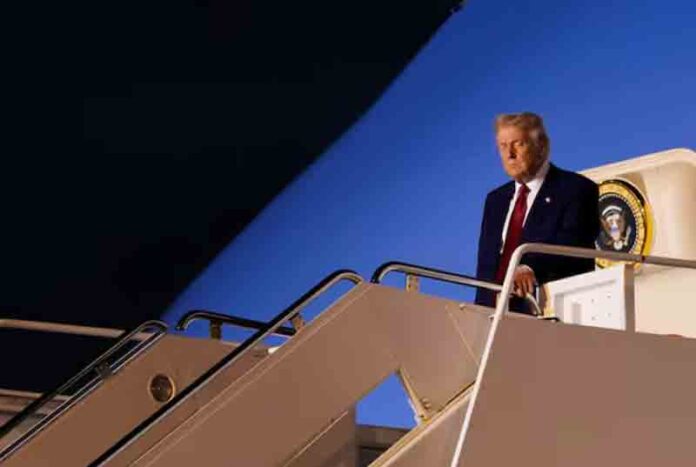
U.S. President Donald Trump disembarks Air Force One as he arrives at Palm Beach International Airport in West Palm Beach, Florida, U.S.

U.S. President Donald Trump has reaffirmed his dedication to NATO‘s Article 5 regarding mutual defense and is scheduled to attend a NATO summit in The Hague this June, as stated by Polish Foreign Minister Radoslaw Sikorski during a press briefing in Brussels on Friday.

Trump’s security strategies have raised doubts in Europe about the reliability of U.S. support in the event of an attack, prompting concerns over Washington’s commitment to mutual defense.

Nevertheless, during a NATO foreign ministers’ meeting in Brussels, U.S. Secretary of State Marco Rubio assured allies on Thursday that the United States remains committed to the alliance, while also emphasizing the need for member nations to significantly increase their defense spending, allowing them some time to make these adjustments.

When asked at the summit if he believed the U.S. would defend NATO territory, Sikorski responded affirmatively, stating, “yes.” He added, “President Trump confirmed this to the leaders; it remains valid, and from what we understand, President Trump will attend the summit in The Hague.”

NATO leaders are set to convene in the Dutch city from June 24 to 26.

Italy considers extending its defense budget as it faces challenges in achieving NATO objectives

0

Italy is contemplating the inclusion of police and coastguard services in its defense budget to demonstrate a swift increase in security expenditures, as it struggles to meet NATO targets set by the U.S., according to two government sources. This approach, described as unconventional by a former Italian NATO envoy, may not violate the alliance’s regulations, highlighting the difficulties nations face in responding to U.S. President Donald Trump’s calls for increased contributions.

Italy‘s anticipated defense budget for 2024 is projected at 1.49% of its gross domestic product, according to NATO data, which falls short of the current 2% target that Trump aims to elevate to 5%. The unnamed sources indicated that Prime Minister Giorgia Meloni might incorporate the coastguard and certain national police forces into the defense budget to approach the 2% goal without requiring additional funding. A third source mentioned that any such proposal would need cabinet approval, although it remains unclear when this plan will be reviewed.

NATO has not yet responded to a request for comment, and the Italian defense ministry stated it has no information regarding the proposal. According to a factsheet on NATO’s website, coastguards and police can be counted in defense spending, but only “in proportion to the forces that are trained in military tactics, are equipped as a military force, and can operate under direct military authority in deployed operations.” Stefano Stefanini, a former Italian ambassador to NATO, noted that he had not seen other countries pursue a similar strategy but believed it could receive approval. “I don’t think NATO would object to such an initiative if it is well-structured and presented,” he remarked.

The European Commission has suggested that all 27 EU member states be allowed to raise their defense expenditures by 1.5% of GDP annually for four years without facing any disciplinary actions, as the union considers strategies to address potential threats from Russia.

However, with public debt projected to rise to nearly 138% of GDP from 135.3% in 2024, Italy finds itself with limited flexibility. This situation has led Economy Minister Giancarlo Giorgetti to propose a collective guarantee scheme to EU members to finance this increased spending while minimizing the effects on national budgets.

Defense remains a contentious topic in Italy, as a recent survey conducted by Corriere della Sera revealed that nearly 40% of respondents oppose the European Commission’s initiative to bolster the bloc’s military capabilities, while less than 30% support it.

After the tariff upheaval, Trump may use financial tactics against allied nations

0
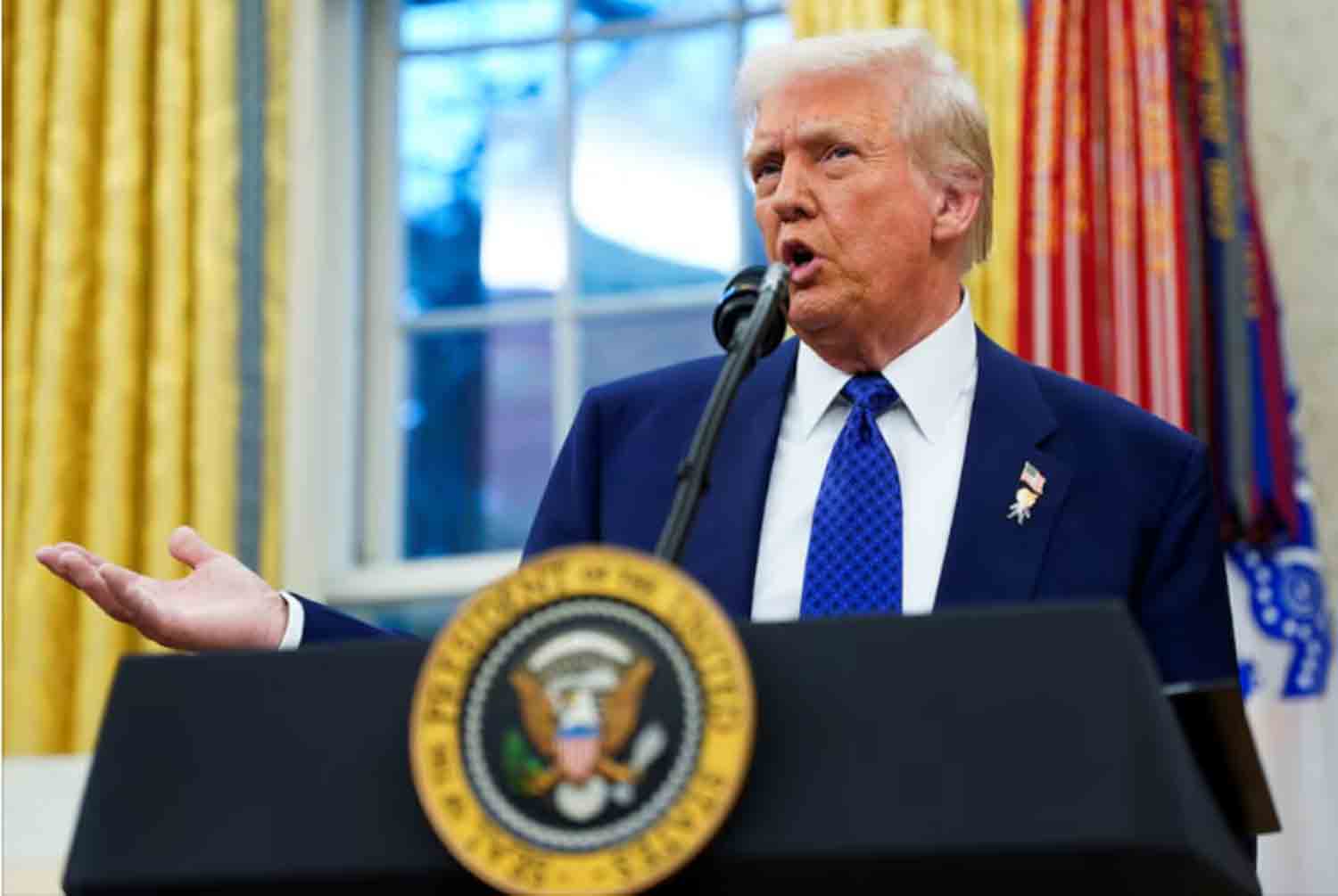
U.S. President Donald Trump speaks, on the day of Tulsi Gabbard's swearing in ceremony as Director of National Intelligence, in the Oval Office at the White House in Washington, D.C.

With the ink barely dry on U.S. President Donald Trump‘s latest tariffs, many are already anticipating the next steps in his strategy to pressure trading partners into compliance. As the center of the global financial system and the issuer of the world’s reserve currency, the United States possesses various tools that Trump can utilize to influence other nations, ranging from credit mechanisms to the supply of dollars to international banks.

However, employing these unconventional tactics could come with significant repercussions for the U.S. itself and might even lead to unintended consequences. Analysts caution that such worst-case scenarios should not be overlooked, especially if the tariffs fail to decrease the U.S. trade deficit with other countries—a possibility many economists consider likely, given the current near-full employment in the U.S. that has resulted in severe labor shortages. “I can easily envision Mr. Trump becoming frustrated and resorting to unconventional ideas, even if they lack sound reasoning,” remarked Barry Eichengreen, a professor of economics and political science at the University of California, Berkeley.

MAR-A-LAGO ACCORD

The U.S. administration’s somewhat covert strategy aims to rebalance trade by devaluing the dollar. One approach could involve collaborating with foreign central banks to adjust their currencies upward.

A paper authored by Stephen Miran, Trump’s nominee to lead his Council of Economic Advisers, suggests this could be part of a Mar-a-Lago accord, drawing parallels to the dollar-stabilizing Plaza Accord of 1985 and referencing Trump’s Florida resort.

The November paper indicated that the U.S. might leverage the threat of tariffs and the appeal of American security assistance to encourage foreign nations to strengthen their currencies against the dollar, among other concessions.

Economists express doubt that any agreement would gain momentum in Europe or China, given the significant differences in the current economic and political landscape compared to four decades ago. Maurice Obstfeld, a senior fellow at the Peterson Institute for International Economics, remarked, “I think that’s a really unlikely scenario.” He pointed out that tariffs have already been enacted, diminishing their effectiveness as a bargaining tool, and noted that the United States’ commitment to global security has been undermined by its ambiguous stance on Ukraine.

Obstfeld also mentioned that central bankers in the eurozone, Japan, and Britain are unlikely to agree to a deal that would compel them to increase interest rates, potentially leading to a recession. Additionally, Freya Beamish, chief economist at TS Lombard, contended that strengthening the yuan would contradict China’s need to stimulate its faltering economy.

In Japan, despite the government’s repeated interventions in the currency market to support the yen over the past few years, the lingering memories of 25 years of deflation, which has only recently subsided, may dampen any enthusiasm for a significant appreciation of the yen.

DOLLAR BACKSTOP

If a consensus cannot be achieved, the Trump administration may resort to more aggressive measures, leveraging the dollar’s position as the primary currency for global trade, savings, and investment.

This could involve threatening to restrict access to the Federal Reserve’s lending facilities for foreign central banks, which currently allow them to borrow dollars by providing collateral in their own currencies, as noted by Obstfeld and several supervisors and central bankers.

This funding source is crucial during crises when money markets become unstable and investors seek refuge in the dollar. Removing it would disrupt a multi-trillion dollar market for dollar credit outside the U.S. and significantly impact banks in the UK, eurozone, and Japan.

The Federal Reserve controls these swap lines, and there has been no indication from Trump that he intends to take charge of this influential monetary institution. However, his recent actions to replace key personnel, including those in regulatory bodies, have raised concerns among analysts.

Spyros Andreopoulos, founder of the Thin Ice Macroeconomics consultancy, remarked that it is now conceivable that this could be used as a significant bargaining chip in larger negotiations, potentially undermining the dollar’s reputation as a dependable global currency over time.

CREDIT CARDS

In addition, the United States has a significant advantage with its payment giants, such as Visa and Mastercard. While Japan and China have developed their own electronic payment systems to varying extents, these two American companies handle two-thirds of card transactions in the 20-nation eurozone. Furthermore, mobile payment applications, primarily led by U.S. companies like Apple and Google, account for nearly 10% of retail transactions.

This trend has placed European firms at a disadvantage in a vast market valued at over 113 trillion euros ($124.7 trillion) in the first half of last year. If Visa and Mastercard were to withdraw their services, as they did in Russia following its invasion of Ukraine, Europeans would be forced to rely on cash or cumbersome bank transfers for their purchases.

Maria Demertzis, chief economist for Europe at the Conference Board think tank, stated that the U.S.’s shift to a hostile stance represents a significant setback.

The European Central Bank has indicated that this situation puts Europe at risk of “economic pressure and coercion,” suggesting that a digital euro might offer a potential solution. However, the implementation of this digital currency has become mired in discussions, potentially delaying its launch for several years.

European leaders are contemplating their response to Trump’s actions but are cautious about provoking further tensions. They might consider imposing their own tariffs or taking more severe actions, such as restricting U.S. banks’ access to the European Union.

Nevertheless, such drastic measures could prove challenging due to Wall Street’s significant influence and the potential backlash against European banks operating in the U.S. Despite this, some international banking executives have expressed to Reuters their concerns regarding the possibility of repercussions from Europe in the near future.

U.S. Air Force introduces the latest AI-powered F-16 experimental program

0
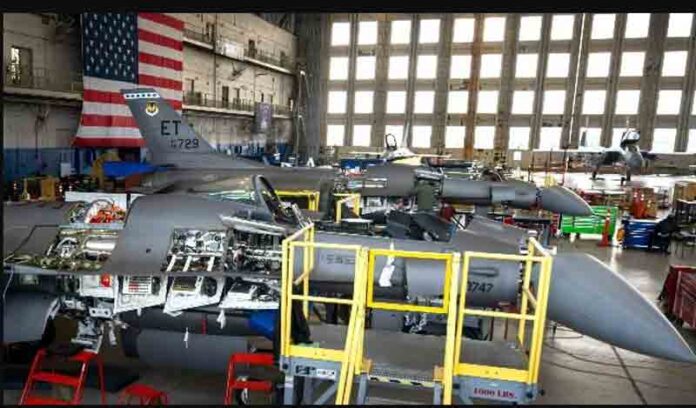
U.S. Air Force unveils next AI-driven F-16 experimentation.

At Eglin Air Force Base in Florida, a pioneering experiment is taking place that has the potential to redefine aerial warfare. On April 1, 2025, the sixth and final F-16 Fighting Falcon arrived at the base, completing the fleet designated for the Viper Experimentation and Next-gen Operations Model – Autonomy Flying Testbed program, known as VENOM-AFT.

This initiative, spearheaded by the U.S. Air Force, seeks to enhance these legendary fighter jets with artificial intelligence, ushering in a new era of combat aviation linked to the ambitious Collaborative Combat Aircraft initiative. Social media posts have generated considerable excitement about this development, emphasizing the arrival of these AI-equipped F-16s and their capacity to revolutionize military operations in the air.

However, beneath the initial excitement lies a more profound inquiry: Are these modified F-16s simply experimental platforms for advanced technology, or do they represent a significant transformation in America’s approach to aerial combat?

The concept of autonomous flight is not entirely new, although the means to realize it have only recently become viable. Decades ago, during World War II, the U.S. military explored the idea of unmanned aircraft through Operation Aphrodite, an ambitious yet flawed attempt to convert B-17 bombers into radio-controlled flying bombs.

The technology of the 1940s was insufficient to fulfill this vision, leading to the project’s decline. Fast forward to 2017, when the Air Force revisited the idea with Have Raider II, a lesser-known experiment that enabled an F-16 to fly autonomously for the first time, albeit in a limited scope. These early efforts laid the foundation for the current developments at Eglin, where VENOM-AFT distinguishes itself by incorporating modern AI and advanced sensors into a reliable combat platform.

To grasp the current developments surrounding the F-16s, it is essential to examine the aircraft and the modifications it is undergoing. The F-16 Fighting Falcon, initially launched by General Dynamics (now Lockheed Martin) in 1978, is a single-engine multirole fighter celebrated for its agility and adaptability.

Capable of exceeding speeds of Mach 2 and boasting a combat radius of over 340 miles with external fuel tanks, the F-16 has been a cornerstone of the U.S. Air Force for more than forty years, participating in various conflicts from the Gulf War to operations in Afghanistan. Its fly-by-wire flight control system, a groundbreaking innovation at its introduction, positions it well for autonomy enhancements, as it already utilizes computer-assisted precision.

As part of the VENOM-AFT program, these aircraft are being equipped with a suite of advanced technologies, including active electronically scanned array (AESA) radars such as the APG-83, which offer enhanced target detection and tracking capabilities compared to older mechanically scanned systems. Additionally, electronic warfare systems are being integrated, improving the aircraft’s capacity to autonomously identify and counteract enemy threats.

The artificial intelligence being trialed in these F-16s builds upon earlier initiatives like the Air Force Research Laboratory’s Skyborg program, which created aircraft-agnostic autonomy software, and DARPA’s Air Combat Evolution (ACE) project, which investigated AI-driven dogfighting strategies.

While the specific details of the algorithms are confidential, Air Force officials indicate that they are engineered to manage intricate combat situations—encompassing beyond-visual-range confrontations and close-quarters maneuvers that challenge the jet’s 9G capabilities. Unlike human pilots, who may experience blackouts under such extreme conditions, AI could theoretically perform these maneuvers without pause, opening up fascinating possibilities regarding the limits of aerial warfare.

However, safety is of utmost importance. During testing, pilots will remain in the cockpit to oversee the AI’s actions and are prepared to step in if necessary. Lt. Col. Joe Gagnon of the 85th Test and Evaluation Squadron describes this as a “human-on-the-loop” strategy, ensuring that the aircraft are never operating independently, thus combining human judgment with machine accuracy as the technology evolves.

The VENOM-AFT program is not merely an experiment with a few F-16s; it serves as a precursor to a much larger initiative—the Collaborative Combat Aircraft [CCA] program. The Air Force plans to deploy a fleet of at least 1,000 unmanned drones, referred to as “loyal wingmen,” which would accompany manned fighters like the F-35 Lightning II and the upcoming Next-Generation Air Dominance [NGAD] platform.

These CCAs, significantly less expensive than the $78 million F-35, could perform various roles such as carrying munitions, disrupting enemy radar, or conducting reconnaissance in contested airspace, thereby enhancing the operational range and safety of human pilots. The six F-16s stationed at Eglin are being utilized as test subjects in this extensive experiment, aimed at demonstrating that autonomous software can effectively navigate the complexities of combat.

As reported by Air & Space Forces Magazine, the program has conducted “countless aircraft combat scenarios” in simulations since 2024, evaluating everything from one-on-one dogfights to two-on-one confrontations, both within and beyond visual range. Maj. Trent McMullen, a test official with the 40th Flight Test Squadron, highlighted that these simulations enable the AI to hone its strategies through thousands of iterations, a feat that no human pilot could achieve.

The implications extend well beyond the CCA program itself. Data collected from VENOM could contribute to NGAD, a classified “family of systems” focused on a sixth-generation fighter anticipated to launch in the 2030s. Unlike conventional fighters, NGAD may not always require a pilot, instead depending on a network of autonomous drones to achieve dominance on the battlefield.

There are discussions about leveraging these insights for ground-based systems, such as robotic vehicles or missile defense systems, indicating a significant military transition towards AI-driven warfare. Meanwhile, America’s adversaries are not remaining idle. China’s FH-97A, a stealthy loyal wingman drone introduced in 2021, indicates that Beijing is striving to match or surpass U.S. capabilities in this area.

Russia is also advancing with its S-70 Okhotnik, a heavy unmanned combat aerial vehicle designed to operate alongside Su-57 fighters. Although neither has publicly showcased the level of AI integration seen in VENOM, their development highlights the global stakes involved in this technological advancement, positioning the Eglin tests as a potential counterbalance in an intensifying arms race.

Despite the advanced technology, the human factor remains a vital component of this equation. Pilots from the 40th Flight Test Squadron and the 85th Test and Evaluation Squadron, both located at Eglin, are central to the VENOM trials.

These pilots are not just any aviators; they are experienced testers who are used to pushing aircraft to their limits. Picture yourself in a cockpit, observing an AI take control of a jet you have manually flown for years. Lt. Col. Robert Waller, commander of the 40th, shared with Popular Science in 2023 that the pilot’s responsibilities are twofold: ensuring the aircraft returns safely and assessing the AI’s performance.

There exists a peculiar duality—part caregiver, part evaluator—illustrating the challenging shift from human oversight to machine control. Some individuals may experience a sense of obsolescence, aware that their expertise could eventually be rendered unnecessary, while others view this as an opportunity to influence the future of their profession. Regardless, their insights will enhance the AI, increasing its intelligence with every operation.

This collaboration between humans and machines also brings forth ethical dilemmas that cast a shadow over the initiative. To what extent should an AI be entrusted with decision-making in combat scenarios? Even with a pilot involved, the rapid pace of contemporary warfare—where instantaneous decisions can determine survival—might encourage commanders to rely more heavily on automation.

The Air Force maintains that safety and oversight are paramount, with Gagnon asserting that “there will never be a time when the VENOM aircraft will operate entirely ‘on its own’ without human involvement.”

However, as technology progresses, that distinction may become less clear. The X-62A VISTA, another AI-enhanced F-16 tested at Edwards Air Force Base, successfully completed 12 autonomous missions in 2022, including simulated dogfights, according to a report from The Aviationist. Should VENOM’s F-16s follow a similar path, the Air Force may soon confront a critical question: when does “human-on-the-loop” transition to “human-out-of-the-loop”?

Historically, the F-16 has consistently demonstrated its value. During Operation Desert Storm in 1991, F-16s conducted over 13,000 sorties, delivering precision-guided munitions and engaging Iraqi MiG fighters with exceptional effectiveness. In the Balkans and Iraq, they adapted to various roles—neutralizing air defenses, targeting ground installations, and even tracking down Scud missiles.

At Eglin, the F-16 is set to undergo another transformation, not through new weaponry or engines, but by integrating advanced digital technology. While aircraft like Russia’s MiG-29 and China’s J-10 rely on brute force and sophisticated avionics, respectively, the VENOM-enhanced F-16s are designed to outsmart them, responding more swiftly than any human pilot could manage.

The future of the VENOM program is both exciting and unpredictable. The Air Force aims to have the first fully modified F-16 ready for ground testing by October 2025, a goal supported by strong collaboration between Eglin’s developmental and operational test teams. With a budget request of $17 million for 2025 and plans for consistent funding through 2029, as reported by Defense News, this initiative is a top priority.

Achieving success could lead to retrofitting older F-16s into cost-effective drones, enhancing a diminishing fleet as F-15s are phased out and F-35 production slows. It may also pave the way for a new operational doctrine, where pilots manage swarms of AI-controlled wingmen, maneuvering them like chess pieces across the sky. Maj. Ross Elder, the developmental test lead for VENOM, described it as “a pivotal chapter in the advancement of aerial combat capabilities” in comments to Air & Space Forces Magazine, a view supported by promising simulation results.

As the sixth F-16 lands at Eglin, the larger implications become clearer. This initiative is not merely about six aircraft; it represents a significant military investment in a future where machines take center stage. The combination of AI with a proven platform like the F-16 could transform air dominance, rendering current dogfights almost outdated. However, despite the enthusiasm, some uncertainty lingers.

Will the Air Force and the general public have confidence in an AI to conduct warfare? Can it effectively combine technological advancement with the human insight that has been pivotal in securing victories for decades? These six F-16s could provide insights, or they may just represent the initial phase of a path that lacks a definitive conclusion. Regardless, the skies over Florida are currently the setting for the evolution of American air power, unfolding through each autonomous flight.

Colombia selects the Swedish Gripen fighter jet over the F-16 for its defense modernization

0
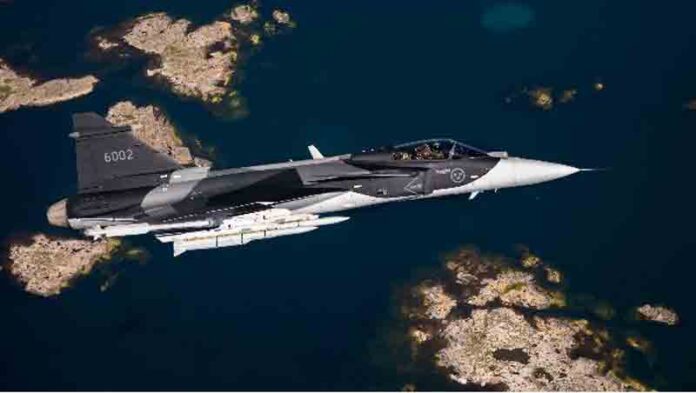
Gripen E/F fighter jet

In a major step towards military modernization, Colombian President Gustavo Petro has announced that the Fuerza Aeroespacial Colombiana, the country’s air force, will procure Saab Gripen E/F fighter jets from Sweden to replace its outdated fleet of Israeli-made IAI Kfir aircraft.

This announcement, shared on social media, represents a crucial turning point for Colombia as it aims to enhance its aerial capabilities in response to regional tensions and domestic security issues. Although details regarding the number of aircraft and the overall expenditure have not been revealed, this decision indicates a significant shift away from decades of dependence on older technology, marking a new phase in Colombia’s defense strategy.

The selection of the Gripen, a contemporary multirole fighter, over alternatives such as the American F-16 or the French Rafale, has raised questions about the geopolitical and operational consequences for this South American country.

The news was first reported when Petro posted on X, indicating that the Colombian Air Force would soon incorporate the advanced Swedish jets into its fleet, a claim corroborated by defense-oriented accounts like SA Defensa. For years, Colombia has faced challenges with its Kfir fleet, which has been in service since the late 1980s and has become increasingly expensive to maintain.

The decision to adopt the Gripen E/F follows extensive discussions, with Bogotá considering proposals from various international manufacturers. This acquisition is not merely about replacing outdated equipment; it signifies a broader goal to strengthen Colombia’s sovereignty in a region characterized by instability, particularly concerning neighboring Venezuela, which operates Russian-made Su-30MKV jets.

To appreciate the importance of this decision, it is essential to examine the capabilities of the Saab Gripen E/F. Developed by the Swedish aerospace firm Saab AB, the Gripen is a single-engine, multirole fighter known for its versatility, cost-effectiveness, and adaptability.

The latest version, the E/F variant, achieves a maximum speed of Mach 2, which is roughly 1,500 miles per hour, and has a combat radius that exceeds 800 miles without the need for refueling. Powered by the General Electric F414 engine, an American-engineered component, it generates 22,000 pounds of thrust, allowing for quick responses and prolonged missions.

A key highlight of this aircraft is its active electronically scanned array radar (AESA), which offers exceptional detection and tracking capabilities over long distances, even against stealth targets.

In addition to its advanced electronic warfare systems, the Gripen can disrupt enemy sensors and safeguard itself in contested airspace. It is equipped to carry a wide range of munitions, including air-to-air missiles like the Meteor and precision-guided bombs for ground attacks, making it a versatile asset for both defensive and offensive operations.

In contrast to heavier fighters such as the American F-35 or Russia’s Su-35, the Gripen is relatively lightweight, weighing approximately 17,600 pounds when empty. This characteristic contributes to its lower operational costs, estimated at around $4,000 per flight hour, significantly less than the F-35’s $44,000.

This cost-effectiveness is particularly appealing to countries like Colombia, where financial limitations often influence military strategies. The aircraft’s design also enables it to operate from short and rugged airstrips, which is crucial given Colombia’s varied landscape of jungles, mountains, and remote border areas.

Saab has highlighted that the Gripen can be refueled and rearmed in less than 20 minutes by a small ground crew, which boosts its readiness for quick deployment—an essential feature for Colombia’s need to monitor extensive, hard-to-access regions vulnerable to drug trafficking and insurgent activities.

Colombia’s choice of the Gripen fighter jet over the extensively used F-16 from Lockheed Martin or the French Dassault Rafale raises intriguing questions regarding the strategic reasoning behind this decision. The F-16 boasts a rich legacy, with over 4,500 units produced since the 1970s and operational in more than 25 nations.

It provides established interoperability with NATO forces and a strong supply chain, factors that could have been attractive to a country historically aligned with the United States, particularly through initiatives like Plan Colombia, a significant investment aimed at combating drug trafficking and leftist insurgencies.

On the other hand, the Rafale offers advanced stealth capabilities and is known for its reduced reliance on U.S. components, which may resonate with a leader like Petro, who has occasionally voiced criticism of American dominance in the region. Nevertheless, Bogotá’s decision to select the Swedish aircraft indicates a combination of practical and political considerations.

One perspective to consider regarding this decision is the regional power dynamics. While South America is not characterized by widespread conventional warfare, underlying tensions persist, especially between Colombia and Venezuela.

Venezuela has increasingly turned to Moscow for military assistance, operating a fleet of Su-30MKV fighters—powerful twin-engine aircraft with a combat range of nearly 1,900 miles and the capability to deploy advanced anti-ship and air-to-ground munitions.

These jets provide Venezuela with a significant aerial advantage, a reality that Colombia must take into account given their complicated history, which includes border conflicts and ideological differences. The Gripen E/F, although lighter and less heavily armed than the Su-30, presents Colombia with a modern counterbalance, capable of addressing threats at extended ranges and ensuring air dominance over its airspace.

Posts on X from users such as DalgonaMac have praised the decision as a strategic choice for Colombia, asserting that the Gripen’s agility and cost-effectiveness make it well-suited for deterring Venezuelan threats without incurring excessive costs.

This acquisition may also indicate a subtle shift in Colombia’s foreign policy beyond its immediate borders. Since taking office in 2022, leftist President Petro has pursued a path that diverges from that of his predecessors, focusing on national sovereignty and the diversification of international alliances.

Opting for a Swedish aircraft instead of an American one may signal a desire to lessen reliance on Washington, a long-standing ally whose dependability as a trade partner has faced scrutiny in certain Latin American circles. As noted by SergioGuzmanE on X, the F-16 proposal likely included a greater number of aircraft and quicker delivery schedules, yet Petro’s administration seems to have favored a deal that avoids deeper entanglement with U.S. interests.

Sweden, known for its neutrality and lack of colonial history in the region, offers a less politically sensitive alternative, while Brazil’s existing Gripen program—36 jets ordered in 2014 with plans for expansion—could serve as a potential regional partner for maintenance and training.

The technological ramifications of this decision are equally significant. The Gripen E/F is not merely an individual aircraft; it functions as part of a networked battlefield. Its data-link systems enable real-time information sharing with other units, creating a force multiplier effect that could revolutionize the operational capabilities of the Colombian Air Force.

In a nation where counterinsurgency and border surveillance are critical, this capability could be invaluable. Picture a scenario in which Gripen jets, monitoring the dense Amazonian frontier, transmit coordinates of a narco airstrip to ground forces or drones, facilitating precise strikes without delay.

Saab has indicated potential for industrial collaboration, as Brazil’s Embraer is already manufacturing components for the Gripen fleet at a facility located in São Paulo state. Colombia could leverage this ecosystem, positioning itself as a secondary support hub for Gripen in Latin America, which would enhance local employment and technical skills.

However, the agreement carries certain uncertainties, particularly regarding the involvement of the United States. The Gripen’s F414 engine, produced by General Electric, is subject to the International Traffic in Arms Regulations (ITAR), which control the export of U.S. military technology.

The U.S. has the authority to block the sale of these engines to Colombia, a decision that could jeopardize the entire deal. There is historical context for this: in 2019, the U.S. removed Turkey from the F-35 program after it acquired Russian S-400 air defense systems, citing security concerns.

Recently, sources such as Caliber.az reported that the U.S. prevented a Gripen sale to Colombia in March, although Saab refuted this claim at the time. If accurate, such intervention may be motivated by a desire to safeguard Lockheed Martin’s market position or to ensure Colombia remains aligned with U.S. interests, particularly in light of President Petro’s occasional anti-American statements.

The Trump administration might view the F-16 as a more suitable option for interoperability with U.S. forces, which is crucial in a region where joint counter-narcotics efforts are ongoing.

If a veto occurs, Colombia would face difficult decisions. Turning to non-Western suppliers like China, which offers the J-10C fighter, or Russia with its MiG-35, would represent a significant shift from decades of Western alignment. The J-10C, a single-engine aircraft with a delta-wing configuration, shares some similarities with the Gripen, featuring a maximum speed of Mach 1.8 and advanced AESA radar technology.

Nonetheless, the operational history of this option is relatively brief, and its integration into Colombia’s military framework, which is heavily influenced by the U.S., would present significant logistical challenges. On the other hand, Russia’s offerings come with political implications that Bogotá may wish to sidestep, especially considering its ongoing rivalry with Venezuela.

A more feasible alternative could be the Rafale, which does not include U.S. components but comes at a higher cost—approximately $120 million per unit compared to the Gripen’s $85 million—potentially putting a strain on Colombia’s financial resources.

From a domestic perspective, the acquisition of the Gripen aligns with President Petro’s broader objectives. His administration has focused on addressing internal threats such as drug trafficking and illegal mining, persistent issues in rural Colombia. Although the Kfir fleet has shown commendable performance, it has struggled to keep up, with maintenance expenses escalating as spare parts became increasingly difficult to obtain.

In early 2025, Israel Aerospace Industries, the manufacturer of the Kfir, entered into an agreement to extend the aircraft’s operational lifespan, but this was merely a temporary fix. The Gripen, with its lower maintenance costs and advanced sensors, offers a more viable long-term solution, enabling the Air Force to allocate resources towards operational missions rather than repairs.

Financially, the challenge of funding remains significant. Colombia’s defense budget, approximately $10 billion per year, is relatively modest on a global scale, and analysts suggest that Sweden might provide favorable credit terms, similar to what was offered to Brazil, or that Bogotá could seek international loans to manage the multibillion-dollar expense.

Historically, Colombia’s air force has undergone several distinct transformations. In the 1950s, it operated American P-47 Thunderbolts as part of a United Nations coalition during the Korean War, strengthening its relationship with Washington. The Kfir was introduced in 1989, a strategic acquisition aimed at countering FARC guerrillas and securing airspace amid the peak of the drug wars.

By the early 2000s, these aircraft played a crucial role in missions such as the 2008 bombing of a FARC camp in Ecuador. This controversial operation highlighted both their accuracy and their aging technology. The shift to the Gripen signifies a new chapter, where external deterrence and internal security must be integrated within a modernized military framework.

The implications of this decision may reach beyond Colombia’s borders. Peru, currently using outdated Mirage 2000s and MiG-29s, has shown interest in the Gripen as a potential replacement, and a successful program in Colombia could influence its decision. Similarly, Ecuador might take notice, potentially igniting a mini-arms race in the Andean region.

For Saab, securing this deal is crucial. After unsuccessful bids for the F-35 in countries like Finland and Canada, the Swedish company has pinned its future on the Gripen E/F, with Brazil as its primary client. Establishing a presence in Colombia could pave the way for further opportunities throughout Latin America, challenging the supremacy of U.S. and European defense giants such as Lockheed Martin and Dassault.

Ultimately, Colombia’s adoption of the Gripen E/F represents more than just an upgrade in military hardware; it signals a clear intention. It positions Bogotá as a significant player in a changing regional environment, balancing practical needs with ambitious goals. The introduction of these aircraft is set to transform the nation’s air defense strategy, combining advanced technology with economic practicality.

However, the possibility of a U.S. veto remains a concern, serving as a reminder that global powers still exert influence over even the most independent agreements. As more details unfold and the jets take to the skies, the pivotal question arises: will this mark a significant advancement in Colombia’s military independence or merely a temporary success overshadowed by Washington’s influence? Only time will reveal the answer, but for now, the skies above Bogotá are on the brink of transformation.

Trump’s tariffs plunge the world into the depths of a trade war

0
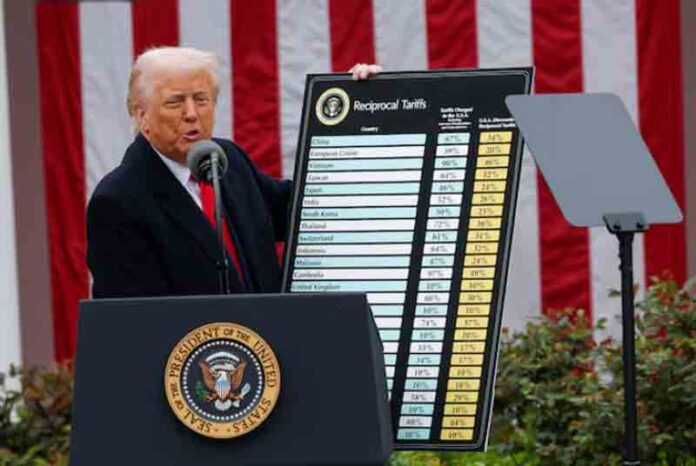
U.S. President Donald Trump delivers remarks on tariffs in the Rose Garden at the White House in Washington, D.C., U.S.

Donald Trump is pushing the global economic system to its limits. During a press conference on Wednesday, he introduced new tariffs, claiming he was being “kind” by only increasing them to half the level that his administration estimates other countries impose on U.S. imports. However, consumers, businesses, and international leaders are unlikely to perceive this as kindness. The tariffs will start at 10% for all countries but will escalate for various trade partners—34% for China, 20% for the EU, and 26% for India—bringing U.S. trade duties to their highest levels since the Great Depression. Canada and Mexico will face their own tailored tariff structures. The dual objectives of generating trillions in revenue while encouraging domestic manufacturing are fundamentally at odds, complicating any last-minute negotiations to reduce the tariffs. In the interim, the economic repercussions will be substantial.

The announcement made by Trump during a “Liberation Day” event in the White House Rose Garden surprised many, even after previous aggressive actions. Fitch Ratings reports that the effective U.S. tariff rate on all imports will now reach 22%, a significant increase from 2.5% last year, matching rates not seen since 1910. Various stakeholders, including agricultural producers, automakers, the U.S. Chamber of Commerce, and labor unions, have expressed concerns about the potential economic fallout from these new trade barriers, but their warnings have gone unheeded.

The array of complaints—from direct tariffs on U.S. goods to poultry regulations and sales taxes—creates a complex picture of other nations’ alleged tariffs, raising the stakes even higher. Despite Trump’s claims that the U.S. has been systematically disadvantaged by a postwar order it helped establish, dismantling this system could very well lead his own country into a recession unless he quickly reconsiders his approach.

A pessimistic forecast from Moody’s predicts that 20% tariffs could lead to unemployment reaching 7.3% by early 2027, up from 4.1% in February, while stock markets may drop by 25% during the same timeframe. The Yale University Budget Lab estimates that such tariffs, in addition to those already in place, would impose a burden of at least $3,400 on the average American household. Consumer and business confidence is already shaken, as indicated by the University of Michigan’s consumer sentiment survey, which revealed that 66% of respondents expect higher unemployment in the coming year—this is the highest level since the financial crisis.

The U.S. may not fully appreciate its economic position until it is significantly diminished: Chinese buyers are increasingly purchasing Brazilian soybeans instead of American ones, and Canada is enhancing its military and economic ties with Europe. Additionally, China, South Korea, and Japan are collaborating on their responses. U.S. consumers represent about 14% of global imports despite comprising only 4.2% of the world’s population, according to data from the U.S. Trade Representative and the World Bank, indicating that the appeal of the U.S. market remains substantial. However, the broad range of policies that Trump considers as illegitimate tariffs could lead to negotiations where partners present extensive lists of adjustments in exchange for leniency.

Nevertheless, the overarching domestic agenda allows little flexibility. Peter Navarro, an aide to the president, stated that tariffs could generate $6 trillion, which is crucial given the significant budget deficit. Trump also anticipates that these tariffs will compel manufacturers worldwide to relocate to the U.S. to avoid tariffs. It remains uncertain how other nations can balance these conflicting objectives, which poses a risk of a more prolonged crisis.

China’s Covert “Type 052BE” Warship for Pakistan Prepares for a High-Stakes Confrontation in the Indian Ocean

0
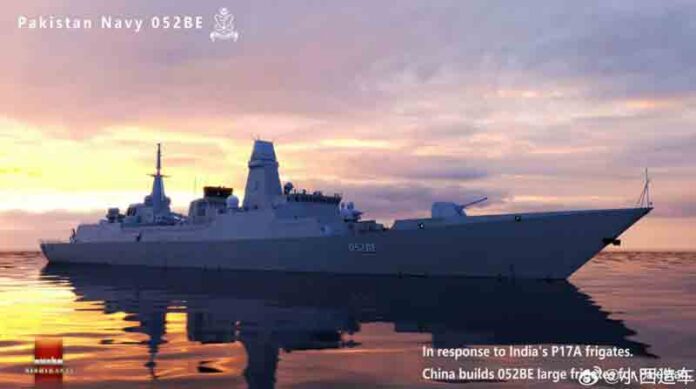
Type 052BE warship, Pakistan

A recent series of images circulating on Chinese social media has sparked considerable speculation among defense analysts both regionally and internationally, potentially indicating a new phase in naval dynamics in South Asia.

The images appear to depict a newly developed warship known as the “Type 052BE,” an advanced surface combatant constructed in China. If this vessel is deployed, it could significantly enhance Pakistan’s ability to project maritime power in the Indian Ocean.

Military experts believe that the Type 052BE is being tailored specifically for the Pakistan Navy, with some analysts interpreting its design and positioning as a subtle strategic signal from Beijing to New Delhi.

This potential acquisition is largely viewed as a response to India’s stealthy and heavily armed Project 17A (P17A) frigates, which have strengthened India’s aspirations for blue-water capabilities and enhanced its strategic footprint in the Indian Ocean Region (IOR). The P17A frigates, featuring state-of-the-art AESA radar, BrahMos supersonic cruise missiles, and sophisticated anti-submarine warfare (ASW) systems, have established the Indian Navy as a significant force in the area.

However, neither Beijing nor Islamabad has officially acknowledged the Type 052BE program, prompting analysts to question whether this represents a genuine procurement effort or yet another example of China’s traditional “strategic ambiguity” approach.

This ambiguity has long been a component of Beijing’s strategic strategy, utilizing information warfare, grey-zone tactics, and psychological operations to keep adversaries uncertain and on edge.

If the Type 052BE is indeed a reality, its introduction would represent a notable intensification of naval rivalry in the Indian Ocean Region (IOR), a maritime area crucial not only to India’s national security strategy but also to the stability of global trade routes.

The Indian Ocean accounts for over 80 percent of the world’s maritime trade, acting as a vital economic link between resource-rich Africa and the oil-rich Gulf states, as well as the manufacturing hubs in East Asia and consumer markets in Europe and the Americas.

This ocean serves as the main maritime route for oil and gas transportation from the Arabian Gulf to Asia’s leading energy consumers—China, India, Japan, and South Korea—making it one of the most strategically important bodies of water globally.

Daily, nearly 40 percent of the world’s crude oil transits through critical chokepoints like the Strait of Hormuz, the Bab el-Mandeb, and the Strait of Malacca, all of which are interconnected by the Indian Ocean.

The stability of the IOR is essential not only for regional nations such as India, Sri Lanka, Indonesia, and Malaysia but also for global supply chains, as even slight disruptions can lead to significant economic repercussions worldwide.

Any increase in military activity or naval tensions in these waters could have extensive implications for the overall security framework of the Indo-Pacific region and the global economy.

For India, the Indian Ocean represents more than a mere trade route; it is a maritime stronghold that protects its southern borders, through which over 90 percent of its external trade and the majority of its energy imports are transported.

India’s naval strategy emphasizes the importance of controlling the Indian Ocean to protect its economic interests, assert regional dominance, and counteract China’s increasing military influence, particularly through initiatives such as the Belt and Road Initiative and the “String of Pearls” strategy.

Despite not sharing a border with the Indian Ocean, China perceives the area as a crucial maritime route for maintaining its resource supply and fostering economic development. Approximately 80 percent of China’s oil imports pass through the narrow Strait of Malacca and into the Indian Ocean, making the security of these shipping lanes a top priority for Beijing.

In response to these dynamics, China has been systematically establishing a network of dual-use port facilities, with significant projects like Gwadar in Pakistan and Hambantota in Sri Lanka, while also strengthening defense collaborations with countries bordering the Indian Ocean to enhance its influence.

This growing maritime infrastructure not only bolsters China’s naval capabilities far from its shores but also offers logistical bases that can be quickly militarized during crises. The increasing strategic importance of the Indian Ocean has transformed it into a focal point of great-power competition, reminiscent of Cold War naval rivalries, but now further complicated by the presence of submarines, drones, and advanced anti-ship missile systems.

In recent years, reports have indicated that Chinese submarines, including both conventional and nuclear-powered types, have been active in the Indian Ocean, raising alarms in New Delhi regarding potential surveillance activities, sea denial strategies, and efforts by the PLA Navy to enhance underwater domain awareness.

China’s increasing assertiveness in these waters has heightened India’s strategic concerns, particularly with worries that Beijing’s expanding maritime logistics network could facilitate future military actions.

India and Pakistan, traditional rivals on land, are now escalating their competition at sea, with naval modernization becoming the latest battleground in their long-standing rivalry. Given that over 95 percent of India’s trade relies on the security of these maritime routes, the urgency for New Delhi to assert control over the Indian Ocean has never been greater.

While Pakistan’s naval capabilities are still limited compared to those of India, China’s ongoing investment in enhancing the Pakistan Navy—through the provision of advanced Type 054A/P frigates, Hangor-class submarines, and potentially the Type 052BE—indicates a strategic move to alter the regional naval balance.

This strengthening of the Sino-Pakistani naval partnership is a calculated strategy aimed not only at undermining India’s maritime dominance but also at reconfiguring the strategic landscape of the Indian Ocean to benefit Beijing. As tensions rise and military capabilities expand, the Indian Ocean is increasingly set to become the critical maritime arena in the great-power competition of the 21st century.

Iran’s expanding drone capabilities pose a challenge to the United States’ influence in Brazil

0
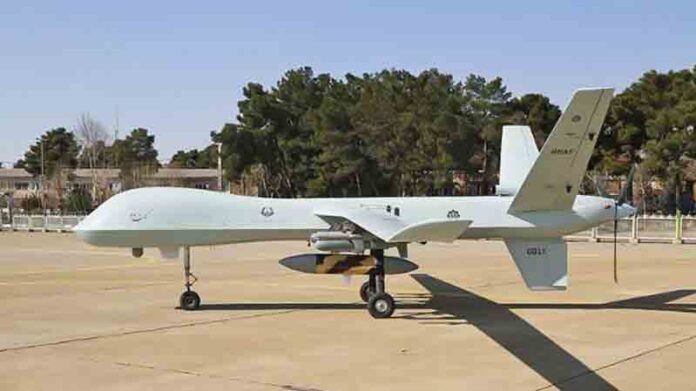
Kaman 22 drone, Iran

In a notable development on the global defense front, Brazil has recently expressed its desire to procure armed unmanned aerial vehicles (UAVs) that are not subject to U.S. export restrictions. Concurrently, Iran unveiled its latest drone models at a significant defense exhibition in Latin America.

As reported by SA Defense on X in late March, Brazil is actively pursuing ITAR-exempt UAVs equipped for combat, thereby circumventing the strict regulations set by the U.S. State Department’s International Traffic in Arms Regulations (ITAR).

At the LAAD2025 exhibition, Iran showcased its Kaman 22 drone, which closely resembles the American MQ-9 Reaper, potentially positioning Iran as a competitive supplier for Brazil’s requirements. This development, occurring in the early months of 2025, prompts discussions about shifting alliances, technological rivalries, and the changing dynamics of military procurement in a multipolar world.

Iran’s rise as a player in the UAV market is a narrative that has evolved over decades, reflecting both innovation and necessity. The Kaman 22, prominently featured at LAAD2025, is a wide-body unmanned combat aerial vehicle (UCAV) that Iran claims can operate for over 24 hours, travel approximately 1,864 miles (3,000 kilometers), and carry a payload of up to 661 pounds (300 kilograms).

Developed by the Islamic Republic of Iran Air Force (IRIAF), this drone is designed for various missions, including reconnaissance, intelligence collection, and precision strikes. Its design incorporates external pylons for mounting bombs and missiles, with exhibition images displaying what appear to be laser-guided munitions akin to the U.S. GBU-12 Paveway.

Iranian officials have promoted the Kaman 22 as a domestically developed solution tailored to their operational requirements, although its resemblance to the MQ-9 Reaper—a staple of U.S. military operations—has not gone unnoticed.

The Reaper, developed by General Atomics, features an impressive maximum endurance of 27 hours, a range of 1,150 miles (1,850 kilometers), and a payload capacity of 3,850 pounds (1,746 kilograms), significantly surpassing the Kaman 22 in terms of capabilities. However, Iran’s offering is free from the bureaucratic challenges associated with ITAR, making it an appealing choice for countries like Brazil that are seeking to diversify their military assets.

Iran’s drone program originated in the 1980s during the intense Iran-Iraq War, when the nation first utilized basic UAVs such as the Ababil-1 for reconnaissance missions over Iraqi forces. The push for self-sufficiency intensified following the 1988 Operation Praying Mantis, which saw U.S. naval forces severely diminish Iran’s conventional air and naval capabilities, highlighting its weaknesses.

Since those initial efforts, Iran’s military-industrial sector, particularly the Islamic Revolutionary Guard Corps (IRGC) Aerospace Force, has progressively enhanced its UAV technology. The Kaman 22 marks a significant advancement from earlier models like the Shahed-129, a medium-altitude, long-endurance drone introduced in 2012 that was inspired by the Israeli Hermes 450 and the U.S. MQ-1 Predator.

While the Shahed-129 has been utilized in various conflicts throughout the Middle East, including by Iranian affiliates in Syria and Yemen, the Kaman 22 is designed to compete on a larger scale. Its development showcases Iran’s capability to reverse-engineer captured Western technology—most notably the U.S. RQ-170 Sentinel that was downed in 2011—and adapt it to meet local production challenges, despite sanctions that restrict access to advanced components such as engines and avionics.

For Brazil, the interest in ITAR-exempt drones is driven more by strategic considerations than by technological allure. The Brazilian Army’s Request for Information (RFI), as reported by SA Defense on X, outlines a requirement for Category-3 UCAVs equipped with either four rockets or two missiles and a minimum range of 186 miles (300 kilometers).

This initiative arises as Brazil aims to enhance its military capabilities in response to increasing regional uncertainties. South America is experiencing its share of tensions, particularly due to Venezuela’s persistent political turmoil and military expansion, often backed by Russian and Chinese military equipment, which casts a pall over the region.

The extensive Amazon rainforest, a vital national resource for Brazil, necessitates sophisticated surveillance and response systems to address issues such as illegal logging, drug trafficking, and border violations.

Traditionally, Brazil has depended on a combination of Western and domestic military systems, including the Embraer EMB 314 Super Tucano, a light attack aircraft commonly utilized for counterinsurgency operations. However, the transition towards unmanned aerial vehicles (UAVs) indicates a preference for more adaptable and cost-efficient options that allow Brazil to operate independently of U.S. oversight.

The International Traffic in Arms Regulations (ITAR), managed by the U.S. State Department, regulates the export of defense items listed on the United States Munitions List (USML). This framework is intended to protect U.S. national security and imposes stringent licensing requirements that can hinder or obstruct agreements, especially for countries hesitant to align too closely with U.S. geopolitical interests.

For Brazil, maneuvering through these restrictions has historically required a careful balance. During the Cold War, the nation procured military equipment from both NATO and non-aligned countries, a practice that continues today. Its involvement in the BRICS coalition—comprising Russia, India, China, and South Africa—further complicates its relationship with the U.S., as Brazil strengthens its economic and military connections with non-Western nations.

By pursuing systems that are exempt from ITAR, Brazil is not outright dismissing American technology but is instead affirming its independence in a region where U.S. influence has diminished since the height of the post-Cold War era.

Iran’s participation in LAAD2025, taking place in Rio de Janeiro, highlights this evolving landscape. This exhibition, one of the leading defense and security events in Latin America, has historically served as a venue for Western companies like Lockheed Martin and Boeing.

The introduction of Iranian systems such as the Kaman 22 underscores a significant trend: non-Western suppliers are increasingly stepping in to address the voids left by manufacturers constrained by ITAR regulations.

For example, Turkey’s Bayraktar TB2 has attracted international attention due to its effectiveness in conflicts like Nagorno-Karabakh, presenting a combat-tested, ITAR-free option with a range of 186 miles (300 kilometers) and a payload capacity of up to 330 pounds (150 kilograms).

Similarly, China’s CH-4 Rainbow offers impressive specifications, including a 40-hour flight endurance and a range of 3,107 miles (5,000 kilometers), although its operational history is not as widely known. In comparison, the Kaman 22 presents competitive specifications, albeit without extensive testing in large-scale combat scenarios.

While its design may bear a resemblance to the MQ-9 Reaper, the similarities may be more superficial than practical. For countries that prioritize cost-effectiveness and autonomy, the lack of U.S. restrictions may outweigh any functional differences.

Brazil’s interest in Iranian drones has implications that extend well beyond South America. For the United States, this trend could indicate a decline in its previously unassailable position in the defense market of the Western Hemisphere.

Historically, Washington has regarded Latin America as its sphere of influence, a viewpoint established by the Monroe Doctrine and reinforced through years of military assistance and arms sales. The MQ-9 Reaper, known for its sophisticated sensors and precision-guided munitions, continues to be the benchmark for unmanned combat aerial vehicles (UCAVs), having been deployed extensively from Afghanistan to Somalia.

However, its export is heavily regulated, with access granted only to close allies such as the United Kingdom and Australia. Although Brazil maintains a generally positive relationship with the U.S., it has not been a primary recipient of such advanced technology, partly due to its neutral position in global conflicts.

A potential agreement between Brazil and Iran may lead to a reevaluation in Washington—should the U.S. consider easing ITAR restrictions for trusted allies like Brazil to maintain its influence, or would this decision risk the further spread of sensitive technologies?

Historically, the U.S. has tackled such issues through a combination of diplomacy and pressure. In the 1980s, when Brazil was developing a nuclear program with possible military implications, Washington utilized economic incentives and export controls to redirect its focus toward civilian applications.

Currently, the situation is different yet equally critical. Iran’s drone exports have already attracted U.S. condemnation, especially after the Shahed-136 kamikaze drones were utilized by Russia in the Ukraine conflict.

The U.S. Treasury Department has enacted sanctions against Iranian organizations such as Qods Aviation Industries for their support of the IRGC’s UAV initiatives, while the State Department has highlighted the “growing threat” from Iran’s proliferation activities. A transaction involving Brazil would likely provoke similar responses, although enforcing such measures against a friendly democratic nation could complicate diplomatic relations.

Beyond the dynamics of the U.S.-Brazil-Iran relationship, this scenario illustrates a significant transformation in the global arms market. For many years, American and European companies have dominated this sector, with their products recognized for advanced technology and reliability.

The F-35 Joint Strike Fighter, known for its stealth features and a price tag of $80 million per unit, is a prime example of this period. However, the emergence of more affordable and accessible options from countries like Turkey, China, and now Iran has changed the landscape of military power. The Bayraktar TB2, costing around $5 million per system, played a crucial role in Azerbaijan’s 2020 success against Armenia, a development that has resonated throughout defense establishments worldwide.

Iran’s drones, though not as widely recognized, have demonstrated effectiveness in asymmetric warfare. The Shahed series has been active in harassing U.S. naval forces in the Persian Gulf and providing support to Houthi rebels in Yemen. Should the Kaman 22 fulfill even a portion of its expected capabilities, it could establish a foothold among middle powers that prefer to avoid Western costs and oversight.

Brazil’s interests also deserve examination from a regional perspective. The Amazon rainforest, covering 2.1 million square miles (5.5 million square kilometers), presents significant challenges for monitoring with only manned aircraft. Unmanned Aerial Vehicles (UAVs) provide a flexible solution, capable of patrolling remote areas for extended periods to identify potential threats.

The recent acquisition of Russian S-300 air defense systems and Chinese K-8W trainers by Venezuela has increased Brazil’s awareness of its northern neighbor’s military capabilities.

While a direct confrontation seems improbable, the possibility of a regional arms race is concerning. If Brazil were to acquire Iranian drones, it could enhance its surveillance and deterrence capabilities without escalating tensions to the level associated with manned fighter jets. The Kaman 22’s impressive range of 1,864 miles suggests that Brazil may have aspirations to extend its influence beyond its borders, potentially signaling intentions to both allies and competitors within the BRICS alliance.

The technological gap between Iran’s capabilities and those of Western systems is a significant concern. The MQ-9 Reaper, equipped with Hellfire missiles and synthetic aperture radar, offers unparalleled accuracy and situational awareness, developed through two decades of combat experience.

In contrast, Iran’s drones face challenges related to inconsistent quality, largely due to sanctions that compel reliance on domestically produced or illegally obtained parts. For example, the engine of the Kaman 22 is likely less efficient than the Honeywell turboprop used in the Reaper, which restricts its performance in challenging weather conditions—a crucial factor for Brazil’s tropical environment.

However, for operations that demand basic strike and reconnaissance functions, these limitations might be acceptable. The U.S. encountered a similar situation during the Vietnam War, where the low-tech tactics of the Viet Cong often outmaneuvered advanced American technology. Likewise, Iran’s practical approach may appeal to countries that value effectiveness over sophistication.

As this narrative develops, the wider implications for global security become clearer. Iran’s drone exports are not a recent phenomenon; nations such as Ethiopia, Sudan, and Venezuela have reportedly acquired systems like the Mohajer-6 in recent years, as noted by the Atlantic Council. However, successfully entering Brazil’s market, which boasts a $20 billion defense budget and a robust industrial sector, would represent a significant escalation.

For the United States, the challenge is twofold: it must maintain its influence in Latin America while also addressing Iran’s expanding presence. Modifying the International Traffic in Arms Regulations (ITAR) to permit more flexible exports of systems like the MQ-1C Gray Eagle—a smaller and less restricted variant of the Reaper—could help keep Brazil aligned with U.S. interests.

Alternatively, diplomatic initiatives could highlight the dangers of collaborating with a sanctioned nation, although such warnings have often been ineffective when economic and strategic benefits are appealing elsewhere.

Ultimately, Brazil’s interest in Iranian drones and Iran’s assertive participation at LAAD2025 represent more than just a minor transaction. They indicate a shift in the global landscape where military power is no longer concentrated in the hands of a few, and nations that were once marginalized are redefining the rules of engagement.

Whether this will result in a stronger Brazil-Iran alliance is still uncertain—logistical challenges, political repercussions, and U.S. countermeasures could potentially thwart any agreement. However, the mere possibility compels a confrontation with uncomfortable realities: the proliferation of military capabilities is increasing, bringing both opportunities for stability and risks of chaos.

As the global arms market evolves to include new players, one question remains: can the U.S. adjust to a landscape it no longer fully dominates, or will it witness its influence diminish, one drone at a time?

Vietnam to host China, EU leaders in coming weeks amid US tariff risks

0
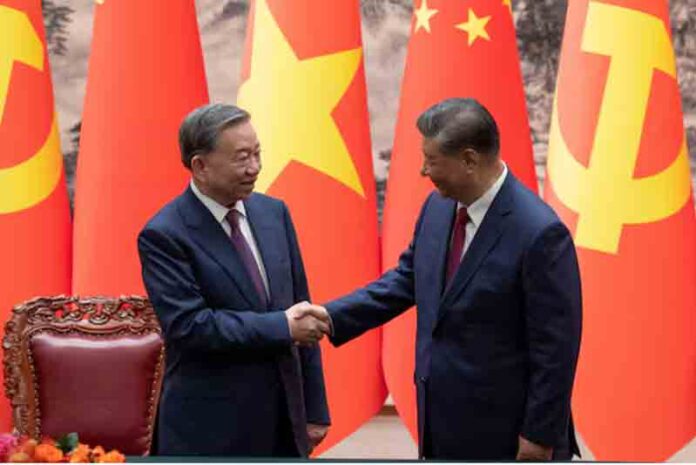
Chinese President Xi Jinping and Vietnam's President To Lam shake hands after a signing ceremony at the Great Hall of the People in Beijing, China.

Chinese President Xi Jinping and leaders from the European Union are scheduled to visit Vietnam in the coming weeks, amidst a flurry of diplomatic engagements due to increasing concerns over U.S. trade tariffs, according to officials.

China, the EU, and Vietnam all maintain significant trade surpluses with the United States and have recently encountered new tariffs imposed by the Trump administration, with further announcements anticipated on Wednesday.

Xi Jinping is expected to meet with Vietnamese officials in Hanoi on April 14, as confirmed by two Vietnamese officials familiar with the arrangements, marking his second visit to the nation in under 18 months.

This multi-day trip to Vietnam is part of a broader Southeast Asian tour that will also include Cambodia and Malaysia, as noted by two diplomats. The Chinese foreign ministry declined to provide any details regarding the visit during a news briefing on Monday, and Vietnam’s foreign affairs ministry did not respond to a request for comment.

According to both Vietnamese sources, discussions will likely cover the development of railways connecting northern Vietnam with China, a project both nations have agreed to pursue to enhance connectivity and trade.

One source indicated that Xi’s visit comes at a time of “strategic adjustments by major countries,” highlighting the changes in Trump’s policies as a significant factor. Additionally, Vietnam is in the process of approving the use of China’s COMAC aircraft, with an industrial source suggesting that a formal approval could coincide with Xi’s visit. This could lead to Vietnamese airlines leasing or even purchasing Chinese commercial jets.

Just days prior to Xi’s arrival, Spain’s Prime Minister Pedro Sanchez is scheduled to meet with Vietnamese leaders on April 9, followed by EU Trade Commissioner Maros Sefcovic, as outlined in official schedules.

European officials and diplomats have indicated that French President Emmanuel Macron and European Commission President Ursula von der Leyen are set to visit Hanoi in the coming weeks. In a video message to senior officials from the ASEAN bloc, delivered during their recent meeting in Vietnam’s capital, von der Leyen remarked, “The wave of tariffs and export restrictions is increasing… Our goal is to establish new avenues for trade and investment with reliable partners.”

Israel plans to take control of certain areas in Gaza as it broadens its military operations

0
Smoke rises after an explosion in northern Gaza, before a ceasefire deal between Israel and Hamas goes into effect, as seen from Israel.

Israel announced a significant escalation of its military operations in Gaza on Wednesday, indicating that extensive portions of the territory would be captured and incorporated into its security zones, alongside large-scale population evacuations.

In a statement, Defence Minister Israel Katz mentioned that evacuations would occur in areas experiencing conflict, while urging the people of Gaza to dismantle Hamas and return Israeli hostages as the sole means to conclude the war.

He emphasized that the operation aims to eliminate militants and their infrastructure, stating, “and seize large areas that will be added to the security zones of the State of Israel.” The Israeli military has already issued evacuation notices to residents in the vicinity of the southern city of Rafah and towards Khan Younis, instructing them to relocate to the Al-Mawasi area along the coast, which has been previously designated as a humanitarian zone.

According to Israel’s Army Radio, the 36th division, which was deployed to the Southern Command area last month in preparation for operations in Gaza, will participate in this operation, following a series of strikes reported overnight.

The Palestinian civil defense agency reported that its teams had recovered at least 12 bodies in Khan Younis, while Palestinian radio indicated that the area surrounding Rafah was nearly deserted after the evacuation orders were issued. Katz’s statement did not clarify the extent of land Israel plans to seize or whether this action would lead to a permanent annexation of territory, which would further strain a population in Gaza already enduring some of the highest population densities in the world.

As per the Israeli rights organization Gisha, Israel has already gained control of approximately 62 square kilometers, or about 17% of Gaza’s total area, as part of a buffer zone established around the enclave’s periphery.

Taking control of the buffer zone, which includes essential infrastructure such as wells, sewage pumping stations, and wastewater treatment facilities, as well as a large portion of Gaza’s agricultural land, would further strain the enclave’s capacity for self-sustainability. Concurrently, Israeli officials have expressed intentions to support the voluntary relocation of Palestinians from the area, following U.S. President Donald Trump’s suggestion for its permanent evacuation and transformation into a coastal resort under American oversight.

Katz’s comments followed Israeli Prime Minister Benjamin Netanyahu’s renewed demands for Hamas to disarm, asserting that military pressure is the most effective means to secure the release of the remaining 59 hostages. Israeli leaders have found encouragement in the emergence of protests in Gaza against Hamas, the militant organization that has governed the region since 2007, and the intensified military operation seems partially designed to amplify civilian pressure on Hamas’s leadership.

“I urge the people of Gaza to take immediate action to dismantle Hamas and secure the return of all hostages,” Katz stated, emphasizing that the operation aims to eradicate militants and their infrastructure from the area. “This is the sole path to ending the conflict,” he added.

WAR ESCALATES

Israel resumed airstrikes on Gaza last month and redeployed ground troops after a two-month period of relative tranquility, which followed a U.S.-backed ceasefire that facilitated the exchange of hostages held by Hamas for Palestinian prisoners in Israeli custody.

Since the resumption of military strikes, hundreds of Palestinians have lost their lives, and Israel has halted aid to the Gaza Strip, claiming that much of the incoming supplies were appropriated by Hamas for its own members. Efforts by Qatari and Egyptian mediators to revive negotiations aimed at ending the conflict have yet to yield any significant progress, and the military’s renewed operations in Gaza have sparked protests in Israel from families and supporters of the hostages.

On Wednesday, the Hostage Families’ Forum, representing the relatives of some hostages, expressed its “horror” at the news of the expanded military operation, emphasizing that Israel’s primary focus should be the safe return of the hostages. As the situation in Gaza intensifies, Israel has also targeted locations in southern Lebanon and Syria, including a strike on a Hezbollah commander in southern Beirut on Tuesday, which has further strained the fragile ceasefire agreements that had largely halted hostilities since January.

Moreover, Israeli forces continue to conduct a significant operation in the occupied West Bank, which the military claims is aimed at dismantling Iranian-backed militant groups within the region’s refugee camps. Israel launched its invasion of Gaza in response to a devastating attack by Hamas-led gunmen on southern Israeli communities, which resulted in the deaths of 1,200 individuals, according to Israeli sources, and the abduction of 251 hostages taken into Gaza. The ongoing Israeli campaign has reportedly resulted in over 50,000 Palestinian deaths, as per Palestinian health officials, and has devastated the Gaza Strip, displacing nearly the entire population of 2.3 million and leaving hundreds of thousands living in tents and makeshift shelters.

Trump is reportedly drafting an executive order to enhance weapons exports

0
Lockheed Martin's missiles and rockets are displayed at the Australian International Airshow in Avalon, Australia.

The administration of U.S. President Donald Trump is preparing to issue an executive order aimed at relaxing regulations on military equipment exports, with an announcement potentially coming as early as Tuesday or Wednesday, according to four sources familiar with the matter. These sources, which include individuals from both government and industry, anticipate that the order will resemble legislation proposed last year by Trump’s national security adviser, Michael Waltz, during his tenure as a Republican in the House of Representatives.

White House officials have not yet responded to requests for comment. The executive order could lead to increased sales for major U.S. defense contractors such as Lockheed Martin, RTX Corp, and Boeing Co.

Had it been enacted, the bill supported by Waltz in 2024 would have modified the U.S. Arms Export Control Act by raising the minimum dollar thresholds that necessitate congressional review of arms exports. Specifically, the thresholds would have increased from $14 million to $23 million for arms transfers, and from $50 million to $83 million for military equipment sales, upgrades, training, and related services.

Higher thresholds apply to NATO members and key U.S. allies, including Australia, Israel, Japan, South Korea, and New Zealand. For these transactions, Congress must be notified 15 days prior to a transfer, in contrast to the 30-day requirement for most other nations. Throughout his first term, Trump frequently voiced his dissatisfaction with Congress members who delayed foreign arms sales due to human rights or other issues. In 2019, he angered many lawmakers, including some from his own party, by declaring a national emergency amid tensions with Iran. This move allowed him to bypass the established congressional review process for significant weapons sales, facilitating the sale of over $8 billion in arms to Saudi Arabia, the United Arab Emirates, and Jordan.

For several months, congressional members had been obstructing the sale of military equipment to Saudi Arabia and the UAE.

Their frustration stemmed from the civilian casualties resulting from the air campaign in Yemen, along with concerns over human rights violations, including the assassination of Saudi journalist Jamal Khashoggi at a Saudi consulate in Turkey.

US officials express opposition to Europe’s initiative to procure weapons domestically

0
A member of German army Bundeswehr exercises during a presentation to German Defence Minister Boris Pistorius during his visit to the airborne brigade of German army Bundeswehr in Saarlouis, Germany.

U.S. officials have communicated to their European allies the importance of continuing to purchase American-made weapons, especially in light of recent European Union initiatives aimed at restricting the involvement of U.S. manufacturers in arms contracts, according to five sources who spoke to Reuters.

These messages from Washington have emerged as the EU seeks to strengthen its own defense industry while potentially limiting the acquisition of specific U.S. military equipment.

The early foreign policy actions of the Trump administration, which included a temporary reduction in military aid to Ukraine and a relaxation of pressure on Russia, have caused significant concern among European allies, leading many to question the reliability of the United States as a partner.

In mid-March, the European Commission, the executive branch of the EU, suggested increasing military expenditures and collaborating on joint defense initiatives, anticipating a reduction in U.S. military involvement under President Trump. Experts indicate that some of these proposed initiatives could result in a diminished role for non-EU firms, including those from the U.S. and the UK.

During a meeting on March 25, Secretary of State Marco Rubio informed the foreign ministers of Lithuania, Latvia, and Estonia that the U.S. aims to remain engaged in defense procurement within EU nations, as reported by the sources. Two of these sources noted that Rubio indicated any exclusion of U.S. firms from European tenders would be viewed unfavorably by Washington, which they interpreted as a reference to the proposed EU regulations. Additionally, a northern European diplomat, who was not part of the Baltic discussions, mentioned that U.S. officials had recently conveyed that any exclusion from EU arms procurement would be considered inappropriate.

Rubio intends to address the expectation that EU nations continue purchasing U.S. weapons during his upcoming visit to Brussels for the NATO Foreign Ministers Meeting, according to a senior official from the State Department. “This is a topic the secretary has previously highlighted and will persist in emphasizing,” the official stated.

A spokesperson for the State Department expressed that Trump appreciates the recent initiatives from European allies aimed at enhancing their defense capabilities and taking charge of their own security. However, they cautioned against establishing new barriers that could prevent U.S. companies from participating in European defense projects. “Transatlantic defense industrial collaboration strengthens the Alliance,” the spokesperson remarked.

The foreign ministries of Latvia and Estonia did not provide comments upon request, while Lithuania’s foreign ministry opted not to comment.

U.S. POLICY PULLS IN OPPOSITE DIRECTIONS

The U.S. apprehension regarding restrictions on arms purchases highlights a conflict at the core of the Trump administration’s policy towards Europe. Trump has called on European allies to increase their defense spending and assume greater responsibility for their security. In response, the EU is considering bringing defense manufacturing in-house, particularly in light of the U.S. president’s indications that his commitment to NATO may not be unwavering.

This approach contradicts another objective of the Trump administration, which is to facilitate access to foreign markets for U.S. manufacturers. The European Commission’s defense proposal, known as ReArm Europe, introduced in mid-March, includes a plan to secure 150 billion euros ($162 billion) in loans for EU governments to invest in defense initiatives.

While many EU governments support a more unified European defense strategy, the specifics of its implementation are likely to spark intense discussions regarding decision-making authority, project management, and funding mechanisms.

The Commission maintains that there are opportunities for non-EU companies to vie for defense funding under the proposed framework; however, arms manufacturers outside the European Union would encounter several practical and administrative challenges in reality.

The Trump administration, consistent with its predecessors, has advocated for European acquisitions of American weapons, including during this year’s Munich Security Conference.

Some analysts view the recent communications from Washington as a continuation of established U.S. policy. Nevertheless, multiple sources indicate that the U.S. focus on this issue has heightened in recent weeks, particularly as the EU has taken more definitive steps to separate its arms procurement processes.

“They are frustrated with the ReArm proposal and the exclusion of the U.S.,” remarked a senior European official.

China initiates military exercises in the vicinity of Taiwan, labeling its president as a ‘parasite’

0
Chinese aircraft carrier Shandong is seen in this screenshot taken from a video released by the Eastern Theatre Command of China's People's Liberation Army (PLA) .

On Tuesday, China initiated joint military exercises involving its army, navy, and rocket forces near Taiwan, labeling the actions as a “stern warning” against separatism. The Chinese government referred to Taiwanese President Lai Ching-te as a “parasite,” coinciding with Taiwan’s deployment of warships in response to the approaching Chinese naval presence.

These drills, conducted around the democratically governed island that China claims as its own and has not ruled out using force to control, followed Lai’s recent characterization of Beijing as a “foreign hostile force.”

China regards Lai as a “separatist,” and a video released by the Eastern Theatre Command during the announcement of the exercises depicted him as a cartoon insect being held by chopsticks over a burning Taiwan, with the term “parasite” used in English.

According to a statement from the Eastern Theatre Command, the exercises will focus on combat readiness patrols at sea and in the air, achieving comprehensive control, targeting maritime and land objectives, and enforcing blockades on critical areas and routes.

Taiwan’s government condemned these military maneuvers, with the presidential office asserting that China is “widely recognized by the international community as a troublemaker” and expressing confidence in its ability to defend itself.

Taiwan firmly rejects Beijing’s claims of sovereignty, stating that only the people of Taiwan can determine their future. Two senior officials from Taiwan informed Reuters that over ten Chinese military vessels had approached within Taiwan’s 24 nautical mile (44 km) contiguous zone, prompting Taiwan to send its own warships in response. However, one official noted that no live fire from the Chinese military had been detected.

TAIWAN DISPATCHES WARSHIPS

In a statement, Taiwan’s Defence Ministry indicated that China’s Shandong aircraft carrier group had entered the island’s response area on Monday, leading to the deployment of military aircraft and ships, as well as the activation of land-based missile systems in reaction.

The military exercises occurred shortly after U.S. Defense Secretary Pete Hegseth departed the area following his visits to Japan and the Philippines, where he criticized China and emphasized Japan’s crucial role in addressing Chinese aggression.

A senior security official from Taiwan informed Reuters, referencing internal evaluations, that Beijing must steer clear of any “perceived confrontation” with Washington ahead of the upcoming U.S.-China trade discussions, making Taiwan a convenient pretext. “Taiwan serves as their primary justification.

This is why they opted to initiate military drills immediately after the U.S. defense secretary’s departure from Asia,” the official stated. The American Institute in Taiwan, acting as the de facto U.S. embassy, affirmed that the United States will persist in its support for the island.

“Once again, China has demonstrated that it is not a responsible player and is willing to jeopardize the security and prosperity of the region,” a spokesperson remarked in a statement.

“ENCROACHING”

Following the announcement of the drills, China’s military released a series of propaganda videos in rapid succession, showcasing Chinese warships and fighter jets surrounding Taiwan, aerial views of Taipei, and military vehicles patrolling urban areas.

One video featured a poster titled “Closing In,” illustrating Chinese forces encircling the island, which was shared on the Eastern Theatre Command’s Weibo account. Another video, named “Shell,” portrayed President Lai as a green cartoon insect spreading parasites across the island, posted on the Eastern Theatre Command’s WeChat page.

The animation stated, “Parasite poisoning Taiwan island. Parasite hollowing Island out. Parasite courting ultimate destruction.” In response to inquiries about Lai’s cartoon representation, Taiwan’s Defense Minister Wellington Koo remarked that such rhetoric was unhelpful for peace and “reveals their provocative nature.”

A third video, titled “Subdue Demons and Vanquish Evils,” featured Sun Wukong, the legendary monkey king from the Ming Dynasty classic “Journey to the West,” as depicted in the popular video game “Black Myth: Wukong.”

The video begins with its title prominently displayed, showcasing a Chinese mythical warrior riding on clouds, before transitioning to scenes of Chinese fighter jets in action. Zhu Fenglian, a spokesperson for China’s Taiwan Affairs Office, stated, “The joint exercises and training conducted by the Eastern Theatre of the Chinese People’s Liberation Army (PLA) near Taiwan Island serve as a firm response to the Lai Ching-Te administration’s provocative actions regarding ‘independence.'”

In response, Taiwan’s Koo expressed to reporters that the PLA should prioritize addressing its internal corruption issues rather than undermining peace and stability in the region. Over the past few years, China’s military has implemented a significant anti-corruption campaign, which led to the dismissal of former Chinese Defence Minister Li Shangfu in October 2024.

The Chinese defense ministry has not yet commented on Koo’s statements. According to a Taiwan security source referencing internal intelligence, China is engaging its military in exercises to divert attention from discussions about the corruption crackdown among soldiers stationed at bases.

Additionally, China’s coast guard announced its participation in the drills, stating that it was simulating operations for “inspection and capture, interception, and detention of unauthorized vessels” to assert its “legitimate jurisdiction” over Taiwan. The Global Times, affiliated with the People’s Daily of the ruling Chinese Communist Party, reported that the exercise was not assigned a code name to indicate that the presence of Chinese military forces around the island has become routine, as noted by Zhang Chi from the National Defence University.

The article on the paper’s Weixin social media platform emphasized that the PLA has significantly improved its readiness for conflict through a series of exercises conducted in the Taiwan Strait in recent years. Since the visit of then-U.S. House Speaker Nancy Pelosi to Taipei in 2022, China has conducted multiple rounds of military drills around Taiwan.

Trump and Erdogan have held a phone conversation regarding the future of the F-35

0
F-35 Lightning II

Turkish President Recep Tayyip Erdogan and U.S. President Donald Trump recently engaged in a phone call aimed at addressing the ongoing uncertainty regarding Turkey’s involvement in the F-35 fighter jet program, an issue that has strained their NATO alliance.

This conversation was initiated following a series of diplomatic interactions, including Foreign Minister Hakan Fidan’s recent visit to Washington, which aimed to tackle Turkey’s exclusion from the program and seek potential paths for resolution.

While the exact timing of the call has not been revealed, it follows previous outreach from Trump’s envoy, Steve Witkoff, who met with Erdogan to establish a foundation for renewed discussions.

Central to their dialogue was Turkey’s request for either reinstatement in the F-35 program or reimbursement for its $1.4 billion investment, which was cut off when the U.S. removed Turkey from the initiative due to its acquisition of Russia’s S-400 air defense system.

Sources from Turkey’s Ministry of National Defense suggest that both leaders expressed a willingness to engage in technical discussions, although no definitive agreements have emerged, leaving future actions uncertain.

This recent communication revives a narrative that began years ago with Turkey’s significant involvement in the F-35 program. Initiated in 1999 as a collaborative project led by Lockheed Martin, the Joint Strike Fighter program welcomed Turkey as an early participant, with a commitment to purchase 100 F-35A conventional takeoff-and-landing aircraft.

Turkish companies, including Turkish Aerospace Industries (TAI) and Aselsan, contributed significantly by producing over 900 components, such as fuselage sections and electronic displays. A notable milestone was reached in June 2018 when the first Turkish F-35 was unveiled in Fort Worth, Texas, during a handover ceremony attended by Turkish officials.

The momentum experienced by Turkey in its defense initiatives came to an abrupt halt in July 2019 when the United States suspended Turkey’s involvement following the acquisition of the S-400 system from Russia. American officials, including then-Defense Secretary Mark Esper, expressed concerns that the Russian system could jeopardize the stealth capabilities of the F-35 by gathering sensitive information, a risk considered unacceptable within NATO.

In the following months, the Pentagon redirected six completed F-35 jets intended for Turkey to the U.S. Air Force and halted the training of Turkish pilots at Luke Air Force Base in Arizona, effectively ending Turkey’s immediate prospects for the F-35 program.

This expulsion prompted Turkey to shift its strategic focus, particularly accelerating the development of its indigenous KAAN fighter. Launched under the TF-X initiative in 2016, KAAN was developed as a direct response to the F-35 situation, with the goal of modernizing Turkey’s air force and achieving technological self-sufficiency.

Led by Turkish Aerospace Industries (TAI) with support from Britain’s BAE Systems, the twin-engine stealth fighter successfully completed its first flight last February, lasting 13 minutes at a speed of 230 knots and reaching an altitude of 8,000 feet.

Equipped with General Electric F110 engines, which are already utilized in Turkey’s F-16 fleet, KAAN boasts a streamlined design with radar-evading features and an internal weapons bay capable of accommodating both air-to-air and air-to-ground munitions.

Defense Minister Yaşar Güler has set an ambitious production target of two jets per month by 2029, with a long-term vision of developing a domestically produced engine through TRMotor. While Turkish officials present KAAN as a testament to national resilience, analysts express doubts regarding its operational readiness.

Aerospace analyst Richard Aboulafia points out that although the prototype’s flight was successful, achieving full combat readiness may not occur until the late 2030s due to the challenges associated with avionics integration and engine development.

The global F-35 program has progressed without Turkey’s participation. According to the latest data from Lockheed Martin, over 990 aircraft have been delivered across the A, B, and C variants, serving the U.S. military and allies such as South Korea, Canada, and the Netherlands.

Most of the production occurs in Fort Worth, Texas, with additional support from facilities in Cameri, Italy, and Nagoya, Japan. Meanwhile, Turkey’s six F-35As, numbered 18-0001 to 18-0006, remain in the United States, stored at various bases including Luke Air Force Base in Arizona, Eglin Air Force Base in Florida, and Nellis Air Force Base in Nevada.

Originally intended for pilot training, these aircraft were reassigned to the U.S. Air Force under a contract modification worth $862 million, finalized in 2020 after a Senate decision two years prior that prevented their transfer to Turkey.

A report from the Turkish newspaper Aydinlik last year indicated that the U.S. has charged Turkey $30 million for technical support of these jets since 2022, emphasizing the necessity of maintaining their advanced systems even while in storage.

Pentagon spokesperson Lt. Col. Daniel Hernandez confirmed this amount in a statement in February 2024, explaining that the costs include software updates and airframe preservation. However, Turkey has not yet made any payments and continues to demand reimbursement for its initial investment.

Examining the details of these Turkish F-35s highlights what Ankara forfeited due to the fallout. Built to the Block 3F standard, they possess full operational capabilities, with software that supports a range of weapons, including the AIM-120 AMRAAM missile and the GBU-31 Joint Direct Attack Munition.

Equipped with Pratt & Whitney F135 engines, these jets generate 43,000 pounds of thrust with afterburners, allowing them to exceed speeds of Mach 1.6 and maintain a combat radius of 1,200 miles. Their stealth features are enhanced by a radar-absorbent coating and an airframe designed to minimize detection, along with the AN/APG-81 radar system, which can track targets at long distances.

The cockpit is equipped with a panoramic touchscreen and a helmet-mounted display that projects flight and targeting information, providing pilots with exceptional situational awareness. These systems, designed for compatibility with NATO, would have integrated smoothly with allied networks, strengthening Turkey’s involvement in joint operations. However, this capability has been diminished as the jets are now operated by American crews.

The phone conversation between Erdogan and Trump highlights a larger diplomatic strategy. Turkey’s acquisition of the S-400 system, completed in 2019 despite warnings from the U.S., was driven by pressing security concerns due to instability in Syria and Iraq, where missile threats were significant.

With a range of up to 250 miles, the Russian system offered a strong defensive capability, but its introduction raised alarms within NATO about the potential for Russia to use it to analyze Western technology. Attempts to resolve this issue have not succeeded; proposals for Turkey to store the S-400s under U.S. oversight at Incirlik Air Base were met with opposition from Ankara, which regards the system as a matter of national sovereignty.

During Fidan’s visit to Washington, Acting Deputy Secretary of State Victoria Nuland suggested that dismantling the S-400 could pave the way for Turkey’s reinstatement in the F-35 program. Güler expressed optimism about this, indicating that advancements with the KAAN project might encourage the U.S. to consider a compromise. “The Americans recognize that we are making progress,” Güler remarked to reporters, alluding to the leverage gained from Turkey’s domestic developments.

The financial and strategic implications are significant. Turkey’s exclusion from the F-35 program has cost it an estimated $9 billion in manufacturing revenue, according to the U.S. Government Accountability Office, while the Pentagon has had to redistribute production responsibilities to other partners.

Congressional attitudes, influenced by the National Defense Authorization Act, are marked by caution, with individuals like Senator Jeanne Shaheen expressing worries about Turkey’s connections to Russia and its position regarding Hamas. Conversely, Kadir Ustun from the SETA Foundation contends that Turkey’s strategic location between Europe and the Middle East renders it essential, advocating for a practical agreement.

The $30 million maintenance fee adds complexity, as Turkey’s refusal to cover this cost reflects deeper grievances over the initial $1.4 billion investment, which it demands be fully reimbursed if the jets remain in the U.S.

Historical context sheds light on the current situation. The rift between the U.S. and Turkey mirrors tensions from the Cold War, such as the 1975 arms embargo following Turkey’s intervention in Cyprus, which was only resolved after extensive negotiations. The current deadlock presents greater risks, particularly as NATO seeks cohesion in the face of Russian aggression and instability in the Middle East.

The introduction of KAAN further complicates matters, potentially decreasing Turkey’s reliance on the F-35, although its development timeline does not align with immediate operational requirements. Aboulafia predicts that even with substantial investment, KAAN will not reach the F-35’s level of readiness for at least 15 years, leaving Turkey dependent on outdated F-16s and F-4s in the meantime—a vulnerability that Erdogan likely discussed with Trump.

The phone call, described by Witkoff as a “transformational” event, suggests a personal rapport that could influence outcomes. Trump’s previous commendations of Erdogan, along with his administration’s focus on negotiation, stand in stark contrast to the sanctions imposed during the Biden administration under CAATSA in December 2020, targeting Turkey’s defense industry.

Upcoming technical discussions are set to evaluate this situation, with Turkey advocating for either the delivery of the jets or a financial exit strategy. The U.S. faces the challenge of maintaining alliance unity while addressing security needs, a balancing act further complicated by domestic political factors. Reintegrating Turkey into the program would necessitate a shift in production and navigating congressional obstacles, a process that Hernandez described as “feasible but complex” during his presentation.

As the situation evolves, the six F-35s currently stored in the U.S. represent the critical stakes involved. Funded by taxpayers, their future—whether they will be piloted by Turkish personnel, sold to other nations, or remain in American facilities—remains uncertain.

Erdogan’s demand for sovereignty conflicts with NATO’s collective principles, yet both parties recognize the importance of repairing their relationship. Güler’s team is optimistic, pointing to Trump’s willingness as a potential opportunity, while Nuland’s stipulations indicate a more stringent approach. At this moment, the phone conversation serves as a cautious initial move, with its results likely to reshape Turkey’s military direction and its role within the Western alliance.

Hegseth announces enhancement of US military command in Japan to counter China

0
Pete Hegseth, US secretary of defense, and Gen Nakatani, Japan's defense minister, shake hands while posing for photographs prior to their meeting at the Ministry of Defense in Tokyo, Japan.

U.S. Defense Secretary Pete Hegseth emphasized Japan’s crucial role in addressing Chinese aggression during a meeting on Sunday, announcing that plans to enhance the U.S. military command in Japan would soon commence.

“We share a warrior ethos that defines our forces,” Hegseth stated to Japanese Defense Minister Gen Nakatani in Tokyo. He highlighted Japan as an essential ally in countering military threats from communist China, particularly in the Taiwan Strait.

Referring to Japan as a “cornerstone of peace and security in the Indo-Pacific,” Hegseth affirmed that the Trump administration would maintain close collaboration with this vital Asian partner. In July, the Biden administration revealed a significant overhaul of the U.S. military command in Japan to strengthen coordination with Japanese forces, as both nations identified China as their “greatest strategic challenge.” This restructuring will introduce a combined operational commander in Japan, who will work alongside the head of a joint operation command recently established by Japan’s Self-Defense Forces.

TROOPS IN JAPAN

Hegseth’s commendation of Japan stands in contrast to his earlier criticisms of European allies, where he cautioned against assuming the permanence of U.S. military presence in Europe. Trump has voiced concerns that the bilateral defense treaty, which commits the U.S. to defend Tokyo, lacks reciprocity, and during his first term, he suggested that Japan should contribute more to the costs of hosting U.S. troops.

Currently, Japan accommodates 50,000 U.S. military personnel, along with fighter jet squadrons and the only forward-deployed aircraft carrier strike group of the U.S., situated within a 3,000-km (1,900-mile) East Asian archipelago that encircles Chinese military capabilities. This development coincides with Japan’s decision to increase military spending, including investments in longer-range missiles. However, the operational capacity of its forces remains limited by its U.S.-drafted constitution, which was enacted after World War II and renounces the right to wage war.

Hegseth and Nakatani have reached an agreement to expedite a plan for the joint production of AMRAAM missiles designed for beyond-visual-range air-to-air combat, and they are also considering collaboration on the manufacturing of SM-6 surface-to-air defense missiles to alleviate a munitions shortage, according to Nakatani.

Hegseth expressed his desire for increased access to Japan’s strategic southwestern islands, which are located near the disputed East China Sea and close to Taiwan. The Chinese foreign ministry has not yet responded to a request for comment.

SIGNAL CHAT

During his inaugural official visit to Asia, Hegseth traveled to Japan after visiting the Philippines. On Saturday, he participated in a memorial service at Iwo Jima, the site of intense combat between U.S. and Japanese forces 80 years ago.

His visit has been marred by reports that he shared details of upcoming U.S. military actions in Yemen via a Signal messaging app group that included notable figures such as Jeffrey Goldberg, editor-in-chief of The Atlantic, Director of National Intelligence Tulsi Gabbard, CIA Director John Ratcliffe, National Security Adviser Mike Waltz, and others.

On Sunday, Hegseth did not answer a question shouted at him regarding whether he had shared classified information in the group. Gabbard informed Congress on Tuesday that the determination of what constitutes classified defense information rests with the defense secretary.