Wednesday, April 15, 2026
Home Blog Page 69

Turkey and India are reportedly helping Russia obtain advanced precision weaponry technology, according to Swiss media

0

Moscow is secretly seeking to obtain Swiss-manufactured precision tools and other advanced technology for its military-industrial sector, despite stringent Western sanctions, as reported by the Swiss newspaper Neue Zürcher Zeitung (NZZ).

As the conflict in Ukraine continues to deplete significant reserves of precision weaponry, Russia is urgently trying to restock its military supplies. A key component of this initiative involves CNC machines, which facilitate the efficient production of high-precision parts from metals and other robust materials.

These sophisticated manufacturing technologies are crucial for sustaining defense production and enhancing military capabilities.

The report indicates that the Swiss Federal Intelligence Service (FIS) has detected an increase in covert activities by Russian procurement networks aimed at acquiring essential technologies.

The intelligence agency cautions that these procurement strategies are highly flexible, allowing for rapid replacement of any disrupted supply chains. This agility poses a considerable challenge for enforcement efforts.

In response, Switzerland has been intensifying its efforts to prevent unauthorized exports through more stringent regulations and enforcement actions.

Data analyzed by NZZ indicates a significant increase in the export of precision tools and other essential materials to specific intermediary countries. In the wake of Western sanctions imposed on Russia, Turkey has emerged as a key channel for unauthorized transfers, as identified by the FIS.

Incidents involving attempts to redirect Swiss products from Turkey to Russia prompted the Swiss government to implement stricter export regulations in mid-2023. Consequently, all machine tool exports with potential military applications now require individual approval.

Serbia is another area of concern, having tripled its imports of Swiss dual-use goods since the onset of the Ukraine conflict. A substantial portion of these exports consists of high-precision metal-processing tools.

Although Switzerland has not yet uncovered evidence of Serbian re-exports to Russia, intelligence agencies continue to monitor the situation closely.

In contrast, exports of sensitive goods to Central Asian countries bordering Russia have remained minimal, attributed to stringent Swiss oversight. Authorities have rejected several export requests for satellite navigation system components considered at high risk of being diverted to the Russian military.

India and the UAE Experience Surge in Swiss Dual-Use Imports

India, identified by Swiss intelligence as a potential intermediary for Russian procurement, has seen a notable increase of approximately 65% in its imports of Swiss dual-use goods since the conflict began.

Several Indian companies have already been targeted by the United States in its efforts against “third-country enablers,” with accusations of assisting the Kremlin in circumventing Western sanctions that have been in place since the start of Russia’s war on Ukraine in 2022.

Likewise, the United Arab Emirates (UAE) has reported a sevenfold increase in its annual imports of these items compared to pre-conflict levels. However, Swiss authorities have not officially classified it as a high-risk nation.

Western intelligence agencies have long regarded the UAE as a potential channel for sanctioned goods destined for Russia.

The most recent inquiry stems from a report by Ukraine’s Economic Security Council, published on January 23, which disclosed that Russia has procured US$18 billion in machine tools for weapon manufacturing from Europe and China.

Although the European Union has prohibited the export and re-export of such machinery to Russia, these restrictions do not comprehensively apply to the subsidiaries of European firms operating in third-party nations such as Turkey, China, India, and Malaysia.

Denys Hutyk, Executive Director of ESCU, remarked at the time, “Third countries serve as transit points for equipment that ultimately reaches Russia, while the compliance and oversight by parent companies are insufficient. This weakens the effectiveness of the EU’s sanctions framework. A comprehensive ban on the export and re-export by subsidiaries in third countries is essential, along with clear accountability for offenders and thorough investigations into every case of European-manufactured equipment reaching Russia.”

Russia has obtained at least 57 CNC machines, valued at over US$26.5 million, from the subsidiaries of European manufacturers, in addition to components and consumables worth more than US$9.5 million.

Significantly, the Istanbul branch of Germany’s Emag Salach GmbH was responsible for producing at least 17 of these machines, valued at over US$14.7 million, which were later exported to Russia.

Emag equipment is extensively employed in military production facilities in Russia, such as the Titan-Barikadi Scientific and Production Center, which specializes in the production of ballistic missile launchers and artillery system components.

Moreover, Moscow has procured products from several prominent European manufacturers, including Trumpf, DMG Mori, Chiron, Grob, Schneider Electric, and Siemens, among others.

Overall, the ongoing participation of “third-country enablers” brings into question the efficacy of sanctions enforcement and the level of global adherence to these measures.


Russia will debut its battle-tested VTOL drones, Goliath-R and Karakurt-R, for the first time

0
Karakurt aerial surveillance

Kalashnikov Concern, the prominent Russian manufacturer recognized for the AK-47 assault rifle, is preparing to showcase its ‘battle-tested’ drones for the first time at an international exhibition.

The company will present unmanned aerial vehicles (UAVs) at the International Defence Exhibition & Conference (IDEX) 2025, taking place in Abu Dhabi from February 17 to 21.

IDEX is considered one of the most significant tri-service defense exhibitions globally, organized by Capital Events with the full support of the UAE Armed Forces. The event is held under the patronage of Mohamed bin Zayed Al Nahyan, the President of the UAE and Supreme Commander of its military.

As drones become a key focus, Kalashnikov will join around 20 other Russian defense companies at the exhibition.

The manufacturer has stated that the drones, tested in the “NVO zone”—a term used by Russia to describe military operations in Ukraine—will be showcased alongside other sophisticated military and surveillance technologies.

The Goliath-R and Karakurt-R UAVs, both capable of vertical take-off and landing, will be displayed in their civilian versions. Furthermore, the company will feature the Quazimachta, an advanced aerial platform designed for extended electronic payload missions.

This initiative by Kalashnikov is part of a larger strategy to establish itself as a significant contender in the field of unmanned combat and reconnaissance systems.

The company has officially unveiled its KUB-SM reconnaissance and strike drone at the Abu Dhabi exhibition, alongside the launch of the KUB-2-E, a sophisticated loitering munition tailored for export markets.

As Russia increasingly utilizes UAV technology in the conflict in Ukraine, Kalashnikov’s participation in IDEX 2025 represents a strategic initiative to enhance its defense exports.

This event will serve as a platform for the company to engage potential buyers, fortify partnerships, and demonstrate the effectiveness of its drone technologies.

Goliath-R, Karakurt-R, and Quazimachta UAVs

The three unmanned aerial vehicles set to be showcased in Abu Dhabi have undergone rigorous testing in combat over the past two years. Their use in the Ukraine conflict has yielded valuable insights from frontline troops.

In response to this feedback, the company has announced that it has implemented system upgrades aimed at enhancing the capabilities of these UAVs.

The Goliath-R and Karakurt-R UAVs are designed with vertical take-off and landing capabilities, making them suitable for a variety of missions.

The Goliath-R is a compact and adaptable UAV, capable of operating in densely populated urban areas, which positions it well for search-and-rescue missions, intelligence collection, and security surveillance.

It is offered in two configurations: a case designed to accommodate six drones and a standalone case for a single drone. Both configurations feature an integrated recharging system that facilitates rapid deployment and on-site recharging.

The Karakurt-R is a mini-UAV compact enough to fit in a pocket, engineered for swift field deployment. It can be launched from a tube-like container in mere seconds.

This “micro-reconnaissance drone” is tailored for user-friendliness in tight spaces. The Karakurt is equipped with a compact launch container, enhancing its effectiveness in field operations where speed and agility are crucial.

In addition to its real-time reconnaissance functions, the Karakurt provides versatile launch options and integrates smoothly with existing communication systems.

Operators who have evaluated the drone indicate that its performance and agility meet the current requirements of the Russian armed forces in high-intensity combat situations.

The Goliath and Karakurt copter-type systems are capable of conducting continuous aerial reconnaissance, delivering real-time 3D data while capturing and tracking targets as directed by the operator. In cases of signal loss, the drones automatically return to their base until a stable connection is restored.

Conversely, the Quazimachta serves as a high-altitude aerial platform designed for extended electronic payload operations.

The Quazimachta distinguishes itself from traditional drones by offering 24/7 surveillance in both optical and infrared wavelengths, allowing for uninterrupted monitoring of specified regions. This UAV is capable of relaying real-time information to ground control stations.

Initially introduced at the Army 2023 Military and Technical Forum, the drone has since received multiple enhancements, including a longer power cable, which was implemented based on operator feedback to enhance its operational capabilities.

Pakistan Air Force Set to Achieve a “12-14 Year” Advantage Over India with the Acquisition of J-35A Fighters

0
J-35A stealth aircraft

Pakistan’s strategic decision to procure up to 40 J-35A fifth-generation fighter jets from China is poised to significantly alter the balance of air power in the region, providing its air force with a substantial advantage over its historical adversary, India.

Retired Air Commodore Zia Ul Haque Shamshi, a former senior officer of the Pakistan Air Force (PAF), emphasizes that the introduction of the advanced J-35A will position the Indian Air Force (IAF) at a disadvantage, granting Pakistan a technological superiority that is expected to last for the next 12 to 14 years. He noted, “India is unlikely to achieve fifth-generation fighter jet capabilities within that period, which will afford Pakistan a strategic advantage.”

Last year, the PAF made headlines by signaling its intention to acquire the state-of-the-art J-35A stealth fighter, a next-generation aircraft developed by China’s Shenyang Aircraft Corporation. Air Chief Marshal Zaheer Ahmed Baber Sidhu heightened expectations by announcing that the J-35A would soon be integrated into the PAF’s fleet, marking a significant advancement in Pakistan’s aerial combat capabilities. “Discussions have been held regarding the acquisition of the J-35A, which will soon be incorporated into the Pakistan Air Force,” he stated at an event last year.

Recent reports from Pakistani media indicate that the PAF has dispatched a contingent of pilots to China for training on the J-35A fighter jet, underscoring the nation’s commitment to adopting fifth-generation fighter technology. The J-35A is China’s second stealth fighter, following the J-20 “Mighty Dragon.” While the J-20 is reserved for the Chinese Air Force, the J-35A has been designed with potential international buyers in mind. This latest addition will enhance the array of Chinese-made fighter jets within Pakistan’s air force, which already includes the J-10C and the collaboratively developed JF-17.

Reports indicate that Pakistani pilots have commenced training on the J-35A, suggesting that Islamabad is firmly advancing towards the deployment of fifth-generation fighter aircraft.

This development has sparked apprehension in neighboring India, which continues to depend on 4.5-generation fighters like the Sukhoi Su-30MKI and Rafale jets.

India now confronts the challenge of not only addressing the capabilities of China—whose air force already operates the J-20—but also preparing for Pakistan’s potential introduction of its own fifth-generation fighters.

Analysts suggest that Pakistan’s reported acquisition of the J-35A is likely aimed at replacing its aging fleet of American-made F-16s and French-built Mirage 5 aircraft. If verified, this procurement could significantly shift the regional air power dynamics and present a new strategic challenge for India.

The J-35A is anticipated to enhance Pakistan’s tactical capabilities, enabling its air force to execute deeper penetration missions into adversary airspace.

China has been actively marketing the J-35A for export, even setting up a dedicated office to attract potential international buyers.

In contrast to the J-20, which Beijing has restricted from export—similar to U.S. limitations on the F-22 Raptor—the J-35A is being promoted as a viable option for foreign customers.

The J-35A emerges as a significant player in contemporary aerial combat—a single-seat, twin-engine, medium-sized stealth fighter designed for supremacy. With advanced low-observability features and efficient operational costs, it is set to compete with the most sophisticated military aircraft globally.

Recent reports suggest that China is preparing to incorporate the J-35A into its carrier operations, positioning it as a direct competitor to the U.S. Navy’s F-35B and F-35C models produced by Lockheed Martin. While detailed technical specifications remain largely undisclosed, it is noted that the aircraft’s Maximum Take-Off Weight (MTOW) has increased from 25,000 kg to 28,000 kg, indicating enhancements in both firepower and endurance.

The J-35A is powered by WS-19 engines, each generating an impressive 12 tons of thrust—an advancement that reinforces its status as a next-generation aerial powerhouse. The fighter is designed with two internal weapons bays, each capable of accommodating two medium-range air-to-air missiles. Furthermore, it includes external hardpoints for a variety of bombs and missiles, broadening its multirole combat capabilities.

Pakistan’s decision to acquire the J-35A is likely to alter the balance of air power in the region, prompting India to expedite its initiatives to develop or procure fifth-generation fighter jets.

Saudi Arabia Shifts Focus from Rafale to F-35 Following Trump’s Comeback

0

Saudi Arabia is reportedly shifting its focus away from France’s 4.5-generation Rafale fighter jets, particularly following Donald Trump’s significant return to the presidency, which has replaced Joe Biden.

International defense sources indicate that Saudi Arabia’s diminishing interest in the Rafale is linked to a renewed ambition to acquire the advanced American-made F-35 Lightning II, a desire that has been reignited by Trump’s return to the White House.

In its ongoing quest for fifth-generation fighter jets, Saudi Arabia is intensifying efforts to upgrade its air force, which currently includes advanced 4+++ generation aircraft such as the Eurofighter Typhoon and F-15SA.

With Trump back in office for a second term, Riyadh perceives a renewed opportunity, believing that the long-sought F-35 acquisition is now more attainable, a scenario that appeared unlikely during the Biden administration.

Riyadh remains steadfast in its pursuit of fifth-generation aircraft, considering its strong relationship with Trump as a potential key to finally gaining access to the highly desired F-35, developed by Lockheed Martin.

However, a critical question persists—does Saudi Arabia’s optimism about securing the F-35 under Trump’s leadership rest on reliable assurances, or is it simply a high-risk gamble?

Saudi Arabia’s interest in the F-35 is motivated by its strategic need to counter regional adversary Iran, which is expected to receive more advanced fighter jets, including Russia’s Sukhoi Su-35.

Earlier reports indicated that Trump had proposed the possibility of selling the F-35 to Saudi Arabia during his first term, contingent upon Riyadh establishing diplomatic relations with Israel. However, following Trump’s defeat in the 2020 election and Biden’s subsequent presidency, the proposed F-35 sale to Saudi Arabia was suspended by the Democratic administration.

Despite its long-standing alliance with the United States and its role as a key supporter in the Middle East, Saudi Arabia has faced a steadfast refusal from Washington regarding the sale of the F-35 fighter jets. The Biden administration has emphasized the importance of maintaining Israel’s “qualitative military edge,” as Israel is already equipped with this advanced stealth technology. Furthermore, Israel has expressed strong opposition to the potential sale of F-35s to Saudi Arabia.

In light of its unsuccessful bid for the F-35, Saudi Arabia has redirected its attention towards the Rafale fighter jets, specifically the latest model referred to as the “Super Rafale.”

Recent reports suggest that Riyadh is contemplating the purchase of 54 Rafale fighters, which would represent its inaugural acquisition of French military aircraft, following similar purchases by neighboring nations such as the United Arab Emirates, Qatar, Oman, and Egypt. According to the French weekly La Tribune, Saudi Arabia has formally requested a price estimate from Dassault Aviation for these 54 Rafale jets. Earlier reports indicated that Riyadh was exploring a significantly larger order, potentially ranging from 100 to 200 Rafale fighters, akin to the fleets of several of its Arab counterparts.

In addition to the Rafale, Saudi Arabia has also received offers for Eurofighter Typhoon jets from a European consortium and F-15EX fighters from Boeing. A previous proposal for the sale of 48 Eurofighter Typhoons encountered challenges after Germany halted arms exports to Saudi Arabia in 2018, following the controversial abduction and murder of journalist Jamal Khashoggi.

Berlin has now removed its objections to the agreement. The Royal Saudi Air Force (RSAF) has a longstanding relationship with Boeing, having previously operated earlier variants of the F-15, such as the F-15 Eagle and F-15SA. Boeing has highlighted that the F-15EX retains many features from its predecessor models, including existing infrastructure, training systems, pilot proficiency, and maintenance support.

At present, the RSAF has a fleet consisting of 84 F-15SA fighters. Furthermore, Saudi Arabia is reportedly exploring the possibility of acquiring around 100 units of the fifth-generation “KAAN” fighter jet, which is currently being developed by Türkiye. Discussions regarding the potential acquisition of the KAAN took place during a recent visit by Royal Saudi Air Force Commander Prince Turki bin Bandar Al Saud to Türkiye.

Egypt has acquired the J-10CE fighter jet, equipped with the PL-15 air-to-air missile system

0
J-10CE fighter

The Egyptian Air Force appears to have received its initial shipment of Chinese-manufactured J-10CE fighter jets, now outfitted with sophisticated air-to-air missiles that can target adversaries beyond visual range. This information was shared by Húrin, who posted a photograph on his X profile showcasing two J-10CEs in operation.

Húrin’s update is not entirely unexpected for those closely following developments. Last year, he hinted at Egypt’s possible interest in the J-10CE, referencing an image from a Chinese defense exhibition where a fully operational export version of the J-10CE was showcased, igniting speculation about its availability to international clients like Egypt.

Egypt’s choice to procure Chinese J-10CE fighter jets signifies a notable change in its military acquisition approach, highlighting a trend towards diversifying defense partnerships away from traditional Western sources, particularly the United States.

Reports suggest that Egypt formalized an agreement with China on August 19, 2024, to acquire these advanced fourth-generation multirole fighters, referred to as the “Vigorous Dragon,” intended to replace its aging fleet of American-made F-16 Fighting Falcons.

This development positions Egypt as the second foreign buyer of the J-10C, following Pakistan, and emphasizes Cairo’s strengthening military relationship with Beijing, particularly after Egypt’s entry into the China-led BRICS bloc earlier that year.

Although the deal has not been officially confirmed by either party, it surfaced after the J-10C was prominently featured at the inaugural Egypt International Air Show in September 2024, where it conducted its first demonstration in Africa.

The J-10C, developed by Chengdu Aircraft Industry Corporation, boasts advanced capabilities, including an active electronically scanned array radar, modern avionics, and the ability to carry a range of air-to-air and air-to-ground munitions, such as the PL-10 and PL-15 missiles.

The J-10C’s design, characterized by its delta wing and canard configuration, significantly improves maneuverability and lift, positioning it as a viable competitor to Western aircraft like the F-16. Analysts highlight that the J-10C delivers enhanced combat capabilities at a more economical price point, with estimated unit costs ranging from $40 to $50 million, in contrast to the $65 to $70 million for the latest F-16 models.

Egypt’s choice to acquire Chinese jets followed its rejection of U.S. proposals to upgrade its F-16s to the F-16V standard and offers from Russia for MiG-29 fighters. This decision reflects dissatisfaction with the limitations and high expenses associated with Western suppliers.

Geopolitical factors significantly influence Egypt’s shift towards China. While Cairo has historically depended on American military assistance and equipment, maintaining one of the largest F-16 fleets in the world, these aircraft are outfitted with outdated technology and lack advanced beyond-visual-range missiles due to U.S. restrictions, which are partly a result of its alliance with Israel. In contrast, China imposes fewer political limitations on arms sales, granting Egypt enhanced operational flexibility.

This acquisition is part of Egypt’s broader initiative to modernize its air force and lessen its reliance on Western systems, a trend also reflected in its procurement of French Rafale jets and Russian MiG-29s. However, the integration of Chinese aircraft into Egypt’s varied fleet, which includes American, French, and Russian platforms, presents logistical challenges, particularly in terms of maintenance and training.

Egypt’s strengthening ties with China extend beyond military acquisitions, as demonstrated by its membership in BRICS and growing economic connections. The J-10C agreement is viewed as a strategic alignment with Beijing, which provides not only cost-effective military options but also fewer political conditions compared to Western allies.

Some analysts indicate that Egypt’s recent decision may be influenced by regional tensions, particularly concerns regarding Israeli military actions in Gaza and the necessity to uphold a credible deterrent capability.

Although the precise number of J-10C jets Egypt intends to procure has not been revealed, reports indicate an initial interest in acquiring around twelve units, with the possibility of additional orders contingent on performance and successful integration.

This development has elicited varied responses both domestically and internationally. In Egypt, some view the acquisition as a move towards enhanced military autonomy and a practical reaction to restrictions from Western nations, while others express concerns about the long-term consequences of distancing from established U.S. alliances.

On the international stage, the agreement underscores China’s growing influence in the Middle East and North Africa, posing a challenge to the supremacy of Western arms suppliers.

Critics of the prevailing narrative warn that, despite the advanced capabilities of the J-10C, reliance on Chinese technology and support may foster new dependencies, potentially complicating Egypt’s strategic independence in the future.

Nonetheless, Egypt’s procurement of the J-10CE fighter jets represents a significant advancement in its defense modernization initiatives, illustrating a multipolar approach to global military collaboration.

Egypt’s acquisition of the Chinese PL-15 beyond-visual-range air-to-air missile signifies a notable transformation in its military strategy, reflecting both its regional aspirations and the limitations imposed by Western powers.

The PL-15, an advanced long-range missile with an estimated range of up to 300 kilometers in its domestic variant, provides Egypt with a capability it has long desired but has been denied by its traditional Western partners.

Cairo’s recent decision comes in response to ongoing refusals from the United States and European countries to provide advanced air-to-air munitions, such as the AIM-120 AMRAAM and the MBDA Meteor. These refusals are largely driven by geopolitical factors and concerns regarding the regional balance of power, particularly in relation to Israel’s military superiority.

Historically, the Egyptian Air Force has operated a combination of Western and Soviet-era aircraft, including F-16s, Rafales, and MiG-29s. However, the full operational potential of these aircraft has been constrained by limitations on access to advanced weaponry.

For example, Egypt’s F-16 fleet, one of the largest globally, has been restricted to using older AIM-7 Sparrow missiles, which do not match the range and capabilities of contemporary beyond-visual-range systems.

Additionally, although Egypt has procured French Rafale jets, attempts to arm them with the Meteor missile, which has a range exceeding 100 kilometers, have reportedly faced opposition from Western nations, influenced by Israel’s desire to maintain its qualitative military edge in the region.

These limitations have placed Egypt’s air force at a strategic disadvantage, especially in scenarios that require long-range engagement capabilities against potential threats.

In contrast, China’s readiness to supply the PL-15, particularly in its export variant, the PL-15E, which has a range of approximately 145 kilometers, marks a significant shift for Egypt.

This missile, intended for use with advanced fighters like the Chengdu J-10C, which Egypt is believed to have contracted for purchase, offers Cairo a fire-and-forget capability, enabling pilots to engage targets at long distances without the need to maintain radar lock.

The PL-15E’s active radar homing and its potential resistance to electronic countermeasures enhance its effectiveness for achieving air superiority, bringing Egypt closer to parity with regional powers that possess similar advanced capabilities.

This acquisition not only strengthens Egypt’s deterrent capabilities but also indicates a shift in its arms procurement strategy, decreasing reliance on Western nations that have imposed strict conditions on military transactions.

The reluctance of Western nations to supply Egypt with equivalent beyond-visual-range missiles is rooted in a complex interplay of political and strategic considerations. The United States, Egypt’s main military supporter, allocates $1.3 billion annually in aid but has consistently refrained from providing advanced air-to-air munitions to maintain the fragile balance of power in the Middle East.

Israel, a significant ally of the U.S., has actively advocated for its air force to maintain a technological advantage, particularly through access to advanced systems such as the F-35 and AIM-120. European countries, including France and Italy, have also been pressured to restrict the capabilities of the arms they provide to Egypt, as evidenced by the exclusion of the Meteor missile from Rafale agreements and potential limitations on supplying Eurofighter Typhoons, which Egypt has expressed interest in acquiring.

These actions reflect a broader Western strategy aimed at regulating Egypt’s military capabilities to prevent regional escalation, even as Cairo endeavors to modernize its forces in response to threats from Libya, Ethiopia, and the Red Sea.

Egypt’s pivot towards China for the PL-15 and J-10C fighters highlights a growing dissatisfaction with these Western constraints and a practical approach to fulfilling its defense requirements. In contrast to the U.S. and Europe, China has shown a willingness to offer advanced systems without the political conditions typically associated with Western arms sales.

This collaboration is in line with Egypt’s overarching strategy to reduce its dependence on Western powers, echoing the diversification tactics seen during the Cold War. By incorporating Chinese missiles and aircraft into its military capabilities, Egypt not only enhances its access to advanced technology but also communicates to its Western allies the potential repercussions of their restrictive measures.

Nonetheless, this transition carries inherent risks, as it may jeopardize relations with the United States and complicate the integration of Egypt’s current Western-supplied systems.

The strategic ramifications of Egypt’s procurement of the PL-15 extend beyond its national borders, potentially altering the aerial landscape in the Middle East and North Africa. With the capability to engage targets from significant distances, Egypt could enhance its power projection in contested areas, reinforcing its position as a key player in regional security.

However, this evolution also prompts inquiries regarding the future of Egypt’s military alliances and the ongoing rivalry between Western and Chinese influence in the global arms market. As Cairo continues to balance its intricate relationships with both sides, the PL-15 symbolizes its resolve to navigate Western limitations and assert greater independence in its defense policy.

Saudis may acquire South Korean KF-21 fighter jets

0
KF-21 Boramae fighter

A recent article from the Turkish defense publication TurkDef indicates that Korea Aerospace Industries (KAI) of South Korea briefly presented its KF-21 Boramae fighter as a potential candidate for Saudi Arabia during a company briefing.

The report mentions that a slide featuring the South Korean fighter as a proposed option for the Royal Saudi Air Force (RSAF) was part of the presentation but was subsequently removed from social media platforms. However, TurkDef did not provide any visual evidence of the slide or the deleted image, leaving the assertion unverified.

Saudi Arabia’s ongoing pursuit of a fifth-generation fighter lends some credibility to the notion that Riyadh may be contemplating the KF-21. The Kingdom is actively exploring various fighter jet alternatives to enhance its fleet, which currently includes Eurofighter Typhoons and F-15SA Eagles.

The potential for South Korea to emerge as a supplier aligns with Saudi Arabia’s broader strategy to diversify its defense procurement. Recently, China has also attracted attention by offering its J-20 stealth fighter to the Kingdom, indicating a shift in the global fighter jet landscape where non-Western manufacturers are becoming increasingly significant.

Interest in the KF-21 follows reports from mid-October of the previous year, suggesting that Saudi Arabia was assessing Turkey’s KAAN fighter jet. Some Turkish sources even claimed that Riyadh was considering the acquisition of up to 100 units of the Turkish aircraft. While these reports remain speculative, they underscore Saudi Arabia’s apparent openness to exploring emerging fighter programs beyond traditional Western suppliers such as the United States and Europe.

South Korea’s KF-21, currently in the testing and development phase, is classified as a 4.5-generation fighter with plans to eventually integrate stealth features. Although it does not yet match the capabilities of fifth-generation aircraft such as the F-35 or J-20, its sophisticated avionics, AESA radar, and modular weapons system present a compelling option for countries looking for a capable and cost-efficient alternative to established Western fighters.

If the information from KAI’s presentation is accurate, it indicates that South Korea is keen to broaden its fighter jet export market beyond Indonesia, which is already a collaborative partner in the KF-21 initiative.

The potential interest of Saudi Arabia in acquiring the KF-21 raises significant considerations regarding technology transfer and industrial collaboration between Riyadh and Seoul. South Korea has a robust track record in technology transfers; however, past agreements related to the KF-21 suggest that the nation will proceed cautiously when it comes to sharing critical technologies.

For example, Indonesia, as an official partner in the KF-21 development, has encountered challenges in obtaining agreements for access to essential technologies utilized in the aircraft.

Should Saudi Arabia express genuine interest in the KF-21, it is probable that they will seek some level of technology transfer or even local production capabilities. This would be in line with Riyadh’s goals under its “Vision 2030” initiative, which aims to foster a domestic defense industry and lessen reliance on foreign military imports.

South Korea has established a history of industrial collaboration with Saudi Arabia, particularly in areas such as armored vehicles and air defense systems. However, it remains uncertain whether South Korea would be prepared to provide KF-21 production capabilities within Saudi Arabia.

A significant consideration is that the KF-21 incorporates Western technology, notably the General Electric F414 engines. Consequently, any agreement for technology transfer would necessitate approval from the United States, which could impose limitations on Saudi Arabia’s access to some of the aircraft’s advanced systems.

Should Saudi Arabia demand comprehensive access to avionics, radar, and stealth technologies, South Korea would have to engage in negotiations with its Western partners. Additionally, U.S. regulations, including the International Traffic in Arms Regulations (ITAR), could further complicate these discussions.

If a partnership between Saudi Arabia and South Korea were to develop, it would likely entail some level of industrial commitment; however, a complete technology transfer appears improbable.

The most feasible outcome would involve partial local assembly or the provision of specific components to aid Saudi Arabia in advancing its domestic aerospace industry, while restricting access to the most sensitive technologies of the aircraft.

The KF-21 Boramae is currently undergoing testing, which raises concerns about the timeline for its availability as an operational export option. The aircraft’s inaugural flight occurred in July 2022, and six prototypes are presently in the flight testing phase.

The Republic of Korea Air Force (ROKAF) is anticipated to start receiving production units in 2026, with Initial Operational Capability (IOC) expected around 2027.

The KF-21 is categorized as a 4.5-generation fighter, distinguishing it from fully stealthy fifth-generation aircraft. While it incorporates some stealth features, its initial version does not include internal weapons bays. Future enhancements are anticipated to introduce a more advanced stealth configuration, aligning it more closely with true fifth-generation capabilities.

Consequently, if Saudi Arabia expresses interest in the KF-21, the initial deliveries would likely be limited to a configuration that does not fully compete with the stealth capabilities of rival aircraft, which may present a disadvantage compared to other options available in the market.

In terms of the viability of a potential deal, a significant consideration is whether Saudi Arabia is prepared to invest in a fighter jet that has not yet completed all testing phases.

Air forces with substantial operational requirements, such as the Royal Saudi Air Force, typically favor platforms that are already proven and in active service. If Riyadh is looking for a swift replacement or addition to its F-15s and Eurofighters, the KF-21 may not be the most suitable option in the near term.

Another important factor is that the KF-21 was intended to serve as a more cost-effective alternative to the F-35, although an official export price has yet to be revealed. In comparison, Turkey is marketing its KAAN fighter as a lower-cost option against Western models, while China is expected to offer the J-20 at a competitive price point.

It is plausible that Saudi Arabia is leveraging its reported interest in the KF-21 to negotiate better terms with other suppliers, including the U.S., for the acquisition of the F-35 or additional Eurofighters.

The KF-21 seems to be a viable option for Saudi Arabia’s fighter modernization initiatives; however, it is reasonable to anticipate that Riyadh will hold off on making any definitive commitments until the program has successfully completed its testing phases.

Should Saudi Arabia be in pursuit of a fighter that balances cost-effectiveness with advanced technology, the KF-21 may serve as a long-term procurement choice. Nevertheless, its immediate role within the Saudi Air Force is still unclear.

North Korea claims a U.S. nuclear submarine in South Korea poses a serious threat

0
USS Alexandria submarine

North Korea’s defense ministry announced on Tuesday that the United States is once again creating a significant security threat by deploying a nuclear submarine to a South Korean port. According to the KCNA news agency, the North’s military is prepared to take any necessary actions in response.

An unnamed spokesperson for the North Korean defense ministry described the arrival of a U.S. nuclear submarine in the Korean Peninsula as a “clear indication of the U.S.’s persistent confrontational attitude” towards North Korea.

The statement, reported by KCNA, expressed serious concern regarding what it termed a “dangerous hostile military act” by the U.S., which could escalate tensions in the region and potentially lead to armed conflict. The North’s military asserted that it would “not hesitate to exercise its legitimate right to respond to provocateurs,” although no further details were provided.

In response, South Korea’s defense ministry confirmed that the USS Alexandria submarine arrived at Busan port on Monday for supplies and crew rest, viewing it as an opportunity for enhanced naval cooperation and defense readiness between the two nations.

The South Korean military refrained from commenting on the North’s statement. The U.S. Navy has indicated that the fast attack nuclear-powered submarine is part of the Pacific Fleet and is equipped with Tomahawk cruise missiles. North Korea frequently condemns the presence of U.S. military assets and the joint exercises conducted by U.S. and South Korean forces. On Sunday, it warned of “undesirable consequences” in response to a series of drills carried out by the allies.

The spokesperson for the North’s defense ministry did not address the recent live-fire exercises carried out in collaboration by the South Korean and U.S. military at a firing range located south of the heavily fortified Korean border, which have been ongoing since last week.

Since Donald Trump began his second term last month, the North has intensified its confrontational language, despite his indications of a willingness to engage in direct discussions with North Korean leader Kim Jong Un.

Trump demands Hamas release all hostages by midday Saturday or face severe consequences

0
Palestinians, who were displaced to the south at Israel's order during the war, make their way back to their homes in northern Gaza, amid a ceasefire between Israel and Hamas, in the central Gaza Strip.

U.S. President Donald Trump stated on Monday that Hamas must release all hostages held in Gaza by noon on Saturday, or he would consider proposing the cancellation of the ceasefire between Israel and Hamas, potentially leading to significant escalation.

Trump warned that Israel might choose to act independently on this matter and indicated that he might have a conversation with Israeli Prime Minister Benjamin Netanyahu. During a comprehensive press briefing in the Oval Office, Trump expressed his dissatisfaction with the condition of the most recently released hostages and criticized Hamas for announcing a halt to further releases.

“In my view, if all hostages are not returned by Saturday at 12 PM, it would be appropriate to cancel the ceasefire, and all options would be on the table. I believe they should be returned by that deadline,” Trump remarked. He emphasized his desire for a mass release of hostages rather than a staggered approach, stating, “We want them all back.”

Additionally, Trump mentioned the possibility of withholding aid to Jordan and Egypt if they do not accept Palestinian refugees being relocated from Gaza. He is scheduled to meet with King Abdullah of Jordan on Tuesday.

These remarks came amid some uncertainty regarding Trump’s proposal for a U.S. administration of Gaza following the cessation of hostilities. He asserted that under his plan for the redevelopment of the region, Palestinians would not have the right to return to Gaza, which contradicted earlier statements from his officials suggesting that Gazans would only be temporarily relocated. In an interview excerpt aired on Fox News with Bret Baier, Trump expressed confidence in negotiating with Jordan and Egypt to accommodate the displaced Palestinians, noting that the U.S. provides substantial financial aid to both nations.

When asked about the possibility of Palestinians returning to Gaza, Trump responded, “No, they wouldn’t because they’re going to have much better housing.” He elaborated on his vision of creating a permanent settlement for them, noting that it would take years for Gaza to become livable again.

In a surprising statement on February 4, following a meeting with Israeli Prime Minister Benjamin Netanyahu in Washington, Trump suggested relocating Gaza’s 2.2 million Palestinians and proposed that the U.S. take control of the coastal territory, transforming it into the “Riviera of the Middle East.”

This proposal for Palestinian displacement has faced strong opposition from Gaza residents and Arab nations, with rights advocates and the United Nations condemning it as a form of ethnic cleansing. Senior Hamas official Sami Abu Zuhri criticized Trump’s assertion that Palestinians would not be allowed to return, calling it “irresponsible.” He warned that such plans could potentially destabilize the region.

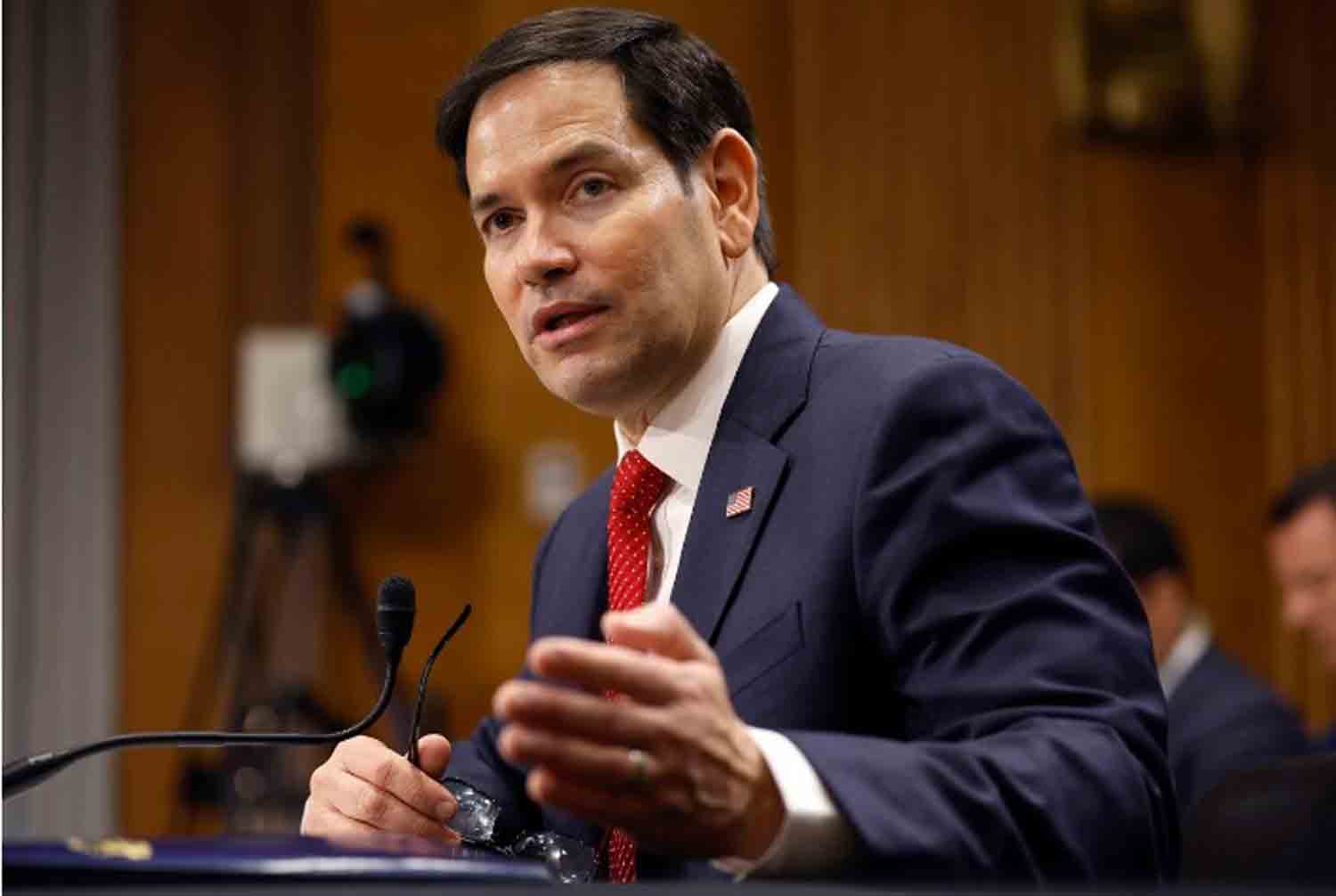
Netanyahu, who endorsed the proposal, indicated that Palestinians might have the option to return. “They can leave, they can then come back, they can relocate and come back. But you have to rebuild Gaza,” he stated the day after Trump’s announcement. U.S. Secretary of State Marco Rubio, preparing for his first Middle East visit, mentioned that Palestinians would need to “live somewhere else in the interim” during the reconstruction phase, although he did not explicitly dismiss the idea of their permanent displacement.

The State Department has not yet provided a response regarding the differences between the recent statements made by Rubio and Trump concerning the plan. Trump’s remarks come at a time when the fragile ceasefire established last month between Israel and Hamas is in jeopardy, following Hamas’s announcement on Monday that it would cease the release of Israeli hostages due to alleged violations of the agreement by Israel.

Arab nations neighboring Israel, including Egypt and Jordan, have expressed concerns that any initiative to relocate Palestinians from their territories would lead to regional instability. On Monday, Rubio met with Egypt’s Foreign Minister Badr Abdelatty in Washington, where the Egyptian foreign ministry reported that Abdelatty conveyed the support of Arab countries for the Palestinians in opposing Trump’s proposal. Cairo is apprehensive that Palestinians may be compelled to cross into Egypt from Gaza.

In a Fox News interview, Trump suggested that between two and six communities could be established for Palestinians “a little bit away from where they are, where all of this danger is.” He characterized the initiative as a real estate development for the future, describing it as a potentially beautiful piece of land that would not require significant financial investment.

U.S. is expected to urge European allies to boost arms purchases for Ukraine, sources say

0
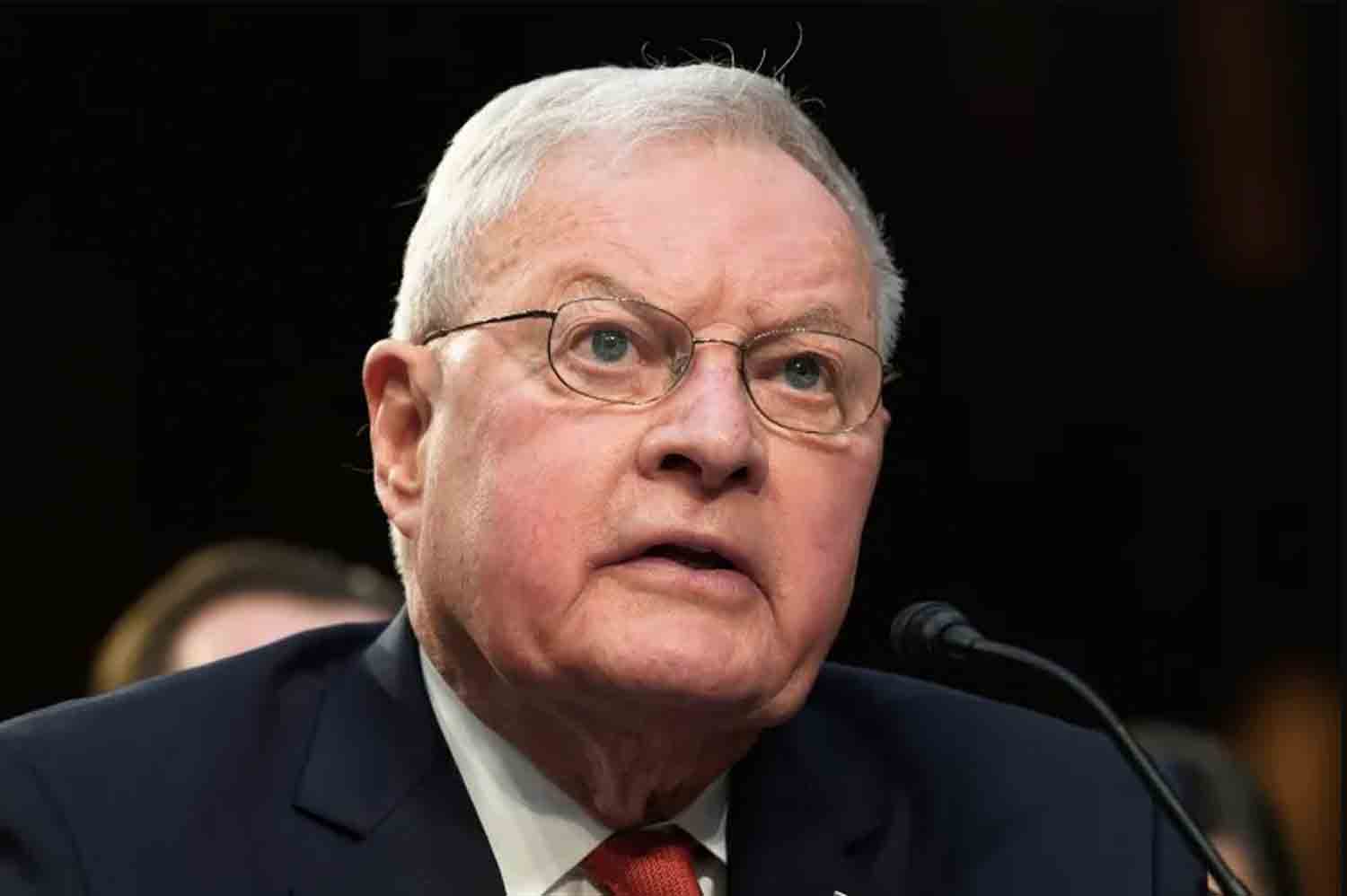
Keith Kellogg during a Senate armed services committee hearing on the conflict in Ukraine.

The Trump administration is set to encourage European allies to increase their purchases of American weapons for Ukraine in anticipation of possible peace negotiations with Moscow, according to two sources familiar with the situation. This initiative could enhance Kyiv’s leverage in the talks.

Should this plan be formalized, it would provide some reassurance to Ukrainian officials concerned that President Donald Trump might halt further assistance to their country, which has been gradually losing ground amid intense Russian offensives in the east.

During the Biden administration, European nations had already acquired American arms for Ukraine. U.S. representatives, including Trump’s envoy to Ukraine, retired Lieutenant General Keith Kellogg, are expected to engage in discussions regarding potential arms purchases with European partners at the Munich Security Conference this week, the sources indicated.

This is one of several strategies the administration is considering to sustain U.S. arms shipments to Kyiv without significantly depleting U.S. resources, they noted.

In a Monday interview with Reuters, Kellogg refrained from confirming the specifics of the plan but remarked, “The U.S. always favors selling American-made weapons as it bolsters our economy. There are numerous options available. Everything is currently on the table,” he stated, adding that the shipments authorized by former President Joe Biden continue to arrive in Ukraine. “There’s no immediate necessity to alter that in the next 24 hours,” he concluded.

U.S. officials have recently indicated that the Trump administration aims to recover the billions spent by Washington on the war in Ukraine, emphasizing that Europe must increase its support. U.S. National Security Adviser Mike Waltz stated in an NBC News interview on Sunday that it is essential for Europeans to take ownership of the conflict moving forward. The Ukrainian embassy in Washington has not yet responded to requests for comment.

It remains uncertain whether the U.S. will request European nations to acquire American weapons through commercial contracts or directly from U.S. military reserves, as some commercial agreements can take years to finalize. The Trump administration has been deliberating for weeks on the approach to continue military support for Ukraine. During his presidential campaign, Trump pledged to halt all aid to Ukraine; however, some advisers have suggested that Washington should maintain military assistance to Kyiv, particularly if peace negotiations are postponed until later this year.

President Biden authorized over $65 billion in security aid to Ukraine during his administration, including substantial amounts in the final months. Nevertheless, officials in Kyiv, including President Volodymyr Zelenskiy, have expressed that Ukraine requires more security assurances before engaging in discussions with Moscow. The Trump administration may encounter considerable resistance from certain Republicans if it seeks additional funding from Congress.

Administration officials consider a potential arms purchase agreement with Europe as a viable solution, enabling Washington to assist Kyiv without utilizing U.S. taxpayer funds. NATO Secretary General Mark Rutte indicated last month that Europe would finance U.S. arms for Ukraine.

“THE BRINK OF A BREAKUP”

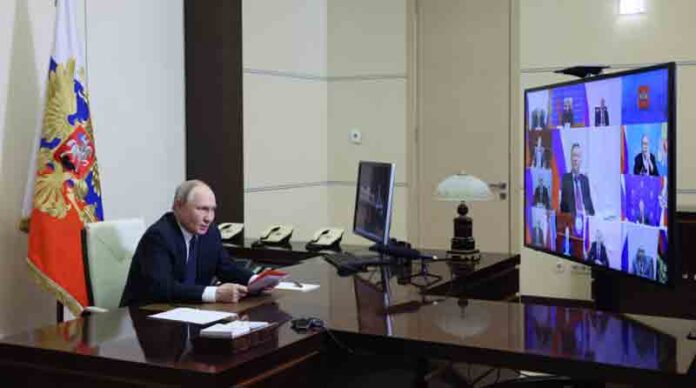
Washington and Moscow have presented conflicting narratives regarding the likelihood of peace negotiations, raising questions about the Trump administration’s ability to persuade both Ukraine and Russia to engage in discussions in the near future. Trump stated on Sunday that he has been in communication with Russian President Vladimir Putin and believes the United States is making headway in its efforts to resolve the conflict between Russia and Ukraine.

In response to Trump’s remarks, Russian Deputy Foreign Minister Sergei Ryabkov informed reporters that relations with Washington are “balancing on the brink of a breakup,” asserting that Ukraine must abandon its NATO membership aspirations and withdraw from territories occupied by Russian forces.

Two government sources indicated that the White House is likely several months away from finalizing a peace plan to cease hostilities and must address various other issues before facilitating negotiations. Several U.S. officials are currently in Europe to help lay the groundwork for potential peace talks between Ukraine and Russia.

Kellogg intends to engage with European leaders at the Munich Security Conference regarding increased support for Kyiv. He stated, “I wouldn’t characterize this as the start of the [peace planning process] since we have been contemplating it for some time.” He also mentioned that U.S. officials will convene with their European counterparts this week to communicate their expectations to the allies. “More importantly, we want to hear from them,” he emphasized.

Additionally, U.S. officials are looking to establish a mineral agreement with Ukraine, which would grant the U.S. access to the nation’s abundant resources in return for ongoing assistance. The specifics of this arrangement have not been disclosed. The development of Ukraine’s mineral reserves is expected to take several years, and immediate profits from sales are unlikely. However, the Trump administration considers this deal a vital aspect of its strategy regarding Ukraine.

Trump has said he has communicated with Xi since taking office

0
U.S. President Donald Trump poses for a photo with China's President Xi Jinping before their bilateral meeting during the G20 leaders summit in Osaka, Japan.

U.S. President Donald Trump confirmed that he has communicated with Chinese President Xi Jinping since his inauguration on January 20, although he did not disclose the specifics of their discussions.

These remarks were made during an interview broadcast on Fox News on Monday.

“Yes, I have spoken with him and also with his team,” Trump stated when asked about his conversations with the Chinese leader since taking office.

“We maintain a very good personal relationship,” he continued.

The president refrained from sharing the exact timing of their conversation or the subjects that were addressed. Last week, Trump indicated that he was not in a rush to engage with Xi in an effort to mitigate the escalating trade tensions between the two nations. A dialogue between Xi and Trump is considered essential for potentially alleviating or postponing trade tariffs.

The White House and the Chinese foreign ministry did not promptly respond to inquiries regarding Trump’s Fox News interview.

Prior to Trump’s inauguration in January, he and Xi had a conversation that covered various topics, including TikTok, trade, and Taiwan. Recently, China implemented targeted tariffs on U.S. imports and warned several companies, including Alphabet’s Google, of possible sanctions in response to Trump’s blanket 10% tariffs, which were in addition to existing tariffs.

The relationship between Washington and Beijing has been strained for years, with ongoing disputes over trade tariffs, cybersecurity, Taiwan, Hong Kong, human rights, and the origins of COVID-19.

Arab states reject Trump plan for Gaza, Egypt foreign minister tells Rubio

0
U.S. Secretary of State Marco Rubio shakes hands with Egyptian Foreign Minister Badr Abdelatty at the State Department in Washington, U.S.

Egyptian Foreign Minister Badr Abdelatty conveyed to U.S. Secretary of State Marco Rubio on Monday that Arab nations stand in solidarity with the Palestinians in opposing U.S. President Donald Trump’s initiative, which aims to displace Palestinians from Gaza and assert control over the territory.

During a meeting in Washington, Egypt’s foreign ministry reported that Abdelatty emphasized the urgent need for the reconstruction of Gaza while its residents remain in place.

Having arrived in Washington on Sunday, Abdelatty expressed his eagerness to collaborate with the new U.S. administration to foster “comprehensive and just peace and stability” in the region, as stated by the foreign ministry. He also held a separate discussion with U.S. Middle East envoy Steve Witkoff, reiterating similar sentiments, according to the ministry’s announcement.

The notion of Palestinians vacating Gaza, which they envision as part of an independent state, has long been rejected by Palestinian leadership and neighboring Arab countries since the onset of the Gaza conflict in 2023.

On Monday, Egypt’s foreign ministry asserted that the international community must rally in support of the Palestinians to rectify “historic injustice” and restore their “legitimate and inalienable rights.” Trump’s proposal has faced widespread international criticism, with leaders warning that such actions could jeopardize regional stability. In a Fox News interview on Monday, he stated that under his plan, Palestinians would not have the right to return to Gaza.

There is a strategic rationale behind Trump’s approach to tariffs

0
Commercial trucks cross the Lewiston-Queenston Bridge border crossing into the United States.

Many individuals find themselves perplexed by President Donald Trump’s tariff strategy.

Trump and his economic advisors have issued numerous conflicting statements regarding the justification for these tariffs, leaving American multinational corporations uncertain in their planning and foreign nations unsure of how to engage in negotiations. He imposed significant import taxes on Canada and Mexico, only to delay their implementation for a month in exchange for minimal concessions from these neighboring countries. While broad tariffs on Chinese goods are currently in effect, the reinstatement of an exemption for small items led to considerable confusion at the US Postal Service, prompting a temporary reversal. Additionally, further tariffs on steel and aluminum are anticipated to be announced on Monday, ahead of a potentially more extensive reciprocal tariff plan expected later this week.

This could merely be the start: Trump has suggested the possibility of imposing tariffs on the European Union and has indicated a desire for a comprehensive tariff on all imports into the United States.

Tariffs play a crucial role in the economy. The United States has historically utilized tariffs to safeguard its manufacturing sector, agricultural producers, technology, and national security interests. While previous administrations, including Trump’s initial term, typically employed a precise approach to tariffs, Trump appears ready to adopt a more aggressive stance in his second term, threatening to impose tariffs on numerous goods that the United States does not manufacture.

Corporate America, alarmed by these tariffs, has actively campaigned against them. Many mainstream economists largely concur that Trump’s tariff strategy is likely to trigger inflation and hinder US economic growth. Last month, the editors of the Wall Street Journal, who usually support the president’s policies, labeled Trump’s tariff approach as “the dumbest trade war in history.”

However, there is a rationale behind Trump’s tariff strategy.

Rationale for implementing and expanding tariffs

Trump’s rationale for implementing and expanding tariffs is driven by three main objectives: generating revenue, achieving trade balance, and exerting pressure on competing nations.

These objectives often conflict, complicating negotiations and hindering business planning. For instance, a nation targeted by Trump’s tariffs may seek to negotiate a resolution, as seen with Canada and Mexico’s efforts to address the issues of fentanyl trafficking and undocumented immigration. However, if Trump proceeds with broad tariffs aimed at revenue generation alongside reciprocal tariffs for trade balance, both Canada and Mexico could still face tariff impositions.

Despite the contentious nature of his tariff strategy, there is a discernible logic behind it. The United States is grappling with a significant budget deficit, and Trump has indicated that tariffs could offset lost revenue, particularly from his 2017 tax cuts, which he aims to extend and enhance. During a recent keynote speech at the World Economic Forum, Trump projected that his tariffs could yield hundreds of billions, potentially trillions, of dollars for the U.S. Treasury.

Trump frequently critiques American trade policy for allegedly “subsidizing” foreign nations, asserting that the U.S. is “losing” hundreds of billions of dollars to its neighbors. His comments are somewhat vague, primarily addressing the trade deficit, which reflects the disparity between U.S. exports and imports. Some economists warn that Trump’s portrayal of the trade deficit may misrepresent its significance as a vital component of the U.S. economy, allowing for the acquisition of services and products not commonly produced domestically, such as coffee. However, Trump plans to introduce reciprocal tariffs, which would equalize tariffs imposed by other countries, with the intention of achieving a more balanced trade situation.

Moreover, Trump has threatened to impose tariffs as a means to compel countries to concede to what he perceives as American interests. His aggressive tariffs on China, along with postponed tariffs on Canada and Mexico, are designed to pressure these major trading partners into reducing the flow of undocumented immigrants and fentanyl into the U.S. While tariffs are levied on importers, they can deter consumers from buying goods from affected countries, thereby impacting their economies. This has prompted some foreign nations to pursue agreements to circumvent tariffs; for instance, Mexico and Canada recently agreed to enhance border security measures.

This is why Trump has referred to “tariff” as the fourth-most beautiful word in the dictionary, following “God,” “love,” and “religion”: it serves as a versatile instrument to achieve multiple objectives.

The challenge lies in the difficulty of achieving all three objectives at once. If nations comply with Trump’s request to avoid tariffs, the United States will struggle to generate the necessary revenue. Conversely, if the U.S. decides to impose tariffs on foreign countries regardless, those countries will lack motivation to negotiate. Additionally, while striving for a balanced trade, the implementation of tariffs has resulted in retaliatory measures, sparking a trade war that could negatively impact American industries and consumers.

What measures are currently in place and what are the future steps?

Recently, Trump enacted a 10% tariff on all Chinese imports to the U.S., adding to the existing tariffs on China. Following the implementation of these tariffs on Tuesday, China swiftly responded by imposing tariffs on certain chips and metals, initiating an investigation into Google, and designating the manufacturer of Calvin Klein and Tommy Hilfiger as an unreliable entity.

However, Trump has already begun to ease some of these tariffs, suspending taxes on goods valued at $800 or less imported into the U.S. until the Commerce Department can establish a system for tracking these items. He also postponed the 25% tariffs on imports from Mexico and Canada until at least March 1.

During a press briefing on Air Force One on Sunday, Trump indicated his intention to announce a 25% tariff on all steel and aluminum imports into the United States on Monday. The influx of inexpensive steel from China has adversely affected global production, including in the U.S. While steel tariffs during Trump’s first term led to increased domestic hiring and production, they also resulted in higher prices.

Trump indicated his intention to conduct a separate news conference on Tuesday or Wednesday to unveil significant new reciprocal tariffs, potentially aligning with the tariffs imposed by other nations on U.S. goods on a dollar-for-dollar basis.

“It’s quite straightforward: if they impose charges on us, we will impose charges on them,” Trump stated.

In addition to the general 10% tariff on all imports and the threats directed at the EU, Trump has previously suggested that he might leverage tariffs to persuade Denmark to transfer control of Greenland to the United States.

He did not elaborate extensively on the scope of the new tariffs or the timeline for their implementation.

US reconnaissance aircraft are ramping up surveillance near the border to gather intelligence on Mexican drug cartels

0
US Air Force RC-135 Rivet Joint

The US military has markedly intensified its surveillance efforts targeting Mexican drug cartels in the last two weeks, utilizing advanced spy planes that have completed at least 18 missions over the southwestern United States and in international airspace near the Baja peninsula, as reported by open-source data and three US officials knowledgeable about the operations.

These flights, carried out over a 10-day span in late January and early February, signify a substantial increase in activity, according to current and former military officials. This surge aligns with President Donald Trump’s directive to the military to enhance border security and combat the drug smuggling activities of cartels.

Historically, the Pentagon has conducted approximately one surveillance mission per month along the US-Mexico border, as noted by a former military official with extensive experience in homeland defense. Typically, these aircraft have been deployed to gather intelligence on other pressing matters, such as Russian maneuvers in Ukraine or tracking Russian and Chinese submarines.

Among the recent missions, at least 11 have involved Navy P-8 aircraft, which are highly valued for their advanced radar systems that excel in submarine detection but are also equipped to gather imagery and signals intelligence.

One notable mission on February 3 involved a U-2 spy plane, a renowned reconnaissance aircraft developed during the Cold War for high-altitude imaging of the Soviet Union. Current and former military officials with significant experience in counternarcotics operations along the border indicated that they could not recall a U-2 being deployed for this specific purpose previously.

The flight operations extend across the US-Mexico border, encompassing missions in California, Arizona, and Texas. CNN has also reported on at least one extended mission that circled the Baja peninsula and approached Sinaloa on February 4. This operation involved an Air Force RC-135 “Rivet,” which is designed to intercept ground communications.

According to a defense official, the flight pattern around the Baja peninsula has been utilized for an extended period but is currently experiencing increased activity.

While these aircraft operate within US airspace along the border, they possess the capability to gather intelligence well into Mexican territory, as noted by former officials.

Military Assumes Role in Counternarcotics

This escalation highlights Trump’s commitment to positioning the military as the primary agency addressing counternarcotics and border security—areas traditionally managed by domestic law enforcement.

However, the Trump administration’s strategy for utilizing the gathered intelligence remains uncertain. It may serve to compile evidence for potential foreign terrorist designations or to provide actionable intelligence to the Mexican military for targeting cartel operations.

Some current and former US officials have expressed concerns to CNN that these intelligence flights might be aimed at identifying targets for direct military action by the US.

Trump has previously indicated intentions to bomb fentanyl production facilities and deploy special forces to eliminate cartel leaders, actions that could infringe upon Mexico’s sovereignty and strain relations with the United States’ largest trading partner.

The Trump administration has initiated the process of classifying cartels as foreign terrorist organizations, prompting discussions regarding the possibility of direct U.S. military intervention in Mexico.

Additionally, the president has deployed thousands of extra active-duty troops to the border, despite migrant crossings being at their lowest since 2020.

These troops are tasked with supporting U.S. Border Patrol and providing intelligence specialists to evaluate threats and monitor migrant movements, as reported by sources familiar with the situation. However, they are not permitted to engage in law enforcement activities, such as making arrests or confiscating drugs, and are restricted from interacting with migrants except for transportation assistance.

Current and former U.S. officials perceive a deliberate shift in the counternarcotics strategy, placing greater responsibility on the military, which has extensive experience combating non-state terrorist organizations worldwide that share operational characteristics with the cartels.

Border czar Tom Homan stated to ABC News on Thursday, “The cartels would be unwise to confront the military, although they have previously challenged the Mexican military. Now, we have the United States military involved.” He added, “Do I anticipate an increase in violence? Absolutely, as the cartels are generating unprecedented profits.”

Former officials and analysts highlight significant distinctions between cartels and Islamist terrorist organizations abroad. Cartels primarily function as commercial entities rather than ideological groups. Their focus is not on governing populations or acquiring territory. In some instances, they have established deep connections with segments of the Mexican government, which the U.S. military collaborates with and supports.

Will Freeman, a fellow for Latin America studies at the Council on Foreign Relations, noted in a recent essay for The New York Times that while certain state elements may collude with cartels, there are also factions resisting them. He emphasized the importance of collaboration with these resisting elements, particularly with Mexican President Claudia Sheinbaum.

This context renders cartels a fundamentally different type of adversary compared to what the Defense Department typically encounters, which is a key reason why most military counternarcotics efforts have historically been conducted in support of law enforcement agencies like the Drug Enforcement Administration and the Department of Homeland Security.

Groups such as ISIS, Boko Haram, and Hamas are among those classified as foreign terrorist organizations.

Initial exchanges in a trade conflict have begun. What are Beijing’s next steps?

0
The fully automated container terminal at Qingdao Port of Shandong Port Group is the first of its kind in Asia.

The initial response in a new trade dispute between China and the United States was initiated on Monday, as Beijing implemented tariffs on nearly $14 billion worth of US imports.

These tariffs, which include duties on crude oil, liquefied natural gas, and various machinery and vehicles, were enacted shortly after US President Donald Trump introduced a blanket 10% tariff on hundreds of billions of dollars in goods imported from China annually.

There had been optimism that a phone conversation between Trump and Chinese President Xi Jinping last week might prevent an escalation of tensions that could result in a larger trade war. However, that discussion did not take place.

The pressing question for both nations now is the next steps to be taken and the extent to which each of the world’s two largest economies is prepared to jeopardize their closely intertwined commercial and trade relationships.

Despite the initial exchange of tariffs, both parties seem to be allowing for the possibility of a negotiated settlement.

“Beijing has shown restraint in its reaction to the new Trump tariffs, partly due to the limited impact on China and because Xi aims to keep avenues open for negotiation with Trump,” stated Andy Rothman, CEO of the advisory firm Sinology.

Is there potential for negotiation?

China’s tariffs include a 15% tax on specific types of coal and liquefied natural gas, along with a 10% tariff on crude oil, agricultural machinery, and certain vehicles, impacting approximately $13.86 billion in goods, as calculated by CNN based on China’s 2024 customs data.

This total represents less than 9% of China’s overall imports from the US. Last year, China exported over $524 billion to the US while importing more than $163 billion, according to its customs statistics.

Additionally, Beijing announced last week the immediate implementation of export controls on certain raw materials utilized in the defense and green technology sectors, along with measures targeting select US companies.

Trump’s latest tariffs are relatively modest when compared to the over 60% duties he had previously threatened to impose on China during his campaign. These new tariffs contribute to the existing levies on hundreds of billions of dollars’ worth of Chinese imports.

The US president ran on a platform aimed at leveling the economic playing field with China and has expressed a willingness to negotiate. Last month, at a gathering of political and business leaders in Davos, Switzerland, he remarked that he has “always liked” Xi and is eager to “get along with China.”

According to Rothman, “Trump seems to be in a deal-making mindset, utilizing tariffs as a bargaining chip. However, it remains uncertain what he seeks from Xi and what concessions he might be prepared to make in return.”

So far, analysts observing China’s elite political landscape suggest that Xi and his team are likely feeling relieved by the current tone of the Trump administration and the limited measures taken thus far.

“They were bracing for 60% tariffs and a complete economic separation… nothing has transpired that approaches the worst-case scenario,” noted Suisheng Zhao, director of the Center for China-US Cooperation at the University of Denver.

However, another deadline looms on April 1, when Trump has instructed his officials to complete an investigation into US-China economic relations, which could lead to further actions.

Officials in Beijing are now prioritizing the careful management of their communications with the Trump administration regarding diplomacy and trade policies, aiming to prevent a more severe trade conflict.

They are likely eager to capitalize on any opportunities to leverage the personal relationship between Trump and Xi to dissuade the U.S. president from imposing further sanctions on the Chinese economy, which experts warn could also significantly impact the U.S. economy.

This suggests that Beijing may be open to hosting the American president for in-person discussions in Beijing, a prospect that sources indicated Trump expressed interest in last month.

Chinese leaders are wary of escalating tensions, as their leverage is not as substantial as that of the United States. Therefore, they must seize every opportunity to appease Trump and encourage him to direct his frustrations towards other nations, according to Zhao.

Regarding penalties and concessions, while Beijing is focused on avoiding an intensification of the trade war, officials are nonetheless preparing for various contingencies, including potential penalties and concessions should Trump choose to escalate the situation further.

“Trump’s trade measures will compel Beijing to react, but this time the response will be more measured, rather than the broad retaliatory actions seen during the initial trade war from 2018 to 2019,” stated Nick Marro, principal economist for Asia at the Economist Intelligence Unit.

Last year, the country updated its export control regulations, enhancing its capacity to limit the trade of dual-use items, raw materials, and critical minerals, many of which the United States considers vital for its economic and national security. Analysts estimate that China accounts for 60% of global production and 85% of processing capacity for critical minerals.

According to observers, Beijing is weighing the potential benefits and drawbacks of imposing further restrictions on these goods and additional tariffs, while also seeking to safeguard its economy, which is currently grappling with slow growth, ongoing deflation, and weak consumer demand.

In some respects, China is now better equipped to handle trade tensions than it was during the initial term of the Trump administration, analysts note. Chinese companies have made efforts to diversify their export markets, and Beijing has initiated a campaign to strengthen or mend its relationships with other trading partners—an opportunity that increases for China whenever Trump escalates tensions with US allies.

However, a more complex issue arises regarding what concessions China might be willing or able to make in any meaningful negotiations with the US regarding a trade agreement.

Analysts point out that Beijing did not fully adhere to the phase one trade agreement established at the conclusion of Trump’s first term, while US concerns have expanded to encompass China’s industrial policies and economic framework.

“Considering the unsuccessful outcomes of previous negotiations, the US’s interest in a comprehensive deal—one that transcends minor discussions, such as the future of TikTok—appears to be quite limited at this time,” remarked Marro, referencing the Chinese-owned app that is facing a potential ban in the US. “This will likely reduce any chances for a viable resolution.”

Indonesia Considers Ambitious Step: Possible Purchase of an Aircraft Carrier

0
Both of Japan's LHD vessels, JS Izumo and JS Kaga, have been modified to become "mini aircraft carriers."

The Indonesian Navy, officially referred to as Tentara Nasional Indonesia-Angkatan Laut (TNI-AL), has announced its consideration of acquiring an aircraft carrier to improve its capabilities for non-combat military operations. This information was recently shared by Admiral Muhammad Ali, the Chief of Staff of TNI-AL.

At a press conference held prior to a naval leadership meeting at the TNI-AL Headquarters in East Jakarta, he remarked, “It appears that we require an aircraft carrier for non-combat military missions.”

In addition to the potential aircraft carrier, Admiral Ali indicated that the navy is also looking into acquiring various other assets, including two frigates from Italy. Furthermore, the navy is preparing to receive fast attack craft equipped with missiles from Türkiye. Regarding the two patrol vessels provided by the Japanese government, Admiral Ali mentioned that TNI-AL intends to deploy them at the naval base in Balikpapan, East Kalimantan, to strengthen the defense of Ibu Kota Nusantara (IKN), Indonesia’s future capital, which is adjacent to Balikpapan.

As Ibu Kota Nusantara is set to become the new capital of Indonesia, there is a pressing need for additional military resources to enhance its security. Meanwhile, Frega Wenas, the Head of the Defense Information Bureau at Indonesia’s Ministry of Defense, was cited by local media discussing the rationale behind the aircraft carrier acquisition plan, which is influenced by Indonesia’s geographical characteristics. He noted that as an archipelagic nation vulnerable to natural disasters, an aircraft carrier would be an essential asset for expediting humanitarian assistance and disaster relief (HADR) operations. However, Frega clarified that the proposed aircraft carrier would not be a full-sized ship equipped with a runway for launching fighter jets.

Indonesia has no plans to utilize this aircraft carrier for power projection outside its borders, as clarified by Frega.

He explained that the aircraft carrier is intended to function as a platform for short take-off and vertical landing (STOVL) operations, primarily employing helicopters for logistical support during disaster response efforts. The overall concept is still under evaluation, with one possibility being the adoption of a Landing Helicopter Dock (LHD).

A feasibility study is currently underway to ensure that future defense acquisitions are in line with Indonesia’s strategic military requirements. Frega emphasized that any acquisition should facilitate a variety of operations, encompassing both Warfare Military Operations (OMP) and Non-Warfare Military Operations (OMSP). At this stage, no formal decision has been reached regarding the procurement of an aircraft carrier.

Frega noted, “The ultimate decision on acquiring new defense assets is influenced by several factors, including national strategic priorities, budget constraints, and the preparedness of infrastructure and personnel for operational deployment.”

In a related comment, Evan Laksmana, Head of the Southeast Asian Security and Defense Research Program at the International Institute for Strategic Studies (IISS), informed Kompas that if the main objective is Non-Warfare Military Operations (OMSP), such as disaster relief, there are numerous other platforms that would be more effective and economical. He highlighted that aircraft carriers are primarily designed for deploying fighter jets and helicopters for power projection beyond national borders, necessitating a dedicated task force, including submarines and escort vessels like frigates, to ensure their protection.

Evan also advised Indonesia to avoid repeating Thailand’s experience with its aircraft carrier HTMS Chakri Naruebet, which was acquired but ultimately saw limited use.

Thailand acquired the HTMS Chakri Naruebet for military purposes, but it was predominantly utilized for Non-Warfare Military Operations (OMSP) and ultimately became inactive due to insufficient resources and a lack of demand for its complete operational capabilities.

Thailand’s Aircraft Carrier: A Costly Lesson

In 1992, Thailand embarked on the construction of its first and only aircraft carrier, a project estimated to cost around US$285 million (RM1.14 billion). The ship was named “HTMS Chakri Naruebet” (CVH-911), meaning “Sovereignty of the Chakri Dynasty.”

The construction of HTMS Chakri Naruebet spanned five years, culminating in its completion in 1997, which positioned Thailand as the sole Southeast Asian country to own an aircraft carrier at that time.

However, the timing was unfortunate, as Thailand, along with other Asian nations, faced the repercussions of the 1997 Asian Financial Crisis just as the HTMS Chakri Naruebet was commissioned.

Due to significant economic and financial difficulties, Thailand was unable to fully operate the vessel. Consequently, the HTMS Chakri Naruebet, intended to be a representation of national pride and naval capability, spent more time docked at Sattahip Naval Base than actively patrolling the seas.

With a full-load displacement of 11,400 tons and an overall length of 182 meters, HTMS Chakri Naruebet stands out as one of the most prominent yet underutilized aircraft carriers in contemporary naval history.

Russia has supplied India with advanced missiles to enhance its maritime dominance

0
Kalibr/Club anti-ship missiles Russia

Recent reports indicate that Russia is supplying its advanced 3M54TE Kalibr/Club anti-ship missiles to India, representing a notable upgrade to the Indian Navy’s capabilities. This transaction occurs in the context of ongoing international sanctions against Russia, underscoring India’s strategic intent to enhance its military strength through Russian technology.

India has a longstanding partnership with Russia in defense, particularly in naval systems. The agreement for the Kalibr-PL anti-ship cruise missiles was finalized in the presence of India’s Defence Secretary, Rajesh Kumar Singh, as confirmed by the Ministry of Defence via the social media platform X. This initiative is perceived as a strategic measure to balance naval power in the region, especially amid rising geopolitical tensions with neighboring nations.

The Kalibr missile system, which has been widely deployed by Russia in various military engagements, including operations in Ukraine, is recognized for its adaptability and effectiveness. It can be launched from submarines, surface vessels, and land-based platforms, making it a potent asset in naval combat. The missiles operate at a low altitude of 10-15 meters, significantly minimizing the response time for enemy defenses and enhancing their precision strike capabilities.

This acquisition is particularly focused on bolstering the operational effectiveness of India’s Kilo-class submarines, which have Soviet origins. The modular nature of the Kalibr system allows for various configurations and shares common components with other variants in the Kalibr series, potentially simplifying logistics and maintenance for the Indian Navy.

This agreement prompts a reevaluation of the effectiveness of international sanctions imposed on Russia. Despite these restrictions, nations such as India continue to recognize the value of Russian military technology, indicating a complex landscape of international relations where defense requirements often take precedence over political considerations. This situation highlights the evolving global alliances and the strategic independence that India is asserting in its defense acquisitions.

For India, this transaction is part of a larger initiative to upgrade its naval capabilities, which includes collaborations with various countries on new submarine projects. Just prior to this announcement, India selected Germany’s ThyssenKrupp Marine Systems to construct six submarines, demonstrating a multifaceted strategy to strengthen its naval forces.

The acquisition of Kalibr missiles by India transcends mere military enhancement; it illustrates the intricate interplay of international diplomacy, where historical ties, strategic priorities, and technological advancements are crucial factors.

As these events unfold, the consequences for regional security and the power dynamics in the Indian Ocean could be significant, potentially leading other countries to reevaluate their naval strategies and partnerships.

The 3M-54 Kalibr/Klub missile, designated by NATO as SS-N-27 “Sizzler,” is a multifaceted family of Russian cruise missiles developed by the Novator Design Bureau [OKB-8]. This missile system was introduced into service in 1994 and has since been adapted to serve various roles, including anti-ship, land attack, and anti-submarine missions. The Kalibr missile family encompasses both domestic and export variants, with the latter known as Klub.

Engineered as a modular system, the missile allows for various configurations tailored to specific operational needs. The fundamental design principle emphasizes the use of common components across both ship-launched and submarine-launched variants, although each type features distinct elements, such as launch platform-specific boosters.

The Kalibr system comprises anti-ship and land attack missiles capable of executing a supersonic sprint during the terminal phase of flight, which significantly shortens the response time for defense systems.

In the anti-ship category, the 3M-54 serves as a domestic variant for the Russian Navy. This submarine-launched missile measures 8.22 meters in length and carries a 200 kg warhead. Its operational range is estimated to be between 440 and 660 kilometers, functioning as a sea-skimmer with a terminal speed of Mach 2.9 and a final flight altitude of 4.6 meters. The 3M-54T, another variant intended for surface vessels, employs a Vertical Launch System [VLS] and features a thrust vectoring booster, while maintaining performance characteristics similar to those of the 3M-54.

The export variant referred to as Club encompasses both the Club-S (submarine-launched) and Club-N (surface ship-launched) systems. The Club-S model features the 3M-54E, which boasts a range of 220 kilometers, and the 3M-54E1, which increases the range to 300 kilometers while maintaining subsonic speeds throughout its trajectory.

Both variants are equipped with a 200 kg warhead. The Club-N model includes the 3M-54TE, which also has a range of 220 kilometers, and the 3M-54TE1, extending to 300 kilometers, both of which utilize thrust vectoring technology to enhance launch versatility.

For land strike missions, the 3M-14 missile employs inertial guidance and can be launched from either submarines or surface vessels. Its range is reported to vary widely, with some sources indicating it can reach up to 2,500 kilometers for conventionally armed versions, while others propose different ranges for variants that may carry thermonuclear warheads.

The 91RE1 variant provides anti-submarine capabilities, featuring a two-stage missile design with a solid rocket booster and a lightweight anti-submarine torpedo as its payload. It has a range of 50 kilometers and can achieve supersonic speeds, following a ballistic trajectory before releasing its torpedo.

Kalibr missiles have been deployed in various operational scenarios, particularly during the Syrian Civil War, where Russian naval vessels and submarines launched them from the Caspian and Mediterranean Seas targeting locations in Syria. These operations showcased the missile’s long-range strike capabilities, with some projectiles reportedly traveling over 1,500 kilometers to reach their targets.

The system’s adaptability is significantly improved by its capability to be launched from various platforms, including Kilo, Lada, Akula, Yasen, and Borei class submarines, as well as surface vessels such as the Admiral Gorshkov, Admiral Grigorovich, Gepard, Gremyashchy, and Buyan-M classes. This extensive range of platforms highlights the strategic edge that Russia possesses with this missile family, facilitating versatile deployment and application in diverse naval combat situations.

In conclusion, the 3M-54 Kalibr/Klub missile system, known by its SS-N-27 “Sizzler” designation, represents a highly advanced and flexible weapon system that is essential to contemporary Russian naval strategy. It provides capabilities in anti-ship, land attack, and anti-submarine operations, with both domestic and export variants that enhance the operational scope and effectiveness of the Russian Navy and its partners.

Trump says he is committed to US ownership of Gaza

0
Buildings lie in ruin in North Gaza, amid the ongoing conflict between Israel and Hamas, as seen from Israel.

President Donald Trump reaffirmed his vision for the redevelopment of Gaza on Sunday, characterizing the war-torn region as a significant real estate opportunity.

“I believe it would be a grave error to allow the Palestinians or those residing in Gaza to return at this time, especially with Hamas still present. We should view it as a major real estate project, and the United States intends to take ownership and develop it gradually—there’s no urgency. Our goal is to bring stability to the Middle East in the near future,” Trump stated to reporters on Air Force One while en route to the Super Bowl in New Orleans.

The United Nations reports that Israel’s conflict with Hamas has resulted in the displacement of 90% of Gaza’s population, with many individuals forced to relocate multiple times.

As a former real estate developer, Trump referred to Gaza as a “demolition site” that would need to be “cleared and renovated.”

He also proposed that other nations in the Middle East could provide housing for displaced Palestinians in “beautiful locations.”

Trump initially introduced this idea during a joint press conference with Israeli Prime Minister Benjamin Netanyahu, asserting, “The US will take control of the Gaza Strip, and we will manage it effectively,” later envisioning the area as a new “Riviera.”

Netanyahu has characterized Trump’s proposal as a “revolutionary, creative vision.”

During a cabinet meeting on Sunday following his return from the United States, Netanyahu remarked that the visit and his discussions with the US president “bring with them significant achievements that can secure Israel’s safety for generations to come.”

He informed his cabinet that Trump offered a “distinct vision for the ‘day after'” the conflict in Gaza.

“For an entire year, we have been told that the ‘day after’ necessitates the presence of the PLO (Palestine Liberation Organization) in Gaza, the Palestinian Authority,” the Israeli leader stated.

“President Trump introduced a markedly different vision, one that is far more advantageous for the state of Israel. It is a revolutionary, creative vision – and we are currently deliberating on it. He is highly committed to its implementation, which also presents numerous opportunities for us.”

In contrast, a Hamas official dismissed Trump’s recent comments as “absurd.”

“Gaza is not a commodity that can be traded; it is an essential part of our occupied Palestinian territory,” asserted Izzat Al-Rishq, a member of Hamas’ political bureau. “Approaching the Palestinian issue with a real estate dealer’s mindset is a formula for failure.”

Regional leaders have also expressed their disapproval of Trump’s proposals, which diverge from long-standing US foreign policy. These plans are anticipated to be a central topic of discussion when the president meets with the king of Jordan at the White House this week.

Mike Waltz, Trump’s national security adviser, indicated on Sunday that Trump was making an initial move to encourage other regional stakeholders to engage in discussions aimed at finding a resolution.

“Present your own proposal if you disagree with his,” Waltz stated during his appearance on NBC’s “Meet the Press,” noting that the White House has experienced “various forms of outreach” following Trump’s remarks earlier in the week.

Russia has initiated drone strikes targeting Kyiv and Sumy, according to Ukrainian officials

0
Firefighters work at a site of a building damaged during a Russian drone strike, amid Russia's attack on Ukraine, in Kyiv region, Ukraine.

Russian drone strikes overnight ignited a fire in Kyiv and resulted in injuries to a woman, while also causing damage to several homes in the northeastern city of Sumy, according to Ukrainian officials on Monday.

Kyiv Mayor Vitali Klitschko reported via the Telegram messaging app that no injuries occurred from the fire at a non-residential structure in the capital. However, a 38-year-old woman was hospitalized following the drone attacks on Sumy, the administrative center of the Sumy region, as stated by regional governor Ihor Kalchenko on Telegram.

Additionally, five homes sustained damage, he noted. The overall impact of the Russian drone assault on Ukraine remains unclear, and there has been no response from Russian authorities. Both parties assert that they do not target civilians in the ongoing conflict, which escalated with Russia’s full-scale invasion in February 2022. Nevertheless, thousands of civilians, predominantly Ukrainians, have lost their lives in the war.

Modi plans to introduce additional tariff cuts ahead of his meeting with Trump

0
Indian Prime Minister Narendra Modi speaks to U.S. President Donald Trump during a meeting at Hyderabad House in New Delhi, India.

Indian Prime Minister Narendra Modi is set to implement further tariff reductions prior to his meeting with U.S. President Donald Trump, a move that could enhance American exports to India and help avert a potential trade conflict, according to government officials.

Modi’s visit to the United States on Wednesday and Thursday coincides with Trump’s intention to announce reciprocal tariffs affecting numerous countries, a strategy designed to realign global trade dynamics in favor of the U.S.

While Trump has not detailed which nations will be impacted, he has previously labeled India as a “very big abuser” in trade matters and emphasized the need for India to increase its purchases of American-made security products to foster a more equitable trading relationship.

India is contemplating tariff cuts across at least a dozen sectors, including electronics, medical and surgical equipment, and certain chemicals, to facilitate increased U.S. exports. These potential reductions are in line with New Delhi’s domestic production initiatives, as noted by three government officials.

The officials, who requested anonymity, indicated that concessions are being evaluated for products that India predominantly imports from the U.S. or has the capacity to acquire more of, such as dish antennas and wood pulp. Modi is anticipated to address tariff issues with Trump next week, and India is receptive to discussing a possible mini trade agreement.

This early visit aims to prevent a “trade war-like situation similar to that between the U.S. and China,” according to a third official. Trump has enacted broad 10% tariffs on Chinese imports, leading to retaliatory measures from Beijing on American energy products.

Officials chose to remain anonymous as they are not authorized to communicate with the media. The trade ministry, foreign affairs ministry, and the Prime Minister’s Office in India did not reply to requests for comments sent outside of official working hours.

The discussions regarding tariff concessions come in the wake of a decrease in India’s average import tariff rates from 13% to 11% on various items as outlined in the annual budget, along with reductions in taxes on high-end motorcycles and luxury vehicles.

Additionally, India is assessing surcharges imposed on over 30 products, including luxury cars and solar panels.

The forthcoming meeting between Modi and Trump will address trade, defense collaboration, and technology, although it has been somewhat overshadowed by the recent deportation of Indian nationals from the United States.

One official indicated that the meeting is expected to provide political guidance for the bilateral relationship, with more detailed discussions on tariffs anticipated to occur after the visit.

Despite Trump’s critiques of India’s trade policies, he has referred to Modi as “fantastic.” The United States remains India’s largest trading partner, with bilateral trade exceeding $118 billion in 2023/24, resulting in a surplus of $32 billion for India.

Over the past decade, trade relations between the two countries have steadily strengthened, with Washington increasingly recognizing New Delhi as a counterweight to China’s expanding influence in the region.

Trump suggests progress in talks with Russia but offers no specifics

0
Russian President Vladimir Putin and then-US President Donald Trump on the sidelines of the G20 Summit in Osaka, Japan, June 28, 2019.

U.S. President Donald Trump stated on Sunday that he believes the United States is making headway in discussions aimed at resolving the conflict between Russia and Ukraine. However, he refrained from sharing specifics regarding any interactions he may have had with Russian President Vladimir Putin.

While speaking to reporters on Air Force One, Trump suggested that he and Putin have been in communication, which would represent the first officially recognized dialogue between a U.S. president and Putin since early 2022.

When questioned about whether his conversation with Putin occurred after he took office on January 20 or prior, Trump responded, “I’ve had it. Let’s just say I’ve had it…And I expect to have many more conversations. We have to get that war ended.” He added, “If we are talking, I don’t want to tell you about the conversations. I do believe we’re making progress. We want to stop the Ukraine-Russia war.”

The president emphasized that the United States is maintaining contact with both Russia and Ukraine, stating, “We’re talking to both sides.”

While Trump has committed to ending the war, he has yet to publicly outline his strategy for achieving this goal. In a recent interview with the New York Post, he mentioned that he “better not say” how many times he and Putin have communicated and did not reveal when their most recent conversation occurred.

Kremlin spokesman Dmitry Peskov commented to the TASS state news agency that “many different communications are emerging.” He added, “I personally may not know something, be unaware of something. Therefore, in this case, I can neither confirm nor deny it.”

U.S. National Security Adviser Mike Waltz refrained from providing details when questioned about the communications between the two nations. “There are certainly numerous sensitive discussions taking place,” Waltz stated during an interview with NBC News.

TRUMP-PUTIN SUMMIT?

Former President Trump has consistently expressed his desire to conclude the conflict and has indicated he would meet with Putin to address the situation, although no specific date or location for such a meeting has been disclosed. On Sunday, Trump informed reporters that he would engage with Putin at an appropriate moment. According to a Reuters report earlier this month, Saudi Arabia and the United Arab Emirates are viewed by Russia as potential locations for a summit.

In the upcoming days, a number of U.S. officials will travel to Europe, partly to discuss the ongoing war. This delegation includes Secretary of State Marco Rubio, Secretary of Defense Pete Hegseth, Vice President JD Vance, and Keith Kellogg, the special envoy for the Ukraine conflict. Waltz suggested that Trump might consider employing sanctions and tariffs to encourage Putin to enter negotiations. He also mentioned that U.S. and Ukrainian officials would explore the possibility of the U.S. accessing Ukraine’s rare earth resources as a form of compensation for American support to the Eastern European nation. On June 14, Putin outlined his initial conditions for an immediate cessation of hostilities: Ukraine must abandon its NATO aspirations and withdraw its forces from all territories of four Ukrainian regions that are claimed and predominantly controlled by Russia.

In November, Reuters reported that President Putin is willing to engage in discussions regarding a peace agreement for Ukraine with former President Trump, although he firmly rejects any significant territorial concessions and demands that Kyiv relinquish its aspirations to join NATO. The Kremlin has consistently advised caution regarding speculation about potential communications with Trump’s team concerning a peace settlement. Leonid Slutsky, the chairman of the Russian parliament’s international affairs committee, was quoted by the state RIA news agency on Thursday, indicating that preparations for such a meeting are at an “advanced stage” and could occur in February or March.

Putin last communicated with former U.S. President Joe Biden in February 2022, just prior to the deployment of thousands of troops into Ukraine. In his 2024 book “War,” Washington Post journalist Bob Woodward reported that Trump had direct conversations with Putin as many as seven times after leaving the White House in 2021. When asked about this in a Bloomberg interview last year, Trump remarked, “If I did, it’s a smart thing.” The Kremlin has denied Woodward’s claims.

Additionally, Reuters, The Washington Post, and Axios reported separately that Trump and Putin had discussions in early November, which the Kremlin also refuted.

On Friday, Trump mentioned that he is likely to meet with Ukrainian President Volodymyr Zelenskiy the following week to talk about ending the conflict. Zelenskiy informed Reuters that he seeks to provide the United States with rare earths and other minerals in exchange for financial support for Ukraine’s war efforts.

In 2022, Putin initiated the deployment of thousands of troops into Ukraine, describing it as a “special military operation” aimed at protecting Russian speakers and addressing what he claimed was a significant threat to Russia posed by potential Ukrainian NATO membership. Ukraine and its Western allies, led by the United States, have characterized the invasion as an imperialistic land grab and have committed to defeating Russian forces. Currently, Moscow controls an area of Ukraine roughly equivalent to the size of Virginia and is advancing at its fastest rate since the early stages of the 2022 invasion.