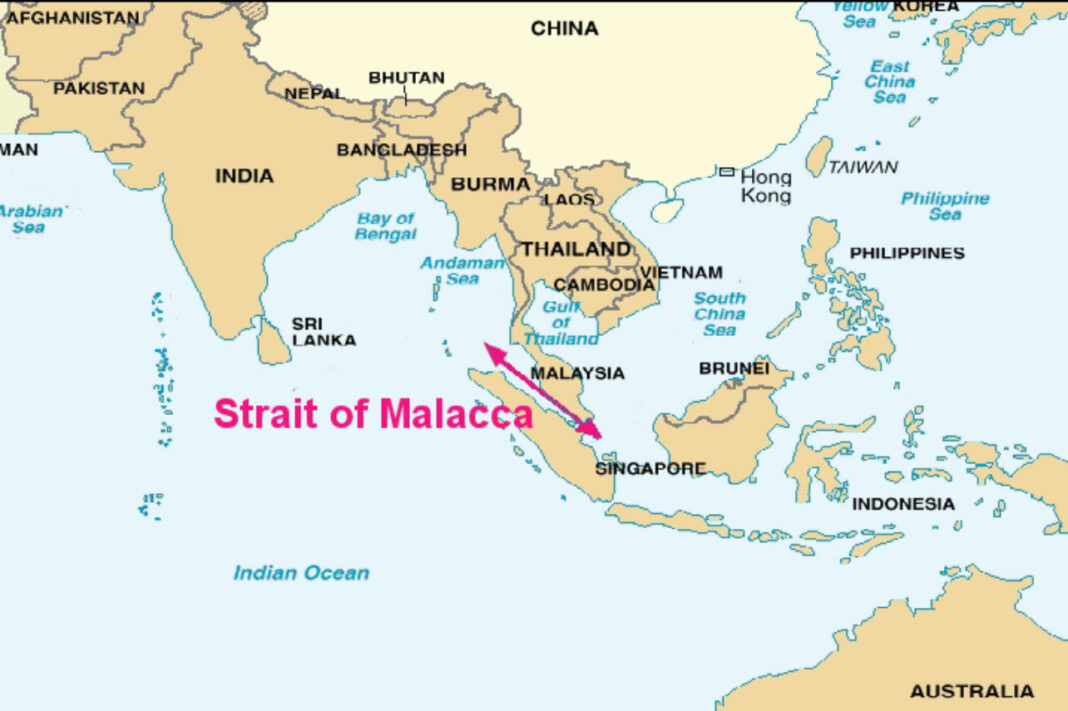
More than two decades ago, Hu Jintao gave a name to one of Beijing’s deepest strategic fears: the Malacca dilemma.
It was a simple but brutal truth.
China’s economic rise — its factories, exports, and industrial machine — depended on foreign oil flowing through a narrow maritime chokepoint that rival powers could monitor, pressure, or in a crisis, close.
That fear never disappeared.
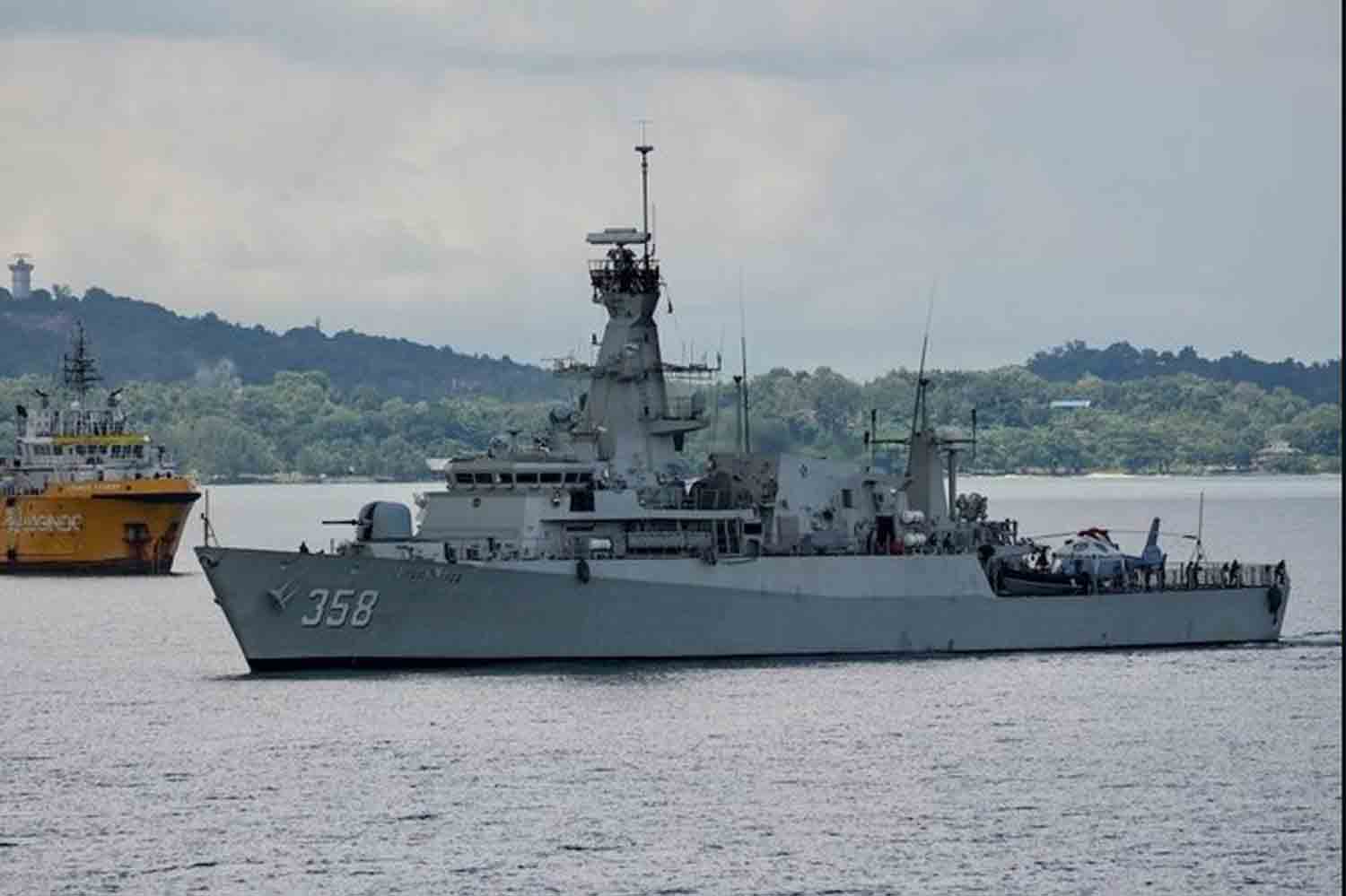
Now, Washington’s new Major Defense Cooperation Partnership with Indonesia has brought Hu’s old warning back to life.
This is not just another routine defense agreement.
It is a reminder that the United States still understands where China remains most vulnerable: energy at sea.

This Is About More Than Training and Diplomacy
Official statements speak the familiar language of diplomacy:
- capacity building
- maritime security
- joint exercises
- professional military education
But behind the boilerplate lies something much sharper.
The focus on maritime domain awareness, autonomous systems, underwater surveillance, and operational cooperation means one thing:
Washington wants a clearer picture of everything moving between the Indian Ocean and the South China Sea.
And in any future crisis, visibility means leverage.
That is what makes this deal strategically important.
The U.S. is not merely strengthening ties with Indonesia.
It is reinforcing oversight around one of the world’s most important energy chokepoints.
China’s Economy Still Runs Through One Narrow Strait
For all of Beijing’s talk of multipolarity and strategic autonomy, the geometry of its energy dependence remains largely unchanged.
A huge share of Chinese imported oil still moves from the Gulf and Africa by sea.
The fastest and cheapest route still runs through the Strait of Malacca.

This is why the dilemma never went away.
China has spent years trying to reduce this vulnerability through:
- pipelines from Central Asia
- Russian energy corridors
- the Myanmar route
- overseas ports and logistics hubs
Yet the reality remains uncomfortable:
the bulk of China’s economic lifeblood still arrives by tanker.
The trap has been softened, not escaped.
This Is Mahan in Modern Form
More than a century ago, Alfred Thayer Mahan argued that great powers are ultimately shaped by control of sea lanes and chokepoints.
His theory now feels strikingly modern.
The Malacca dilemma is simply Mahan translated into energy geopolitics.
China may be a continental giant.
But its fuel, trade, and industrial engine remain vulnerable to maritime pressure.
The power that sees and shapes the sea lanes still holds the upper hand.
This latest U.S.-Indonesia move fits that logic perfectly.
Why Beijing Should Pay Attention
Indonesia may insist it is not choosing sides.
That may be true diplomatically.
But strategy is often shaped less by rhetoric and more by systems.
As U.S.-linked maritime sensors, patrol frameworks, and defense integration expand, the operational environment changes quietly but significantly.
For Beijing, that means one uncomfortable assumption:
in any crisis over Taiwan, the South China Sea, or even Gulf energy flows, maritime traffic near Malacca may increasingly move under a security architecture that leans toward Washington.
That is exactly the scenario Hu Jintao feared.
The Bigger Strategic Message
This is about more than one strait.
It is about the larger contest between American sea power and Chinese economic dependence.
The United States appears determined to remain the dominant maritime power of the Indo-Pacific.
And if that remains true, China’s oldest strategic nightmare is still very much alive.
The Malacca dilemma was never history.
It was simply waiting for the next crisis to remind Beijing how real it still is.