The latest round of U.S.-Iran negotiations in Islamabad has brought both sides closer to what could become a significant diplomatic breakthrough — but the risks of rapid military escalation remain dangerously high.
At this stage, the outcome of the talks appears to hinge on two decisive issues:
- Iran’s nuclear program
- the future of the Strait of Hormuz
Other disputes remain important, but these two files are now clearly shaping the path forward.
Nuclear File Shows Signs of Real Progress
On the nuclear front, the negotiations appear to have moved closer to a possible framework.
Recent reporting suggests that discussions have shifted from whether Iran will retain future enrichment capability to when and under what restrictions such enrichment could resume.
This is a significant diplomatic shift.
Once the debate moves from “whether” to “when,” negotiators gain greater room to structure compromises around:
- stockpile reduction
- breakout timelines
- verification mechanisms
- sanctions relief
Fresh reports indicate that one major proposal under discussion includes a 20-year freeze or moratorium on uranium enrichment, though this remains one of the most difficult sticking points.
This suggests the nuclear issue may be closer to a breakthrough than at any point in recent weeks.
Strait of Hormuz Remains the Main Pressure Point
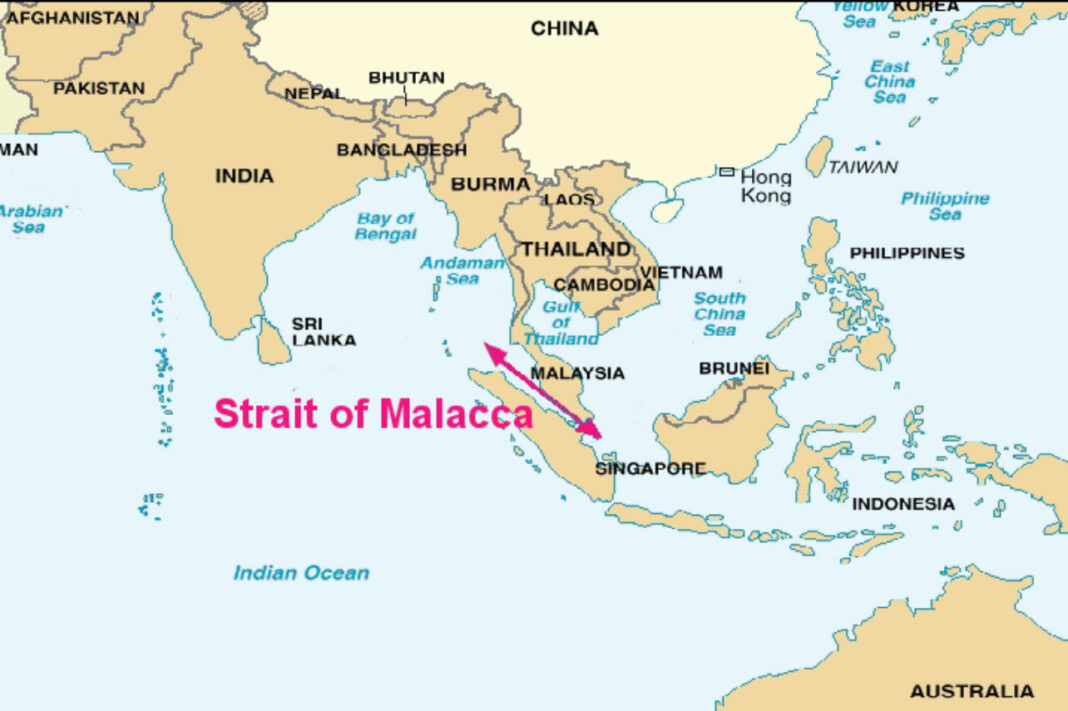
The bigger obstacle remains the Strait of Hormuz.
For Washington, freedom of navigation through the strait has become central to any diplomatic success narrative.
For Tehran, reopening the strait is directly linked to economic relief and political leverage.
Roughly 20% of global oil supplies pass through this maritime chokepoint, making it one of the most critical energy corridors in the world.
A framework that links sanctions relief to reopening the strait may now be the most realistic path to de-escalation.
US Maritime Pressure Is Raising the Stakes
The U.S. move toward what analysts describe as a de facto maritime blockade has increased pressure on Iran.
While this may reduce the immediate likelihood of large-scale airstrikes, it creates an inherently unstable environment at sea.
Recent reporting confirms that the blockade has already begun to reshape the diplomatic environment and push oil prices higher.
The danger is straightforward:
if negotiations fail, naval friction between U.S. and Iranian forces could quickly spiral into direct conflict.
At sea, miscalculation risk is significantly higher than in diplomatic settings.
Even limited incidents involving patrol vessels, drones, or tanker escorts could trigger a broader escalation.
Second Round of Talks Likely
Despite the risks, there are strong indications that both sides are preparing for another round of face-to-face talks.
Reuters, Bloomberg, and other outlets report that a second in-person meeting is actively under discussion, potentially as early as this week in Geneva or Islamabad.
This is especially important because the ceasefire deadline on April 21 is rapidly approaching.
That deadline may represent the last realistic window for diplomacy before military pressure begins to dominate events.
A Narrow Diplomatic Window
The opportunity for a framework agreement remains real.
A workable deal would likely need to connect:
- sanctions relief
- verifiable nuclear stockpile reduction
- extended breakout timeline
- guaranteed reopening of Hormuz
Without such linkage, pressure alone may become unstable.
The path to diplomacy remains open — but narrow.
Failure now risks turning strategic pressure into kinetic conflict at sea and beyond.