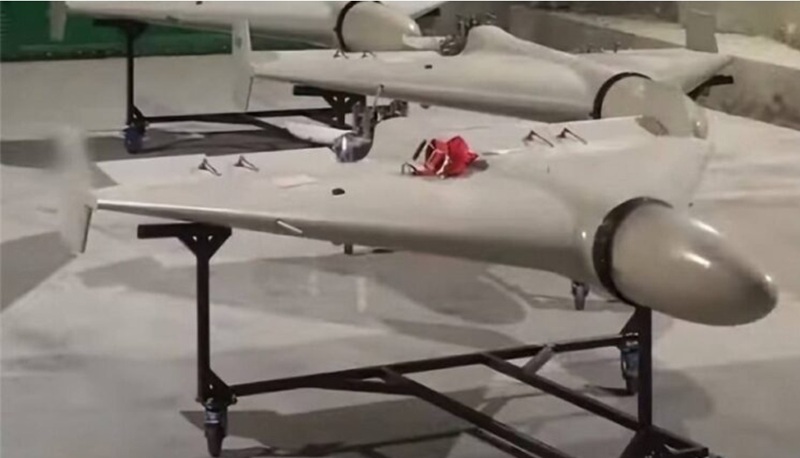
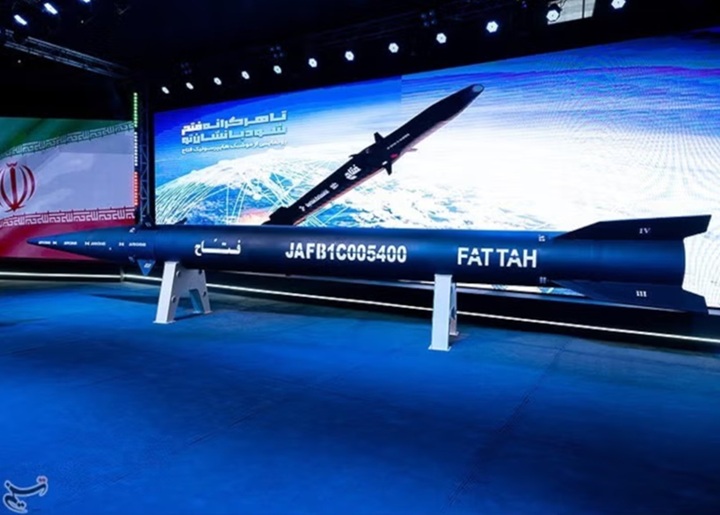
As Iran reportedly uses older missile stockpiles to exhaust Israeli missile defense systems, analysts believe Tehran may soon introduce its most advanced weapon: the Fattah-2 hypersonic missile.
Iran claims the Fattah-2 can reach speeds of Mach 15 — approximately 12,000 miles per hour (19,000 km/h). If accurate, that places it among the fastest operational missile systems publicly disclosed.
But what makes a hypersonic missile so difficult to intercept? And is interception truly “impossible”?
Let’s break it down technically.
What Is the Fattah-2
The Fattah-2 is described by Iranian sources as a hypersonic glide vehicle (HGV) mounted on a ballistic missile booster.
Key reported characteristics:
- Speed: Up to Mach 15
- Estimated Top Speed: ~12,000 mph
- Maneuverable glide phase
- Capable of mid-course trajectory adjustments
- Designed to evade missile defense systems
Unlike traditional ballistic missiles that follow predictable parabolic trajectories, hypersonic glide vehicles separate from their booster and glide through the upper atmosphere while maneuvering laterally and vertically.
This unpredictability complicates interception calculations.
How Fast Is Mach 15?
To understand interception challenges, consider speed comparisons:
- Mach 1 = ~767 mph (at sea level)
- Mach 5 (hypersonic threshold) = ~3,800 mph
- Mach 10 = ~7,600 mph
- Mach 15 = ~11,500–12,000 mph
At Mach 15:
- The missile travels roughly 3.3 miles per second
- It could cover 1,000 miles in about 5 minutes
That drastically reduces reaction time for radar detection, target classification, and interceptor launch.
How Missile Interceptors Work
Missile defense systems like Israel’s Arrow 3 or the US SM-3 interceptor operate in phases:
- Detection – Early warning radar identifies launch plume.
- Tracking – Radar predicts trajectory using ballistic modeling.
- Interceptor Launch – A defensive missile is fired.
- Midcourse Guidance – The interceptor receives updates.
- Kinetic Kill Vehicle – The interceptor collides with the target at extremely high speed.
Most systems rely on predicting where a ballistic missile will be — not where it might maneuver.
Ballistic interceptors assume:
- A largely predictable arc
- Limited lateral maneuvering
- Known reentry dynamics
Hypersonic glide vehicles disrupt these assumptions.
Why Hypersonic Missiles Are Hard to Intercept
1. Maneuverability
Unlike standard ballistic missiles, an HGV can:
- Change direction during glide
- Adjust altitude
- Complicate radar tracking
This reduces the interceptor’s ability to compute a stable intercept point.
2. Compressed Decision Window
If a missile travels 3+ miles per second:
- Radar detection to impact may be under 6–8 minutes.
- Decision-making shrinks to seconds.
Interceptors must launch quickly and accelerate rapidly enough to match or exceed closing velocity.
3. Interceptor Speed Requirements
To intercept a Mach 15 missile, an interceptor must:
- Achieve comparable velocity (Mach 10–15 or more)
- Reach the intercept point before target maneuver changes geometry
For example:
- SM-3 interceptors reach speeds of roughly Mach 10+
- Arrow 3 is designed for exo-atmospheric interception
But glide vehicles operate within the atmosphere, where aerodynamic forces complicate tracking and interception physics.
Atmospheric drag also reduces interceptor effectiveness compared to space-based intercept.
4. Heat and Plasma Effects
At Mach 15:
- The missile generates extreme heat
- Plasma formation may degrade radar signature
- Infrared tracking becomes more complex
This can interfere with guidance systems.
Is Interception Truly “Impossible”?
Technically, no system is 100% impossible to intercept. However:
- Success probability declines sharply
- Multiple interceptors may be required
- Defense systems can be saturated
If Iran uses older missiles first to drain interceptor stocks, then introduces Fattah-2, it creates a layered exhaustion strategy:
- Saturate defenses with legacy missiles
- Deplete interceptor inventory
- Introduce maneuvering hypersonic systems
This is known as a cost-exchange strategy — forcing expensive interceptors to counter cheaper offensive weapons.
Strategic Implications
If the Fattah-2 performs as advertised:
- Israel’s layered missile defense would face unprecedented stress
- US regional missile defense assets would need reinforcement
- Reaction times would shrink dramatically
- Defensive doctrines may require redesign
Hypersonic weapons are not just faster missiles — they represent a shift in the offense-defense balance.
Speed Comparison Snapshot
| System | Estimated Speed |
|---|---|
| Traditional SRBM | Mach 5–7 |
| Typical ICBM Reentry | Mach 20+ (predictable arc) |
| SM-3 Interceptor | ~Mach 10+ |
| Fattah-2 (claimed) | Mach 15 |
The key difference is not just speed — it’s maneuverability at hypersonic velocity.
What Happens Next?
If Iran unveils or deploys Fattah-2 operationally:
- The conflict could enter a new technological phase
- Hypersonic defense gaps would be exposed
- Missile defense stockpile sustainability becomes critical
The real question is not whether interception is theoretically possible — but whether current systems can reliably handle maneuvering hypersonic threats under saturation conditions.