Tuesday, April 7, 2026
Home Blog Page 138

Wang emphasizes China’s position as a mediator and advocates for a ceasefire in the Middle East

0

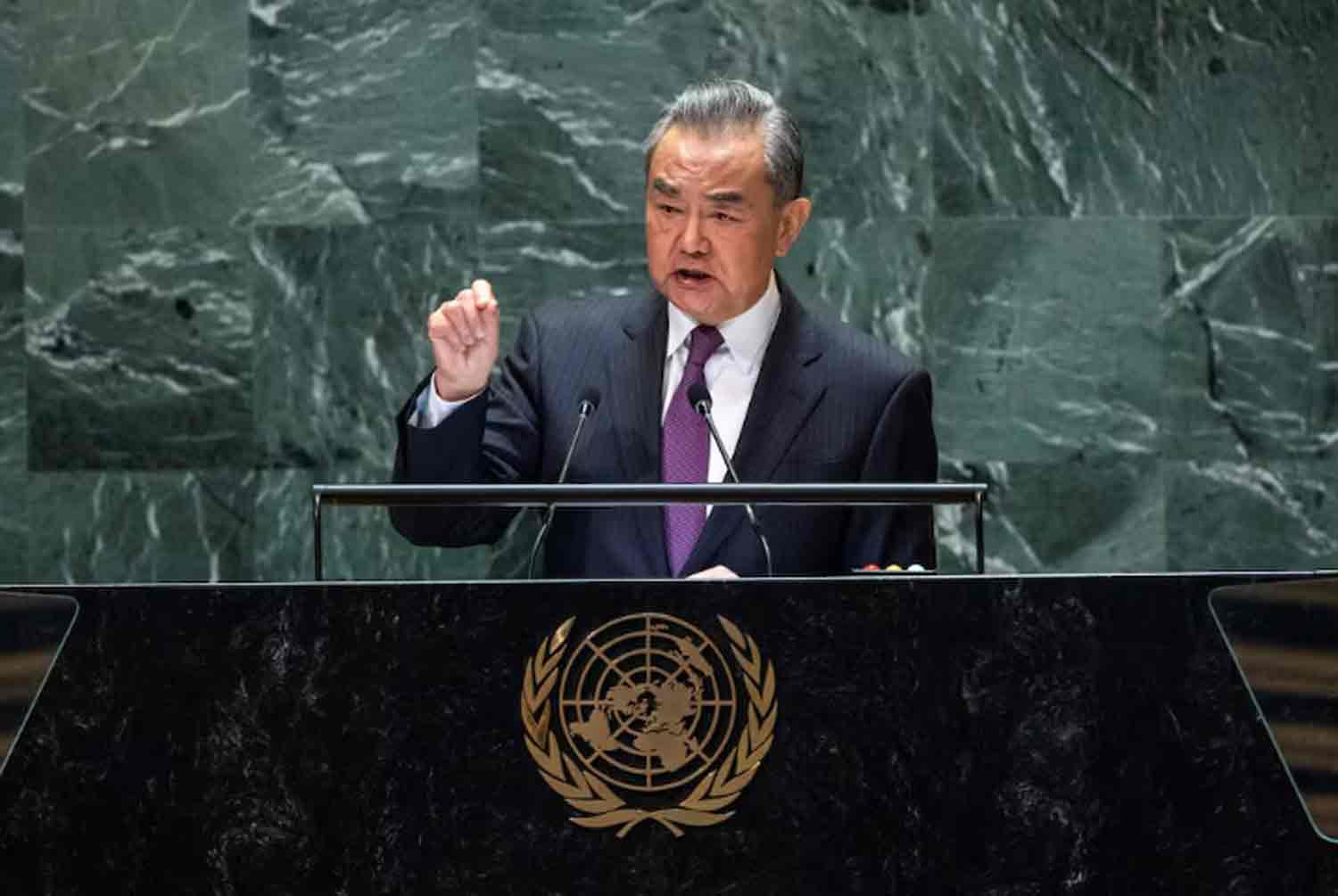
Chinese Foreign Minister Wang Yi aimed to enhance his nation’s image as a global peacemaker during the United Nations General Assembly on Saturday. He called for an end to hostilities in the Middle East and highlighted Beijing’s diplomatic initiatives regarding Russia’s conflict in Ukraine.

Wang’s remarks followed Israel’s airstrike in Beirut that killed the leader of Hezbollah, an Iran-aligned group, escalating concerns about a broader regional conflict alongside the ongoing violence between Israel and Hamas in Gaza, which has persisted for nearly a year.

“The issue of Palestine represents a profound wound to human conscience. The conflict in Gaza continues to escalate, resulting in increasing casualties daily. Renewed fighting in Lebanon is also a concern, but power cannot substitute for justice,” Wang stated.

He emphasized the urgent need for a comprehensive ceasefire, asserting that the path to resolution lies in the establishment of a two-state solution. As the world’s second-largest economy, China has recently intensified its engagement in various global crises, positioning itself as a competitor to Washington’s longstanding role as a mediator.

In July, discussions were held in Beijing involving Palestinian factions, including Hamas and Fatah. President Xi Jinping played a pivotal role in facilitating a March 2023 agreement that reconciled a diplomatic divide between Saudi Arabia and Iran, effectively sidelining the United States.

“Peace is the most valuable asset in our world today,” Wang stated at the United Nations. “For the sake of peace, even a glimmer of hope is sufficient to warrant perseverance. Every small opportunity merits a tremendous effort.”

China’s most notable initiative for peace is its proposal for negotiations aimed at resolving the ongoing conflict in Ukraine. As Russia’s invasion enters its third year, the parties involved remain significantly divided regarding a potential resolution.

In collaboration with Brazil, China has suggested new discussions that would include both Kyiv and Moscow, and this week garnered support from countries in the Global South for this initiative. During the U.N. General Assembly on Wednesday, Ukrainian President Volodymyr Zelenskiy rejected the proposals from China and Brazil, questioning their motives for offering an alternative to his peace plan and cautioning, “You will not enhance your influence at Ukraine’s expense.”

China is dedicated to taking a positive approach by engaging in shuttle diplomacy and facilitating peace discussions, rather than exacerbating tensions or leveraging the situation for its own interests, Wang stated.

This week, Russian President Vladimir Putin mentioned that China and Brazil could serve as mediators in potential peace negotiations.

U.S. Secretary of State Antony Blinken remarked on Friday that China’s efforts to promote peace regarding Ukraine, while simultaneously assisting Moscow in the production of missiles, rockets, armored vehicles, and munitions, presents a contradictory stance.

Despite ongoing global peace initiatives, China remains embroiled in maritime conflicts with several neighboring countries, which are increasingly wary of China’s assertive actions.

President Xi has asserted that China’s “reunification” with Taiwan is unavoidable, claiming that China alone holds sovereignty and jurisdiction over the Taiwan Strait, which is part of the South China Sea.

Both the United States and Taiwan maintain that the strait, a crucial trade route for approximately half of the world’s container ships, should be regarded as an international waterway.

“The complete reunification of China will be realized,” Wang declared to the assembly. “Taiwan will ultimately return to the embrace of the motherland.”
Russia’s Lavrov warns the West against seeking a ‘fight to victory’ with a nuclear power

0
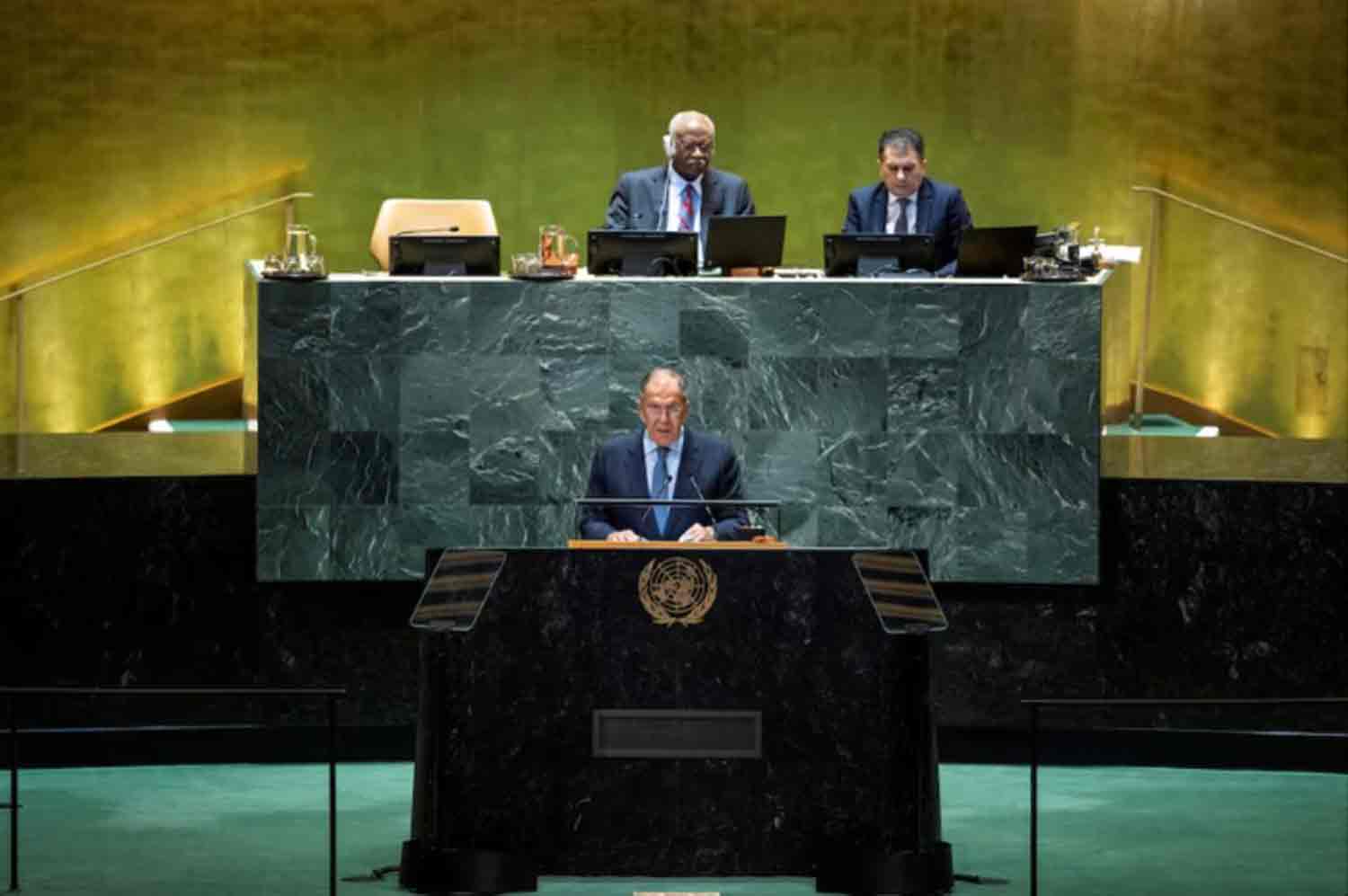
Russian Foreign Minister Sergei Lavrov addresses the 79th United Nations General Assembly at U.N. headquarters in New York

Russian Foreign Minister Sergei Lavrov addressed the United Nations on Saturday, emphasizing the futility of disregarding alternatives to Ukraine’s peace proposals. He cautioned Western nations about the risks associated with attempting to “achieve victory against a nuclear power,” referring to Russia.

During his speech at the U.N. General Assembly, Lavrov criticized those who support Ukraine’s peace initiative. Following Russia‘s invasion of Ukraine in February 2022, Ukrainian President Volodymyr Zelenskiy introduced a 10-point peace plan nine months later, aimed at achieving a fair resolution to the conflict in accordance with the U.N. Charter and international law. This plan was dismissed by Moscow.

“I will refrain from discussing the absurdity and peril inherent in the notion of striving for victory against a nuclear power, which is what Russia represents,” Lavrov stated.

He further described the insistence of Western supporters of Kyiv that there are no alternatives to negotiations based on the controversial peace formula as equally misguided. Drawing parallels to the West’s historical intentions in the 1940s to “destroy” the Soviet Union, he accused Western nations of seeking to inflict a “strategic defeat” on Russia in the ongoing conflict in Ukraine.

The present-day Anglo-Saxon strategists are openly expressing their intentions. While they currently aim to overcome Russia by leveraging the illegitimate neo-Nazi regime in Kyiv, they are simultaneously preparing Europe to engage in this perilous venture, Lavrov stated. Additionally, Lavrov expressed Russia’s apprehension regarding the Israeli attack in Beirut that resulted in the death of Hezbollah’s leader, noting that such “political assassinations” have become increasingly frequent.

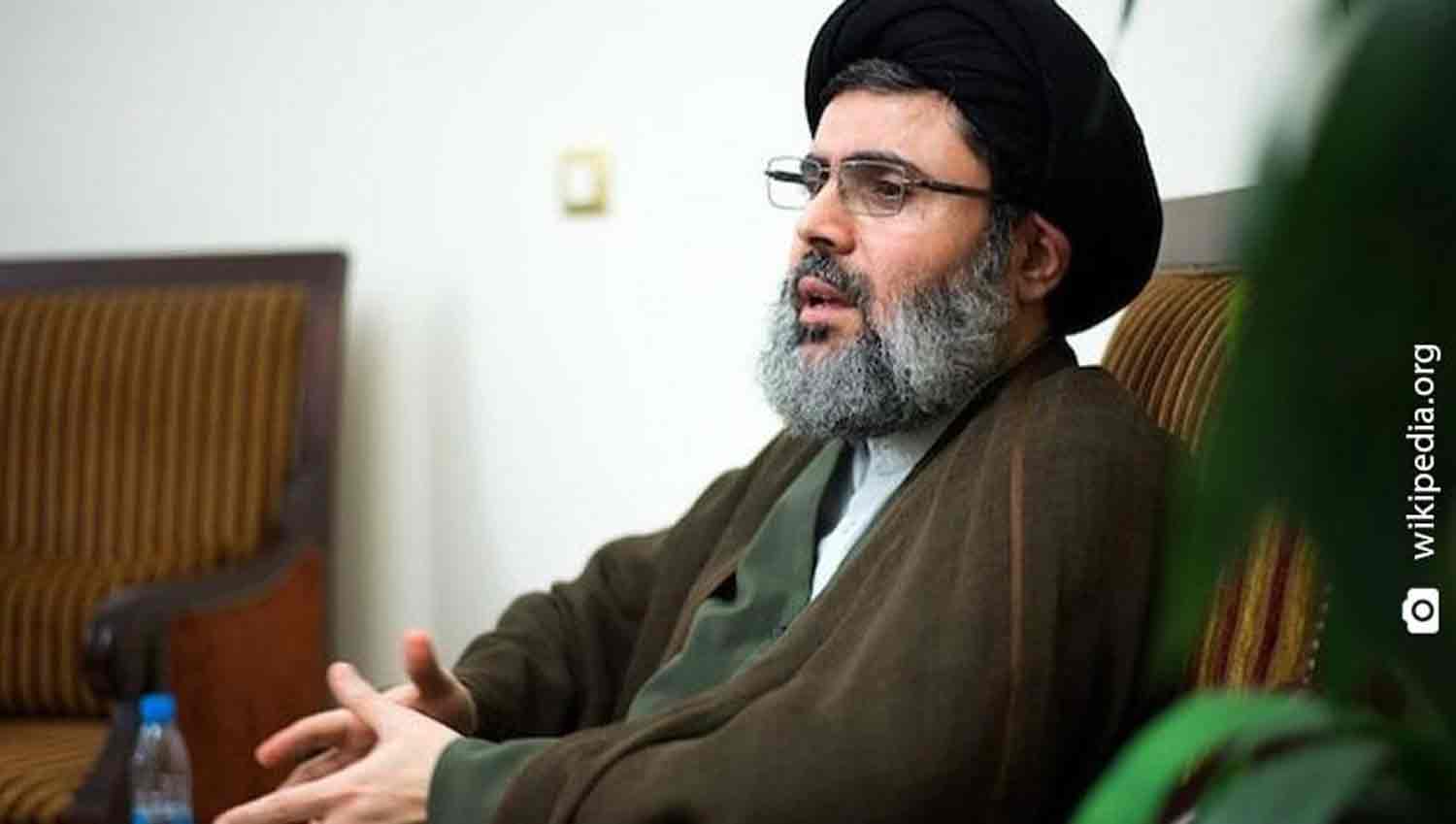
Hashem Safieddine: The New Leader of Hezbollah?

0

The death of Hezbollah leader Hassan Nasrallah in airstrikes in a Beirut suburb has shifted attention to Hashem Safieddine, who is widely seen as his successor. The Iran-backed organization confirmed Nasrallah’s death, marking a significant moment as the group confronts the task of selecting a new leader following the most intense assault it has experienced in its 42-year existence.

Here are some key details about Safieddine, who, according to a source within the group, survived the Israeli strikes:

* As the head of the executive council, Safieddine is responsible for overseeing Hezbollah’s political activities. He is also a member of the Jihad Council, which directs the group’s military strategies.
* Safieddine is a cousin of Nasrallah and, like him, is a cleric recognized by the black turban that signifies descent from the Prophet Mohammed.
* In 2017, the U.S. State Department designated him as a terrorist, and in June, he issued a warning of significant retaliation against Israel following the death of another Hezbollah commander, stating, “Let (the enemy) prepare himself to cry and wail,” during the funeral.
* His public remarks frequently echo Hezbollah’s militant ideology and its support for the Palestinian cause. At a recent gathering in Dahiyeh, Hezbollah’s stronghold in the southern suburbs of Beirut, he expressed solidarity with Palestinian fighters by stating, “Our history, our guns and our rockets are with you.”
* Phillip Smyth, an expert on Iran-backed Shiite militias, noted that Nasrallah had been grooming Safieddine for various roles within Hezbollah, some of which were less visible than others, allowing him to engage with the public.
* Safieddine’s familial connections, physical resemblance to Nasrallah, and his religious lineage as a descendant of Mohammed are all advantageous factors in his potential leadership.

* Nasrallah has begun to assign roles to him across various councils within Lebanese Hezbollah, some of which are less transparent than others. “They have facilitated his appearances and speeches,” noted Phillip Smyth, an expert on Iran-backed Shiite militias.

* Safieddine benefits from familial connections and a physical similarity to Nasrallah, along with his religious heritage as a descendant of Mohammed, which enhances his standing.

* He has also openly criticized U.S. policies. In 2017, in reaction to American pressure on Hezbollah, he remarked, “This mentally impaired, irrational U.S. administration led by Trump will not be able to undermine the resistance,” claiming that such actions would only fortify Hezbollah’s determination.

Lithuania’s foreign minister asserts that Ukraine should have the autonomy to use the weapons it has been provided

0
Lithuanian Foreign Minister Gabrielius Landsbergis

Lithuania’s Foreign Minister, Gabrielius Landsbergis, stated in an interview on Thursday that Ukraine must have the freedom to utilize the arms it has received. He expressed hope that Kyiv would be able to extend its reach into Russian territory with the weapons that Washington plans to supply.

While acknowledging the importance of arming Ukraine, Landsbergis emphasized that the effectiveness of such support diminishes if Kyiv is restricted in its use of the provided weaponry. “To position Ukraine as strongly as possible, it is essential to permit them to use the weaponry without limitations,” he remarked.

Ukraine has been urging the United States and other Western nations to permit long-range strikes, which it believes are crucial for countering Russia’s ongoing aerial assaults. In response, Russia has cautioned that any move to enable Ukraine to target Russian territory with long-range Western missiles would escalate what it perceives as direct involvement from the U.S. and Europe in the conflict, prompting a reaction from Moscow.

U.S. President Joe Biden announced on Thursday a substantial military aid package for Ukraine, exceeding $8 billion, which Landsbergis described as “huge.” This assistance includes the initial delivery of a precision-guided glide bomb known as the Joint Standoff Weapon, capable of reaching distances of up to 81 miles (130 km), surpassing the range of existing U.S.-supplied air-dropped glide bombs.

Landsbergis noted, “As I review President Biden’s statement, I observe that new long-range rockets are being provided, which extend beyond the previous capabilities.” He expressed hope that these rockets would not be limited to distant strikes but could be utilized effectively at the front lines.

A U.S. official previously indicated that Biden would not permit Ukraine to use American missiles for targeting deeper within Russian territory. Landsbergis mentioned that while he has not reviewed the details of Kyiv’s “victory plan” for concluding the conflict, there have been discussions among Ukrainians regarding the necessity of security guarantees.

He highlighted the renewed conversations about integrating Ukraine into the North Atlantic Treaty Organization’s common defense framework, emphasizing Lithuania’s strong support for this initiative and its importance on the agenda. “It must occur,” Landsbergis asserted. “If we aim to place Ukraine in a secure position, free from the threat of attack, we must address how to achieve that. Frankly, it’s not rocket science.”

During his visit to Washington on Thursday, Ukrainian President Volodymyr Zelenskiy underscored the significance of securing Ukraine’s future within NATO, a goal he has persistently pursued. However, allies have yet to take definitive action on this matter.

Switzerland commends the China-Brazil initiative for peace in Ukraine

0

Switzerland’s foreign affairs ministry expressed its endorsement on Saturday for a peace initiative led by China aimed at resolving the ongoing conflict in Ukraine, indicating a notable shift in its perspective regarding such diplomatic efforts.

As the war enters its third year following Russia’s invasion, both Ukraine and Russia remain significantly divided on potential avenues for peace. Ukrainian President Volodymyr Zelenskiy is advocating for a “victory plan,” while Russian President Vladimir Putin asserts that negotiations can only commence if Ukraine relinquishes substantial territories and withdraws its NATO aspirations.

Switzerland, which has acted as a mediator and hosted a peace summit for Ukraine in June, participated as an observer in a 17-nation meeting on Friday, held alongside the U.N. General Assembly and led by China’s foreign minister, Wang Yi, and Brazilian foreign policy adviser Celso Amorim.

Nicolas Bideau, the chief spokesperson for the Foreign Affairs Ministry, stated to Reuters, “We participated in this meeting as an observer and we support this dynamic.”

Bideau indicated that Switzerland’s perspective on the plan initially presented in May has evolved following the inclusion of a reference to the U.N. Charter, which is the foundational treaty of the international organization dedicated to maintaining peace among nations. “This represents a notable shift in our assessment of these initiatives,” Bideau remarked. “A tangible diplomatic initiative organized by the Sino-Brazilian coalition could be of interest to us.”

Switzerland’s peace summit in Buergenstock, which excluded Russia, was perceived by some foreign policy analysts as a Western-driven attempt to marginalize Moscow, raising concerns that it deviated from Switzerland’s long-standing tradition of neutrality. In the aftermath, diplomats report that Bern has been actively seeking a venue for a follow-up summit, with countries from the “global South” identified as potential hosts.

US and Asia-Pacific nations hold joint naval drills in the South China Sea

0

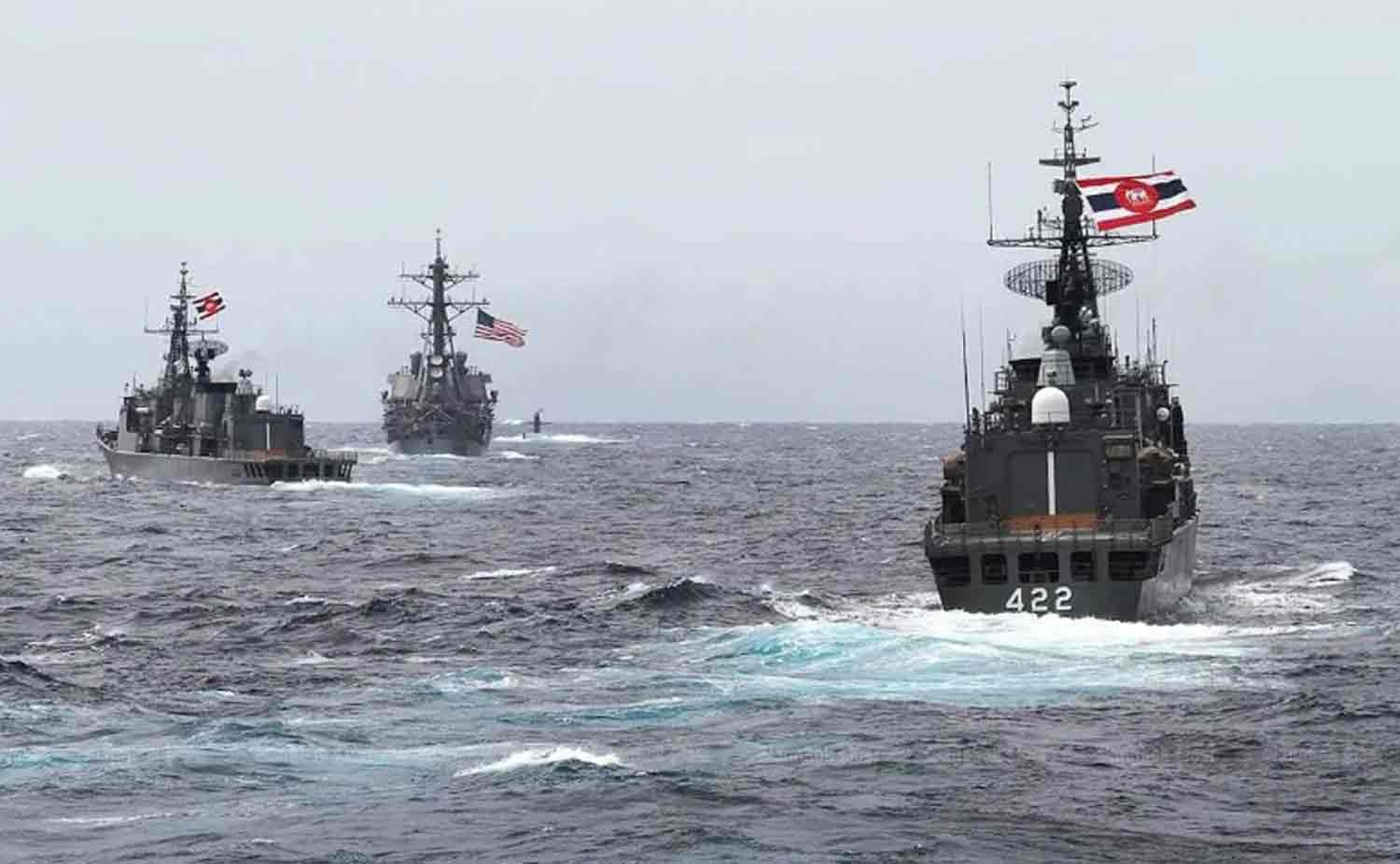
Five nations’ armed forces engaged in joint maritime exercises in a section of the South China Sea on Saturday, coinciding with China‘s own military activities in the contested waters. The drills, which included participants from the Philippines, the United States, Australia, Japan, and New Zealand—marking New Zealand’s inaugural involvement—were conducted within Manila’s exclusive economic zone and aimed to enhance military interoperability, according to a statement from the Philippine armed forces.

The exercises featured a Philippine warship, the USS Howard from the United States, Japan’s JS Sazanami, and New Zealand’s HMNZS Aotearoa. Australia’s Department of Defence emphasized that these drills underscored a shared commitment to bolster regional and international collaboration for a peaceful, stable, and prosperous Indo-Pacific.

These exercises come in the wake of numerous air and sea confrontations between the Philippines and China, which have been at odds over various disputed regions in the South China Sea, notably the Scarborough Shoal, a highly contested area that has been under the control of China’s coast guard for over ten years.

On Wednesday, naval ships from New Zealand and Australia traversed the Taiwan Strait, which is part of the South China Sea. China, asserting its claim over Taiwan, maintains that it holds exclusive sovereignty and jurisdiction over the strait. In contrast, both the United States and Taiwan assert that the strait is an international waterway, crucial for global trade, with approximately half of the world’s container ships passing through it.

During a speech at the U.N. General Assembly on Saturday, Australian Foreign Minister Penny Wong emphasized that Australia has consistently urged China to prioritize peace and stability in both the South China Sea and the Taiwan Strait. Wong also noted the positive development of renewed dialogue at both leadership and military levels between the U.S. and China, as reported in a transcript.

Shortly after discussions aimed at alleviating regional tensions between China’s top diplomat and his U.S. counterpart, Chinese air and naval forces conducted exercises in a contested area of the sea.

China asserts sovereignty over almost the entire South China Sea, which has led to tensions with neighboring countries such as Brunei, Malaysia, the Philippines, and Vietnam, all of whom have competing maritime claims.

Putin’s nuclear threats: mere bluster or change in military tactics?

0

Is the world on the verge of a nuclear catastrophe, or is Putin simply engaging in intimidation tactics when he mentions the possibility of using nuclear weapons?

Interpreting Putin’s statement from September 25 is complex. Since the onset of the war in Ukraine, the Russian president has consistently issued threats regarding the potential use of nuclear arms in the conflict. This pattern has prompted the Bulletin of the Atomic Scientists, a publication focused on nuclear security and the monitoring of the Doomsday Clock, to release yet another updated timeline detailing the numerous instances of Russia’s heightened nuclear rhetoric. The initial threat can be traced back to February 24, 2022, coinciding with the day Russia commenced its full-scale invasion of Ukraine.

New points

This time, the global response appeared more pronounced. In the UK, the BBC reported with the headline “Putin proposes new rules for using nuclear weapons,” while the US public broadcaster PBS noted that “Putin lowers nuclear response threshold.”

These reactions were prompted by Russia’s revision of its nuclear doctrine, which introduced three new points alongside Putin’s address, as explained by Ulrich Kuhn, head of the arms control and emerging technologies program at the Institute for Peace Research and Security Policy at the University of Hamburg.

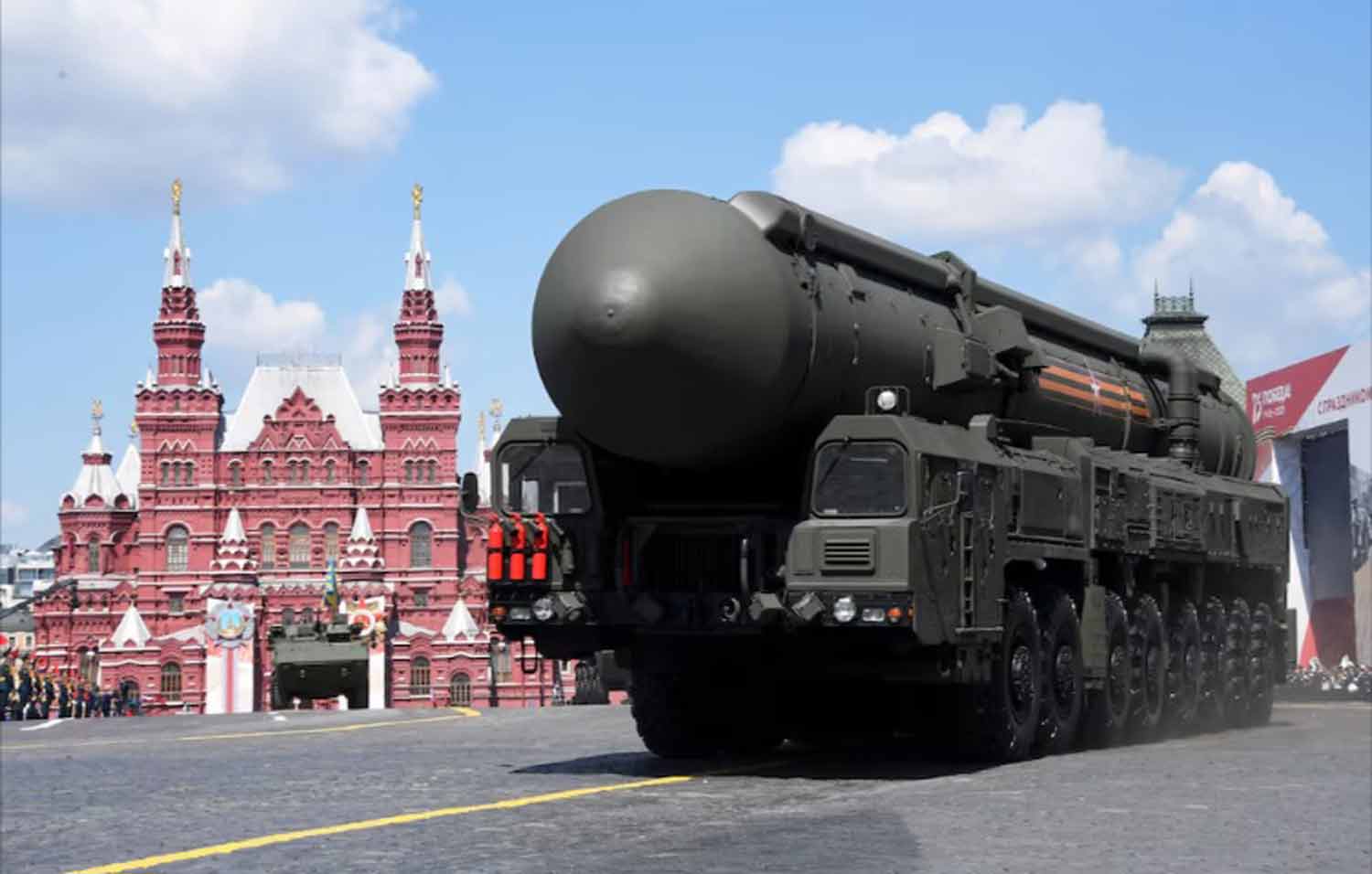
During his statement to Russia’s Security Council, Putin asserted that Moscow now claims the right to deploy nuclear weapons if an ally, specifically Belarus, is attacked.

For the first time, Putin detailed the types of assaults that could provoke a Russian nuclear response, indicating that the criteria would expand to include any attack deemed an “existential threat” to Russia. This implies that significant drone strikes could be classified alongside long-range ballistic missile attacks as potential triggers.

Moreover, Putin declared that any nuclear state, such as the UK, France, or the United States, perceived as aiding a non-nuclear state like Ukraine in conventional assaults within Russia would be held equally accountable as the aggressor, potentially leading to a nuclear response.

This suggests that the supporting nation could itself become a target, according to Sarah Tzinieris, an expert in international security and nuclear non-proliferation at King’s College in London.

“And not only would it be targeted, but it would also be potentially targeted with nuclear weapons,” she noted.

This change in stance could rapidly escalate the conflict in Ukraine into a broader global confrontation.

declaration and doctrine

There are significant distinctions between Putin’s statements and the actual nuclear doctrine, which clearly outlines the conditions under which Russia may deploy nuclear weapons.

Firstly, it is important to recognize that rhetoric does not always translate into action.

“This doesn’t fundamentally alter the strategic landscape,” Tzinieris remarked. “This is largely a matter of rhetoric.”

David Blagden, a senior lecturer in international security at the University of Exeter in the UK, concurred, emphasizing that despite the aggressive tone, Putin is likely no closer to initiating a nuclear response than he was previously.

“To some degree, all declaratory doctrine is merely superficial … and in this case, Russia’s announcement does not enhance its capabilities nor diminish NATO’s deterrent strength,” he stated.

“It remains equally valid that if Moscow were to escalate to nuclear use in response to a NATO-supported conventional attack, NATO could reciprocate.”

Following Putin’s announcement, Kremlin spokesperson Dmitry Peskov indicated that Russia was in the process of revising official documents to reflect Putin’s statements. The Kremlin also mentioned that it might choose not to disclose the updated nuclear doctrine.

Kuhn pointed out that this complicates the evaluation of the actual threat posed by Putin’s declaration.

“The fundamental questions are: Does Russia have defined red lines? What are those red lines? And if they are crossed, would that automatically lead to nuclear action? The answer to all three is: We do not know.”

Kuhn elaborated that the nuclear doctrine, established in 2014 and revised in 2020, consists of two components: a public “declarative” section and a confidential segment, approximately 100 pages long, detailing the specific circumstances under which Russia may deploy its nuclear arsenal.

He indicated that the initial section of the document, specifically the public declarative part, should not be relied upon to assess whether Russia is utilizing nuclear weapons, as it is unlikely to provide significant insights on the matter.

A victory for Russian hardliners

Russia’s potential consideration of nuclear weapon use has achieved one notable outcome: it has bolstered the position of hardliners within the Russian Duma. Since the summer of 2023, these individuals have been pressuring the government to more frequently and seriously emphasize the nuclear threat, arguing that President Putin’s previous warnings have not been effective.

However, if this declaration reveals little about Putin’s actual intentions, what purpose does it serve?

According to Kuhn, it is intended to facilitate negotiations for Russia.

“It represents an indirect public negotiation process with Kyiv and the West, aimed at ensuring that the West does not grant Ukraine the authority to utilize long-range weapons against Russian targets.”

The timing of Putin’s declaration coinciding with Ukrainian President Volodymyr Zelensky’s scheduled meeting with US President Joe Biden in Washington was deliberate. This is particularly significant as a key item on Zelensky’s agenda was to persuade Biden to allow Ukraine to use its long-range missiles for strikes against Russia.

Hezbollah confirmed Hassan Nasrallah’s death

0
Boys scouts carry a picture of Hezbollah leader Sayyed Hassan Nasrallah

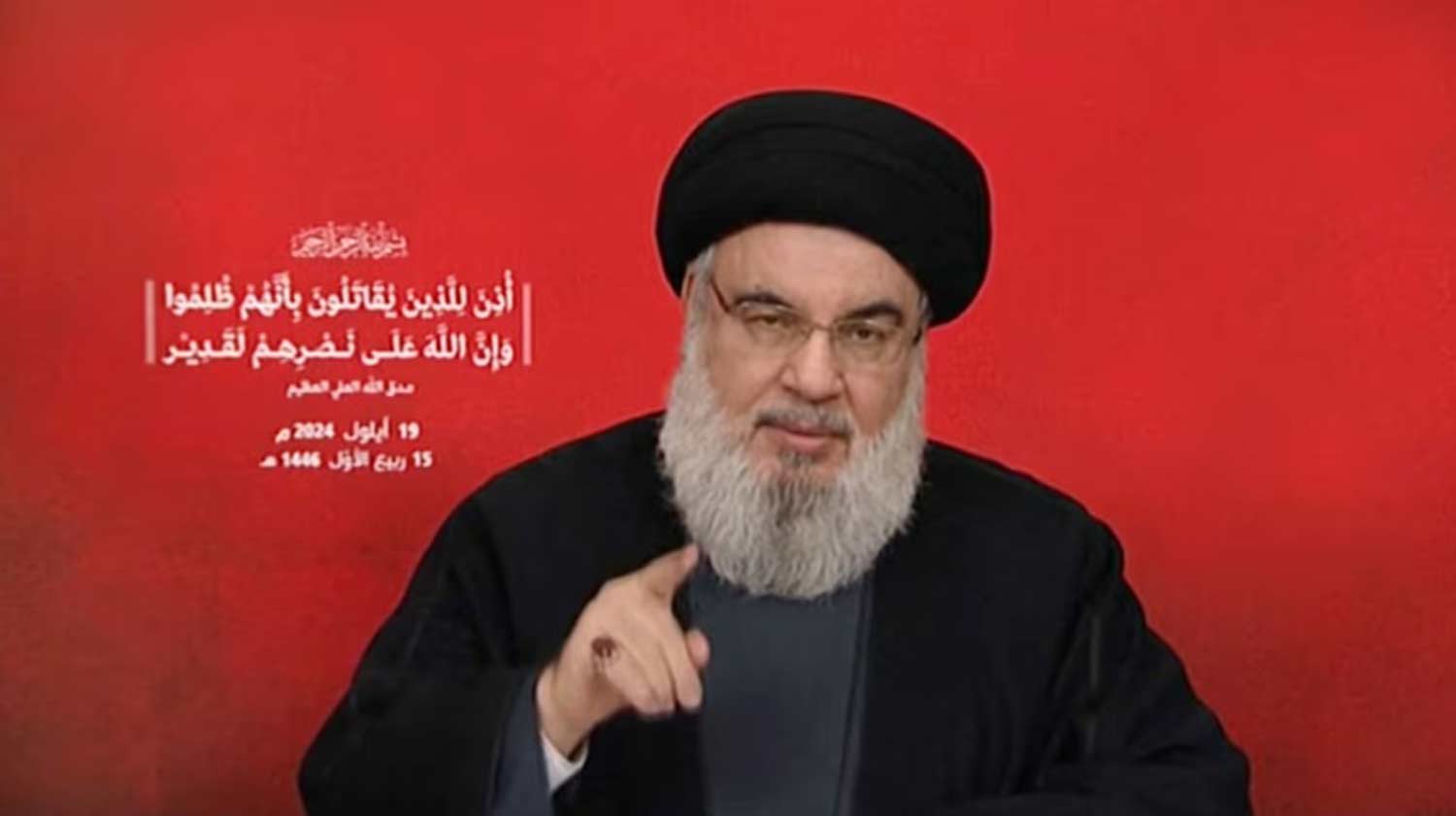
Hezbollah leader Sayyed Hassan Nasrallah has been confirmed dead by the Iran-backed organization, following an Israeli military airstrike in Beirut the previous day. His death represents a significant setback for Hezbollah, which is currently facing intensified Israeli assaults. Additionally, it poses a considerable challenge for Iran, given Nasrallah’s pivotal role in the Tehran-supported regional “Axis of Resistance.”

In a statement, Hezbollah declared its commitment to continue fighting against Israel “in support of Gaza and Palestine, and in defense of Lebanon and its steadfast and honorable people.” The circumstances surrounding Nasrallah’s death were not disclosed. The Israeli military reported that he was targeted in a “precision strike” on Friday, aimed at the group’s underground command center located beneath a residential building in Dahiyeh, a Hezbollah-dominated area in southern Beirut.

He was reported to have been killed alongside another prominent Hezbollah figure, Ali Karaki, and several other commanders.

The statement indicated that the strike occurred while senior members of Hezbollah’s leadership were operating from their headquarters and coordinating terrorist activities against Israeli citizens.

The airstrike on Dahiyeh on Friday reverberated throughout Beirut. A security source in Lebanon noted that the attack, characterized by a rapid series of powerful explosions, created a crater measuring at least 20 meters (65 feet) in depth.

This was followed by additional airstrikes on Saturday targeting Dahiyeh and other regions of Lebanon. Intense explosions illuminated the night sky, with further strikes occurring in the morning, sending plumes of smoke rising over the city.

In response, many residents have evacuated Dahiyeh, seeking refuge in downtown Beirut and other areas of the city.

Hezbollah reflects on its future after recent strikes in Beirut

0
Boys scouts carry a picture of Hezbollah leader Sayyed Hassan Nasrallah

The elimination or incapacitation of Hezbollah leader Hassan Nasrallah would represent a substantial setback for the Iran-supported Lebanese organization he has directed for 32 years, analysts indicated on Friday following reports of an Israeli strike aimed at him. A source affiliated with Hezbollah confirmed that Nasrallah survived the attack that occurred in the southern suburbs of Beirut, a stronghold for the group, on Friday evening. Additionally, a senior Iranian security official stated that Tehran was verifying Nasrallah’s condition.

Finding a successor for Nasrallah would now pose an even greater challenge than it has in recent years, particularly after a series of Israeli operations that have resulted in the deaths of key Hezbollah commanders and raised concerns about the group’s internal security. “The entire landscape would shift dramatically,” remarked Mohanad Hage Ali, deputy research director at the Carnegie Middle East Center in Beirut.

“He has been the unifying force behind an expanding organization,” Hage Ali noted. Established by Iran’s Revolutionary Guards in the early 1980s to confront Israel, Hezbollah also serves as a significant social, religious, and political entity for Lebanese Shi’ite Muslims, with Nasrallah at its core. “He has become a legendary figure for the Lebanese Shia,” Hage Ali added. Nasrallah assumed leadership of Hezbollah following the assassination of his predecessor by Israel and has faced constant threats to his life ever since.

A European diplomat remarked on the group’s strategy, stating, “You eliminate one, and they replace him.” However, in light of a recent wave of Israeli victories in its conflict with Hezbollah, coupled with a barrage of airstrikes, the death of the group’s leader would significantly complicate an already tense situation for Hezbollah.

Lina Khatib, an associate fellow at Chatham House in London, noted, “While Hezbollah would not disintegrate with the loss of Nasrallah, it would deal a substantial blow to the group’s morale. Furthermore, it would highlight Israel’s military and security dominance.”

The effect of Nasrallah’s potential demise on Hezbollah’s operational strength remains uncertain. The ongoing exchange of fire between Israel and Hezbollah along the Lebanese border has escalated into the most severe conflict since 2006, ignited by the situation in Gaza.

Khatib added, “Israel aims to leverage this pressure to establish a new status quo that ensures security in its northern region, but achieving this will not be swift, even with Nasrallah’s removal.”

Following the strike in Beirut, Hezbollah launched several rocket attacks on Israel, which analysts interpreted as an attempt to demonstrate its continued operational capability despite Israel’s claims of targeting Hezbollah’s command center.

Fawaz Gerges, a professor of international relations at the London School of Economics, stated, “Israel has declared a full-scale war, seizing this opportunity to dismantle the leadership and infrastructure of Hezbollah.”

He further explained, “The goal is to weaken Hezbollah’s influence. It is not necessary to eliminate every member; rather, if the combat structure is destroyed and they are compelled to surrender, it undermines their credibility.”

SUCCESSORS

Any new leader must gain acceptance not only within the organization in Lebanon but also from its supporters in Iran, according to Philip Smyth, an expert on Shi’ite militias.

Hashem Safieddine, who is widely seen as the successor to Nasrallah, survived the recent attack, as confirmed by a source close to Hezbollah. Safieddine, who manages Hezbollah’s political affairs and is a member of the group’s Jihad Council, is a cousin of Nasrallah and, like him, is a cleric recognized by the black turban that signifies descent from the Prophet Mohammed.

The U.S. State Department labeled him a terrorist in 2017, and in June, he issued a warning of significant retaliation against Israel following the death of another Hezbollah commander, stating, “Let (the enemy) prepare himself to cry and wail,” during the funeral.

Smyth noted that Nasrallah has been positioning Safieddine within various councils of Lebanese Hezbollah, some of which are less transparent than others, allowing him to engage publicly. Smyth emphasized that Safieddine’s familial connections, physical likeness to Nasrallah, and his religious heritage as a descendant of Mohammed would all work in his favor.

Israel is on high alert following reports of Nasrallah’s death, Iran’s Supreme Leader to relocate to a secure site

0
Iran's Supreme Leader Ayatollah Ali Khamenei speaks during a meeting

Iran’s Supreme Leader Ayatollah Ali Khamenei has been relocated to a secure site within the country, accompanied by increased security protocols, according to two regional officials who spoke to Reuters. Meanwhile, the Israeli military announced on Saturday that it is on heightened alert for a potential broader conflict following its claim of having killed Hezbollah leader Sayyed Hassan Nasrallah in Beirut. The military expressed hope that Nasrallah’s reported death would prompt a shift in Hezbollah’s strategy.

Sources indicated that Iran is maintaining ongoing communication with Lebanon‘s Hezbollah and other regional proxy groups to assess the next steps following Israel’s announcement of Nasrallah’s death in a strike in southern Beirut on Friday.

Lieutenant Colonel Nadav Shoshani stated during a media briefing that the military’s action against Nasrallah might influence Hezbollah’s future operations. However, he cautioned that it would take time to diminish the capabilities of the Iran-backed group.

“We have observed Hezbollah conducting attacks against us for the past year. It is reasonable to expect that they will continue their assaults or attempt to do so,” he remarked.

Shoshani noted that there have been no new directives issued to Israeli civilians regarding preparedness for home front threats, as existing guidelines already place much of the nation on high alert.

“Hezbollah has been escalating tensions for a year… Iran’s involvement is evident; they support Hamas, Hezbollah, and other proxies. They even launched a direct attack against us in April,” he added.

“Are we prepared for a broader escalation? Yes. We have been engaged in a multi-front conflict for a year. Our forces are on high alert, and our intelligence operations are actively monitoring for such threats.”

Who is Hezbollah chief Hassan Nasrallah?

0
Hezbollah leader Sayyed Hassan Nasrallah gives a televised address, Lebanon

Sheikh Hassan Nasrallah, the head of Hezbollah, a militant Shia Islamist organization in Lebanon, is recognized as one of the most prominent and influential leaders in the Middle East.

Due to concerns over potential assassination attempts by Israel, Nasrallah has maintained a low public profile for several years.

Recently, the Israeli military announced that they had killed Nasrallah in an airstrike in Beirut, although Hezbollah has not yet issued a statement regarding this claim.

led Hezbollah to become regional force

A figure shrouded in secrecy and closely allied with Iran, he has been instrumental in transforming Hezbollah into a significant political and military entity, earning deep respect from his supporters.

Under his guidance, Hezbollah has provided training to fighters from Hamas and various militias in Iraq and Yemen, while also acquiring missiles and rockets from Iran for operations against Israel.

He guided Hezbollah’s transformation from a militia established to combat Israeli forces in Lebanon into a military entity that surpasses the Lebanese army in strength, a significant player in Lebanese political affairs, a major provider of health, education, and social services, and an integral component of Iran’s ambitions for regional dominance.

established Hezbollah

Hassan Nasrallah, born in 1960, spent his formative years in the Bourj Hammoud neighborhood of eastern Beirut, where his father, Abdul Karim, operated a modest greengrocer’s shop. He was the eldest of nine siblings.

In the wake of Lebanon’s civil war beginning in 1975, he became involved with the Amal movement, which was then a Shia militia. After a brief period studying at a Shia seminary in the Iraqi city of Najaf, he returned to Lebanon and rejoined Amal, only to part ways with the group in 1982, shortly after Israel’s invasion of Lebanon in response to Palestinian militant actions.

The newly formed Islamic Amal received substantial military and organizational backing from Iran’s Revolutionary Guards stationed in the Bekaa Valley, establishing itself as the most prominent and effective Shia militia that would later evolve into Hezbollah.

In 1985, Hezbollah formally declared its formation by issuing an “open letter” that labeled the United States and the Soviet Union as the primary adversaries of Islam and called for the “obliteration” of Israel, which it accused of occupying Muslim territories.

As Hezbollah expanded, Nasrallah advanced through its ranks. He recounted that after serving as a fighter, he became the organization’s director in Baalbek, then oversaw the entire Bekaa region, and eventually took charge in Beirut.

In 1992, at the age of 32, he ascended to the leadership of Hezbollah following the assassination of his predecessor, Abbas al-Musawi, in an Israeli helicopter strike.

emerged from the attacks unharmed

One of his initial responses was to avenge Musawi’s death. He ordered rocket strikes into northern Israel, which resulted in the death of a girl, while a car bomb killed an Israeli security officer at the Israeli embassy in Turkey, and a suicide bomber attacked the Israeli embassy in Buenos Aires, Argentina, claiming 29 lives.

Nasrallah successfully orchestrated a low-intensity conflict with Israeli forces, culminating in their withdrawal from southern Lebanon in 2000. However, this victory was marred by the personal tragedy of losing his eldest son, Hadi, who was killed in a confrontation with Israeli troops.

In the aftermath of the withdrawal, Nasrallah declared that Hezbollah had secured the first Arab victory over Israel. He further asserted that Hezbollah would remain armed, emphasizing the need to reclaim “all Lebanese territory,” which included the contested Shebaa Farms region.

A period of relative tranquility ensued until 2006, when Hezbollah militants executed a cross-border operation that resulted in the deaths of eight Israeli soldiers and the abduction of two others, prompting a significant military response from Israel.

In retaliation, Israeli air forces targeted Hezbollah positions in southern Lebanon and the southern suburbs of Beirut, while Hezbollah launched approximately 4,000 rockets into Israel. The 34-day conflict resulted in the deaths of over 1,125 Lebanese, predominantly civilians, alongside 119 Israeli soldiers and 45 civilians.

Although Israeli warplanes struck Nasrallah’s residence and offices, he emerged from the attacks unharmed.

political manifesto

In 2009, Nasrallah released a new political manifesto aimed at articulating Hezbollah’s “political vision.” This document removed the reference to an Islamic republic that was present in the 1985 version, yet it continued to adopt a firm stance against both Israel and the United States. It also reaffirmed the necessity for Hezbollah to retain its weapons, despite a United Nations resolution prohibiting them in southern Lebanon.

“People evolve. The entire world has transformed over the past 24 years. Lebanon has changed. The global order has shifted,” Nasrallah remarked.

Four years later, Nasrallah announced that Hezbollah was entering “a completely new phase” by deploying fighters to Syria to assist its Iran-aligned ally, President Bashar al-Assad, in suppressing a rebellion. “This is our battle, and we are prepared for it,” he stated.

Lebanese Sunni leaders accused Hezbollah of involving the country in Syria’s conflict, which significantly exacerbated sectarian tensions.

In 2019, a severe economic crisis in Lebanon sparked widespread protests against a political elite long criticized for corruption, mismanagement, and negligence. Initially, Nasrallah showed understanding towards the calls for reform, but his stance shifted as the protesters began to demand a total restructuring of the political system.

On October 8, 2023, following the unprecedented assault on Israel by Hamas gunmen that ignited the conflict in Gaza, the previously intermittent clashes between Hezbollah and Israel intensified.

Hezbollah targeted Israeli positions as a show of support for the Palestinians.

In a November address, Nasrallah stated that the Hamas attack was “100 percent Palestinian in both decision and execution,” while emphasizing the significance of the exchanges of fire between his organization and Israel.

The group launched over 8,000 rockets towards northern Israel and the Israeli-occupied Golan Heights, in addition to firing anti-tank missiles at armored vehicles and conducting drone strikes on military targets.

In response, the Israel Defense Forces (IDF) executed airstrikes and utilized tank and artillery fire against Hezbollah’s positions in Lebanon.

In his latest speech, Nasrallah accused Israel of triggering the detonation of thousands of pagers and radio devices used by Hezbollah members, resulting in 39 fatalities and thousands of injuries, asserting that Israel had “crossed all red lines.” He also admitted that the group had experienced an “unprecedented blow.”

Shortly thereafter, Israel significantly escalated its offensive against Hezbollah, launching extensive bombing campaigns that resulted in nearly 800 casualties.

Hezbollah chief Hassan Nasrallah reportedly killed in an airstrike in Beirut, according to the Israeli military

0
Hezbollah leader Sayyed Hassan Nasrallah gives a televised address, Lebanon

The Israeli military announced on Saturday that it had killed Hezbollah leader Sayyed Hassan Nasrallah in an airstrike targeting the group’s main headquarters in the southern suburbs of Beirut the previous day. As of now, Hezbollah, which is backed by Iran, has not released any information regarding Nasrallah’s status, despite his leadership of the organization for 32 years.

In a statement on X, Israeli army spokesperson Avichay Adraee declared, “We have eliminated Hassan Nasrallah, the leader of the Hezbollah terrorist organization.” The Israeli military further stated in a post on X that “Hassan Nasrallah will no longer be able to terrorize the world.”

Following this, Israel initiated a new series of airstrikes on the southern suburbs of Beirut and other regions in Lebanon on Saturday, just one day after the significant assault on the area known as Dahiyeh.

Israel’s military leader declared on Saturday a commitment to “reach” anyone posing a threat to Israeli citizens, following reports that strikes in Beirut the day before resulted in the death of Hezbollah leader Hassan Nasrallah.

“This is just the beginning of our capabilities. The message is clear: anyone who endangers the citizens of Israel will be targeted,” stated Lieutenant General Herzi Halevi.

Halevi noted that the operation leading to Nasrallah’s death had been “in the works for an extended period.”

“This operation was meticulously planned and executed at the opportune moment with high precision, and we are now advancing with careful preparations for subsequent actions,” he remarked.

“I want to reiterate that we are fully prepared on all fronts. All units, in collaboration with other organizations, must ensure excellent coordination and readiness.”

A source affiliated with Lebanon’s Hezbollah reported on Saturday that communication with leader Hassan Nasrallah has been severed since Friday evening, following Israel’s announcement that it had “eliminated” him in an attack on the group’s stronghold in southern Beirut.

“The last contact with Sayyed Hassan Nasrallah occurred on Friday evening,” the source informed AFP, speaking on the condition of anonymity due to the sensitive nature of the information. The source did not verify whether Nasrallah had been killed.

Ukraine War and Future of Europe

0
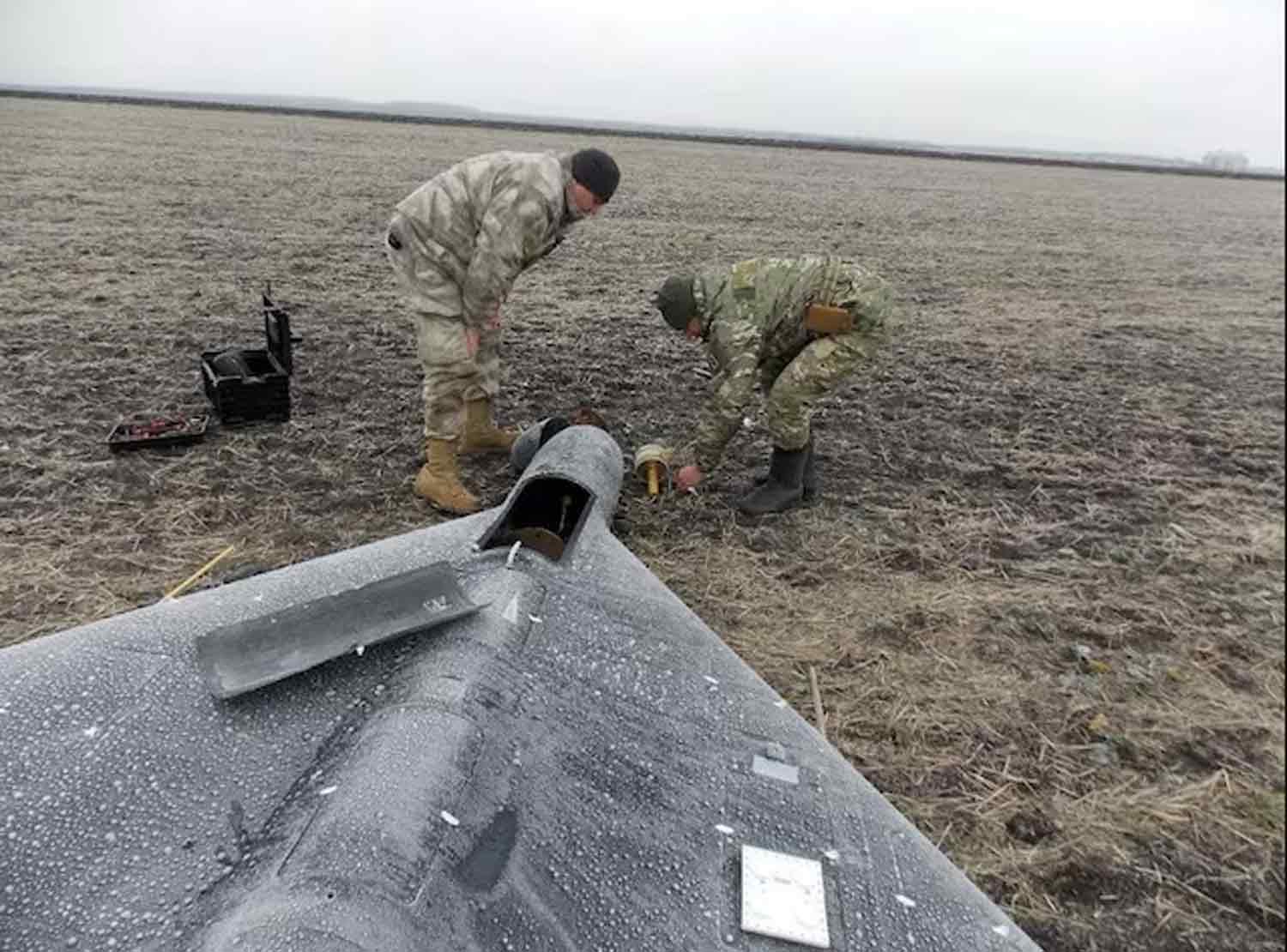
Members of police demining unit remove a warhead from a Russian kamikaze unmanned aerial vehicle landed by a radio electronic warfare during one of latest drone strikes, amid Russia's attack on Ukraine.

History has consistently unfolded in a nonlinear fashion, often catching humanity off guard with unforeseen developments. The current helplessness of Europe regarding the Ukraine conflict and the instability of technologically advanced nations serve as a stark reminder of this reality.

In an attempt to escape the turmoil of the Ukraine war, Western powers sought to ignite a global conflict in the Middle East, yet this has not materialized, despite the humanitarian crises in Gaza and the targeted assassination of Ismail Haniyeh in Iran.

As the war in Ukraine enters its third year, it poses significant risks not only to the security of Kiev but also to the broader future of Greater Europe. Reports indicate that while Ukrainian forces have managed to repel the Russian fleet from the Black Sea, they have struggled to penetrate Russia’s extensive defensive structures.

The combination of dwindling personnel, critical ammunition shortages, inadequate front-line defenses, and a lack of long-range air defense missiles, alongside internal political strife, has steadily driven Kiev toward a precarious situation. Furthermore, some analysts warn that Ukraine’s potential collapse could provide Russia with the opportunity to dominate all of Western Europe.

In February, Russian forces have continued their offensive following the capture of the eastern Ukrainian city of Avdiivka, with other key cities like Chasiv Yar expected to soon come under Russian control. The constitutional term of the Zelenskiy administration concluded in May of the same year; however, due to the enforcement of martial law, Zelenskiy is attempting to consolidate his authority by addressing internal conflicts through increasingly authoritarian measures, which have escalated in recent days. This period has seen the resignation of at least seven ministers and the dismissal of a presidential aide, prompting preparations for a significant cabinet reshuffle.

Among those who stepped down was Foreign Minister Dmytro Kuleba, who, alongside Vladimir Zelensky, played a crucial role in efforts to secure Western support. Deputy Foreign Minister Andrey Sibiha is believed to be a potential successor. Other resignations include Minister of Strategic Industries Oleksandr Kamyshin, Deputy Prime Minister Olha Stefanishyna, as well as the Ministers of Justice, Environment, and Integration, along with Vitaly Koval, the head of the State Property Fund of Ukraine.

Zelenskiy, who was first elected in 2019, indicated last week his intention to implement significant reforms, emphasizing the necessity for change and stating that state institutions must work in harmony to enable Ukraine to meet its objectives. He highlighted the importance of the upcoming autumn for the nation’s future, asserting that adjustments are needed to bolster government sectors related to survival.

In a related development, a decree on the presidency’s website confirmed the dismissal of Rostyslav Shurma, the Deputy Chief of Staff responsible for economic matters. Speaker David Arakamia informed the press that it is likely more than half of the cabinet ministers will be replaced. Since the onset of the war in February 2022, Zelenskiy has executed multiple cabinet changes. Notably, he dismissed his defense minister last September amid an anti-corruption investigation and recently removed the top military commander due to battlefield shortcomings.

Currently, at least five ministries remain unfilled following the resignations or dismissals of their leaders earlier this year, including critical positions in agriculture and infrastructure. Opposition lawmaker Iryna Herashchenko remarked that the government is experiencing a staffing crisis, which authorities seem to be ignoring.

This upheaval occurs at a critical moment in the conflict against advancing Russian forces on the Eastern Front, coinciding with indications of significant shifts in Russia’s nuclear strategy that have heightened the ambitions of European nations, including the United States. Zelensky is currently in the United States, where he is set to present his “plan for victory” to President Joe Biden, a key ally.

Russian Deputy Foreign Minister Sergei Ryabkov stated that Russia is reassessing its nuclear weapons policy in light of Western involvement in the conflict in Ukraine. This statement was made during a period when Russia is engaged in combat against Ukraine’s advances into the Russian city of Kursk, which are supported by Western armaments.

In June 2020, Russian President Vladimir Putin last updated the nation’s six-page nuclear doctrine, which serves as the foundation of its official nuclear strategy. He noted that while Russia regards nuclear weapons primarily as a deterrent, their use is considered an “extreme and coercive measure.”

The doctrine also underscores the necessity of preventing any form of aggression against Russia through military means, including nuclear options. According to this policy, Russia would resort to nuclear weapons in response to the deployment of nuclear or other weapons of mass destruction against itself or its allies, particularly when the state’s existence is at stake. In such scenarios, these weapons could be employed in conjunction with conventional military forces against aggressors.

China’s military exercises in South China Sea after negotiations with US

0

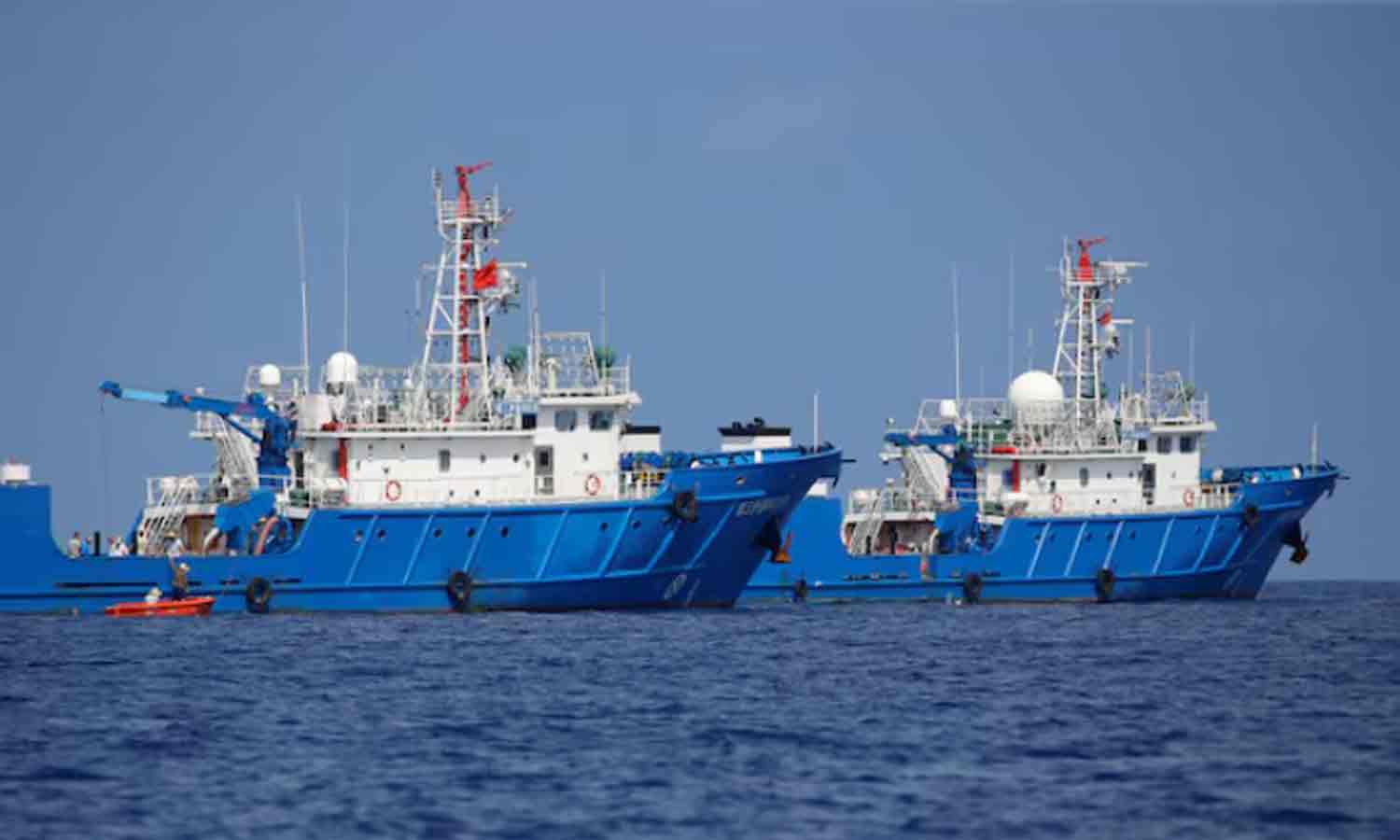
Chinese air and naval forces are currently engaged in exercises in a contested region of the South China Sea, as reported by the military on Saturday. This announcement follows discussions between the country’s leading diplomat and his U.S. counterpart aimed at alleviating regional tensions.

This development coincides with Australia and the Philippines announcing a joint maritime operation involving Japan, New Zealand, and the United States within the Philippines‘ exclusive economic zone.

According to a statement from the Southern Theatre Command of the People’s Liberation Army, the Chinese military activities will encompass “routine” early warning and reconnaissance operations, along with patrols near Scarborough Shoal. However, specific details regarding the drills were not disclosed.

The statement emphasized that the theatre troops are maintaining a high level of alertness, committed to safeguarding national sovereignty, security, and maritime rights, while also striving to uphold peace and stability in the South China Sea.

One of the most disputed areas in Asia, the Scarborough Shoal is located 200 km (124 miles) from the Philippines, within its exclusive economic zone. China asserts claims over nearly the entire South China Sea, including this atoll, which is sought after for its rich fish resources and beautiful turquoise waters.

This claim, however, overlaps with those of Brunei, Malaysia, the Philippines, and Vietnam in this heavily trafficked region. In 2016, the Permanent Court of Arbitration in The Hague ruled that China’s extensive claims lacked support under international law, a verdict that Beijing has chosen to disregard.

The tribunal did not address the issue of sovereignty over the Scarborough Shoal, noting instead that it has historically been a fishing area for multiple nations. The announcement of recent military activities follows a meeting between Foreign Minister Wang Yi and U.S. Secretary of State Antony Blinken in New York, where they discussed strategies to prevent conflict in the South China Sea.

In March, Blinken reaffirmed the strength of the U.S.-Philippines defense partnership, describing it as “ironclad,” after Manila raised concerns about China’s aggressive actions involving its coast guard and fishing vessels, which are suspected of operating as a maritime militia.

On Friday, Wang highlighted China’s commitment to addressing differences with relevant countries through dialogue and consultation, as stated by his ministry following the meeting. Blinken expressed concerns regarding China’s “dangerous and destabilizing actions” in the South China Sea and emphasized the need for enhanced communication between the military forces of the two nations.

Wang responded by urging Blinken to refrain from provoking tensions in the South China Sea and to respect the efforts of regional countries aimed at preserving peace and stability, according to the Chinese foreign ministry.

A report released on Friday by a Beijing-based think tank estimated that warships from various nations collectively spent over 20,000 days in the South China Sea each year, with more than 30,000 military aircraft operating in the area.

The think tank, known as the South China Sea Strategic Situation Probing Initiative, noted that U.S. Navy vessels alone accounted for approximately 1,600 days at sea in the region, in addition to an undisclosed number of submarines.

Ukraine intercepted 69 drones and 2 missiles in a nighttime Russian attack

0
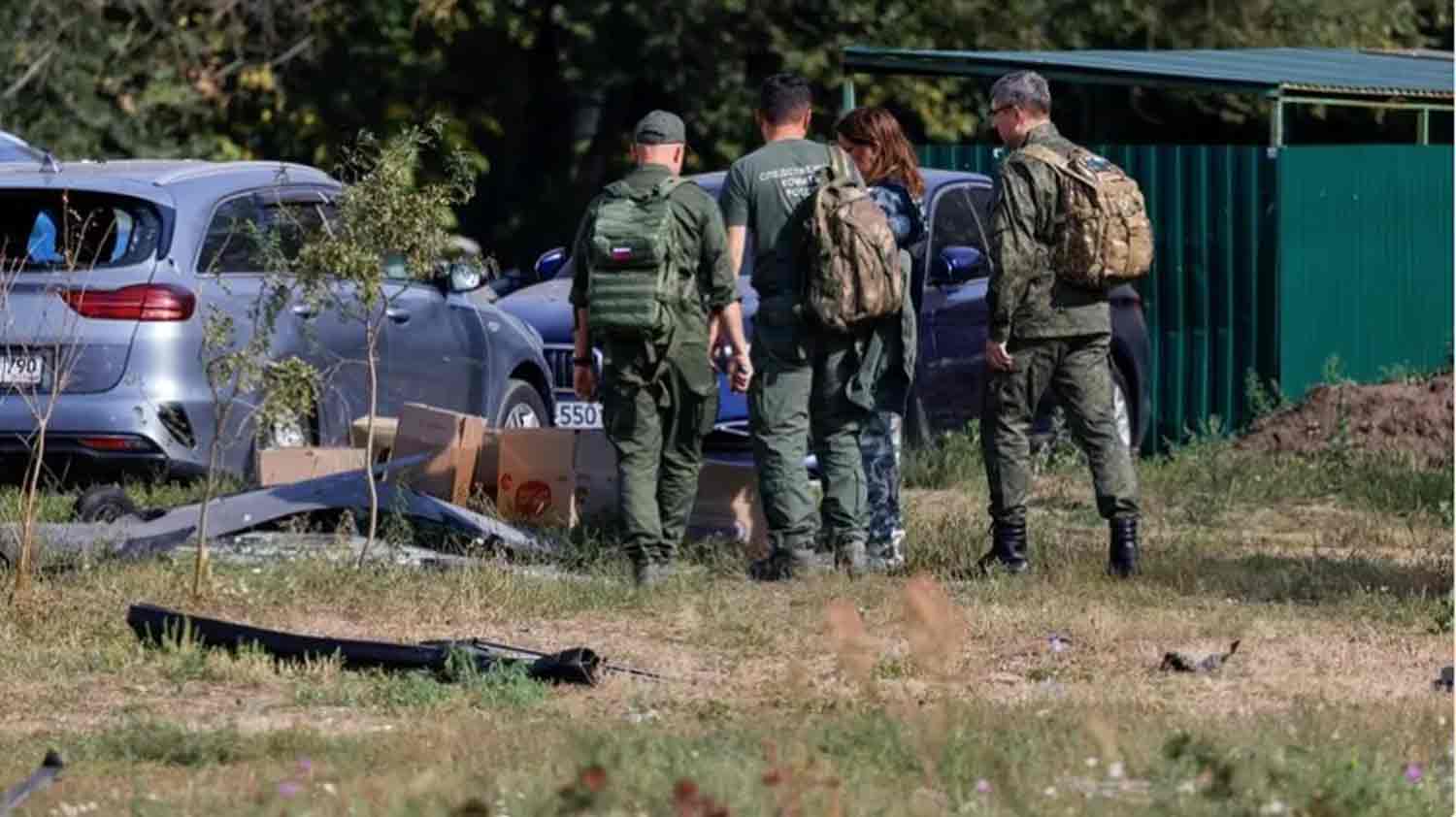
Investigators work in the courtyard of a damaged multi-story residential building following an alleged Ukrainian drone attack in the course of Russia-Ukraine conflict, in Ramenskoye in the Moscow region, Russia

Ukrainian air force officials reported on Saturday that they successfully intercepted 69 out of 73 drones during a nighttime assault by Russia, which also involved two ballistic and two cruise missiles. The air force confirmed that both cruise missiles were shot down, as stated in a message on the Telegram platform.

Additionally, approximately 15 Russian attack drones were neutralized by air defense units on the outskirts of Kyiv and within the capital itself, according to the military administration. They noted that debris from the intercepted drones fell in one area of the city, resulting in damage to a non-residential structure, although there were no reports of injuries.

Israeli airstrikes hit Hezbollah command center in Beirut

0

A series of airstrikes targeted Beirut’s southern suburbs early Saturday as Israel intensified its offensive against Hezbollah, following a significant attack on the command center of the Iran-aligned group, which seemingly aimed at leader Hassan Nasrallah.

Witnesses reported hearing over 20 airstrikes before dawn. In response to the violence, thousands of Lebanese fled their homes in the southern suburbs, gathering in public squares, parks, and along the waterfront in downtown Beirut.

“They want to obliterate Dahiye; they want to annihilate all of us,” stated Sari, a man in his 30s who only provided his first name, as he described his escape from the suburb following an Israeli evacuation order. Nearby, those newly displaced in Martyrs Square spread out mats on the ground in an attempt to rest.

Israel’s military announced early Saturday that approximately 10 projectiles had been launched from Lebanon into Israeli territory, with “some” being intercepted. The military’s statement did not specify the nature of the projectiles, which were detected after sirens were activated in the Upper Galilee region.

Early on Saturday, an extraordinary five hours of uninterrupted strikes followed the previous day’s assault, marking the most intense attack by Israel on Beirut in nearly a year of conflict with Hezbollah. This development signifies a significant escalation in a situation characterized by daily exchanges of missiles and rockets between the two factions.

The recent intensification has heightened concerns that the conflict may spiral beyond control, potentially involving Iran, Hezbollah’s main supporter, as well as the United States.

There has been no immediate confirmation regarding the status of Nasrallah following the heavy bombardment on Friday, but a source affiliated with Hezbollah informed that he was unreachable. The Lebanese group has yet to release an official statement.

While Israel has not confirmed whether it aimed to target Nasrallah specifically, a senior Israeli official indicated that high-ranking Hezbollah leaders were in the crosshairs. “It’s premature to conclude… Sometimes they conceal our successes,” the official remarked to reporters when questioned about the possibility of Nasrallah’s death in the strike.

Earlier reports from a source close to Hezbollah suggested that Nasrallah was still alive, and Iran’s Tasnim news agency also stated he was safe. A senior Iranian security official mentioned that Tehran was verifying his condition.

The Israeli military announced that it had eliminated Muhammad Ali Ismail, the commander of Hezbollah’s missile unit, along with his deputy, Hossein Ahmed Ismail.

Israeli Prime Minister Benjamin Netanyahu addressed the United Nations just hours before the latest wave of attacks, asserting that Israel has the right to continue its military operations. He stated, “As long as Hezbollah opts for conflict, Israel is compelled to act, and it has every right to eliminate this threat to ensure the safety of our citizens.” Several delegations left the room as Netanyahu began his speech, and he subsequently shortened his visit to New York to return to Israel.

death toll rises

Lebanese health officials reported six fatalities and 91 injuries from the initial strike on Friday, marking the fourth attack on Hezbollah-controlled areas in Beirut within a week and the most severe since the 2006 conflict. The casualty figures are expected to increase significantly, with over 700 reported deaths from strikes in the past week.

Hezbollah’s al-Manar television station indicated that seven buildings were destroyed, while security sources in Lebanon noted that the strikes targeted a location typically associated with senior Hezbollah officials. Shortly thereafter, the Israeli military advised residents in certain southern Beirut neighborhoods to evacuate, citing the targeting of missile launchers and weapon storage facilities allegedly situated beneath civilian structures.

Hezbollah refuted claims that any weapons or ammunition depots were housed in the buildings that were struck, according to a statement from the group’s media office. Alaa al-Din Saeed, a resident of one of the identified neighborhoods, shared with Reuters that he was fleeing with his wife and three children. “We learned about it on television. There was a significant disturbance in the area,” he recounted. The family managed to gather some clothing, identification documents, and a small amount of cash but found themselves caught in traffic with others attempting to escape. “We’re heading to the mountains. We’ll figure out where to spend the night, and tomorrow we’ll see what we can do.”

This week, approximately 100,000 individuals in Lebanon have been displaced, bringing the total number of uprooted people in the country to over 200,000.

Hezbollah has launched hundreds of rockets and missiles targeting various locations in Israel, including Tel Aviv. The organization reported that on Friday, it targeted the northern Israeli city of Safed, where a woman sustained minor injuries. Israel’s air defense systems have managed to keep the damage to a minimum thus far.

Iran condemned the attack, stating it crossed “red lines,” and accused Israel of deploying U.S.-made “bunker-busting” bombs. U.S. Defense Secretary Lloyd Austin indicated that Washington was not notified of the strike in advance, while President Joe Biden was kept updated on the situation.

At the United Nations, during the annual General Assembly this week, the escalation raised concerns, notably from France, which, alongside the U.S., has suggested a 21-day ceasefire. French Ambassador Nicolas de Riviere emphasized the urgency of ending the conflict during a Security Council meeting.

In a press conference in New York, U.S. Secretary of State Antony Blinken stated, “We believe the way forward is through diplomacy, not conflict… We will continue to work intentionally with all parties to urge them to choose that course.”

Hezbollah initiated this latest phase of a long-standing conflict with a missile attack on Israel shortly after the Hamas assault on October 7 of last year.

General Asim Munir inaugurated the Innovista Indus IT Park

0

General Syed Asim Munir, the Chief of Army Staff (COAS), conducted a visit to the Karachi Corps area, where he received updates on operational readiness and significant training programs implemented by the Army.

As reported by the Pakistan Army’s media wing, Inter-Services Public Relations (ISPR), during his visit, the COAS inaugurated the Innovista Indus IT Park. This facility is designed to empower the youth of Pakistan by promoting collaboration between academia and industry in the Information Technology sector, with a particular focus on Artificial Intelligence.

The inauguration ceremony was attended by the Chief Minister of Sindh, Syed Murad Ali Shah, along with prominent members of the civil community. The Chief Minister underscored the critical role of the IT sector in maximizing the potential of the youth and driving economic development.

The COAS emphasized that such initiatives are intended to create an optimal environment for the growth of the IT industry in the country, which is already progressing at a commendable rate.

Additionally, the COAS engaged with Karachi’s business community, acknowledging their contributions and the role of entrepreneurs in bolstering the nation’s economic development. Participants expressed their confidence and commended the Special Investment Facilitation Council (SIFC) for its efforts in fostering positive economic indicators that create a supportive environment for further growth.

The COAS praised the collaborative efforts of both Federal and Provincial Governments in backing these initiatives and noted that those who attempted to instill despair in society have been overcome through the united actions of all stakeholders.

He also recognized the significant contributions of allied nations, particularly China, the Kingdom of Saudi Arabia, and the UAE, in aiding Pakistan’s economic recovery across various sectors.

The Chief of Army Staff emphasized that Pakistan possesses significant potential across multiple sectors, urging everyone to maintain unwavering faith in the country’s promising future. With its vast resources and capabilities, Pakistan is poised to secure its rightful place among the nations.

Upon his arrival, the COAS was welcomed by the Corps Commander of Karachi.

Slovakia’s PM Fico will discuss nuclear plans in South Korea

0
Slovakia's Prime Minister Robert Fico

Slovakia’s Prime Minister Robert Fico announced on Friday that he will engage in discussions regarding the construction of a new nuclear power unit during his upcoming visit to South Korea, as the government explores potential bidders.

The country aims to establish a new nuclear power unit with a capacity of up to 1,200 megawatts (MW) at the Jaslovske Bohunice facility. The ministries of economy and finance are expected to present their plans to the government by the end of October.

In July, Slovakia’s neighbor, the Czech Republic, selected South Korea’s KHNP over the French company EDF for the construction of new nuclear power blocks.

Fico expressed his hope that his visit, commencing Saturday, would demonstrate South Korea’s potential as a partner in the Slovak project, while also indicating that discussions would take place with bidders from the U.S. and France.

“The decision has been made to initiate communication with countries under consideration for the construction of a completely new nuclear power source, which I have previously mentioned should have an output of 1,100-1,200 megawatts,” Fico stated during a televised briefing.

South Korea maintains a strong political relationship with us and is a significant investor in Slovakia.

Fico is scheduled to meet with South Korean President Yoon Suk Yeol during this visit, according to the government office. Slovenske Elektrarne, in which the state holds a one-third stake, successfully finished the 472 MW Unit 3 at the Mochovce facility last year and is currently finalizing another unit at the same location. Additionally, it operates two 505 MW units at the Jaslovske Bohunice plant.


Netanyahu tells UN that Israel engaged in a battle for survival

0
Israel's Prime Minister Benjamin Netanyahu addresses the 79th United Nations General Assembly at U.N. headquarters in New York

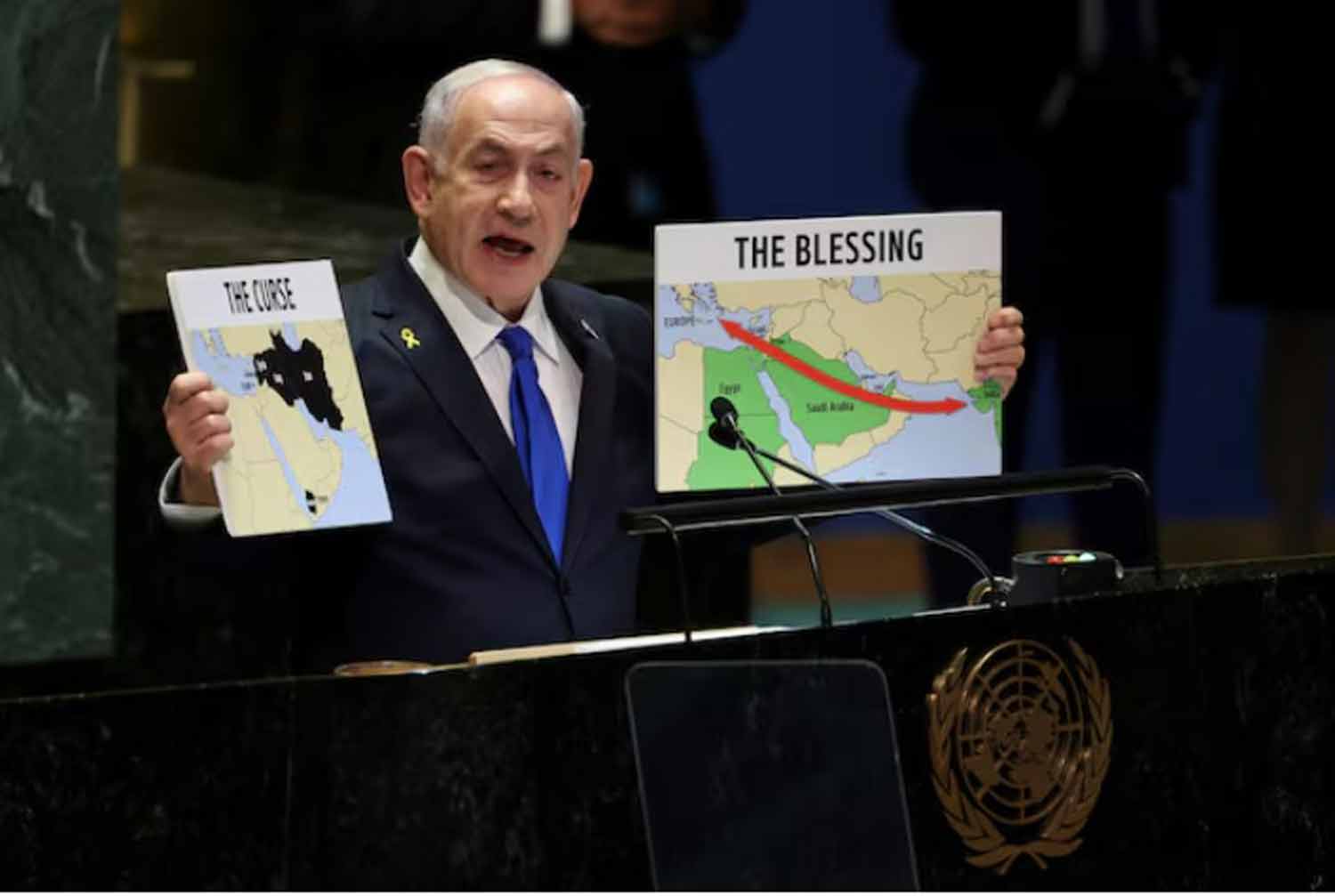
Israel is pursuing peace while simultaneously defending itself against what Prime Minister Benjamin Netanyahu described as “savage enemies” intent on its destruction, during a significant address to the United Nations on Friday.

“My nation is engaged in a battle for survival,” Netanyahu stated at the U.N. General Assembly. “We are compelled to protect ourselves from these brutal assailants. Our adversaries aim not only to obliterate us but also to dismantle our shared civilization, plunging us all into an era of oppression and fear.”

Netanyahu’s remarks came as Israel continued its military operations against Iran-backed Hezbollah positions in southern Lebanon, raising concerns that these actions could escalate into a broader regional conflict.

In his address, he attributed the ongoing strife to Israel’s primary adversary, Iran, asserting that Israel is defending itself on multiple fronts against Tehran.

“There is no location in Iran that Israel’s reach cannot extend to. This holds true across the entire Middle East. Rather than being passive victims, Israeli soldiers have demonstrated remarkable bravery in their response,” Netanyahu declared, receiving applause as some delegates, including those from Iran, exited the assembly.

I have an important message for this assembly and for the global community: We are achieving success.

In the coming days, Israel will continue discussions regarding ceasefire proposals for Lebanon, as stated by Netanyahu earlier on Friday. Meanwhile, Washington has cautioned that any further escalation could complicate the ability of civilians on both sides to return to their homes.

On Thursday, Israel’s foreign minister dismissed international calls for a ceasefire with the Iran-supported Hezbollah group and maintained airstrikes that have resulted in hundreds of casualties in Lebanon, raising concerns about a potential regional conflict.

He emphasized that the conflict in Gaza could conclude if the Iranian-backed Hamas militants, responsible for the October 7 attack in Israel, agree to surrender, disarm, and return the hostages taken during the assault.

Houthis claim to target American destroyers and two cities of Israel

0
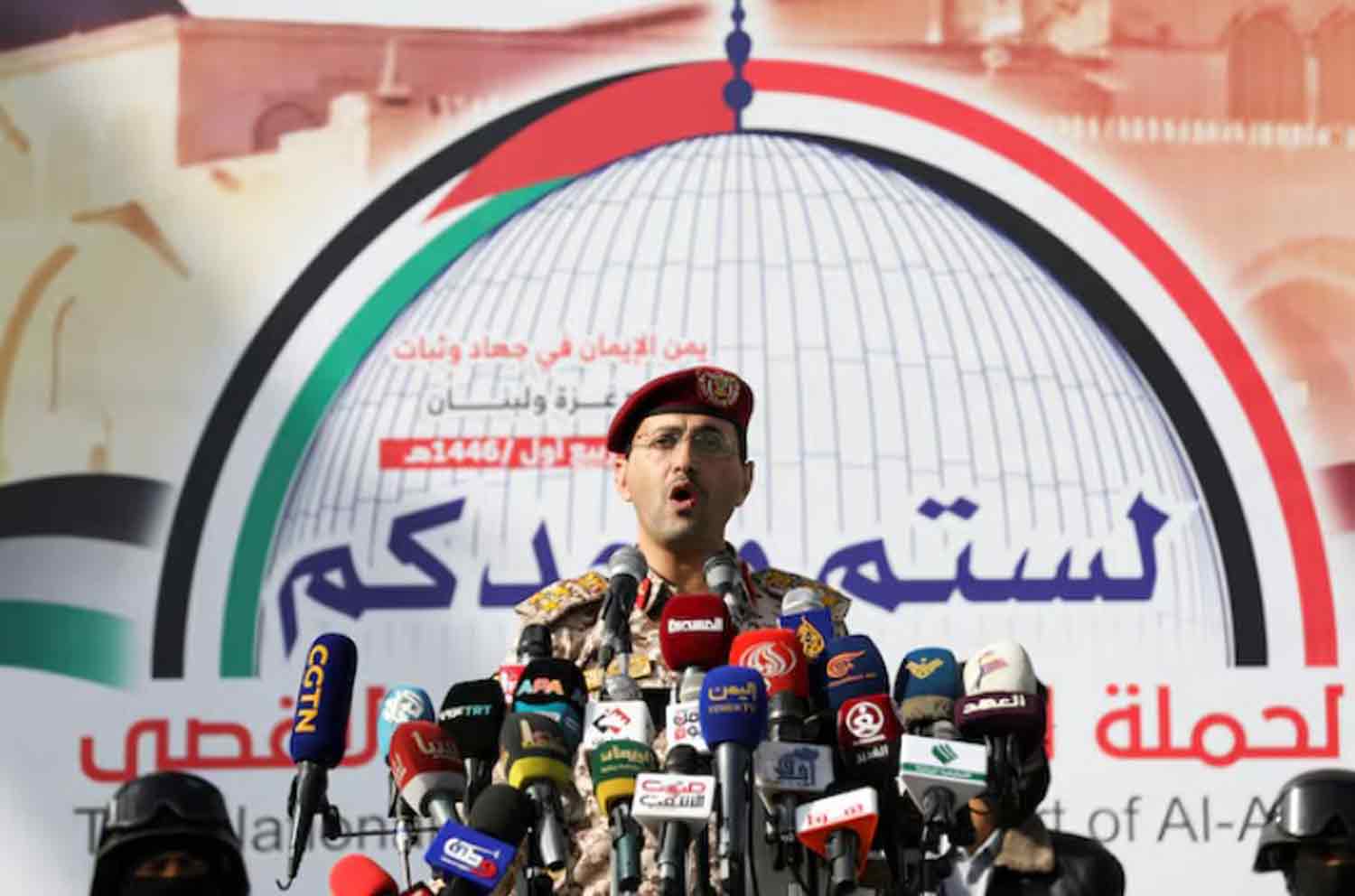
Houthi military spokesman, Yahya Sarea

Yemen’s Houthi militants, aligned with Iran, announced on Friday that they had launched missile and drone strikes against the Israeli cities of Tel Aviv and Ashkelon, as well as three U.S. destroyers in the Red Sea, in solidarity with Gaza and Lebanon.

The Israeli military reported intercepting a missile that originated from Yemen after warning sirens were activated. The military spokesperson for the Houthis stated that their operations would continue until Israel ceases its actions in Gaza and Lebanon.

According to Yahya Sarea, the group targeted Tel Aviv with a ballistic missile and sent a drone towards Ashkelon in southern Israel. He emphasized in a televised address, “We will conduct further military operations against the Israeli enemy to avenge the blood of our brothers in Palestine and Lebanon.”

In another televised statement, Sarea revealed that the group had simultaneously aimed 23 ballistic and winged missiles, along with a drone, at three U.S. destroyers in the Red Sea while the ships were en route to assist Israel.

The U.S. military has not yet provided a response to a request for comment. Since Monday, Israeli airstrikes have resulted in over 600 fatalities in Lebanon, marking the most severe escalation in the conflict between Israel and Iran-supported Hezbollah in over 18 years.

For nearly a year, Hezbollah has been launching rockets into Israel in solidarity with the Palestinian militant group Hamas, which is currently engaged in combat with Israel in Gaza.