Saturday, June 6, 2026
Home Blog Page 137

New Zealand’s military is considering a patrol ship to replace the lost dive vessel

0
The Royal New Zealand Navy ship HMNZS Manawanui

New Zealand is planning to reactivate one of its inactive offshore patrol vessels following the sinking of a specialized dive ship earlier this month, according to a defense spokesperson on Thursday.

The Manawanui, a dedicated hydrographic vessel, left the navy with only five operational ships after it sank while surveying a reef off the coast of Samoa. This occurred as three other vessels were placed in “care and custody” due to personnel shortages.

The defense force, along with its partners, is currently assessing the necessary work to bring an offshore patrol vessel back into service, the spokesperson informed Reuters. “This assessment is expected to be completed by the end of the month, which will help establish the timeline for the subsequent reactivation,” the spokesperson stated in an email.

The capability challenges faced by the New Zealand Defence Forces were highlighted last October when they indicated limitations in their capacity to respond to humanitarian crises in the Pacific during the cyclone season.

New Zealand’s armed forces are prepared to take action in the event of any natural disasters occurring in the area, the spokesperson stated.

Hamas seeking Russia’s assistance regarding a national unity government for Gaza

0
Hamas official Musa Abu Marzouk

A senior official from the Palestinian militant group Hamas has indicated that they are seeking Russia‘s assistance in urging Palestinian President Mahmoud Abbas to initiate discussions regarding a national unity government for Gaza in the aftermath of the conflict. This statement was made to the RIA state news agency following a meeting in Moscow.

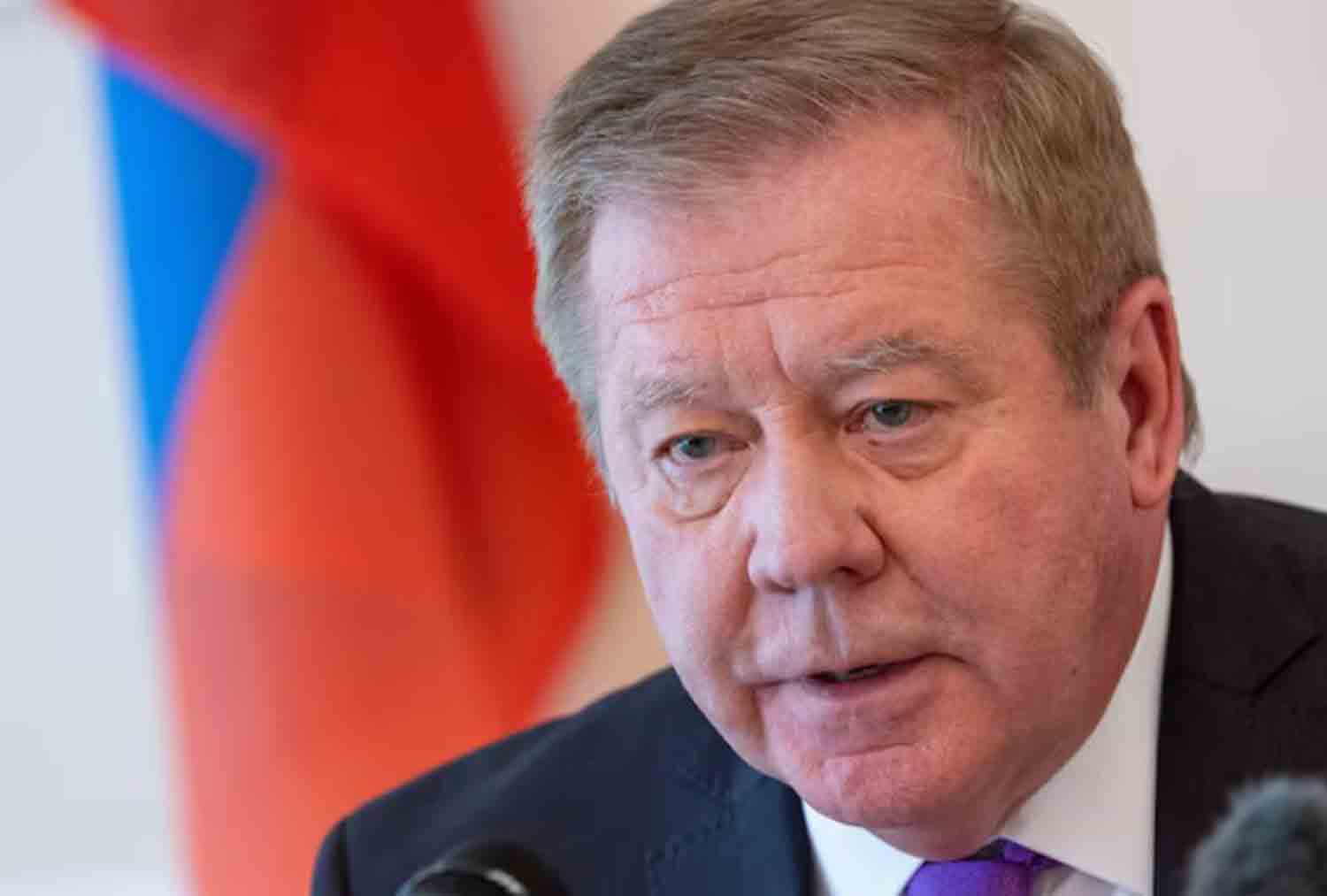
Mousa Abu Marzouk, a member of Hamas’s politburo, held talks with Russian Deputy Foreign Minister Mikhail Bogdanov. Marzouk noted that their discussions focused on the importance of Palestinian national unity and the establishment of a governing body for the Gaza Strip post-war, as reported by RIA.

He further mentioned that Hamas has requested Russia to motivate Abbas, who is currently participating in the BRICS summit in Kazan, to commence negotiations for a unity government. Abbas leads the Palestinian Authority (PA), which governs the occupied Palestinian territories. The PA was established three decades ago through the Oslo Accords and has limited authority over certain areas of the occupied West Bank, which Palestinians envision as the foundation for a future independent state.

The Palestinian Authority (PA), led by Abbas’ Fatah political faction, has historically experienced a tense relationship with Hamas, the Islamist group governing Gaza. This discord culminated in a brief conflict that resulted in Fatah’s expulsion from the region in 2007.

Israeli Prime Minister Benjamin Netanyahu has voiced significant resistance to the idea of the PA participating in the administration of Gaza.

US completed its $20 billion share of $50 billion loan to Ukraine

0

The United States has officially completed its $20 billion share of a long-anticipated $50 billion loan to Ukraine, which is supported by frozen Russian assets. The government announced that it plans to begin disbursing these funds for economic and military assistance by the end of the year.

U.S. Treasury Secretary Janet Yellen and Ukrainian Finance Minister Serhiy Marchenko formalized the agreement for the $20 billion loan commitment, which will complement a separate $20 billion commitment from the European Union and an additional $10 billion to be allocated among G7 partners, including Britain, Japan, and Canada.

The repayment of this loan will be sourced from the profits generated by over $300 billion in Russian sovereign assets that have been frozen since the onset of the invasion of Ukraine in February 2022, with the majority of these assets located in Europe. President Joe Biden emphasized that this arrangement allows Ukraine to access the necessary support without imposing a financial burden on taxpayers.

The Biden administration aims to allocate $10 billion of the loan for military assistance, a move that will require approval from the U.S. Congress, as indicated by officials from the White House National Security Council during a press briefing.

An official from the National Security Council stated that the remaining $10 billion can be made available by December without requiring Congressional approval. The official emphasized that the U.S. will contribute a total of $20 billion in support to Ukraine, which may be allocated between economic and military assistance or provided entirely as economic aid.

The U.S. funds designated for non-military aid will be directed to the World Bank Trust Fund, which has agreed to oversee the loan.

According to a source familiar with the arrangement, the World Bank will handle sovereign loan contributions from the U.S., Japan, and Canada similarly to its management of a climate loss and damage fund.

Ukrainian President Volodymyr Zelenskiy expressed gratitude to President Biden and Treasury Secretary Yellen in a post on X, describing the U.S. loan as a “significant step towards supporting Ukraine’s fight for freedom and holding Russia accountable.”

The Russian embassy in Washington criticized the agreement, asserting that it amounted to state-level theft. In a statement on Telegram, it remarked, “It is evident, even to an untrained observer, that the only aspect of significance in this matter is the elevation of theft to a state policy.”

BRITAIN, CANADA ANNOUNCE CONTRIBUTIONS

This week, G7 finance ministers and central bank governors were scheduled to convene during the International Monetary Fund and World Bank annual meetings in Washington. The G7 comprises the U.S., Japan, Germany, France, Britain, Italy, and Canada.

Britain announced a contribution of £2.26 billion ($2.94 billion) to the G7 loan, indicating that these funds would assist Ukraine in procuring weapons and repairing damaged infrastructure. Defense Minister John Healey stated that the funds from Britain would be exclusively allocated for Ukraine’s military efforts and could facilitate the development of drones with greater range than some long-range missiles.

When questioned about the possibility of Ukraine using the funds to purchase British-made Storm Shadow missiles for targeting deep within Russia, Healey responded, “They are significantly advancing the use of even longer-range drones. They will collaborate with us on how to utilize this funding and on the weaponry they require most.” Canada’s finance ministry announced on Wednesday that it would contribute C$5 billion ($3.7 billion) to the G7 loan initiative.

ELECTION TIMING

The loan initiative received support from G7 leaders in Italy in June; however, it faced delays due to U.S. officials demanding guarantees that Russian assets would remain frozen for an extended period to ensure a reliable source of repayment revenue.

Treasury Secretary Yellen aimed to prevent a scenario where U.S. or Ukrainian taxpayers would be liable for repaying the loans if the frozen assets were returned to Russia as part of a peace agreement. This situation would have necessitated the EU to extend the duration for reaffirming its sanctions, including the asset freeze, from every six months to every three years. However, Hungary opposed this adjustment, preferring to wait until after the U.S. presidential election on November 5.

Republican candidate Donald Trump has pledged to withdraw from the Ukraine conflict. Consequently, Yellen opted to proceed without further EU assurances. A source familiar with the situation indicated that the Treasury’s shift aimed to secure U.S. government approval for the $20 billion allocation to Ukraine, recognizing the importance of maximizing U.S. contributions.

Yellen expressed confidence to reporters on Tuesday that the assets would remain frozen, describing the loan as “secure.” This view was supported by an NSC official, who noted that the EU’s commitment to provide Ukraine with at least $20 billion creates incentives for European nations to keep the assets frozen until full repayment is achieved. On Tuesday, EU lawmakers approved the bloc’s strategy to utilize the frozen Russian assets for the loan.

North Korean forces’ role in Russia’s Ukraine conflict

0

The United States, along with Ukraine and South Korea, has this week accused North Korea of sending troops, potentially numbering in the thousands, to support Russia in its ongoing conflict in Ukraine. According to the three nations, most of these troops remain stationed in Russia, and the U.S. has indicated that their ultimate destination and role in the war are still uncertain. Both Moscow and Pyongyang have refuted these allegations.

Here is the current information available:

WHAT ARE THE ALLEGATIONS?

Ukrainian President Volodymyr Zelenskiy has claimed that North Korea is deploying officers to Russian-occupied regions and is preparing to send up to 12,000 soldiers to bolster Moscow’s military efforts. “I believe they sent officers first to assess the situation before deploying troops,” Zelenskiy stated to the press.

South Korea’s National Intelligence Service (NIS) reported that North Korea has dispatched approximately 3,000 troops, including special forces, to Russia’s Far East for training and acclimatization at military installations, likely in preparation for combat operations in the conflict.

Additionally, South Korean intelligence has utilized AI facial recognition technology to identify a group of North Korean officers visiting frontline areas in Ukraine, providing guidance on the North Korean-made KN-23 ballistic missiles being launched at targets in the region. Among the delegation was a significant figure in North Korea’s missile program, identified by analysts from Seoul-based NK PRO as Ri Song Jin, who was seen in photographs last year alongside leader Kim Jong Un at missile production facilities.

Russian Pacific Fleet vessels were observed transporting North Korean special forces to Vladivostok between October 8 and 13, with expectations that this operation will continue shortly, according to the National Intelligence Service (NIS). The troops have reportedly received Russian military uniforms, weaponry, and counterfeit identification documents in preparation for their deployment in combat.

WHY WOULD NORTH KOREA ASSIST RUSSIA?

President Vladimir Putin has indicated that a treaty signed with Kim Jong Un during his June visit to Pyongyang includes a mutual assistance provision, allowing both nations to support each other against external threats.

Experts suggest that North Korea stands to gain from supplying arms and troops, as it would provide valuable battlefield experience and insights. Additionally, amid heavy sanctions due to its nuclear weapons program, North Korea appears to be receiving significant oil and other imports from Russia, as indicated by foreign intelligence and commercial satellite imagery analyzed by experts. A report from a think tank linked to South Korea’s NIS estimated that the financially struggling North generated approximately $540 million in revenue from arms sales to Russia last year.

WHAT WAS THE REATION FROM WEST?

The response to the situation has been notable. A spokesperson for the Kremlin has labeled the claims regarding North Korean troops in Ukraine as “fake news,” while a North Korean representative at the United Nations in New York referred to these assertions as “groundless rumors.” On Monday, South Korea formally protested the troop deployment to the Russian ambassador. Additionally, Seoul is contemplating a series of countermeasures, which may include reevaluating its policy on supplying weapons to Ukraine. On Wednesday, Germany and Austria summoned North Korea’s senior diplomats in their respective countries to express their concerns. Leaders from Britain and Finland have indicated that the involvement of North Korean troops by Russia would reflect a state of desperation.

What Challenges Do North Korean Troops Pose to Ukraine?

According to South Korea, Ukraine, the United States, and independent analysts, Russia has launched numerous ballistic missiles manufactured in North Korea and has acquired substantial quantities of artillery shells and anti-tank rockets. Military experts express uncertainty regarding the integration of North Korean troops into the battlefield, suggesting that, similar to the weaponry, their presence is unlikely to significantly alter the course of the conflict but may extend its duration.

“Russia’s operational theater has broadened considerably, and with Ukrainian forces advancing even into Russian territory, North Korean troops could assist in countering such movements,” stated Kim Yong-hyun from Dongguk University in South Korea. “Although North Korea’s participation may not be a turning point for Russia, it could still offer valuable assistance.”

After our operation in Iran, everyone will recognize your capabilities, Yoav Gallant tells pilots

0
Israeli Defence Minister Yoav Gallant

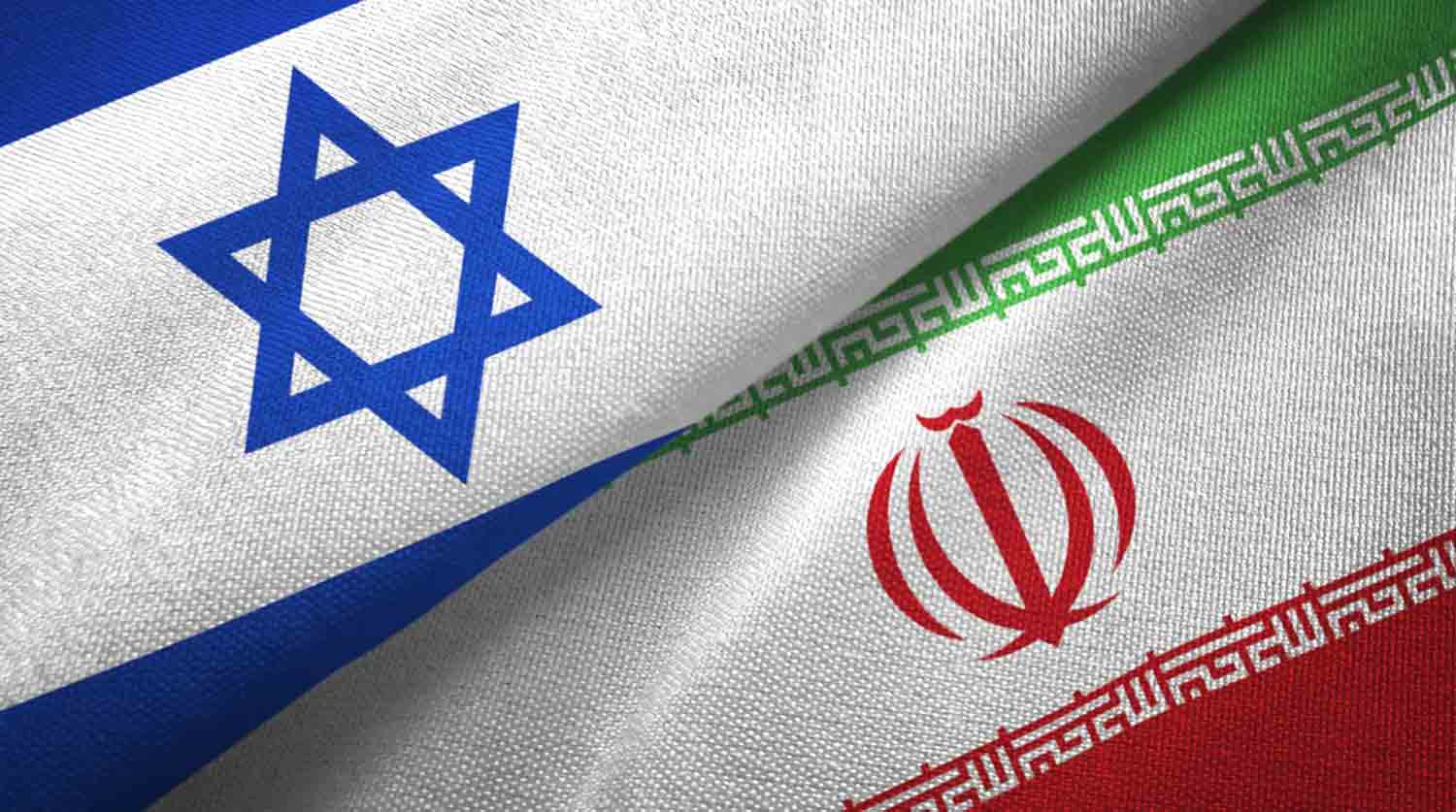
Israeli Defence Minister Yoav Gallant addressed Air Force personnel on Wednesday, stating that following a strike in Iran, the global community will recognize Israel‘s strength and its adversaries will receive a clear warning, as indicated by a video and a post on X shared by his office.

Israel is preparing a response to a ballistic missile assault launched by Iran on October 1, marking Tehran’s second direct aggression towards Israel in six months.

“Once we conduct our operation in Iran, both Israel and the international community will grasp the significance of your preparations,” Gallant conveyed to the crews in the video recorded at Hatzerim Air Base.

In his X post, Gallant further asserted, “During my discussions with them, I stressed that after we strike Iran, everyone will recognize your capabilities, the extensive preparations, and training involved—any adversary that seeks to threaten the State of Israel will face severe consequences.”

Tensions in the Middle East are heightened as Israel gears up for retaliation against Iran’s missile attack, which involved approximately 200 ballistic missiles aimed at Israel. In recent weeks, Israel has escalated its military actions against Hamas militants in Gaza and Hezbollah, an Iran-supported group in Lebanon. This conflict was ignited a year ago by Hamas’ attack on southern Israel on October 7, 2023.

Washington aims to prevent any further escalation of the conflict. On Wednesday, U.S. Secretary of State Antony Blinken emphasized that Israel’s response should not result in increased tensions.

BRICS is not a challenge for Dollar unless India and China get serious

0

The notion that the BRICS group could pose a challenge to the U.S. dollar is unrealistic, particularly given the ongoing divisions between China and India and their reluctance to collaborate on trade, according to the former Goldman Sachs economist who coined the BRIC acronym in a Reuters interview.

Russian President Vladimir Putin is leveraging the BRICS leaders’ summit to demonstrate that Western efforts to isolate Russia due to the Ukraine conflict have been unsuccessful, highlighting Russia’s growing relationships with emerging Asian powers.

Jim O’Neill, who was the chief economist at Goldman Sachs when he introduced the BRIC term in 2001, emphasized the significant growth potential of Brazil, Russia, India, and China, as well as the necessity for global governance reforms to incorporate these nations. He remarked, “The idea that BRICS could function as a legitimate global economic entity is quite fanciful, akin to the G7’s self-perception. It is concerning that they envision themselves as a viable alternative on the global stage, as this is clearly impractical.”

The gathering appears to serve primarily as a symbolic annual event where significant emerging nations, particularly assertive ones like Russia and China, can convene to showcase the advantages of being part of a coalition that operates independently of the United States, while also critiquing the inadequacies of global governance.

O’Neill, who acknowledged that he would always be associated with BRICS, remarked that the group has made minimal progress over the last 15 years.

He emphasized that addressing genuine global challenges is not feasible without the involvement of the United States and Europe, just as the West cannot effectively tackle these issues without the participation of China, India, and, to a lesser extent, Russia and Brazil.

The BRICS coalition originated from discussions among Russia, India, and China, which later formalized their meetings and expanded to include Brazil, South Africa, Egypt, Ethiopia, Iran, and the United Arab Emirates, with Saudi Arabia yet to officially join.

Currently, the group represents 45% of the global population and 35% of the world economy, measured by purchasing power parity, with China contributing over half of this economic strength.

During the summit on Wednesday, Putin noted that more than 30 countries have shown interest in joining the group, but he stressed the need for careful consideration regarding any expansion. O’Neill cautioned that adding more members to BRICS would complicate the group’s ability to achieve meaningful outcomes.

DOLLAR CHALLENGE?

Russia is attempting to persuade BRICS nations to establish an alternative international payment system that would be resistant to Western sanctions. O’Neill, 67, noted that discussions about alternatives to the dollar have been ongoing since he began his career in finance, yet none of the countries capable of challenging the dollar have made substantial efforts to do so. He pointed out that any currency from BRICS would largely rely on China, with Russia and Brazil playing minimal roles.

“If they were truly serious about economic issues, why not genuinely pursue trade with lower tariffs among themselves?” O’Neill remarked. “I will take the BRICS group seriously when I observe that the two key players—China and India—are genuinely working towards consensus rather than continuously confronting one another.”

India has sought to limit Chinese investments following a border dispute that escalated into a clash between border forces in 2020. However, the two nations committed to enhancing cooperation during their first formal discussions in five years on Wednesday. Chinese President Xi Jinping informed Putin that the global situation is fraught with chaos, yet he emphasized that the strategic partnership between Beijing and Moscow serves as a stabilizing force amid unprecedented changes in a century.

O’Neill criticized the G20 for failing to become a backbone of genuine global governance, attributing this to the inward focus of both the United States and China since the middle of the last decade. He argued that BRICS lacks defined goals and should address significant global challenges, such as developing vaccines or treatments for infectious diseases and combating climate change.

BRICS Summit Approves Final Declaration on Long-Term Goals – Putin

0

The BRICS summit has released a final declaration that outlines a comprehensive assessment of global conditions and sets forth long-term objectives, as stated by Russian President Vladimir Putin on Wednesday.

“We have crafted a final declaration that provides an overview of the current global situation, reflects on the outcomes of Russia’s leadership within BRICS, and establishes frameworks for future collaboration. I would like to emphasize that we intend to present this document to the UN as our collective statement,” Putin remarked during an extended BRICS meeting.

In their final declaration, the BRICS nations highlighted several key points, including:

  • The significance of enhancing cooperation based on shared interests and furthering strategic partnerships.
  • A reaffirmation of their national stances regarding the situation in and around Ukraine.
  •  Concerns regarding the detrimental effects of unlawful sanctions on the global economy. A call for increased involvement of the least developed countries, particularly in Africa, in global initiatives, and an acknowledgment of the Global South’s strong desire for unity.
  •  Recognition of proposals aimed at mediating a peaceful resolution to the conflict in Ukraine through dialogue.
  •  Alarm over the escalation of violence and the deteriorating humanitarian situation in Sudan, along with a call for a ceasefire.
  • A reaffirmation of their commitment to multilateralism and the central role of the United Nations in the international framework.
  •  An emphasis on the importance of advancing the 2025 Economic Partnership Strategy across all dimensions.
  •  Support for a comprehensive reform of the UN, including the Security Council, to enhance its representativeness.
  •  An endorsement of the use of national currencies for financial transactions among member states and their trading partners.
  •  Opposition to unilateral actions taken under the guise of addressing climate change.
  •  A condemnation of attacks on UN personnel and threats to their safety, urging Israel to halt such actions immediately.
  • The formation of an Interim Presidential Council for Haiti and the establishment of an Electoral Council to address the ongoing crisis have been positively received.
  • The commitment to implement measures supporting the reform of the World Trade Organization has been reiterated.
  • There is a call for the reform of the Bretton Woods institutions, emphasizing the need for greater representation of developing nations.
  • A representative from the UAE delegation at the BRICS summit in Kazan stated that the final BRICS declaration will serve as a significant advancement in enhancing collaboration among the organization’s members.

Baerbock says provision of weapons to Israel has created “a dilemma” due to potential violations of international law

0

Germany’s foreign minister stated on Wednesday that Israel has the right to defend itself against attacks from Hezbollah, but the provision of weapons has created “a dilemma” due to concerns regarding potential violations of international law. Annalena Baerbock made these remarks upon her arrival in Lebanon, where she is engaged in discussions aimed at reducing the escalating tensions between Israel and Hezbollah. This visit follows a report from the U.N. indicating that its peacekeepers had been targeted by Israeli forces in the conflict zone of southern Lebanon.

Baerbock acknowledged the complexity of the situation, noting, “On one hand, Israel faces daily attacks, and failing to support it would leave people unprotected. On the other hand, Germany has a duty to uphold international humanitarian law.” She did not suggest that Germany would alter its longstanding policy of supplying arms to Israel. Last week, Chancellor Olaf Scholz reaffirmed that Germany, a key ally of Israel in the West, would persist in providing military assistance.

Baerbock emphasized that Israel has the right to defend itself against Hezbollah, the powerful militant group backed by Iran, while also bearing the responsibility to comply with international humanitarian law. She made these remarks to journalists in Beirut following her meeting with Parliament Speaker Nabih Berri, a close ally of Hezbollah who is involved in diplomatic efforts to resolve the ongoing conflict.

The U.N. mission in Lebanon reported last week that its outposts near the Israeli border had been subjected to multiple “deliberate” attacks by Israel, complicating efforts to assist civilians in the war-affected villages due to ongoing Israeli shelling.

“Any intentional assault on U.N. peacekeepers constitutes a violation of humanitarian law,” Baerbock stated. Israel contends that U.N. forces in southern Lebanon have inadvertently served as a protective barrier for Hezbollah fighters and has requested UNIFIL to evacuate peacekeepers for their safety, a request that has been declined.

Baerbock asserted that the path to peace lies in the complete implementation of U.N. Resolution 1701, established 18 years ago, which calls for Hezbollah’s withdrawal behind the Litani River in Lebanon and the retreat of Israeli forces from the “Blue Line” that marks the border.

The United Nations Interim Force in Lebanon (UNIFIL) plays a vital role in ensuring stability in the region, and it is imperative that all parties involved safeguard the UNIFIL personnel, she emphasized. Baerbock was scheduled to hold a video conference with UNIFIL Commanding General Aroldo Lazaro Saenz later in the day. “Our unified message to the people of Lebanon is that we will not turn a blind eye, nor will we abandon them,” Baerbock stated.

“We are pursuing a diplomatic resolution that honors the security concerns of both Israel and Lebanon,” she continued. According to Germany’s DPA news agency, Berlin has authorized arms exports to Israel totaling approximately 31 million euros ($34 million) in the last eight weeks, which is more than double the amount exported in the first seven and a half months of this year.

Why Turkey wants BRICS membership and close relations with Russia?

0

Several factors influence the relationship between Tayyip Erdogan and Vladimir Putin, who are scheduled to meet on Wednesday in Russia during the BRICS summit, an event that has piqued Turkey’s interest as a NATO member.

CAUTIOUS ADMIRATION

The dynamics between the Turkish and Russian leaders, both of whom have been in power for an extended period, can be strained at times. However, they have consistently resisted U.S. influence and have each played distinct roles in various military conflicts spanning the South Caucasus, Syria, and North Africa.

Erdogan has characterized his relationship with Putin as one founded on “joint understanding, mutual trust, and respect.” In turn, Putin has referred to Erdogan as a “strong leader” and a “reliable” partner, although he has acknowledged that dealing with him has not always been straightforward.

Since Russia’s full-scale invasion of Ukraine, the two nations, both bordering the Black Sea, have enhanced their collaboration in areas such as trade, tourism, and energy, despite Turkey’s opposition to Moscow’s actions and its provision of attack drones to Kyiv.

As military powerhouse Russia and regional power Turkey have supported opposing factions in conflicts in Syria and Libya, their positions have not always aligned, particularly in the disputes between Armenia and Azerbaijan over the Nagorno-Karabakh region. In Syria, Putin has supported President Bashar al-Assad, while Erdogan has backed rebel forces. To prevent direct confrontation in early 2020, they negotiated a series of ceasefire agreements following the deaths of 34 Turkish soldiers in an airstrike in Idlib, where Russian aircraft were conducting patrols.

In 2019, Turkey caused significant concern among its NATO allies by acquiring Russian S-400 missile systems, which the Western defense alliance had warned were incompatible with its existing systems and posed a security threat. In retaliation, the United States imposed sanctions on Turkey’s defense sector and removed the country from the F-35 fighter jet program, in which it was both a manufacturer and a purchaser. Although Ankara has not activated the S-400 systems since that time, it maintains that they are operational and ready for use.

ENERGY, ELECTIONS, AND FOREIGN EXCHANGE RESERVES

Following the surge in energy prices triggered by Russia’s invasion of Ukraine in early 2022, Turkey found itself in a precarious position as it relies heavily on energy imports. The Turkish economy was already struggling due to a currency crisis that exacerbated inflation and drained foreign exchange reserves. Russia, Turkey’s primary gas supplier, provided crucial support by allowing the country to postpone payments for gas imports until 2024, a concession that reportedly covered up to $4 billion in obligations. This arrangement enabled Turkish authorities to preserve sufficient reserves to stabilize the lira ahead of the May 2023 elections, which President Erdogan won by a narrow margin. However, following the election, the currency experienced further declines.

In the lead-up to the election, Erdogan’s opponent accused Russia of meddling in Turkey’s domestic politics, claiming to possess evidence—though none was disclosed—that suggested Russian involvement in the dissemination of “deep-fake” online content. Both the Kremlin and Erdogan rejected these claims and continued to enhance energy collaboration, particularly at Turkey’s Akkuyu nuclear power plant, which was constructed by Russia’s nuclear energy agency, Rosatom. The plant’s inauguration has faced delays due to Germany withholding essential components. In 2022, President Putin proposed establishing a Russian “gas hub” in Turkey to facilitate the rerouting of gas exports, especially after European nations reduced imports due to the conflict in Ukraine. Turkey is currently in negotiations regarding this proposal and may utilize its extensive gas infrastructure to position itself as an alternative supplier to countries like Bulgaria, Hungary, and Moldova, with which it finalized separate agreements in 2023.

SANCTIONS, TRADE, AND OLIGARCHS

Turkey has taken a stance against sanctions imposed on Russia, welcoming Russian tourists and migrants, including oligarchs looking for secure locations for their yachts and investments. Currently, Russians are the leading foreign purchasers of real estate in Turkey.

Bilateral trade has surged to unprecedented levels, with Turkish exports to Russia increasing by 17% to reach $11 billion in 2023, as reported by the Turkish Statistics Institute.

Ankara has been criticized by Western nations for allegedly allowing Russia to acquire military-related supplies, such as chips and semiconductors, through its territory and that of the United States. In response, several Turkish entities have faced sanctions from European countries, with further measures being threatened.

The Turkish government has maintained that no goods passing through its territory are utilized in Russia’s military operations in Ukraine. Earlier this year, Turkish exporters to Russia encountered difficulties with payments, prompting the Kremlin to acknowledge that Turkish banks were imposing stricter regulations on Russian clients, and it has been collaborating with Turkey to identify mutually beneficial solutions.

DIPLOMACY

Turkey has maintained strong relationships with both Kyiv and Moscow, facilitating discussions between the two in 2022 and establishing itself as a key mediator for future peace negotiations. Since the onset of the conflict, Putin and Erdogan have engaged in numerous phone calls and meetings, providing the Russian president with a platform alongside a NATO leader and offering NATO a dependable communication channel to Moscow.

Erdogan’s diplomatic strategy reflects a careful balance between Russia and NATO; he has expressed support for Ukraine’s aspirations to join the military alliance while postponing Sweden’s membership application. Turkey’s diplomatic efforts and its control over the straits linking the Black Sea to global markets have positioned it at the forefront of an agreement involving Russia, Ukraine, and the United Nations, aimed at ensuring safe passage for Ukrainian agricultural exports and facilitating increased Russian exports.

The United Nations recognized Erdogan’s significant role in co-brokering the 2022 Black Sea Grain Initiative, which was credited with alleviating global hunger by enabling exports from two major global producers. However, in July 2023, Putin withdrew from the agreement, despite Turkey’s appeals to both parties, citing challenges related to Russian food and fertilizer exports and concerns regarding the destinations of Ukrainian grain.

In recent months, Turkey has expressed interest in joining the BRICS group, which initially included Brazil, Russia, India, China, and South Africa, and has since expanded to incorporate Ethiopia, Iran, Egypt, and the United Arab Emirates. Ankara views BRICS as a means to enhance economic collaboration with its member states, rather than as a substitute for its Western alliances and NATO membership. Former U.S. Ambassador to Turkey Jeff Flake remarked in June that while he hoped Turkey would refrain from joining BRICS, such a decision would not alter its alignment with the West.

Modi and Xi Jinping engaged in their first formal discussions in five years

0
Indian Prime Minister Narendra Modi, Russian President Vladimir Putin and Chinese President Xi Jinping attend a family photo ceremony prior to the BRICS Summit plenary session in Kazan, Russia.

Indian Prime Minister Narendra Modi and Chinese President Xi Jinping engaged in their first formal discussions in five years on Wednesday, indicating a potential thaw in relations between the two Asian powers, which had been adversely affected by a fatal military confrontation in 2020.

The leaders convened during the BRICS summit in Kazan, Russia, as reported by both the Indian government and Chinese state media. This meeting occurred shortly after New Delhi announced a resolution to the four-year military standoff along their contested Himalayan border.

The relationship between these two nuclear-armed nations, which are also the most populous in the world, has been tense since a clash in 2020 resulted in the deaths of 20 Indian and four Chinese soldiers along the largely undefined border in Ladakh. In response to the ongoing tensions, both countries have significantly bolstered their military presence in the region, deploying tens of thousands of additional troops and equipment over the past four years.

Modi and Xi have not engaged in formal bilateral discussions since their last summit in October 2019, which took place in Mamallapuram, India. Although both leaders attended various multilateral events, their interactions have been limited. They had a brief exchange during the G20 summit in Bali in November 2022, where they shared pleasantries. Another conversation occurred on the sidelines of the BRICS summit in Johannesburg in August 2023, but differing accounts of the dialogue suggested a lack of consensus between the two nations.

Xi’s absence from the G20 summit in New Delhi the following month was perceived as a further deterioration in their relationship. However, diplomatic initiatives have gained traction recently, particularly after the foreign ministers of both countries met in July and committed to enhancing discussions aimed at alleviating border tensions. Given that India has linked the improvement of broader political and business relations to resolving the border dispute, the upcoming discussions between the two leaders are anticipated to lead to increased Chinese investment in India.

New Delhi has heightened its examination of investments originating from China, suspended direct flights between the two nations, and effectively halted the issuance of visas to Chinese citizens since the clashes in Ladakh. Neither New Delhi nor Beijing, which affirmed the border agreement on Tuesday, has disclosed specifics regarding the resolution of the stand-off as per the accord reached this week.

An Indian military official informed Reuters that the agreement will enable both parties to patrol disputed areas along the border according to a mutually established timetable to avert conflicts.

Blinken urges an end to the Middle East conflict amid Israeli airstrikes on a historic Lebanese port city

0

U.S. Secretary of State Antony Blinken called for an immediate cessation of hostilities between Israel and the militant groups Hamas and Hezbollah on Wednesday. However, significant Israeli airstrikes on the historic Lebanese port city of Tyre indicated that no pause in the conflict was forthcoming.

Israel commenced its bombardment of the UNESCO World Heritage site approximately three hours after issuing an online directive for residents to evacuate central areas. Dense clouds of smoke rose above residential neighborhoods.

In recent weeks, tens of thousands of individuals had already evacuated Tyre as Israel intensified its efforts to dismantle Hezbollah in Lebanon and Hamas in Gaza, both of which are closely aligned with Iran. The port city, usually a vibrant center for fishermen, tourists, and U.N. peacekeepers on leave from their missions near the border, has seen evacuation orders this week extend to large portions of the area, including proximity to its ancient castle.

Some Lebanese citizens are concerned that their nation may face a fate similar to that of Gaza, where Israeli airstrikes have resulted in the deaths of tens of thousands of Palestinians and have devastated much of the territory. In Gaza, following the assassination of Hamas leader Yahya Sinwar last week, Israel has escalated its military operations in the northern region, with health officials reporting at least 20 fatalities from recent strikes, predominantly in the north.

Secretary of State Antony Blinken, who has frequently visited the Middle East since the onset of the conflict, is embarking on his first trip since the killing of Sinwar, a key figure on Washington’s list of most-wanted individuals. The U.S. hopes that this development may serve as a catalyst for peace.

This visit represents the final significant U.S. diplomatic effort before the presidential election on November 5, which will see Vice President Kamala Harris face off against former President Donald Trump, a contest that could significantly alter U.S. policy in the region. Additionally, Washington aims to prevent the conflict from escalating further, particularly in light of anticipated Israeli responses to an Iranian missile strike on October 1, which was launched in support of Hezbollah and Hamas. Blinken emphasized that Israel’s retaliation should not result in a broader escalation.

After discussions with Israeli leaders, including Prime Minister Benjamin Netanyahu, Blinken proceeded to Saudi Arabia to meet with Foreign Minister Prince Faisal bin Farhan. Although a planned visit to Jordan was postponed, he is expected to engage with other Arab leaders during a stop in London. In Lebanon, the Israeli military reported the elimination of three Hezbollah commanders and approximately 70 fighters in the southern region over the past two days, following the confirmation of the death of Hashem Safieddine, who was seen as the group’s potential successor. Blinken remarked that it is crucial for Israel to leverage its military achievements and transform them into a lasting strategic advantage.

The priority must be on securing the safe return of the hostages, bringing an end to the conflict, and establishing a comprehensive strategy for the future.

In the year following the violent incursions by Hamas-led fighters into Israeli communities, which resulted in the deaths of 1,200 individuals and the abduction of over 250 hostages, Israel has devastated the Gaza Strip in its efforts to eliminate Hamas, leading to the deaths of nearly 43,000 Palestinians. Recently, Israel targeted and killed Sinwar, who is believed to be the architect of the October 7, 2023 attacks.

In the last month, Israel has significantly intensified its military actions in Lebanon against Hezbollah, a distinct Iran-backed militant organization that has launched rockets into Israel in solidarity with the Palestinians. Israel has initiated a ground offensive and has conducted air strikes that have resulted in the deaths of most of Hezbollah’s leadership, displacing approximately 1.2 million people.

OPPORTUNITY FOR PEACE?

Washington perceives the death of Sinwar as an opportunity to advocate for peace, believing it may now be simpler for Netanyahu and his far-right administration to claim that significant objectives have been accomplished in Gaza. However, residents of Gaza report that following Sinwar’s death, Israel has escalated its attacks on northern regions, where it alleges Hamas fighters are reorganizing.

Hospitals have ceased operations and are running low on coffins and burial shrouds for the deceased. An emergency U.N.-supported polio vaccination initiative, which was launched after a Gaza infant was paralyzed by the disease for the first time in 25 years, has been suspended.

The Gaza health ministry issued a statement urging the international community, which has failed to provide adequate protection and resources for the population, to make efforts to send burial shrouds for the deceased.

Blinken mentioned that new strategies are being explored to secure the release of hostages held in Gaza and to bring an end to the conflict. Nevertheless, there has been no indication of a reduction in hostilities. Hamas has stated it will not release the numerous hostages it is holding without an Israeli commitment to cease the conflict in Gaza. Conversely, Israel maintains that it will continue its military operations in Gaza until Hamas is completely defeated, and in Lebanon until Hezbollah no longer poses a threat.

Diplomatic sources indicate that Israel is leveraging its military strength to establish a robust position before a new U.S. administration assumes office after the November 5 election. The United Nations Palestinian refugee agency, UNRWA, reported on Wednesday that one of its staff members was killed when a UNRWA vehicle was struck in Deir Al-Balah in central Gaza. Medics confirmed that the man’s brother also lost his life. Additionally, the municipality of Gaza City reported that two city workers were killed and three others injured in a strike there.

In Lebanon, Israel’s military actions have displaced at least 1.2 million people and resulted in 2,530 fatalities, including at least 63 in the past 24 hours, according to the Lebanese government.

Putin proposed a BRICS countries grain exchange

0
Russian President Vladimir Putin chairs a meeting

Russia has put forward a proposal for establishing a BRICS grain exchange, with the potential for future expansion to include other significant commodities, President Vladimir Putin announced during his opening remarks at a BRICS leaders’ summit on Wednesday.

“BRICS nations are among the foremost producers of grains, legumes, and oilseeds. In this context, we have suggested the establishment of a BRICS grain exchange,” Putin stated to the assembled leaders.

He emphasized that this exchange “will aid in the development of fair and reliable price indicators for products and raw materials, given its crucial role in ensuring food security.”

Putin further noted that the execution of this initiative would safeguard national markets from adverse external influences, speculation, and efforts to engineer an artificial food shortage.

Additionally, he mentioned the possibility of creating a separate platform for trading precious metals and diamonds.

In his address, Putin also highlighted the establishment of a BRICS investment platform, which aims to enhance mutual investments among BRICS nations and could extend to investments in other countries within the Global South.

EU calls BRICS nations to urge Putin to cease Moscow’s military actions in Ukraine

0

The European Union on Wednesday called on nations participating in the BRICS summit in Kazan, Russia, to urge President Vladimir Putin to cease Moscow’s military actions in Ukraine.

The summit is attended by over 20 leaders, including Putin, Chinese President Xi Jinping, Indian Prime Minister Narendra Modi, and Iranian President Masoud Pezeshkian.

EU foreign policy spokesperson Peter Stano criticized “Russia’s exploitation” of its leadership role within the group, highlighting the existence of an arrest warrant for the Russian president.

“We hope that all summit participants in Kazan will take this opportunity to once again urge Putin to immediately halt the war against the Ukrainian people,” he stated.

The spokesperson also expressed the EU’s support for United Nations Secretary-General António Guterres, who is present at the summit.

“We are confident that he will reiterate the call for Russia and Putin to completely and unconditionally end the brutal aggression against the Ukrainian people,” he added.

Xi, Modi, and Putin discuss the Ukraine conflict during BRICS expansion talks

0
Indian Prime Minister Narendra Modi, Russian President Vladimir Putin and Chinese President Xi Jinping attend a family photo ceremony prior to the BRICS Summit plenary session in Kazan, Russia.

Leaders from BRICS, including China‘s Xi Jinping and India’s Narendra Modi, engaged in discussions regarding the conflict in Ukraine with President Vladimir Putin, who presided over a significant summit aimed at demonstrating the failure of Western efforts to isolate Russia. Originally conceived by Goldman Sachs two decades ago to highlight the rising economic influence of China and other emerging markets, BRICS now represents 45% of the global population and 35% of the world economy.

However, there are notable divisions and apprehensions among member nations regarding the rapid expansion of such a large coalition while maintaining a coherent geopolitical agenda and achieving tangible economic outcomes. During the summit on Wednesday, Putin, whose government has rejected war crimes accusations as politically motivated, noted that over 30 countries have shown interest in joining the alliance, emphasizing the need to maintain a balance in any potential expansion.

It is essential to acknowledge the significant interest shown by countries in the Global South and East in enhancing their relationships with BRICS, stated Putin to BRICS leaders in Kazan, a city located along the Volga River, the longest river in Europe. He emphasized the importance of maintaining a balance to ensure the continued effectiveness of BRICS, noting that the group would also address pressing regional conflicts, specifically referring to the situations in the Middle East and Ukraine.

The BRICS summit coincides with a gathering of global finance leaders in Washington, amid concerns surrounding these two conflicts, a slowing Chinese economy, and the potential for new trade disputes arising from the upcoming U.S. presidential election. Notably, China and India account for approximately 90% of Russia’s oil purchases, which is crucial for Moscow’s foreign currency revenue, as Russia stands as the world’s second-largest oil exporter.

BRICS

The term BRIC was introduced in 2001 by Jim O’Neill, the then-chief economist at Goldman Sachs, in a research paper that highlighted the significant growth potential of Brazil, Russia, India, and China in the 21st century.

Initially, Russia, India, and China began to engage in more structured meetings, later incorporating Brazil, followed by South Africa, Egypt, Ethiopia, Iran, and the United Arab Emirates. Saudi Arabia has not yet officially joined the group.

Currently, over 20 leaders, including Chinese President Xi, Indian Prime Minister Modi, UAE President Sheikh Mohammed bin Zayed Al Nahyan, and Iranian President Masoud Pezeshkian, are participating in the BRICS summit.

According to an aide to President Putin, any future expansion of the group will need to consider specific criteria, and a list of 13 countries has been identified for potential inclusion. “We will need to discuss their readiness for either full membership in BRICS or some suitable alternative,” Yuri Ushakov stated, as reported by TASS.

The ongoing conflict in Ukraine casts a shadow over the Kazan summit.

WAR

Modi publicly expressed his desire for peace in Ukraine during a conversation with Putin, while Xi engaged in private discussions about the conflict with the Kremlin leader. Currently, Russia is making territorial gains and controls approximately 20% of Ukraine, including Crimea, which it annexed in 2014, around 80% of the Donbas region, and over 70% of the Zaporizhzhia and Kherson areas.

Putin has asserted that Moscow will not relinquish the four eastern Ukrainian regions it claims as part of Russia and emphasized the need for its long-term security interests to be recognized in Europe. The concluding BRICS statement is expected to reference proposals from China and Brazil aimed at resolving the conflict.

Both China and Brazil have been working at the United Nations to rally support from developing nations for a ceasefire, although Ukraine has accused them of acting in Moscow’s interests. Putin has indicated that the proposals from China and Brazil could serve as a foundation for peace negotiations. He deployed thousands of troops to Ukraine in 2022 following eight years of conflict in the eastern part of the country. Ukraine and Russia have each put forth distinct proposals for ending the war, but these proposals remain significantly divergent.

Poland leads NATO in defense spending, but is it sustainable?

0

Poland’s significant increase in defense spending, which positions it as a leader within NATO, is raising concerns regarding its budgetary implications. This surge is expected to result in sustained higher military expenditures, even as the Polish government acknowledges potential revenue shortfalls in its current budget.

As the largest economy in Central Europe, Poland is projected to lead NATO in defense spending as a percentage of its GDP for the second consecutive year in 2024, according to NATO estimates. Defense expenditures are anticipated to escalate to 4.7% of GDP next year, reflecting a broader European initiative to enhance military capabilities in response to Russia’s invasion of Ukraine in 2022.

This year’s defense budget of $35 billion for Poland may exceed the combined defense spending of its former Communist neighbors in Central Europe and the Baltic region, as well as that of larger economies like Italy, which has consistently fallen short of the NATO guideline of allocating at least 2% of GDP to defense. Prime Minister Donald Tusk’s administration has indicated that defense contracts established prior to its tenure, which began in late 2023, may have led to a fiscal gap estimated at 12.5% of Poland’s projected GDP for 2025, attributed to underestimated long-term financial commitments.

Deputy Defence Minister Pawel Bejda informed parliament earlier this month that the current administration “will either secure these (underestimated) funds or will need to forgo certain tasks,” emphasizing that there are no current plans to delay spending initiatives.

Polish officials have pointed to a $4.6 billion agreement to procure 32 Lockheed Martin F-35 fighter jets as an instance where the total lifetime costs may surpass the initial contract value.

Former Defence Minister Mariusz Blaszczak characterized the allegations as a “political attack,” asserting that they serve to “distract from the deceleration of Poland’s military modernization.” The two leading political parties in Poland are in conflict as they approach a significant presidential election next year.

When inquired about whether Poland has factored in long-term defense-related expenditures into its fiscal objectives, the Finance Ministry stated that the composition of the national budget in any given year is contingent upon current financing requirements.

Seamus P. Daniels, a fellow at the Center for Strategic and International Studies, remarked that “Poland’s large-scale acquisition of new military platforms will result in considerably higher long-term maintenance costs.” He noted that, according to Pentagon data, operating and sustainment costs typically represent 70% of a military system’s lifetime expenses, effectively obligating Poland to allocate billions more for its newly acquired assets.

REVENUE SHORTFALL

According to estimates from the U.S. Department of Defense referenced in an April report by the U.S. Government Accountability Office, the total lifetime cost of the significantly larger U.S. F-35 fleet is projected to exceed $2 trillion by 2088. For every dollar invested in acquiring F-35 aircraft, an additional $3.575 will be incurred in sustainment costs throughout the lifespan of the U.S. fleet, as calculated by Reuters. However, the GAO noted that Poland’s expenses may differ.

Diana Maurer, Director of the GAO Defense Capabilities and Management Team, stated that “Poland’s choices regarding the utilization of the F-35 and the duration of its use may differ from those of the U.S., potentially resulting in significantly different lifecycle costs.” Lockheed Martin refrained from commenting on the costs associated with Poland’s F-35s, indicating that these costs are influenced by various factors, including weapon selection and delivery timelines.

Nevertheless, expenditure is only part of the challenge: the government has projected a revenue shortfall of $10 billion this year, approximately equivalent to Poland’s planned expenditure on 96 Apache attack helicopters. While Poland’s debt levels, at around 50% of GDP, are considerably lower than those of eurozone countries like France and Italy, it remains uncertain how much further Poland could increase borrowing before financial markets react by raising borrowing costs or widening spreads on government bonds.

Last year, Poland’s government spending as a percentage of GDP experienced one of the most rapid increases in the EU, reaching 46.7% of economic output, marking the second-highest level since Poland’s accession to the bloc in 2004.

AMBITIOUS PROJECTIONS

Fitch Ratings emphasized the necessity for Poland to establish a robust medium-term strategy aimed at reducing its deficit and stabilizing debt levels, particularly in light of increased defense and social expenditures. S&P Global noted that the upcoming presidential election in 2025, along with any potential discrepancies from “ambitious revenue projections,” could hinder Poland’s ability to meet EU fiscal objectives.

This year, Poland’s military has become NATO’s third-largest in terms of personnel, following the U.S. and Turkey, and its equipment spending has surpassed both the 20% NATO guideline and U.S. spending rates in recent years.

Fenella McGerty, a senior fellow for Defence Economics at the International Institute for Strategic Studies, remarked, “The increases in spending have exerted significant pressure on Poland’s finances as the nation works to address its deficit.” She added that this situation would limit further top-level increases, while substantial purchases within the defense budget would consume a considerable portion of spending, thereby constraining funding for other initiatives.

The Polish Finance Ministry, the Polish Ministry of Defence, and NATO officials have not disclosed long-term financial projections regarding Poland’s current pace of equipment acquisitions. NATO spokesperson Farah Dakhlallah stated, “While all Allies have committed to a minimum defense spending of 2% of GDP, some will need to allocate more to modernize their armed forces for the future.”

US Secretary of Defense reports North Korean forces are in Russia

0

U.S. Defense Secretary Lloyd Austin stated on Wednesday that there is evidence indicating the presence of North Korean troops in Russia, although their specific activities remain uncertain.

“There is evidence of DPRK troops in Russia,” Austin informed reporters in Rome, referring to North Korea by its official name, the Democratic People’s Republic of Korea.

“What they are doing is still unclear. These are matters we need to investigate,” he added.

Ukrainian President Volodymyr Zelenskiy has referenced intelligence suggesting that two units, potentially comprising up to 12,000 North Korean soldiers, are being prepared to engage in the conflict alongside Russian forces.

Earlier, South Korean lawmakers who received updates from the national intelligence agency on Wednesday said that  North Korea has dispatched 3,000 troops to Russia to assist in its conflict with Ukraine. This figure is double the previously reported estimate. Lawmakers indicated that Pyongyang had committed to sending approximately 10,000 troops, with their deployment anticipated to be finalized by December.

This information follows a report from Seoul’s National Intelligence Service, which stated last Friday that North Korea had already sent around 1,500 special forces to Russia via maritime routes.

Park Sun-won, a member of the parliamentary intelligence committee, noted after the briefing that “indications of troop training within North Korea were observed in September and October.” He added that these troops now appear to be distributed across various training sites in Russia, where they are acclimating to the local conditions. Ukrainian President Volodymyr Zelenskiy has also accused North Korea of preparing to send 10,000 soldiers to Russia, urging allies on Tuesday to take action in light of the evidence of North Korean participation in the conflict.

Both Moscow and Pyongyang have refuted allegations of arms transfers while committing to enhance military cooperation, having signed a mutual defense agreement during a summit in June. The Kremlin has labeled South Korea’s assertion regarding the North’s troop deployment as “fake news.”

On Monday, a senior U.S. diplomat indicated that Washington is in discussions with its allies regarding the potential implications of North Korea’s involvement, emphasizing that such a scenario would be a “dangerous and highly concerning development” if verified.

While Pyongyang has not officially addressed the accusations from Seoul and Kyiv, there have been efforts by local authorities to suppress information about the troop dispatch, according to Lee Seong-kweun, a member of the committee. He noted, “There were reports that the families of the chosen soldiers were so distraught that their faces were severely affected,” referencing information from the intelligence agency. “Additionally, there are indications that North Korean authorities are relocating and isolating these families to maintain control and effectively curb the spread of rumors.”

Lee also indicated that the agency has verified that Russia has enlisted a significant number of interpreters for North Korean soldiers and is providing training on military equipment, including drones. The lawmaker noted that Russian instructors have observed that while the North Korean military possesses strong physical capabilities and high morale, they lack knowledge of contemporary warfare tactics, particularly regarding drone operations.

As a result, he cautioned that there could be substantial casualties if these forces are sent to the front lines. Park suggested that North Korea might be looking to secure Russian intervention in the event of a crisis on the Korean peninsula, as well as to obtain economic support.

On Tuesday, the South Korean presidential office called for the immediate withdrawal of North Korean troops from Russia, warning that it might contemplate supplying lethal weapons to Ukraine if military cooperation between the two nations escalates significantly.

Kim Jong Un conducted inspections of missile facilities to assess preparedness for “strategic deterrence” operations

0
North Korean leader Kim Jong Un tours facilities during a visit to the Nuclear Weapons Institute and the production base of weapon grade nuclear materials.
North Korean leader Kim Jong Un tours facilities during a visit to the Nuclear Weapons Institute and the production base of weapon-grade nuclear materials at an undisclosed location in North Korea.

North Korean leader Kim Jong Un has conducted inspections of missile facilities to assess their preparedness for “strategic deterrence” operations, while labeling U.S. nuclear capabilities as an escalating threat to his nation, according to state media reports on Wednesday.

He stated that the U.S. strategic nuclear arsenal represents an “ever-increasing threat” to North Korea’s security landscape, necessitating that Pyongyang uphold a robust counteraction strategy for its nuclear forces, as reported by KCNA.

In response to international sanctions, North Korea has intensified its development of ballistic missiles and nuclear weapons, while also strengthening military ties with Russia. Kim’s inspection of the missile bases occurs against a backdrop of rising tensions with South Korea and its allies, which includes concerns regarding the alleged deployment of North Korean troops to Russia for combat in Ukraine—a claim that has been refuted by Pyongyang.

South Korea’s National Security Adviser Shin Won-sik and Jacek Siewiera, the head of the Polish National Security Bureau, voiced their concerns regarding North Korea’s military collaboration with Russia during their meeting in Seoul. They also reached a consensus on the importance of working closely with the international community to address this issue, as stated by South Korea’s presidential office.

In a report by KCNA, Kim emphasized the need for modernizing the armed forces, prioritizing strategic missiles as a key element of the national defense strategy.

Accompanying him on this visit were his influential sister, Kim Yo Jong, and Kim Jong Sik, the first vice department director of the Central Committee of the ruling Workers’ Party of Korea, according to KCNA. Images released by KCNA depicted Kim in a leather coat while inspecting missile facilities. The specific timing of these visits was not disclosed by KCNA.

Senior Hamas official arrived in Moscow, RIA reports

0
Hamas official Musa Abu Marzouk

A senior official from Hamas, the militant group governing Gaza, Mousa Abu Marzouk, has arrived in Moscow for a scheduled visit, as reported by the Russian state news agency RIA Novosti on Wednesday, referencing a diplomatic source.

Abu Marzouk, a member of the Hamas politburo, plans to engage in a series of discussions with Russian officials, although RIA did not disclose additional specifics.

Russia maintains relationships with all major stakeholders in the Middle East, including Israel, Iran, Lebanon, the Palestinian Authority, and Hamas.

Moscow has consistently attributed the ongoing crisis in the region to the shortcomings of U.S. diplomatic efforts and has advocated for a ceasefire between Israel and Hamas, as well as the revival of negotiations aimed at achieving a peace agreement.

India and China ease border dispute tensions and the reasons for this shift

0

India and China have finalized an agreement to resolve a military standoff at their contested border, occurring four years after a violent confrontation in the western Himalayas severely strained their relations.

Indian External Affairs Minister S. Jaishankar stated in an interview on Monday that the accord regarding border patrols indicates that “the disengagement process with China has been completed.”

Although the broader border dispute remains unresolved, this agreement facilitates the resumption of patrols in the Ladakh region by both nations’ forces, enabling them to assert their territorial claims while ensuring compliance with the terms established in the recent agreement.

The announcement coincided with Indian Prime Minister Narendra Modi‘s upcoming visit to Kazan, Russia, for the BRICS summit, which will also include participation from China.

Analysts suggest that this pact could enhance political and economic relations between the two Asian powers and may pave the way for a potential meeting between Modi and Chinese President Xi Jinping, marking their first encounter since 2020.

What does the agreement entail?

The specifics of the agreement remain undisclosed, with limited information available.

Indian Foreign Secretary Vikram Misri indicated that the purpose of the pact is to facilitate the “disengagement” of military forces at the Line of Actual Control (LAC), which delineates the territories controlled by China and India. The LAC extends from Ladakh in the west to Arunachal Pradesh in the east, with parts of the latter also claimed by China, covering a total distance of 3,488 km (2,167 miles). As implied by its name, the LAC marks the division of areas under physical control rather than territorial claims.

Misri did not clarify whether the agreement would lead to the withdrawal of the tens of thousands of additional troops that both nations have deployed in the Ladakh region.

On Tuesday, China acknowledged the agreement concerning military patrols along the border but did not specify if it pertains to the entire length of the border or only to specific areas that have experienced conflicts.

A senior military official informed Reuters that both countries would slightly withdraw their forces from their current positions to prevent confrontations, while still being permitted to conduct patrols based on a schedule that is currently being developed. He also mentioned that monthly review meetings and ongoing monitoring of the disputed regions by both nations would help ensure compliance and prevent violations.

Manoj Joshi, an analyst with the Observer Research Foundation in New Delhi, informed Al Jazeera that the limited information released by officials indicates that negotiations might still be in progress.

He stated, “If a formal agreement exists and is made public, we could gain a better understanding of the forthcoming developments.”

Several questions persist, particularly regarding the status of the “buffer” zones established along the Line of Actual Control (LAC), which both parties are expected to refrain from patrolling, he noted.

How did they arrive at this situation?

For the past seventy years, India and China have been embroiled in a border dispute.

The conflict escalated into a brief but intense war in 1962, resulting in a significant defeat for India and the loss of territory in Aksai Chin, located in the far northeast of Ladakh. This area has since remained a contentious issue between the two nations.

Following a series of border agreements in the 1990s, diplomatic relations improved. The agreements of 1993 and 1996 are often seen as pivotal moments, as they established a framework that allowed both countries to avoid casualties along the border for over fifty years after the 1962 conflict. However, this arrangement has faced increasing strain in recent times.

Incidents involving their troops occurred in 2013, 2014—during Xi’s visit to India—and again in 2017. In 2019, India’s repeal of Article 370, which had granted a degree of autonomy to Indian-administered Kashmir, including the disputed regions of Ladakh, was perceived by China as a unilateral alteration of territorial status. This prompted a strong denunciation from China at the United Nations Security Council.

The clash in 2020, which resulted in fatalities, marked a critical low point in their relationship.

Michael Kugelman, director of the South Asia Institute at the Wilson Center in Washington, DC, remarked that while this week’s agreement is noteworthy, its significance should not be exaggerated.

“It does not resolve the border dispute,” Kugelman stated in an interview with Al Jazeera. “This is an agreement that will facilitate a return to the status quo in Ladakh prior to the crisis.”

Kugelman noted that there seems to be no indication of troop withdrawal in the regions where mobilizations occurred during the Ladakh crisis. He emphasized the need for caution regarding this new agreement.

Key moments in the India-China relationship since 2020 include:

June 2020: The Galwan Valley witnessed deadly clashes resulting in the deaths of twenty Indian soldiers and four Chinese soldiers, marking the first fatalities in nearly six decades. This incident sparked significant outrage and protests in India, raising international concerns as the UN called for both nations to exercise maximum restraint. In response, India imposed restrictions on Chinese investments, banned numerous popular Chinese mobile applications, including TikTok, and halted direct flights, with the total number of banned apps eventually reaching 321.

January 2021: A “minor face-off” occurred between Indian and Chinese soldiers along the border in Sikkim, as described by the Indian army.

December 2022: Minor skirmishes erupted in the Tawang sector of Arunachal Pradesh, an area also claimed by China. Beijing accused Indian forces of hindering a routine patrol, while New Delhi asserted that Chinese troops had encroached on Indian territory and attempted to alter the status quo.

August 2023: During a brief meeting at the BRICS summit in Johannesburg, Modi and Xi agreed to enhance efforts for disengagement and de-escalation.

In June, Jaishankar engaged with Chinese Foreign Minister Wang Yi during the Shanghai Cooperation Organisation summit in Kazakhstan, where they reached an agreement to enhance discussions aimed at resolving border issues.

By September, Jaishankar indicated that approximately 75 percent of the “disengagement” challenges at the India-China border had been addressed.

What is the broader context of this agreement?

While a conclusive resolution to the China-India border dispute remains out of reach, both nations are expressing a willingness to initiate a new chapter in their relations.

Kugelman noted that the two nuclear nations have been in dialogue regarding the border situation since the 2020 clash.

“The question arises: Why announce the agreement at this time?” Kugelman remarked. “The upcoming BRICS summit is a significant factor here.”

The timing of the agreement, just before the BRICS summit commenced on Tuesday, provides India with “the diplomatic opportunity for a meeting between Modi and Xi during the summit,” according to the analyst. “From a political standpoint, it is more feasible for New Delhi to consent to such a meeting in light of the border agreement.”

Economic relations likely served as a crucial motivator. China has consistently been one of India’s top two trading partners, alongside the United States. In 2023 and 2024, it emerged as India’s largest trading partner, with bilateral trade reaching $118.4 billion.

Beijing continues to be India’s primary source of goods and its foremost supplier of industrial products, ranging from telecommunications equipment to raw materials for the pharmaceutical sector.

Reducing tensions is also advantageous for China as it seeks to enhance its global influence through multilateral platforms, including BRICS. Many Chinese firms, which faced challenges operating in India after 2020 due to stricter investment regulations and the banning of popular Chinese applications, are eager for a revival of relations.

Joshi, from the Observer Research Foundation and author of Understanding the India–China Border, highlighted that pressure from the Indian business sector contributed to the achievement of the border agreement.

Following the events of 2020, India implemented stringent restrictions on Chinese investments and visa applications, he noted. He mentioned that there was significant pressure from India to reset bilateral relations.

The analyst further explained that although the relationship had been marked by a lack of mutual trust, the recent agreement indicated that the approach of diplomatic engagement with China has yielded positive results.

“Trust was compromised in 2020. This represents a fresh start, offering a chance to return to a period when the relationship was more stable,” he remarked.

However, Kugelman expressed a more reserved perspective. “I do not believe this agreement signals the beginning of a broader reconciliation, primarily due to ongoing tensions stemming from geopolitical rivalries,” he stated, highlighting issues such as China’s increasing naval activities in the Indian Ocean, its close ties with Pakistan, and India’s strong partnership with the United States.

“This agreement serves as a confidence-building measure, which is beneficial for relations that have deteriorated in recent years,” Kugelman added, “but it should not be interpreted as the initial step towards normalizing the relationship.”

Taiwan’s Defence Minister says Chinese blockade of Taiwan would constitute an act of war

0

A genuine Chinese blockade of Taiwan would constitute an act of war and have significant implications for global trade, stated Defence Minister Wellington Koo on Wednesday, following recent military exercises by China that simulated such a scenario.

China, which claims Taiwan as part of its territory despite the island’s democratic governance, has conducted nearly daily military operations in the vicinity over the past five years, including war games that have rehearsed blockades and assaults on ports. The Taiwanese government firmly disputes Beijing’s claims of sovereignty.

“According to United Nations resolutions, this would be classified as a form of warfare,” he remarked. “It is important to emphasize that drills and exercises differ fundamentally from an actual blockade, particularly regarding their effects on the international community.”

Koo noted that a blockade would have repercussions extending beyond Taiwan, highlighting that approximately one-fifth of global freight transits through the Taiwan Strait. “The international community could not remain passive in such a situation,” he asserted.

Taiwan has been preparing for the possibility of a blockade, including securing food supplies. However, Koo identified liquefied natural gas (LNG) as a vulnerability. Economy ministry official Hu Wen-chung mentioned that Taiwan currently has around eight days’ worth of LNG supplies, with plans to increase this to 14 days by 2027. As a contingency, decommissioned coal-fired power plants could be reactivated if necessary.

CARRIER IN THE STRAIT

Although last week’s military exercises were brief, Chinese military operations have persisted. China has consistently maintained its stance on the potential use of force to assert control over Taiwan.

On Wednesday, Taiwan’s defense ministry reported that a Chinese aircraft carrier group had traversed the Taiwan Strait, moving northward after navigating near the Taiwan-administered Pratas Islands. The ministry indicated that the fleet, led by the Liaoning—China’s oldest aircraft carrier—was detected on Tuesday night, and Taiwanese forces were monitoring the vessels. The Pratas Islands are located at the northern edge of the South China Sea.

The Chinese defense ministry did not provide a response to inquiries regarding this movement. Meanwhile, Chinese Foreign Ministry spokesperson Lin Jian stated to reporters in Beijing that since Taiwan is considered Chinese territory, “it is entirely normal for China’s aircraft carriers to operate within their own territory and waters.”

The Liaoning participated in the aforementioned military exercises near Taiwan last week, during which it was reported to have launched aircraft from its deck off the island’s southeast coast. Additionally, Japan noted last month that the same carrier had entered its contiguous waters for the first time.

China has previously navigated its aircraft carriers through the strategically significant strait, including a passage in December, just prior to Taiwan’s elections. The Chinese government asserts that it holds exclusive jurisdiction over the approximately 180 km (110 miles) wide waterway, which serves as a crucial route for international trade. However, Taiwan and the United States contest this claim, arguing that the Taiwan Strait should be recognized as an international waterway.

The U.S. Navy routinely conducts operations in the strait to uphold freedom of navigation rights, a practice mirrored by allied nations such as Canada, Germany, and Britain, which has drawn ire from Beijing. Taiwan has expressed concerns regarding China’s deployment of its coast guard during recent military exercises, particularly fearing that Chinese forces may board and inspect Taiwanese civilian vessels as part of an effort to assert legal control over the strait. In a report presented to parliament on Wednesday, Taiwan’s coast guard stated that if such incidents were to occur, its vessels would respond based on the principle of “neither provoking nor backing down,” and would take all necessary measures to prevent such actions.