Sunday, April 12, 2026
Home Blog Page 37

India invests $288 million per unit for Rafale M, surpassing its stealth competitors

0
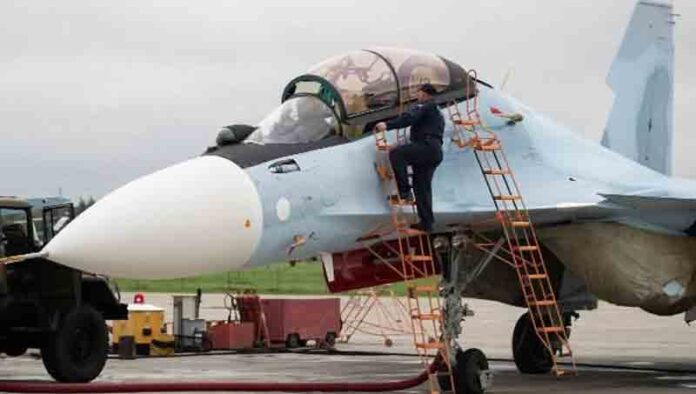
Rafale Marine [Rafale M] fighter

On April 28, 2025, India reached a significant $7.5 billion agreement with France to purchase 26 Rafale Marine (Rafale M) fighter jets for its navy, representing the largest defense contract between the two countries to date.

The contract, signed in New Delhi, aims to enhance India’s maritime air capabilities by equipping its aircraft carriers, INS Vikrant and INS Vikramaditya, with advanced multirole fighters to address increasing regional threats, particularly from China’s growing naval presence in the Indian Ocean.

However, the deal’s substantial cost—approximately $288 million per aircraft—has raised questions about the cost-effectiveness of investing in a fourth-generation platform when fifth-generation options like the U.S.-made F-35C are available at similar or lower prices.

The Rafale M, a naval variant of the Rafale fighter developed by Dassault Aviation in France, is specifically designed for carrier operations. The agreement includes 22 single-seat jets tailored for deployment on India’s aircraft carriers and four twin-seat trainer variants intended for land-based use. Additionally, the package covers weapons, simulators, crew training, and a five-year performance-based logistics support program, along with technology transfers to aid India’s pursuit of defense self-reliance. Deliveries are anticipated to commence in mid-2028, with the complete order expected to be fulfilled by 2030, as stated by India’s Ministry of Defense.

This deal follows a 2016 contract for 36 Rafale jets for the Indian Air Force, which cost nearly $8 billion, highlighting India’s increasing dependence on French military equipment. India’s choice to acquire the Rafale M is driven by the pressing need to upgrade its naval aviation capabilities. The Indian Navy currently operates a fleet of 40 Russian-made MiG-29K jets, which were inducted between 2009 and 2014 at a cost of $2 billion.

The aircraft stationed on INS Vikrant and INS Vikramaditya have faced significant challenges, including low serviceability, technical difficulties, and supply chain issues worsened by the ongoing conflict in Ukraine. Retired Admiral Arun Prakash, former Chief of Naval Staff, noted in an NDTV interview, ‘Currently, we have the MiG-29K, which is nearly 15 years old, and the country of origin is at war, making it difficult to provide operational support.’

The Rafale M, chosen over the U.S.-made F/A-18 Super Hornet after thorough trials in 2022, offers logistical compatibility with the Indian Air Force’s Rafale fleet, facilitating maintenance and spare parts management. This advanced 4.5-generation multirole fighter excels in air superiority, precision strikes, anti-ship operations, and reconnaissance missions. Equipped with two Safran M88-2 engines, each producing 16,860 pounds of thrust, the Rafale M can reach a maximum speed of Mach 1.8 and has a combat range exceeding 1,850 kilometers with external fuel tanks.

Its reinforced landing gear, folding wings, and tailhook allow it to operate from Short Take-Off But Arrested Recovery (STOBAR) carriers like INS Vikrant, which necessitates modifications for the Rafale’s larger wingspan. The aircraft features an active electronically scanned array (AESA) radar for improved detection and tracking, while the Spectra electronic warfare system offers strong protection against missile threats. The Rafale M is armed with advanced munitions, including the Meteor air-to-air missile with a range of 120-150 kilometers, the Exocet AM39 anti-ship missile, and the SCALP cruise missile for precise ground attacks.

Additionally, India has ensured the integration of domestic weapons, such as the Astra Mk1 air-to-air missile and Rudram anti-radiation missile, in line with its ‘Make in India’ initiative. However, the deal’s cost is under intense scrutiny, with the Rafale M priced at $288 million per aircraft, making it one of the most expensive fighter jets ever sold, exceeding the price of many fifth-generation models.

The U.S. Navy’s F-35C, a stealthy carrier-based fighter, has a base price ranging from $120 to $150 million, with fully equipped models potentially costing between $200 and $250 million. In comparison, the Boeing F/A-18 Super Hornet, which competes directly with the Rafale M in India’s selection process, is priced at approximately $70 to $100 million per unit. Meanwhile, Russia’s Su-35, a land-based 4.5-generation fighter, is estimated to cost around $85 million.

The Rafale M’s high price tag, estimated between $100 and $120 million per unit, encompasses not just the aircraft but also a comprehensive package that includes armaments, spare parts, training, and infrastructure. Furthermore, India’s agreement includes technology transfers, such as the establishment of a Rafale fuselage production facility and maintenance, repair, and overhaul centers for engines, sensors, and weapons, which contribute to the overall cost.

India’s strategic considerations are influenced by regional security dynamics, particularly the increasing naval assertiveness of China. China currently operates three aircraft carriers—Liaoning, Shandong, and the advanced Fujian—and has plans for further expansion. Its carrier-based J-15 fighters, while lacking stealth capabilities, number nearly 60, alongside fourth-generation J-11 jets. Additionally, China’s military base in Djibouti and logistical facilities in Pakistan enhance its operational reach in the Indian Ocean, prompting India to bolster its maritime deterrence.

Admiral Prakash remarked to NDTV that the absence of a Chinese task force in Indian waters is due to their lack of air cover, cautioning that the deployment of carriers with integrated air wings could soon pose a challenge to India’s regional supremacy.

The Rafale M, equipped with long-range weapons and advanced avionics, is regarded as a vital asset for projecting power and securing essential sea lanes in the Indo-Pacific. France’s involvement in the deal transcends mere commerce, indicating a broader geopolitical alignment, and builds upon decades of defense collaboration, from India’s acquisition of Mirage 2000 jets in the 1980s to Scorpene-class submarines.

French President Emmanuel Macron’s initiative for European defense independence has established the Rafale as a strategic alternative to U.S.-led platforms such as the F-35, attracting countries cautious about excessive dependence on American or Chinese technology. Dassault Aviation, with limited domestic orders, depends on lucrative export contracts to maintain production levels. In 2024, the company secured agreements with Indonesia for 18 Rafales and Serbia for 12, while the United Arab Emirates finalized a $19 billion contract for 80 aircraft in 2021.

The Indian agreement, signed by Dassault CEO Eric Trappier and Indian Joint Secretary Dinesh Kumar, includes offset provisions mandating that 50% of the contract value—around $3.75 billion—be reinvested in India, enhancing local defense manufacturing. The Rafale program has historically been integral to France’s defense strategy. Launched in 2001, the Rafale was intended to replace aging French aircraft such as the F-8 Crusader and Mirage 2000. The naval variant, Rafale M, first deployed on the Charles de Gaulle carrier, has participated in operations in Afghanistan, Libya, and Syria, demonstrating its adaptability in high-stakes missions.

India’s acquisition of the Rafale commenced with the contentious 2016 agreement for 36 air force jets, which faced corruption allegations but was validated by India’s Supreme Court in 2019. The navy’s choice of the Rafale M in July 2023, after trials at INS Hansa in Goa, represented the first export order for the naval variant, a significant achievement for Dassault. The company aims to increase production to three aircraft per month by 2025, rising to four by 2028, to satisfy the escalating global demand.

Although the Rafale M’s technological features are noteworthy, they do not meet fifth-generation criteria. In contrast to the F-35C, which offers stealth, sensor fusion, and network-centric warfare capabilities, the Rafale M utilizes advanced avionics and electronic warfare systems to offset its absence of low-observable characteristics.

The open software architecture facilitates upgrades, including enhanced radar warning receivers and low-band jammers requested by India; however, the airframe, dating back to the 1990s, restricts its flexibility compared to more modern designs.

Meanwhile, China’s FC-31, a stealth fighter currently in development for potential carrier operations, remains untested but could pose a challenge to the Rafale M’s significance in the region by the 2030s. India’s Twin-Engine Deck-Based Fighter (TEDBF), a 4.5-generation initiative, is still at least ten years away from becoming operational, positioning the Rafale M as a temporary solution.

The financial implications of the deal have led to comparisons with other investment options. For $7.5 billion, India could have opted for a larger fleet of F/A-18 Super Hornets or expedited the development of domestic platforms like the TEDBF or the fifth-generation Advanced Medium Combat Aircraft (AMCA) for the Air Force. Choosing the Rafale M reflects a compromise between immediate operational requirements and long-term strategic objectives.

By 2030, India is set to operate 62 Rafales—36 for the Air Force and 26 for the Navy—improving interoperability through shared logistics and “buddy-buddy” aerial refueling systems. The incorporation of indigenous weapons and local production aligns with Prime Minister Narendra Modi’s “Aatmanirbhar Bharat” initiative, which could generate thousands of jobs and foster collaborations with Indian companies such as Reliance Group, which established a joint venture with Dassault in 2016.

This deal illustrates the intricacies of the global arms market. While the U.S. maintains its leading F-35 program as the standard for advanced fighters, France’s ability to secure lucrative contracts emphasizes the attractiveness of non-American options for countries pursuing strategic independence.

The price of the Rafale M, though high, encompasses not just the aircraft itself but also a thorough support package that guarantees operational readiness. This deal has broader implications, indicating France’s increasing influence in the Indo-Pacific region and posing a challenge to U.S. supremacy in the high-end defense sector.

As India enhances its naval capabilities, it raises the question of whether the Rafale M’s expense is warranted by its strategic significance or if it merely reflects a premium for geopolitical alignment. In a time characterized by drones, artificial intelligence, and the advent of sixth-generation fighters, is India making a sound investment in a future-proof asset or merely a costly step towards its next-generation goals?

Israeli government has approved an escalation of military operations in Gaza, reports Kan

0
Buildings lie in ruin in Beit Hanoun in the Gaza Strip, amid the ongoing conflict between Israel and Hamas, as seen from southern Israel.

The security cabinet of Israeli Prime Minister Benjamin Netanyahu has sanctioned a phased escalation of military actions against the Palestinian militant group Hamas in Gaza, as reported by Israeli public broadcaster Kan on Monday, citing informed sources.

The Israeli Defense Forces have commenced issuing numerous call-up orders for reserve personnel, aiming to intensify the Gaza operation, stated army chief Lieutenant General Eyal Zamir in a Sunday announcement.

In a video message shared on X shortly after a missile from the Iranian-aligned Houthi militia landed near Israel’s primary airport, Ben Gurion, Netanyahu indicated that he was gathering the security cabinet to deliberate on ‘the next phase’ of the conflict in Gaza. ‘We are amplifying the pressure with the objective of securing the release of our hostages and defeating Hamas,’

Zamir conveyed to the troops, as per the army’s statement. Israel resumed ground operations in Gaza in March following the breakdown of a U.S.-backed ceasefire that had paused hostilities for two months.

The security cabinet also ratified a new strategy for aid distribution in Gaza, according to Israel’s Ynet news site on Monday, although the timeline for delivering supplies to the region remains uncertain.

Israel currently controls approximately one-third of Gaza’s land and is facing increasing international calls to lift the aid blockade imposed in March. The Israeli government has justified the blockade by alleging that Hamas has appropriated humanitarian aid meant for civilians for its own combatants or sold it, accusations that Hamas has refuted.

Israel initiated its military campaign in Gaza in response to the Hamas assault on October 7, 2023, which resulted in 1,200 fatalities, according to Israeli figures, and led to 251 individuals being taken hostage, marking the deadliest day in Israel’s history. The ongoing campaign has resulted in over 52,000 Palestinian deaths, as reported by local health officials, and has devastated the Gaza Strip, leaving its 2.3 million residents reliant on rapidly diminishing aid supplies due to the blockade.


Ukrainian President Zelenskiy said in Prague that a ceasefire could happen anytime

0
Ukraine's President Volodymyr Zelenskiy gives a press conference in Kyiv, Ukraine, on February 19, 2025, amid the Russian attack on Ukraine.

Ukrainian President Volodymyr Zelenskiy stated on Sunday that a ceasefire with Russia, amidst the ongoing conflict that has lasted over three years, could be achieved at any moment. He urged Kyiv’s allies to intensify their pressure on Moscow to implement this measure.

During a joint press conference in Prague with Czech President Petr Pavel, Zelenskiy emphasized that without increased pressure, Kremlin leader Vladimir Putin would not take significant actions to resolve the conflict. ‘We believe that without heightened pressure, Russia will not make genuine efforts to conclude the war. Today marks the 54th day that Russia has disregarded even the American proposal for a complete ceasefire,’ Zelenskiy informed the media. ‘We are convinced that a ceasefire could be established at any moment, potentially starting today, and should last for at least 30 days to provide diplomacy a genuine opportunity.’

Last week, Putin announced a three-day ceasefire from May 8-10 to commemorate the 80th anniversary of the Soviet Union’s victory over Nazi Germany in World War II. Zelenskiy dismissed this measure as ineffective and instead advocated for an unconditional ceasefire lasting at least 30 days, aligning with a U.S. proposal introduced in March.

The Czech government has been a staunch supporter of Kyiv since Russia’s invasion of Ukraine in 2022 and has spearheaded efforts to provide Ukraine with large-caliber ammunition.

Zelenskiy wants more sanctions against Russia

The President of Ukraine stated that instead of showcasing tanks during the May 9 victory parade, Putin should focus on finding a resolution to his war. He emphasized the need for three key actions: increased sanctions against Russia, ongoing support for Ukraine, and a substantial boost in defense collaboration across Europe. He asserted that Russia must understand that Europeans are prepared to defend themselves.

Moscow has requested a clear response from Zelenskiy regarding its three-day proposal. Pavel noted that Russia has not yet demonstrated a willingness to take steps towards ending the conflict. He remarked that President Putin holds the power to conclude the war with a single decision, but that determination has not yet been evident.

Under a military initiative, the Czech Republic has leveraged its diplomatic, business, and industrial capabilities to source large-caliber ammunition globally and deliver it to Ukraine, funded by NATO allies. Pavel mentioned that Ukraine received 1.6 million rounds of large-caliber ammunition over the past year, with hopes of acquiring 1.8 million shells through the initiative in 2025.

In a previous social media update, Zelenskiy commended the initiative as ‘effective’ and indicated that military aviation cooperation would also be enhanced, including expanded pilot training programs and support for Ukraine’s F-16 fleet.

Accompanied by First Lady Olena Zelenska, Zelenskiy is set to meet Czech Prime Minister Petr Fiala on Monday, with the Czech ammunition initiative being a key discussion point.

On Saturday, the Ukrainian leader shared on X that he was preparing for upcoming foreign policy discussions aimed at encouraging Russia towards a ceasefire. He also mentioned conversations about air defense systems and sanctions on Russia with U.S. President Donald Trump during the Pope Francis funeral at the Vatican on April 26, where they agreed that a 30-day ceasefire would be an appropriate initial step towards resolving the conflict.

Pakistan’s J-10C impresses by outmaneuvering India’s Rafale through advanced electronic jamming techniques

0
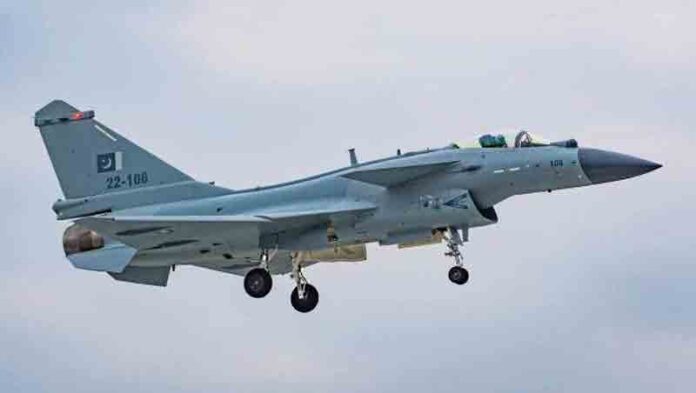
Pakistani Air Force's Chengdu J-10C fighter

Pakistan’s Defense Minister Khawaja Asif asserted that on the night of April 29-30, four Indian Air Force Rafale fighter jets were electronically jammed by Pakistani forces near the Line of Control (LoC) in the contested Kashmir region, compelling them to retreat and make emergency landings in Srinagar.

As reported on X, citing Asif’s remarks, the Pakistani Air Force utilized its Chinese-manufactured Chengdu J-10C fighters, supported by sophisticated electronic warfare systems, to interfere with the Rafales’ radar and communication capabilities. Although India has not verified this incident, it has ignited a vigorous discussion regarding the advancements in China’s military technology and its ability to rival Western-designed systems such as the French Rafale.

While the claim remains unconfirmed and may be viewed as propaganda, it prompts essential inquiries into the changing dynamics of aerial combat and the increasing complexity of electronic countermeasures. This reported event unfolded amid escalating tensions between the two nuclear-armed nations, following a terrorist attack on April 22 in Pahalgam, Kashmir, which resulted in the deaths of 26 tourists, predominantly Indian citizens. India has accused Pakistan of orchestrating the attack, a claim that Islamabad has strongly refuted, as both countries engaged in diplomatic and military maneuvers, including cross-border clashes along the LoC.

Pakistan’s state media, including PTV News, indicated that its air force detected and pursued Indian Rafale jets conducting reconnaissance near the LoC, forcing them to ‘retreat in panic.’ Asif’s claim, supported by reports from outlets like Clash Report, further alleges that Pakistan’s electronic warfare capabilities incapacitated the Rafales’ advanced systems, a development that, if accurate, would represent a notable technological milestone for Pakistan and its Chinese-supplied military assets.

Equipped with a Chinese WS-10B turbofan engine, the J-10C achieves speeds of Mach 1.8 and has an operational range of about 1,250 miles when utilizing external fuel tanks. Its active electronically scanned array (AESA) radar, thought to be a variant of the KLJ-10, enhances target detection and tracking capabilities. The aircraft carries a combination of air-to-air and air-to-ground munitions, including the long-range PL-15 missile, which has a range exceeding 120 miles, and the PL-10, a short-range missile featuring advanced infrared homing technology.

Pakistan’s announcement in December 2021 regarding the acquisition of at least 25 J-10C fighters was explicitly positioned as a response to India’s Rafale program, highlighting the strategic competition that fuels technological progress in the region. A distinguishing feature of the J-10C is its reported incorporation of advanced electronic warfare systems, which Asif claims were utilized to disrupt Rafale jets.

Although specific information about the J-10C’s electronic warfare capabilities is limited due to China’s secretive military technology policies, defense analysts speculate that it may include systems akin to the KG300G or KG600, which are Chinese-developed jammers capable of interfering with enemy radar and communication systems. These systems might utilize digital radio frequency memory (DRFM) techniques, enabling them to capture and manipulate incoming radar signals, thereby creating false targets or overwhelming an adversary’s sensors. Such capabilities would be essential in countering the Rafale’s advanced defenses, particularly its SPECTRA electronic warfare system, designed to shield the aircraft from a variety of threats.

The Dassault Rafale, which has been in service with the Indian Air Force since 2020, is a versatile twin-engine multirole fighter celebrated for its advanced technology. Equipped with two Snecma M88-2 engines, the Rafale can reach a maximum speed of Mach 1.8 and has an operational range of approximately 2,300 miles. Its Thales RBE2 AESA radar provides exceptional situational awareness, allowing it to track multiple targets over long distances simultaneously.

The aircraft is armed with the Meteor beyond-visual-range air-to-air missile, boasting a range of over 90 miles, as well as the MICA missile for close-range combat. The Rafale jets stationed at Ambala and Hasimara air bases feature India-specific modifications, such as helmet-mounted displays and the capability to carry the BrahMos supersonic cruise missile, a precision strike weapon developed in collaboration with Russia. The integration of these aircraft into India’s network-centric warfare systems significantly boosts their combat capabilities, enabling real-time data sharing with other platforms.

A key element of the Rafale’s survivability is its SPECTRA system, created by Thales and MBDA. SPECTRA, which stands for Système de Protection et d’Évitement des Conduites de Tir du Rafale, is an advanced electronic warfare suite that incorporates both active and passive sensors, jammers, and decoy dispensers to detect, assess, and counter threats.

The system employs sophisticated algorithms to detect incoming radar and missile signals, utilizing countermeasures like chaff, flares, or directed jamming to mislead enemy sensors. SPECTRA’s active cancellation technology, a closely guarded secret, is thought to produce customized electromagnetic signals that obscure the Rafale’s radar signature, making detection more challenging. This system has received acclaim for its effectiveness against advanced threats, including Russian and Chinese radar systems, and is regarded as one of the most sophisticated electronic warfare suites available on any fighter jet today.

Pakistan’s assertion that its J-10C fighters disrupted SPECTRA is remarkable, as it implies a level of technological capability that questions the Rafale’s status as a nearly invulnerable platform. Electronic warfare entails the use of electromagnetic signals to impair an adversary’s sensors, communications, or navigation systems, often through jamming or deception. For Pakistan to have effectively jammed the Rafale, its forces would have needed to either overpower or outsmart SPECTRA’s countermeasures, a feat that demands precise coordination and advanced technology.

While the onboard jammers of the J-10C could contribute, experts suggest that Pakistan might have utilized ground-based electronic warfare systems, potentially supplied by China, to enhance its aerial capabilities. These systems could generate high-powered signals to overwhelm the Rafale’s sensors, possibly leading to temporary disruptions in its radar and communication operations. The credibility of Pakistan’s claim depends on various factors. Although the J-10C is advanced, it is a relatively new platform with limited combat experience compared to the Rafale, which has participated in conflicts in Libya, Mali, and Syria.

China has significantly increased its investment in electronic warfare in recent years, motivated by its goal to bridge the technological divide with Western nations. Systems such as the KG600, utilized on various Chinese aircraft, are engineered to disrupt radar frequencies over a broad range, which could impact AESA radars like the Rafale’s RBE2.

However, to effectively counter SPECTRA’s adaptive jamming and active cancellation capabilities, a highly advanced and precise strategy would be necessary, potentially involving real-time signal analysis and substantial power output. In the absence of independent verification, such as satellite imagery or intercepted communications, these claims remain conjectural, and India’s reticence on the issue may indicate a strategic choice to prevent escalation or an admission of a minor operational challenge.

If the incident is accurate, it would not be the first instance where electronic warfare has significantly influenced modern aerial confrontations. During the 2019 Balakot airstrike, for instance, India’s Mirage 2000 jets allegedly employed electronic countermeasures to evade Pakistani radar, while Pakistan’s F-16s and JF-17s engaged in a dogfight that led to the downing of an Indian MiG-21. Electronic warfare has emerged as a vital aspect of military strategy, with countries like the United States, Russia, and China making substantial investments in systems to achieve dominance in the electromagnetic spectrum.

The U.S. Navy’s EA-18G Growler, for example, is a specialized electronic warfare aircraft outfitted with the ALQ-249 Next Generation Jammer, capable of disrupting enemy radar and communications over extensive distances. Meanwhile, Russia’s Su-35 fighters utilize the Khibiny electronic warfare pod to generate protective jamming zones around their aircraft. China’s progress, as potentially illustrated by the J-10C, indicates it is making strides, utilizing its expanding industrial capabilities to create cost-effective systems that pose a challenge to pricier Western platforms.

Historically, both India and Pakistan have utilized their air forces as crucial tools for projecting power along the Line of Control (LoC). The Kargil War in 1999 featured limited yet intense aerial confrontations, with India deploying MiG-29s and Mirage 2000s to strike Pakistani positions. Pakistan’s F-16s, obtained from the United States in the 1980s, have been a staple of its air force, but the introduction of the J-10C in 2022 signifies a shift towards Chinese technology reliance. This transition mirrors broader geopolitical trends, as Pakistan strengthens its military collaboration with China through initiatives like the Belt and Road Initiative.

The deployment of the J-10C in Pakistan acts as a testing ground for Chinese military equipment, yielding critical performance data against advanced opponents such as the Rafale. For India, acquiring the Rafale was a strategic decision aimed at countering threats from both Pakistan and China, particularly given the long-term risk posed by China’s J-20 stealth fighters along the Line of Actual Control in Ladakh.

The alleged Rafale incident, whether true or exaggerated, fits into a broader pattern of psychological and informational warfare, where assertions of technological superiority are used to enhance domestic morale and deter adversaries.

Asif’s remarks, amplified by platforms such as X, may projecting strength to both domestic and international audiences while pressuring India to de-escalate. For the United States, this incident has implications that extend beyond South Asia. China’s increasing capability to produce competitive military systems, exemplified by the J-10C, poses a challenge to the supremacy of Western defense industries, which provide platforms like the F-35 and Rafale to allies globally.

The U.S., operating over 450 F-35 stealth fighters, depends on advanced electronic warfare technologies to sustain air superiority. Systems like the EA-18G Growler and the F-35’s AN/ASQ-239 Barracuda are designed to counter threats from Chinese jammers, but the rapid spread of such technology to countries like Pakistan raises concerns about the global power balance. Furthermore, Pakistan’s adoption of Chinese systems could encourage other nations, especially in the Middle East and Africa, to favor Chinese arms over Western options, affecting U.S. defense exports.

The absence of independent verification complicates the assessment of Pakistan’s claim, yet its implications are significant. If the J-10C did indeed interfere with Rafale’s systems, it would indicate a significant advancement in Chinese aerospace technology, potentially altering perceptions of its reliability and effectiveness.

Regardless of the accuracy of the claim, it highlights the increasing significance of electronic warfare in contemporary conflicts, where mastery of the electromagnetic spectrum can be as crucial as conventional weaponry. This situation also emphasizes the difficulties in verifying information in a time of swift data sharing, where platforms like X can magnify unverified reports, influencing narratives before the truth is known.

For India, this may lead to a reevaluation of the Rafale’s operational procedures and maintenance protocols, ensuring its capabilities are fortified against new threats. For Pakistan, the reported effectiveness of the J-10C, whether genuine or not, enhances its strategic alliance with China, solidifying its position as a significant partner in Beijing’s geopolitical strategies.

For the international defense sector, this incident acts as a crucial reminder: the disparity between Western and Chinese military capabilities is diminishing, and future confrontations may depend on the ability to control the unseen domain of electronic warfare. Is this a pivotal moment in the competition for aerial dominance, or simply another episode in the ongoing saga of unverified assertions between India and Pakistan? Only time, and possibly declassified documents, will reveal the truth.

Xi Jinping will visit Russia for Victory Day celebrations and talks with Putin

0
Chinese President Xi Jinping

Chinese President Xi Jinping is scheduled to visit Russia from May 7 to 10 to take part in the 80th anniversary celebrations of the defeat of Nazi Germany, as announced by the Kremlin on Sunday. According to a statement on Telegram, Xi will engage in discussions with Russian President Vladimir Putin regarding the advancement of their strategic partnership and the signing of several agreements.

The Kremlin noted that the talks will cover key topics related to the ongoing development of their comprehensive partnership and strategic cooperation, along with pressing international and regional issues.

The Soviet Union suffered 27 million casualties during World War II but successfully repelled Nazi forces to Berlin, where Hitler took his own life and the red Soviet Victory Banner was hoisted over the Reichstag in 1945.

Other national leaders, including the presidents of Brazil and Serbia, as well as the prime minister of Slovakia, are also expected to attend the celebrations. Putin has suggested a three-day ceasefire with Ukraine coinciding with the May 9 festivities, which hold significant importance in the Russian calendar.

In response to Moscow’s ceasefire proposal, Ukrainian President Volodymyr Zelenskiy expressed willingness to agree, provided the ceasefire lasts for 30 days, a duration Putin has dismissed for the immediate future, emphasizing his desire for a long-term resolution rather than a temporary halt.

Zelenskiy has stated that, due to the ongoing conflict with Russia, Ukraine cannot ensure the safety of any foreign dignitaries attending the traditional May 9 victory parade in Moscow. In recent weeks, Zelenskiy has intensified his criticism of China, accusing it of supplying weapons and gunpowder to Russia. Russian state news agency RIA reported that in a documentary commemorating 25 years since his initial inauguration as president, Putin described Russia’s relationship with China as ‘truly strategic in nature and deeply rooted.’


NGO claims Malta is blocking a Gaza-bound aid vessel targeted by drones

0
The damaged Gaza Freedom Flotilla vessel "Conscience" is anchored at sea outside Maltese territorial waters, after it was bombed by drones while carrying humanitarian aid to Gaza.

On Sunday, an international NGO accused Malta of obstructing access to a humanitarian aid ship bound for Gaza, which it claims was attacked by two drones two days earlier. Malta refuted this allegation, stating that the crew had declined assistance.

The Freedom Flotilla Coalition, the NGO in question, attributed the incident to Israel, which has imposed a blockade on Gaza amid its conflict with Palestinian Hamas militants. Israel has not yet responded to inquiries for comment.

According to the NGO, the ship named Conscience, operated by the coalition, sustained damage to its bow and experienced a loss of power after being struck just outside Maltese territorial waters in the southern Mediterranean. The vessel was poised to embark with approximately 30 peace activists from various countries to deliver food and medical supplies to Gaza.

The NGO reported that volunteers from 13 nations attempting to reach the ship from Malta on Friday and Saturday were intercepted by the Maltese military, which compelled them to return to Malta under the threat of arrest. ‘The humanitarian ship Conscience has been stranded in international waters since it was attacked by two drones in the early hours of May 2,’ the coalition stated.

They also claimed that Maltese authorities had barred the ship from entering port to conduct repairs and assist four individuals on board who reportedly sustained cuts and burns from the drone strike, marking the first report of injuries.

Prime Minister Robert Abela asserted that Malta was still offering support to the ship, but emphasized the need to ensure Malta’s security. He noted that the ship’s captain continued to refuse entry to a surveyor and Maltese police. Abela stated that once it was confirmed that the ship’s cargo was exclusively humanitarian, Malta would facilitate the necessary repairs for it to proceed to Gaza.

Malta has consistently supported Palestinian causes and recently admitted several injured children from Gaza for medical care.

In 2010, another NGO vessel on a comparable mission to Gaza was intercepted and boarded by Israeli forces, resulting in the deaths of nine activists. Other vessels on similar missions have also been intercepted without fatalities.

Following the incident near Malta, Hamas condemned Israel, labeling the actions as ‘piracy’ and ‘state terrorism.’ The Maltese authorities reported that they provided assistance to the ship and its crew in the early morning hours after the attack was reported, with a nearby tugboat aiding in extinguishing fires.

Sheinbaum stated that she declined Trump’s proposal to deploy troops to Mexico

0
Mexico's President Claudia Sheinbaum

On Saturday, Mexican President Claudia Sheinbaum stated that U.S. President Donald Trump had suggested deploying U.S. troops to Mexico to address drug trafficking, a proposal she firmly declined, asserting that ‘sovereignty is not for sale.’

Sheinbaum’s remarks followed inquiries regarding a Wall Street Journal article from May 2, which indicated that Trump was urging Mexico to permit increased U.S. military involvement against drug cartels to tackle trafficking across their shared border.

‘During one of our conversations, (Trump) asked, ‘How can we assist you in fighting drug trafficking? I propose that the U.S. Army come in to help you,” Sheinbaum recounted at a university event near the capital. ‘And my response was clear: No, President Trump, our territory is sacred, sovereignty is sacred, sovereignty cannot be bought, sovereignty is cherished and defended,’ she emphasized, noting that while collaboration between the two nations is possible, ‘we will never accept the presence of U.S. military forces on our soil.’

A spokesperson for the U.S. National Security Council (NSC) responded to a Reuters inquiry, stating that Trump had been ‘crystal clear that Mexico must enhance its efforts against these gangs and cartels, and the United States is prepared to assist and strengthen the already close cooperation between our two nations.’

The spokesperson also mentioned that Trump had collaborated closely with Sheinbaum to establish ‘the most secure southwest border in history,’ but acknowledged that ‘dangerous foreign terrorist organizations continue to pose a threat to our mutual security, and the drugs and crime they propagate endanger American communities nationwide,’ the spokesperson added.

The White House did not provide an immediate response to Reuters’ inquiry regarding whether Trump had discussed troop deployments with Sheinbaum.

Trump has publicly stated that the U.S. would consider unilateral military intervention if Mexico does not take action against drug cartels. In recent months, the two leaders have engaged in multiple discussions regarding security, trade, and immigration.

Sheinbaum mentioned that during one of these discussions, she requested Trump’s assistance in preventing the flow of weapons from the U.S. into Mexico, which contribute to violence and trafficking. ‘We can collaborate and work together, but you can address it in your territory while we handle it in ours,’ Sheinbaum remarked.

According to a report from The Wall Street Journal on Friday, tensions escalated during an April 16 phone call when Trump advocated for a prominent role of U.S. armed forces in combating Mexican drug gangs responsible for producing and smuggling fentanyl into the U.S.

Earlier in February, the U.S. classified the Sinaloa Cartel and other Mexican drug cartels as global terrorist organizations, a designation that some analysts caution could pave the way for military action.

Additionally, the U.S. military has ramped up airborne surveillance of Mexican drug cartels as part of its intelligence-gathering efforts to effectively counter their operations. In response, Sheinbaum has proposed a constitutional amendment to enhance protections for Mexico’s national sovereignty.

Japan and India team up to create a next-gen fighter jet to rival China’s J-36

0
Global Combat Air Programme [GCAP], a collaborative project led by Japan, the United Kingdom, and Italy to build a sixth-generation combat aircraft by 2035

Japan has invited India to participate in a significant international initiative aimed at developing a next-generation fighter jet, a decision that could alter military dynamics in the Indo-Pacific region. This proposal, disclosed by a Japanese government official on April 30, 2025, aims to integrate India into the Global Combat Air Programme (GCAP), a joint project spearheaded by Japan, the United Kingdom, and Italy to create a sixth-generation combat aircraft by 2035.

The initiative intends to share the substantial financial responsibilities while enhancing security collaboration with India, a pivotal player in South Asia. This outreach highlights Japan’s strategic efforts to counter China’s expanding influence, although India’s intricate relationships with Russia and ongoing tensions with Pakistan raise concerns about the feasibility of this partnership.

Launched formally in December 2022, the GCAP is an ambitious project designed to develop a state-of-the-art fighter jet to replace aging models such as Japan’s Mitsubishi F-2, the UK’s Eurofighter Typhoon, and Italy’s Eurofighter fleet. The program brings together leading defense manufacturers—Mitsubishi Heavy Industries, BAE Systems, and Leonardo—in a mission to create an aircraft equipped with advanced stealth, artificial intelligence, and networked warfare capabilities.

With projected costs surpassing $40 billion by 2035, the financial requirements of the project have led the three nations to consider broadening their collaboration. Japan’s outreach to India, initially discussed during a government delegation’s visit to New Delhi in February 2025, reflects both economic and strategic motivations, as Tokyo aims to strengthen its relationship with a country vital to regional stability.

India’s role in the Global Combat Air Programme (GCAP) is crucial due to its expanding aerospace capabilities and strategic location. The nation has successfully developed the HAL Tejas, a lightweight multirole fighter crafted by Hindustan Aeronautics Limited. This aircraft, equipped with a General Electric F404 engine, can reach speeds of Mach 1.6, has a combat range of around 340 miles, and can carry a payload of 8,800 pounds, which includes air-to-air missiles such as the Astra and precision-guided munitions. Its adaptability has established it as a key asset for the Indian Air Force, with over 40 units currently operational and plans for an upgraded Mk2 variant.

Additionally, India has gained experience in advanced fighter programs through its partnership with Russia on the Fifth Generation Fighter Aircraft (FGFA), which is based on the Sukhoi Su-57. The Su-57 is a stealth fighter capable of reaching speeds of Mach 2 and has a range of 2,200 miles, featuring thrust-vectoring engines and sophisticated avionics.

Although India exited the FGFA project in 2018 due to issues related to technology transfer and costs, its participation highlighted New Delhi’s aspirations to excel in high-tech aviation. The GCAP fighter, which is still in the conceptual design stage, aims to establish new standards in military aviation.

In contrast to fifth-generation jets like the U.S. F-35 Lightning II, which costs approximately $110 million and is designed for multirole operations, the GCAP aircraft is intended to be a highly specialized platform focused on air superiority in contested environments. It is expected to incorporate a low-observable airframe to reduce radar visibility, advanced sensor fusion for real-time situational awareness, and a modular design to facilitate future enhancements.

The aircraft is anticipated to carry double the internal payload of the F-35A, potentially up to 10,000 pounds, including cutting-edge air-to-air missiles and directed-energy weapons.

The integration of artificial intelligence will facilitate autonomous decision-making and coordination with unmanned drones, referred to as Collaborative Combat Aircraft, thereby improving effectiveness in networked warfare. The propulsion system for these aircraft, currently being developed by Rolls-Royce, IHI Corporation, and Avio Aero, aims to achieve exceptional speed and efficiency, targeting a cruising speed that exceeds Mach 1.5.

In contrast, China’s J-20, a fifth-generation stealth fighter, can reach a maximum speed of Mach 2.5 but does not possess the networked capabilities and AI integration that GCAP plans to implement. Japan’s engagement with India occurs amid increasing geopolitical tensions in the Indo-Pacific region, which has become a central area of interest for global powers. China’s growing military presence in the South China Sea and along the Line of Actual Control with India has raised alarms among neighboring countries.

As a significant ally of the U.S. and a participant in the Quad security dialogue with the United States, Australia, and India, Japan considers India a vital partner in countering China’s influence. In recent years, the two nations have strengthened their defense collaboration through joint military exercises, such as the Dharma Guardian army drill and the Malabar naval exercise, which also involves the U.S. and Australia.

In 2024, Japan and India conducted their inaugural joint fighter jet exercise, featuring Indian Su-30MKI jets and Japanese F-15s, indicating a growing synergy in air combat capabilities. India’s involvement in GCAP could expedite its aerospace aspirations, granting access to Western technologies and decreasing its reliance on Russian arms, which currently constitute nearly 60% of its defense imports.

The Indian Air Force operates more than 250 Su-30MKI fighters, designed in Russia, and has obtained S-400 air defense systems from Moscow, showcasing the strong connections established during the Cold War. Nevertheless, New Delhi is actively working to broaden its defense collaborations by acquiring Rafale jets from France and investigating U.S. options such as the F-21, a proposed variant of the F-16. Participation in GCAP could align with India’s ‘Make in India’ initiative, which emphasizes domestic production and technology transfer, potentially allowing for local manufacturing of the GCAP fighter or its components.

Despite the strategic advantages, India’s potential participation faces considerable challenges. Japan has raised concerns regarding the security of sensitive GCAP technologies due to India’s military relations with Russia. A senior Japanese defense official, in remarks to the Indian media outlet IDRW, cautioned that technologies related to stealth, propulsion, and avionics might inadvertently be transferred to Moscow, referencing India’s use of Russian platforms like the Su-30MKI. These worries reflect Japan’s previous concerns about Saudi Arabia’s interest in joining GCAP, illustrating Tokyo’s careful stance on the program’s expansion. In a statement from January 2025, Italian Prime Minister Giorgia Meloni endorsed Saudi Arabia’s inclusion, suggesting that additional partners could help lower costs, yet Japan’s hesitations highlight the fragile trust required in multinational defense initiatives.

India’s regional situation adds further complexity to the decision-making process. The nation is embroiled in a long-standing territorial conflict with Pakistan over Kashmir, characterized by frequent military confrontations along the Line of Control. Pakistan operates a fleet of F-16s supplied by the U.S. and Chinese-designed JF-17 Thunder jets, the latter being a lightweight multirole fighter capable of reaching speeds of Mach 1.6 and possessing a combat radius of 840 miles.

India’s potential decision to join GCAP may be viewed as a threat by Islamabad, which could heighten tensions or lead Pakistan to strengthen its defense relations with China, currently developing the J-36, a tailless sixth-generation fighter concept introduced in April 2025. China’s advancing aerospace capabilities, including the J-20 and the upcoming J-36, pressure India to enhance its air force to sustain regional balance.

However, the GCAP faces its own set of challenges. In April 2025, Italy’s Defense Minister Guido Crosetto accused the UK of not sharing essential technologies, raising doubts about the program’s collaborative nature. Crosetto stated to Reuters, ‘Britain is not fully sharing technologies with Italy and Japan,’ calling on London to remove ‘barriers of selfishness.’ In response, the British Ministry of Defence highlighted GCAP as a model of international cooperation, asserting, ‘The technologies we are developing and the capabilities we are building together are at the forefront of science and engineering.’

Despite these challenges, the initiative has made strides, including the formation of the GCAP International Government Organisation (GIGO) to oversee development and a joint venture involving BAE Systems, Leonardo, and Japan Aircraft Industrial Enhancement Co. to coordinate industrial efforts.

Historically, multinational fighter jet programs have encountered considerable hurdles. The Eurofighter Typhoon, created by the UK, Germany, Italy, and Spain, faced delays and budget overruns but ultimately resulted in a capable fourth-generation jet with a maximum speed of Mach 2 and a combat range of 1,150 miles. The F-35 program, spearheaded by the U.S. with nine partner countries, has produced over 1,000 aircraft but has been criticized for its $428 billion lifecycle cost and technical challenges.

GCAP’s focus on equal partnership and technological sovereignty—permitting each nation to independently modify the aircraft—seeks to circumvent the issues experienced in previous projects like the F-35, where partners had limited control.

India’s aerospace goals reach beyond the GCAP initiative. During Aero India 2025, which took place in Bengaluru from February 10 to 14, India presented a full-scale model of its homegrown Advanced Medium Combat Aircraft (AMCA), a fifth-generation stealth fighter developed by the Aeronautical Development Agency. The AMCA, expected to weigh 25 tons and achieve a maximum speed of Mach 2.15, aims to compete with aircraft such as the F-35 and J-20, incorporating AI technologies and capabilities for manned-unmanned collaboration.

The program is anticipated to deliver a prototype by 2028, showcasing India’s commitment to self-sufficiency in defense production. However, the projected timeline and estimated cost of $15 billion for the AMCA may challenge India’s resources, making the GCAP a viable alternative for quicker access to advanced technologies. The broader ramifications of India’s potential participation in GCAP also impact the security framework of the Indo-Pacific region. The Quad has become a key element in efforts to counter China’s assertiveness, with joint military exercises and intelligence-sharing improving interoperability among its members.

A successful collaboration within GCAP could enhance the military unity of the Quad, allowing India to deploy a fighter that aligns with Japanese and Western systems. On the other hand, this could provoke reactions from China and Russia, possibly accelerating their own sixth-generation aircraft initiatives or increasing their support for Pakistan. The global defense landscape may also be influenced, as GCAP’s forecast of 350 aircraft orders by 2035 presents export opportunities for countries like Vietnam and the Philippines, which are engaged in maritime disputes with China.

From the perspective of the U.S., India’s partnership with GCAP could bolster Washington’s strategy of building alliances to counter China, although it might complicate India’s involvement in U.S.-led initiatives such as the Next Generation Air Dominance (NGAD).

The Next Generation Air Dominance (NGAD) program, featuring the F-47 stealth fighter, is projected to cost $5.72 billion by 2029 and aims to incorporate autonomous drones similar to the Global Combat Air Programme (GCAP). The United States has shown interest in GCAP, with a representative from the Trump administration promoting American participation in February 2025; however, Japan’s commitment to technological independence may restrict U.S. influence.

The invitation extended to India signifies a crucial development in the shifting security dynamics of the Indo-Pacific region. Japan’s engagement indicates an acknowledgment of India’s increasing military and economic power, alongside the necessity for collaborative efforts to tackle regional issues.

Nevertheless, the journey ahead is complicated by technological security challenges and geopolitical tensions. India’s choice will depend on its capacity to navigate domestic needs, regional conflicts, and international aspirations. As GCAP progresses towards full-scale development in 2025, with a prototype anticipated by 2027, global attention will be focused on whether India will seize this chance to influence the future of aerial warfare.

The results could reshape alliances and alter the power dynamics for years to come, but will India’s strategic decisions align with Japan’s objectives, or will prudence take precedence in New Delhi?

Newly reelected Australian government prioritizes the US-China rivalry

0
Australia's Prime Minister Anthony Albanese speaks at a Labor party election night event, after local media projected the Labor Party's victory, on the day of the Australian federal election, in Sydney, Australia.

Following its significant reelection victory, Australia‘s Labor government will focus on addressing the challenges posed by the U.S.-China trade war, as stated by Treasurer Jim Chalmers on Sunday.

The campaign raised concerns regarding U.S. trade policies and their impact on the global economy. Labor Party leader Anthony Albanese, who has become the first Australian prime minister in two decades to secure a second consecutive term, assured on Sunday that his administration would be disciplined and orderly, emphasizing that Australians voted for unity.

The centre-left Labor Party is projected to increase its parliamentary majority to at least 86 seats from 77, according to the Australian Broadcasting Corporation, despite earlier polls indicating a struggle to maintain its slim majority in the 150-seat lower house.

With approximately three-quarters of the votes counted and counting set to continue on Monday, the outcome mirrors a recent Canadian election where the conservative opposition leader, Peter Dutton, lost his seat as voters shifted their focus from cost-of-living issues to concerns over U.S. President Donald Trump’s extensive tariffs and policies.

Albanese remarked, ‘We will maintain a disciplined and orderly government in our second term, just as we did in our first,’ during a visit to a coffee shop in his Sydney electorate, a place he fondly recalled visiting with his late mother as a child.

He further stated, ‘The Australian people voted for unity rather than division.’ For nine months leading up to March, polls indicated Labor was trailing the conservative coalition amid widespread dissatisfaction with the government’s inflation management. However, the situation changed when the conservatives proposed significant cuts to the federal workforce, drawing comparisons to the Trump administration’s reductions in government agencies.

Additionally, a plan to mandate federal employees to return to the office five days a week faced criticism for being particularly unfair to women.

Trump’s tariff announcement on April 2 heightened voter anxiety, sending shockwaves through global markets and raising worries about the effects on pension funds. Despite concerns regarding Trump’s influence on the global economy, centrist politicians are not gaining traction universally.

In Britain, the populist Reform UK party, led by Nigel Farage—who considers Trump a close ally—achieved significant victories in local elections at the expense of the two major parties. Although Farage has distanced himself from Trump regarding tariffs and Ukraine, he continues to emphasize immigration issues.

In Romania, the re-run of last year’s annulled presidential election on Sunday could elevate hard-right politician George Simion, who claims alignment with Trump’s ‘Make America Great Again’ movement, to a position of power. Analysts suggest that the Trump administration’s decision on Friday to remove Romania from the U.S. visa-free travel program may strengthen Simion’s support by signaling a failure of Romania’s pro-Western government.

Treasurer Jim Chalmers remarked to the Australian Broadcasting Corp., ‘Our immediate concern is the global economic uncertainty, particularly between the U.S. and China, and its implications for us.’ He added, ‘The ongoing situation, especially between the U.S. and China, casts a significant shadow over the global economy… We must be equipped to manage this uncertainty, and we will be.’ U.S. and Chinese representatives, along with global leaders, extended their congratulations to Albanese and his party.

Secretary of State Marco Rubio stated, ‘The U.S. looks forward to strengthening its partnership with Australia to further our shared interests and promote freedom and stability in the Indo-Pacific and worldwide.’

A representative from China’s foreign ministry stated that the nation is prepared to collaborate with the newly elected Australian government to further develop a more mature, stable, and productive comprehensive strategic partnership.

Meanwhile, senior members of Australia’s conservative coalition have started to assign blame for their electoral defeat as they seek a new leader. Mark Speakman, the leader of the coalition’s primary Liberal party in New South Wales, the most populous state in Australia, emphasized the need for the party to align its values of aspiration, innovation, and opportunity with the state, particularly for women and individuals from non-English speaking backgrounds.

Kim inspects a tank factory, showcasing advancements in Korean-style tanks

0
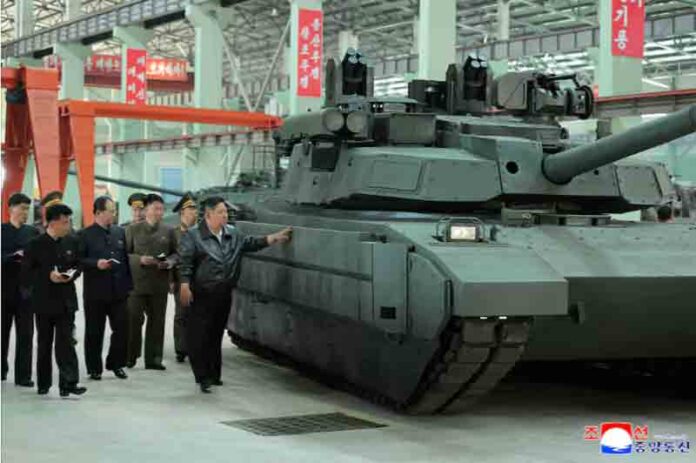
North Korea's leader Kim Jong Un touches tank armour as he tours a military equipment facility at an unspecified location in North Korea.

Kim Jong Un, the leader of North Korea, has visited a significant tank manufacturing facility and praised the advancements in the essential technology of domestically designed tanks, according to state media KCNA on Sunday.

He emphasized that the production of advanced tanks and armored vehicles is crucial for modernizing the military and achieving the ruling party’s objective of a ‘second revolution in armored forces.’

This visit occurs as part of a larger initiative to enhance North Korea’s conventional military capabilities alongside its nuclear and missile programs. Recently, Kim also participated in the launch of a new naval destroyer and the testing of new drones, among other weaponry.

South Korean and U.S. officials have expressed concerns that North Korea may be receiving technical and military assistance from Russia in exchange for supplying ammunition, missiles, and personnel for the conflict in Ukraine, although no specific details have been verified.

A missile fired from Yemen has struck close to Israel’s primary airport

0
Houthi-mobilized fighters ride atop a car in Sanaa, Yemen

On Sunday, a missile fired from Yemen struck near Ben Gurion Airport, Israel‘s primary international airport. Social media footage captured a visible plume of smoke from a passenger terminal.

The Israeli military is currently investigating the projectile’s landing, which occurred in the airport’s vicinity. A Reuters journalist present at the airport reported hearing sirens and observed passengers fleeing to safe rooms.

Several individuals at the airport shared videos taken on their smartphones, showing a distinct plume of black smoke near parked aircraft and airport structures, although Reuters has not verified these recordings.

The Israeli ambulance service reported no serious injuries; however, a man and a woman with minor injuries were transported to a hospital, and two others received treatment on-site for panic-related symptoms.

Airport officials indicated that the missile landed near a road adjacent to a Terminal 3 parking area, with one social media photo depicting debris scattered along a bend in the road. Yemen’s Houthi rebels have been targeting Israel with missiles, claiming their actions are in support of Palestinians in Gaza.

Putin expresses hope that nuclear weapons will not be necessary in Ukraine

0
Russian President Vladimir Putin attends a press conference

In comments aired on Sunday, Russian President Vladimir Putin stated that the situation has not necessitated the use of nuclear weapons in Ukraine, and he expressed hope that it will not come to that.

In a preview of an upcoming interview with Russian state television shared on Telegram, Putin asserted that Russia possesses the capability and resources to bring the conflict in Ukraine to a ‘logical conclusion.’ When asked by a state television reporter about Ukrainian attacks on Russia, Putin remarked: ‘There has been no need to use those (nuclear) weapons … and I hope they will not be required.’

He added, ‘We have sufficient strength and resources to achieve the outcome Russia desires from what began in 2022.’ In February 2022, Putin ordered a significant deployment of Russian troops into Ukraine, which the Kremlin refers to as a ‘special military operation’ against its neighbor.

Although Russian forces were pushed back from Kyiv, they currently control approximately 20% of Ukraine, particularly in the southern and eastern regions. Recently, Putin has shown a willingness to pursue a peace settlement, aligning with U.S. President Donald Trump’s desire to resolve the conflict through diplomatic efforts.

Concerns about potential nuclear escalation have influenced the considerations of U.S. officials since Russia’s invasion of Ukraine in early 2022. Former CIA Director William Burns noted that there was a genuine risk in late 2022 that Russia might resort to nuclear weapons against Ukraine.

Albanese’s victory in the Australian election is expected to enhance his position with the United States

0

Following a significant electoral victory, Australian Prime Minister Anthony Albanese is anticipated to enhance collaboration with centre-left governments in Britain and Canada, along with other democratic partners, as analysts suggest this will bolster his position in negotiations with the U.S. Albanese’s Labor Party capitalized on a voter backlash against former President Donald Trump‘s policies, achieving a comeback victory that increased his parliamentary majority, mirroring the recent reelection of Canada’s ruling party.

After his cabinet is officially sworn in, Albanese is likely to travel to Washington for talks regarding U.S. tariffs and defense issues, while also engaging with Asian and European nations to expand export markets and defense partnerships, thereby reducing dependence on the U.S. He positioned himself as a stable choice for voters amid global instability, contrasting with conservative opposition leader Peter Dutton, who faced comparisons to Trump, according to former Liberal Party strategists analyzing their defeat.

Treasurer Jim Chalmers noted on Sunday that the government faces global challenges ahead. ‘People recognized that if they wanted stability during turbulent times in the global economy, a majority Labor government was the optimal solution,’ he stated in an interview with the Australian Broadcasting Corporation.

Chalmers emphasized that his immediate priority is addressing global economic uncertainty, particularly the effects of tariff disputes between the United States, Australia’s primary security ally, and China, its largest trading partner. Analysts predict that the Labor Party will gain additional seats in parliament, further solidifying Albanese’s leverage in dealings with the White House.

‘When the world’s most powerful nation seems unpredictable and unreliable, it is prudent to diversify your alliances,’ remarked Michael Fullilove, Executive Director of the Lowy Institute, who anticipates Australia will strengthen its relationships with Canada, Britain, and other democracies across Europe and Asia.

No other nation can take the place of the United States as Australia’s primary security partner, he remarked. Although Trump’s policies are not well-received in Australia, a Lowy Institute survey indicated that 80% of Australians view the U.S. alliance as crucial for their security.

Fullilove pointed out that Albanese has yet to meet Trump face-to-face, stating, ‘It’s difficult to imagine two leaders more dissimilar.’ An ongoing count by the Australian Electoral Commission reveals that Labor has secured at least 82 out of 150 seats, thereby enhancing its majority in the House of Representatives. Arthur Sinodinos, who served as Australia’s ambassador in Washington during the negotiation of the AUKUS nuclear submarine agreement—Australia’s largest defense initiative—emphasized the necessity of having a majority government when engaging with the United States, Australia’s key ally.

Sinodinos, now a partner at The Asia Group think tank in Washington and a former Liberal minister, noted that Albanese should visit the U.S. soon to discuss trade and defense with Trump, adding, ‘Trump prefers to associate with winners.’ Sinodinos also mentioned that Albanese did not attend Trump’s inauguration to avoid potential backlash from voters prioritizing domestic issues and had been cautious not to personally criticize Trump during the election campaign.

‘He focused more on the Americanization of policy, which was clearly a subtle message to the electorate,’ he remarked. In contrast to the conservatives, Labor refrained from committing to raise defense spending to 3% of GDP during the election, despite a request from Washington, arguing that it had already pledged an additional A$50 billion over the next decade, aiming for 2.33% of GDP by 2033-34. Albanese stated during the campaign that defense spending could rise if strategic conditions warranted it.

On Sunday, Albanese mentioned that the first leader to reach out with congratulations was James Marape, the leader of Papua New Guinea. Australia has significantly enhanced its aid and security relations with this northern neighbor to prevent China from establishing a policing role, as Beijing increases its security footprint in the Pacific Islands. Leaders in the Pacific Islands, a region heavily dependent on aid, have been unsettled by Trump’s dismissive approach to climate change, which they see as a critical threat, along with the dismantling of the U.S. Agency for International Development.

Albanese also noted receiving personal messages from British Prime Minister Keir Starmer and French President Emmanuel Macron, and he was set to converse on Sunday with the leaders of Indonesia and Ukraine. ‘We will continue to support Ukraine,’ he stated.

Albanese has engaged in video conferences with the British-led ‘coalition of the willing’ and previously indicated that Australia could offer unspecified assistance to Ukraine. Ukrainian President Volodymyr Zelenskiy expressed gratitude on X on Saturday evening for Australia’s ‘principled stance on ending Russia’s war.’ Canadian Prime Minister Mark Carney also commented on X: ‘In an increasingly divided world, Canada and Australia are close partners and the most reliable of friends.’

United States has authorized the sale of advanced AIM-120C-8 missiles to Saudi Arabia

0
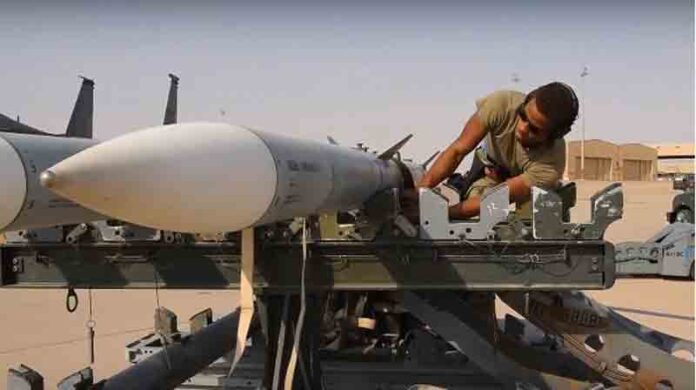
AIM-120C-8 Advanced Medium-Range Air-to-Air Missiles

The U.S. State Department has sanctioned a prospective $3.5 billion transaction for advanced air-to-air missiles to Saudi Arabia, enhancing the kingdom’s military capabilities and solidifying its strategic alliance with the United States. Announced on May 2, 2025, by the Defense Security Cooperation Agency, this agreement encompasses 1,000 AIM-120C-8 Advanced Medium-Range Air-to-Air Missiles, referred to as AMRAAMs, along with 50 additional guidance sections and a range of support equipment and services.

RTX Corporation, located in Tucson, Arizona, will be the primary contractor responsible for the production and delivery of these missiles, pending Congressional approval. This deal highlights Saudi Arabia’s commitment to modernizing its air force in a complex regional security environment while emphasizing its dependence on American defense technology to enhance its aerial superiority.

Additionally, the sale prompts considerations regarding the integration of U.S. systems with Saudi Arabia’s increasing stockpile of Chinese military equipment, a factor that may influence the kingdom’s defense strategy in the future. The AIM-120C-8 AMRAAM is the forefront of medium-range air-to-air missile technology, engineered for exceptional precision and lethality in contemporary aerial warfare.

Approximately 12 feet long and 7 inches in diameter, the missile weighs around 356 pounds and is powered by a solid-fuel rocket motor that can achieve speeds over Mach 4, or about 3,000 miles per hour. With a range of up to 180 kilometers, it represents a significant advancement over previous models, allowing pilots to engage targets from greater distances. Its guidance system combines active radar, inertial navigation, and GPS correction, enabling independent operation post-launch, a capability known as ‘fire-and-forget.’

This feature diminishes dependence on the radar of the launching aircraft, allowing pilots to target multiple threats or evade dangers. The AIM-120C-8 is equipped with a two-way data link, referred to as Link 16, which facilitates real-time trajectory updates, thereby improving its precision against agile targets. Its active radar seeker is engineered to identify stealth aircraft with minimal radar signatures, while sophisticated electronic countermeasures provide protection against jamming.

The missile is armed with an 18.1-kilogram high-explosive blast fragmentation warhead, designed to effectively neutralize enemy aircraft and drones, utilizing a proximity fuse that activates at the most advantageous moment. Developed as part of Raytheon’s Form, Fit, Function Refresh initiative, the AIM-120C-8 enhances the capabilities of its predecessor, the AIM-120C-7, incorporating significant upgrades to meet the changing requirements of aerial combat.

The C-8 variant includes 15 newly designed circuit cards in its guidance system, boosting processing capabilities and allowing for ongoing software enhancements to address new threats. In comparison to the C-7, the C-8 boasts a 50 percent increase in range, primarily due to an upgraded rocket motor and a more efficient flight trajectory supported by its GPS-assisted navigation system.

The missile’s high-angle off-boresight capability enables it to engage targets at extreme angles, providing pilots with increased maneuverability in dogfights. These improvements position the AIM-120C-8 as a powerful asset against sophisticated opponents, including those utilizing advanced electronic warfare technologies. Additionally, the missile’s design emphasizes compatibility with a broad spectrum of fighter jets, ensuring smooth integration across various air forces.

Since its launch in the early 1990s, the AMRAAM missile family has been acquired by 42 nations, achieving over 4,900 test firings and securing 13 confirmed air-to-air victories, which underscores its reliability and effectiveness in combat. The operational history of the AMRAAM series provides a solid basis for assessing its significance to Saudi Arabia.

Initially deployed by the U.S. Air Force in 1991, the missile has participated in various conflicts, including the Gulf War, where it recorded its first combat successes against Iraqi aircraft. In 2015, a Turkish F-16 utilized an AMRAAM to shoot down a Russian Su-24M in Syria, demonstrating its accuracy in critical engagements.

During the Yemen conflict, Saudi Arabia utilized earlier AMRAAM models, such as the AIM-120C-7, to intercept Houthi drones and missiles, thereby safeguarding vital infrastructure and civilian areas. The missile’s capability to target both manned and unmanned threats has established it as a flexible asset for contemporary air forces. In 2019, Pakistan’s air force reportedly deployed AIM-120C-5 missiles in a confrontation with India, successfully downing an Indian MiG-21, although claims of further kills remain unverified.

These instances illustrate AMRAAM’s established performance across various combat situations, from conventional dogfights to counter-drone missions. For Saudi Arabia, the AIM-120C-8 presents an enhanced capability to counter regional threats, including possible clashes with Iranian forces or their affiliates. The Royal Saudi Air Force, one of the largest and most sophisticated in the Middle East, is well-equipped to incorporate the AIM-120C-8 into its arsenal. The air force operates a combination of American and European fighter aircraft, with the Boeing F-15C/D Eagle and its upgraded version, the F-15SA, serving as the primary platforms for the AMRAAM.

The F-15SA, featuring the AN/APG-63(V)3 active electronically scanned array radar, excels in target detection and tracking, thereby enhancing the missile’s long-range capabilities. Its sophisticated avionics and data link systems facilitate effective communication with the AIM-120C-8, empowering pilots to engage targets beyond visual range with confidence.

Additionally, Saudi Arabia operates the Eurofighter Typhoon, a multirole fighter developed by a European consortium. The Typhoon’s CAPTOR-E radar, which is currently being upgraded to an active electronically scanned array configuration, improves its compatibility with the AIM-120C-8, allowing for accurate engagements in contested environments. The integration of these missiles with Saudi Arabia’s E-3 Sentry Airborne Warning and Control System aircraft further boosts their effectiveness, as the AWACS platforms deliver real-time situational awareness and target data to guide the missiles.

Although Saudi Arabia does not currently possess the F-35 Lightning II, the AIM-120C-8’s design for compatibility with the F-35 indicates potential future applications should the kingdom acquire the stealth fighter. The procurement of 1,000 AIM-120C-8 missiles significantly strengthens Saudi Arabia’s aerial combat capabilities, serving as a formidable deterrent against regional threats. The kingdom’s F-15 and Typhoon fleets, already outfitted with earlier AMRAAM variants, will gain from the C-8’s extended range and enhanced resistance to electronic countermeasures, enabling pilots to confront threats from greater distances and in adverse conditions.

These missiles are particularly effective against Iran’s air force, which includes aging yet capable platforms like the F-14 Tomcat and MiG-29, alongside newer systems obtained through regional partnerships. The AIM-120C-8’s proficiency in neutralizing drones and cruise missiles, as evidenced in Saudi operations against Houthi threats, addresses a rising concern in the region, where unmanned systems have become prevalent in asymmetric warfare.

By enhancing its missile arsenal, Saudi Arabia improves its capacity to safeguard vital infrastructure, including oil facilities and urban areas, which have faced missile and drone strikes in recent years. This agreement also promotes interoperability with U.S. and allied forces, enabling collaborative operations and solidifying the kingdom’s position as a crucial partner in regional security. Beyond its technical and operational aspects, the sale illustrates the wider geopolitical trends influencing the Middle East.

Saudi Arabia’s defense strategy has historically depended on American military assistance, with the United States being its main provider of advanced weaponry. The $3.5 billion agreement, while significant, aligns with earlier AMRAAM transactions with the kingdom, such as a $650 million deal in 2021 for 280 AIM-120C-7/C-8 missiles.

According to the Defense Security Cooperation Agency, that previous sale was intended to replenish Saudi Arabia’s missile inventory to address cross-border threats, particularly from Houthi forces in Yemen. The current agreement, which is considerably larger, highlights the kingdom’s dedication to preserving a qualitative advantage in air power amidst ongoing tensions with Iran and its affiliates. Iran’s advancement of sophisticated drones and ballistic missiles, along with its backing of groups like the Houthis, has intensified Saudi Arabia’s security apprehensions, leading to investments in state-of-the-art defense technologies.

The AIM-120C-8’s capability to tackle a diverse array of threats corresponds with these objectives, providing a flexible solution to both conventional and asymmetric challenges. The introduction of Chinese military equipment in Saudi Arabia complicates the situation further. In recent years, the kingdom has broadened its defense procurement, acquiring systems such as the Chinese HQ-9 air defense system and CH-4B armed drones.

The integration of American and Chinese systems presents significant technical hurdles, as their data connections and communication protocols may not align, which could hinder their effectiveness in collaborative operations. From a diplomatic standpoint, the presence of these systems could put a strain on U.S.-Saudi relations, given that Washington closely monitors technology transfers and intelligence-sharing with Beijing.

Nevertheless, the magnitude of the AIM-120C-8 sale indicates that Saudi Arabia is firmly dedicated to its alliance with the United States, considering American technology vital to its fundamental defense capabilities. The kingdom’s acquisition strategy seems to emphasize adaptability, utilizing Chinese systems for specific functions while depending on U.S. platforms for advanced air combat.

The State Department’s approval of the deal initiates a complex process, as Congress must evaluate and possibly modify the terms before the sale is finalized. Legislators may examine the transaction’s implications for regional stability, especially in light of the ongoing conflict in Yemen and concerns regarding arms proliferation in the Middle East.

The projected cost of $3.5 billion, while considerable, is a maximum estimate, and the final amount may be reduced based on negotiations and budgetary limitations. RTX Corporation, previously known as Raytheon, will be instrumental in supplying the missiles and related services, leveraging its extensive experience in producing the AMRAAM series.

The company’s Tucson facility has been a center for missile development, with recent contracts including a $1.15 billion award in 2023 for AIM-120D-3 and C-8 production. The sale also encompasses logistical support, spare parts, and training, ensuring that Saudi Arabia can effectively sustain and operate the missiles throughout their lifecycle. These services are crucial for optimizing the system’s readiness, particularly in a region where swift responses to threats are vital.

The AMRAAM has historically served as a fundamental component of U.S. and allied air forces, evolving since its initial deployment in the 1990s to adapt to the requirements of contemporary warfare. Its success has prompted competitors to create alternative systems, including Russia’s R-77 and China’s PL-15, both of which provide similar range and guidance features. Notably, the PL-15 has influenced enhancements in the AMRAAM series, leading to the development of the AIM-120D-3 and C-8 variants that incorporate improvements to compete with its capabilities.

Although the PL-15’s estimated range of 200-300 kilometers surpasses that of the AIM-120C-8, the latter benefits from advanced sensors and electronic countermeasures that offer a qualitative advantage in contested scenarios. These comparisons illustrate the global competition to create next-generation air-to-air missiles, with the AIM-260 Joint Advanced Tactical Missile, currently under development, expected to succeed the AMRAAM by the late 2020s. For Saudi Arabia, the AIM-120C-8 serves as a transitional solution to future technologies, ensuring its air force remains competitive until newer systems are introduced. The sale of AIM-120C-8 missiles to Saudi Arabia underscores the enduring U.S.-Saudi defense alliance and reflects the kingdom’s strategic considerations in a volatile region.

By equipping its air force with one of the most advanced air-to-air missiles globally, Saudi Arabia strengthens its capacity to deter threats and safeguard its national interests. The emphasis on interoperability highlights the significance of joint operations with U.S. and allied forces, a crucial element in sustaining regional stability.

However, the integration of Chinese systems raises concerns regarding the kingdom’s long-term defense strategy and its ability to navigate competing partnerships. As Congress evaluates the sale, the wider implications for security in the Middle East will become increasingly apparent.

Will this transaction reinforce Saudi Arabia’s position as a regional leader, or will it hinder its ability to maneuver in a progressively multipolar world? The outcomes may hinge on how adeptly the kingdom utilizes its new capabilities in the coming years.

US Army has retired M10 tanks and is considering deploying advanced AMPVs to Ukraine

0
M10 Booker light tank

When the world’s leading military concludes that the future of combat lies in agile and versatile platforms rather than in massive tanks, what implications does this have for global battlefields? A recent assertion from the Ukrainian online outlet Defense Express indicates that the U.S. Army‘s current transformation, which emphasizes adaptability for potential conflicts in the Pacific over conventional heavy armor, might inadvertently benefit Ukraine’s military efforts.

A report referencing a letter from Glenn Dean, the executive director of the U.S. Army’s Ground Combat Systems program, suggests that the cancellation of various armored vehicle initiatives and a reduction in others could allow Ukraine to obtain advanced systems such as the Armored Multi-Purpose Vehicle (AMPV). Although these assertions have not been verified by U.S. officials, they underscore a critical juncture in military strategy that could alter alliances and conflicts from Eastern Europe to the Indo-Pacific.

The essence of the Defense Express report, released by the Ukrainian source, centers on a letter reportedly acquired by Breaking Defense, a U.S.-based defense news outlet. This letter, attributed to Glenn Dean, purportedly details the U.S. Army’s choice to cease the development and procurement of several ground combat systems, including the M10 Booker light tank, a new self-propelled howitzer, and additional orders for vehicles such as the Humvee, Joint Light Tactical Vehicle (JLTV), and Stryker armored personnel carrier.

The report implies that these cancellations are part of a larger strategic shift aimed at preparing for warfare in the Pacific, where heavy armor is less effective for the island-hopping and rapid-deployment scenarios anticipated in a potential conflict with China. Rather than investing in these platforms, the U.S. Army is reportedly reducing production of the AMPV to a minimum sustainment level, potentially allowing Ukraine to purchase surplus units to enhance its military capabilities.

The AMPV, manufactured by BAE Systems, is a 36-ton tracked armored vehicle based on the M2 Bradley Fighting Vehicle, but it lacks the characteristic turret. It is designed to replace the outdated M113 armored personnel carrier, providing improved mobility, protection, and versatility. The AMPV is available in five configurations: a general-purpose troop carrier capable of transporting six soldiers, a medical evacuation vehicle, a medical treatment vehicle for field surgeries, a mission command vehicle for battlefield coordination, and a mortar carrier equipped with a 120mm mortar.

Its design emphasizes survivability against mines, improvised explosive devices, and direct fire, sharing a common powertrain and suspension with the Bradley and the M109A7 Paladin howitzer to facilitate maintenance and logistics. Since its full-rate production began in 2023, the AMPV has been recognized as a key element of the U.S. Army’s modernization strategy, with plans to deploy nearly 3,000 units over the next twenty years.

According to Defense Express, the U.S. Army’s decision to cut back on AMPV production may enable Ukraine to obtain these vehicles through a “backfill” arrangement, where surplus or redirected units are sold to allies. This approach is seen not just as an economic transaction but as a strategic opportunity for the U.S. to evaluate the AMPV in actual combat scenarios against Russian forces.

The report emphasizes the vehicle’s versatility, mentioning that BAE Systems has created configurations beyond the standard variants, including a counter-unmanned aerial system (C-UAS) version for drone defense and a potential infantry fighting vehicle variant with a modular turret. One configuration features the 120mm NEMO mortar system from Finland’s Patria, which offers automated loading and a firing rate of 10 rounds per minute, providing substantial firepower for mobile units.

The development of the AMPV is rooted in a significant historical context. The M113, which the AMPV is set to replace, has been a fundamental asset for U.S. and allied forces since the 1960s, participating in various conflicts from Vietnam to Iraq. However, its lightweight armor and restricted mobility revealed weaknesses in contemporary warfare, especially during urban combat in Iraq, where it faced challenges from improvised explosive devices and rocket-propelled grenades.

Initiated in 2014 with a $383 million contract awarded to BAE Systems, the AMPV program sought to rectify these issues by utilizing the proven chassis of the Bradley while integrating modern electronics, improved armor, and future technology compatibility. By 2023, the 1st Armored Brigade Combat Team of the 3rd Infantry Division had received its initial AMPVs, signifying a key advancement in the Army’s modernization of its Armored Brigade Combat Teams.

Additionally, a report from Defense Express highlights the wider implications of the U.S. Army’s transformation. The cancellation of the M10 Booker, a light tank intended to deliver mobile firepower for airborne and infantry units, indicates a reevaluation of the Army’s requirements. Designed to fill the gap between heavy tanks like the M1 Abrams and lighter vehicles, the Booker was criticized for its limited effectiveness in Pacific operations, where rapid deployment and logistical challenges favor smaller, more adaptable platforms.

As noted in a Defense One article, Alex Miller, the Army’s chief technology officer, characterized the Booker as a result of bureaucratic inertia rather than a strategic need, emphasizing that the Army was already reassessing its role prior to the cancellation announcement.

The decision to cease orders for the Humvee, JLTV, and Stryker indicates a transition towards next-generation technologies, including autonomous vehicles and hybrid-electric systems, which offer improved fuel efficiency and stealth capabilities. For Ukraine, the potential acquisition of AMPVs could significantly alter the battlefield dynamics.

Since Russia’s invasion in 2022, Ukraine has heavily depended on equipment supplied by the West, receiving over 900 M113s from U.S. reserves alone. Although the M113 has been effective as a troop transport, its weaknesses have led Ukraine to pursue more advanced platforms. The AMPV, with its superior protection and modular design, could meet these requirements, especially in countering the increasing threat posed by Russian drones.

Defense Express suggests that the C-UAS variant, which includes sensors and jammers to combat unmanned aerial threats, could safeguard Ukrainian assault groups and armored units during operations. Furthermore, the NEMO mortar variant could deliver swift and accurate fire support, a vital resource in the dynamic, high-intensity confrontations along Ukraine’s eastern front.

The U.S. Army’s shift towards the Pacific is influenced by the distinct challenges presented in that region. Unlike the expansive terrains of Eastern Europe, where heavy tanks like the Abrams thrive, operations in the Pacific necessitate forces capable of rapid deployment across extensive distances, functioning from small islands, and maintaining operations with limited logistical resources.

The cancellation of programs such as the M10 Booker and the decrease in Stryker orders reflect this new focus, as does the Army’s commitment to lighter, hybrid-electric vehicles. For instance, the Optionally Manned Fighting Vehicle (OMFV), intended to replace the Bradley, has prompted contractors like BAE Systems and General Dynamics to develop smaller, hybrid-electric designs equipped with active protection systems to defend against anti-tank missiles.

These advancements are in line with the Army’s overarching initiative towards automation and unmanned systems, exemplified by the Robotic Combat Vehicle program designed to minimize soldiers’ exposure to enemy fire. The Defense Express report also raises concerns regarding the industrial ramifications of the U.S. Army’s choices. BAE Systems, which manufactures the AMPV at its facility in York, Pennsylvania, has made significant investments to enhance production capacity, including $27 million from Ukraine’s supplemental funding and $250 million in internal resources.

A report from Breaking Defense highlighted that these investments have facilitated the acquisition of new robotic welding machines and other enhancements, allowing BAE to produce as many as 197 AMPVs each year. However, the anticipated decrease in AMPV production may jeopardize the company’s plans, especially if potential purchases from Ukraine do not come to fruition.

The report indicates that BAE is considering international markets, showcasing AMPV variants equipped with modular turrets and advanced electronics to entice buyers such as Ukraine and other NATO partners. On a global scale, the U.S. Army’s transition has ignited discussions among allies and adversaries.

NATO countries like Poland and Germany are continuing to invest in heavy armor, with Poland procuring hundreds of M1 Abrams tanks and Germany modernizing its Leopard 2 fleet. This divergence may complicate joint operations, as European forces emphasize traditional land warfare while the U.S. concentrates on expeditionary capabilities.

Meanwhile, adversaries like China are intensifying their focus on heavy platforms, with the People’s Liberation Army deploying advanced tanks such as the Type 99A, which features a 125mm smoothbore gun and active protection systems. This disparity underscores a potential imbalance: while the U.S. prioritizes flexibility, its competitors are gearing up for attrition-based warfare.

Historically, the United States has leveraged conflicts involving its allies to enhance its weaponry. In the 1970s, the deployment of American-provided M60 tanks and F-4 Phantom jets by Israel during the Yom Kippur War yielded critical insights that influenced future military designs. Likewise, the ongoing situation in Ukraine may act as a testing environment for the AMPV, especially its counter-drone and mortar models.

A report from Defense Express suggests that the practical experiences of Ukrainian forces could impact future decisions made by the U.S. Army, potentially affirming or questioning the move away from heavy armored vehicles. This situation highlights the interdependent nature of U.S. relations with its allies, where military assistance also serves as a platform for innovation. The timeline for AMPV production introduces additional complexities.

Defense Express indicates that BAE Systems has obtained contracts totaling $1.6 billion for 628 vehicles, with each unit costing around $6.9 million. The initial production goal was set at 91 units for 2024, decreasing to 81 in 2025, before increasing to 122 annually in 2026 and 2027.

However, the reported cutbacks to minimum sustainment levels may disrupt this timeline, raising concerns about the number of AMPVs Ukraine could feasibly obtain and their associated costs. The report also highlights that many of these specifics remain uncertain, including the conditions of any potential backfill agreement. While the claims made by Defense Express are compelling, they come with important caveats.

The report is based on a single letter from Glenn Dean, the details of which have not been independently verified by U.S. sources. Furthermore, Breaking Defense, which is cited as the source of the letter, has not released the full document, and U.S. Army officials have not provided comments regarding the alleged cancellations or the backfill arrangement with Ukraine.

The absence of confirmation highlights the speculative aspect of the report, particularly due to the lack of information regarding how Ukraine plans to finance or incorporate the AMPV into its military. Additionally, the U.S. Army’s transformation remains uncertain, with industry insiders voicing doubts about the extent of the proposed reductions.

From a wider viewpoint, the Defense Express report sheds light on a pivotal moment in U.S. military strategy. The move away from heavy armor signifies a daring, albeit risky, gamble on the future of warfare, where agility, stealth, and adaptability are prioritized over sheer force.

For Ukraine, the potential acquisition of AMPVs presents an exciting opportunity for improved capabilities, yet it relies on unverified commitments and intricate logistics. The success of this transformation may ultimately be tested on the battlefields of Eastern Europe, where the AMPV could encounter its first significant challenges.

As both allies and adversaries observe closely, a critical question remains: can the U.S. Army’s shift towards flexibility sustain its advantage in a landscape still characterized by armored dominance?

Kremlin calls Ukraine’s response to Putin’s ceasefire proposal unclear and demands clarity

0
A view of the Kremlin wall in central Moscow, Russia.

On Saturday, the Kremlin expressed its desire for a clear response from Ukraine regarding Russian President Vladimir Putin‘s proposal for a three-day ceasefire next week, criticizing the current reactions as vague and historically inaccurate.

Putin announced the ceasefire on Monday to commemorate the 80th anniversary of the Soviet Union and its allies’ victory over Nazi Germany in World War II. The Kremlin indicated that the ceasefire would take place from May 8 to May 10, coinciding with the May 9 parade in Moscow, where Putin will welcome international leaders, including Chinese President Xi Jinping.

Earlier on Saturday, Ukrainian President Volodymyr Zelenskiy seemed to dismiss the idea of such a short ceasefire, stating he would only agree to a ceasefire lasting a minimum of 30 days, a proposal that Putin has indicated requires significant negotiation. Zelenskiy also mentioned that, due to the ongoing conflict with Russia, Ukraine could not ensure the safety of any foreign dignitaries attending the May 9 parade in Moscow.

In response, Russia’s Foreign Ministry characterized his remarks as a threat, while Dmitry Medvedev, deputy chairman of Russia’s Security Council, warned that if Ukraine were to attack Moscow during the May 9 festivities, there would be no guarantee that Kyiv would still exist by May 10.

Kremlin spokesperson Dmitry Peskov held a special conference call following Zelenskiy’s remarks. He informed the press that Putin’s three-day proposal was a means to evaluate Kyiv’s willingness to pursue a peaceful resolution to the conflict. ‘The response from the Ukrainian government to Russia’s ceasefire initiative serves as a measure of Ukraine’s commitment to peace. We expect clear and decisive statements, along with actions that genuinely aim to reduce tensions during the public holidays,’ Peskov stated.

He accused the Ukrainian leadership of promoting ‘neo-Nazism,’ a claim that Kyiv has consistently denied as unfounded, and of failing to appropriately honor the victory over Nazi Germany. Peskov also addressed media reports regarding Ukrainian soldiers participating in World War II commemorations in Britain, labeling the act as ‘sacrilege.’

Ukraine reports the successful downing of a Russian Su-30 fighter jet using a sea drone for the first time

0
Su-30SM multirole fighter jet

Ukraine’s military intelligence agency, GUR, announced on Saturday that it successfully destroyed a Russian Su-30 fighter jet with a missile launched from a maritime drone, marking the first instance of a combat aircraft being downed by such a drone.

The incident occurred on Friday over waters near Novorossiysk, a significant Russian port city on the Black Sea, and was executed by a military intelligence unit known as Group 13. Faced with a larger and more affluent Russian military, Ukraine has increasingly relied on drone warfare both in the air and at sea during the ongoing three-year conflict.

These seaborne drones, which are smaller and more cost-effective than traditional naval vessels, have significantly disrupted Russia‘s Black Sea fleet. Additionally, Ukraine previously reported downing a Russian military helicopter in December 2024 using a missile from a similar seaborne drone.

Now a reliable partner, ‘Little Marco’ secures significant positions under Trump

0

Marco Rubio’s growing list of roles includes top diplomat, foreign aid chief, national archivist, and now national security adviser, reflecting President Donald Trump‘s increasing confidence in the former Florida senator, according to officials. On Thursday, Trump announced that his national security adviser Mike Waltz would transition to the position of UN ambassador, shortly after Waltz included a journalist from The Atlantic in a Signal chat discussing military actions against the Houthis in Yemen.

In response, Trump appointed Rubio as his interim national security aide, marking another instance of the president relying on someone he previously criticized as ‘Little Marco’ and a con artist for significant responsibilities within his administration. Rubio will oversee the council responsible for coordinating the administration’s global national security efforts.

Trump has not specified when a permanent successor will be appointed. This reshuffle occurs as the administration seeks to resolve the conflict in Ukraine, restore a failed ceasefire in Gaza, and engage in intricate nuclear negotiations with Iran, all while navigating the diplomatic repercussions of Trump’s trade war with China.

A senior U.S. official noted that Rubio has earned Trump’s trust by diligently executing the tasks assigned to him. ‘He’s done everything that Trump has asked him to do,’ the official stated, speaking on the condition of anonymity due to the sensitive nature of the topic.

NSC Spokesman Brian Hughes informed Reuters that Rubio has effectively implemented Trump’s America First agenda and is ‘well qualified’ to lead the council. A U.S. official also mentioned to Reuters that Trump is comfortable with the new arrangement of Rubio serving as both secretary of state and national security adviser for the foreseeable future. Earlier on Friday, Politico reported that Rubio is anticipated to hold both positions for at least six months.

‘He resolves it’

Initially, Rubio was dispatched to Panama to articulate Trump’s commitment to ‘reclaim’ the Panama Canal in a more diplomatic manner. Following a heated exchange with Ukrainian President Volodymyr Zelenskiy in March, Trump sent Rubio to Saudi Arabia, where he contributed to revitalizing peace efforts between Ukraine and Russia. Rubio has also been instrumental in Trump’s contentious immigration policies, securing a deal to transfer suspected gang members to a high-security facility in El Salvador and revoking numerous student visas, often targeting those involved in anti-Israel demonstrations.

Notably, Rubio has passionately supported Trump’s initiatives, even when they contradicted his earlier stances. As a U.S. Senator, he advocated for global foreign aid, yet under Trump, he has overseen the dismantling of the primary U.S. aid agency and has defended this action. During a Rose Garden event, Trump expressed gratitude for Rubio’s ‘extraordinary’ contributions, stating, ‘When I encounter an issue, I reach out to Marco; he resolves it.’

While it is not unusual for one individual to hold multiple positions simultaneously—Henry Kissinger was both Secretary of State and national security adviser in the 1970s—Rubio’s extensive responsibilities raise concerns about his ability to manage them effectively. In addition to being the U.S. chief diplomat, Rubio also oversees the U.S.

Agency for International Development and serves as the acting archivist of the United States, a role responsible for maintaining government records. ‘Each of these positions demands an extraordinary level of commitment, concentration, and energy,’ remarked a State Department official, who wished to remain anonymous for candidness. ‘Even with the best intentions, I struggle to see how one can fulfill both roles simultaneously without compromising essential duties that cannot be easily delegated.’

Tammy Bruce, spokesperson for Rubio at the State Department, stated that Rubio has a supportive team to assist him in managing both roles. ‘If anyone can accomplish this, it will be Marco Rubio.’ Key foreign policy matters are still being handled by a select group, with Trump’s Middle East envoy Steve Witkoff spearheading discussions regarding Russia, the Iran nuclear talks, and the conflict in Gaza.

‘The president has gathered an exceptionally skilled team dedicated to prioritizing America and its citizens,’ the State Department mentioned in an email response to a request for comment. ‘Secretary Rubio is eager to serve as the interim National Security Adviser while ensuring that the essential operations at the State Department proceed without disruption.’

Trump and Rubio previously exchanged sharp criticisms

During the fiercely contested 2016 Republican presidential nomination campaign, Rubio and Trump engaged in a series of confrontations. They traded insults on stage, with Trump labeling Rubio as ‘Little Marco’ and criticizing him as a ‘con artist’ for his absences in the Senate.

In response, Rubio called Trump a ‘con man’ and ridiculed him for allegedly having small hands. Rubio later explained that these remarks were part of a competitive primary, likening himself to a boxer facing an opponent. ‘It doesn’t mean you hate the guy; we were just competing for the same position,’ Rubio stated in an interview with CNN.

Following Trump’s inauguration in 2017, their relationship improved as Rubio, a Cuban American, became instrumental in advising on policies regarding Venezuela and Cuba. He played a significant role in shaping Trump’s ‘maximum pressure’ strategy against Venezuelan President Nicolas Maduro, which included sanctions on the country’s crucial energy sector, and in reversing former President Obama’s approach to Cuba.

A senior State Department official, who wished to remain anonymous, noted that Trump’s increasing dependence on Rubio stemmed from their history of collaboration and the development of both a professional and personal rapport.

A long-time supporter of traditional Republican foreign policy, which includes strong backing for Ukraine, commitment to NATO, and a tough stance on China regarding human rights, Rubio has gradually embraced Trump’s America First ideology.

At the State Department, he has dismantled an office focused on countering misinformation from Russia and China, claiming it targeted conservatives. Additionally, he has collaborated with Elon Musk’s Department of Government Efficiency to reduce funding for various programs he once endorsed as a senator and has initiated a significant restructuring that would close offices dedicated to human rights and war crimes.

Cleansing of Immigration Records

Rubio utilized his authority within the State Department to revoke the study permits of foreign students in the U.S., which included a Turkish student who penned an op-ed criticizing Israel’s actions in Gaza. During a visit to El Salvador in February, Rubio, who speaks Spanish, reached an agreement with President Nayib Bukele that resulted in the transportation of hundreds of men to the country via military aircraft, despite U.S. courts attempting to halt the deportations.

Among those deported was Kilmar Abrego Garcia, a resident of Maryland. The administration acknowledged that his deportation to El Salvador, in violation of a court order, was an error. At a Cabinet meeting on Wednesday, Rubio, who was seated next to Trump, stated that the judiciary could not compel the administration to attempt to return Abrego Garcia.

‘The conduct of our foreign policy is the responsibility of the president of the United States and the executive branch, not a judge,’ Rubio informed reporters.

Falling oil prices, how can Saudi Arabia spend more than it earns and why?

0

Oil prices have plummeted, and foreign investors are hesitant to engage with Saudi Arabia‘s ambitious megaprojects; however, the kingdom seems unfazed. According to Reuters, Saudi Arabia is conveying to oil industry insiders that it can manage with low energy prices.

Experts suggest that this is feasible because the kingdom currently enjoys a financial position that many would find enviable. Despite efforts to reduce its dependence on energy revenue, as exemplified by initiatives like Neom, oil still constitutes approximately 61 percent of Saudi Arabia’s revenue as per its 2025 budget.

The Gulf kingdom, along with other Gulf states, is among the few globally whose government revenues are heavily reliant on energy prices. This dependency is why analysts frequently refer to the term ‘break-even oil point’ when discussing the kingdom’s finances, which indicates the oil price necessary for Saudi Arabia to avoid a budget deficit or surplus.

Oxford Analytica estimates that Saudi Arabia requires oil prices exceeding $100 per barrel to balance its budget in 2025, considering the expenditures of the Public Investment Fund (PIF) on megaprojects.

However, some experts argue that this commonly cited figure requires further examination. Ellen Wald, founder of Transversal Consulting and author of Saudi Inc., asserts that ‘Saudi Arabia doesn’t need to balance its budget.’ She emphasizes that the notion of needing a specific oil price to achieve budget equilibrium does not accurately reflect the kingdom’s evolving perspective on oil pricing.

Budget deficit

Saudi Arabia is comfortable with running budget deficits, as evidenced by its 2025 budget, which anticipates a fiscal deficit of $27 billion, or 2.3 percent of GDP.

A report released in April by the Arab Gulf States Institute indicates that if oil prices average $65 per barrel in 2025, the deficit could reach approximately $56 billion, or 5.2 percent of GDP.

Analysts suggest that this may be acceptable to Riyadh for the time being. Concerns over US President Donald Trump’s tariffs potentially disrupting the global economy have contributed to a decline in oil prices.

Additionally, the possibility of an Iranian nuclear agreement lifting US sanctions on Iran could also impact prices. On Friday, Brent crude, the international benchmark, was down 1.2 percent, trading at $61.40 per barrel. A significant budget deficit can negatively affect a country’s financial health.

For instance, Trump pledged to reduce the US’s current 6.5 percent deficit to three percent during his campaign. Recently, some experts have issued dire warnings regarding the US budget deficit. However, the US holds a unique position globally as the dollar serves as the world’s reserve currency, providing a buffer for presidents from both political parties against excessive spending.

While Saudi Arabia is not the US, experts believe it also has the capacity to sustain deficits. This month, S&P Global Ratings upgraded Saudi Arabia’s credit rating to A+, aligning it with China and Japan. Furthermore, Saudi Arabia possesses a substantial financial reserve, with foreign reserves exceeding $430 billion and a debt-to-GDP ratio of only 30 percent, significantly lower than that of other emerging markets.

Debt issuance

To address its immediate financing requirements, Saudi Arabia is significantly increasing its debt issuance. In 2024, the country surpassed China to become the leading issuer of international debt in emerging markets.

Analysts predict that this trend will persist into 2025. This year, Saudi Arabia has already issued over $14 billion in debt denominated in dollars and euros, and it may be on track to double that amount by year-end, according to Tim Callen, a visiting scholar at the Arab Gulf States Institute. Callen noted last month, ‘Given Saudi Arabia’s robust fiscal position, managing a larger deficit will not pose a challenge.’

However, he added that in a lower oil price environment, lenders may demand higher interest rates for purchasing the debt compared to earlier this year. Wald expressed a similar sentiment, ‘While the Saudis would prefer to avoid debt, many others are in a similar situation. The new Saudi Arabia is capable of taking on debt.’

Public Investment Fund

Saudi Arabia faces significant financial demands, with the Public Investment Fund (PIF) playing a crucial role in the nation’s economic overhaul. This year, it has secured approximately $5 billion in debt.

However, the kingdom has had to reduce its ambitions for Neom, initially projected as a $1.5 trillion megacity. Organizers claim it will be 33 times larger than New York City and feature a 170km linear city called ‘The Line.’

Instead of the anticipated 1.5 million residents by 2030, officials now expect fewer than 300,000. By that same year, only 2.4km of the city is expected to be completed. Recently, The Financial Times reported that Neom’s CEO has initiated a ‘comprehensive review’ of the project due to ‘limited resources.’

Andrew Farrand, the Middle East director at Horizon Engage, a consultancy specializing in political risk related to energy, noted that the reductions in projects like Neom indicate an acknowledgment within the kingdom that while there is strong demand for its debt, it is not infinite. ‘Saudi Arabia is in a much stronger position than other emerging markets. They have a considerable amount of time before their debt options are exhausted, but there is a limit,’ he stated.

The kingdom’s financial situation has been affected by Trump’s tariff threats, which have created economic uncertainty impacting energy prices. Nevertheless, as Saudi Arabia seeks to engage with global debt markets, it may find opportunities in a new trade environment.

Asian investors, traditionally drawn to US treasuries as a safe investment, have been unsettled by Trump’s trade policies and the US dollar’s status. Timothy Ash, a senior emerging market sovereign strategist at RBC Bluebay, remarked, ‘There is a strong interest in Asia to invest in the Gulf states. Saudi Arabia stands to gain from Asian investors divesting from US debt.

Factors contributing to the standstill in US-Iran nuclear talks in Oman

0
Iranian Foreign Minister Abbas Araghchi gives a briefing on the sidelines of a UN event in Lisbon, Portugal.

Over the past three consecutive Saturdays, US and Iranian negotiators have convened in Oman for discussions not held since the Obama era. Iran is pursuing relief from sanctions, while the US aims to prevent Iran from enriching uranium, particularly due to Israel’s concerns that the Islamic Republic may be pursuing nuclear weapons.

However, the meeting scheduled for May 3 has been canceled. Iranian Foreign Minister Abbas Araghchi announced on X on Thursday, “In collaboration with Omani and US representatives, we have decided to delay the fourth round of talks due to logistical and technical issues. On Iran’s side, our commitment to achieving a negotiated resolution remains unchanged… Iran’s nuclear program will always be peaceful while ensuring the full respect of Iranian rights,” he stated.

Conversely, Washington challenged the notion that a meeting was ever confirmed. State Department spokesperson Tammy Bruce informed reporters on Thursday in response to Araghchi’s statement, “The United States was never confirmed to participate in a fourth round of talks anywhere. The timing and location could potentially be arranged for the near future, but we will not disclose the specifics of where or when.”

The recent tactics and tone adopted by the US likely contributed to this situation. Ryan Costello, policy director for the National Iranian American Council (NIAC), remarked, “There are concerning signs accompanying the postponement of negotiations. Reports from Iran suggest that the delay may not solely be due to logistical challenges, but rather a change in the American stance that has prompted this postponement.”

Maximum pressure

Earlier this week, the United States imposed sanctions on four Iranian petrochemical sellers and one buyer, who have reportedly amassed hundreds of millions of dollars in illegal revenue supporting Iran’s destabilizing actions, according to the announcement.

On Thursday, President Donald Trump posted a message on his TruthSocial platform stating: “ALERT: All purchases of Iranian Oil or Petrochemical products must cease immediately! Any country or individual that buys ANY AMOUNT of OIL or PETROCHEMICALS from Iran will face immediate Secondary Sanctions. They will be prohibited from conducting any business with the United States in any capacity.”

On Friday, Secretary of Defense Pete Hegseth addressed Iran on X, saying: “Message to IRAN: We are aware of your LETHAL support for The Houthis. We understand your actions clearly. You are fully aware of the capabilities of the U.S. Military — and you have been warned. You will face the CONSEQUENCES at a time and place of our choosing.”

For 49 consecutive days, the U.S. has targeted over 1,000 sites in Yemen, focusing on the Houthis due to their naval blockade in the Red Sea, which they claim is a response to Israel’s ongoing conflict in Gaza. However, the significance of Hegseth’s post remains uncertain, as he faces increasing criticism for recent breaches in national security protocol. He may be adopting a tough stance, a tactic often used by Trump for domestic perception.

Interestingly, Trump was the one who initiated communication by sending a letter to Iran’s Supreme Leader Ayatollah Ali Khamenei. Additionally, Trump’s so-called “envoy to everything,” Steve Witkoff, has previously emphasized “verification” measures regarding Iran’s nuclear program rather than a hardline approach that could alienate Tehran and jeopardize the potential for a Trump-endorsed agreement. To complicate matters, Witkoff shared Hegseth’s post on Friday.

Nuclear weapon ‘forbidden under Islamic law’

In Iran, the quasi-direct discussions with Washington signify acknowledgment and legitimacy for both domestic and regional audiences, especially as its allies, Hezbollah and Bashar al-Assad, have been significantly diminished. Isfahani noted that Tehran might have overestimated its position, believing it could persuade the United States to endorse another unfavorable agreement, a JCPOA 2.0, without offering substantial concessions.

The JCPOA, or Joint Comprehensive Plan of Action, refers to the 2015 Iran nuclear deal negotiated during the Obama administration, from which Trump withdrew in 2018. Recently, Araghchi remarked that the JCPOA is ‘no longer beneficial for us’ and that ‘[Trump] is not interested in another JCPOA either.’

Iran, second only to Russia in enduring severe US sanctions, has consistently asserted that it does not aim to develop a nuclear weapon, with Khamenei stating in 2019 that such arms are ‘forbidden under Islamic law.’

However, Iran is currently enriching uranium to a 60 percent level, just below weapons-grade, utilizing advanced centrifuge technology at the heavily fortified Fordow facility, as indicated by a fact sheet from NIAC.

On Friday, Secretary of State Marco Rubio reiterated the demand for Iran to cease all enrichment activities. ‘This strategy has proven ineffective since the Bush-Cheney era,’ Costello remarked. ‘If this is merely a show, negotiations may continue to progress. However, if it represents the US’s firm stance, the likelihood of conflict increases rather than reaching an agreement, making the path ahead quite challenging.’