Sunday, April 19, 2026
Home Blog Page 72

Three NATO countries still rely on Russia for their electricity grid but are close to ending this dependence

0
The frequency balancing facility of Latvia's transmission system operator AST (Augstspriegumu Tikls) is pictured in Grobina, near the border with Lithuania.

Estonia, together with its Baltic neighbors Latvia and Lithuania, is eagerly anticipating the end of one of the last remnants of 50 years of Soviet rule: a power grid still under Russian control.

As part of the final preparations for this transition, authorities are working to ready the public for the possibility of power outages, a scenario that many consider unlikely. A recent post from the rescue board stated, “Everything should flow smoothly,” while acknowledging that unforeseen circumstances could arise, whether due to actions from their eastern neighbor, adverse weather, or technical issues.

Vootele Päi, an adviser to Estonia’s Interior Ministry, informed CNN that the current risks are relatively low, but they are still making contingency plans for various scenarios.

The Baltic states have been preparing for this pivotal moment since they joined the EU and NATO in 2004, investing nearly two decades in upgrading their infrastructure. This includes the construction of new power lines, such as several undersea cables to Finland and Sweden, as well as the essential LitPol line connecting Lithuania and Poland to the mainland European grid.

As a result, just months after Russia’s full-scale invasion of Ukraine in 2022, all three countries successfully ceased purchasing electricity from Moscow.

However, Russia continued to exert control over the grid’s operations, managing supply and demand and maintaining frequency, as noted by Susanne Nies, project lead at the German energy research institute Helmholtz-Zentrum. Additionally, Russia was still providing these services at no cost, a remnant of the Soviet era.

Nies highlighted the significant risk that the Baltics could face a sudden cutoff of support from Russia amid the ongoing conflict in Ukraine, stating, “The big risk was that the Baltics in the context of the Ukraine war would find themselves in a situation where Russia from one second to the other just says ‘Stop it. We don’t help you anymore.’”

Six months ago, the Baltic nations formally informed Russia of their decision to “desynchronize” from the shared power grid. Consequently, the BRELL agreement, which includes Belarus, Russia, Estonia, Latvia, and Lithuania, will come to an end on February 7.

On February 8, Estonia, Latvia, and Lithuania will simultaneously disconnect from this grid, temporarily operating as an “island” reliant solely on their own electricity generation. The following day, they intend to synchronize their independent grid with the Continental Europe Synchronous Area, which encompasses the majority of the European Union.

This transition marks a significant milestone. In front of the Energy and Technology Museum in Vilnius, Lithuania’s capital, a countdown clock has been marking the final 100 days to “energy independence.” Jason Moyer, a foreign policy analyst at the Wilson Center in Washington, remarked, “This represents a definitive break from Soviet-era control. Psychologically, it is a monumental advancement.”

The initiative has required substantial investment, primarily funded by the European Union, which has allocated over $1.2 billion in grants. However, the Baltic states deemed the cost of allowing Moscow to retain influence over their energy grid to be excessive. “We recognize that inexpensive Russian energy always comes with a cost that no democratic European nation should bear,” stated Päi.

To further demonstrate their commitment, last year Lithuania’s grid operator, Litgrid, began dismantling old Soviet-era cables connecting to Belarus, allowing for their repurposing.

The company informed the media that it had even dispatched components from a decommissioned power line to Ukraine to assist in the restoration of its damaged energy infrastructure. This action was both practical—given that Ukraine’s grid, originally established during the Soviet era, relies on similar equipment—and symbolic of the geopolitical risks associated with the entire initiative.

“There is no scenario in which we remain connected to the Russian power grid,” stated Rokas Masiulis, the chief executive of Litgrid.

Currently, Baltic leaders, who have been some of the most outspoken critics of the war in Ukraine and among the most generous contributors to Ukraine’s military relative to their GDP, are grappling with the concern that Russia may attempt to take advantage of the disconnection, whether through physical sabotage or other hybrid tactics such as cyberattacks or misinformation campaigns.

Notably, Ukraine had disconnected from the Russian grid for a test just hours prior to Russia’s full-scale invasion on February 24, 2022, and has not reconnected since.

Russia has demonstrated a readiness to weaponize electricity supply, evidenced not only by its ongoing assaults on the Ukrainian energy grid but also by its nearly three-year occupation of the Zaporizhzhia nuclear plant, which prior to the conflict supplied approximately 20% of Ukraine’s electricity.

The loss of influence over the Baltic states, which were once Soviet satellites, represents a significant geopolitical setback for Russia, according to Moyer. He remarked, “This clearly indicates that Russia is diminishing its sway in the area,” a region that has historically been more open to Russian enterprises. The Kremlin refrained from providing detailed comments, merely stating that it has implemented all necessary measures to guarantee the “uninterrupted and reliable operation of our unified energy system.”

In response, officials in the Baltic nations are adopting a cautious approach. They are enhancing security protocols at energy facilities throughout the region. Lithuania’s Defense Minister Dovilė Šakalienė expressed to CNN from Vilnius, “Officially, Russia appears to be unfazed. However, our past experiences indicate that their statements do not always align with their actions.”

Šakalienė further stated, “We are intensifying our surveillance efforts and bolstering our security measures, and we will monitor the situation very closely.”

Päi, an adviser to Estonia’s Interior Ministry, mentioned that the Tallinn government is mobilizing additional police forces and enlisting volunteer guards from the National Defence League to safeguard critical infrastructure. He likened the scale of this security initiative to the arrangements made for Ukrainian President Volodymyr Zelensky’s visit last January, noting, “That was limited to Tallinn, but the energy grid spans the entire country.”

NATO has initiated a new mission aimed at safeguarding undersea cables in the Baltic Sea following the damage to Estlink 2, a vital component of the Baltics’ post-Soviet electricity network, which occurred on Christmas Day. This incident is part of a troubling trend of disruptions affecting the intricate network of cables that run along the Baltic Sea floor.

In the aftermath, grid operators in Finland and the Baltic states reassured customers that electricity supplies remained stable. However, electricity prices did experience a slight increase in late December, and Finnish authorities have indicated that repairs are expected to extend until August.

Finland is currently conducting an investigation into the incident, during which police have detained a vessel transporting Russian oil products, suspected of having dragged its anchor across the damaged cable. A lawyer for the ship’s owner dismissed any claims of sabotage as “nonsense.”

Šakalienė expressed concern to CNN, stating, “Our critical energy infrastructure is now in a very sensitive spot. To think that this series of incidents is occurring just before we sever ties with the Russian network is quite a coincidence, isn’t it?”

One region that remains beyond the oversight of NATO and the Baltic states is Kaliningrad. This small Russian exclave, located between Lithuania and Poland, will now operate as an electricity “island.” While Russia has successfully conducted several tests to manage this situation, experts caution against the possibility of Moscow intentionally escalating tensions.

Nies suggested that Russia might even engineer a simulated blackout in the area, claiming, “Hey, Kaliningrad, this is a result of the Baltic synchronization.” She posits that Russia could then blame the Baltics for plunging Kaliningrad’s one million residents into darkness, using this scenario to extract concessions and gauge NATO’s willingness to support its eastern flank.

The current risk level may be elevated due to the new administration in Washington, which has expressed skepticism towards NATO and is focused on concluding the conflict in Ukraine. Nies remarked, “The Russians are looking to assess NATO’s resilience, and the Baltics serve as a prime testing ground for this.”

Russia is set to showcase the Su-57 Felon and Su-75 Checkmate at Aero India to attract buyers

0
Su-75 Checkmate

Russia plans to showcase its second fifth-generation fighter, the “Sukhoi Su-75 Checkmate,” at Aero India 2025, which is set to begin on February 10. This initiative is part of Russia‘s intensified efforts to encourage India to consider acquiring this advanced fighter jet. The Su-75 Checkmate will make its inaugural appearance at this prominent airshow, with India identified as a significant target for potential sales.

However, India is concurrently advancing its own fifth-generation fighter initiative, the Advanced Medium Combat Aircraft (AMCA). This program is being developed by Hindustan Aeronautics Limited (HAL) and the Aeronautical Development Agency (ADA), under the guidance of the Defence Research and Development Organisation (DRDO). The AMCA aims to provide the Indian Air Force (IAF) and Indian Navy with next-generation stealth capabilities, reflecting India’s aspirations to create a sophisticated indigenous combat aircraft.

At Aero India 2025, United Aircraft Corporation (UAC) and Sukhoi, the creators of the Su-75 Checkmate, are anticipated to present a full-scale mock-up of the aircraft, as the actual prototype remains in development. Currently, UAC and Sukhoi are engaged in the construction of two prototypes of the Su-75 for flight testing, with the first flight projected to occur either this year or in 2026. Sukhoi is marketing the Checkmate as a budget-friendly alternative to Western stealth fighters, promising advanced features at a more competitive price. Consequently, Russia has expedited the Su-75 development program, with a strong emphasis on international markets.

UAC has announced that the Su-75 Checkmate program is now in its final stages of development. As reported by Russia’s TASS news agency, Sergei Korotkov, a senior executive at United Aircraft Corporation, characterized the Su-75 as a fifth-generation single-engine fighter jet that is approaching completion.

Korotkov mentioned in an interview with RIA Novosti that the development of the Su-75 Checkmate tactical fighter has made substantial progress, indicating promising future advancements. He also emphasized the considerable interest the fighter jet is attracting from international buyers, reflecting a robust market demand for the aircraft.

During the Egypt International Airshow in September 2024, Rosoboronexport CEO Alexander Mikheev disclosed that several nations in the Middle East and Africa have shown interest in acquiring the Checkmate. Initially unveiled at MAKS-2021 in Russia, the Su-75 Checkmate is engineered to fulfill the requirements of contemporary air combat.

It is perceived as Russia’s strategic response to the prevailing American stealth technology in the fighter jet sector. At the Dubai Airshow, official specifications confirmed that the Checkmate will be offered in various configurations, including single-seat, twin-seat, and an unmanned variant.

Key Features of the Su-75 Checkmate

The Su-75, a fifth-generation multi-role stealth fighter, presents remarkable specifications:
– Maximum Speed: Approximately Mach 1.8
– Combat Range: 1,864 miles
– Maximum Operating Altitude: 54,100 feet
– Weapon Payload: Capable of carrying up to 7.4 tons, including both air-to-air and air-to-ground missiles housed in internal weapon bays to preserve stealth, akin to the F-22 Raptor.

In addition, the Su-75 is outfitted with:

– AI-assisted systems to improve pilot efficiency
– State-of-the-art avionics
– Network-centric warfare capabilities for cohesive operations

A particularly appealing aspect of the Checkmate is its cost. Priced between $30 million and $35 million per unit, it offers a more economical option compared to American stealth fighters:
– F-35 Lightning II: Priced between $82.5 million and $102.1 million, depending on the variant
– F-22A Raptor: Significantly more expensive and not available for export

The Su-75 made its debut in the United Arab Emirates during the 2021 Dubai Airshow. Recently, Sergei Korotkov’s remarks followed the announcement from Rosoboronexport, Russia’s defense export agency, regarding the acquisition of its first international client for the Su-57, the country’s current fifth-generation stealth fighter.

Reports indicate that Algeria could be the prospective buyer. With the combined strengths of the Su-57 and Su-75, Russia aims to enhance its competitiveness against American and Chinese stealth aircraft in the global defense arena.

Additionally, the ongoing conflict in Ukraine has expedited the development of the Su-75, as Moscow strives to bolster its aerial capabilities and broaden its export reach.

Russia claims to have improved its defenses against ATACMS and Storm Shadow missiles

0
S-400 air defense systems

Russia asserts that its capabilities in missile precision and air defense interception have seen significant enhancements, attributing these improvements to the efforts of its scientists and engineers.

“Due to the contributions of Russian scientists and engineers, we have achieved a significant advancement in the effectiveness of precision-guided munitions. Even with the enemy’s extensive use of electronic warfare, our strike accuracy now surpasses 90 percent,” stated Colonel General Vasily Trushin, Deputy Chief of the General Staff and Chairman of the Military-Scientific Committee of the Russian Armed Forces.

Trushin also highlighted what he referred to as improved air defense capabilities against Western missiles, including Storm Shadow and ATACMS, as well as better interception of enemy drones across a wider range of altitudes and speeds. “This research has enabled our air defense systems to more effectively counter Western missiles and broaden their operational range,” he remarked to Krasnaya, a publication affiliated with Russia’s Ministry of Defense.

While these claims from Russia are challenging to verify independently, they fit within the Kremlin’s larger narrative of adapting to Western-supplied weaponry in combat. Nonetheless, it remains uncertain whether these advancements have significantly altered the dynamics in Ukraine.

The provision of ATACMS and Storm Shadow missiles to Ukraine represents a pivotal development in the ongoing conflict with Russia. These sophisticated missile systems have not only altered the power dynamics but have also introduced new tactical considerations in military engagements.

The United States initiated the delivery of ATACMS (Army Tactical Missile System) to Ukraine in late 2022, in response to escalating actions by Russian forces. While the specific number of missiles supplied has not been publicly revealed, it is known that they were part of a larger military assistance package designed to enhance Ukraine’s defensive capabilities.

In a parallel move, the United Kingdom announced in May 2023 that it would supply Storm Shadow missiles to Ukraine. This decision was made in light of Russian attacks on Ukrainian infrastructure, equipping Ukraine with the ability to conduct strikes at extended ranges. France also contributed by providing its variant of the missile, known as SCALP-EG, around the same timeframe.

Although the exact quantities of these missiles delivered remain somewhat undisclosed, reports indicate that they were significant enough to influence strategic outcomes.

A notable instance of successful missile strikes on Russian territory occurred in November 2024, when Ukraine launched British-made Storm Shadow missiles into Russia. This event marked a considerable shift in policy following the Biden administration’s easing of restrictions on the use of US and UK-supplied missiles against targets within Russia.

Recent strikes targeted military installations, including an underground command center in Kursk Oblast, where both Russian and North Korean generals were allegedly in attendance. The day before, Ukraine utilized ATACMS to hit a military site in Bryansk, demonstrating the missiles’ range and accuracy. These operations are part of Ukraine’s larger strategy to disrupt Russian logistics and command networks deep within Russian territory.

Russian defenses against these missile threats have largely relied on advanced air defense systems. Russia asserts that its S-300 and S-400 systems have proven most effective against both ATACMS and Storm Shadow missiles. These systems are engineered to intercept both cruise and ballistic missiles, offering a multi-layered defense that encompasses both long-range and short-range capabilities.

The S-400 system, in particular, has been noted for its capacity to engage targets at significant distances, theoretically allowing it to counter the range of both missile types. Nonetheless, the effectiveness of these systems has come under scrutiny, especially in light of reports detailing successful Ukrainian strikes.

Public records of successful interceptions of ATACMS and Storm Shadow missiles by Russian defenses are limited, primarily due to the classified nature of military operations. However, Russian state media and official communications have occasionally reported claims of successful interceptions.

In November 2024, Russia’s Defense Ministry reported the interception of multiple Storm Shadow missiles during an assault. Additionally, there have been claims regarding the interception of ATACMS by S-400 systems; however, independent verification of these assertions remains difficult due to the complexities of warfare and the controlled dissemination of information.

These interceptions are indicative of Russia’s comprehensive strategy to enhance its defense capabilities, which includes employing electronic warfare tactics to disrupt missile guidance and utilizing decoys to mislead incoming threats.

In summary, the integration of ATACMS and Storm Shadow missiles into Ukraine’s military capabilities has not only conferred a tactical edge but has also intensified the conflict, ushering in a new era of long-range precision strikes.

While these missiles have proven effective in reaching deep into areas under Russian control, the success of Russian countermeasures, particularly through their S-300 and S-400 systems, remains a crucial element in this ongoing strategic contest.

The delivery, deployment, and responses to these missile systems underscore the dynamic nature of contemporary warfare, where advancements in technology and strategic policy decisions significantly influence battlefield outcomes.

Ukraine expects Kellogg’s visit this month, says a Zelenskiy aide

0
Keith Kellogg during a Senate armed services committee hearing on the conflict in Ukraine.

Kyiv is eagerly anticipating a visit this month from U.S. President Donald Trump’s special envoy for Ukraine and Russia, as stated by Andriy Yermak, the chief of staff to Ukrainian President Volodymyr Zelenskiy. Yermak mentioned that he had discussions with the envoy, Keith Kellogg, covering various issues, including the current battlefield conditions in the conflict with Russia, the protection of Ukrainian civilians, and upcoming meetings at the Munich Security Conference later this month.

Yermak expressed on the Telegram messaging app that the Ukrainian government is looking forward to Kellogg’s visit in February to receive detailed insights regarding Russian aggression towards Ukraine. However, he did not specify the exact date of the visit. Ukraine has been working to strengthen its ties with Trump’s administration, which is keen on swiftly resolving the ongoing war that began with Russia’s full-scale invasion on February 24, 2022.

Zelenskiy is set to head Ukraine’s delegation at the Munich Security Conference, which will also see the participation of U.S. Vice President JD Vance, as reported by Yermak to The Associated Press on Thursday.

Hungary’s Orban calls for disclosure of U.S. funding to NGOs and media

0
Hungarian Prime Minister Viktor Orban

Hungary is set to implement measures to ensure transparency regarding all aid funding from the United States directed towards NGOs and media that are critical of the government, as stated by Prime Minister Viktor Orban during a state radio interview on Friday, in reference to USAID programs.

Orban, who is aligned with former President Donald Trump, indicated that the time has come to “eliminate these foreign networks,” particularly as the Trump administration is contemplating a significant restructuring that would integrate the U.S. Agency for International Development (USAID) into the State Department, thereby aligning its funding with the “America First” agenda.

“In America, we would refer to them as agents, as they do not serve their own nation but accept funds from an external power… We do not label them as agents… but these individuals and organizations are financed from abroad with the objective of destabilizing the Hungarian government,” Orban remarked.

The Hungarian nationalist leader, who is preparing for elections in early 2026, asserted that those receiving foreign funds should face “legal consequences” and be marginalized, as they represent a threat to Hungary’s sovereignty.

Having been in power since 2010, Orban enacted a law in late 2023 establishing the Sovereignty Protection Office, tasked with investigating and monitoring potential political interference risks. This legislation, which has drawn criticism from the European Union, the United States, and various international organizations, prohibits foreign funding for political parties or groups participating in elections and imposes penalties of up to three years in prison.

The European Commission initiated an infringement procedure regarding the law in February 2024, highlighting concerns that it could jeopardize the democratic values and fundamental rights upheld by the union.

Khamenei claims past experiences show that talks with the U.S. are unwise

0
Iran's Supreme Leader Ayatollah Ali Khamenei speaks during a meeting

Iran’s Supreme Leader Ayatollah Ali Khamenei stated on Friday that past experiences have shown that engaging in discussions with the United States is neither prudent nor honorable.

Meanwhile, U.S. President Donald Trump expressed on Wednesday his desire to establish a verified nuclear peace agreement with Tehran.

During his previous administration in 2018, Trump withdrew the United States from the 2015 nuclear agreement with world powers and reinstated sanctions that severely impacted Iran’s economy.

These stringent measures led Tehran to breach the nuclear restrictions outlined in the agreement. A senior Iranian official informed Reuters on Wednesday that Iran is open to providing the United States an opportunity to address ongoing disputes.

China opposes US ‘slander and interference’ after Panama’s withdrawal from the Belt and Road Initiative

0
Chinese Foreign Ministry spokesperson Lin Jian attends a press conference in Beijing, China.

China strongly condemns the United States for its “slander and undermining” of the Belt and Road Initiative, employing “pressure and coercion,” as stated by a foreign ministry spokesperson on Friday in response to Panama’s choice to withdraw from the program.

The spokesperson expressed China’s profound disappointment regarding this decision and urged Panama to reconsider, emphasizing the importance of their bilateral relationship and the need to avoid external interference during a routine press briefing.

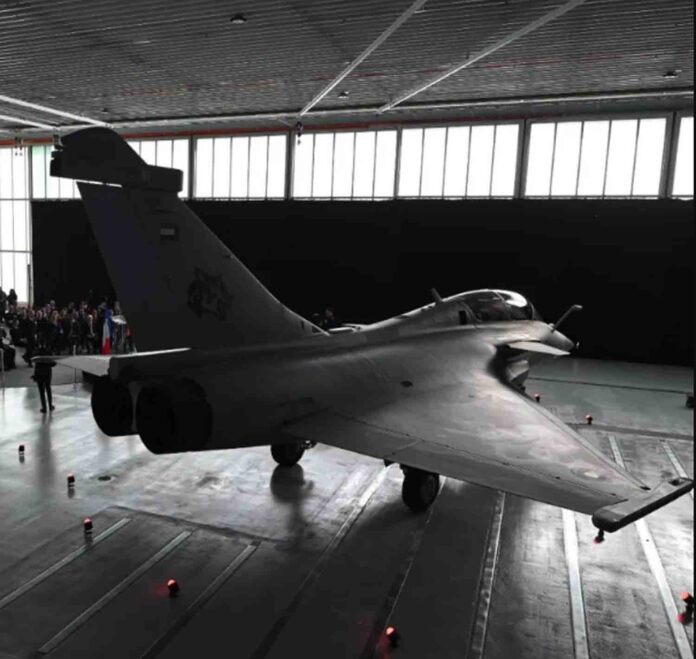
France has confirmed the deployment of Mirage 2000 fighter jets to Ukraine

0

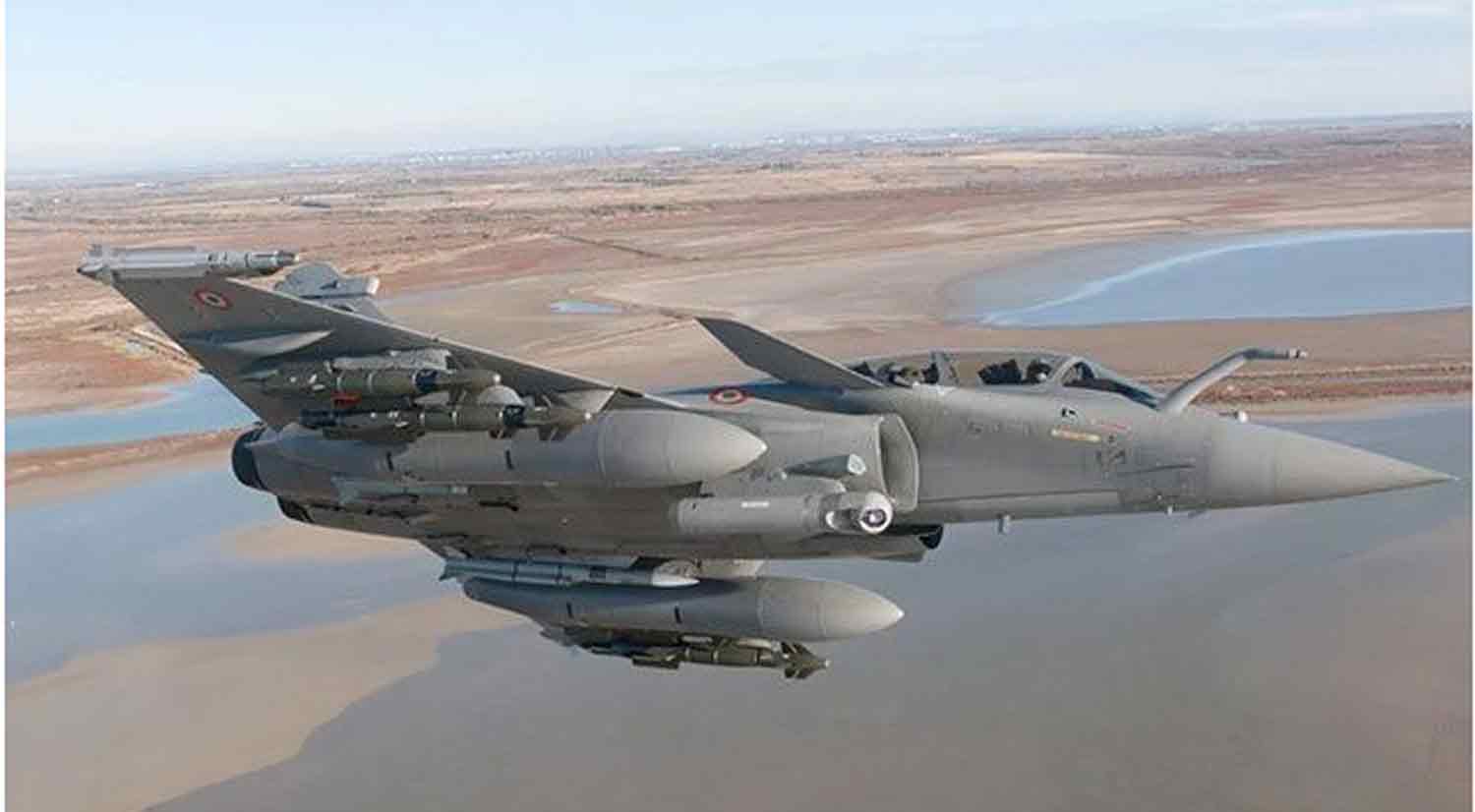
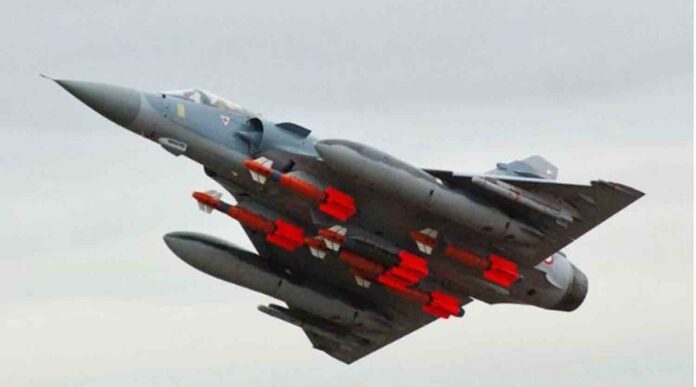
The initial batch of French Mirage 2000-5F fighter jets has arrived in Ukraine, as confirmed by French Defense Minister Sebastien Lecurneau. He stated, “On June 6, 2024, Emmanuel Macron announced the delivery of French Mirage 2000s to Ukraine. The first of these aircraft has now reached Ukrainian soil. With Ukrainian pilots, who have undergone several months of training in France, they are set to contribute to the defense of Ukraine’s airspace,” as reported on X.

French media outlets indicate that Paris has sent a total of six of these fighter jets to Ukraine. However, without an official confirmation from French authorities, the complete number of aircraft that Ukraine is expected to receive remains undisclosed.

This delivery of Mirage 2000-5F jets represents a crucial advancement in Ukraine’s aerial capabilities. Alongside the recently provided SCALP-EG and Storm Shadow cruise missiles, these modern aircraft enhance Ukraine’s precision strike capabilities in military operations.

From both operational and tactical perspectives, the Mirage 2000-5F offers significant advantages to Ukraine’s defense forces. This versatile fighter, featuring advanced radar and avionics, is proficient in both air-to-air and air-to-ground engagements, thereby bolstering Ukraine’s capacity for defensive and offensive missions.

Its extensive range and agility, combined with cutting-edge weaponry, render it a highly adaptable platform capable of executing intricate missions across diverse terrains.

The incorporation of SCALP-EG and Storm Shadow missiles with the Mirage 2000-5F significantly boosts the fighter’s precision strike capabilities, particularly for long-range standoff operations. These missiles are renowned for their accuracy and effectiveness in targeting high-value assets deep within enemy territory, allowing the Ukrainian Air Force to engage strategic sites such as military command centers, ammunition storage facilities, and essential infrastructure without penetrating heavily fortified airspace.

This synergy of advanced aircraft and long-range missiles equips Ukraine with a formidable asset to disrupt Russian military activities and exacerbate the logistical difficulties encountered by Russian forces.

The addition of the Mirage 2000-5F to Ukraine’s military inventory signifies a transition towards more advanced, high-tech military resources that facilitate deeper, more strategic strikes. The fighter’s proficiency in operating at extended ranges, combined with precision-guided munitions, positions it as a crucial element in Ukraine’s strategy to undermine the enemy’s command and control capabilities, thereby enhancing the operational effectiveness of its own forces.

These developments also indicate a transformation in the overall air warfare landscape in the region. The Mirage 2000-5F provides Ukraine with a significant asset not only for conventional air-to-air engagements but also for strategic strikes that can influence the battlefield by neutralizing critical infrastructure and key targets from a secure distance.

The provision of advanced military systems enhances the Ukrainian Air Force’s capability to effectively counter enemy air defenses, while also granting Ukrainian commanders greater latitude in selecting targets that will yield the most significant strategic advantages.

The Russian government has persistently expressed strong disapproval of the transfer of Western military equipment to Ukraine, perceiving these actions as an escalation of hostilities and a direct threat to its national security.

Russian officials contend that these arms supplies are prolonging the conflict and worsening the humanitarian situation in Ukraine. President Vladimir Putin has consistently asserted that the military support from the West is not merely assistance to a neighboring nation, but a calculated attempt to undermine Russia’s strategic position.

In a speech delivered in early 2023, Putin remarked, “The provision of arms to Ukraine constitutes an act of aggression against Russia itself, and it will have repercussions.”

The Russian Ministry of Foreign Affairs has released multiple statements denouncing Western military involvement, labeling it a perilous provocation. Foreign Minister Sergey Lavrov has characterized the arms supplies as a breach of international standards, arguing that such support only serves to escalate tensions and complicate the prospects for negotiation.

“Western nations are engaging in a perilous game, heightening tensions and steering the region toward greater instability,” Lavrov stated during one of his press conferences.

Russia contends that the influx of sophisticated Western military technology to Ukraine, such as air defense systems, artillery, and fighter jets, will not result in Ukraine’s triumph but will instead lead to increased devastation.

Russian officials assert that these arms shipments escalate the conflict and will cause greater casualties on both sides. Kremlin spokesperson Dmitry Peskov stated that “the actions of Western nations are worsening the plight of the Ukrainian populace and will not alter the trajectory of our special military operation.”

Additionally, the Russian government has issued warnings of retaliatory actions, indicating that ongoing deliveries of advanced weaponry could lead to further escalation. Dmitry Medvedev, Deputy Chairman of the Security Council of Russia, has suggested that the West’s involvement could provoke a direct confrontation between Russia and NATO.

Medvedev remarked in a recent interview, “Should NATO persist in supplying arms to Ukraine, it will compel us to adopt more severe measures, potentially resulting in irreversible consequences.”

In summary, the Russian government’s position is unequivocal: the sustained support of Ukraine by Western nations is viewed not only as a challenge to Russia’s military goals but also as a direct threat to its geopolitical standing.

The Kremlin has pledged to maintain its military operations until Ukraine is demilitarized and Western military assistance ceases. Moscow’s rhetoric remains steadfast, consistently asserting that Western involvement is prolonging the conflict and heightening the risk of a broader war.

The Mirage 2000-5F represents one of the most advanced iterations of the Mirage 2000 series, developed by Dassault Aviation. A notable characteristic of this fighter jet is its adaptability, enabling it to undertake a diverse array of missions, including air superiority, ground attack, and strategic strike operations.

The Mirage 2000-5F was developed with a focus on state-of-the-art avionics, enhanced weaponry, and improved operational versatility, establishing it as one of the most formidable multirole fighters within the French Air Force and among other users.

This aircraft maintains the aerodynamic efficiency and lightweight attributes of previous Mirage 2000 models while incorporating advanced technologies to boost its combat performance.

Central to the Mirage 2000-5F’s capabilities is its sophisticated radar system. It is outfitted with the Thales RDY-2 radar, a second-generation digital multi-mode radar that facilitates simultaneous targeting for both air-to-air and air-to-ground missions. This system significantly improves the aircraft’s ability to detect, track, and engage multiple targets, even in challenging or cluttered environments.

Additionally, the radar provides long-range detection capabilities, offering the Mirage 2000-5F a considerable tactical edge in combat scenarios. Complementing the radar, the 2000-5F is equipped with an integrated electronic warfare suite that can detect and disrupt enemy radar and communications, further enhancing its battlefield survivability.

The cockpit of the Mirage 2000-5F is designed with advanced technology to optimize pilot situational awareness. It features a glass cockpit with a large multifunction display and a hands-on throttle and stick (HOTAS) system, enabling pilots to manage the aircraft’s systems while maintaining control of the throttle and stick.

The aircraft features a heads-up display (HUD) and a central mission computer that processes data from all onboard sensors and systems in real-time. The Mirage 2000-5F is equipped with an upgraded radar warning receiver (RWR) and various threat detection systems, providing pilots with a comprehensive understanding of the operational landscape and enhancing the aircraft’s survivability in high-threat scenarios.

Powered by the SNECMA M53-P2 engine, the fighter jet generates over 9,000 kilograms of thrust, enabling the Mirage 2000-5F to reach speeds of up to Mach 2.2 and a combat radius of around 1,000 kilometers. Its impressive speed, combined with superior agility and maneuverability, allows the aircraft to swiftly engage and disengage in combat situations.

The aircraft’s delta wing design further optimizes its performance, offering excellent lift and stability at high speeds while ensuring precise control during sharp maneuvers.

In terms of armament, the Mirage 2000-5F can carry a diverse range of modern weapons, making it a versatile platform. Its primary weapon is the Magic 2 infrared-guided air-to-air missile, effective against both enemy aircraft and incoming missiles.

Additionally, the aircraft can be equipped with the advanced MICA missile, which can be guided by either radar or infrared, allowing it to engage targets at extended ranges. The Mirage 2000-5F is also capable of carrying various ground attack munitions, including laser-guided bombs, precision-guided missiles, and conventional bombs, enabling it to effectively perform both air superiority and ground attack missions.

Moreover, the avionics and weapon systems of the Mirage 2000-5F facilitate exceptional interoperability with other NATO-standard aircraft and systems, making it a valuable asset for coalition operations. The aircraft can seamlessly operate alongside advanced Western fighters, such as the F-16 and Eurofighter Typhoon, in a joint air combat environment.

The capability of the Mirage 2000-5F to integrate effortlessly with allied forces has been a significant factor in its popularity among nations looking to modernize their air capabilities while ensuring operational compatibility with NATO.

Equipped with sophisticated navigation and targeting technologies, the Mirage 2000-5F features an on-board inertial navigation system (INS) enhanced by GPS, which allows for precise navigation and bombing, even in regions with limited satellite access. The aircraft can be outfitted with a targeting pod that includes either a laser or infrared sensor, facilitating precision strikes on both stationary and moving targets while minimizing collateral damage.

Regarding its defensive measures, the Mirage 2000-5F boasts a comprehensive array of countermeasures, including chaff and flare dispensers, electronic countermeasures (ECM), and radar jammers. These systems are designed to shield the aircraft from enemy radar and missile targeting, significantly improving its survivability against hostile air defenses and interceptors, thus enabling operations in contested airspace.

A standout feature of the Mirage 2000-5F is its exceptional operational versatility. It can effortlessly transition between air-to-air and air-to-ground missions, establishing it as a genuine multirole platform.

The fighter’s ability to quickly adapt to various mission profiles makes it an invaluable asset for any air force. Whether engaging enemy aircraft, executing precision strikes, or providing close air support to ground troops, the Mirage 2000-5F has consistently demonstrated its capability and reliability.

As the situation in Ukraine evolves, the integration of Mirage 2000-5F fighter jets with advanced cruise missiles represents a significant advancement in Ukraine’s capacity for high-precision, long-range strikes.

These capabilities are crucial for altering the regional power dynamics, offering Ukraine new strategies to counter Russian forces and further its objectives for territorial integrity.

Trump claims no need for US soldiers in Gaza, stating the US would take control after the conflict

0
President-elect Donald Trump speaks at Turning Point USA's AmericaFest in Phoenix, Arizona, U.S.

U.S. President Donald Trump stated on Thursday that Israel plans to transfer control of the Gaza Strip to the United States once hostilities cease, asserting that no American troops would be required in the area. In a post on Truth Social, Trump elaborated, “At the end of the conflict, Israel will hand over the Gaza Strip to the United States. The Palestinians will have already been relocated to safer and more attractive communities, complete with new, modern housing in the region.” He emphasized, “No U.S. soldiers will be necessary!”

New Delhi Expected to Procure Kalibr Cruise Missiles from Moscow

0
Russian Kalibr cruise missile.

For many years, Russian platforms have been integral to the Indian Navy’s operations. Currently, India is seeking collaboration with Germany to develop its future submarine fleet. Nevertheless, it has recently signed a contract with Moscow to procure sub-launched anti-ship cruise missiles for its existing Russian-origin submarines.

In 2024, Indian Prime Minister Narendra Modi made two visits to Russia after a five-year break. Russian President Vladimir Putin is anticipated to visit India in 2025.

Following the selection of German TKMS’s proposal to construct six submarines in India, the Indian Ministry of Defense announced a contract with Russia for the acquisition of anti-ship cruise missiles.

The Indian Navy’s fleet of Russian submarines has included vessels such as INS Sindhughosh, INS Sindhudhvaj, INS Sindhuraj, INS Sindhuvir, INS Sindhuratna, INS Sindhukesari, INS Sindhukirti, INS Sindhuvijay, INS Sindhurakshak, and INS Sindhushastra. Currently, INS Sindhudhvaj, INS Sindhurakshak, and INS Sindhuvir are out of service, with two additional submarines expected to retire within the next two to three years.

“The Ministry of Defence has today signed a contract with Russia for the procurement of Anti-Ship Cruise Missiles, witnessed by Defence Secretary Shri Rajesh Kumar Singh in New Delhi. These missiles will greatly enhance the combat capabilities of the Indian Navy’s submarine fleet,” stated the Indian Ministry of Defense on X.

Both parties have chosen not to disclose the family of missiles or the quantity to be acquired. These missiles are intended for deployment on the Russian Kilo-class (Sindhughosh-class) diesel-electric submarines operated by the Indian Navy.

An examination of the Russian missile system suggests that it is likely the export version of the Kalibr missiles.

The 3M-54 Klub-S variant is designed to target both maritime and terrestrial objectives. It can reach supersonic speeds during its terminal phase, complicating interception efforts by enemy defense systems.

This missile operates at a low altitude of 10-15 meters, which minimizes the response time for adversary defenses. Its modular architecture allows for shared components with other variants within the Kalibr series.

It can be launched from various submarines, including Kilo-class, Lada-class, Akula-class, Yasen-class, and Borei-class. Additionally, it is utilized on surface vessels such as the Admiral Gorshkov-class, Admiral Grigorovich-class, Gepard-class, Gremyashchy-class, and Buyan-M-class ships.

The 3M-54 Klub-S missile significantly boosts the operational effectiveness of submarines by equipping them with a long-range, precise strike capability against both naval and land targets. Its sophisticated guidance system and supersonic capabilities render it a powerful asset in contemporary naval combat.

The Indian Air Force operates a diverse fleet that includes over 60 MiG-29s, 50 MiG-21s, and 260 Su-30s, fulfilling various combat roles. Additionally, it has six Il-78 aerial refueling tankers, 17 Il-76 heavy transport aircraft, more than 100 An-32 medium transport planes, over a dozen variants of Mi-24 attack helicopters, and upwards of 200 Mi-17 transport helicopters.

In the months following the onset of the Russian invasion of Ukraine, the Indian government took steps to cancel or suspend several agreements with Russia regarding the procurement of new or upgraded military equipment. On April 16, 2022, the Indian Air Force officially canceled its order for 48 Mi-17 V5 helicopters from Russia, marking the first significant cancellation.

This decision was publicly framed as part of the effort to promote the ‘Make in India’ initiative and to enhance self-reliance in the defense sector. Subsequently, on April 18, 2022, the Indian Ministry of Defence convened a four-day conference to assess the implications of the Russia-Ukraine conflict on India’s weapons and equipment supply chain.

Following this conference, additional agreements were also scrapped. On May 8, the Indian Air Force announced the cancellation of plans to upgrade its fleet of 80 Russian Su-30MKI fighters, citing logistical challenges stemming from the ongoing war in Ukraine.

On May 17, the Indian government revealed that it was halting negotiations for the acquisition of 10 Russian Ka-31 airborne early warning and control helicopters for the Navy. The Indian Navy, which currently operates 14 Ka-31s, was looking to expand its fleet, but sanctions against Russia led New Delhi to question Russia’s capacity to fulfill such orders.

Moreover, both the Indian Army and Air Force are in need of replacements for the aging Chetak and Cheetah light combat and utility helicopters that are deployed in high-altitude areas.

In addition to the limited number of indigenous light utility helicopters supplied by Hindustan Aeronautics Limited (HAL) to the Indian armed forces, India planned to procure 200 Russian Ka-226T helicopters to enhance the HAL fleet. However, negotiations were halted in July 2022 due to challenges arising from the ongoing conflict in Ukraine.

Previously, on August 15, 2022, the Rubin Design Bureau, a Russian submarine design and manufacturing firm, retracted its proposal to construct six submarines for the Indian Navy, citing the impracticality of the project.

The deputy director of the bureau indicated that the financial implications, the requirements for local production, technology transfer, and the penalties for failing to meet deadlines were deemed excessive.

While the withdrawal from this initiative was not directly linked to the Ukraine conflict, it highlighted the ongoing difficulties between Russia and India in reaching consensus on defense agreements since the onset of the war.

Russia will showcase the Su-75 Checkmate fighter jet at an exhibition in India

0
Su-75 Checkmate

The United Aircraft Corporation (UAC) is set to present its Su-75 Checkmate project at the Aero India 2025 exhibition, commencing on February 10. This marks the debut of the aircraft at this event, which is expected to be more than just a ceremonial occasion.

Some analysts from Russia and India view India as a potential purchaser of the Su-75, although there has been no official indication of interest from New Delhi.

Russia is proposing appealing incentives to India, such as technology transfer and the opportunity for local production in line with the “Make in India” initiative. The Su-75 is regarded as a viable option for India to address the increasing military capabilities of both China and Pakistan.

Nevertheless, indications from New Delhi suggest a lack of support for the Russian offering. India has consistently emphasized its commitment to its own program, the Advanced Medium Combat Aircraft (AMCA), and has expressed disinterest in foreign alternatives. This position extends beyond Russia, as India has also declined the opportunity to acquire the F-35 from the United States.

UAC has revealed that two prototypes of the Su-75 are currently under construction. One will be designated for static testing, while the other will be utilized for flight testing. A company representative indicated that the development program for the Su-75 is approaching completion, with prototype production anticipated to commence shortly. Some analysts predict that this production could begin as early as next year.

The Su-75 Checkmate is a fifth-generation single-engine fighter project developed by the Sukhoi Design Bureau, first introduced at the MAKS-2021 air show. The aircraft is targeted at the export market and is marketed as a more cost-effective alternative to the American F-35. While official technical specifications remain undisclosed, various Russian military analysts and experts have speculated on its potential capabilities and features.

The Su-75 is anticipated to serve as a stealth aircraft with a notably diminished radar profile. Its design incorporates internal weapon bays and aerodynamic contours, indicating the use of radar cross-section reduction technologies akin to those found in the Su-57. The aircraft is expected to utilize materials and coatings that include radar-absorbing composites, although their overall effectiveness has yet to be determined.

Speculation surrounds the engine that will power this aircraft, which may be a modified variant of the “Izdeliye 30,” the forthcoming engine for the Su-57. This engine is expected to offer enhanced thrust, improved fuel efficiency, and sophisticated thrust vectoring capabilities.

The cockpit of the Su-75 is likely to feature a modern glass cockpit with several large multifunction displays, integrated into a state-of-the-art interface reminiscent of that in the Su-57. It is anticipated that artificial intelligence will support the pilot by delivering real-time tactical recommendations. Additionally, the aircraft is expected to include a helmet-mounted targeting system similar to those found in contemporary Western fighter jets.

In terms of avionics and electronic systems, the Su-75 is likely to be outfitted with an active electronically scanned array (AESA) radar as its main sensor, enabling it to detect and track multiple targets at once.

Electronic warfare (EW) systems are anticipated to play a vital role in ensuring survivability during contemporary combat operations, incorporating jamming and deception technologies designed to neutralize enemy radar and missile systems.

While there is no definitive information on the inclusion of integrated electro-optical systems for the passive detection of hostile aircraft, it is probable that an enhanced version of the system utilized in the Su-57 will be employed.

The Su-75 is projected to carry a significant combat load, featuring air-to-air missiles such as the R-77M and R-74, along with precision-guided air-to-ground munitions. Its armament is expected to be primarily housed in internal bays to reduce radar cross-section, although external hardpoints may be available for additional ordnance when stealth is not a primary concern.

A key advantage of the Su-75 is its relatively low cost in comparison to Western alternatives. The manufacturer asserts that the aircraft will be considerably less expensive than the F-35 while still delivering competitive performance. This positions the Checkmate as an appealing option for nations with constrained defense budgets that are unable to invest in the most costly fifth-generation fighters.

Russia is actively pursuing international collaborations for the development and production of the Su-75, with potential customers including India, the United Arab Emirates, and several Latin American nations. Nonetheless, the program encounters various obstacles, such as Western sanctions that restrict access to essential components, as well as uncertainties surrounding the readiness of its engine and avionics systems.

The inaugural flight of the Su-75 was originally slated for 2023; however, there have been no official confirmations regarding its occurrence. Some Russian sources indicate that the program may face delays attributed to financial and technological challenges.

If the timeline proceeds as intended, serial production could commence in the late 2020s, though this is uncertain due to prevailing economic and geopolitical factors.

In conclusion, the Su-75 Checkmate represents an ambitious initiative aimed at delivering a cost-effective and capable fifth-generation fighter for the global market. While its technical specifications are still largely speculative, the design envisions a contemporary stealth aircraft equipped with advanced combat and navigation systems.

Nonetheless, the realization of this project within the initially projected timelines and its ability to meet the anticipated capabilities remains to be seen.

China and Pakistan will boost collaboration on infrastructure and mining

0
Chinese President Xi Jinping and Pakistani President Asif Ali Zardari walk past the honor guards during the welcome ceremony at the Great Hall of the People in Beijing, China.

China and Pakistan are set to enhance and renovate Pakistan’s railway infrastructure while also advancing the development of Gwadar port. Additionally, Chinese firms are invited to invest in offshore oil and gas projects within the South Asian country, as reported by the official Xinhua news agency on Thursday.

These announcements coincide with the visit of Pakistan’s President Asif Ali Zardari to China from February 4-8, during which he will participate in the opening ceremony of the Asian Winter Games.

Since 2013, Chinese investments and financial assistance have significantly benefited Pakistan’s struggling economy. The two nations have maintained a close relationship, driven by mutual concerns regarding their shared neighbor, India, and a strategic aim to counterbalance U.S. influence in the region.

According to a joint statement cited by Xinhua, both countries acknowledged the critical role of Gwadar Port and committed to maximizing its potential as a vital hub for connectivity and trade.

Chinese-funded enterprises will be encouraged to engage in mining investment collaborations in Pakistan and to explore terrestrial and marine geological resources. Furthermore, Pakistan has expressed its openness to Chinese companies participating in the development of its offshore oil and gas resources.

China, a long-standing ally of Pakistan, has thousands of its nationals involved in various projects under the China-Pakistan Economic Corridor (CPEC).

The $65 billion investment is a component of President Xi Jinping’s Belt and Road Initiative, aimed at expanding Beijing’s global influence through infrastructure development across land and maritime routes.

Israel prepares its military for the ‘voluntary evacuation’ of Gaza residents after Trump’s new plan announcement

0
Buildings lie in ruin in Beit Hanoun in the Gaza Strip, amid the ongoing conflict between Israel and Hamas, as seen from southern Israel.

Israel’s defense minister instructed the military on Thursday to devise a strategy for facilitating the “voluntary departure” of residents from Gaza, following widespread criticism of U.S. President Donald Trump‘s announcement regarding plans to assume control of the territory.

Defense Minister Israel Katz praised Trump’s declaration that the United States intends to take charge of Gaza, resettle the over 2 million Palestinians residing there, and develop the area into the “Riviera of the Middle East.”

“I support President Trump’s audacious proposal; residents of Gaza should have the opportunity to leave and migrate, as is customary globally,” Katz stated on X. He indicated that his plan would encompass exit routes through land crossings, along with special provisions for departures by sea and air.

The displacement of Palestinians remains one of the most contentious and volatile issues in the Middle East. The forced or coerced relocation of a population under military occupation is classified as a war crime, prohibited by the 1949 Geneva Conventions.

Israeli airstrikes, which have resulted in tens of thousands of casualties over the past 16 months, have compelled Palestinians to continuously relocate within Gaza in search of safety. However, many express a reluctance to leave the enclave due to fears of permanent displacement, reminiscent of the “Nakba,” or catastrophe, when hundreds of thousands were uprooted during the conflict surrounding the establishment of Israel in 1948.

Many of those displaced sought refuge in Gaza, the West Bank, and neighboring Arab countries, including Jordan, Syria, and Lebanon, where their descendants continue to reside in refugee camps. Israel contests the narrative that these individuals were forcibly removed.

Katz stated that nations critical of Israel’s military actions in Gaza should accept Palestinian refugees. He mentioned, “Countries such as Spain, Ireland, Norway, and others that have made accusations against Israel regarding its operations in Gaza are legally required to permit any resident of Gaza to enter their borders.” He added that their hypocrisy would be evident if they chose not to comply. Katz also noted that countries like Canada, which have established immigration frameworks, have previously shown a willingness to welcome residents from Gaza.

His comments were met with immediate backlash from Spain’s Foreign Minister, Jose Manuel Albares. In an interview with Spanish radio station RNE, Albares asserted, “The land of Gazans is Gaza, and Gaza must be integral to the future Palestinian state.” Katz further accused Hamas of holding Palestinians captive in Gaza, obstructing their exit, and exploiting them through the humanitarian aid system, although he did not provide further details.

Trump’s unexpected announcement, which has incited anger across the Middle East, coincided with anticipated discussions between Israel and Hamas regarding a fragile ceasefire plan aimed at concluding nearly 16 months of conflict in Gaza.

INTERNATIONAL CONDEMNATION

On Wednesday, Trump faced criticism from global powers including Russia, China, and Germany, who argued that his plan for Gaza would lead to “new suffering and new hatred.” Egypt and other Arab nations vehemently oppose any efforts to forcibly relocate Palestinians, fearing that such actions would jeopardize the “two-state solution” concept, which envisions a Palestinian state alongside Israel, and leave Arab countries to manage the fallout. Saudi Arabia categorically rejected the proposal, while Jordan’s King Abdullah, scheduled to meet Trump at the White House next week, expressed his disapproval of any plans to annex land or displace Palestinians.

In a statement on X, Iran’s foreign ministry characterized Trump’s plan as part of Israel’s strategy to “completely eliminate the Palestinian people.” Israeli Prime Minister Benjamin Netanyahu described Trump’s proposal as “remarkable” on Wednesday, encouraging its exploration, although he did not clarify what he believed Trump was offering. Netanyahu expressed skepticism that Trump intended to deploy U.S. troops to combat Hamas in Gaza or that Washington would fund reconstruction efforts. “This is the first good idea that I’ve heard,” he remarked. “It’s a remarkable idea, and I think it should be thoroughly pursued and implemented, as it could lead to a different future for everyone involved.”

Hamas, which governed the Gaza Strip prior to the conflict, dismissed Trump’s proposal as “ridiculous and absurd.” Since January 25, Trump has consistently suggested that Palestinians in Gaza should be resettled in neighboring Arab countries like Egypt and Jordan, a notion that has been rejected by both the Arab nations and Palestinian leaders. He has not provided specific details regarding his plan for Gaza.

Trump’s aides have defended his proposal but have distanced themselves from certain aspects following widespread international criticism. The conflict in Gaza was ignited by a Hamas attack on Israeli territory on October 7, 2023, resulting in the deaths of 1,200 individuals and the abduction of over 25 hostages, according to Israeli reports. Since that time, Israel’s military operations in Gaza have reportedly resulted in the deaths of more than 47,000 Palestinians over the past 16 months, as per the Gaza health ministry, leading to allegations of genocide and war crimes, which Israel denies. The military actions have led to the internal displacement of nearly the entire population of Gaza, the destruction of numerous cities and towns, and a severe hunger crisis.

Russia conducts exercises involving Yars intercontinental ballistic missiles in the Volga region

0
Yars intercontinental ballistic missile systems

Russia is conducting stealth operations involving Yars intercontinental ballistic missiles in the Volga region, as reported by the defense ministry on Thursday. The ministry released footage showing Yars missile launchers traversing a snowy forest landscape.

The Yars missile, capable of being transported on truck carriers or stationed in silos, is a nuclear weapon. Similar exercises were carried out last year as a nuclear deterrent to the West amid escalating tensions related to the conflict in Ukraine.

According to the ministry, the missiles are being positioned along “combat patrol routes” while under camouflage, covering distances of up to 100 km (62 miles). Troops are also training to defend against potential sabotage units and reconnaissance patrols from a simulated adversary.

Ukraine observes significant enhancement in the precision of North Korean missiles utilized by Russia

0

North Korean ballistic missiles launched at Ukraine by Russian forces since late December have demonstrated significantly greater accuracy compared to previous launches over the past year, according to two senior Ukrainian officials who spoke to Reuters.

As Moscow strengthens its relationship with Pyongyang, raising concerns in Washington and Seoul, the enhanced precision—within 50-100 meters of their targets—indicates that North Korea is effectively utilizing the conflict to advance its missile technology, the officials noted.

One military source, who requested anonymity due to the sensitive nature of the information, highlighted a notable improvement in the accuracy of the more than 20 North Korean ballistic missiles that have struck Ukraine in recent weeks. A second source, a senior government official with knowledge of the situation, corroborated these observations when approached by Reuters.

Yang Uk, a weapons analyst at the Asan Institute for Policy Studies in Seoul, expressed concern that these advancements in North Korean missile capabilities could pose significant threats to South Korea, Japan, and the United States, as well as potentially enable the sale of enhanced weaponry to unstable nations or militant groups.

“This could greatly affect stability both regionally and globally,” he remarked in response to inquiries regarding this issue. North Korea’s military programs have seen rapid development in recent years, including short- and intermediate-range missiles that the regime claims can be equipped with nuclear warheads. However, prior to its involvement in Ukraine, the reclusive nation had not tested these new weapons in a combat scenario.

Ukraine’s defense ministry did not provide any comments in response to inquiries. Typically, Ukraine refrains from revealing the results of Russian missile and drone attacks on military installations.

Similarly, the defense ministries of Russia and South Korea, along with South Korea’s National Intelligence Service, did not reply to questions posed by Reuters. The North Korean embassy in London did not respond to phone calls or voicemails seeking comments, nor did the country’s mission at the United Nations address the inquiries. Although North Korea and Russia have denied any arms transactions, their leaders committed to enhancing military collaboration during their meeting in September in Russia’s far east.

The Pentagon and the U.S. Office of the Director of National Intelligence also chose not to comment.

SUDDEN IMPROVMENT

Military analyst Yang noted that his security contacts in Ukraine have reported improvements in the latest North Korean missile batches. “As they produce missiles and receive feedback from their clients – the Russian military – they gain more experience in creating more reliable missiles,” he stated.

Both Yang and other sources indicated that the specific modifications made by North Korea remain unclear. A military source mentioned that forensic analysis of debris had not revealed any design changes in the missiles, although there was minimal debris available for examination.

Two potential reasons for the improved missile performance could be the integration of advanced navigation systems or the addition of a steering mechanism to enhance maneuverability, according to the source. Yang noted that other elements contributing to increased accuracy might include enhanced targeting data for operators, new guidance system components supplied by Russia, and advancements derived from the data and experiences accumulated by North Korean scientists during the conflict.

Initially, the missiles had an accuracy range of 1 to 3 kilometers, but recent assessments indicate that their precision has improved to between 50 and 100 meters, as revealed by a military source in an interview in Kyiv on January 27, marking the first public disclosure of this evaluation.

The source refrained from revealing specific targets, launch locations, or the dates of the missile strikes, citing the need for military confidentiality. According to the source, Russia commenced the deployment of North Korean K-23, K-23A, and K-24 short-range ballistic missiles against Ukraine in late 2023, with approximately 100 missiles launched since then. Kyiv has also reported that Russia has received millions of artillery shells and thousands of troops from North Korea to bolster its military efforts.

In November, Reuters reported that North Korea is expanding its facility for the production of K-23 missiles. In February 2024, Ukraine’s chief prosecutor expressed skepticism regarding the effectiveness of North Korea’s lesser-known weaponry, stating that only two out of 24 missiles launched up to that point had demonstrated “relatively accurate” performance.

The source indicated that the sudden improvement in the precision of weaponry followed several months of erratic launches. This new evaluation was derived from the locations where the missiles, confirmed to be North Korean through analysis of the explosion sites, landed in relation to the intended target nearby, according to the source. Reuters has not been able to independently confirm this assessment.

LARGER PAYLOAD

While North Korean ballistic missiles represent only a minor fraction of Russia’s missile attacks, they possess a significant warhead capacity of up to one tonne and can reach distances of up to 800 km, as stated by the military source. In contrast, the Iskander-M, a comparable Russian missile, has a smaller payload and a reduced range of 500 km.

Since 2023, the relationship between Moscow and Pyongyang has strengthened significantly, particularly following a visit by Russia’s former defense minister to North Korea. The two nations formalized their alliance with a treaty on “Comprehensive Strategic Partnership” last year. During a visit to Seoul in November, then-U.S. Secretary of State Antony Blinken cautioned that North Korea’s growing relationship with Moscow posed a risk to global non-proliferation efforts.

In November, South Korea’s national security adviser, Shin Won-sik, noted that Russia had supplied North Korea with anti-aircraft missiles and air defense systems in exchange for military personnel and weaponry. Additionally, South Korea’s intelligence agency reported that Moscow might be aiding North Korea with missile components, financial assistance, and space technology. “North Korea is receiving something,” Yang remarked.

Argentina is considering acquiring three German 209NG submarines, sources say

0
German 209NG submarines

The Argentine Navy is considering the acquisition of three new German-made 209NG submarines, backed by a financial guarantee from Berlin estimated at around $4.3 billion, as reported by sources to Reuters. Insiders suggest that long-term loans would be beneficial for the financially challenged Argentine fleet.

In addition to Germany, France, along with its domestic manufacturer, is also expected to present a comparable offer to Argentina, which includes French Scorpène-class submarines, according to reports.

Germany’s proposal encompasses not only the construction and delivery of the submarines but also training for the crew and provision of spare parts. It has been reported that the German shipbuilder TKMS is already in direct negotiations with the Argentine Navy.

The Type 209 submarines, along with their upgraded 209NG variant, are recognized as some of the most successful conventional submarines produced by Germany for export. While they share core characteristics, they differ significantly in technology, capabilities, and combat performance.

Developed by Howaldtswerke-Deutsche Werft (HDW) in the 1970s, the Type 209 class set a standard for diesel-electric submarines intended for export. Various versions have been produced, with displacements ranging from 1,100 to 1,850 tons, tailored to meet specific modifications and customer needs.

Key advantages of these submarines include excellent autonomy, high maneuverability, and the capability to operate in both coastal and deep-sea environments. Equipped with torpedoes and the ability to launch anti-ship missiles, they are currently in service with several nations, including Turkey, Greece, South Korea, Argentina, and Brazil.

The 209NG, which signifies “Next Generation,” represents a comprehensive modernization of the classic submarine series. Its primary distinction lies in the incorporation of cutting-edge technologies that enhance stealth, electronic systems, and armament.

A key advancement is the possible inclusion of an Air-Independent Propulsion (AIP) system, which greatly prolongs the duration a submarine can stay submerged without needing to surface for battery recharging.

With upgraded sonar systems, automated combat capabilities, and a quieter propulsion mechanism, the 209NG is significantly more difficult to detect than its predecessor.

The design of the 209NG has been refined for improved hydrodynamics and a lower acoustic signature. Furthermore, this new iteration boasts advanced weaponry and communication systems, facilitating integration with other naval assets.

While the original Type 209 continues to serve as the foundation for numerous naval forces globally, the next-generation 209NG provides markedly enhanced capabilities suited to contemporary underwater combat needs. Germany plays a vital role as a supplier of advanced submarines to allied nations, and the development of the 209NG highlights the country’s dedication to innovation in naval defense.

At present, the Argentine Navy lacks operational submarines, having decommissioned its last two Type 209/1400-class submarines in 2020, which has left the fleet without underwater operational capacity.

The disappearance of the submarine ARA San Juan during a routine mission in November 2017, resulting in the tragic loss of all 44 crew members, emphasized the critical need for the modernization and renewal of Argentina’s submarine fleet.

In light of this situation, Argentine President Javier Milei announced in November 2024 the intention to acquire three Scorpène-class submarines and four patrol vessels from France. These discussions aim to restore the nation’s submarine capabilities and bolster its naval defense.

The ongoing negotiations surrounding the Scorpène class submarines are significant; however, the inclusion of 209NG-class submarines could further bolster the operational capabilities of the Argentine Navy. Featuring advanced technology and the option for Air-Independent Propulsion (AIP) systems, the 209NG class provides enhanced underwater endurance and a minimized acoustic signature.

This advancement would enable the Argentine Navy to undertake longer and more discreet missions, thereby strengthening its capacity to oversee and safeguard its extensive exclusive economic zone.

Revitalizing the submarine fleet is essential for Argentina, considering its 5,000-kilometer coastline and strategic interests in the South Atlantic. Investing in modern submarines like the 209NG would equip the nation with vital resources for effective surveillance, protection of maritime assets, and enhancement of national security.

The HDW Type 209/1400mod submarine, commonly referred to as the 209NG (“Next Generation”), represents an upgraded iteration of the established Type 209 class, developed by thyssenkrupp Marine Systems of Germany. This submarine is engineered for a variety of missions, integrating dependable technologies, formidable combat capabilities, extended underwater range, high underwater speed, low noise emissions, and superior maneuverability.

With a length of approximately 62 meters and a pressure hull diameter of about 6.2 meters, the 209/1400mod has a surfaced displacement of roughly 1,450 tons and a height, including the conning tower, of around 12.5 meters. The crew comprises 30 members, ensuring the effective operation and maintenance of onboard systems.

The submarine is armed with eight torpedo tubes, providing the flexibility to load a mix of torpedoes, missiles, and mines, which allows it to adapt to different combat situations. It features a sophisticated sonar system, including low-frequency detection capabilities, enhancing its long-range target detection. The integrated weapons and combat management system ensures effective command and control during missions.

Due to its modular architecture, the 209/1400mod can be customized with various systems based on client specifications. This includes the option to incorporate an Air-Independent Propulsion (AIP) system, which significantly extends the duration the submarine can operate submerged without needing to surface for battery recharging. This capability improves stealth and overall operational efficiency.

The HDW Type 209/1400mod is engineered to perform a broad spectrum of missions, such as maritime deterrence, sea control, surveillance, intelligence gathering, and special operations. Its low acoustic signature and advanced sensor technologies make it challenging to detect, providing a strategic advantage in contemporary submarine warfare.

In conclusion, the HDW Type 209/1400mod exemplifies a modern submarine characterized by high adaptability and cutting-edge technologies, capable of executing a variety of missions across different operational contexts.

Trump’s advisors are urging Gulf states to collaborate on Gaza, but face disinterest

0
U.S. President Donald Trump looks on as he signs an executive order in the Oval Office at the White House in Washington,.

President Donald Trump is expected to exert influence on Gulf nations to finance the United States’ acquisition of the Gaza Strip, as there is growing frustration among his advisors regarding the lack of unified support or counter-proposals from these oil-rich allies, according to a senior US official speaking to Middle East Eye.

The official stated on Wednesday, “The message is clear: you can no longer expect to receive what you desire from the US without any cost.”

The Trump administration envisions that Saudi Arabia, Qatar, and the UAE would gain waterfront property rights in a redeveloped Gaza Strip, with their construction companies receiving contracts for building residential towers. This arrangement would be contingent upon their financial support for the “relocation” of Palestinians and the reconstruction of Gaza, as explained by an official who was briefed by a select group of Trump advisors involved in the initiative.

However, it is important to note that international law governs territorial rights, and the US does not possess authority over Gaza’s waterfront property or its maritime boundaries.

Trump’s press conference on Tuesday, held with Israeli Prime Minister Benjamin Netanyahu, left both allies and adversaries, including the American public, in a state of uncertainty.

The international community is left to ponder whether a president who campaigned on reducing foreign commitments is genuinely pursuing control over Gaza or simply positioning himself for negotiations with Gulf states regarding the region’s post-conflict future and, in Saudi Arabia’s case, the normalization of relations with Israel.

For weeks, Trump has urged neighboring Arab nations, particularly Jordan and Egypt, to accept Palestinians displaced from the Gaza Strip. However, his own State Department has cautioned him that Egypt is unlikely to be persuaded.

Saudi Arabia has taken a firm stance regarding the conditions necessary for it to contribute to the reconstruction of Gaza.

In a January interview, Prince Khalid bin Bandar bin Sultan Al Saud, the Saudi ambassador to the UK, was asked about the possibility of funding Gaza’s reconstruction. He responded, “To establish a Palestinian state, yes. However, to rebuild a territory that could potentially be destroyed by the Israelis again in a few years does not seem like a prudent decision.”

Real believers

On Tuesday, Trump stated that after displacing Palestinians from Gaza and establishing a “long-term ownership position” in the area, the US would transform it into the “Riviera of the Middle East.”

“This could lead to negotiations, but I take Trump seriously. He and his team genuinely believe this is the optimal way forward. I’m not surprised they are frustrated that the Gulf states are not supportive,” remarked Jonathan Panikoff, a former senior US intelligence official now affiliated with the Atlantic Council.

However, it appears that the lack of support from the US’s Arab Gulf allies is what is most troubling the White House. Trump asserted on Tuesday that his vision would be “funded by neighboring wealthy countries.”

Emirati analyst Abdulkhaleq Abdullah, who has strong connections to the UAE’s ruling Nahyan family, expressed his disapproval on X, stating, “We have just heard the most foolish idea come out of Washington DC regarding Gaza,” following Trump’s remarks.

Saudi Arabia swiftly rejected the plan with a statement released early Wednesday morning, firmly opposing any attempts to displace Palestinians from their land. The statement also reinforced Saudi Arabia’s demand for the establishment of an independent Palestinian state as a prerequisite for normalizing diplomatic relations with Israel.

This marked a significant escalation in rhetoric, as the Saudi position was described as nonnegotiable, contrasting with earlier statements that merely called for a pathway to Palestinian statehood as a condition for any agreement.

Bilal Saab, a former Pentagon official during the first Trump administration, remarked that the Gulf states are unwilling to invest in the Gaza Strip without a serious dialogue regarding a two-state solution and the status of the current ceasefire.

He further noted that issuing statements alongside Israeli Prime Minister Bibi Netanyahu is not an effective diplomatic strategy towards Riyadh and Abu Dhabi.

Anna Jacobs, a Middle East expert at the Arab Gulf States Institute in Washington DC, emphasized that Gulf states have clearly communicated to Trump that his remarks on Gaza are unacceptable. “They are not going to finance the forced displacement of Palestinians,” she stated.

The wave of criticism included a statement from the Arab League, which labeled Trump’s proposal as a “recipe for instability.”

On Wednesday, advisors to the US president worked to clarify some of his more controversial remarks.

US Secretary of State Marco Rubio emphasized that Trump’s speech “was not intended to be hostile,” characterizing it as a “generous offer to lead the rebuilding efforts.” White House Press Secretary Karoline Leavitt noted that Palestinians would only be “temporarily relocated” from the area and clarified that Trump did not pledge to send American troops.

Kristian Coates Ulrichsen, a Middle East fellow at Rice University’s Baker Institute, remarked that instead of advancing negotiations with Gulf states regarding funding for Gaza’s reconstruction, Trump may have inadvertently caused them to adopt a more rigid stance.

“If the goal was to provoke the Gulf into action, I believe it backfired,” he stated. “Trump may believe he has created an opportunity for concessions, but he has actually made it more difficult for regional leaders to reach an agreement.”

Trump aides support the proposal for a takeover of Gaza but retract certain aspects of it

0
Palestinians gather outside a building destroyed during the Israeli offensive, amid a ceasefire between Israel and Hamas, in Khan Younis in the southern Gaza Strip.

President Donald Trump‘s senior advisors vigorously defended his initiative to relocate Palestinians from Gaza and suggested a U.S. takeover of the war-torn region, although they distanced themselves from certain aspects of his plan amid widespread international criticism.

The proposal faced backlash on Wednesday from major global powers, including Russia, China, and Germany, which warned it could lead to “new suffering and new hatred.” Saudi Arabia, a significant player in the region, outright rejected the idea.

In contrast, Israeli Prime Minister Benjamin Netanyahu described Trump’s proposal as “remarkable” and encouraged further exploration of it, though he did not clarify what he believed Trump was specifically offering.

Just two weeks into his presidency, Trump disrupted decades of U.S. foreign policy with a vaguely articulated vision of transforming Gaza into the “Riviera of the Middle East,” where international communities could coexist following nearly 16 months of Israeli airstrikes that resulted in over 47,000 Palestinian deaths, according to local reports.

During a White House briefing on Wednesday, press secretary Karoline Leavitt praised the Gaza proposal as a historic example of “outside of the box” thinking, while emphasizing that the president had not committed to deploying U.S. troops in the area. However, she did not completely dismiss the possibility of military involvement. Additionally, Leavitt clarified Trump’s earlier statement regarding the permanent resettlement of Gazans, indicating instead that they should be “temporarily relocated” to facilitate the rebuilding efforts.

U.S. Secretary of State Marco Rubio indicated that the intention was for residents of Gaza to temporarily evacuate the area during a phase of reconstruction and debris removal. In a Fox News interview, Netanyahu provided a vague response to Trump’s proposal, expressing skepticism that the president intended to deploy U.S. troops to combat Hamas in Gaza or that the U.S. would fund reconstruction efforts there.

Following a meeting with Trump at the White House on Tuesday, Netanyahu endorsed the idea that Gazans should have the option to leave and later return to their war-torn homeland. “They can leave, and then come back. They can relocate and return,” he stated. Netanyahu described the concept as “remarkable,” advocating for its serious consideration and implementation, although he did not provide further details.

It remains uncertain whether Trump will pursue his proposal or if he is merely using it as a negotiating tactic, consistent with his reputation as a savvy dealmaker. His first term was marked by numerous bold foreign policy statements, many of which were not acted upon. Last year, Trump’s son-in-law and former advisor, Jared Kushner, referred to Gaza as prime waterfront real estate, and on Tuesday, Trump echoed this sentiment by advocating for the permanent resettlement of over 2 million Palestinians from the region.

Some analysts have indicated that the suggested measures could breach international law, while others have labeled the proposals as impractical. Human rights advocates have characterized the plan as tantamount to “ethnic cleansing.”

“Everyone is in favor of it,” Trump remarked to reporters in the Oval Office earlier on Wednesday, referring to his concept for Gaza.

However, Trump’s proposal seems to contradict U.S. public sentiment, which has shown significant opposition to further involvement in conflict zones, particularly after prolonged military engagements in Iraq and Afghanistan. Throughout the 2024 election campaign and following his return to office, Trump has consistently claimed he would put an end to what he termed “ridiculous” wars and prevent new ones from arising.

His Gaza initiative faced widespread criticism from Democratic lawmakers, while some Republicans expressed confusion and skepticism, although a few commended the approach as audacious.

“I thought we voted for America first,” Republican Senator Rand Paul stated on X. “We should not be considering yet another occupation that would squander our resources and endanger our soldiers.”

During a visit to Guatemala, Rubio, seemingly attempting to address the global backlash, asserted that Trump’s proposal was not an aggressive action but rather a generous offer that demonstrated “the United States’ commitment to the reconstruction of that region.”

Leavitt stated that U.S. taxpayers would not bear the financial burden, asserting that Trump would negotiate agreements with regional allies.

‘TRUMP CAN GO TO HELL’

King Abdullah of Jordan, who is scheduled to meet Trump at the White House next week, expressed his opposition to any plans for land annexation or the displacement of Palestinians. Egypt announced its support for recovery initiatives in Gaza following a ceasefire that began on January 19, emphasizing that Palestinians would not be required to leave the area.

In Gaza, residents amidst the ruins of their homes firmly rejected such notions. “Trump can go to hell, along with his ideas, his money, and his beliefs. We are not going anywhere. We are not his assets,” declared Samir Abu Basel, a father of five who was displaced from his home due to the conflict.

Since his inauguration on January 20, Trump has made remarks about a potential U.S. acquisition of Greenland, raised concerns about the possible takeover of the Panama Canal, and suggested that Canada should become the 51st state of the U.S. Critics have argued that his expansionist language resembles traditional imperialism, potentially emboldening Russia in its conflict with Ukraine and providing China with a rationale for invading Taiwan.

Global leaders have reiterated their commitment to the two-state solution, which has been a cornerstone of U.S. policy in the region for many years, positing that Gaza would be part of a future Palestinian state alongside the Israeli-occupied West Bank.

Defense Secretary Pete Hegseth stated prior to a meeting with Netanyahu that the Pentagon is “ready to consider all options” concerning Gaza. Analysts suggest that a significant deployment of U.S. forces would be necessary to secure the region if Trump moves forward with his proposal.

‘RIDICULOUS AND ABSURD’

A representative from the Palestinian militant organization Hamas described Trump’s proposal as “ridiculous and absurd.” Hamas governed the Gaza Strip prior to the conflict, which began following its cross-border attack on Israel on October 7, 2023, resulting in 1,200 fatalities and 250 abductions, according to Israeli reports. Sami Abu Zuhri told Reuters that such proposals could potentially escalate tensions in the region, emphasizing that Hamas remains dedicated to the ceasefire agreement with Israel and is focused on negotiating its next steps.

The implications of Trump’s proposals on the indirect discussions regarding the second phase of the Gaza ceasefire and hostage-release agreement remain uncertain. Hamas has firmly stated its intention to stay in Gaza, while Netanyahu has pledged to eliminate the group and prevent it from regaining control of the territory.

Trump’s proposal also raises concerns about Saudi Arabia’s willingness to participate in a renewed U.S.-facilitated effort for a historic normalization of relations with Israel. Saudi Arabia, a crucial U.S. ally in the Middle East, has maintained that it will not establish relations with Israel without the establishment of a Palestinian state, countering Trump’s assertion that Riyadh does not require a Palestinian homeland.

Trump is encouraging Saudi Arabia to emulate the United Arab Emirates and Bahrain, both of which became trade and business centers in the Middle East after signing the Abraham Accords in 2020 and normalizing relations with Israel.

However, on Wednesday, the foreign ministry of Saudi Arabia stated that the kingdom opposes any efforts to displace Palestinians from their land, emphasizing that Crown Prince Mohammed bin Salman has expressed this stance in a “clear and explicit manner.”

US Defense Secretary and the President of Panama have reached an agreement to enhance military collaboration

0
U.S. Defense Secretary Pete Hegseth

U.S. Defense Secretary Pete Hegseth and Panama’s President Jose Raul Mulino reached an agreement to enhance collaboration between the U.S. military and Panama’s security forces during a phone conversation on Wednesday, as reported by the Pentagon, following a recent dispute regarding the Panama Canal.

A Pentagon spokesperson noted, “They acknowledged the strong partnership and numerous security interests shared by the United States and Panama, including the protection of the Panama Canal.”

Following discussions with U.S. Secretary of State Marco Rubio earlier this week, Mulino indicated that Panama’s extensive agreement to participate in China’s Belt and Road initiative will not be extended and may be concluded ahead of schedule.

Bangladesh protesters torch ousted PM Hasina’s father’s home

0
Protesters set fire to the Dhanmondi-32 residence of Bangabandhu Sheikh Mujibur Rahman, father of the ousted PM Sheikh Hasina, in Dhaka, Bangladesh.

Thousands of demonstrators set fire to the residence of Bangladesh‘s founding leader as his daughter, former Prime Minister Sheikh Hasina, delivered a passionate speech on social media urging her supporters to oppose the interim government.

According to witnesses, several thousand protesters, some wielding sticks, hammers, and various tools, gathered around the historic house and the independence monument. Others brought heavy machinery, including a crane and excavator, to demolish the structure.

The protest was part of a larger initiative called the “Bulldozer Procession,” aimed at disrupting Hasina’s scheduled online address at 9 p.m. on Wednesday. Many of the demonstrators, affiliated with the “Students Against Discrimination” group, expressed their outrage over Hasina’s remarks, perceiving them as a direct challenge to the newly established interim government.

Tensions in Bangladesh have been rising since August 2024, when widespread protests forced Hasina to seek refuge in neighboring India. The interim government, led by Nobel laureate Muhammad Yunus, has faced difficulties in maintaining order as protests and civil unrest persist. Demonstrators have targeted symbols of Hasina’s administration, including Sheikh Mujibur Rahman’s residence, which was first set on fire in August. This house is a significant symbol of the nation, as it is where Bangabandhu, as he is affectionately known, proclaimed Bangladesh’s independence from Pakistan in 1971.

Several years later, the location became the scene of a national tragedy. In 1975, Mujibur Rahman and the majority of his family were killed at their residence. Hasina, who survived the attack, subsequently converted the house into a museum honoring her father’s legacy.

“They may destroy a building, but they cannot erase history. History will seek its retribution,” Hasina stated in her address on Wednesday.

She called upon the citizens of Bangladesh to oppose the interim government, accusing them of unlawfully seizing power.

The student-led movement driving the protests has expressed intentions to abolish the 1972 Constitution, which they believe reflects the legacy of her father’s administration.