Sunday, April 19, 2026
Home Blog Page 71

Su-57 achieved takeoff in slightly more than 11 to 12 seconds from a compact runway

0
Su-57 achieved takeoff in slightly more than 11 to 12 seconds from a compact runway.

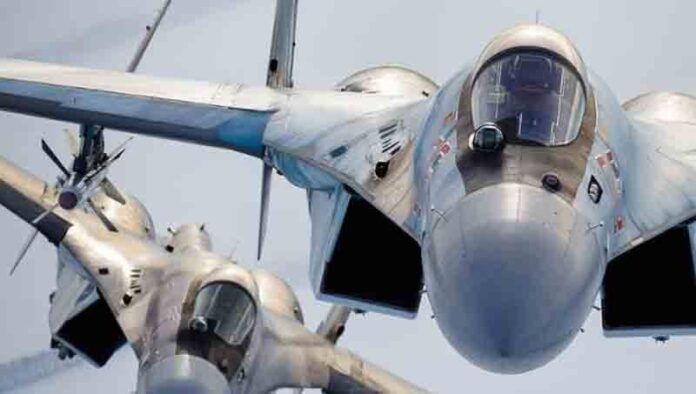
A recent video from the upcoming Aero India 2025 international exhibition, commencing tomorrow, highlights the Su-57’s capability to take off from a short runway. A detailed timing analysis indicates that the Su-57 achieved takeoff from a “short position” in approximately 11-12 seconds. This represents a notable enhancement in the Su-57’s performance, particularly with the AL-41F1 engine featured in the aircraft shown in the footage.

Typically, modern fighter jets, including the Su-57, require between 15 and 25 seconds to accelerate along the runway before takeoff, influenced by factors such as payload, engine thrust, and runway length.

Achieving such a brief takeoff time—merely 12 seconds—implies that the aircraft must reach takeoff speed of approximately 250-280 km/h (155-175 mph) very rapidly. This could indicate the use of afterburners for maximum thrust or that the aircraft was operating with a minimal load, which is indeed the case here.

However, this capability of the Su-57 may be limited to specific flight scenarios, such as showcasing its abilities at military exhibitions or transitioning from the manufacturing facility’s runway to its final deployment within the Russian Air Force. In actual combat situations, such a rapid takeoff would not be feasible.

The primary reasons for this limitation are the absence of armament and a reduced fuel load. When fully equipped, the Su-57 can carry up to 10 tons of combat payload, including various air-to-air and air-to-ground missiles. This significantly increases the aircraft’s overall weight, necessitating a longer runway for takeoff.

The Su-57, when operating with minimal load—specifically without weapons and with reduced fuel—has a weight ranging from approximately 18 to 20 tons. However, in a fully armed combat configuration, its weight can surpass 35 tons, effectively doubling the energy required for acceleration.

While the Su-57 is engineered to carry its munitions internally to minimize drag, it is capable of utilizing external hardpoints in certain scenarios. This adaptation further adds to the aircraft’s weight and necessitates increased engine thrust for acceleration.

Aerodynamic drag significantly influences the Su-57’s takeoff duration. A video showcasing its swift takeoff illustrates the aircraft in an ideal aerodynamic condition—devoid of external weapons and with a minimal load, which greatly lessens air resistance.

Parasitic drag, also known as frontal drag, refers to the resistance encountered by the aircraft as it advances. The Su-57 features sleek, stealth-optimized shapes designed to reduce this drag. However, when equipped with missiles or bombs on external hardpoints, the frontal drag increases, complicating acceleration. In the video, the Su-57 appears unarmed, enabling it to achieve takeoff speed more rapidly.

Induced drag is another vital consideration, as it is associated with the lift produced by the wings. A heavier aircraft demands more lift, which in turn elevates drag. The lighter configuration of the Su-57 in the video results in reduced induced drag, facilitating a quicker and more efficient takeoff.

The aircraft possesses several notable advantages that effectively mitigate aerodynamic drag. Its internal weapon bays significantly decrease frontal drag when compared to fighters such as the Su-35 or F-15, which depend on external weapon mounts. Furthermore, its sophisticated control surfaces and robust engines enhance airflow efficiency, while the utilization of afterburners during takeoff provides an extra thrust boost, facilitating quicker acceleration.

The AL-41F1 engines, along with the forthcoming “Izdeliye 30,” generate substantial thrust, allowing the Su-57 to attain impressive acceleration. If the aircraft is lightly loaded and employs afterburners, this could account for its ability to leave the runway in a mere 11-12 seconds—an impressive yet entirely rational outcome.

Armament plays a crucial role in determining the takeoff time of any fighter jet. A lighter configuration allows for swift takeoff, whereas a fully loaded Su-57 would necessitate a significantly longer distance to become airborne. This video highlights the exceptional capabilities of the Russian fighter while also serving as a reminder that combat scenarios can greatly influence its performance metrics.

Certainly, the Su-57’s accomplishment can be viewed in the context of other fighters’ capabilities. While such comparisons may lose relevance during actual combat operations, it is still worthwhile to examine the performance of other aircraft.

Under ideal circumstances—characterized by the absence of weapons, a minimal payload, an empty fuel tank, and the use of afterburners—the takeoff durations for various contemporary fighter jets will differ, yet all will demonstrate remarkable capabilities.

For instance, the F-35 is expected to achieve takeoff in approximately 20-25 seconds under these parameters. Although it is powered by a robust engine, its thrust-to-weight ratio is not as favorable when compared to lighter or more powerful aircraft, which influences its acceleration.

The F-22 Raptor, benefiting from its dual-engine configuration and stealthy design, can take off in roughly 15-20 seconds, highlighting its exceptional performance.

The Chinese J-20, despite its greater size and weight, would require about 20-25 seconds for takeoff with a minimal load. Its advanced engines and aerodynamic design allow for rapid acceleration, but its larger dimensions hinder it from matching the takeoff times of lighter counterparts.

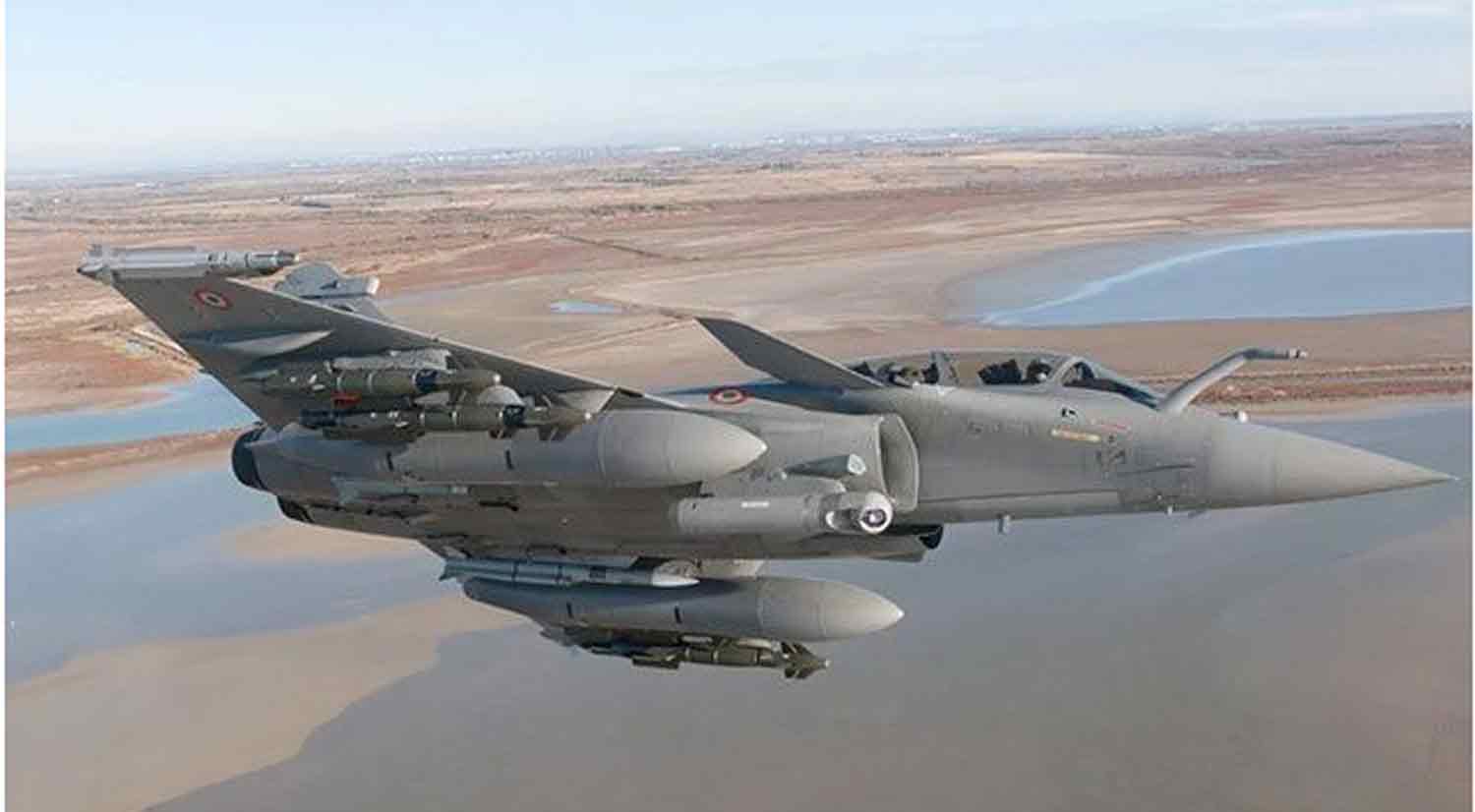
The Dassault Rafale also exhibits commendable performance, achieving takeoff in around 20-25 seconds under similar conditions. This fighter is powered by two strong engines that facilitate swift acceleration.

The Eurofighter Typhoon, with its dual engines and relatively light frame, would take off in approximately 15-20 seconds, owing to its outstanding maneuverability and power.

The Saab Gripen, being a lighter and more agile aircraft, would similarly achieve takeoff in about 15-20 seconds when operating with minimal load and utilizing afterburners.

The F-15, equipped with its dual engines, can achieve takeoff in approximately 20-25 seconds under favorable conditions. This aircraft is renowned for its exceptional performance, though its heavier weight results in a slightly slower acceleration compared to some of the latest models.

Similarly, the F-18, celebrated for its agility and well-balanced structure, also requires around 20-25 seconds for takeoff in optimal circumstances. Its robust engines facilitate a strong launch, yet it is not as lightweight as some of its contemporary rivals.

While all these aircraft exhibit remarkable acceleration capabilities under ideal conditions, the Su-57 demonstrates that, with minimal load and the right environment, it can take off in an even shorter timeframe. Nonetheless, when evaluated under the same takeoff conditions, all these fighters would achieve takeoff in under 30 seconds.

China has probably outfitted a new brigade with J-20 aircraft, substituting the J-11 models

0

There are indications that the 19th Air Brigade (AB) stationed within China‘s Central Theater Command (CTC) has begun to receive J-20 fighter jets, which would replace the older J-11 models.

Although the Chinese military has not officially announced this transition, various sources, including satellite images and military observer reports, indicate that the process is progressing.

The J-11s, which have served as a cornerstone of the Chinese air force for many years, are being gradually retired in favor of the more advanced J-20 stealth fighters. This shift underscores China’s ongoing commitment to modernizing its air force with state-of-the-art technology, focusing on enhanced stealth capabilities, extended-range precision strikes, and improved combat effectiveness.

The J-20’s superior radar-evading technology and advanced avionics position it as a crucial element in the People’s Liberation Army’s (PLA) strategy to secure air dominance in the region.

While the J-11s were significant during their operational period, providing a reliable multirole fighter platform, they are increasingly viewed as outdated compared to the advanced capabilities of the J-20. The decision to equip the 19th AB with these newer aircraft reflects China’s dedication to upgrading its military forces and maintaining competitiveness on the global stage, especially amid rising tensions in the Asia-Pacific region.

It is still uncertain whether all units of the 19th AB have completely transitioned to the J-20, but confirmed sightings of these advanced fighters both on base and in operational settings strongly indicate that the replacement process is either complete or close to completion.

The introduction of the J-20 into the 19th AB is part of a larger trend within China’s military, as the People’s Liberation Army Air Force (PLAAF) continues to integrate more stealth fighters into its fleet, potentially signaling a significant shift in aerial power dynamics.

The decision to phase out the J-11s signifies the increasing confidence of the Chinese military in its capabilities, with the J-20 representing the pinnacle of extensive research and development efforts.

Although the J-20 is recognized as one of the most sophisticated fighter jets globally, achieving full operational integration within units such as the 19th Air Brigade is a significant milestone in China’s broader military modernization strategy. As the People’s Liberation Army (PLA) seeks to enhance its technological advancements and operational capabilities, the J-20 is expected to be instrumental in defining the future of China’s aerial supremacy.

The 19th Air Brigade of the People’s Liberation Army Air Force (PLAAF) holds strategic importance within the Central Theater Command (CTC). This brigade is integral to China’s military aviation modernization initiatives, playing a vital role in safeguarding airspace and protecting essential regions within the country.

Renowned for its high operational readiness and professionalism, the brigade is situated in one of China’s most critical areas and actively engages in various training exercises and missions to uphold national security. The modernization efforts within the brigade focus on replacing outdated aircraft with advanced models that align with contemporary air and strategic security requirements.

The technological capabilities at the brigade’s disposal enable it to execute a diverse array of missions, ranging from air control and superiority to more intricate operations involving rapid response during crises. Furthermore, the 19th Air Brigade is pivotal in the operational integration of China’s air forces, participating in joint exercises and showcasing military capabilities.

The 19th Air Brigade, while not often revealing specific details about its aircraft numbers and specifications, is recognized as a premier unit within China’s aviation forces. It plays a crucial role in the People’s Liberation Army’s (PLA) initiatives aimed at enhancing operational efficiency and modernization.

The Chengdu J-20, referred to as the Mighty Dragon, represents a significant advancement in China’s military aviation capabilities, positioning the country among the select few with fifth-generation stealth fighter technology. Since its first flight in 2011, the J-20 has attracted considerable attention, both for its performance and the debates surrounding its development.

The design of the J-20 incorporates sophisticated stealth characteristics aimed at minimizing its radar visibility. Its structure features a blended wing and fuselage, serrated edges, and materials designed to absorb radar waves.

These design elements collectively enhance the J-20’s stealth capabilities, although some experts have noted that certain features, such as its canards, may affect its stealth performance at particular radar angles.

Nonetheless, China has made significant strides in stealth technology, with reports indicating that the J-20’s radar cross-section is competitive with that of several Western models.

Initially powered by Russian AL-31F engines, the J-20 has seen a strong movement towards the development of domestic engines. The WS-10C engine, viewed as a temporary solution, has been integrated into later production variants, demonstrating performance levels comparable to the AL-31F.

The primary objective remains the WS-15 engine, which is expected to provide the J-20 with supercruise capabilities, enabling it to fly at supersonic speeds without the use of afterburners. This advancement would position the J-20 on equal footing with the F-22 Raptor. Although the development of the WS-15 has faced delays, recent updates indicate that it is approaching readiness for integration into the J-20 fleet.

China has also placed significant emphasis on enhancing the J-20’s avionics suite. It is equipped with a sophisticated active electronically scanned array (AESA) radar, essential for both air-to-air combat and ground attack operations.

Additionally, the fighter incorporates systems such as the distributed aperture system (DAS) and electro-optical targeting system (EOTS), which are critical for situational awareness and targeting accuracy. These technologies enable the J-20 to detect, track, and engage targets from considerable distances, thereby improving its effectiveness in contemporary combat situations.

Regarding armament, the J-20 does not feature an internal cannon, a topic that has sparked discussion among military experts. While it is argued that missiles have largely replaced guns in modern aerial warfare, the lack of a cannon may present a vulnerability in close-range engagements.

Nonetheless, the J-20 is equipped with a formidable selection of missiles. It can internally carry PL-15 beyond-visual-range missiles and PL-10 short-range air-to-air missiles, preserving its stealth characteristics, while also having the option to carry additional weapons externally, albeit at the expense of its stealth profile.

The J-20 is not merely an air superiority fighter; it is engineered as a multirole aircraft, proficient in both air-to-air and air-to-ground operations. This adaptability is facilitated by its internal weapon bays, which can accommodate a range of munitions such as air-to-surface missiles, anti-radiation missiles, and laser-guided bombs. Such capabilities position the J-20 as a crucial asset for China in scenarios requiring power projection or the defense of territorial claims, particularly in areas like the South China Sea.

The J-20’s development has sparked controversy, including allegations of intellectual property infringement involving Western designs. Nevertheless, it also highlights significant Chinese advancements in stealth and sensor technologies. The ongoing discussion regarding whether the J-20 is a derivative model or a truly original design persists, yet its operational features indicate it is a formidable aircraft.

Looking ahead, various J-20 variants are under development, including a twin-seat model that could enhance its functionalities in training, electronic warfare, or advanced tactical missions. This potential variant, likely referred to as the J-20S, has been observed in testing, signaling China’s ambition to broaden the operational capabilities of the J-20.

The J-20 symbolizes China’s aspiration to compete with and potentially challenge the air forces of technologically advanced countries. Its introduction has altered the strategic landscape in the Asia-Pacific region, compelling neighboring nations and global powers to reevaluate their military strategies. In terms of stealth, speed, and armament, the J-20 clearly reflects China’s commitment to modernizing and asserting its military prowess on the international stage.

Egypt will convene an urgent Arab summit to address significant developments concerning the Palestinian situation

0
Egypt’s Foreign Minister Badr Abdelatty (C) heads a meeting with ministers from Jordan, Saudi Arabia, Qatar and the UAE, to discuss US President Donald Trump's proposal for Egypt and Jordan to host Palestinians displaced from the Gaza Strip, in Cairo.

Egypt is set to convene an emergency Arab summit on February 27 to address what it has termed “serious” developments concerning the Palestinian situation, as stated by the Egyptian foreign ministry on Sunday.

This summit is being organized in response to widespread regional and international criticism of U.S. President Donald Trump‘s proposal to “take over the Gaza Strip” from Israel and establish a “Riviera of the Middle East” following the relocation of Palestinians to other areas.

Trump has said he discussed the Ukraine conflict with Putin as it approaches its third anniversary

0
President Donald Trump and President Vladimir Putin.

President Donald Trump revealed in a Saturday interview that he has had discussions with Russian President Vladimir Putin.

“He wants to see people stop dying,” Trump stated to the New York Post.

The timing of their conversations remains unclear, including whether they have communicated since Trump assumed office in January and the frequency of those discussions. CNN has sought clarification from the National Security Council.

Kremlin spokesman Dmitry Peskov responded to CNN by saying he “can neither deny nor confirm this news.” He noted that Washington and Moscow communicate “through different channels” as the Trump administration becomes more active.

“So… there could be something I don’t know,” Peskov remarked.

In the interview, Trump refrained from disclosing the number of times he has spoken with Putin but emphasized that he has a “good relationship” with the Russian leader.

The US president expressed his desire for a swift resolution to Putin’s war in Ukraine, which is nearing its third year, stating, “I hope it’s fast. Every day people are dying. This war is so bad in Ukraine. I want to end this damn thing,” as he told the New York Post.

Trump stated earlier this week that negotiations aimed at resolving the conflict have shown significant advancement.

During an interview conducted while he was en route to Florida on Air Force One on Friday, the president instructed his national security adviser, Mike Waltz, to initiate these discussions.

“They are eager to meet. Every day, lives are being lost. Young, capable soldiers are dying. Young men, similar to my sons, on both sides. Across the battlefield,” he remarked.

On Friday, the president informed reporters that he would likely meet with Ukrainian President Volodymyr Zelensky in the coming week and suggested that he also intended to engage in discussions with Putin.

“I will likely be meeting with President Zelensky next week, and I will probably be in conversation with President Putin,” Trump noted.

Zelensky is anticipated to head Ukraine’s delegation at the Munich Security Conference, which will also see the attendance of Vice President JD Vance and special envoy for Ukraine and Russia, Keith Kellogg, although Trump will not be present.

Earlier this week, Trump expressed his desire to secure access to Ukraine’s rare earth mineral resources in exchange for ongoing U.S. support to the nation.

Trump stated to reporters in the Oval Office, “We aim to establish a deal with Ukraine, where they will back what we provide them with their rare earth materials and other resources,” expressing dissatisfaction that Europe has not matched the level of support given to Ukraine by the United States.

This transactional approach sheds light on Trump’s perspective regarding the conflict in Ukraine. He has frequently voiced concerns about the financial burden the U.S. bears in supplying arms to Kyiv, yet he has not clarified his strategy for either ceasing or maintaining that support since assuming office.

Earlier this week, the Kremlin informed CNN that there have been no substantial discussions regarding a potential meeting between Trump and Putin.

Peskov remarked, “There has been no initial communication to determine the necessity of a meeting, nor discussions on the timing or format of such a meeting.”

As speculation grows about a possible interaction between the two leaders, a senior Russian legislator indicated to state media that “extensive” preparations are in progress for a meeting, which could occur as soon as this month.

Russia controls 70% of Ukraine’s $26 trillion in mineral resources while Trump explores a rare earth agreement with Kyiv.

0
A dumper truck shifts iron ore from an excavation site near Horishni Plavni, Ukraine.

US President Donald Trump is advocating for an agreement that would allow the United States to access Ukraine‘s rare earth minerals in exchange for American assistance as Kyiv continues its conflict with Russia. Ukrainian President Volodymyr Zelenskyy has reportedly shown a favorable response to this initiative.

Trump highlighted the nearly US$300 billion in support from the US, stressing the importance of “equalization.” He remarked, “Ukraine possesses highly valuable rare earths,” suggesting a possible arrangement where resources are exchanged for aid.

“We aim to establish a deal that ensures Ukraine receives what we provide in return for their rare earths and other resources,” he noted, while leaving the term “other resources” undefined. “We are determined to put an end to that absurd war,” he stated.

In his response, Zelenskyy expressed a willingness to accept “investment” from allies, provided it bolsters Ukraine’s efforts against Russia. He confirmed that conversations regarding rare earth minerals had begun several months prior. “I mentioned this back in September during my meeting with President Trump,” he disclosed.

Notably, Ukrainian media previously indicated that the concept might have originated in Kyiv rather than Washington, aimed at securing ongoing US military support. Reports suggest that Zelenskyy’s team even postponed a crucial minerals agreement with the Biden administration to leverage it in the event of Trump’s return to power.

Recent reports indicate a significant development: Moscow has reportedly taken control of approximately 70% of Ukraine’s mineral resources, with the most valuable deposits found in the occupied territories of Donetsk, Dnipropetrovsk, and Luhansk.

What Lies Beneath Ukraine’s Surface?

What valuable resources lie beneath Ukraine’s conflict-affected land that have captured international interest? The country is endowed with a wealth of critical minerals, positioning it as a potential leader in the global raw materials sector.

Ukraine is abundant in critical minerals and rare earth elements that are vital for a range of modern technologies, including batteries, magnets, catalysts, and electronic components. These resources are essential across various industries such as consumer electronics, healthcare, transportation, energy production, petroleum refining, and defense technologies.

The nation is known to possess 20 critical minerals and metals, making it one of the top ten suppliers globally, accounting for about 5% of the world’s total supply.

Among these resources are rare earth metals such as titanium, lithium, beryllium, manganese, gallium, uranium, zirconium, graphite, apatite, fluorite, and nickel, as reported by the World Economic Forum.

According to the Ministry of Ecology and Natural Resources of Ukraine:

Titanium: Ukraine is the leading country in Europe for titanium reserves and ranks among the top ten worldwide, contributing 7% of the global supply. With 28 identified fields, it also produces zirconium as a byproduct. The primary titanium minerals are ilmenite and rutile.

Lithium: The country holds one-third of Europe’s lithium reserves, which accounts for nearly 3% of the global supply.

Graphite: Ukraine has 20% of the world’s graphite resources, with reserves estimated at around 19 million tons of ore containing 5-8% natural graphite, placing it among the top five holders of global reserves.

Nickel and Cobalt: Ukraine possesses 12 silicate nickel fields, which also yield cobalt as a secondary product. The estimated cobalt reserves in the country reach up to 9,000 tons. Nevertheless, the Pobuzhsky ferronickel plant in Ukraine continues to depend on the importation of nickel and cobalt raw materials to meet its industrial requirements.

Rare Earth Elements: The country is also rich in rare earth metals, including tantalum, niobium, and beryllium, with six known fields containing these elements. Non-commercial extraction occurs in conjunction with titanium mining activities.

Additionally, Ukraine ranks significantly in the production of other minerals, holding the 4th position in copper, 5th in lead, 6th in zinc, and 9th in silver, as reported by the Finance Ministry.

For example, the identified reserves of lithium and graphite in Ukraine are adequate to manufacture cathode and anode materials for lithium batteries, with a total capacity of 1,000 GWh, which could facilitate the production of around 20 million electric vehicles.

The estimated value of Ukraine’s critical materials stands at US$12 trillion, reflecting the potential for growth in the global raw materials market. When factoring in additional natural resources such as coal and natural gas, this valuation increases to US$26 trillion.

According to the Kyiv School of Economics (KSE), the rare earth deposits in Ukraine are primarily located in the central regions. However, these resources remain largely untapped, and their overall value has yet to be fully assessed.

The US$12 trillion valuation presented at the recent Davos forum should be approached with caution. A large portion of these reserves remains unexplored, and the actual quality and quantity of the resources are still uncertain.

The full scope and feasibility of Ukraine’s critical materials are not yet fully understood, necessitating further exploration to determine their genuine potential.

Minerals in Russian-Controlled Areas

Russia has taken control of approximately 70% of Ukraine’s mineral resources, with the highest concentrations found in the Donetsk, Dnipropetrovsk, and Luhansk regions. Forbes Ukraine estimates these resources to be worth around US$15 trillion.

A recent article from ‘The Moscow Times’ references an April 2023 estimate from Forbes Ukraine, which places Ukraine’s total mineral resources at 111 billion tons, valued at US$14.8 trillion, predominantly comprising coal and iron ore.

However, over 70% of these resources are situated in Donetsk and Luhansk—regions that are partially under Russian control—as well as in Dnipropetrovsk, where Russian military forces are making advances.

A 2022 report by The Washington Post suggested an even higher valuation for Ukraine’s mineral reserves, estimating them at US$26 trillion, with nearly half located in territories currently controlled by Russia.

US-China-Russia: Competition for Essential Minerals

The proposal from Trump extends beyond the situation in Ukraine; it aims to counter the influence of China and Russia.

Ukraine ranks as the fifth-largest producer of gallium, a crucial component for semiconductors and LEDs, and is a primary source of neon gas, supplying 90% of the neon required by the US chip industry. The full-scale invasion by Russia has led to a global shortage of neon, significantly impacting US chip production.

Additionally, Ukraine possesses important deposits for the nuclear sector, contributing 1% of the world’s zirconium output along with substantial reserves of beryllium and uranium. Beryllium is vital for various industries, including nuclear power, aerospace, military, acoustic, and electronics, while uranium is critical for nuclear energy and defense.

President Donald Trump’s focus on Ukraine’s essential materials is likely influenced by China’s stronghold in the rare earth market. As of January of the previous year, China was responsible for 60% of global rare earth production and processed approximately 90%, as reported by the Center for Strategic and International Studies. Through his “America First” initiative, Trump aimed to enhance US competitiveness by decreasing reliance on China.

Russia, a key provider of titanium, nickel, and platinum group metals, has been significantly affected by Western sanctions. These measures have exacerbated global shortages of essential materials such as titanium, which is critical for the aerospace and electronics sectors.

Future Implications

The global market for critical minerals, currently valued at approximately US$320 billion, is projected to double within the next five years, as reported by the World Economic Forum.

Prior to 2022, Ukraine was a significant source of steel plates, titanium, lithium, gallium, iron ore, and manganese for Europe. However, the Russian invasion has severely disrupted these supply chains, necessitating a shift to more costly and slower rail transport options.

Consequently, the struggle for Ukraine’s mineral resources extends beyond mere territorial disputes; it plays a vital role in global technology supply chains and the dynamics of geopolitical power.

As Trump calls for ceasefire talks, Ukraine sees Kursk as a potential leverage point

0

Ukraine has initiated fresh offensives in Russia‘s southern Kursk region as US President Donald Trump advocates for ceasefire negotiations.

According to the Institute for the Study of War, a US-based conflict monitoring organization, Ukrainian forces conducted a new wave of attacks in the Kursk area on Thursday, advancing as much as five kilometers (three miles) behind Russian lines to the southeast of Sudzha.

It remains uncertain whether these assaults are intended to capture additional territory or to bolster Ukraine’s defensive positions. ISW analyst Angelica Evans noted that such significant advances are noteworthy.

“The ability of the Ukrainians to breach Russian defenses and move forward by five kilometers is something we haven’t observed the Russians achieving anywhere along the front line,” she stated in an interview with CNN.

Kyiv’s offensive into Russian territory has taken even its allies by surprise, and the fighting in Kursk continues despite challenging conditions elsewhere along the front.

On Friday, Russia announced that it had captured Toretsk, an industrial town in eastern Ukraine that has been a focal point of conflict for the past six months. Ukraine has not yet responded to this claim, but if verified, the loss of Toretsk would represent another strategic gain for Moscow, bringing Russian forces closer to key Ukrainian defensive positions.

Simultaneously, Russian troops have been gradually advancing towards Pokrovsk, a logistical center in eastern Ukraine that has been a target since the summer, as well as Kupiansk in the north.

Some individuals in Ukraine, including troops engaged in the fighting in Kursk and other areas, are questioning the decision to allocate valuable resources for operations in Russia while facing challenges in defending their own territory.

The rationale may stem from the anticipation that Trump could soon exert pressure on Ukraine to engage in discussions with Russia.

There is no intrinsic value in the land currently held by Ukrainians in Kursk, as it consists of fields and settlements that do not pose a threat to Kursk city or Moscow, according to Evans.

However, in the context of peace negotiations, retaining Russian territory could serve as a significant leverage point for Ukraine when considering the reclamation of its own land or other concessions from Russia in future discussions, she noted.

Ukrainian military and political officials have consistently stated that the operation in Kursk aims to thwart a new Russian offensive in northern Ukraine and compel Moscow to reallocate some of its forces from other regions.

President Volodymyr Zelensky reported on Friday that North Korean troops have re-engaged in combat in the Kursk area, following earlier indications that these units had been withdrawn due to heavy losses. He mentioned that numerous North Korean and Russian soldiers were “eliminated” during confrontations with Ukrainian forces.

This operation marks Ukraine’s most significant strategic achievement since the liberation of Kherson in November 2022, providing a substantial boost to national morale.

As discussions about negotiations to conclude the conflict continue, Zelensky has emphasized that Kyiv views Kursk as a potential asset in future bargaining scenarios.

On Wednesday, he referred to the incursion as “a very important operation.”

“You will understand later, when we achieve a diplomatic resolution to conclude the war, what conditions the Russians will encounter concerning the Kursk direction,” he stated during his nightly address to the nation.

Trump has expressed a strong desire for negotiations between Russia and Ukraine to commence “as soon as possible.” He mentioned that his administration is in direct communication with both parties.

“We have made significant progress regarding Russia and Ukraine,” Trump remarked. “We will see what unfolds. We are determined to put an end to that absurd war,” he added on Monday.

A notable strategic advantage for Ukraine

It has been six months since Kyiv initiated its unexpected incursion into the Kursk region. Although Russia has managed to regain more than half of the territory initially seized by Kyiv, this has come at a substantial cost to Moscow.

The Ukrainian General Staff reported on Thursday that Russia has suffered the loss of 40,000 troops during the six months of conflict in Kursk, with 16,100 of those being fatalities.

“Ukrainian forces captured 909 Russian military personnel, significantly enhancing the exchange fund. This enabled the return of hundreds of Ukrainian defenders who were imprisoned in Russia,” the General Staff noted.

This incursion represents the first instance of foreign troops gaining control over Russian territory since World War II, marking a significant embarrassment for President Vladimir Putin, who has predominantly portrayed Russia’s invasion of Ukraine as a means of “defending” the nation.

The Ukrainian military has assessed that approximately 78,000 Russian troops have been stationed in Kursk, a number significantly exceeding Ukraine’s forces. According to Evans, “These Russian troops, which include members of elite units, are currently occupied and diverted in Kursk. If not, they would likely be engaged on the frontlines in eastern Ukraine, where they could inflict considerable damage.”

Despite this numerical superiority, the Russian military has faced challenges in dislodging Ukrainian forces from their territory, prompting Moscow to seek foreign assistance by deploying around 12,000 North Korean soldiers to the Kursk area.

This move marks the first instance of a Russian leader relying on foreign troops to reclaim Russian land, as noted by Evans.

She emphasized that the strategic implications of the Ukrainian forces’ actions in Kursk are “far more significant than what these troops could have accomplished by defending within Ukraine.”

While the military operations may not lead to the collapse of the Russian state, the pressures exerted on Russia could have that potential, she remarked, highlighting the growing discontent within Russia regarding Ukraine’s ability to maintain control over Russian territory for six months. “This situation significantly undermines Putin’s credibility domestically and challenges the narrative he has constructed for himself as a defender and stabilizer.”

During a conversation with Alexander Khinshtein, the acting governor of the Kursk region, on Wednesday, Putin acknowledged that the situation in Kursk is “very difficult.”

However, the North Korean troops have had minimal impact on Russia’s efforts to reclaim its territory, primarily serving as foot soldiers for brutal mass ground assaults that result in significant casualties.

Ukrainian officials and Western intelligence estimate that approximately 4,000 North Korean troops have been killed or injured. The South Korean intelligence agency reported earlier this week that the North Korean forces stationed in Kursk have not participated in combat since mid-January, corroborating earlier claims from the Ukrainian military.

Evans noted that Russia is facing challenges in countering Ukrainian forces due to Kyiv’s advanced use of technology, particularly drones and electronic warfare capabilities.

Trump’s rapport with European allies has become increasingly complex

0
Donald Trump gestures at Turning Point USA's AmericaFest in Phoenix, Arizona, U.S.

For a fortnight, America’s allies remained silent. Since his inauguration, President Donald Trump had received a continuous flow of positive remarks—and minimal criticism—from leaders in Europe and the Anglosphere, who may have privately taken issue with the tumult and bravado he brought to the presidency.

However, this temporary harmony was destined to break, and it did so dramatically this week when Trump proposed one of his most controversial foreign policy initiatives: placing Gaza under American governance, relocating its Palestinian inhabitants, and transforming the area into the “Riviera of the Middle East.”

This proposal appeared to instantly dismantle decades of established Western policy, veering away from the long-accepted, albeit frustratingly stagnant, “two-state solution” framework.

Countries swiftly denounced the idea. Allies in the region expressed shock and apprehension regarding the potential repercussions on ongoing diplomatic efforts, particularly the ceasefire and hostage negotiations between Israel and Hamas. Palestinians voiced their distress at the thought of being uprooted from their homeland.

In Europe, where the United States typically navigates less complex relationships, leaders expressed a range of reactions but were unified in their opposition: they do not endorse this plan.

Nonetheless, Trump has placed America’s partners in a challenging position. For many leaders, openly criticizing the US is a last resort—doing so early in a presidential term carries significant risks.

“My impression is that they are all taken aback. They didn’t anticipate this,” remarked Jon B. Alterman, a former US State Department official and current director of the Middle East Program at the Center for Strategic and International Studies, a Washington-based think tank.

There are also broader, more widespread implications at play. Trump’s erratic approach to geopolitical matters has gradually put the United States at risk of becoming ideologically isolated from its global partners. His comments regarding Gaza—whether they signify a concept, a strategy, or something in between—could further this trend.

“This administration not only has a tendency but also a desire to disrupt,” Alterman noted. He anticipated “a more profound introspection in Europe regarding its engagement with a United States that is increasingly self-centered and less dedicated to a multilateral framework.”

Trump and Europe

Many Western countries are wary of the unpredictability that Trump introduces into the political landscape, yet they were better equipped for his potential second term than they were for his first.

They anticipated a challenge of this nature. Their reactions to Trump’s Gaza proposal underscored how they might address the broader implications of a second Trump presidency.

The United Nations responded firmly, with its secretary-general cautioning Trump against “ethnic cleansing.” France characterized the proposal as “a serious violation of international law,” noting that the forced displacement of a population is forbidden under the Geneva Convention. Spain’s foreign minister stated on radio station RNE that “the land of Gazans is Gaza.” In Western Europe, only Dutch far-right leader Geert Wilders diverged from the consensus to support the plan, suggesting, “Let Palestinians move to Jordan. Gaza-problem solved!” on X.

German President Walter Steinmeier described the proposal as “unacceptable,” while Foreign Minister Annalena Baerbock warned that it would result in “new suffering and new hatred.”

Eric Nelson, who served as Trump’s ambassador to Bosnia and later as the associate director of the German-American Marshall European Center for Security Studies in Munich, remarked to CNN, “As a career diplomat, my role was to present the interests of the US government in the most favorable manner. President Trump made that increasingly challenging. It was difficult to predict his next moves.”

He observed that the German government’s response was predictable: they are quite dismissive. The approaching federal election has heightened the pressure on the struggling German government to denounce Trump, who is largely unpopular in Germany and throughout Western Europe.

This situation is one that Trump’s team is likely to view with ease. Nathan Sales, Trump’s former Coordinator for Counterterrorism, stated, “They won’t anticipate Western capitals to enthusiastically join in. We don’t need to agree with our allies all the time.”

Moreover, German Chancellor Olaf Scholz and his administration have little reason to hold back their criticism, as they may not remain in power next month to address any fallout.

However, not everyone finds it easy to criticize the US president.

Consider the situation in Britain. As a loyal ally of the United States, the UK is eager to cultivate a constructive relationship with Trump, and initial indications suggest that Prime Minister Keir Starmer’s charm offensive is yielding results. Trump remarked this week that Starmer had been “very nice” and hinted that the UK might evade the tariffs he has threatened against the European Union. This represents a significant opportunity for a British leader seeking to stimulate economic growth.

However, these connections are precarious. London is acutely aware that a poorly chosen comment could jeopardize months of efforts to win over Trump. Simultaneously, Starmer understands the risks of appearing overly submissive to an American president, a stance he has previously criticized Conservative leaders for adopting.

This dilemma necessitates careful communication. “On the issue of Gaza, Donald Trump is right,” stated David Lammy, Starmer’s Foreign Secretary, while speaking to reporters in Ukraine this week, tailoring part of his response for Trump’s ears. “Observing those scenes, it is evident that Palestinians have been horrendously displaced amid months of conflict, and Gaza lies in ruins.” The remainder of his statement was directed at a broader audience: “We have consistently maintained that a two-state solution is essential, allowing Palestinians to live and thrive in their homeland in Gaza.”

A Labour MP expressed to CNN his shock at Trump’s comments but acknowledged that numerous factors, including an ongoing ceasefire and a vital trade relationship, made public criticism of the president unwise. He expressed considerable sympathy for Starmer as he endeavors to maintain a positive relationship.

“Adopting a hardline stance with allies is certainly an unusual approach to foreign policy,” the MP remarked. “Will he apply the same strategy with adversaries?”

The upcoming confrontation

Similar to many of Trump’s more controversial statements, his proposal regarding Gaza has been met with both criticism and scrutiny, both domestically and internationally, for its potential strategic implications.

Those who understand his mindset suggest that presenting an undesirable standard could, intentionally or not, prompt America’s allies to devise a more favorable alternative. “He thrives on keeping others in a state of reaction,” noted Nelson.

“We have witnessed this tactic from President Trump on numerous occasions… this exemplifies the art of negotiation,” Sales remarked. “Many of the United States’ Western allies are entrenched in outdated perspectives regarding the Israeli-Palestinian conflict… during his first term, the Trump administration acknowledged that this approach was futile.”

However, if the intention was to break through a longstanding diplomatic impasse, it carries risks that may not be well-received by America’s partners. “When you attempt to thaw frozen situations, you might unleash forces that are far more detrimental than you can anticipate,” Alterman cautioned.

Among these risks is the potential for American isolation on global matters, leading to a void in international leadership. “Several nations may feel compelled to establish different ties with Russia and China,” Alterman warned. “This is partly to reduce their dependence on the United States and partly because they no longer perceive the moral advantages of a close alliance with the U.S.”

The risk is amplified by Trump’s actions to impose sanctions, withdraw from, or criticize international organizations, as well as his efforts to dismantle the U.S. Agency for International Development (USAID).

“Many people mistakenly view USAID as merely a charity,” Nelson remarked. “While Americans are indeed among the most generous globally, making strategic investments is crucial for supporting our allies and enhancing our influence.”

This is unlikely to be the final geopolitical clash between Trump and Europe. Observers are already considering potential negotiations to resolve Russia’s war in Ukraine; Trump has previously proposed the idea of conceding Ukrainian territory to Russia, raising concerns among NATO officials that he might publicly advocate for a deal that would leave Kyiv and European capitals in a difficult position.

To alleviate these concerns, several members of Trump’s close circle, including Secretary of State Marco Rubio, Vice President JD Vance, and Ukraine-Russia envoy Keith Kellogg, are anticipated to attend the Munich Security Conference in Germany next week.

“I hope the administration will adopt a more balanced and thoughtful strategy regarding Ukraine,” Nelson stated. “It is essential that Trump relies heavily on expert guidance concerning this conflict,” he added.

In various respects, Trump’s favorable global standing seems to have diminished. Western nations have been reminded of the disruption he can bring to international relations.

“The Biden administration has made significant efforts to be a reliable and predictable presence on the global stage,” Alterman noted. “In contrast, the Trump administration operates with an entirely different instinct.”

Philippines is set to purchase an additional 12 ATMOS 155mm self-propelled howitzers from Israel

0
155mm Self-Propelled Howitzers

The Armed Forces of the Philippines (AFP) is reportedly planning to acquire an additional 12 ATMOS 155mm Self-Propelled Howitzers (SPH) from Israel, which would complement the existing 12 units currently in operation within the country. If this acquisition is finalized, the total number of ATMOS 155mm SPH in the Philippine military’s inventory will rise to 24 units.

Reports circulating on the social media platform X indicate that the AFP intends to fund this procurement through the nation’s defense budget for the current year. Should this deal proceed, it will contribute to the AFP’s ongoing modernization efforts, which are currently facing budgetary constraints, with only USD 595 million of the allocated USD 1.275 billion for defense in 2025 confirmed.

The AFP began receiving its first batch of ATMOS 155mm/52cal howitzers in 2021, following a procurement agreement signed the previous year. The Philippines had earlier entered into a contract with Israel to acquire between 12 and 15 ATMOS 155mm/52cal SPH units as part of the Horizon 2 phase of its military modernization initiative, with a value of RM 211 million (USD 47 million).

Weighing 23,000 kg, the ATMOS 155mm/52cal howitzer can engage targets at a distance of 41 km using Extended Range Full Bore Base Bleed (ERFB-BB) projectiles. This Israeli-made SPH system is designed to be operated by a crew of four to six members, including two loaders. For the Philippine Army, the ATMOS 155mm/52cal SPH is mounted on MAN trucks, selected for their availability and compatibility within the country. The Royal Thai Army also utilizes the Soltam ATMOS 155mm/39cal system.

The AFP stands as a significant customer of Israeli defense systems in Southeast Asia, with all branches of the Philippine military employing various equipment developed by Israeli defense manufacturers. Furthermore, Israeli military advisors are actively engaged in training Philippine security and special forces units.

The procurement of the ATMOS 155mm/52cal Self-Propelled Howitzer from Elbit Systems Land further enhances the strong military relationship between the Philippines and Israel. In March of the previous year, the Philippine Army carried out live-fire drills featuring the ATMOS 155mm/52cal SPH during the “Katihan” Combined Arms Training at Camp O’Donnell. The 10th Field Artillery Battalion, known as “Rolling Thunder,” was the inaugural unit to utilize the ATMOS 155mm/52cal SPH within the Philippine Army.

In addition to its use in the Philippines, the Soltam ATMOS 155mm/52cal SPH is operational in several other countries, including Azerbaijan, Botswana, Denmark, Cameroon, Colombia, Uganda, and Zambia.

Furthermore, the Philippine Army has acquired M113 Armored Mortar Carriers, which are outfitted with the Soltam CARDOM recoil mortar system. In 2019, the Philippines formalized an agreement with Elbit Systems for the purchase of 15 self-propelled mortar systems, each featuring a 120mm mortar.

Can Pakistan Compete with India in the Space Race?

0
India's moon lander and rover part of Chandrayaan-3

The space race between Pakistan and India has been a topic of interest for many years. While India has made significant strides in its space program, Pakistan’s efforts have been more modest. However, the question remains: can Pakistan compete with India in the space race?

India’s Space Program

India’s space program, led by the Indian Space Research Organisation (ISRO), has achieved several milestones. ISRO has successfully launched various satellites, including the Chandrayaan missions to the Moon and the Mars Orbiter Mission. India’s space program has also focused on developing launch vehicles, such as the Polar Satellite Launch Vehicle (PSLV) and the Geosynchronous Satellite Launch Vehicle (GSLV). Additionally, India is working on its first human spaceflight mission, Gaganyaan, which aims to send Indian astronauts into space by 2026.

Chandrayaan Missions: India’s Chandrayaan-1 was launched in 2008 and discovered water molecules on the Moon’s surface, a groundbreaking achievement. Chandrayaan-2, launched in 2019, aimed to explore the Moon’s south pole but faced a setback when the lander failed to make a soft landing. India is now preparing for Chandrayaan-3 to continue its lunar exploration.
Mars Orbiter Mission (Mangalyaan): Launched in 2013, this mission made India the first country to successfully reach Mars on its first attempt. The mission was praised for its cost-effectiveness and has provided valuable data on Mars’ surface and atmosphere.
Commercial Satellite Launches: ISRO has also become a prominent player in the global satellite launch market, launching satellites for various countries using its reliable PSLV. This has not only generated revenue but also established India’s reputation as a cost-effective and reliable launch service provider.

Pakistan’s Space Program

Pakistan’s space program, managed by the Space and Upper Atmosphere Research Commission (SUPARCO), has faced several challenges. SUPARCO was established in 1961, but its progress has been slower compared to India’s ISRO. Pakistan has launched a few satellites, including the Badr series and the Pakistan Remote Sensing Satellite (PRSS). However, the country’s space program has struggled with funding and technological advancements.

Badr Satellites: The Badr series included Pakistan’s first indigenously developed satellite, Badr-1, launched in 1990. Badr-B followed in 2001, providing valuable data on weather patterns and communication.
Pakistan Remote Sensing Satellite (PRSS): Launched in 2018, PRSS-1 is designed for remote sensing applications, including agriculture, disaster management, and urban planning. This satellite marked a significant step forward for Pakistan’s space capabilities.

Challenges and Opportunities

One of the main challenges for Pakistan’s space program is the lack of funding and resources. India’s space budget is significantly higher, allowing ISRO to undertake ambitious projects and develop advanced technologies. In contrast, Pakistan’s space budget is much smaller, limiting SUPARCO’s capabilities.

Despite these challenges, Pakistan has opportunities to improve its space program. Collaboration with other countries, such as China, could provide access to advanced technologies and expertise. Additionally, focusing on specific areas, such as satellite navigation and remote sensing, could help Pakistan make significant progress in its space program.

International Collaboration: Working with space-faring nations like China and Russia could provide Pakistan with access to advanced technology, expertise, and training. Joint missions and technology transfers could accelerate SUPARCO’s progress.
Focus on Niche Areas: By concentrating on specific fields like remote sensing, climate monitoring, and disaster management, Pakistan can develop specialized capabilities that complement global space efforts. This approach could also attract international partnerships and funding.

Conclusion

While Pakistan’s space program has made some progress, it still lags behind India’s achievements. However, with increased funding, international collaboration, and a focus on specific areas, Pakistan could improve its space capabilities and compete more effectively with India in the space race.

Taiwan sends officials to the U.S. to discuss potential tariffs under the Trump administration

0
Semiconductor chips are seen on a printed circuit board in this illustration picture.

Taiwan has dispatched officials to Washington to engage in discussions regarding potential tariffs that may be imposed by President Donald Trump, as stated by Economy Minister Kuo Jyh-huei on Saturday.

Taiwan‘s technology sector, which includes the world’s leading contract chip manufacturer, TSMC, is bracing for the possibility that Trump may act on his threats to impose tariffs on imported chips. This follows his accusations during last year’s campaign that Taiwan had appropriated American semiconductor business.

On Friday, Trump indicated his intention to announce reciprocal tariffs affecting numerous economies by Monday or Tuesday, marking a significant escalation in his efforts to redefine global trade dynamics in a manner he believes benefits the United States.

In remarks to reporters in Taipei, Kuo mentioned that the ministry has taken steps to prepare for any U.S. tariffs, although he refrained from providing specific details. When questioned about tariffs on chips, Kuo revealed that he had sent a deputy minister and a deputy section chief to Washington, without disclosing their identities or further information.

They aim to provide “as much clarity as possible” to Trump’s team regarding Taiwan’s chip industry, he noted, emphasizing that “Taiwan is the United States’ best partner.” Taiwan has consistently highlighted the mutually beneficial cooperation between its chip sector and U.S. companies.

Additionally, Taiwan maintains a significant trade surplus with the United States, which increased by 83% last year, with exports to the U.S. reaching a record $111.4 billion, largely driven by the demand for high-tech products, particularly semiconductors.

Kuo proposed that Taiwan might consider emulating Japan by increasing its imports of U.S. energy resources. He remarked, “In terms of energy, he has a strong commitment to Japan,” alluding to Trump. “We aspire to meet the expectations of the U.S. in this area.”

Following discussions with Japanese Prime Minister Shigeru Ishiba, Trump announced on Friday that Japan is set to start importing a historic volume of U.S. liquefied natural gas.

U.S. is preparing its F-35s for potential missile threats from China and improving jets’ survivability and combat effectiveness

0
J-35A stealth aircraft

In light of growing apprehensions regarding Chinese missile threats to its air bases in the Western Pacific, the US Air Force has recently conducted a test designed to enhance the survivability and combat effectiveness of its F-35 fighter jets while they are on the ground.

The 59th Test and Evaluation Squadron of the USAF executed rapid aircraft regeneration and operational procedures for the F-35 Lightning II at Nellis Air Force Base in Nevada.

During this test, maintenance teams refueled the F-35 and equipped it with munitions without shutting down the engine, a method referred to as a hot integrated combat turn (ICT). The Air Force emphasized that this swift turnaround is vital for maintaining battlefield survivability.

The test included refueling the F-35A and arming it with four AIM-120 advanced medium-range air-to-air missiles while the engine remained running.

While similar procedures have been utilized with older military aircraft, adapting them for the F-35 necessitated thorough planning, risk evaluation, and a strong emphasis on safety.

Typically, pilots turn off an aircraft’s engines during maintenance, a process that can take around three hours, which leaves the aircraft exposed on the ground. By implementing ICT, the Air Force can reduce turnaround time by over 50% and enhance operational efficiency.

The event involved collaboration among various units, with the ICT test drawing on the expertise of active duty, Guard, and Reserve components.

The 59th Test and Evaluation Squadron (TES) collaborated with the Air National Guard, AATC, the 422nd Test and Evaluation Squadron, and the 57th Wing to create and execute the necessary procedures.

Furthermore, the team integrated feedback from Marine Corps units and the Vermont Air National Guard, which had experience with similar operations, to enhance both effectiveness and safety.

The Air Force considers this initiative vital for equipping crews to manage real-world combat scenarios proficiently.

Master Sgt. Oliver Gutierrez, the operational test and evaluation superintendent for the F-15 and F-16 Fighting Falcon at the 59th TES, emphasized the goal of establishing standardized procedures to ensure that maintainers are well-prepared and confident in executing them during combat.

“This will save lives and significantly enhance the lethality of our aircraft,” Gutierrez remarked.

Chinese Missile Threats Endanger USAF Bases

For many years, the US Air Force has been instrumental in deterring potential adversaries by maintaining the capability to respond quickly and effectively to acts of aggression. However, this capability is increasingly jeopardized.

Over the last three decades, China has built a vast and advanced missile arsenal aimed at targeting the runways critical for deploying American air power in the Indo-Pacific region. This escalating missile threat has raised significant concerns regarding the ability of US forces to maintain operations in a conflict situation.

Numerous reports from prominent think tanks have indicated that the People’s Liberation Army (PLA) now possesses the missile capability to incapacitate a considerable number of US military aircraft while they are stationed at air bases.

US lawmakers issued a concerning warning last year, indicating that in the event of a conflict with China, up to 90% of American aircraft losses could occur on the ground rather than during aerial confrontations.

A recent report from the Hudson Institute highlighted this vulnerability, suggesting that China could significantly impair US airpower in the Indo-Pacific with far fewer missile strikes than would be required for the US and its allies to achieve a similar impact on China’s air forces.

This situation is exacerbated by Beijing’s rapid enhancement of its airbases and the diversification of its combat aircraft fleet in the region, which shifts the strategic advantage in its favor. In contrast, US airfields are particularly susceptible to missile attacks, especially in the context of a potential conflict over Taiwan.

In response, the US Air Force is actively seeking methods to improve aircraft survivability, including the distribution of aircraft across various locations and the use of unconventional runways as part of its Agile Combat Employment (ACE) strategy.

A crucial aspect of this initiative is the adoption of Integrated Combat Turns (ICTs), a method aimed at quickly rearming and refueling aircraft, enabling them to be combat-ready in minutes instead of hours.

The US Air Force has been conducting numerous ICT tests and training exercises throughout the Indo-Pacific, incorporating insights gained from various units, including active duty, Guard, and Reserve components.

Despite ongoing challenges, including the need for adequate logistical support and the training of personnel for high-intensity ICT operations, the US Air Force considers this capability essential for preserving air superiority in any conflict.

Israel has obtained a new shipment of Hellfire missiles from the United States

0
Hellfire missile

The United States has authorized the sale of AGM-114 Hellfire missiles to Israel, valued at $660 million. This agreement encompasses 3,000 air-to-ground missiles, providing the Israeli military with a selection of variants, including R3, F, F/A, K1, K1A, K2, K3, K3A, KA, N, N3, and R. This acquisition significantly enhances Israel’s strike capabilities for future military engagements.

In addition to the missiles, the package includes spare parts, testing equipment, technical assistance, training, software solutions, and logistics support. Deliveries are anticipated to commence in 2028.

The U.S. has consistently upheld robust military relations with Israel, and this transaction further underscores its commitment to this vital ally in the Middle East. By bolstering Israel’s air force, the deal aims to safeguard its borders and critical infrastructure while improving interoperability with U.S. military forces.

The Pentagon asserts that this sale will not disrupt the existing military equilibrium in the region. Israel already boasts a formidable array of precision weaponry, and the addition of the AGM-114 Hellfire will further enhance its combat effectiveness.

Lockheed Martin Corporation, located in Troy, Alabama, is the primary contractor for this order. While details regarding potential offset agreements remain undisclosed, negotiations are expected to take place between Israel and the company. The U.S. will not send additional personnel to Israel, apart from those required for technical support and crew training as necessary.

In the long term, this agreement solidifies Israel’s status as one of the most advanced military forces in the region and highlights the U.S. commitment to maintaining robust support for its strategic ally.

The Israeli military operates several platforms capable of deploying the AGM-114 Hellfire missile. Among these, the AH-64 Apache attack helicopter stands out as a key asset for the Israeli Air Force, providing essential close air support and anti-armor operations. The Sikorsky UH-60 Black Hawk, utilized in special operations and utility missions, can also be equipped to launch Hellfire missiles during combat scenarios.

Moreover, the Hermes 450 and Hermes 900 unmanned aerial vehicles, integral to Israeli reconnaissance and strike operations, can be armed with Hellfire missiles for precise targeting. These capabilities enable Israel’s armed forces to effectively incorporate and deploy the new missiles across various combat situations.

The AGM-114 Hellfire is a series of air-to-surface missiles developed by Hughes Aircraft, now part of Raytheon. Originally intended for anti-tank purposes, it has transformed into a versatile weapon system with multiple variants designed for diverse targets and launch platforms.

This missile is extensively utilized by the U.S. military and numerous allied forces globally. While its primary role is to neutralize armored vehicles, it has also been modified for engagement against structures, personnel, and other high-value targets.

The AGM-114A, the initial variant of the Hellfire missile, was introduced in the late 1980s. It utilized a semi-active laser guidance system, enabling the missile to track targets illuminated by a laser designator. With its robust warhead and sophisticated guidance technology, the Hellfire proved effective against even the most heavily armored targets, making it a valuable asset in contemporary combat situations.

As time progressed, multiple variants of the Hellfire missile were developed, enhancing its operational capabilities. The AGM-114B brought improvements to both the warhead and guidance system, while the AGM-114C and AGM-114K featured additional upgrades to boost accuracy and range. These newer versions also offered enhanced compatibility with various targeting systems.

The AGM-114 Hellfire has been deployed from a range of platforms, including helicopters, unmanned aerial vehicles (UAVs), fixed-wing aircraft, and ground vehicles. The Apache AH-64 helicopter serves as one of the primary launch platforms, equipped with an advanced targeting system that enables it to engage targets at long distances.

Additionally, the MQ-1 Predator and MQ-9 Reaper drones, operated by the U.S. Air Force, are capable of carrying the Hellfire missile, allowing for precise remote engagement of targets.

A notable advancement in the Hellfire series is the AGM-114R, referred to as the Hellfire Romeo. This variant is a versatile, multi-purpose missile that features a modified guidance system, enabling it to target a broader array of threats.

The missile incorporates both semi-active laser homing and an infrared guidance system, enhancing its versatility and enabling it to accurately target both stationary and moving objects. This iteration also features improved range and lethality, positioning it as one of the most adaptable missiles within the Hellfire series.

Equipped with a tandem-charge warhead, the Hellfire missile is specifically designed to penetrate heavily armored targets, capable of striking the top and sides of enemy vehicles where armor is generally less robust. Certain variants, such as the AGM-114L, utilize a laser-guided imaging infrared seeker, increasing their effectiveness against a broader spectrum of targets.

These capabilities have established the Hellfire missile as a crucial asset in counter-terrorism efforts, with extensive deployment in contemporary conflicts, particularly in the Middle East and Afghanistan.

Regarding its performance, the Hellfire missile generally has a range of about 8 kilometers (5 miles) when launched from an aircraft, although this may vary based on the specific variant and launch platform.

The missile can achieve speeds of up to 1,000 km/h (620 mph) and is capable of engaging targets with remarkable precision. Its compact size and high maneuverability make it ideal for precision strikes in urban settings and intricate battlefields.

In addition to the standard variants, there are specialized models of the AGM-114 Hellfire, such as the AGM-114P, tailored for maritime targets, and the AGM-114N, which is equipped with a thermobaric warhead for use against soft targets, bunkers, and caves. These specialized versions highlight the Hellfire missile family’s adaptability to various combat situations and target types.

The missile’s guidance systems have undergone continuous enhancements, particularly with the incorporation of advanced technologies like GPS and inertial navigation systems, which have improved its performance and allowed for increased stand-off distances and accuracy.

The addition of multi-targeting features enhances the Hellfire’s effectiveness in coordinated operations, allowing for the engagement of several targets with exceptional precision during a single mission.

In summary, the AGM-114 Hellfire missile stands out as a highly efficient and versatile weapon that has undergone ongoing enhancements since its inception. Its diverse models and capabilities ensure its status as a crucial component in contemporary warfare, providing both flexibility and accuracy for various military uses.

Whether deployed in counter-terrorism, anti-armor, or naval operations, the Hellfire missile’s wide array of variants renders it an essential asset for military forces around the globe.

The longest-serving monarch in the Middle East faces a confrontation with Trump

0

The Hashemite monarchy in Jordan has demonstrated remarkable resilience throughout its history. With the support of the British, they established a modest desert kingdom from the remnants of the Ottoman Empire following World War I. A few decades later, they witnessed the violent downfall of their relatives in Iraq during a coup. They faced defeat against Israel in the 1967 War but subsequently overcame Palestinian militants in the years that followed.

Despite these challenges, they have remained in power.

As King Abdullah II prepares to meet with US President Donald Trump at the White House on Tuesday, he can proudly assert that he is the longest-serving Arab leader, representing one of the region’s oldest royal families. His objective is to maintain this legacy.

Abdullah’s agenda is straightforward. He must firmly communicate to Trump that his impoverished, resource-scarce nation will not accept an influx of Palestinian refugees, which would allow the US to “take control” of the Gaza Strip and transform it into the “Riviera of the Middle East.”

The potential arrival of hundreds of thousands of Palestinian refugees from the conflict-ridden Gaza Strip into Jordan is a scenario that both current and former officials from the US, Europe, and Arab nations believe could threaten the stability of Hashemite rule that Abdullah and his predecessors have skillfully preserved.

There are likely to be reconsiderations in Amman regarding the decision to rush to Washington, where the king became the first Arab leader to directly tell Trump, “we aren’t going to do what you want,” noted Bruce Reidel, a former CIA officer and author of “Jordan and America: An Enduring Friendship.”

More than half of Jordan’s population is of Palestinian origin, and analysts suggest they would react negatively to their government engaging in actions that the international community and most of the Arab world would view as “ethnic cleansing.”

Throughout the fifteen months of Israel’s conflict in Gaza, Abdullah managed to uphold the 1994 Peace Treaty established by his father, the late King Hussein, with Israel.

However, Trump’s suggestion that Palestinians should be relocated to Jordan is alarming enough that Amman would consider declaring war on Israel if such a scenario were to unfold.

Foreign Minister Ayman Safadi echoed this sentiment on Thursday.

Nevertheless, analysts express skepticism about whether the Jordanians would be able to act on that threat.

Jordan serves as a significant ally for the United States, hosting approximately 3,000 American troops under a defense agreement that grants them unrestricted access to various Jordanian military installations. The intelligence agencies of Jordan have a history of collaboration with Israel, effectively managing the complexities of their tenuous peace.

Despite President Trump’s affinity for royal figures, Jordan is a nation he tends to overlook. Its economy is struggling, it lacks natural resources, and its trade relations with the US are limited. While King Abdullah often presents himself in military attire, he does not exude the same confidence as other leaders in the region.

Unlike Israel and Egypt, which were spared from Trump’s cuts to foreign aid—including military assistance—Jordan was not exempt. The kingdom receives approximately $1.45 billion annually in military and economic support from the US, which encompasses significant direct budget assistance and $350 million in USAID contributions.

Additionally, Jordan’s other primary supporters, affluent Gulf nations, have significantly reduced their financial assistance in recent years.

Economic challenge

The bleak economic outlook for the country poses a significant challenge for the Hashemite monarchy, which has traditionally depended on patronage and government employment to garner support from the East Bank tribes—so named for their historical presence on the eastern bank of the Jordan River at the kingdom’s inception.

Trump has indicated that he anticipates Jordan will accept Palestinians in exchange for US financial aid.

“I expressed to him my desire for Jordan to take in more, as I am currently observing the situation in the Gaza Strip, which is quite chaotic,” Trump remarked following a phone conversation with King Abdullah in January.

Amer Sabaileh, a regional security analyst and university professor in Amman, stated that the Jordanian king will need to navigate his relationship with Trump carefully if he continues to engage in discussions.

“The most detrimental action at this point would be to refuse Trump,” Sabaileh noted. “We must enhance Jordan’s value in Trump’s perspective. Strengthening ties with Israel and leveraging security cooperation is essential,” he added. “I remain pessimistic.”

Some analysts suggest that Trump’s unexpected proposal for the U.S. to assume control of the Gaza Strip may serve as a strategic negotiating tactic to gain more concessions from Arab allies. While Jordan lacks the financial resources of the Gulf states, Reidel noted that the king could steer discussions towards the governance of Gaza in a post-conflict scenario.

“This meeting is likely to be contentious,” he remarked. “There is a fundamental disagreement between Jordan’s stance and Trump’s. A compromise is not feasible,” he continued. “If Egypt agrees to accept refugees, it could set a precedent for both Jordan and the West Bank.”

“Jordan perceives Israel as leaning towards the notion that Jordan is Palestine,” he stated.

Tariq Tell, a professor at the American University of Beirut and a member of one of Jordan’s leading political families, remarked that King Abdullah may ultimately find himself without significant gains.

“Should we take the saber rattling seriously, considering Jordan’s deep connections with the U.S.? It seems more like political maneuvering to obscure a long-term process of demographic change, which has often been violent but more frequently subtle, that has altered the balance between West Bankers and East Bankers in Jordan,” he explained.

Palace dynamics

Currently, Jordan enjoys the backing of Gulf nations and Egypt.

Saudi Arabia recently rejected Trump’s proposal, issuing a statement that firmly opposed any attempts to displace Palestinians from their homeland. The kingdom has shifted its stance from advocating for Israel to pursue a path toward a Palestinian state to insisting that such a state must be established prior to normalizing diplomatic relations with Israel.

“Trump’s primary objective in the Middle East is clear: to secure a normalization agreement between Saudi Arabia and Israel,” stated Merissa Khurma, director of the Middle East program at the Wilson Center, in an interview.

However, underlying family rivalries and palace dynamics threaten to disrupt this show of unity.

In July 2021, Bassem Awadallah, an advisor to Saudi Arabia’s Crown Prince Mohammed bin Salman, received a fifteen-year prison sentence for his alleged involvement in a plot to position Abdullah’s younger brother, Prince Hamzeh, as a contender for the Hashemite Throne. Saudi Arabia has denied any connection to the matter, while Prince Hamzeh remains under house arrest.

Saudi Arabia attempted to remove Abdullah due to his refusal to accept Palestinian refugees from the occupied West Bank, which was part of an unsuccessful effort to normalize relations with Israel.

“King Abdullah has not forgotten that the Saudis were financing Hamzeh,” Reidel stated. “Abdullah is now much closer to the UAE.”

Is Kushner making a comeback?

Several influential Jordanians said that King Abdullah harbors skepticism towards Trump’s inner circle.

The Jordanians experienced a moment of solidarity when Trump’s national security advisor, Mike Waltz, who is married to a Jordanian American, appeared in Congress in 2023 wearing a Jordanian keffiyeh. However, it is Trump’s family that causes them concern.

“The ideological framework of Trump’s Gaza plan is largely influenced by the family, particularly Jared,” a Jordanian source said. “It is evident they have been discussing it for months.”

Jared Kushner, who served as a senior advisor to Trump and is his son-in-law, proposed a controversial initiative during the initial Trump administration known as “The Deal of the Century.” This proposal suggested that Israel should annex 30 percent of the West Bank while establishing a Palestinian entity without military capabilities. To incentivize the Palestinian Authority, the plan included a promise of $50 billion in economic assistance, which was ultimately rejected.

In February 2024, Kushner suggested transforming Gaza into a real estate development zone, advocating for the “temporary” displacement of its Palestinian residents.

Jordan’s firm position is further complicated by its limited options, primarily warning Trump that his proposal could devastate the kingdom and trigger the chaos that previous administrations aimed to prevent.

While Jordan’s royal family is secular and educated in the West, the most influential political party in the nation is the Muslim Brotherhood, which gained significant support as Jordanians witnessed Israel’s military actions in Gaza, backed by American arms. Additionally, the fall of the Assad regime in Syria has resulted in an Islamist government bordering Jordan.

It remains uncertain whether Trump still considers Syria a priority or is concerned about the Muslim Brotherhood, navigating these issues will require a careful approach to address their implications in Jordan.

Trudeau informs business leaders that Trump’s proposal to annex Canada is a genuine concern

0

Canadian Prime Minister Justin Trudeau addressed a business conference on Friday, stating that US President Donald Trump’s suggestion of annexing Canada “is a real thing,” as confirmed by two Canadian business leaders present at the event to CNN.

Trudeau’s remarks, initially reported by the Toronto Star, were inadvertently captured by an open microphone when he assumed the media had exited the venue.

“Mr. Trump seems to think that the simplest approach is to incorporate our nation, and this is indeed a serious matter. In my discussions with him on…,” Trudeau stated, according to audio from the Canada-US Economic Summit in Toronto shared by CBC News, before the microphone abruptly stopped.

These comments followed his opening address at the summit, after journalists had departed, as reported by CBC.

In a prior interview with CNN before Trump took office, Trudeau remarked that Trump’s assertions about making Canada the 51st state were merely a diversion from the implications of Trump’s tariff threats.

He emphasized that Canada becoming a US state was “not going to happen.”

“Canadians take immense pride in their identity. One of the clearest ways we distinguish ourselves is by saying, well, we’re not American,” he told CNN’s “The Lead with Jake Tapper” during the early January interview.

“President Trump, being a very adept negotiator, is managing to divert attention with that narrative, which detracts from the critical discussion regarding 25% tariffs on oil, gas, electricity, steel, aluminum, lumber, and concrete,” Trudeau noted in the CNN interview.

Last week, Trump acted on his threats by imposing tariffs on Canada, declaring a new 25% duty on the majority of Canadian goods entering the United States. However, following Prime Minister Trudeau’s assurances to enhance security at the Canadian border, Trump announced on Monday a temporary suspension of the proposed tariffs for a minimum of one month.

In a conversation with Trump, Trudeau confirmed that Canada would proceed with its previously outlined $1.3 billion border initiative, in addition to pledging to appoint a “fentanyl czar” and designating cartels as terrorist organizations.

Zelensky offers President Trump a partnership in minerals in exchange for security cooperation

0

Ukrainian President Volodymyr Zelenskiy examined a previously classified map detailing extensive reserves of rare earth elements and other essential minerals during a Reuters interview on Friday, aiming to attract Donald Trump‘s interest in a potential agreement.

The U.S. president, whose administration is advocating for a swift resolution to the conflict in Ukraine, expressed on Monday his desire for Ukraine to provide the U.S. with rare earths and other minerals in exchange for financial support for its military efforts.

“If we are discussing a deal, then let’s proceed with it; we are fully in favor,” Zelenskiy stated, highlighting Ukraine’s requirement for security assurances from its allies as part of any agreement.

Last autumn, Ukraine proposed the idea of opening its critical mineral resources to investment from allies, presenting a “victory plan” designed to strengthen its negotiating position and compel Moscow to engage in discussions.

Zelenskiy noted that less than 20% of Ukraine’s mineral wealth, including approximately half of its rare earth deposits, remains under Russian control. Rare earths are vital for producing high-performance magnets, electric motors, and consumer electronics; Zelenskiy warned that Moscow could potentially share these resources with its allies, North Korea and Iran, both of which are adversaries of the U.S.

“We must halt Putin and safeguard our assets—particularly the resource-rich Dnipro region in central Ukraine,” he asserted.

Russian forces have been advancing in the east for several months, committing substantial resources to a relentless offensive, while Kyiv’s significantly smaller military struggles with troop shortages and concerns over future weapon supplies from abroad. Zelenskiy displayed a map in his heavily fortified office in Kyiv, illustrating various mineral deposits, including a large area in the east identified as containing rare earths, with about half of it situated on the Russian side of the current frontlines.

He stated that Ukraine possesses the largest titanium reserves in Europe, which are crucial for the aviation and space sectors, as well as significant uranium deposits utilized for nuclear energy and weaponry. Many of these titanium reserves are located in northwestern Ukraine, away from active conflict zones.

Ukraine has swiftly adjusted its foreign policy to align with the transactional perspective introduced by the new U.S. administration, its key ally. However, Zelenskiy stressed that Kyiv is not looking to “give away” its resources but rather to establish a mutually advantageous partnership for their joint development. He remarked, “The Americans have contributed the most, and thus they should benefit the most. They should have this priority, and they will. I also wish to discuss this with President Trump.”

He noted that Russia is well aware of the locations of Ukraine’s vital resources, thanks to Soviet-era geological surveys that were transferred to Moscow following Ukraine’s independence in 1991.

Additionally, Zelenskiy mentioned that discussions were underway between Kyiv and the White House regarding the potential use of Ukraine’s extensive underground gas storage facilities for U.S. liquefied natural gas. “I understand that the Trump administration is very interested in this… We are prepared and eager to establish contracts for LNG supplies to Ukraine. Naturally, we will serve as a hub for all of Europe,” he stated.

ZELENSKIY SEEKS MEETING WITH TRUMP PRIOR TO US-RUSSIA TALKS

This interview occurs just days before the Munich Security Conference, scheduled for February 14-16, where officials from numerous Western nations will gather at a critical moment in the nearly three-year-long conflict. Zelenskiy confirmed his intention to participate in the forum, where Keith Kellogg, Trump’s special envoy for Russia and Ukraine, is also anticipated to be present.

The Ukrainian president emphasized the importance of meeting with Trump in person prior to the U.S. president’s discussions with Russian President Vladimir Putin, stating that failing to do so would create the impression of a dialogue concerning Ukraine that excludes Ukraine itself. Trump indicated on Friday that he anticipated a conversation with Zelenskiy next week. Zelenskiy highlighted that his primary focus would be to advocate for security guarantees for Ukraine as part of any agreement, aiming to deter future Russian invasions.

Overall, he stressed the necessity for the West to establish a comprehensive strategy before engaging in negotiations with Moscow. He mentioned that there are ongoing communications between his team and both Kellogg and Trump’s national security adviser, Michael Waltz. “We have daily interactions, discussing general matters, but the specifics will be addressed later,” he noted.

Trump’s initiative for peace coincides with the advancing Russian forces posing a threat to the significant Ukrainian logistics center in Pokrovsk. On the battlefield, Zelenskiy confirmed that his forces had initiated a new offensive on Thursday, making a 2.5 km (1.5 miles) advance into Russia’s Kursk region. While Russia reported a Ukrainian attack in that area on the same day, they claimed it was successfully repelled.

Zelenskiy reported that thousands of North Korean soldiers, who had been supporting Russia, have resumed active combat against Ukrainian forces in Kursk after a break of several weeks.

In the coming week, the government plans to introduce attractive recruitment contracts aimed at young men aged 18-24, who are below the draft age, to address a shortage of personnel in the armed forces. Zelenskiy did not disclose the anticipated number of recruits.

Trump is set to meet with Japan’s Ishiba amid ongoing tensions in the China trade war

0
President-elect Donald Trump speaks at Turning Point USA's AmericaFest in Phoenix, Arizona, U.S.

U.S. President Donald Trump is set to meet Japanese Prime Minister Shigeru Ishiba for the first time on Friday, as both leaders, cautious of China’s growing influence, aim to strengthen their business and security partnerships amidst a worsening trade conflict that poses risks to the global economy.

In his initial weeks in office, Trump has disrupted established norms and unsettled foreign governments from Canada to Colombia, yet he has adopted a more traditional stance towards long-standing allies in the Asia-Pacific region, including Japan, South Korea, Australia, and the Philippines.

However, these alliances may face challenges due to Trump’s early confrontations with China regarding synthetic opioids and potential tariffs on various countries, including Japan, which could jeopardize trade relations across Asia and beyond.

A senior official from the Trump administration indicated that the discussions will cover military training exercises, enhanced collaboration on defense technology and equipment, foreign investment, and energy initiatives.

Additionally, topics such as cybersecurity, space exploration, and collaborative ventures in artificial intelligence and semiconductor industries will be on the agenda, according to the official.

“The United States values its enduring alliance with Japan,” the official remarked. “Our nations will continue to collaborate to deter regional threats through our comprehensive military capabilities,” they added.

When questioned about the U.S. trade deficit with Japan and the potential for tariffs, another senior official noted, “President Trump is very attentive to trade deficits as a measure of economic fairness and the strength of our relationship, so I anticipate that this will be a topic of discussion.”

Trump has implemented a 10% tariff on all imports from China, describing it as an “opening salvo” in a confrontation between the two largest economies, prompting consumers and businesses to adapt swiftly.

Japan’s economy is heavily reliant on trade, being a significant exporter while depending on imports for a large portion of its food and natural resources. Many Japanese companies have substantial investments in China and are reliant on its market.

Tokyo aligns with the hawkish stance of Trump’s national security team regarding China’s global ambitions and its extensive territorial claims in Asia, particularly concerning the crucial semiconductor-producing island of Taiwan.

Simultaneously, Japanese officials express caution about potential overtures from Beijing aimed at winning over the U.S. president through promises of collaboration on critical global matters, including trade. Trump recently communicated with Chinese President Xi Jinping just days before his inauguration and has indicated plans to discuss tariffs with him shortly.

Privately, Japanese officials convey a level of comfort in engaging with Trump’s China hawks, such as Secretary of State Marco Rubio and National Security Advisor Michael Waltz. However, they are less at ease with members of the administration who maintain strong business connections with Beijing, including billionaire Elon Musk, who has established a considerable influence in Washington.

Trump and Ishiba are anticipated to conduct a joint press conference on Friday afternoon.

PREPARING FOR TRUMP’S EXPECTATIONS

For Tokyo, the initial visit to the White House is an encouraging indication from the new Trump administration.

“There are only two foreign leaders who have been welcomed in the Oval Office,” noted Rahm Emanuel, Biden’s ambassador to Japan. “Those are Bibi Netanyahu of Israel and Japan. This is a positive development and a favorable sign.”

Trump had a strong rapport with the late Japanese Prime Minister Shinzo Abe, but he currently lacks a relationship with Fumio Kishida, who assumed office in October. Japanese officials are eager to change this dynamic and are planning to extend an invitation for Trump to visit Japan.

Japan is preparing for Trump to seek concessions aimed at reducing the $56 billion trade surplus and mitigating the risk of tariffs. According to officials speaking to Reuters, Tokyo is considering several concessions, such as increasing purchases of LNG from the United States and supporting a $44 billion gas pipeline project in Alaska. Additionally, SoftBank CEO Masayoshi Son has pledged to invest hundreds of billions in artificial intelligence initiatives in the U.S.

“The Japanese are certainly exploring ways to decrease the trade deficit while also creating jobs in the United States, particularly in sectors that align with Donald Trump’s interests,” stated Kenneth Weinstein, head of the Japan program at the conservative Hudson Institute in Washington.

Tensions extend beyond trade matters, highlighted by Japan’s Nippon Steel’s attempt to acquire U.S. Steel. Former President Joe Biden intervened to block this acquisition but postponed enforcement due to ongoing legal proceedings; Trump has also expressed intentions to prevent the deal.

On a more positive note, there are encouraging indications of stability, with both leaders anticipated to reach an agreement on security topics, particularly concerning China and Taiwan, as per an official familiar with the talks.

Additionally, discussions are likely to cover North Korea. The Trump administration has reiterated its commitment to the complete denuclearization of North Korea, while the President has shown a willingness to engage with the nation. Trump initiated this approach during his first term, although it yielded limited results.

Russia has announced control over the strategic city of Toretsk in eastern Ukraine

0
The eastern Ukrainian city of Pokrovsk has been largely emptied of civilians as Russian forces have approached.

Russian forces have reportedly seized control of the strategically significant coal-mining city of Toretsk in eastern Ukraine, according to a statement from Russia’s Defence Ministry on Friday.

The city, which had a pre-war population of approximately 30,000, is referred to by Russia by its Soviet-era name, Dzerzhinsk. Russia asserts that the eastern Donetsk region, where Toretsk is situated, is now part of its territory, a claim that Ukraine vehemently disputes as unfounded.

Ukrainian military analysts suggest that the capture of Toretsk, located on elevated terrain, could enable Russian forces to further disrupt logistics for Ukrainian troops across much of the eastern front and potentially advance northwest towards the regional logistics center of Kostiantynivka, which connects to several important cities. The majority of Toretsk’s civilian residents have either fled or been evacuated, and many structures within the city are either destroyed or severely damaged.

Bangladesh asks India to stop former PM Hasina from making misleading statements

0

Bangladesh has urged India to prevent former Prime Minister Sheikh Hasina from making “false and fabricated” statements during her stay in the country, according to a statement from its foreign ministry. Hasina sought refuge in India in August after violent protests resulted in over 1,000 fatalities.

In a virtual address on Wednesday, she urged her supporters to oppose the interim government in Bangladesh, alleging that it had taken power unlawfully.

During her speech, thousands of demonstrators attempted to disrupt the event, leading to the destruction and arson of the residence of Mujibur Rahman, her father and the founding leader of Bangladesh. The unrest persisted even after Hasina concluded her remarks.

Bangladesh’s foreign ministry delivered a protest note to India’s acting high commissioner in Dhaka, expressing “deep concern, disappointment, and serious reservations” regarding her statements, as posted on its Facebook page.

The ministry requested that India take immediate action, emphasizing the need for mutual respect and understanding to prevent her from making such incendiary and misleading remarks. Hasina was unavailable for comment.

While India has not publicly responded to Bangladesh’s communication, Foreign Ministry Spokesperson Randhir Jaiswal condemned the attack on Rahman’s home as an “act of vandalism.”

“Those who appreciate the freedom struggle that shaped Bangla identity and pride recognize the significance of this residence for Bangladesh’s national consciousness,” he stated. This house was where Rahman proclaimed Bangladesh’s independence from Pakistan in 1971, and it was also the site of the assassination of him and most of his family in 1975. Hasina has since converted the building into a museum honoring her father’s legacy.

The chief adviser of the interim government, Nobel Peace Prize laureate Muhammad Yunus, urged citizens on Friday to restore law and order and prevent further attacks on properties associated with Hasina’s family or members of her Awami League party. He stated, “Any assaults on their properties provide them with a reason to attract international attention and promote their distorted narratives… A decline in law and order sends an incorrect message to the global community.”

Bangladesh has been facing political turmoil since Hasina’s removal, with the interim government finding it challenging to uphold stability amid ongoing unrest. India and Bangladesh, sharing a 4,000-kilometer (2,500-mile) border, have deep-rooted cultural and commercial connections.

Additionally, India played a significant role in the 1971 conflict with Pakistan, which resulted in the establishment of Bangladesh.

MBDA’s fifth-generation Akeron LP air-to-surface missile successfully completes a critical test

0
Akeron LP missile

On February 5, MBDA, a French defense contractor, announced the successful testing of its long-range, multi-role air-to-ground guided missile, the Akeron LP. The missile was launched at a French Ministry of Defense test facility as part of the MASTF program.

This initial firing was crucial for validating the missile’s aerodynamics and guidance systems. It also confirmed the effectiveness of the booster, which provides the necessary initial acceleration for separation, along with the main propulsion system that enables the missile to reach an 8 km range from the ground.

Furthermore, the test verified the deployment systems for the wing and tail fins, which are essential for ensuring safety barriers. This successful launch represents a significant milestone for the MAST-F program, overseen by OCCAR on behalf of France.

OCCAR stated on its website, “This success is a vital advancement in the development of this new battlefield system, made possible through the excellent collaboration and active participation of all key stakeholders—MBDA, its suppliers, DGA, and OCCAR.”

The Akeron LP missile, developed by MBDA, is part of the latest generation of long-range, multi-role guided missiles tailored to meet contemporary battlefield needs.

As a member of the Akeron family, which also includes the Akeron MP, this weapon system is designed to deliver advanced capabilities for targeting a diverse array of threats, including armored vehicles, fortified positions, naval assets, and critical infrastructure.

Designed for deployment from both air and ground platforms, the missile incorporates state-of-the-art guidance systems, modular warhead options, and enhanced survivability against countermeasures.

The Akeron LP is equipped with a highly adaptable targeting system that enables operators to engage targets through various guidance modes. Its multi-sensor seeker features infrared and visible-spectrum imaging, along with semi-active laser homing, facilitating effective target acquisition in complex combat scenarios.

The guidance system of the missile is engineered to operate in both fire-and-forget and fire-and-update modes, providing flexibility in rapidly changing battlefield environments. It can function in lock-on before launch (LOBL) or lock-on after launch (LOAL) modes, facilitating the targeting of objectives beyond the operator’s line of sight and in high-risk situations where additional adaptability is essential. Furthermore, it supports third-party target designation, promoting integration within a networked battlefield.

Another significant aspect of the Akeron LP is its trajectory management, which offers operators three distinct flight profiles: direct attack, high-angle top attack, and steep dive attack. These options enhance its effectiveness against a range of targets, including heavily armored tanks equipped with active protection systems, fortified enemy positions, and maritime threats.

The missile’s propulsion system is fine-tuned for long-range operations, providing extended standoff capabilities while ensuring high maneuverability during its flight. The data link connecting the missile to its launcher allows for real-time target reassessment and dynamic retargeting, enabling operators to modify mission parameters while in flight.

The warhead system of the Akeron LP is crafted for maximum adaptability, featuring modular configurations that can be tailored to various operational needs. It can be fitted with a tandem-charge warhead designed for penetrating reactive armor or a high-explosive fragmentation warhead aimed at anti-personnel and infrastructure targets.

These selectable effects empower mission planners to customize the missile’s lethality according to specific threats, making it a highly versatile asset in contemporary combat situations. The detonation mechanism includes both impact and proximity fuzing, further enhancing its effectiveness against a diverse range of targets.

The Akeron LP is engineered for seamless integration across various platforms, making it compatible with advanced combat helicopters like the Tiger MK3, light attack helicopters, and medium-altitude long-endurance unmanned aerial systems.

Moreover, this missile can be installed on ground vehicles that feature automated launch systems, broadening its operational scope beyond aerial applications.

Its modular design facilitates future enhancements, ensuring sustained operational effectiveness in dynamic threat landscapes. The missile system incorporates sophisticated electronic counter-countermeasures (ECCM), providing robust protection against contemporary electronic warfare challenges and GPS interference.

A key attribute of the Akeron LP is its operational versatility, supported by a network-centric architecture that allows complete integration into modern battlefield management frameworks. Secure communication channels enable cooperative engagement capabilities, including the ability to retarget missiles based on shared battlefield intelligence.

The missile’s capacity to function in contested environments with minimal dependence on external guidance systems significantly boosts its survivability and effectiveness against technologically advanced opponents.

The development and evaluation of the Akeron LP have validated its ability to address the requirements of next-generation warfare. Successful flight tests have confirmed its accuracy, reliability, and effectiveness across various engagement scenarios, positioning the missile as an essential asset for armed forces in need of a highly capable, long-range precision strike solution.

By integrating advanced guidance technologies, adaptable warhead configurations, and strong survivability features, the Akeron LP offers an exceptional combination of firepower, precision, and operational flexibility.

Kremlin stresses the need for patience in discussions about Trump and Ukraine negotiations

0
Kremlin spokesman Dmitry Peskov

The Kremlin stated on Friday that numerous reports regarding U.S. strategies for resolving the Ukraine conflict have been inaccurate, urging for patience amid ongoing speculation about a potential meeting between Presidents Vladimir Putin and Donald Trump.

During a press briefing, Kremlin spokesman Dmitry Peskov addressed inquiries regarding a report suggesting that Trump’s envoy for Russia and Ukraine, Keith Kellogg, was attempting to broker a truce prior to any peace negotiations.

“We have no further information at this time. There are many statements and reports on this matter that are later disproven, altered, or identified as falsehoods the following day,” Peskov remarked. “Currently, there is nothing concrete to report; we simply need to exercise patience.”

Both Trump and Putin have expressed interest in a face-to-face meeting, which, if it occurs, is anticipated to center on Trump’s goal of swiftly concluding the three-year conflict.

“Russia is receptive to negotiations. Ultimately, any resolution must emerge from discussions,” Peskov added. CNN previously reported that Peskov indicated there had been no preliminary discussions between the two leaders regarding the necessity of such a meeting or its potential location and format.

Leonid Slutsky, the head of the Russian parliament’s international affairs committee, was quoted by the state RIA news agency on Thursday, stating that preparations for the meeting were at “an advanced stage” and could potentially occur in February or March.

Peskov stated on Wednesday that interactions with Trump’s team at the level of “specific departments” were increasing, but he refrained from offering additional information.