Monday, April 20, 2026
Home Blog Page 87

Erdogan claims Turkey can eliminate all terrorist threats in Syria and urges foreign nations to avoid interference

0

Turkish President Tayyip Erdogan called on all nations on Wednesday to refrain from interfering in Syria, asserting that Turkey possesses the capability to eliminate all terrorist groups within the country, including the Kurdish militia and the Islamic State.

During his address in parliament, Erdogan identified the Kurdish YPG militia as the primary challenge in Syria following the removal of former President Bashar al-Assad, emphasizing that the group would face its unavoidable demise unless it disarms.

Reasons behind the EU’s lackluster reaction to Trump’s Greenland proposal

0

Donald Trump’s unconventional approach to diplomacy has raised concerns even prior to his presidency. He has repeatedly questioned Canada‘s sovereignty, suggesting it would be more advantageous for Canada to become the 51st state of the United States. Additionally, he has belittled Prime Minister Justin Trudeau by referring to him as the Governor of Canada and has circulated a map depicting Canada as part of the US. Trump has expressed a willingness to leverage economic pressure to fulfill his goals.

Furthermore, Trump has asserted a claim over Greenland, contending that the US requires this Danish territory for security purposes. He has cast doubt on Denmark’s rightful ownership of Greenland and has suggested that he might resort to force if necessary. His son has made a visit to Greenland, likely in connection with this acquisition strategy, which the US ambassador to Denmark has also been tasked to support.

The president-elect has also expressed interest in the Panama Canal, which was completed by the US in 1914 and handed over to Panama in December 1999. Trump’s concern stems from the fact that Chinese interests have taken control of the canal’s administration, leading to increased transit costs for US vessels.

He has threatened to impose a 25% tariff on exports from Mexico and Canada to the US, which would violate the 1994 NAFTA agreement. Additionally, Trump has proposed renaming the Gulf of Mexico to the Gulf of America, believing it would sound more appealing.

The aggressive tactics employed by the world’s leading power inevitably raise concerns globally. Trump has returned with a significant majority, resulting in the Republicans gaining control of both chambers of Congress, which has bolstered his confidence in his political judgment and his strategies for addressing various domestic and foreign policy challenges. His approach to international relations may become increasingly disruptive when he assumes office on January 20.

The United States is a vast nation, ranking as the fourth largest globally, following Russia, Canada, and China. Its population significantly surpasses that of Russia and Canada, and it possesses vast natural resources. As the largest economy in the world, with a GDP exceeding $30 trillion, it also stands as the foremost military power. The US dollar serves as the primary reserve currency, allowing the country to exert considerable influence over the international financial system. Sanctions are frequently employed as a means to compel other nations to adhere to its established rules, enabling the US to dominate the global system like no other nation.

One might question Trump’s motivations for seeking territorial expansion. The US, due to its geographical advantages, with no immediate hostile neighbors and flanked by two oceans, does not face any direct security threats, aside from the potential risks posed by Russia’s extensive nuclear arsenal in the unlikely event of a total war, and China’s expanding nuclear capabilities. While the security of US forces can be jeopardized, this occurs far from its borders, as they are stationed worldwide as part of a broad military alliance framework. The US encounters threats in distant regions where it is involved, a consequence of its self-assumed role as the global enforcer.

The pursuit of territorial expansion for the sake of security or resource acquisition is deeply concerning. This approach is likely to encourage other nations to adopt similar ambitions within their own regions. The West’s commitment to international law, a rules-based order, respect for sovereignty, and adherence to the UN Charter is undermined by the very nation that claims to uphold these principles.

Previously, the Make America Great Again (MAGA) initiative was perceived as focused on domestic issues, protectionist, and non-interventionist. This perspective was misguided; logically, striving to restore the United States to its status as the world’s leading power, especially in light of China’s ascent and shifts in global economic dynamics, implies that Trump aims to reclaim the relative power the U.S. has lost to other nations and reestablish its dominance. The underlying motivation for this ambition is a desire for supremacy.

This ambition has become increasingly evident through the territorial claims and other assertions made by Trump. He has taken the unprecedented step of releasing a map that depicts the entire North American continent, including Greenland, as part of the United States, seemingly indifferent to how this act of cartographic aggression will be perceived not only in Europe and Canada but also on the global stage.

This action may only serve to encourage and politically validate territorial assertions by other nations over lands or waters that do not rightfully belong to them, often justified by security concerns or the desire to control resources. Can the United States effectively challenge China’s claims in the South and East China Seas? Additionally, Beijing is making assertions regarding Indian territory, as evidenced by their maps. Does this mean Russia is justified in its pursuit of control over parts of Ukraine for security purposes?

Interestingly, the claim over Canada and particularly Greenland is aimed at countering Russia’s influence over the Arctic shipping route, which is expected to become increasingly crucial for trade and resource extraction as it becomes more navigable and the seabed more accessible.

The ambition to tap into resources like oil and lithium, which are believed to be plentiful in Greenland, indicates a disregard for the environmental impact that such exploitation would have on the region’s delicate and pristine ecosystem.

The 2006 documentary by former US Vice President Al Gore, ‘An Inconvenient Truth’, highlights the pressing human challenge of global warming and climate change, showcasing dramatic footage of glacier melting in Greenland. One justification for Trump’s interest in Greenland is that acquiring it would align with his vision of establishing the US as a leading energy power, a goal deemed essential given the enormous energy demands associated with Artificial Intelligence.

Europe’s reaction to Trump’s territorial ambitions regarding Greenland, a territory of Denmark, illustrates how its reliance on the US for security has constrained its ability to maneuver independently in relation to Washington, D.C. The response from Brussels appears defensive and submissive, characterized by an effort to delay confrontation rather than outright condemnation.

Denmark’s Prime Minister has recognized the security apprehensions expressed by the United States, while Chancellor Scholz has issued a generic statement asserting that the “inviolability of borders applies universally.” French Foreign Minister Barrot has refrained from directly naming the US, instead emphasizing that the EU will “not permit any nation to infringe upon its sovereign borders, regardless of their identity.”

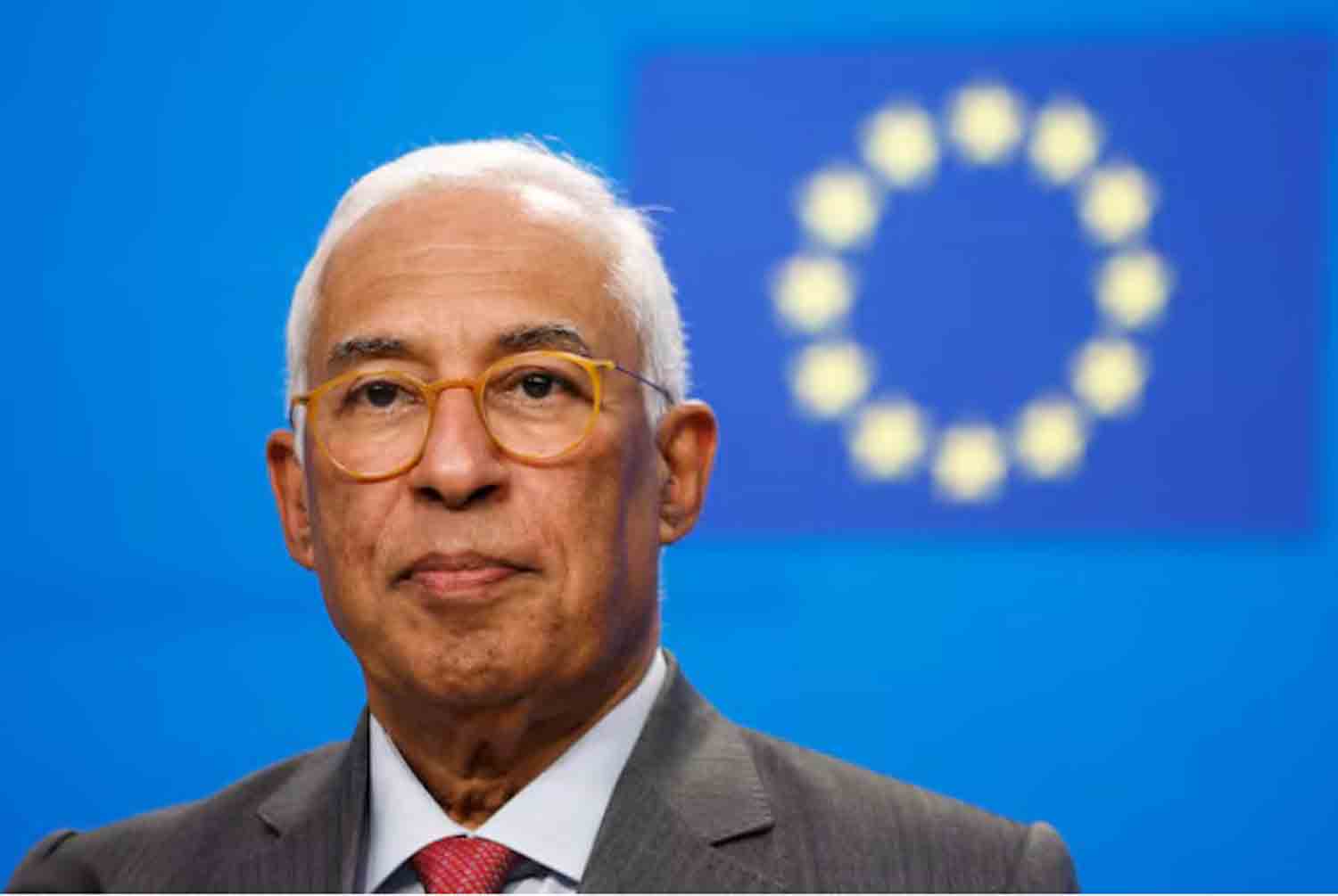
When questioned about Trump’s assertions, the European Commission declined to provide detailed comments. Ursula von der Leyen, President of the European Commission, along with Antonio Costa, President of the European Council, responded vaguely, stating that the “EU will consistently safeguard our citizens and uphold the integrity of our democracies and freedoms.” They also expressed a somewhat redundant anticipation for a constructive relationship with the forthcoming US administration, grounded in shared values and mutual interests. They concluded with the sentiment that “in a challenging world, Europe and the US are more powerful together.”

The disparity in the EU’s stance regarding Russia’s actions in Ukraine compared to its position on the US’s potential interest in Greenland highlights Europe’s geopolitical vulnerabilities and inconsistencies.

Italy, Albania, and the UAE have reached an agreement to establish an energy subsea interconnection

0

Italy, Albania, and the United Arab Emirates finalized a significant agreement on Wednesday, valued at a minimum of 1 billion euros ($1 billion), to establish a subsea interconnection for renewable energy across the Adriatic Sea.

Italian Prime Minister Giorgia Meloni expressed strong confidence in the initiative, which involves collaboration among the three governments, private sector stakeholders, and grid operators, during her announcement at the World Future Energy Summit in Abu Dhabi.

This trilateral partnership aims to generate green energy in Albania and transmit it to Italy via underwater cables. Albanian Prime Minister Edi Rama noted that the project will include the Italian grid operator Terna and the UAE’s National Energy Company. He further mentioned that the infrastructure will link the Albanian port of Vlore to the southern Italian region of Puglia, the closest point between the two nations, with an anticipated operational timeline of no more than three years.

Russian airstrike targets infrastructure in western Ukraine

0

Russia targeted essential infrastructure in western Ukraine, according to officials on Wednesday, marking the latest airstrike on the country’s already strained energy grid as winter approaches. The governor of the Lviv region reported that two facilities in the Drohobych and Stryi districts sustained damage from the assault. In the nearby Ivano-Frankivsk region, the governor noted that local air defenses successfully intercepted Russian attacks on facilities there.

Both officials confirmed that no injuries were reported, although further details were not disclosed. Earlier in the day, Ukraine’s national grid operator implemented emergency power outages across six regions, following alerts from Kyiv’s air force regarding missile launches by Russia during a nationwide air raid warning. Additionally, Ukrainian Energy Minister German Galushchenko announced on social media that “preventative measures” concerning the distribution system were also being implemented.

Russia has consistently conducted airstrikes on Ukraine’s energy infrastructure as its ground forces continue their offensive in the ongoing invasion that has persisted for three years.

Russia is attempting to surround Pokrovsk

0
The city of Pokrovsk in Donetsk region, Ukrain.

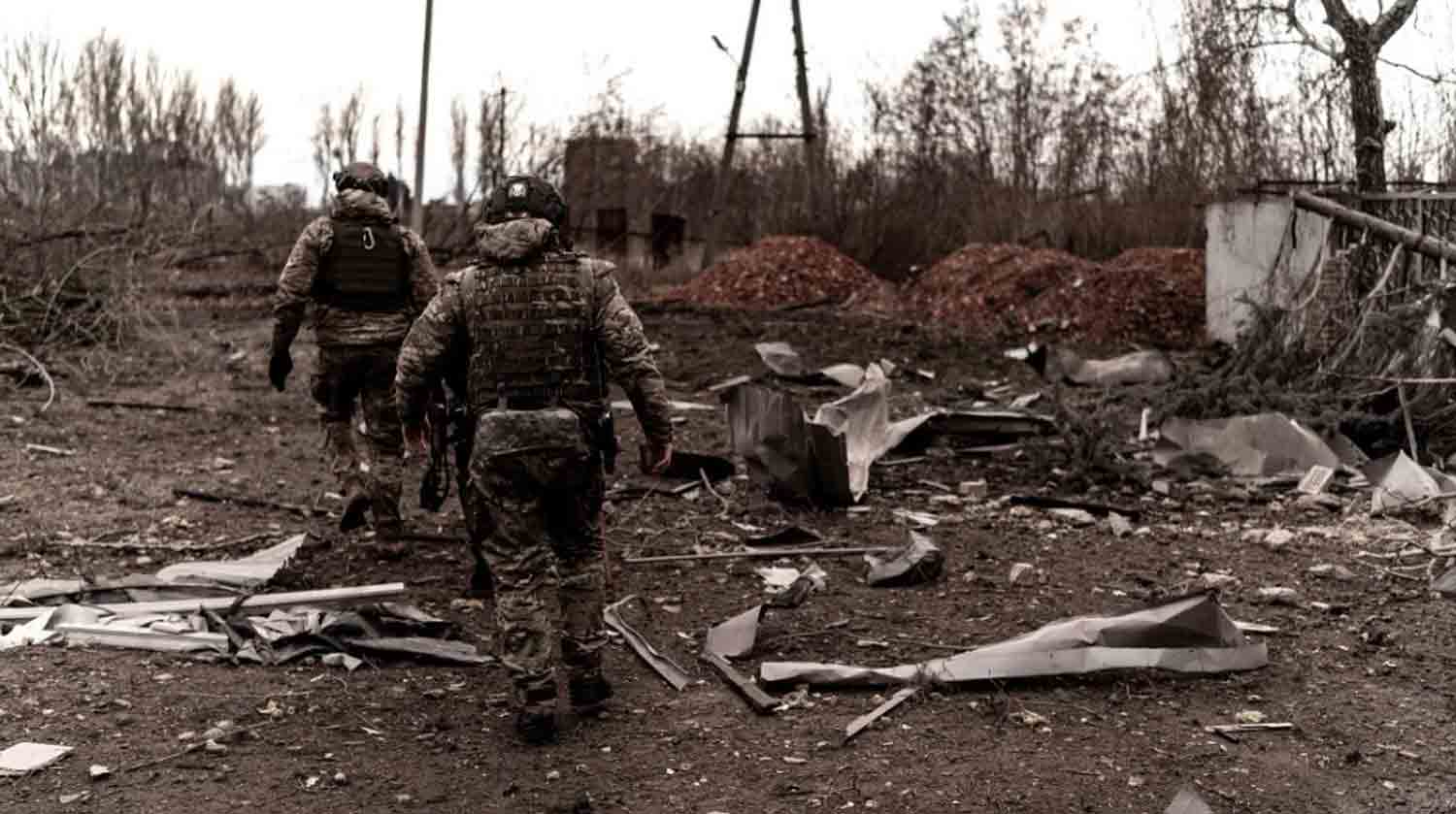
According to Viktor Tregubov, the spokesman for OSGV “Khortitsa,” Russian forces are attempting to establish a foothold in villages surrounding the city of Pokrovsk in the Donetsk region, aiming to partially encircle it. The Ukrainian defense forces have thus far succeeded in repelling the enemy’s advances.

Last night, the Ukrainian Air Force reported that Russia launched over 110 Shahed drones and drone decoys against Ukraine. These unmanned aerial vehicles were reportedly deployed from various Russian cities, including Millerovo, Orel, Bryansk, and Primorsko-Akhtarsk. The Ukrainian military successfully intercepted 78 of these drones, while 31 drone imitators were also destroyed. Debris from the downed drones caused damage to homes and vehicles in several regions of Ukraine, particularly in Kyiv, Zhitomir, and Zaporizhia, although there were no reported casualties or injuries. The UK Ministry of Defence has estimated that Russia may be capable of launching more than 1,500 drones each month.

The Ukrainian Air Force indicated that 53% of the Russian kamikaze drones were intercepted, while the remainder were either neutralized by electronic warfare or veered off course without posing a significant threat. Various factors can influence the monthly launch rate, but it is still likely that Russia can sustain a launch rate of 1,500 drones per month.

Ukrainian drones targeted the Russkaya compressor station in the Krasnodar region on January 11, aiming to disrupt gas supplies through the Turkish Stream pipeline, according to the Russian Defense Ministry. The ministry reported that nine drones were launched at the facility, all of which were intercepted. However, debris from the drones caused damage to the building and equipment of the gas metering station. The ministry confirmed that gas supply has been restored and is functioning normally, with no reported injuries among personnel. The Ukrainian authorities have not yet responded to these claims.

The Turkish Stream pipeline continues to be a vital channel for Russian gas deliveries to the EU following the cessation of transit through Ukraine on January 1. Moscow has previously alleged that Kiev was planning sabotage against the underwater segment of the pipeline, although Ukrainian officials have refrained from commenting on these accusations. There has been no independent verification of the reported attack on the compressor station.

In the Donetsk region, the Russian military is attempting to establish a presence in villages near Pokrovsk to partially encircle the city. This information was shared by Viktor Tregubov, spokesperson for the Khortitsa operational-strategic group, during a Ukrainian telethon.

“The Russians are making efforts to secure every house in the villages of Yelizavetovka, Lysovka, Zelenoe, Luch, Novy Trud, and others to facilitate further advances. While they are not making progress directly on Pokrovsk, they are trying to reach the forested area near the highway, which is crucial for supply routes to the city,” Tregubov stated.

He emphasized that currently, the Russians have not succeeded in reaching their objectives, despite ongoing efforts that involve substantial human and technical resources. Ukrainian forces are effectively countering the offensive, having recorded 77 attacks from the aggressor in the past 24 hours, all of which have been thwarted. The American Institute for the Study of War has previously indicated that encircling Pokrovsk is a primary objective for the Russian military. Achieving this goal would enable them to cut off the crucial highway linking Pokrovsk to central Ukraine, particularly to the city of Dnepr.

Germany has delivered the first of the new RCH 155 wheeled howitzers to Ukraine, aimed at bolstering Ukrainian artillery capabilities. The handover ceremony took place in Kassel, attended by German Defense Minister Boris Pistorius and Ukrainian Ambassador Alexey Makeyev. Ukraine has placed an order for 54 howitzers from Germany, with the initial batch remaining in Germany for the training of Ukrainian troops. As Pistorius stated, “Ukraine can count on us, and this is a signal. Germany is prepared to assume responsibility in Europe.”

Nearly a week later, Russian firefighters have managed to contain a fire at an oil depot in Engels. However, the blaze, which ignited following a Ukrainian drone attack, has not been fully extinguished, according to Russian officials.

Roman Busargin, the Governor of the Saratov Region, reported that the fire at the industrial facility in Engels has been contained, although small, isolated flames continue to flare up intermittently, which are promptly addressed by firefighting teams.

On January 8, Ukrainian drones targeted the Kristall oil depot, a key supplier of fuel to the Engels-2 airfield, home to Tu-95MS strategic bombers. The General Staff of the Armed Forces of Ukraine reported that the resulting fire inflicted considerable damage. Experts from the Ukrainian military portal Defense Express highlighted that the depot contained specialized fuel for Tu-160 aircraft, which is produced in limited quantities. The destruction of this facility may severely hinder the operations at the airfield, potentially impacting the air operations of the Russian Aerospace Forces.

Iran’s navy has introduced its inaugural signals intelligence vessel

0

Iran’s navy has officially received its inaugural signals intelligence vessel, as reported by the semi-official Tasnim news agency. This development follows the recent acquisition of 1,000 new drones by the country’s military.

The vessel, named Zagros, represents a new class of military ship equipped with advanced electronic sensors capable of intercepting cyber operations and conducting intelligence surveillance, according to Tasnim.

Navy Commander Shahram Irani stated, “The Zagros signals intelligence ship will serve as the vigilant eye of Iran’s navy across the seas and oceans.”

Earlier this month, Iran commenced a two-month military exercise that has already featured war games in which the elite Revolutionary Guards simulated the defense of critical nuclear facilities in Natanz against hypothetical missile and drone attacks.

These military activities and acquisitions occur amid heightened tensions with Iran’s primary adversaries, Israel and the United States, particularly with the impending presidency of Donald Trump. In October, an Iranian government spokesperson announced plans to increase the military budget by approximately 200% to address escalating threats.

Trump’s Greenland proposal has ignited discussions in China about Taiwan strategy

0
President-elect Donald Trump speaks at Turning Point USA's AmericaFest in Phoenix, Arizona, U.S.

For many years, the U.S. government has called on China to exercise “restraint” regarding its claims over Taiwan and to refrain from military threats aimed at asserting control over the democratically governed island. Recently, some Chinese commentators argue that the effectiveness of this longstanding U.S. message has been weakened by President-elect Donald Trump‘s aggressive rhetoric about potentially seizing Greenland and the Panama Canal, even by force if necessary. Trump is set to assume office on January 20.

The ramifications of Trump’s statements for U.S. policy concerning Taiwan have been a topic of extensive discussion on Chinese social media and among foreign policy experts. While it is unlikely that the military situation surrounding Taiwan will change in the immediate future, some analysts suggest that Trump’s departure from traditional American diplomatic practices could present an opportunity for China.

Zhao Minghao, a professor at the Institute of International Studies at Fudan University in Shanghai, emphasized the seriousness of Trump’s threats regarding Greenland, the Panama Canal, and even Canada. He noted, “In addition, we must consider Trump’s transactional approach to foreign policy, which he takes seriously. Many in China still view Trump as a negotiator, even on complex issues such as Taiwan.”

China’s foreign ministry described attempts to associate Greenland’s status with Taiwan as “absurd.” In a statement provided to Reuters, the ministry emphasized that the Taiwan issue is a domestic concern for China, asserting that the resolution lies solely with the Chinese populace.

In response to inquiries about whether Trump’s remarks might encourage China to escalate tensions regarding Taiwan, Taiwan’s foreign ministry reiterated that the Republic of China, the island’s official designation, is a “sovereign and independent country.”

The ministry added that any misrepresentation of Taiwan’s sovereign status will not alter the existing situation in the Taiwan Strait. The Trump transition team has not yet responded to requests for comments on this matter.

China continues to assert that Taiwan is part of its territory and has not ruled out the use of force to assert control over the island. A significant consideration for Beijing is the U.S. legal obligation to supply Taiwan with defensive capabilities, although the extent to which U.S. forces would intervene in a conflict with China remains uncertain due to a policy of “strategic ambiguity.”

During his first term, Trump expressed strong support for Taiwan, including regular arms sales. However, he suggested during last year’s campaign that Taiwan should financially contribute to its defense. Taiwan has consistently stated its commitment to increasing defense expenditures.

The situation regarding Taiwan is fundamentally distinct from the cases of Greenland, Canada, or the Panama Canal. From China’s perspective, Taiwan is already considered a part of its territory, destined to be “returned to the motherland,” a claim that Taiwan firmly disputes.

Trump’s remarks about Greenland have sparked significant discussion on Chinese social media, which operates under strict censorship. Wang Jiangyu, a law professor at City University of Hong Kong, expressed on the microblogging platform Weibo, “If the United States were to annex Greenland, China must take Taiwan.”

A commentator on a Baidu blog suggested that if Trump proceeds with his plans for Greenland, China should “seize the opportunity to reclaim Taiwan.” Another user, under the pseudonym “Hongtu Shumeng,” remarked, “Trump appears to be serious, so we should also consider what we might gain from this situation.”

Chen Fei, an associate professor at Central China Normal University’s School of Politics and International Studies, noted on the Chinese news portal NetEase that, similar to Greenland for Trump, Taiwan represents a vital security interest for China. However, he emphasized that the two matters are not equivalent, as Trump’s actions pose a direct threat to another nation’s sovereignty. “Taiwan is an intrinsic part of China and a purely internal issue. It is unrelated to the sovereignty of other countries.”

Bonnie Glaser, a Taiwan specialist at the German Marshall Fund of the United States, indicated that for Chinese President Xi Jinping, other considerations hold more significance, particularly his evaluation of China’s military strength and the potential repercussions of using force against Taiwan. She remarked, “I doubt that Beijing will draw parallels between Greenland and Taiwan. The Chinese view Taiwan as an integral part of China and would not consider purchasing it; no Taiwanese government would consent to such an arrangement.”

Drew Thompson, a Senior Fellow at the S. Rajaratnam School of International Studies in Singapore and a former U.S. Department of Defense official, expressed skepticism about the notion that Trump’s comments regarding Greenland could strengthen China’s claims over Taiwan. He noted, “However, if President Trump were to refuse to dismiss the possibility of using military force to safeguard U.S. interests, such a stance could serve as a significant deterrent to Beijing, discouraging any actions that might provoke a U.S. military response to defend Taiwan.” He concluded, “That would represent a formidable deterrent for China.”

Ukraine has announced emergency power outages in response to a significant Russian airstrike

0

Ukraine has implemented emergency power outages across six regions following what officials characterized as a “massive” missile assault from Russia, according to the national grid operator’s announcement on Wednesday.

Kyiv’s air force had issued warnings about multiple missile groups being launched by Russia during a nationwide air-raid alert, although there were no immediate reports of any damage.

Ukrenergo stated that power cuts were enacted in the regions of Kharkiv, Sumy, Poltava, Zaporizhzhia, Dnipropetrovsk, and Kirovohrad.

In a separate update, Ukrainian Energy Minister German Galushchenko mentioned on social media that “preventative measures” related to the distribution system were also being implemented. Russia has consistently targeted Ukraine’s energy infrastructure with air strikes as its ground forces continue their offensive in the ongoing invasion that has persisted for three years.

Ukrainian President Zelenskiy travels to Poland following advancements in the World War Two-related conflict

0
Ukraine's President Volodymyr Zelenskiy appears at a joint press conference

Ukrainian President Volodymyr Zelenskiy is scheduled to visit Warsaw on Wednesday, as announced by the Polish prime minister’s office. This visit follows what Poland has described as a significant advancement in resolving a historical dispute regarding wartime exhumations that has affected relations between the two nations.

Despite Poland’s strong support for Ukraine since the onset of the Russian invasion in 2022, historical tensions have persisted, particularly due to the Volhynia massacres that occurred between 1943 and 1945.

Poland claims that over 100,000 Poles were killed by Ukrainian nationalists during these events, while thousands of Ukrainians also fell victim to retaliatory violence. For years, Poland has sought unrestricted access for its experts to the burial sites of the deceased, aiming to conduct exhumations for dignified funerals.

Deputy Prime Minister Wladyslaw Kosiniak-Kamysz indicated in October that Ukraine must address this matter to facilitate its accession to the European Union.

The historical killings have gained renewed political relevance this year, particularly as the leading opposition candidate in Poland’s presidential election, Karol Nawrocki, the conservative head of the National Remembrance Institute (IPN), has prioritized these issues in his campaign. On Friday, Polish Prime Minister Donald Tusk celebrated a “breakthrough” in relations, announcing that Ukraine had agreed to permit the initial exhumations of the victims.

Zelenskiy is set to meet with Tusk on Wednesday, followed by a joint press conference at 1140 GMT. A Polish government official informed Reuters that there are numerous topics to address, particularly regarding exhumations. “Our main concern is how these exhumation decisions are implemented,” the official stated. According to the Polish daily Rzeczpospolita, exhumation efforts are expected to commence in April.

DIALOGUE

The region where the massacres occurred, previously home to both Poles and Ukrainians, was part of Poland prior to World War II before being occupied by the Soviet Union. In 2013, the Polish parliament acknowledged the massacre perpetrated by the Ukrainian Insurgent Army (UPA) during World War II as “ethnic cleansing with characteristics of genocide.”

Ukraine has not accepted this characterization and often views the Volhynia events as part of a broader conflict between Poland and Ukraine that impacted both nations. Kyiv officials have consistently expressed their willingness for “constructive dialogue” with Warsaw, emphasizing that historical issues should not hinder their collaboration.

This month, Poland assumed the rotating presidency of the Council of the European Union, prioritizing the enhancement of the bloc’s security and its commitment to Ukraine, especially in light of Donald Trump’s upcoming inauguration as U.S. president. Ukrainian Foreign Minister Andrii Sybiha mentioned this month that Kyiv anticipates new initiatives to support its efforts against Russia during this presidency.

Takeshi Iwaya says Japan ‘gravely concerned’ about maritime tensions escalating

0
Japan's Foreign Minister Takeshi Iwaya

Japan has expressed serious concerns regarding the escalating tensions in the South China Sea, emphasizing its strong opposition to any unilateral efforts to alter the existing status quo, as stated by its foreign minister on Wednesday.

During his visit to the Philippines, Takeshi Iwaya reaffirmed Japan‘s commitment to providing development assistance and enhancing maritime security for Manila. He also noted that a trilateral framework involving the United States would be reinforced with the upcoming change in administration in Washington.

Iwaya’s trip follows a virtual meeting among Japanese Prime Minister Shigeru Ishiba, Philippine President Ferdinand Marcos Jr., and outgoing U.S. President Joe Biden, where the leaders reiterated their commitment to a “trilateral arrangement” aimed at strengthening economic, security, and technological collaboration in response to rising regional tensions.

“Japan firmly opposes any forceful attempts to unilaterally alter the status quo or escalate tensions in the region. We strongly advocate for a de-escalation of tensions,” Iwaya stated during a joint press conference with his Philippine counterpart in Manila.

As a U.S. ally, the Philippines has faced ongoing maritime disputes with China over the past two years, with both nations frequently clashing over contested areas within Manila’s exclusive economic zone. Each side has accused the other of encroachment, while the Philippines has criticized China for the actions of its coast guard fleet. China claims sovereignty over nearly the entire South China Sea, despite a 2016 international ruling that deemed its claims legally unfounded.

Philippine Foreign Minister Enrique Manalo stated that the relationship between his country and Tokyo is one of the most robust and dynamic in the region. He noted that the two ministers engaged in discussions regarding the security situation in the East and South China Seas, as well as their collaborative efforts in response to a changing geopolitical environment. He emphasized their shared commitment to upholding a rules-based order in the region.

Iran never plotted to kill Donald Trump, Iranian president says

0
Iranian President Masoud Pezeshkian speaks during a plenary session in the outreach/BRICS Plus format at the BRICS summit in Kazan, Russia.

Iranian President Masoud Pezeshkian stated in an NBC News interview on Tuesday that Iran has never conspired to assassinate Republican U.S. President-elect Donald Trump, refuting earlier assertions made by Trump and the U.S. government.

In November, the U.S. Justice Department charged an Iranian individual in relation to an alleged assassination plot purportedly ordered by Iran’s Revolutionary Guard Corps against the president-elect. Authorities managed to prevent the alleged scheme from being executed.

During the previous U.S. election campaign, Trump suggested that Iran might have been involved in attempts on his life. When asked about any Iranian plans to kill Trump, Pezeshkian firmly responded, “None whatsoever.” He emphasized that Iran has never made such attempts and has no intention of doing so in the future.

Trump, who won the election and is set to take office on Monday, faced two assassination attempts during his campaign—one in September while golfing in West Palm Beach, Florida, and another during a rally in Butler, Pennsylvania, in July. Investigators have found no evidence linking Iran to either incident.

Additionally, Iran has consistently denied U.S. allegations of meddling in American affairs, including through cyber activities. Tehran has accused Washington of interfering in its internal matters for decades, referencing events such as the 1953 coup against its prime minister and the 2020 drone strike that killed its military commander.

Australia summoned the Russian ambassador after reports of a captured soldier’s death

0

Australia has called in the Russian ambassador following reports that a Melbourne resident was killed after being captured by Russian forces while fighting for Ukraine, Prime Minister Anthony Albanese announced on Wednesday. The Australian government has requested that Russian officials promptly confirm the status of Oscar Jenkins and expressed deep concern regarding the reports of his death, as stated by Albanese during a press briefing.

“We will wait for the facts to emerge. However, if any harm has come to Oscar Jenkins, it is utterly unacceptable, and the Australian government will respond with the utmost severity,” Albanese remarked. When questioned by a journalist about the possibility of expelling the Russian ambassador or recalling Australia’s envoy in Moscow, Albanese indicated that the government would assess its response after verifying the information.

Foreign Minister Penny Wong noted that Australia has had “a very challenging relationship for many years” with Russia across various administrations. “We will evaluate the facts once they are confirmed, but I want to emphasize that all options remain available,” Wong stated during an interview with ABC Radio on Wednesday. She also mentioned that the foreign ministry summoned the Russian ambassador earlier this week. Jenkins, a teacher from Melbourne, was reportedly serving with the Ukrainian military when he was captured by Russian forces last year as a prisoner of war. Australian media indicated that a video from that time showed him in combat attire being questioned about his status as a mercenary.

Australia stands as one of the largest non-NATO supporters of the West’s assistance to Ukraine, providing aid, ammunition, and defense equipment. The country has prohibited the export of alumina and aluminum ores, including bauxite, to Russia, and has imposed sanctions on approximately 1,000 Russian individuals and organizations.

UN is laying the groundwork for increased aid to Gaza during the ceasefire, despite facing major challenges

0
Palestinians inspect the site of an Israeli strike on a tent camp for displaced people, amid the ongoing conflict between Israel and Hamas, in Deir Al-Balah in the central Gaza Strip.

The United Nations announced on Tuesday that it is actively preparing to enhance humanitarian aid to the Gaza Strip in anticipation of a possible ceasefire. However, challenges related to border access and security within the region continue to pose significant hurdles.

Negotiators in Qatar are finalizing the terms of a ceasefire between Israel and Hamas, with both mediators and the involved parties indicating that an agreement is closer than ever. This truce is expected to facilitate a substantial increase in humanitarian assistance to Gaza.

Sigrid Kaag, the U.N. humanitarian and reconstruction coordinator for Gaza, recently held discussions with Israeli and Palestinian officials and spoke with the Egyptian foreign minister on Tuesday regarding the U.N.’s role in the ceasefire efforts, as stated by U.N. spokesperson Stephane Dujarric.

Dujarric emphasized that the U.N. is engaged in extensive planning to determine how to effectively increase aid once a ceasefire is established.

Key uncertainties remain, particularly regarding which border crossings will be accessible for aid delivery and the security conditions in Gaza, as many shipments have faced threats from armed groups and looters during the ongoing conflict. Dujarric acknowledged that these issues will continue to be problematic due to the lack of clear answers.

The U.N. has consistently raised concerns about obstacles to aid delivery in Gaza throughout the 15-month conflict, citing both Israeli actions and the prevailing lawlessness in the region as significant impediments to the provision of assistance.

“strong likelihood of imminent famine”

Global food security experts issued a warning in November about the “strong likelihood of imminent famine” in northern Gaza. According to Palestinian health officials, over 46,000 individuals have lost their lives due to Israel’s military actions in Gaza.

Israel claims that the aid delivered to Gaza, which it estimates at over a million tons in the past year, has been sufficient. However, it accuses Hamas of diverting this assistance before it can reach those in need. Hamas has refuted these claims, attributing the shortages to Israeli actions.

The future of the U.N. Palestinian relief agency, UNRWA, which the U.N. identifies as essential for aid operations in Gaza, remains uncertain due to an impending law that will prohibit its operations on Israeli territory and contact with Israeli authorities.

Dujarric stated that the U.N. and its partner organizations are making every effort to assist Palestinians with severely limited resources. “Nevertheless, ongoing conflicts, violent looting, and systematic access restrictions are significantly hindering our initiatives,” he noted. “Damage to roads, unexploded ordnance, fuel shortages, and inadequate telecommunications equipment are further obstructing our operations.”

“It is crucial that essential aid and commercial goods are allowed to enter Gaza through all available border crossings without delay and at the necessary scale,” he emphasized.

On October 7, 2023, Hamas was responsible for the deaths of 1,200 individuals in southern Israel and the abduction of approximately 250 hostages, according to Israeli reports. Since that time, Israel has caused extensive destruction in Gaza, leading to multiple displacements of the territory’s prewar population of 2.3 million, as reported by humanitarian agencies.

Blinken provides the most comprehensive overview to date of the plans for post-war Gaza

0

Secretary of State Antony Blinken provided a comprehensive overview of his anticipated plans for post-war Gaza on Tuesday, emphasizing the necessity of preventing a power vacuum in the devastated region.

In a speech at the Atlantic Council, Blinken outlined the “core elements” of his strategy just days before concluding his tenure as the top US diplomat. He indicated that these plans would be passed on to the incoming Trump administration, although there is no indication that the new team intends to implement them.

The conflict between Israel and Hamas in Gaza has persisted for over a year, resulting in more than 46,000 fatalities in the besieged area, as reported by the Palestinian Health Ministry. A significant portion of those deceased are women and children, while recent efforts to secure a ceasefire and a hostage agreement have begun to show promise. Blinken expressed hope on Tuesday that such an agreement is “ready to be concluded and implemented” if Hamas agrees.

In what may be his last public address as secretary of state, Blinken aimed to defend the Biden administration’s approach to Gaza, which has faced intense scrutiny from some Democratic lawmakers, current and former US officials, and human rights organizations that accuse Israel of committing genocide. Both the Biden administration and the Israeli government have dismissed these claims.

In a speech frequently disrupted by protestors labeling him “bloody Blinken,” the leading US diplomat recognized the significant rifts regarding the administration’s stance on Gaza, stating, “I wish I could stand here today and assure you that we made every decision correctly. I cannot.”

Upcoming Difficult Choices

“I wish I could assure you that regional leaders consistently prioritize their people’s needs over their own. They have not,” Blinken remarked, emphasizing the necessity for effective plans for the future.

He indicated that these plans would demand “all parties to demonstrate the political resolve to make tough choices and compromises,” which includes reforms from the Palestinian Authority (PA) and the Israeli government’s acceptance of eventual PA governance over a unified Palestinian state.

The State Department has been collaborating with partners for several months to formulate a post-conflict plan addressing security, governance, and reconstruction in Gaza, asserting that the international community cannot afford to delay such preparations until a ceasefire is achieved.

In the immediate aftermath of the conflict, “we believe the Palestinian Authority should invite international partners to assist in establishing and managing an interim administration responsible for essential civil sectors in Gaza, such as banking, water, energy, health, and civil coordination with Israel,” Blinken explained. “The international community would offer funding, technical assistance, and oversight.”

Blinken indicated that the interim administration would consist of Palestinians from Gaza alongside members of the Palestinian Authority (PA). He stated that they would “transfer full responsibility to a fully reformed PA administration as soon as it is practical.”

The administrators would collaborate closely with a senior UN official tasked with overseeing the international stabilization and recovery efforts, according to Blinken.

He elaborated that “an interim security mission would comprise personnel from partner nation security forces and vetted Palestinian individuals. Its duties would involve establishing a secure environment for humanitarian and reconstruction initiatives and ensuring border security, which is vital to preventing smuggling that could enable Hamas to restore its military capabilities.”

Blinken also mentioned plans to initiate a program aimed at training, equipping, and vetting a PA-led security force for Gaza, which would focus on maintaining law and order and gradually assume responsibilities from the interim security mission. He emphasized that “these arrangements would be formalized in a UN Security Council Resolution.”

Path to a Palestinian state

Regarding the path to a Palestinian state, Blinken noted that while he did not specify particular countries, “some of our partners have already shown a willingness to provide troops and police for such a mission, but only if it is agreed that Gaza and the West Bank will be unified under a reformed PA as part of a pathway to an independent Palestinian state.”

Blinken emphasized that the process must be both “time-bound” and “conditions-based,” asserting that these principles are interdependent.

“Time-bound, as an endless process will not be credible or acceptable,” he stated. “Conditions-based because while Palestinians have the right to self-determination, this right comes with responsibilities. It is unreasonable to expect Israel to accept a Palestinian state governed by Hamas or other extremist groups.”

The leading US diplomat highlighted the potential of the elusive Israel-Saudi normalization agreement as “the best opportunity to achieve the long-desired goal of Israel’s deeper integration into the region, and it serves as the strongest incentive for the parties to make the difficult decisions necessary to fulfill the aspirations of both Israelis and Palestinians.”

Blinken acknowledged the extremism of far-right Israeli leaders such as Itamar Ben-Gvir and Bezalel Smotrich, stating that “Israelis must let go of the notion that they can pursue de-facto annexation without repercussions for Israel’s democracy, its international standing, and its security.”

“We genuinely hope that the parties will be willing to make difficult choices moving forward; however, the undeniable reality is that thus far, they have either failed to make these tough decisions or acted in ways that have pushed a deal and lasting peace further out of reach,” he added.

Israel’s government has consistently weakened the capacity and legitimacy of the Palestinian Authority, which is the only viable alternative to Hamas, Blinken stated. He emphasized that Israel continues to withhold tax revenues collected on behalf of the Palestinians, funds that are essential for the Palestinian Authority to provide critical services such as healthcare and security in the West Bank, which are also crucial for Israel’s own security.

Furthermore, Blinken noted that Israel is accelerating the expansion of official settlements and the nationalization of land at an unprecedented rate, while ignoring the significant increase in illegal outposts. He pointed out that violent incidents involving extremist settlers against Palestinian civilians have reached alarming levels.

Blinken highlighted that the United States has communicated to the Israeli government that defeating Hamas cannot rely solely on military action. He stressed the necessity of a clear alternative, a post-conflict strategy, and a credible political pathway for the Palestinians; otherwise, Hamas or a similarly dangerous entity will inevitably resurface.

He remarked that this situation has already manifested in northern Gaza since October 7, where each time Israel concludes its military operations and withdraws, Hamas militants regroup and reappear due to the absence of any alternative. He further assessed that Hamas has managed to recruit nearly as many new militants as it has lost, creating a situation conducive to a lasting insurgency and ongoing conflict.

South Korean president taken into custody by anti-corruption officials following an extended standoff

0

South Korean President Yoon Suk Yeol has been taken into custody, as reported by the nation’s anti-corruption agency, marking a significant development in a prolonged political crisis that began with his unexpected martial law announcement last month.

Earlier today, South Korean officials investigating Yoon made a second attempt to apprehend the beleaguered leader at his official residence for questioning regarding his brief declaration.

For several weeks, Yoon has remained in his heavily secured residence, accompanied by his Presidential Security Service team, avoiding arrest while facing multiple investigations and an impeachment trial linked to his controversial decree.

He is sought for questioning in various inquiries, including allegations of inciting an insurrection, a serious offense that could result in life imprisonment or even the death penalty.

Attempts to detain him earlier this month were unsuccessful after a lengthy standoff, during which soldiers and members of the presidential security team prevented approximately 80 police officers and investigators from accessing the presidential compound.

On Wednesday, opposing protesters quickly gathered at the location. Footage from Reuters and CNN captured demonstrators arriving by bus and assembling in the streets surrounding the presidential residence.

Despite the frigid temperatures, some protesters were heard chanting phrases such as “resign,” “your time is up,” and “take responsibility.” In contrast, supporters of the beleaguered president could be heard shouting “invalid impeachment,” “free ROK, hurrah!” and “we won!”

The gatherings were monitored by lines of uniformed police, with a mix of police and protester buses stationed outside the president’s residence, effectively blocking the street.

A video from YTN captured a prominent sign on the back of one bus that read “Insurrection Department – Yoon Suk Yeol” in Korean, a slogan commonly associated with anti-Yoon demonstrations since the president enacted his martial law decree last month.

Earlier this month, a court granted a warrant for the president’s detention after Yoon, a former prosecutor, declined to respond to three summonses from investigators seeking his cooperation, as reported by the CIO.

This warrant permits investigators to hold Yoon for a maximum of 48 hours. The CIO must request an arrest warrant within that timeframe to extend his detention.

Martial Law Announcement

In a surprising late-night address on December 3, Yoon announced the imposition of martial law, asserting that opposition lawmakers had “paralyzed state affairs” and that this action was essential to “protect a liberal South Korea” from perceived threats by “anti-state elements.”

Approximately six hours later, members of the National Assembly, including some from Yoon’s own political party, voted to annul the declaration. The announcement sparked significant backlash from both the public and lawmakers across the political spectrum, evoking distressing memories of the nation’s authoritarian history.

Yoon’s legal team has maintained that the detention warrant is “an illegal, invalid warrant” and has pledged to pursue legal measures against its enforcement. Supporters of the suspended president have also argued that the actions taken against him violate South Korean law.

Despite the ongoing investigations and an impeachment trial being conducted by one of the nation’s highest courts, Yoon has remained resolute.

Last month, the former prosecutor-turned-politician lost his presidential powers after parliament voted to impeach him due to the decree. The final decision regarding his formal removal or reinstatement now rests with the Constitutional Court.

The impeachment trial commenced on Tuesday but concluded after only four minutes when the president chose not to attend. The trial, which may extend up to six months, is scheduled to continue on Thursday, regardless of Yoon’s presence.

Since Yoon’s declaration of martial law, the nation has experienced significant political turmoil, with parliament recently voting to impeach both the prime minister and acting president, Han Duck-soo, shortly after a similar vote against Yoon himself. The finance minister, Choi Sang-mok, is currently serving as acting president.

The Constitutional Court has committed to prioritizing the case against Yoon, alongside other impeachment proceedings initiated by the opposition against various officials in Yoon’s administration, including the justice minister and senior prosecutors.

Trump’s Pentagon nominee, Pete Hegseth faces a contentious Senate hearing

0

The upcoming Senate confirmation hearing for U.S. President-elect Donald Trump‘s nominee for Secretary of Defense, former Fox News host Pete Hegseth, is expected to center on cultural issues such as military diversity rather than international conflicts. Hegseth, known for his controversial views, faces a challenging confirmation process, which may hinge on his performance before the Senate Armed Services Committee, despite backing from Trump’s Republican supporters.

Concerns have been raised among lawmakers regarding several incidents from Hegseth’s past, including a 2017 sexual assault allegation that he denies and which did not lead to any charges, as well as claims of excessive alcohol consumption and financial mismanagement within veterans’ organizations. At 44, Hegseth has been vocal against diversity, equity, and inclusion initiatives in the military, even questioning the qualifications of the top U.S. general based on race. He has also expressed strong opposition to women serving in combat roles.

Reuters has reported on various confrontations Hegseth had with feminist groups during his time at Princeton University. Additionally, a 2021 incident highlighted by Reuters involved a fellow Army National Guard member labeling him an “insider threat” due to his tattoos, which Hegseth claims resulted in his removal from Guard duty during President Joe Biden’s inauguration.

Democratic Senator Elizabeth Warren expressed her concerns in a letter to Hegseth prior to the hearing, stating, “We cannot have a Defense Secretary whose fellow servicemembers feel concerned enough to report him as a potential insider threat.”

In recent weeks, support for Trump’s nominee has solidified within the Republican Party. Republican Senator Markwayne Mullin remarked on Monday, “I look forward to discussing Hegseth’s plans to reform the Department of Defense and safeguard the warfighter.”

However, with a narrow Republican majority in the Senate, Hegseth can afford to lose the backing of only three Senators if Democrats and independents stand united against him. Typically, Cabinet nominees do not face Senate defeats, as they are often withdrawn if they appear to be in jeopardy. The last nominee to be rejected was former Senator John Tower, who was proposed for Secretary of Defense in 1989 but was investigated for allegations of drunkenness and inappropriate conduct with women.

If confirmed, Hegseth could fulfill Trump’s commitment to eliminate military leaders he believes are advancing progressive diversity initiatives. Reports indicate that the Trump administration has been compiling a list of generals targeted for dismissal.

Hegseth, who lacks extensive management experience, would oversee an organization with a budget nearing $1 trillion, comprising 1.3 million active-duty personnel and nearly 1 million civilian employees. The incoming Secretary of Defense will encounter significant international challenges, including ongoing conflicts in Ukraine and Gaza, as well as the growing military presence of China, although it remains uncertain how extensively these issues will be addressed during the hearing.

North Korea’s deployment of suicide soldiers presents a new challenge for Ukraine in its conflict with Russia

0
Military members salute during a military demonstration involving tank units, guided by North Korean leader Kim Jong Un (not pictured), in North Korea.

Following a recent confrontation in the snowy western region of Kursk, Russia, Ukrainian special forces examined the remains of over a dozen North Korean soldiers who had been killed. Among the deceased, they discovered one soldier who was still alive. However, as the Ukrainian forces approached, he activated a grenade, resulting in his own death, as detailed in a social media post by Ukraine‘s Special Operations Forces on Monday. The Ukrainian soldiers reported that they were unharmed by the explosion. Reuters has not been able to confirm this event.

This incident adds to the growing evidence from the battlefield, intelligence assessments, and accounts from defectors indicating that some North Korean troops are resorting to desperate actions in support of Russia‘s ongoing conflict with Ukraine, which has lasted three years. “Self-detonation and suicides: that’s the reality about North Korea,” stated Kim, a 32-year-old former North Korean soldier who defected to South Korea in 2022. He requested that only his surname be used due to concerns for the safety of his family still residing in the North.

“These soldiers who have left their homes to fight are deeply indoctrinated and genuinely willing to sacrifice themselves for Kim Jong Un,” he remarked, referring to the secretive North Korean leader. Kim, who was introduced to Reuters by the Seoul-based human rights organization NK Imprisonment Victims’ Family Association, shared that he had been involved in military construction projects in Russia for approximately seven years until 2021, aimed at generating foreign currency for the North Korean regime.

Ukrainian and Western intelligence reports indicate that North Korea has dispatched approximately 11,000 troops to bolster Russian forces in the Kursk region, which Ukraine captured during a surprise offensive last year. Kyiv reports that over 3,000 of these soldiers have either been killed or injured.

The North Korean mission to the United Nations in Geneva has not yet responded to inquiries regarding this matter. Initially, both Moscow and Pyongyang dismissed the claims of troop deployment as “fake news.” However, in October, Russian President Vladimir Putin acknowledged the presence of North Korean soldiers in Russia, while a North Korean official stated that such a deployment would be legitimate.

This week, Ukraine released footage purportedly showing two North Korean soldiers in captivity. According to Ukrainian President Volodymyr Zelenskiy, one soldier expressed a wish to remain in Ukraine, while the other wanted to return to North Korea.

“Being captured signifies betrayal”

North Korea’s involvement in Russia marks its first significant military engagement since the Korean War of 1950-53. Although North Korea previously sent a smaller number of troops to the Vietnam War and the Syrian civil war, this deployment is notably larger. The United States has cautioned that this experience could enhance North Korea’s military capabilities against its neighboring countries.

North Korea’s leader, Kim Jong Un, has previously proclaimed his military as “the strongest in the world,” as reported by state media. In 2023, the regime released propaganda videos featuring bare-chested soldiers engaging in winter training activities, such as running through snowy landscapes, leaping into icy waters, and breaking blocks of ice.

However, a South Korean lawmaker, who received a briefing from the nation’s intelligence agency, indicated that the casualty figures of North Korean soldiers on the battlefield reveal a lack of preparedness for contemporary warfare, including drone assaults. He suggested that these soldiers might be utilized as “cannon fodder” by Russia. More alarmingly, there are indications that these troops have been ordered to take their own lives, he noted.

“Recently, it was confirmed that a North Korean soldier, facing the risk of capture by Ukrainian forces, called out for General Kim Jong Un and attempted to detonate a grenade to kill himself, but he was shot,” stated Lee Seong-kweun, a member of the South Korean parliament’s intelligence committee. He added that documents found with deceased North Korean soldiers indicate that the regime has stressed the importance of self-destruction and suicide to avoid capture.

When pressed for additional details regarding the cases he mentioned, he refrained from providing further information, citing it as intelligence shared with South Korea’s National Intelligence Service (NIS). The NIS did not respond to inquiries for comment on Tuesday.

According to Yang Uk, a defense analyst at the Asan Institute of Policy Studies, suicides among soldiers or spies not only demonstrate loyalty to the Kim Jong Un regime but also serve as a means to protect their families remaining in North Korea.

Ukrainian President Zelenskiy stated on Sunday that Kyiv is prepared to return captured North Korean soldiers to Kim Jong Un if he can facilitate the exchange for Ukrainians held in Russia. For some North Korean soldiers, however, the prospect of capture and repatriation to Pyongyang is perceived as a fate worse than death, according to Kim, a defector and former soldier. “Becoming a prisoner of war equates to treason. Being captured signifies betrayal.”

Becoming a prisoner of war is synonymous with treason. Being taken captive signifies that you are a traitor. The military emphasizes the importance of leaving behind one final bullet, which is the essence of our discussion, he stated.

Russia is prepared to examine Trump’s proposals for peace in Ukraine, according to Lavrov

0
Russian Foreign Minister Sergey Lavrov

Russia is ready to examine the peace proposals regarding Ukraine put forth by U.S. President-elect Donald Trump once he assumes office next week, according to Foreign Minister Sergei Lavrov‘s statement on Tuesday.

Lavrov noted that Trump’s remarks about the conflict—specifically his assertion that he could resolve it within 24 hours of taking office—were made prior to his inauguration. However, he expressed appreciation for Trump’s team beginning to address “the reality on the ground” in their discussions about Ukraine.

This shift in perspective was evident in statements made by both Trump and incoming national security adviser Mike Waltz. Waltz mentioned in an ABC interview on Sunday that it is evident the war must conclude through diplomatic efforts. He remarked, “I just don’t think it’s realistic to say we’re going to expel every Russian from every inch of Ukrainian soil, even Crimea. President Trump has acknowledged that reality, and I think it’s been a huge step forward that the entire world is acknowledging that reality. Now let’s move forward.”

Kremlin claims the U.S. is fueling instability in the Caucasus

0
Kremlin spokesman Dmitry Peskov

The Kremlin stated on Tuesday that Russia highly values its strong ties with Armenia, asserting that the United States, which is poised to finalize a strategic partnership agreement with Armenia, has never contributed to stability in the region. Armenia, a former Soviet republic, has historically been a significant ally of Russia; however, in recent years, it has been strengthening its connections with Western nations.

Kremlin spokesman Dmitry Peskov remarked during a daily briefing that the United States is actively attempting to draw new countries into its sphere of influence. He further noted that Washington has not played a notably stabilizing role in the South Caucasus, suggesting the contrary may be true.

Later on Tuesday, Armenian Foreign Minister Ararat Mirzoyan and U.S. Secretary of State Antony Blinken are expected to sign the strategic partnership agreement in Washington, although the State Department and the Armenian ministry have not provided additional details. The U.S. and Armenia conduct annual joint military exercises in Armenia and have established multiple trade and investment agreements. Additionally, the U.S. is home to a significant Armenian diaspora.

Last week, Armenia’s parliament approved a bill to initiate the country’s application for European Union membership, although a swift accession is deemed unlikely. Meanwhile, relations between Yerevan and Moscow have deteriorated, with Armenia criticizing Russia for its perceived failure to protect it from Azerbaijan, particularly during a brief conflict in 2023. Despite being a treaty ally of Russia, Armenia has consistently expressed its disapproval of Moscow’s actions in Ukraine and has provided humanitarian assistance to Kyiv.

Peskov informed reporters that Armenia possesses the sovereign right to establish relationships with any nation. However, he emphasized that Russia holds its relationship with Armenia in high regard and is committed to further enhancing these ties.

India and China must work towards rebuilding trust, according to the Indian army chief

0

Indian Army Chief General Upendra Dwivedi has indicated that a standoff-like condition persists along the Line of Actual Control (LAC), the informal ceasefire line between India and China, despite an agreement for disengagement reached in October 2024. During a press conference in New Delhi on Monday, the general emphasized the necessity for both nations to “come together and rebuild trust.”

General Dwivedi remarked that following the violent confrontations that began in 2020, both countries have altered the landscape, increased troop deployments, and amassed weaponry. Although efforts have been made to disengage, he pointed out that the border situation still resembles a standoff.

“The deployment of troops is directly influenced by the trust factor between the two armies, and capabilities have been established on the other side. Given the current capabilities, we will need to sustain troop levels,” General Dwivedi explained.

He further noted that “for the time being, we are not considering a reduction in troop levels along the Line of Actual Control during the winter months,” mentioning that a reassessment could take place before summer.

The Army Chief also reported that patrolling activities have resumed in the Depsang and Demchok regions of Eastern Ladakh along the LAC, in accordance with agreements made last year. He pointed out that two rounds of verification patrols have been completed thus far, with both sides expressing satisfaction with the process.

On October 21, just one day prior to the BRICS summit in Kazan, Russia, New Delhi and Beijing announced an agreement to disengage along the Line of Actual Control (LAC). Indian Prime Minister Narendra Modi and Chinese President Xi Jinping engaged in a crucial bilateral discussion during the summit.

The two neighboring countries are striving for improved relations, as the extended border conflict has severely impacted their diplomatic and economic interactions. In response, India has enacted various economic policies, such as prohibiting Chinese mobile applications, increasing oversight of Chinese investments, and imposing limitations on electronics imports.