Monday, April 20, 2026
Home Blog Page 90

Japan’s foreign minister has announced his intention to participate in the inauguration of Trump

0
Japan's Foreign Minister Takeshi Iwaya

Japanese Foreign Minister Takeshi Iwaya announced on Sunday his intention to attend Donald Trump‘s inauguration as U.S. president on January 20. This move reflects Prime Minister Shigeru Ishiba’s administration’s desire to strengthen its relationship with the United States, a key security partner.

Iwaya expressed his commitment to fostering a trusting relationship with the Trump administration during a discussion on NHK, Japan’s public broadcaster. He also mentioned his plans to meet with Senator Marco Rubio, who has been nominated as secretary of state.

Additionally, both India and Australia confirmed that their foreign ministers would participate in the inauguration ceremony as Trump resumes his presidency. This will mark Iwaya’s inaugural visit to the U.S. since assuming his role as foreign minister in October. Japan, a longstanding ally of the U.S. that enjoyed a positive rapport with Trump during his previous term, is eager to establish a solid foundation for his second term.

Reports from Japan’s Yomiuri Shimbun indicate that Ishiba is considering a trip to the U.S. as early as February to meet with Trump for the first time. Iwaya aims to engage with other senior officials from the incoming administration to facilitate Ishiba’s visit.

Indian Foreign Minister Subrahmanyam Jaishankar will attend the inauguration at the invitation of the Trump team and plans to meet with members of the new administration, according to a statement from his ministry. Penny Wong, the foreign minister of Australia, also confirmed her attendance, describing the event as a significant opportunity to enhance the benefits of their robust economic and security partnership and to explore avenues for increased cooperation.

Australia’s center-left Labor government has expressed confidence in its partnership with the United States, the nation’s primary security ally, in light of the forthcoming Republican administration. According to Japan’s Nikkei business daily, Australia, India, Japan, and the United States—collectively known as the Quad security group—are making plans for a four-way foreign ministers’ meeting in Washington following Trump’s inauguration.

China has criticized the Quad as a strategy to encircle it and escalate tensions, while the four member countries assert that they are aligned democracies aiming to enhance stability in the Indo-Pacific region.

Russia claims to have gained control over two villages in Eastern Ukraine

0

Russian forces have seized control of the villages of Yantarne in the Donetsk region and Kalynove in the Kharkiv region of Ukraine, as reported by the Russian Defence Ministry on Sunday.

Additionally, the ministry indicated that in the last 24 hours, Russian military operations have targeted Ukrainian military airfields, personnel, and vehicles across 139 sites, employing air power, drones, missiles, and artillery.

Zelenskiy urges allies to fulfill their commitments regarding arms deliveries to Ukraine

0
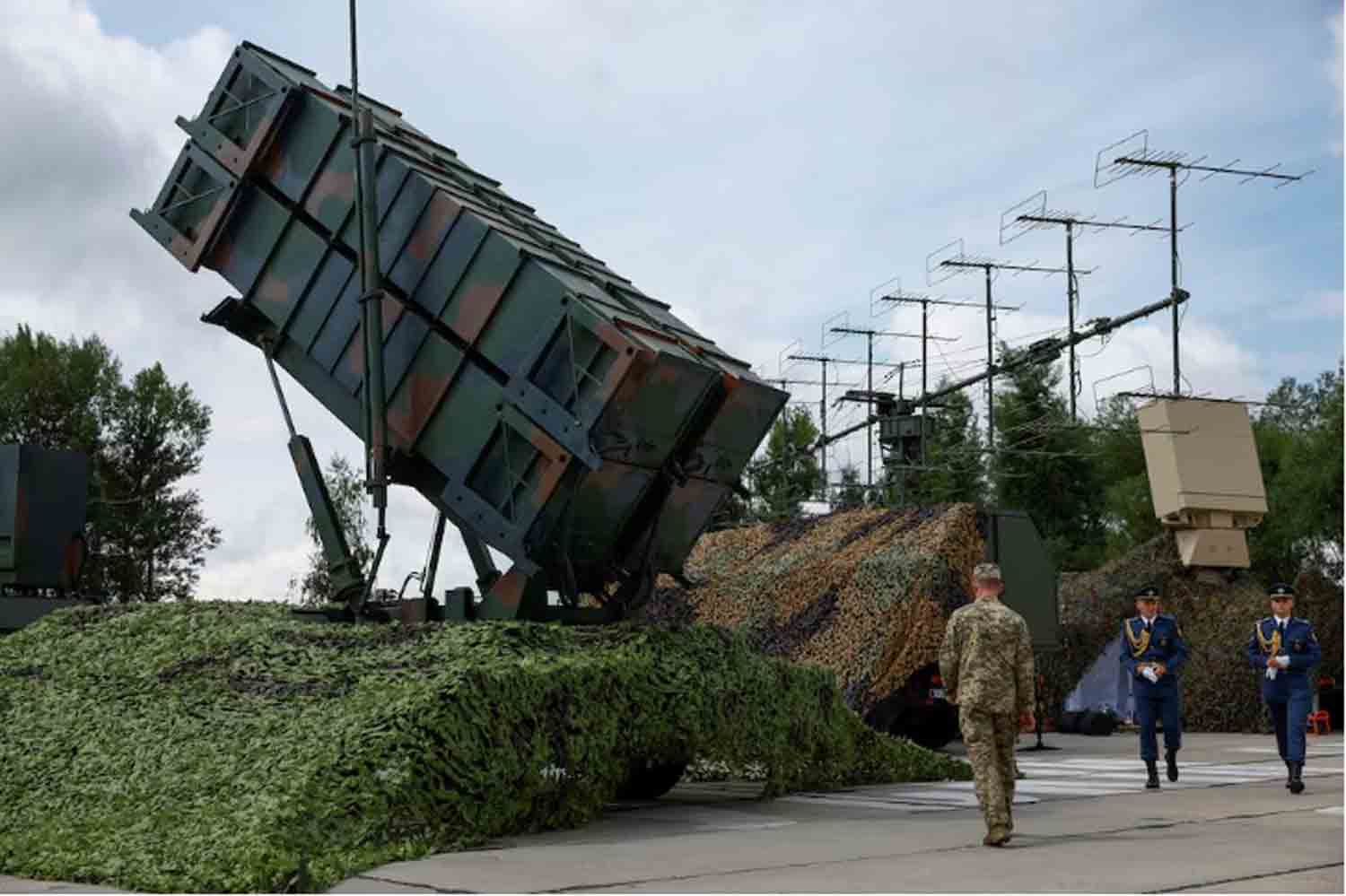
Ukrainian service members walk next to a launcher of a Patriot air defence system, amid Russia's attack on Ukraine, in an undisclosed location, Ukraine.

Ukrainian President Volodymyr Zelenskiy urged allies on Sunday to fulfill their commitments to provide Ukraine with weaponry, particularly to defend against Russian aerial assaults. He noted that in the past week, Russian forces conducted hundreds of strikes, deploying nearly 700 aerial bombs and over 600 attack drones.

According to the Ukrainian air force, air defenses successfully intercepted 60 of the 94 drones launched by Russia overnight, with 34 drones being “lost” due to Ukraine’s electronic warfare tactics that redirected them.

Zelenskiy emphasized on the Telegram messaging platform that the ongoing Russian aggression persists because the Russian military continues to instill fear in Ukraine and leverage its aerial dominance. He reiterated the need for Ukraine’s allies to honor existing agreements.

He pointed out that the commitments made during the NATO summit in Washington and the Ramstein meetings regarding air defense support for Ukraine have yet to be fully realized. This week, Zelenskiy also mentioned discussions with partners, including the United States, about the potential for Ukraine to obtain licenses for the production of air defense systems and missiles.

Ahmed al-Mansour: The Egyptian fighter in Syria Raising Concerns for Sisi

0

Ahmed al-Mansour was relatively unknown until recently, but he has quickly garnered a dedicated following in Egypt following the overthrow of the Assad regime by Syrian rebels.

An Egyptian citizen who began his involvement with Syrian fighters against Bashar al-Assad in 2013, Mansour has been actively producing videos since the rebels took control of Damascus. In these videos, he calls for Egyptian President Abdel Fattah el-Sisi to resign after a decade in power.

Utilizing the hashtag “It’s your turn, Dictator,” inspired by the 2011 Syrian slogan “It’s your turn, Doctor,” Mansour shares content almost daily, expressing concern over the severe political and economic challenges facing Egypt.

“The climate of fear imposed by Sisi necessitates our action to revive the revolution,” Mansour stated in a recent video posted on X.

In recent times, Sisi, a former military leader who assumed power in 2013 following a coup against Egypt’s first democratically elected president, Mohamed Morsi, has encountered increasing public discontent due to the violence in neighboring Gaza and the struggling economy.

With a population exceeding 109 million, Egypt has been dealing with unprecedented inflation and a shortage of foreign currency since Sisi took control, with foreign debt rising to $164 billion by December 2023.

In light of the turmoil, Sisi has consistently attempted to deflect blame for the nation’s difficulties and has sought to differentiate himself from Assad.

In various addresses, he has asserted that he is neither responsible for the bloodshed in Egypt nor has he misappropriated the country’s resources.

“If your president is inadequate, if there is blood on his hands, or if he has embezzled funds, you should be worried about your nation. Thankfully, none of these issues apply here,” Sisi remarked in a recent address.

Other users on social media, utilizing Mansour’s hashtag, have claimed that in the months following the coup, Sisi oversaw potential crimes against humanity, as thousands of pro-Morsi demonstrators were either shot or arrested during the most severe instance of police brutality in recent history.

Sisi also initiated a large-scale crackdown, detaining approximately 65,000 political adversaries, which included politicians, demonstrators, journalists, and civil society activists.

Is Sisi ‘afraid’?

After the ousting of Assad, which the Egyptian government initially condemned, Cairo reportedly began to compile lists of Egyptians who chose to join the fight in Syria following the uprising.

According to Saudi state media, citing Egyptian sources, some individuals on these lists were allegedly linked to terrorist activities in Egypt prior to their departure for Syria.

Mansour, who has since distanced himself from the rebel group Hay’at Tahrir al-Sham, which took control of Damascus, has mocked the actions of the Egyptian government, asserting that Sisi is “afraid.”

“Sisi has been keeping track of Egyptians fighting in Syria. I have a message for him: You’re foolish. You’re scared,” Mansour declared defiantly in a video released on Monday.

Following the release of the video, Arabi48 reported that Egyptian authorities detained several members of Mansour’s close family, including his father and uncle.

Shortly thereafter, Mansour issued four significant demands in another video on X: the resignation of President Sisi, the withdrawal of the Egyptian military from political affairs, the liberation of all political prisoners, and a return to the ideals of the January 25, 2011 revolution.

Since the inception of Mansour’s social media initiative, Egyptian officials have expressed considerable concern, prompting the interior minister to convene a meeting with senior security personnel and elevate the nation’s security alert to its highest level.

In the midst of escalating tensions, Ahmed Moussa, a well-known supporter of Sisi, criticized Mansour on his X account, warning him of a fate similar to that of Hisham Ashmawy, a former army officer executed for treason and terrorism.

Additionally, Nashat al-Daihi, another supporter of Sisi, condemned Mansour on his television program, branding him a treacherous terrorist who fled Egypt in 2012 and advocating for an armed uprising akin to that in Syria.

A source close to Mansour informed Middle East Eye that despite the Egyptian government’s efforts to portray the former foreign fighter as a terrorist, Mansour’s choice to engage in combat was a direct response to Sisi’s coup and the ensuing violent repression.

The source noted that Mansour, originally from Alexandria Governorate, is well-educated, having studied at Al-Azhar and attended the Naval Academy, where he specialized in logistics.

A source indicated that Mansour plans to pursue studies at the Institute for the Preparation of Preachers and deliver Islamic lectures on Egyptian television.

The source highlighted that Mansour experienced significant changes following the police torture and subsequent death of Khaled Said in 2010. It was noted that Mansour had no affiliations with the Muslim Brotherhood or any political party after the fall of Hosni Mubarak, and that the Rabaa al-Adawiya massacre marked a crucial turning point in his life.

According to the source, “Mansour participated in the Rabaa sit-in and witnessed numerous atrocities committed by the military regime.”

Within two months, he departed Egypt for Syria to engage in the conflict against the Assad regime, the source added.

The escalating situation in Syria has led Egyptian authorities to implement heightened security measures concerning Syrians, particularly refugees, living in Egypt.

In Cairo, members of the Syrian community who gathered to celebrate Assad’s downfall were detained under the justification of protesting without a permit.

Additionally, it has been reported that Egyptian authorities have instructed travel and airline companies operating in the country to deny entry to Syrian nationals from any location worldwide, except for those possessing temporary residency permits.

Denmark expresses willingness to enhance the United States military presence in Greenland, according to Axios

0
The Greenland Flag is pictured in Nuuk, Greenland.

Denmark has privately engaged with President-elect Donald Trump’s team, indicating a willingness to discuss enhancing the US military presence in Greenland, according to a report by Axios on Saturday, citing sources familiar with the situation.

Trump recently caused a stir in Copenhagen by proposing the idea of the US purchasing the self-governing Arctic island from Denmark. He did not dismiss the possibility of using force but provided few details on how his administration would persuade Denmark to give up control of Greenland.

Copenhagen aims to prevent a public confrontation with Trump and has reached out to his team for clarification on his remarks, as reported by the outlet.

The Danish government has firmly stated that Greenland is not for sale, yet it has expressed openness to discuss any other US requests concerning the island, according to Axios.

American military personnel have been present on the island since World War II. The US operates a military base in Greenland and has a defense agreement with Denmark that allows for the establishment of additional military facilities.

During the Cold War, Greenland was strategically significant, hosting US early-warning systems for ballistic missiles.

Trump, who will assume office on January 20, has described ownership of the island as an “absolute necessity” for the national security of the United States.

Danish Prime Minister Mette Frederiksen and Mute Egede, the leader advocating for Greenland’s independence, have both dismissed the idea of selling the territory to Trump. Earlier this week, Frederiksen mentioned that she had initiated discussions with Trump’s team, emphasizing that both Copenhagen and Washington aim to enhance the security of the Western alliance.

Egede expressed his willingness to engage in dialogue with the US president-elect, reiterating his dedication to Greenland’s independence during a joint press conference with Frederiksen on Friday.

“Greenland belongs to the Greenlandic people. We do not wish to be Danish, nor do we want to be American,” he stated, while also noting that Greenland will maintain its collaboration with the United States.

Syria discussions are taking place in Riyadh, featuring participation from both Western and regional stakeholders

0
Syria's Foreign Minister Asaad Hassan al-Shibani walks with Saudi Foreign Minister Faisal bin Farhan Al Saud, as he arrives for a meeting on Syria, following the recent ousting of president Bashar al-Assad, in Riyadh, Saudi Arabia۔

Foreign ministers and senior diplomats from Western and Middle Eastern nations are convening with Syria’s newly appointed foreign minister in Riyadh, Saudi Arabia, on Sunday. This marks the first regional meeting concerning Syria since the ousting of President Bashar al-Assad last month.

German Foreign Minister Annalena Baerbock arrived in Riyadh on Sunday morning in anticipation of her discussions with Syrian Foreign Minister Asaad Hassan Al-Shibani.

British Foreign Minister David Lammy is also expected to participate in the talks, as indicated by a statement from the UK Foreign Office.

Ministers from Saudi Arabia, Egypt, the United Arab Emirates, Qatar, Bahrain, Iraq, Jordan, Lebanon, and Turkey are present in Riyadh for this meeting, along with representatives from the European Union and the United States. Additional high-ranking Arab and Western officials are anticipated to join as well.

A swift rebel offensive led to Assad’s removal on December 8, with the Islamist group Hayat Tahrir al-Sham (HTS) establishing a caretaker government that appointed Shibani as foreign minister.

The discussions in Riyadh are expected to be led by Arab nations and will concentrate on the subsequent actions the international community can undertake to assist the interim Syrian authorities, including strategies to hold the Assad regime accountable for the war crimes committed against the Syrian populace, according to the British statement.

The upcoming meeting marks the first occasion where both the new leadership of Syria and senior Western officials will convene, with Saudi Arabia taking the lead. This follows a gathering of high-ranking diplomats from the United States, United Kingdom, France, Germany, and the European Union that took place in Rome on Thursday, as well as a significant meeting hosted by Jordan in December, where regional stakeholders expressed their apprehensions regarding Syria’s new Islamist leadership and the necessary steps for gaining international recognition.

The conference on Sunday is particularly timely, as Syria’s new government is advocating for the lifting of Western sanctions to facilitate the flow of international funding into Damascus. Recently, Germany, Italy, and France have been advocating for a relaxation of EU sanctions on Syria; however, any final decision will require consensus from the entire bloc. Additionally, the United States announced on Monday a six-month sanctions exemption for transactions involving governing bodies in Syria, aimed at improving the delivery of humanitarian aid following the end of Assad’s regime.

Trump’s envoy to Ukraine emphasizes the need for the global community to reapply ‘maximum pressure’ on Iran

0
Keith Kellogg during a Senate armed services committee hearing on the conflict in Ukraine.

The global community should reinstate a strategy of “maximum pressure” on Iran to encourage a transition towards a more democratic governance, stated Keith Kellogg, the incoming U.S. envoy to Ukraine, during an Iranian opposition gathering in Paris on Saturday. President-elect Donald Trump has expressed his intention to revive the approach he adopted during his previous administration, which aimed to undermine Iran’s economy to compel the nation to engage in negotiations regarding its nuclear program, ballistic missile initiatives, and regional activities.

Kellogg, a retired Lieutenant General who will serve as Trump’s special envoy for Ukraine and Russia, emphasized to the audience at the National Council of Resistance of Iran (NCRI) that these pressures should encompass not only military actions but also economic and diplomatic measures. He remarked on the potential to “improve Iran” but cautioned that this opportunity is not indefinite.

“We must take advantage of the vulnerabilities we currently observe. While hope exists, so must decisive action,” he stated. In response, Iran’s foreign ministry issued a statement condemning France for hosting what it termed a terrorist organization, asserting that this action contravenes the French government’s international obligations to combat terrorism. Kellogg has previously participated in NCRI events, with his recent appearance in Paris indicating that the group may have influence with the incoming U.S. administration.

He delayed a trip to European capitals earlier this month until after Trump’s inauguration on January 20. It remains uncertain whether he plans to use his visit to Paris to engage with French officials regarding Ukraine. The French presidency, foreign ministry, and Trump’s transition team did not provide immediate comments.

Incoming U.S. Secretary of State Marco Rubio has previously participated in NCRI events. The organization has consistently advocated for the overthrow of the current Iranian regime, although its level of support within Iran is not clearly defined.

At the beginning of the event held at Auvers-sur-Oise, the NCRI’s headquarters on the outskirts of Paris, President-elect Maryam Rajavi stated that the regional power dynamics have shifted against Iran’s leadership following the downfall of Syria’s President Bashar al-Assad and the significant setbacks faced by its key ally Hezbollah in its conflict with Israel. “It is time for Western governments to move away from previous policies and support the Iranian people,” she asserted. The NCRI, which serves as the political wing of the People’s Mujahideen Organisation of Iran (PMOI), has organized numerous rallies in France, frequently attended by prominent former U.S., European, and Arab officials who are critical of the Islamic Republic.

Ukraine captures two North Korean soldiers in Kursk, Zelenskiy says

0
Ukraine's President Volodymyr Zelenskiy appears at a joint press conference

Ukraine has apprehended two North Korean soldiers in the Kursk region of Russia, as announced by President Volodymyr Zelenskiy on Saturday. This marks the first instance of Ukraine reporting the capture of North Korean soldiers alive since their involvement in the conflict began last autumn.

According to Kyiv and its Western allies, North Korean regular forces joined the war on Russia‘s side in October, with initial estimates suggesting their numbers exceeded 10,000.

In a statement on X, Zelenskiy indicated that the soldiers have been transported to Kyiv and are currently in communication with the Security Service of Ukraine, the nation’s domestic intelligence agency. He noted, “As with all prisoners of war, these two North Korean soldiers are receiving the necessary medical assistance,” and mentioned that journalists would be allowed to interview them.

Kyiv claims that North Korean troops are engaged in combat in the Kursk region, where Ukraine initiated an incursion in August, asserting control over several hundred square kilometers of territory in that area.

Additionally, it has been reported by Kyiv and its Western allies that Pyongyang is supplying Russia with significant amounts of artillery shells. Previously, Ukraine had stated that it captured North Korean soldiers during combat, but those individuals were severely injured and subsequently died shortly thereafter.

What is prompting India to engage with the Taliban at this time?

0

The recent meeting in Dubai between Foreign Secretary of India Vikram Misri and Amir Khan Muttaqi, the acting foreign minister of the Taliban, has underscored India’s commitment to enhancing its influence with Afghan leadership, according to analysts.

Over the past year, India has been steadily improving its relations with the Taliban, and this meeting represents the first significant high-level interaction of its nature.

India has contributed over $3 billion in aid and reconstruction efforts in Afghanistan over the last two decades. A statement from the Indian Ministry of External Affairs highlighted key discussion points, including regional developments, trade, humanitarian cooperation, and a commitment to resume developmental projects while supporting the health sector and refugees in Afghanistan.

However, the implications of the meeting extend beyond the official statements, particularly given the timing and agenda, indicating a shift in the region’s geopolitical landscape.

Notably, this meeting occurred shortly after India condemned Pakistan’s airstrikes on Afghanistan, which have reportedly resulted in the deaths of at least 46 individuals in the past month.

The recent appointment of an acting consul by the Taliban at the Afghan consulate in Mumbai last November has drawn attention.

Although the Indian government has not publicly addressed this appointment, it coincided with a visit from India’s joint secretary of the Ministry of External Affairs to Kabul during the same month.

The Taliban’s selection of Ikramuddin Kamil, a former Afghan student in India who has become a Taliban diplomat, adds India to a list of nations, including Russia, China, Turkiye, Iran, and Uzbekistan, that have permitted the Taliban to manage their diplomatic missions. Additionally, in 2022, India dispatched a small technical team to partially resume operations at its embassy in Kabul.

Is this a strategic shift?

Analysts suggest that these developments indicate a strengthening of relations between New Delhi and Kabul.

However, Kabir Taneja, deputy director and fellow at the Observer Research Foundation, an Indian think tank, argues that this may not represent a significant strategic change. He stated, “It is merely a natural evolution of India’s cautious and prolonged approach to the Taliban’s presence in Kabul since 2021. Like other neighboring countries, India recognizes the Taliban as a reality, and it cannot afford to overlook Afghanistan and its people.”

Raghav Sharma, an associate professor at the Jindal School of International Affairs in New Delhi, concurred with this perspective. He stated, “This appears to be a continuation of the previous policy where we engage with the Taliban without fully acknowledging the extent of our involvement.” He pointed out that meaningful policy outcomes have rarely resulted from such discussions.

Regarding diplomatic relations with the Taliban, he remarked, “We have largely remained on the sidelines,” referencing a study by the Washington Institute, a U.S. think tank that examined global interactions with the Taliban. The research indicated that countries like Qatar, China, and Turkiye are at the forefront of establishing ties with the Taliban, with Pakistan ranking fifth in terms of influence.

“India does not even appear on that list,” Sharma noted.

“For a long time, India has maintained that Afghanistan holds strategic significance and that we share historical connections, but we must translate that into action,” he continued. “Following the collapse of the republic government, we effectively sidelined Afghanistan, only addressing it sporadically as needed.”

Lingering Indian Hesitance

Taneja suggested that one potential positive outcome from this situation could be the resumption of visa issuance for Afghans. “The key takeaway from the Misri-Muttaqi discussions is that India may be nearing the restart of a series of visas for Afghans, particularly in the areas of trade, health tourism, and education,” he explained.

India faced criticism for halting Afghan visas, including those for medical and educational purposes, after the Taliban’s takeover in 2021. Since then, very few visas have been granted to Afghans. “It is crucial for New Delhi to reconsider this stance,” Taneja emphasized. “Doing so would provide much-needed relief to many Afghan citizens who have historically viewed India as their preferred destination for higher education and medical care.”

Raghav Sharma, an associate professor at the Jindal School of International Affairs in New Delhi, concurred with this perspective. He stated, “This appears to be a continuation of the previous policy where we engage with the Taliban without fully acknowledging the extent of our involvement.” He pointed out that meaningful policy outcomes have rarely resulted from such discussions.

Sharma emphasized that India has largely remained on the sidelines regarding diplomatic relations with the Taliban, referencing a study by the Washington Institute, a U.S. think tank, which assessed international interactions with the Taliban. The findings indicated that countries like Qatar, China, and Turkiye are at the forefront of establishing ties with the Taliban, with Pakistan ranking fifth in terms of influence.

“India does not even appear on that list,” Sharma remarked.

“For a considerable time, India has maintained that Afghanistan holds strategic significance and that we share historical connections, yet we must translate that into action,” he continued. “Following the collapse of the republic government, we effectively sidelined Afghanistan, only addressing it sporadically as needed.”

Lingering Reluctance from India

Taneja noted a potential positive development from this situation, suggesting that India might be on the verge of resuming visa issuance for Afghans. “The key takeaway from the Misri-Muttaqi discussions is that India may be nearing the restart of a series of visas for Afghans, particularly in sectors like trade, health tourism, and education,” he explained.

India faced criticism for halting Afghan visas, including those for medical and educational purposes, after the Taliban’s takeover in 2021. Since then, very few visas have been granted to Afghans. “It is crucial for New Delhi to reconsider this stance,” Taneja asserted. “Doing so would provide much-needed relief to many Afghan citizens who have historically viewed India as a preferred destination for higher education and medical care.”

India has established a significant presence in Afghanistan and was among the first nations to dispatch a diplomatic mission following the Taliban’s fall in 2001. Nevertheless, despite its considerable interests in the region, India has struggled to formulate a cohesive policy regarding the country.

Sharma noted that any strategic moves India has made have typically been in coordination with other nations that share similar interests, primarily Iran and Russia in the past, and more recently, the United States. With the downfall of the US-supported republic government, India found itself facing a new set of challenges.

As many countries swiftly adapted to the changing circumstances, India effectively placed Afghanistan in a state of “cold storage,” Sharma emphasized. He pointed out that even the US has engaged with the Taliban on counterterrorism efforts to address the threat posed by the Islamic State of Khorasan Province (ISKP), a regional affiliate of ISIL (ISIS) known to operate in Afghanistan.

Simultaneously, Sharma remarked that nations such as Iran, which have supported the Taliban, as well as Pakistan, have maintained open lines of communication with opposition groups. He highlighted that Iran is hosting opposition figures like Ismael Khan, and although the Tajik government was initially critical of the Taliban, it has since softened its stance while still providing a platform for the opposition.

Concentrating all our resources on the Taliban

Currently, regional stakeholders are evaluating the potential implications of the incoming Trump administration in the United States for the Taliban.

“Taneja noted that Afghanistan has faded from the political spotlight in Washington, DC. While it remains significant from a security perspective, it will not take precedence over more pressing issues like Gaza, Iran, and Ukraine.”

The future remains uncertain, he continued. “Trump’s strategies resemble daily weather predictions. However, any Taliban factions seeking to strengthen their position may find a more receptive audience under Trump than they did under Biden.”

In the end, despite being the dominant power in the region, India has struggled to engage with various factions in Afghanistan, which may jeopardize its long-term interests. “Initially, we erred by concentrating all our efforts on the [Hamid] Karzai [former Afghan president] and later the [Ashraf] Ghani administrations. We made a similar mistake in Bangladesh by fully supporting Sheikh Hasina.”

Addressing this issue may require time, as India might also lack a fundamental understanding of Afghan society, Sharma remarked.

“It’s not solely about building political relationships; it’s also about comprehending how specific sociopolitical structures function. I don’t believe India possesses that understanding, which is ironic given our geographical and cultural proximity. Yet, we have invested very little in understanding the society,” he stated.

“I fear we are repeating that same error by concentrating all our resources on the Taliban,” Taneja cautioned, emphasizing that Afghanistan’s political landscape has always been highly unstable.

“The ground shifts very quickly,” he added.

Will Iran develop a nuclear weapon during Trump’s presidency in the United States?

0

Donald Trump’s anticipated second term as president of the United States could present significant challenges for Iran, potentially altering its interactions with Western nations, according to analysts.

U.S. officials, in collaboration with Israeli counterparts, have been candid about the possibility of conducting military strikes against key Iranian nuclear sites and vital infrastructure, including power generation and oil and petrochemical facilities.

Iranian leadership, led by Supreme Leader Ayatollah Ali Khamenei, remains resolute, with the Islamic Revolutionary Guard Corps (IRGC) conducting extensive military drills aimed at safeguarding critical locations.

A change is on the horizon, but what direction will it take?

For over twenty years, Iran’s engagement with the West has been primarily shaped by its nuclear program and the international community’s efforts to prevent it from acquiring nuclear weapons. Tehran has consistently asserted that it does not aim to develop weapons of mass destruction.

However, recent discussions among Iran’s senior political and military figures have suggested a potential reevaluation of the country’s official stance on nuclear armament in light of escalating security concerns.

In Tehran, there appear to be two distinct perspectives: one that is open to the idea of engaging with the United States, including discussions surrounding the nuclear program, and another that advocates for the pursuit of nuclear weapons, particularly in light of diminished deterrence against Israel and challenges faced by its regional allies, as noted by Naysan Rafati, a senior analyst at the Crisis Group in Washington.

However, if the more conciliatory faction gains influence, it will still necessitate a willingness from Washington to engage with Tehran. Given the vulnerabilities of the Islamic Republic, there may be a tendency to apply greater pressure on the regime rather than consider any concessions.

Iran has experienced a significant loss in its forward defense strategy following the downfall of Bashar al-Assad in Syria, along with setbacks to its “axis of resistance” throughout the region.

The nation is also grappling with severe sanctions that are adversely impacting its struggling economy, leading to a devalued national currency and soaring inflation, compounded by an energy crisis.

In light of these challenging economic circumstances, the administration of Iranian President Masoud Pezeshkian is anticipated to dispatch diplomats to Europe later this month for discussions with the E3—France, Germany, and the United Kingdom—indicating a desire to further engage with Western powers.

The framework under consideration seems to echo the JCPOA (Joint Comprehensive Plan of Action), Iran’s 2015 nuclear agreement with global powers, which involved alleviating some economic pressures on Iran in exchange for limitations on its nuclear activities.

No new framework has emerged thus far, and discussions to date seem to have primarily served as consultations to clarify differing perspectives.

Desire for a New Agreement

The current situation contrasts sharply with the years of negotiations between Iran and the West leading up to the nuclear deal.

In 2018, Trump withdrew from the JCPOA and enacted severe sanctions against Iran. He also authorized the assassination of Qassem Soleimani, Iran’s leading general and a key figure in its regional strategy, five years ago.

“Unlike the first Trump administration, the Europeans are likely to align more closely with whatever policy the US adopts, as they have, in many respects, supported the maximum pressure campaign in recent years due to escalating tensions with Tehran,” stated Ellie Geranmayeh, deputy head of the Middle East and North Africa programme at the European Council on Foreign Relations.

This year is expected to bring significant developments that will provide clearer insights into the trajectory of Iran’s nuclear program, according to Abas Aslani, senior research fellow at the Center for Middle East Strategic Studies, in an interview with Al Jazeera.

Aslani noted that several provisions of the JCPOA have lapsed, leading to a greater openness to negotiate a new agreement—particularly since a key sunset clause of the JCPOA, which permits the West to reinstate any lifted United Nations sanctions on Iran (the snapback), is set to expire in October 2025.

Geranmayeh indicated that the E3 is considering snapback sanctions as a final measure to influence Iran, fully aware that its implementation could trigger a “very unpredictable chain of escalatory events.”

Consequently, Europe intends to utilize the time remaining until October to avert escalation and advocate for diplomatic solutions.

Nonetheless, a significant uncertainty looms regarding how European nations will react if Trump insists on an immediate snapback of sanctions on Iran by the E3 in exchange for concessions related to transatlantic security matters, according to the expert.

Aslani noted, “We will either move toward significantly higher tensions or some form of, albeit limited, agreement regarding the nuclear program, depending on whether Iran and the US can find common ground.”

There is also a chance that Tehran and Washington may engage in direct talks, a step Iran has previously rejected due to the US’s unilateral exit from the JCPOA.

“If the Trump administration exerts excessive pressure for concessions, achieving an agreement will be exceedingly challenging, even with a broader understanding in place,” he remarked.

Iran’s nuclear programme

Regarding Iran’s nuclear program, recent reports suggest that Iran has not yet commenced bomb construction.

However, following Trump’s withdrawal from the JCPOA, Iran began to escalate its enrichment levels and increase the number of centrifuges, a trend that continued after Israeli strikes on its nuclear sites and subsequent international criticism.

In recent months, Iran has installed thousands of new centrifuges in response to another censure resolution imposed by Western nations at the International Atomic Energy Agency (IAEA) board.

Currently, Iran is enriching uranium to levels of up to 60 percent, which is a relatively minor technical step from the over 90 percent needed for nuclear weapons. The IAEA has indicated that Tehran possesses sufficient fissile material for several bombs.

This escalation in nuclear activity provides Iran with some negotiating power in discussions with Trump, but it also entails significant risks, according to Rafati from the Crisis Group.

“Tehran is enriching uranium close to weapons-grade levels and has virtually no breakout time, which raises concerns that the situation could become alarming enough for the US and/or Israel to contemplate military intervention,” he stated.

Nuclear breakout time refers to the duration needed to generate enough fissile material for a nuclear weapon. Should Iran choose to pursue a bomb, it would need to design and construct the weapon, integrate it with a long-range missile capable of delivering a nuclear payload, and successfully conduct a test.

We are currently in a temporary holding phase as the imminent transition of power to Trump approaches, with uncertainty surrounding his administration’s strategy regarding Iran, as noted by senior analyst Geranmayeh.

“In the early weeks of 2025, it is improbable that Iran will markedly intensify its nuclear endeavors unless President Trump intensifies the maximum pressure campaign,” Geranmayeh stated in an interview.

She further mentioned that Iranian nuclear activities might experience a slight reduction if the United States focuses on diplomatic negotiations aimed at de-escalation, suggesting that two distinct scenarios could emerge based on Trump’s stance.

Biden administration urges the Trump administration to keep a consistent approach in the Indo-Pacific

0

Jake Sullivan, the departing U.S. national security adviser, is encouraging the incoming Trump administration to maintain President Joe Biden‘s approach of strengthening relationships with allies and partners in the Indo-Pacific region to address challenges posed by adversaries such as China and North Korea.

Sullivan stated, in response to a question from VOA during a roundtable with journalists on Friday, “The argument we will present is that the American presence in the region is exceptionally robust at this moment.”

He emphasized, “There should be more continuity than significant change regarding our Indo-Pacific strategy.” However, he expressed uncertainty about the actions of the incoming team.

Recognized as a key architect of the Biden administration’s Indo-Pacific strategy, Sullivan asserted that the president’s method is “yielding significant results” and cautioned that deviating from this path could “introduce risks.”

He did, however, concede that the administration has not made meaningful advancements toward the denuclearization of the Korean Peninsula.

With the threat from Pyongyang remaining as severe as ever, Sullivan pointed out critical developments: increased collaboration between North Korea and Russia, as well as a “wider alignment of competitors and adversaries — Russia, China, North Korea, Iran.”

He reiterated the administration’s caution against diminishing U.S. support for Kyiv, a move that President-elect Donald Trump has indicated he might pursue. Sullivan emphasized the significance of developments in Ukraine for the Indo-Pacific, noting that “China’s watching.”

Biden’s advisors have frequently expressed worries that a lack of Western commitment to strengthening Kyiv’s defenses could encourage China to emulate Russia’s actions and invade its smaller democratic neighbor, Taiwan, or to adopt a more aggressive stance regarding its contested claims in the South China Sea.

Bonnie Glaser, managing director of the German Marshall Fund’s Indo-Pacific Program, remarked on the rapid development of cooperation between Moscow and Pyongyang, with North Korea dispatching troops to assist Russia in its invasion of Ukraine, a partnership that is expected to grow.

“We have yet to see what military systems or technologies [Russian President Vladimir] Putin has pledged to provide to [North Korean leader] Kim [Jong Un],” she stated in an interview. “Beijing has not utilized its influence to halt this trend.”

Sullivan expressed assurance that the administration has “created a significant opportunity for the next team” to strengthen the U.S. position and has “altered the balance of power” in the Indo-Pacific.

Biden’s strategy involves establishing a network of alliances and partnerships, which includes strengthening collaboration with the Quad—an informal coalition comprising India, Australia, and Japan. Additionally, the AUKUS security agreement with the United Kingdom and Australia aims to equip Australia with nuclear-powered submarines to enhance regional maritime security.

Sullivan also emphasized the trilateral cooperation between the U.S., Japan, and South Korea, where these former rivals are now united in efforts to counter North Korea’s nuclear ambitions. Furthermore, collaboration among the U.S., Japan, and the Philippines is focused on addressing China’s assertiveness in the South China Sea.

Continuity or change

Given the likely adversarial nature of U.S.-China relations, it is anticipated that the incoming administration will maintain a consistent approach to China.

Trump has appointed two prominent figures known for their hardline stance on China to significant positions in his “America First” Cabinet: Senator Marco Rubio as his choice for secretary of state and Representative Mike Waltz, who is being considered as Sullivan’s successor.

However, Waltz recently issued a comprehensive directive to dismiss all national security personnel who have been assigned from other departments and agencies to serve in nonpartisan senior roles. He stated that these dismissals are intended to ensure complete alignment with Trump’s policy objectives.

The extent to which the president-elect will continue to staff the National Security Council with Trump loyalists remains uncertain, particularly regarding his strategy for deterring China through alliances.

Aaron David Miller, a senior fellow at the Carnegie Endowment for International Peace, noted that the first Trump administration perceived “multilateral alliances as more of a burden than a reality.” During his initial term, Trump withdrew the U.S. from several international organizations and agreements, including the Paris Climate Accord, the U.N. Human Rights Council, and the World Health Organization.

Miller emphasized that any alliances formed would need to be grounded in clear, specific quid pro quo arrangements.

Throughout his first term, Trump prioritized bilateral relationships, a strategy he may revert to. Zack Cooper, a senior fellow at the American Enterprise Institute, suggested that Trump might strengthen ties with influential conservative leaders, such as Indian Prime Minister Narendra Modi, while potentially downplaying trilateral partnerships like the U.S.-Japan-South Korea alliance, especially if a new administration in Seoul shifts away from Washington.

Cooper also pointed out that it remains uncertain whether Trump will adopt a confrontational stance toward China beyond economic issues. Key questions include whether the U.S. will take a less assertive approach to China’s actions in the Taiwan Strait and the South China Sea.

Cooper noted that Trump appears more inclined to engage with Chinese President Xi Jinping, particularly regarding trade matters. However, many within his administration are likely to advocate for a stringent approach concerning security and technology.

Shift in Trade Strategy

Analysts anticipate a notable shift in trade strategy, as Trump seems poised to implement protectionist policies, potentially using tariffs as punitive measures against both adversaries and regional allies, especially those with significant trade surpluses like Japan.

Trump is likely to reverse the Biden administration’s initiatives aimed at strengthening trade relations in the region. During his campaign, he pledged to dismantle the Indo-Pacific Economic Framework (IPEF), a 2022 agreement established by Biden, arguing that it would negatively impact American manufacturing and workers.

The IPEF was Biden’s strategy to enhance economic connections with Indo-Pacific nations, five years after Trump withdrew the U.S. from the Trans-Pacific Partnership, a key trade initiative from the Obama era, right after taking office.

This framework focuses on non-trade objectives such as enhancing supply chain resilience, ensuring secure digital infrastructure, and facilitating a sustainable transition to clean energy. It has faced criticism from various regional stakeholders for lacking market access provisions, especially as Beijing has expanded its economic influence through the Regional Comprehensive Economic Partnership, the largest regional free-trade agreement, encompassing nearly one-third of the global population and GDP.

Taliban have reacted to Khawaja Asif’s comments by labeling Pakistan as a ‘sanctuary for ISIS’

0

The Taliban responded on Saturday to recent comments made by Pakistan’s defense minister, Khawaja Asif, who accused Islamabad of backing the Islamic State and other extremist factions.

Hamdullah Fitrat, the Taliban’s deputy spokesperson, stated in an audio message, “ISIS operates within Pakistani territory. It appears that ISIS and certain other groups may have been allowed to function with the support of the Pakistani government.”

Fitrat’s remarks came after Mr. Asif posted on X, formerly known as Twitter, referencing a recent United Nations report that identified over two dozen terrorist organizations, including Tehrik-i-Taliban Pakistan (TTP), Al Qaeda, the Islamic State Khorasan Province (ISKP), the East Turkestan Islamic Movement (ETIM), and the Islamic Movement of Uzbekistan (IMU), as active in Afghanistan.

Mr. Asif noted that Afghanistan “remained the hub for ISKP’s recruitment and facilitation in 2024,” highlighting concerns regarding the regional affiliate of ISIS, which has raised alarms among neighboring countries.

The presence of militant organizations in Taliban-controlled Afghanistan has consistently been a topic of concern in regional security discussions. Nations such as Russia, Iran, and China—considered allies or diplomatic partners of the Taliban—have repeatedly urged the group to ensure that Afghan territory is not utilized for activities that threaten their security.

During the Moscow Format meeting on Afghanistan last year, regional powers emphasized the importance of the Taliban meeting their international responsibilities to prevent terrorist activities originating from Afghan soil.

Tensions between Pakistan and Afghanistan have escalated, with both nations accusing each other of sheltering militants responsible for cross-border violence. While the Taliban refute claims of providing refuge to groups like the TTP, experts assert that resolving these mutual accusations is essential for tackling the broader security issues in the region.

Iran’s president commits to engaging in discussions with the Taliban to establish water rights

0

Iranian President Masoud Pezeshkian has revealed intentions to engage in negotiations with the Taliban to secure Iran’s water rights from the Helmand River, a longstanding issue between the two nations.

During an interview on Friday night with Sistan and Baluchestan’s provincial television, Pezeshkian stated that Iranian delegations, which include provincial officials and representatives from the Ministry of Energy, have been assigned to address this matter through discussions with Taliban leaders.

“The governor and a team from the Ministry of Energy have been instructed to negotiate with our neighboring and brotherly nation, Afghanistan, regarding this issue,” Pezeshkian remarked. “We are actively seeking solutions through provincial authorities and the Ministry of Energy to tackle the current challenges.”

Iran’s entitlement to water from the Helmand River is grounded in a 1972 treaty established between the Afghan government, under Mohammad Zahir Shah, and Iran. This treaty delineates the annual water volume that Iran is entitled to receive.

Since the Taliban regained control in Afghanistan in 2021, they have consistently expressed their intention to uphold the agreement. Nevertheless, Iranian officials argue that the agreed-upon water volume has not reliably reached their territory, worsening water shortages in areas such as Sistan and Baluchestan.

The ongoing negotiations between Iran and the Taliban are aimed at resolving this dispute and ensuring adherence to the treaty, as both countries face the broader challenges of water resource management in the context of climate change and regional tensions.

Recent US sanctions imposed on Moscow are aimed at Indian companies

0
A view shows the Gazprom logo installed on the roof of building in Saint Petersburg, Russia.

Two Indian firms have been penalized by the United States and the United Kingdom as part of the recent initiative targeting Russia‘s energy sector, which was revealed on Friday. The extensive actions taken by the US Treasury Department and the UK government focus on two prominent Russian oil producers, Gazprom Neft and Surgutneftegaz, along with related entities, and impose restrictions on 183 vessels involved in the transportation of Russian crude oil.

The Indian companies included in this action are Skyhart Management Services Private Limited and Avision Shipping Services Private Limited. According to a statement from the US State Department, these firms have been sanctioned for their purported involvement in supporting Russia’s Arctic LNG 2 project, which is partially owned and developed by Novatek, the largest liquefied natural gas producer in Russia. This project has been under US sanctions since 2023.

Both companies have been designated under Executive Order 14024 for materially aiding or providing support to the Arctic LNG 2 initiative. Furthermore, two vessels managed by Avision, named Pravasi and Onyx, have been identified as assets linked to the company.

US authorities have asserted that the Indian firms managed LNG carriers that loaded cargo from the project, alleging that “Russia has engaged in efforts to obfuscate LNG carriers’ ownership through third country ship management entities” in an “attempt to revitalize” the Arctic LNG 2 project.

In September of the previous year, Washington imposed sanctions on two additional Indian companies—Gotik and Plio Energy, both registered in Mumbai—claiming their connections to the project. It also sanctioned two vessels owned by these companies for their alleged involvement in “attempts to export” LNG from the Novatek project.

Last year, the United States enacted sanctions against 19 Indian companies and two individuals for their provision of electronics and aviation parts to Russian entities. In reaction, New Delhi asserted that these companies had adhered to domestic regulations and were functioning within the legal parameters of India. The Indian Ministry of Foreign Affairs indicated that discussions with Washington were ongoing to address and clarify these matters.

Over the past two years, Russia has become a significant energy ally for India, emerging as a primary supplier of crude oil. In September 2024, India’s crude oil imports from Russia increased by 11.7% compared to August, reaching approximately 1.9 million barrels per day, which represented about 40% of India’s total crude imports for that month. New Delhi has acknowledged Moscow’s vital role in bolstering the country’s energy security and has expressed intentions to enhance energy imports.

Nevertheless, the recent sanctions aimed at Russia’s tanker fleet may lead to substantial disruptions in Russian oil exports to India and another major consumer, China, as reported by Reuters, citing sources within the Russian and Indian oil sectors. To date, vessels transporting oil and LNG, along with numerous Russian oil traders, have managed to circumvent the most stringent US sanctions, as the Biden administration has been cautious about implementing more severe measures due to fears of a global increase in oil prices.

Lebanon’s election of a new president, backed by Saudi Arabia, marks a significant turning point for the Middle East

0
Lebanon's army chief Joseph Aoun sits at the presidential palace in Baabda, Lebanon.

A last-minute intervention by Saudi Arabia determined the outcome for Lebanon on Thursday.

With less than 24 hours remaining before the parliamentary vote for the next president, Lebanon’s political situation was chaotic and fragmented.

The sectarian political elite appeared to be at an impasse. In Lebanon, presidential candidates typically require broad political consensus, yet more than six individuals were still in contention. Discussions were intense, and many politicians deemed army chief Joseph Aoun constitutionally ineligible for the presidency due to his military role.

It seemed that parliament was on the verge of its 13th unsuccessful attempt to elect a president in over two years.

Then, a Saudi delegation led by the kingdom’s envoy, Prince Yazid bin Farhan, arrived in Beirut for the second time that week. They conducted a series of rapid meetings with various political factions. By the time they departed, only one candidate remained: the US-supported Aoun.

Ninety-nine lawmakers cast their votes for Aoun, exceeding the necessary two-thirds majority in Parliament. The remaining 29 votes were mostly blank or invalid (one lawmaker even voted for “Bernie Sanders”).

Shortly thereafter, Aoun entered parliament, having changed from his military uniform into a suit and tie. He took the oath of office and delivered a powerful, seemingly well-prepared speech, promising to lead Lebanon into a “new era” and to centralize control of weapons under state authority. This indicated a move towards disarming Hezbollah, one of the most heavily armed militant groups in the world for nearly four decades.

Celebration erupted in the streets as a presidential void was finally addressed. A prolonged impasse among the confessional elite had been resolved, at least for the moment.

However, this development prompted broader inquiries. What motivated Saudi Arabia to invest considerable diplomatic efforts to secure a president, effectively concluding nearly eight years of perceived abandonment of Lebanon, which it regarded as “lost” to Iranian influence through Hezbollah?

Another crucial element that facilitated Aoun’s presidency was the support from Hezbollah and its ally, the Amal party.

The process was meticulously orchestrated. Initially, Hezbollah and Amal, often referred to as the Shia duo, cast blank votes during the first voting round, which did not yield a president. Following a two-hour intermission, the leaders of their parliamentary factions convened with Aoun, the specifics of which remain undisclosed. Upon returning to the assembly, they voted for Aoun, thereby breaking the stalemate and paving the way for his presidency.

The implication was unmistakable. Despite suffering significant setbacks from its conflict with Israel in the fall and the recent fall of its crucial ally, Syrian President Bashar al-Assad, Hezbollah demonstrated its ability to either maintain a deadlock or bring it to an end.

Why did they choose to elect a president who was given a mandate to disarm them?

Saudi Arabia re-engages in the situation

The specifics of the discussions that led Saudi Arabia to rally significant support for Aoun remain unclear. However, it was a concerted effort that coincided with diplomatic engagements from Western nations. France’s special envoy to Lebanon, Jean-Yves Le Drian, also held discussions with Hezbollah lawmakers.

France stands out as one of the few Western nations that does not classify Hezbollah entirely as a terrorist organization, thereby preserving a diplomatic connection with the political faction of the militant group. This relationship represents one of the last remaining ties between the West and the Iran-supported organization.

Earlier this week, US Special Envoy to Lebanon Amos Hochstein was actively working to bolster Aoun’s prospects through a series of meetings.

Lebanon’s lawmakers were acutely aware of these developments. “We’re not here to elect a president,” independent MP Jamil el-Sayyed stated to local TV station Al-Jadeed from parliament on Tuesday. “We’re here to confirm the appointment of a president.”

In remarks made prior to the ballot casting, anti-establishment legislator Halime El Kaakour pointed to the upper gallery where foreign ambassadors, including those from the United States, France, Egypt, and Iran, were seated. “No external influence should dictate our decisions, whether it be the Iranians, Syrians, or Americans. We must not substitute one form of external control for another,” she stated.

“Interference in our domestic matters is unacceptable, despite my respect for the ambassadors present,” she added. “We advocate for international collaboration, but our sovereignty must remain intact.”

Aoun’s predecessor, Michel Aoun, who was supported by Hezbollah, concluded his presidency over two years ago. His administration was largely perceived as a period marked by Iranian influence in Lebanon, coinciding with a significant rise in Hezbollah’s political clout. The transition in external support between the two Presidents Aoun represents a profound shift for the nation.

However, Hezbollah seems to be approaching this new phase with a sense of quiet acceptance. Following Aoun’s election, Mohammad Raad, the leader of Hezbollah’s parliamentary bloc, remarked that they supported him to foster “national understanding.”

He also noted that they refrained from voting in the initial round to convey a message that they are “guardians of sovereignty.”

Strategic ambiguity may serve as a crucial asset for the group at this critical juncture. During the two-month conflict with Israel in the fall, the militant organization faced a series of significant setbacks, including the death of its long-standing leader, Hassan Nasrallah. The removal of Assad, who had facilitated the group’s supply routes from Iran, has greatly hindered its rearmament capabilities.

Additionally, the group has consented to withdraw its fighters from southern Lebanon, which has been its stronghold for forty years and the primary theater of conflict with Israel, a nation that occupied the region from 1978 to 2000 and is still regarded as an adversary by Lebanon.

However, the disarmament process is far from finished. Hezbollah is still thought to possess medium- and long-range missiles and maintains a substantial support base among the Shia community. This suggests that negotiations regarding their armament will likely be prolonged and will involve external parties.

Furthermore, this situation will serve as a litmus test for the nearly two-year-long reconciliation between Riyadh and Tehran. On the domestic front, Lebanon’s newly elected president must navigate this process while averting the risk of civil unrest, a concern he alluded to in his acceptance speech by vowing to prevent the country’s factions from resorting to violence against one another.

Israeli forces continue to operate in certain regions of southern Lebanon. The Israeli government has indicated that it may extend its military presence beyond the deadline set for the end of this month, as outlined in the US-brokered ceasefire agreement that concluded the conflict in late November.

President Aoun has vowed to ensure their withdrawal, asserting that this responsibility rests solely with the state.

This situation presents unprecedented challenges for the small and troubled nation in the eastern Mediterranean. However, many citizens hold a sense of hope.

“Lebanon now has a president who offers both compassionate leadership and legitimate statehood to the Lebanese people and the international community,” remarked Lynn Zovighian, a columnist, philanthropist, and founder of the social investment platform Zovighian Partnership.

“It is time for effective leadership, adherence to constitutional order, a robust state, and a focus on humanization, so we can finally attain socio-economic prosperity, justice, and accountability,” Zovighian stated in an interview with CNN.

Ukrainian aid has significantly weakened Denmark’s defence capabilities – Politico

0
Servicemen of the Armed Forces of Denmark.

The provision of military assistance to Kiev has significantly strained Denmark‘s already limited defence resources, according to a report by Politico on Friday.

The publication highlighted a hypothetical situation involving a military confrontation between Denmark and the United States over Greenland. It noted that contributions to Ukraine have further complicated Copenhagen’s ability to ensure its own defense, despite the country surpassing NATO’s 2% defense spending guideline.

US President-elect Donald Trump has consistently expressed interest in acquiring Greenland, even suggesting the possibility of a military takeover earlier in January. In response to Trump’s remarks, Brussels characterized any potential US action against the island as a “highly theoretical issue.” This topic has gained traction in recent news, with Reuters indicating that the incoming US president is “serious” about the acquisition.

While the transfer of heavy military assets may not be a decisive element in any potential conflict due to the significant differences in defense capabilities between the two nations, it has nonetheless weakened the Danish Armed Forces, as reported by Politico.

The media outlet stated, “Denmark has … considerably reduced its own armaments by supplying artillery systems and tanks to Kiev, contending that, unlike the Ukrainians, the Danes do not face an immediate threat from a hostile imperialist power,” and noted that “most of [the kingdom’s] heavy land-warfare equipment” has been allocated to the Ukrainian military.

The significance of this situation would remain minimal in the event of a US attack, as noted by Politico. A nation with a defense budget of $9.9 billion and an armed force of 17,000 soldiers would be up against a major power with the largest defense expenditure of $948 billion in 2024 and an army comprising 1.3 million personnel.

Ulrik Pram Gad, a senior researcher at the Danish Institute for International Studies, remarked to Politico, “That would be the shortest war in history; Greenland lacks any defensive capabilities.”

Kristian Soby Kristensen, a senior researcher at the University of Copenhagen’s Center for Military Studies, emphasized that Denmark recognizes its inability to defend Greenland independently. The Danish government is taking this matter “very seriously” and aims to avoid escalating “a war of words” with the new US administration, as stated by Foreign Minister Lars Lokke Rasmussen this week.

According to the report, relying on NATO or the EU poses challenges for Copenhagen, as Brussels would likely be unable to provide any “genuine military force,” even if the EU Treaty’s mutual-assistance clause were activated. Furthermore, it remains uncertain whether Denmark could invoke Article 5 of the NATO treaty in the event of an attack by another member state.

Agathe Demarais, a senior policy fellow at the European Council on Foreign Relations, explained to Politico, “You would essentially have a NATO member annexing the territory of another NATO member. This would create a situation that is largely uncharted.”

Western nations have warned Syria about foreign jihadists in its military, sources say

0
Khaled Brigade, a part of Hay'at Tahrir al-Sham (HTS), hold a military parade, after Syria's Bashar al-Assad was ousted, in Damascus, Syria.

U.S., French, and German diplomats have expressed concerns to Syria‘s new Islamist leadership regarding the appointment of foreign jihadists to high-ranking military positions, indicating that this could pose security risks and negatively impact their international image as they seek to establish relations with other countries, according to two sources familiar with the discussions.

The U.S. delivered this warning during a meeting on Wednesday between U.S. envoy Daniel Rubinstein and Syria’s de facto leader, Ahmed al-Sharaa, at the presidential palace in Damascus, as reported by a U.S. official.

“This strategy will not enhance their standing in the U.S.,” the official stated.

French Foreign Minister Jean-Noel Barrot and German Foreign Minister Annalena Baerbock also raised concerns about the inclusion of foreign fighters in the military during their discussions with Sharaa on January 3, as noted by an official familiar with the talks.

Reuters had previously reported on December 30 about these appointments, and the envoys’ remarks regarding them have not been disclosed until now.

Sharaa’s armed group, Hayat Tahrir al-Sham, was instrumental in the ousting of former president Bashar al-Assad on December 8 and has since established a new government while dismantling the Assad-era military. They are currently working to rebuild the armed forces. Last year, they made nearly 50 appointments, including at least six foreign fighters, such as individuals from China, Central Asia, Turkey, Egypt, and Jordan, as reported by Reuters at that time.

Three individuals were promoted to the rank of brigadier-general, while at least three others attained the rank of colonel, according to a Syrian military source.

HTS and its allied factions have recruited hundreds of foreign fighters who arrived in Syria during the 13-year civil conflict, many of whom adhere to strict interpretations of Islam.

Foreign governments typically regard these foreign fighters as a significant security risk, fearing that some may attempt to execute attacks in their home nations after acquiring combat experience abroad.

Officials from the new Syrian administration have acknowledged the contributions of foreign fighters in the effort to oust Assad, suggesting that they could be integrated into Syrian society and potentially granted citizenship.

The Syrian defense ministry did not provide a response to a request for comment, nor did the German foreign ministry.

A spokesperson for the State Department indicated that the U.S. is engaged in ongoing discussions with the interim authorities in Damascus. “The talks have been productive and have addressed a variety of domestic and international matters,” the spokesperson noted, emphasizing that there has been “significant progress on counter-terrorism initiatives, including those related to ISIS.”

MIDDLE PATH

During the conflict, various foreign fighters in Syria established their own armed factions, while others aligned themselves with established groups like the ultra-extremist Islamic State, which wreaked havoc across Iraq and Syria before being pushed back. Some foreign jihadists joined Hay’at Tahrir al-Sham (HTS), which renounced its previous affiliations with al-Qaeda and the Islamic State, engaging in fierce confrontations against them before leading the rapid campaign that ultimately ousted Assad.

The United States, European nations, and Arab Gulf States are currently interacting with the new administration in an effort to encourage an inclusive political transition and to foster collaboration on counter-terrorism initiatives and curbing Iranian influence in the region. However, there are concerns regarding how the former rebels, now in power, will govern the country and how they will unify diverse factions with differing perspectives on the future of Syria.

According to a U.S. official and a Western source, the Syrian government justified the inclusion of foreign fighters by stating that they could not simply be repatriated or relocated to places where they might face persecution, suggesting that it was more prudent to retain them within Syria. The U.S. official further noted that authorities argued these individuals had contributed to the effort to remove Assad and that many had been in Syria for over a decade, thus becoming integrated into society.

Diplomats indicated that the U.S., along with European and Arab nations, particularly Egypt and Jordan, opposed these appointments due to concerns that such actions might send positive signals to transnational jihadist groups. Among those appointed to the rank of brigadier-general are Jordanian Abdul Rahman Hussein al-Khatib and Chinese Uyghur militant Abdulaziz Dawood Khudaberdi, also known as Zahid, who leads the Turkistan Islamic Party’s forces in Syria, an organization aiming to establish an independent state in parts of China, which is classified as a terrorist group by Beijing.

Alaa Mohamed Abdelbaqy, an Egyptian militant who fled Egypt in 2013, has also been appointed. He was sentenced to life imprisonment in absentia in 2016 on terrorism charges. Abdelbaqy led the al Nusra Front in Egypt, which is linked to al Qaeda, and served as a key connection between this group and other al Qaeda affiliates, as reported by Egyptian security sources.

Diplomats and analysts focused on Syria indicate that the new leadership faces the challenge of balancing the interests and demands of various factions, including foreign entities, alongside the expectations of Western and Arab powers whose support is crucial for the country’s reconstruction.

Aaron Zelin, a Senior Fellow at the Washington Institute for Near East Policy, noted that the rationale behind appointing foreign fighters to the military from Damascus is based on their perceived trustworthiness and loyalty. Additionally, the new Syrian leadership aims to mitigate potential disruptions both domestically and internationally.

Zelin remarked, “This could represent a compromise that satisfies all parties, ideally preventing any issues from arising outside the country while integrating these fighters into Syrian society.” However, he also acknowledged that there will likely remain local risks and global concerns.

Denmark plans to introduce new vessels and dog sled patrols in Greenland amid Trump’s push for greater control over the region

0
The Greenland Flag is pictured in Nuuk, Greenland.

Denmark’s government has put forward a plan to acquire two new Arctic inspection vessels and enhance dog sled patrols to strengthen its military presence in Greenland, particularly in light of U.S. President-elect Donald Trump‘s interest in the territory, according to local media reports.

Additionally, there is a proposal to upgrade the Kangerlussuaq airport, a former U.S. military base located in western Greenland, to support the operation of F-35 fighter jets, as reported by broadcasters DR and TV2 on Friday.

Denmark has already allocated $400 million to enhance surveillance and intelligence capabilities in the Arctic and North Atlantic regions, utilizing long-range drones. This week, Trump reaffirmed his desire to assert control over Greenland, which he considers vital for U.S. security interests.

While Denmark is responsible for the security and defense of Greenland, its military presence on the island is limited. Currently, this includes four aging inspection vessels, a Challenger surveillance aircraft, and 12 dog sled patrols, all tasked with monitoring an area that is four times larger than France.

The use of sled dogs for patrolling in Greenland has historical roots dating back to World War II, with these patrols forming a specialized unit within the Royal Danish Navy.

DEFENSE BUDGET DISCUSSIONS

After more than ten years of significant cuts to defense spending, Denmark allocated 190 billion Danish crowns ($26 billion) for military purposes over the next decade, with a portion designated for Arctic initiatives. Danish lawmakers initiated long-overdue discussions on Friday regarding the distribution of these funds, which are being allocated progressively through political agreements. The focus of the discussions was on determining the budget allocation for Greenland’s defense needs.

Earlier this week, Denmark’s Foreign Minister Lars Lokke Rasmussen expressed his eagerness to update President Trump on Denmark’s significant military expansion since his previous administration. However, Defence Minister Troels Lund Poulsen admitted on Thursday that essential military investments had been overlooked for an extended period. Last month, Poulsen indicated that additional resources should be directed towards enhancing Denmark’s military presence in the Arctic, though he did not elaborate on the specifics.

“The concerns from the U.S. are legitimate, and there are substantial issues regarding Greenland,” stated defence analyst and retired navy commander Jens Wenzel Kristoffersen in an interview with Reuters. “The U.S. must feel secure in this region, and if Denmark fails to take action, they may have to address the situation independently.” The U.S. military has a permanent installation at the Pituffik Space Base in the northwest of Greenland, a strategically important site for the U.S. military and its ballistic missile early-warning system, as it represents the most direct route from Europe to North America. On Thursday, the U.S. embassy in Copenhagen confirmed that there are currently no plans to expand the U.S. military presence in Greenland.

U.S. enforces strict sanctions on Russian oil to support Ukraine and leverage Trump

0

The Biden administration announced on Friday the implementation of its most extensive sanctions package to date, aimed at disrupting Russia‘s oil and gas revenue streams. This initiative seeks to provide leverage to Kyiv and the incoming Trump administration in their efforts to negotiate a peace agreement regarding the ongoing conflict in Ukraine.

These sanctions are designed to diminish Russia’s oil income, which has been crucial for funding the war that began in February 2022, resulting in significant casualties and widespread destruction of urban areas.

According to a senior official from the Biden administration, these measures represent “the most significant sanctions yet against the Russian energy sector, the primary source of funding for the Kremlin’s military operations.” The U.S. Treasury has targeted Russian firms Gazprom Neft and Surgutneftegas, which are involved in the exploration, production, and sale of oil, along with 183 vessels that have transported Russian oil. Many of these vessels belong to a so-called shadow fleet of aging tankers operated by non-Western entities, and the sanctions also encompass networks engaged in petroleum trading.

A considerable number of these tankers have been utilized to transport oil to India and China, particularly following the price cap established by the Group of Seven nations in 2022, which redirected much of Russia’s oil trade from Europe to Asia. Some of these vessels have been involved in transporting both Russian and Iranian oil.

The rationale behind the sanctions is to target every aspect of the Russian oil production and distribution process, with the expectation that, if effectively enforced, they could result in losses of billions of dollars per month for Russia, as stated by the official.

The sanctions are aimed at oil producers, tankers, intermediaries, traders, and ports. An official stated, “Every aspect of the production and distribution chain is affected, which increases our confidence that evasion will be significantly more expensive for Russia.” The measures provide a transition period until March 12 for sanctioned entities to complete energy-related transactions. However, sources within the Russian oil trade and Indian refining sectors indicated that these sanctions will severely disrupt Russian oil exports to key markets such as India and China.

Gazprom Neft has condemned the sanctions as unjust and illegitimate, asserting that the company will maintain its operations. In anticipation of the Treasury’s announcement, global oil prices surged over 3%, with Brent crude approaching $80 per barrel, as a document detailing the sanctions circulated among traders in Europe and Asia. These sanctions are part of a larger initiative, with the Biden administration having provided approximately $64 billion in military assistance to Ukraine since the onset of the invasion, including $500 million this week for air defense missiles, air-to-ground munitions, and support equipment for fighter jets. This latest action follows U.S. sanctions imposed in November on banks such as Gazprombank, which is Russia’s primary link to the global energy market, as well as earlier sanctions on numerous tankers transporting Russian oil.

The Biden administration asserts that the sanctions imposed in November contributed to the Russian ruble reaching its lowest value since the onset of the invasion, prompting the Russian central bank to increase its policy interest rate to an unprecedented level exceeding 20%.

“We anticipate that our focused actions on the energy sector will intensify the existing pressures on the Russian economy, which have already driven inflation close to 10%, and will further solidify a grim economic forecast for 2025 and beyond,” stated a second official from the Biden administration.

LEVERAGE

Biden’s aides have informed Trump’s team about the sanctions. However, a Biden official emphasized that the decision regarding the timing and conditions for lifting any sanctions from the Biden era rests solely with Trump, who will assume office on January 20. The military assistance and sanctions “offer the incoming administration significant leverage in negotiating a fair and lasting peace,” one official remarked.

Trump’s potential return to the presidency has raised hopes for a diplomatic solution to conclude Moscow’s invasion, yet it has also generated concerns in Kyiv that a swift resolution might come at a substantial cost to Ukraine. Trump’s advisors have proposed strategies to end the conflict that would essentially surrender large portions of the country to Russia for the foreseeable future.

The Trump transition team has not yet responded to inquiries regarding the new sanctions. Any administration seeking to reverse these sanctions will need to inform Congress and allow for a vote of disapproval, according to one Biden official, who noted that several Republican members of Congress have urged Biden to implement the sanctions announced on Friday.

Lebanon’s Mikati is set to meet Syrian leader Sharaa in Damascus, sources say

0
Lebanon's caretaker Prime Minister Najib Mikati speaks during a press conference in Beirut, Lebanon.

Lebanese caretaker Prime Minister Najib Mikati is scheduled to meet with Syria’s de facto leader, Ahmed al-Sharaa, in Damascus on Saturday, according to two sources from Lebanon. This marks the first visit by a head of government to Syria’s capital since Bashar al-Assad’s regime fell. Additionally, it will be the first visit by a Lebanese prime minister to Syria in 15 years.

Lebanon’s newly appointed president, Joseph Aoun, expressed on Thursday that there exists a historic opportunity for “a serious and equal dialogue” with Syria, which had significant influence over Lebanon during the Assad family’s lengthy rule, maintaining a military presence there for 29 years until 2005—a situation that faced considerable opposition from many Lebanese.

Sharaa, who leads the rebel forces that ousted Assad on December 8, assured last month during a meeting in Damascus with prominent Lebanese Druze leader Walid Jumblatt that Syria would refrain from interfering in Lebanon’s internal matters. Mikati received a phone invitation from Sharaa for the visit last week. Lebanese Foreign Minister Abdallah Bou Habib, who is expected to join Mikati, indicated during a December 26 conversation with his Syrian counterpart that Lebanon is eager to establish positive neighborly relations with Syria.

The last Lebanese prime minister to visit Damascus was Saad al-Hariri in 2010. Relations between Damascus and Beirut have often been tense since both nations gained independence in the 1940s. The Iran-backed Lebanese Shi’ite group Hezbollah played a crucial role in supporting Assad during the Syrian civil war, combating the Sunni Islamist factions that sought to overthrow him. Historically, the Assad regime had a significant influence in Lebanon during the 1975-90 civil war, deploying troops in 1976 and maintaining dominance for 15 years post-conflict. While many Lebanese perceived Syria as an occupying force during that time, some factions supported its involvement.

The murder of former Lebanese Prime Minister Rafik al-Hariri in Beirut in 2005 triggered widespread protests across Lebanon and led to significant pressure from Western nations, ultimately resulting in Syria’s withdrawal of its troops. An initial international investigation pointed to high-ranking officials in both Syria and Lebanon as being involved in the assassination. Although Syria refuted any connection, former Syrian Vice President Abdel-Halim Khaddam claimed that President Assad had issued threats against Hariri months prior, a statement that Assad contested.

Fifteen years later, a court supported by the United Nations found three members of Hezbollah guilty in absentia for their involvement in the assassination, a claim that Hezbollah continues to reject.