Tuesday, April 21, 2026
Home Blog Page 97

Top Ukrainian journalist expects a peace agreement between Russia and Ukraine by spring

0
Ukrainian journalist Dmitry Gordon.

Ukrainian journalist Dmitry Gordon has forecasted that Russia and Ukraine may reach a peace agreement in the spring. In a recent interview on his YouTube channel, Gordon suggested that the “hot phase” of the conflict would conclude in 2024.

He stated, “The peace treaty is likely to be signed around spring 2025, followed closely by elections in Ukraine.” This prediction, according to Gordon, is informed by his intuition and insights from sources within the Ukrainian government.

Gordon reiterated, “The active phase of the war will come to an end this year.” He also referenced Keith Kellogg, the special envoy for Ukraine and Russia appointed by US President-elect Donald Trump, who recently indicated that the conflict could be resolved in the coming months with Trump in office.

“Keith Kellogg is a credible individual. When someone of his stature claims that the war will conclude by the end of the year, it suggests they possess reliable information,” Gordon asserted.

Throughout his campaign, Trump has committed to resolving the conflict within 24 hours of his return to the presidency. Although specific strategies have not been disclosed, reports suggest plans may involve freezing the conflict, postponing Ukraine’s NATO membership by two decades, and establishing a demilitarized zone overseen by European peacekeepers.

Gordon suggests that Trump’s strategy might enable Russia to retain control over former Ukrainian territories that opted to join it, while also potentially easing the most severe sanctions imposed on Moscow since 2022. He further indicated that such a deal could result in NATO troops being stationed along the contact line and would allow Ukraine access to frozen Russian assets for its reconstruction efforts.

Ukraine has shown hesitance in engaging in negotiations with Russia. Recently, Ukrainian President Vladimir Zelensky described Trump’s assertion that he could resolve the conflict in a single day as “unrealistic.” Zelensky has emphasized the necessity for robust security assurances, including NATO membership, as essential for achieving lasting peace.

Moscow has expressed a willingness to engage in discussions but maintains that any agreement must start with Ukraine halting military actions and recognizing the “territorial reality” that it will not regain control over regions that opted to join Russia. Additionally, it insists that the objectives of its military campaign—such as Ukrainian neutrality, demilitarization, and denazification—must be incorporated into any peace agreement.

Russian Foreign Minister Sergey Lavrov previously remarked that Trump’s alleged proposal to deploy NATO peacekeepers to Ukraine and delay Ukraine’s accession to NATO, rather than guaranteeing it would never join, was “unacceptable” to Moscow.

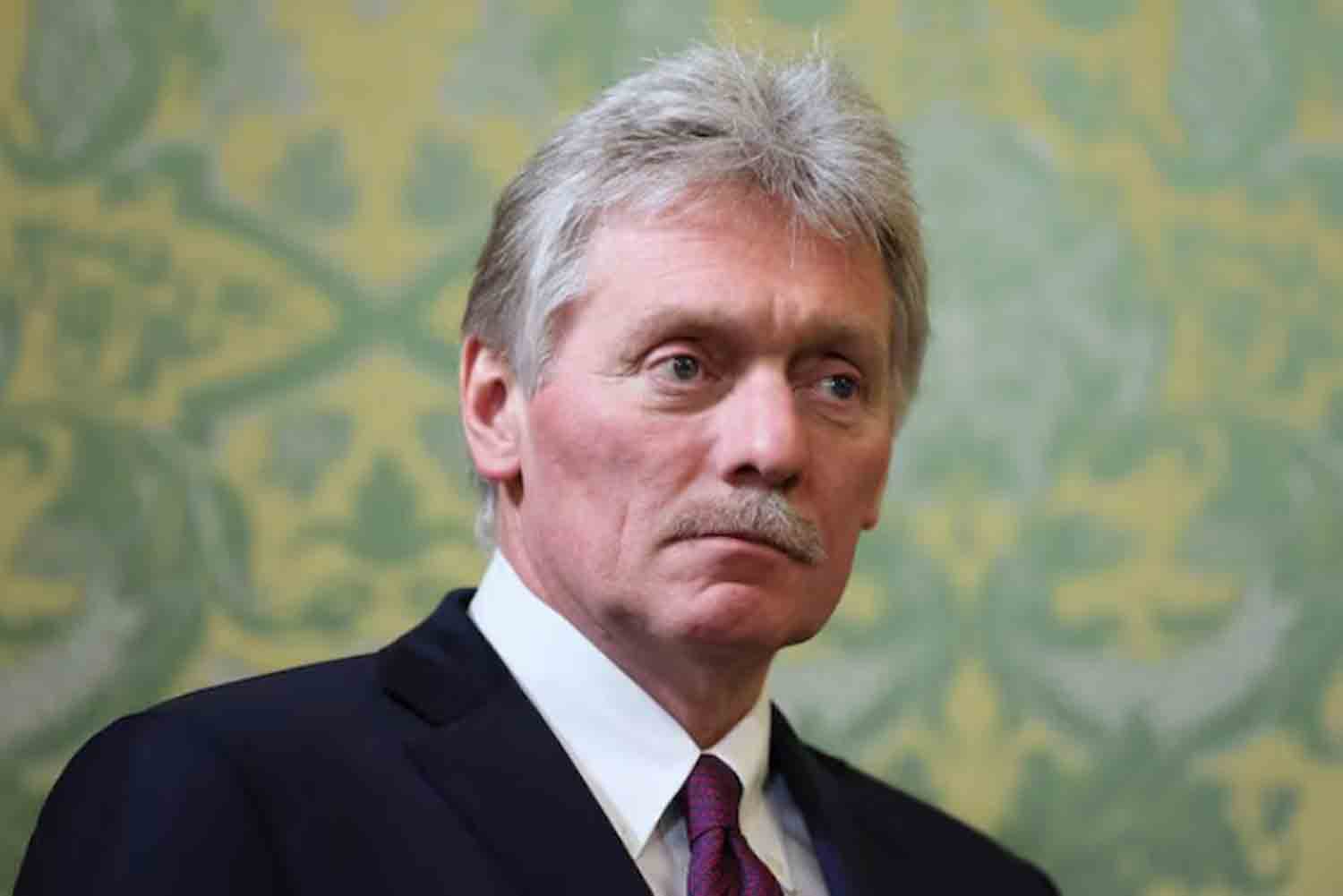
This week, Dmitry Peskov, the spokesperson for the Kremlin, stated that Russia does not foresee a cessation of hostilities at this point but is still receptive to negotiations. He emphasized that Russian military operations will persist until Kyiv consents to discussions.

Gordon, a prominent YouTube host in Ukraine, is recognized for his critical stance against Russia. Earlier this year, he was sentenced in absentia by a Moscow court for charges related to inciting terrorism and disseminating false information.

Moscow responds to Germany’s call to close Russian bases in Syria

0
Spokeswoman of Russia's Foreign Ministry Maria Zakharova

Russian Foreign Ministry spokesperson Maria Zakharova has taken issue with German Foreign Minister Annalena Baerbock‘s call for Russia to withdraw its military presence from Syria.

In a statement on her Telegram channel on Friday, Zakharova suggested that Baerbock should focus on the presence of U.S. military bases in Germany instead.

“It is ironic that the foreign minister of a nation that hosts U.S. military installations is making such demands. I would like to know when the German foreign minister will express similar sentiments towards Washington?” Zakharova remarked in her response to Baerbock’s comments.

Baerbock’s statements came after her visit to Damascus on Friday, where she, alongside French Foreign Minister Jean-Noel Barrot, became the first EU ministers to travel to Syria since the ousting of President Bashar Assad.

The purpose of Baerbock’s visit was reportedly to prevent Syria from falling under the influence of Russia and China, as noted by the German news outlet Tagesschau.

The dynamics in Syria changed significantly in November when militant factions, led by Hayat Tahrir al-Sham (HTS) jihadists, launched a surprise offensive against government forces, resulting in a swift decline of Assad’s regime and his subsequent retreat to Moscow.

Russia has been an ally of Assad’s administration, assisting Syria in combating terrorism since 2015. In 2017, a significant agreement was reached between Moscow and Damascus, granting the Russian military a 49-year lease on the Tartus naval base and the Khmeimim airbase located in eastern Syria.

In late December, Ahmed Hussein al-Sharaa, the leader of HTS and the effective ruler of the country, known by his alias Abu Mohammad al-Julani, remarked that Damascus has “strategic interests” in fostering strong relations with Russia, which he referred to as the “second most powerful country in the world.”

“We do not wish for Russia to withdraw from Syria in a manner that would undermine its longstanding relationship with the nation,” al-Julani stated.

On Friday, Russia’s UN envoy Vassily Nebenzia supported this view, indicating that Syria’s new de facto authorities are keen on maintaining their connection with Moscow and its military presence in the area.

During his end-of-year press conference in December, Russian President Vladimir Putin emphasized that the question of sustaining a Russian military presence in Syria necessitates “careful consideration.” “We need to think about how our relations will develop with the political forces currently in power and those that will lead this country in the future,” Putin noted.

Ishaq Dar is scheduled to undertake an important visit to Dhaka during the first week of February

0

Pakistan and Bangladesh are poised to enter a new chapter in their bilateral relations following a period of tension during the administration of former Prime Minister Sheikh Hasina Wajid. Deputy Prime Minister and Foreign Minister Muhammad Ishaq Dar is set to make a significant visit to Dhaka in the first week of February.

Dar has confirmed that he will travel to Dhaka after his trip to Kuala Lumpur, Malaysia, where he will be from February 3 to 5. He expressed to reporters that this visit aims to engage with the new leadership in Bangladesh and to initiate a fresh phase in their diplomatic ties.

This upcoming trip is expected to be a pivotal moment in the relationship between Pakistan and Bangladesh, as it will be the first visit by a Pakistani foreign minister since 2012. Relations between the two countries have been steadily improving since the removal of pro-India Sheikh Hasina Wajid from power following a student-led movement in August 2024.

Dar noted that his visit is being made at the invitation of his Bangladeshi counterpart. Additionally, Bangladesh’s Chief Executive Dr. Muhammad Yunus has accepted an invitation to visit Pakistan on dates that will be mutually agreed upon.

Hina Rabbani Khar was the most recent Pakistani foreign minister to visit Bangladesh in 2012, during which she invited then Prime Minister Sheikh Hasina Wajid to come to Islamabad.

Both Islamabad and Dhaka have participated in high-level exchanges, removed trade barriers, and commenced direct maritime trade, resulting in a notable increase in bilateral trade.

Dar referred to Bangladesh as a “brother country” and reaffirmed Pakistan’s dedication to supporting Dhaka. Previously, Bangladesh had reinstated admissions for Pakistani students at Dhaka University and eliminated security checks for these students at the airport and for shipments at ports.

Last month (December), Prime Minister Shehbaz Sharif and the chief executive of Bangladesh met on the sidelines of the D-8 Summit in Cairo, where they agreed to further strengthen their bilateral relationship.

South Korean investigators are urging the acting president to facilitate the arrest of Yoon

0
Anti-Yoon protesters clash with police officers as they march towards impeached South Korean President Yoon Suk Yeol's official residence, after investigators were unable to execute an arrest warrant on Friday for Yoon according to the Corruption Investigation Office for High-ranking Officials, in Seoul, South Korea.

South Korean investigators reiterated their request to the acting president on Saturday, urging him to instruct the presidential security service to comply with an arrest warrant for the impeached President Yoon Suk Yeol. On Friday, the security service, supported by military personnel, thwarted prosecutors’ attempts to apprehend Yoon during a six-hour standoff at his residence. The warrant was issued in connection with Yoon’s brief declaration of martial law last month.

The Corruption Investigation Office for High-Ranking Officials, which is overseeing the investigation, stated on Saturday that it had once again appealed to acting President Choi Sang-mok, who also serves as the finance minister, to ensure the presidential security service’s cooperation with the warrant.

A spokesperson from the finance ministry refrained from making any comments on the matter. Additionally, police have requested that Park Chong-jun, the head of the presidential security service, appear for questioning on Tuesday, as reported by Yonhap News.

Yoon’s declaration of martial law on December 3 took South Korea by surprise and marked the first instance of an arrest warrant being issued for a sitting president.

Russia has launched an assault on Pokrovsk to cut supply lines, according to the Ukrainian military

0
A view shows a destroyed bridge in the town of Pokrovsk, amid Russia's attack on Ukraine, near a front line in Donetsk region, Ukraine.

Russian military operations continue to intensify near the Ukrainian city of Pokrovsk, as they aim to encircle it from the south and disrupt supply lines to Ukrainian forces, according to the Ukrainian military on Saturday. Securing control over this critical road and rail junction in the eastern Donetsk region could pose significant challenges for the Ukrainian army on the eastern front and enable Russia to bolster and extend its front lines westward.

“The Pokrovsk area remains the most active, with Russian forces launching 34 attacks in the last 24 hours in an attempt to breach our defenses south of Pokrovsk,” stated Viktor Trehubov, spokesperson for Ukraine’s Khortytsia military group, during an interview with Ukrainian national television. The city, which previously had a population of approximately 60,000 and is home to a mine that exclusively supplies coking coal to Ukraine’s once-thriving steel industry, now has an estimated 11,000 residents remaining.

Trehubov noted that Russian troops are attempting to obstruct supply routes by deploying small units to towns south of Pokrovsk. “They avoid direct engagement in the city to evade intense urban combat. Instead, they seek to circumvent the city and disrupt logistical operations,” Trehubov explained. He added that Ukrainian forces are employing drones and precision munitions to thwart Russian attempts to achieve their objectives.


Russia intercepted eight ATACMS missiles and seized a settlement in eastern Ukraine, according to the defense ministry

0
US-supplied ATACMS missiles are fired from an undisclosed location in Ukraine in footage posted by a Telegram channel affiliated with the Ukrainian military.

Russia’s defense ministry announced on Saturday that its forces had seized control of the village of Nadiya in the eastern Luhansk region of Ukraine and successfully intercepted eight U.S.-manufactured ATACMS missiles.

Additionally, the ministry reported that its air defense systems had downed 10 Ukrainian drones over Russian territory on Saturday morning, with three of those incidents occurring in the northern Leningrad region.

Consequently, Pulkovo airport in St. Petersburg temporarily suspended all flight arrivals and departures on Saturday morning.

Russia says Germany and Japan will not attain permanent membership on the UN Security Council

0
The United Nations Security Council meets on the escalation in fighting in Lebanon between Israel and Hezbollah during the United Nations General Assembly at U.N. headquarters in New York.

Russia’s representative to the UN, Vassily Nebenzia, has asserted that Germany and Japan will not attain permanent membership on the UN Security Council.

As discussions on Security Council reform are set to commence in January, Nebenzia expressed in a recent interview with Russia 24 TV that some proposed initiatives are “quite naive and impractical.”

He stated, “There are nations seeking a seat on the Security Council that they will never obtain; we have made this clear.”

Specifically, he mentioned, “Germany and Japan will not secure a permanent seat on the Security Council.”

Nebenzia further emphasized that “no reform can occur without the backing of the majority of member states.”

The UK has previously expressed its support for permanent seats for Germany, Japan, India, Brazil, and equitable representation for Africa.

According to Article 108 of the UN charter, any reform of the Security Council would necessitate approval from all five permanent members with veto power, along with a two-thirds majority of UN member states.

Russia, China, the United States, the United Kingdom, and France constitute the five permanent members of the United Nations Security Council (UNSC).

Non-permanent members are elected for a two-year term on a rotating basis. Recently, Denmark, Greece, Pakistan, Panama, and Somalia were elected as new non-permanent members, joining Algeria, Guyana, the Republic of Korea, Sierra Leone, and Slovenia.

Last year, the Russian Foreign Ministry expressed its support for the expansion of the Security Council to incorporate nations from the Global South.

“Our country has consistently advocated for and continues to endorse the inclusion of developing countries from Asia, Africa, and Latin America in the UN Security Council,” stated Foreign Ministry spokeswoman Maria Zakharova.

Conversely, she noted that Western nations, which often align with Washington, are already adequately represented in the council.

Blinken says the U.S. is ‘worried’ about Russia’s nuclear policy

0

The United States has expressed significant concern regarding the possibility that Russia might be contemplating the use of nuclear weapons, as stated by outgoing Secretary of State Antony Blinken in an interview with the Financial Times published on Saturday.

Blinken’s remarks were in response to inquiries about Moscow’s purported “nuclear sabre-rattling,” which seems to reference modifications made to its nuclear doctrine last year.

Following discussions among Ukraine’s Western allies, including the United States, regarding the provision of foreign-made weapons to Ukraine for strikes deep within Russian territory, Russia announced revisions to its nuclear doctrine.

In November, President Vladimir Putin approved these changes, which broadened the circumstances under which a nuclear response could be warranted. The updated doctrine includes scenarios where aggression from a non-nuclear state or a coalition of states, backed by a nuclear power, might be interpreted as a “joint attack.” Nevertheless, the document characterizes nuclear weapons as “an extreme and forced measure” and emphasizes Moscow’s intention to avert tensions that could escalate into military confrontations, including nuclear warfare.

Blinken indicated that Washington perceives these changes as increasing the risk of nuclear escalation.

“Even if the likelihood rises from 5 to 15%, when it comes to nuclear weapons, the stakes are incredibly high,” Blinken remarked. He had previously labeled Russia’s intentions to revise its doctrine as “irresponsible” when they were first revealed last September.

Additionally, Blinken suggested that China might have played a role in dissuading Russia from resorting to nuclear weapons.

There are indications that China may have advised Russia against certain actions, according to Blinken. He proposed that China could have taken similar steps in response to U.S. allegations regarding Russia’s intentions to place nuclear weapons in space, a claim that Russia has labeled as “fake.”

Russia possesses the largest nuclear arsenal in the world, and its officials have consistently emphasized that the use of such weapons would be a “last resort.” Following an update to their military doctrine in November, Russian Foreign Minister Sergei Lavrov stated that Moscow is firmly committed to preventing nuclear warfare. He noted that Russia’s nuclear capabilities are designed to deter aggression and avert nuclear conflict.

However, the Kremlin has consistently warned that the U.S. military expansion and the global deployment of nuclear-capable missiles could provoke a measured response. Recently, Russia and Belarus formalized a security agreement that includes plans to position Russian nuclear-capable Oreshnik hypersonic missile systems in Belarus next year. These missiles, which Moscow claims are impervious to current Western defense systems, can strike targets across Europe in a matter of minutes.

The recent attack in New Orleans highlights the resurgence efforts of the Islamic State

0
Members of Syrian Democratic Forces hold a flag of the Islamic State militants recovered at a building next to the stadium in Raqqa, Syria.

A U.S. Army veteran recently demonstrated the ongoing influence of the Islamic State by flying its black flag on a truck that he drove into a crowd celebrating New Year’s in New Orleans. This incident underscores the group’s persistent ability to incite violence, even after enduring significant setbacks due to a U.S.-led military coalition.

During its peak from 2014 to 2017, the Islamic State established a “caliphate” that inflicted death and torture across extensive regions of Iraq and Syria, while also expanding its reach through affiliates in the Middle East.

The group’s former leader, Abu Bakr al-Baghdadi, who was killed by U.S. special forces in 2019 in northwestern Syria, emerged from relative obscurity to head the extremist organization and proclaimed himself the “caliph” for all Muslims. The caliphate ultimately fell in 2017 in Iraq, where it had a stronghold just a short drive from Baghdad, and in Syria in 2019, following a prolonged military offensive by the coalition.

In response to its territorial losses, the Islamic State has dispersed into independent cells, with its leadership operating in secrecy, making it difficult to assess its total strength. The United Nations estimates that around 10,000 members remain in its core areas.

The U.S.-led coalition, which includes approximately 4,000 American troops in Syria and Iraq, has continued to target the militants through airstrikes and ground operations, resulting in the deaths and captures of numerous fighters and leaders. Despite these efforts, the Islamic State has executed significant operations and continues to inspire isolated attacks, such as the tragic incident in New Orleans that resulted in 14 fatalities.

The assaults include a March 2024 attack by gunmen on a Russian music venue that resulted in the deaths of at least 143 individuals, as well as two bombings during an official ceremony in Kerman, Iran, in January 2024, which claimed nearly 100 lives.

Despite ongoing counterterrorism efforts, ISIS has managed to regroup, enhance its media operations, and resume external plotting, as cautioned by Brett Holmgren, Acting U.S. Director for the National Counterterrorism Center, in October.

Geopolitical dynamics have also favored the Islamic State. The conflict between Israel and Hamas in Gaza has sparked significant outrage, which jihadist groups exploit for recruitment purposes. Additionally, the precarious situation of Syrian Kurds detaining thousands of ISIS prisoners may provide the group with opportunities to regain strength.

While Islamic State has not officially claimed responsibility for the attack in New Orleans or celebrated it on its social media platforms, U.S. law enforcement agencies have noted that some of its supporters have done so. A senior U.S. defense official, who requested anonymity, expressed increasing concern regarding ISIS’s recruitment activities and resurgence in Syria, particularly following the fall of Syrian President Bashar al-Assad in December, which could create a power vacuum for the militant group.

Moments of promise

U.S. Secretary of State Antony Blinken has cautioned that ISIS may attempt to leverage this period of instability to rebuild its capabilities in Syria, emphasizing the United States’ commitment to preventing such developments. “History demonstrates how swiftly moments of promise can devolve into conflict and violence,” he remarked.

In July, a U.N. team monitoring ISIS activities reported to the U.N. Security Council about the “risk of resurgence” of the group in the Middle East and raised alarms regarding the potential for its Afghanistan-based affiliate, ISIS-Khorasan (ISIS-K), to conduct attacks beyond its borders. European governments have identified ISIS-K as “the greatest external terrorist threat to Europe.”

Jim Jeffrey, the former U.S. ambassador to Iraq and Turkey, as well as the Special Envoy to the Global Coalition Against the Islamic State, noted that the organization has consistently aimed to inspire lone wolf attacks similar to the one that occurred in New Orleans. Nevertheless, he emphasized that the primary concern remains the efforts of ISIS-K to execute large-scale attacks resulting in mass casualties, akin to those witnessed in Moscow, Iran, and across Europe in 2015 and 2016.

Additionally, ISIS has maintained its focus on operations in Africa. Recently, the group reported that 12 militants, utilizing vehicles rigged with explosives, assaulted a military base in Puntland, Somalia, resulting in the deaths of approximately 22 soldiers and injuring many others.

They referred to this incident as “the blow of the year,” describing it as a complex attack unprecedented in its nature. Security experts indicate that the Islamic State’s presence in Somalia has strengthened due to an influx of foreign fighters and increased revenue from extorting local businesses, effectively establishing the region as the group’s “nerve center” in Africa.

path to radicalization

In a related development, the FBI reported that Shamsud-Din Jabbar, a 42-year-old veteran from Texas who previously served in Afghanistan, acted independently in the New Orleans incident. Jabbar reportedly created recordings in which he denounced music, drugs, and alcohol, reflecting the ideological tenets commonly associated with the Islamic State.

Investigators are examining Jabbar’s “path to radicalization,” puzzled by his transformation from a military veteran, real estate agent, and former employee of the prominent tax and consulting firm Deloitte into an individual who was “100 percent inspired by ISIS,” which stands for the Islamic State.

In recent months, U.S. intelligence and homeland security officials have alerted local law enforcement about the risks posed by foreign extremist groups like ISIS, particularly concerning potential vehicle-ramming attacks at large public events, as indicated in intelligence bulletins reviewed by Reuters.

In a public statement made in June, U.S. Central Command noted that the Islamic State is attempting to “reconstitute” after several years of diminished capabilities. CENTCOM’s assessment is informed by Islamic State’s claims of conducting 153 attacks in Iraq and Syria during the first half of 2024, a frequency that suggests the group is “on pace to more than double the number of attacks” reported the previous year.

H.A. Hellyer, a Middle East studies expert and senior associate fellow at the Royal United Services Institute for Defence and Security Studies, expressed skepticism about the Islamic State regaining significant territory. He indicated that while ISIS and other non-state actors remain a threat, it is primarily due to their capacity to execute “random acts of violence” rather than their control over land. “While there may be limited opportunities for territorial control in certain regions of Africa for a time,” Hellyer stated, “I do not foresee this as a precursor to a substantial resurgence.”

New Armor Kits Are Being Deployed on Ukraine’s Western Air Defense Systems

0

A prominent Ukrainian metal and mining enterprise, known for producing cope cages for the nation’s tanks and combat vehicles, has announced the installation of a new armor protection system on at least one of Ukraine’s advanced air defense systems. The company plans to manufacture additional units based on insights gained from the ongoing conflict. Both Russia and Ukraine have been enhancing their mechanized equipment with caging and supplementary armor to improve protection, particularly against drone assaults.

Currently, Western air defense systems provided to Ukraine are among the top targets for Russian forces, facing attacks from various lower-end drones and sophisticated standoff munitions. These include time-sensitive drone reconnaissance paired with Iskander ballistic missile strikes. Additionally, artillery fire poses a significant threat to systems positioned near the front lines.

On Friday, the Metinvest Group revealed that it has developed a protective system comprising nearly 200 armored steel plates, each up to 8 mm thick, affixed to the sides of a Western-supplied air defense system’s command module. The total weight of this armor exceeds 2.6 tons, yet the company asserts that it does not compromise the system’s functionality or mobility. This initiative is part of Metinvest’s larger “Steel Front” wartime production program, which also produces pre-fabricated protective shelters, body armor, and various other supplies for the Ukrainian military.

The company announced that the system is engineered to safeguard against shrapnel, although it did not specify any particular weapon. Protection from nearby explosions is vital for the survival of air defense personnel and their equipment, as many air defense systems consist of various mobile or semi-mobile elements. If one component is targeted, armor can be crucial in preserving the command vehicle and its crew. This principle also applies to certain cluster munitions and artillery strikes.

“We initiated the project from the ground up in just six weeks, and based on the designs, we produced a shield for the crews operating the Patriot surface-to-air missile (SAM) system using Metinvest’s Ukrainian armor steel,” stated Oleksandr Myronenko, chief operating officer of Metinvest Group and head of the Group’s specialized steel production for the Ukrainian military. “This shield ensures protection against fragmentation for both the defenders and the air defense command system. Our skilled engineers also oversaw the armor’s assembly.”

Col. Yuri Ignat, spokesperson for the Ukrainian Air Force, informed us that the protection system has been installed on a German-made IRIS-T SLM air defense system currently in use in Ukraine. The command module for this system can be seen in the accompanying video and images. The reason for the inconsistency in information is not clear, but it is possible that the system is present on both platforms. We have contacted Metinvest for further clarification.

Ukraine has acquired two variants of IRIS-T systems from Germany. The IRIS-T SLS is designed for short-range defense, while the IRIS-T SLM serves medium-range needs. Both missile variants were initially developed for air-to-air combat. The manufacturer of the IRIS-T is Diehl Defense, and Ukraine has received a total of six SLM systems and five SLS systems.

According to the Oryx open-source tracking group, Ukraine has experienced losses of several components from Western-supplied air defense systems, including Patriot, IRIS-T, and National Advanced Surface-to-Air Missile Systems (NASAMS). The report indicates that at least two M901 launchers for the MIM-104 Patriot systems have been destroyed, along with damage to an AN/MPQ-53 radar. Additionally, one MAN SX45 8×8 launcher for the IRIS-T SLM system has been destroyed, and a TRML-4D multi-function radar has sustained damage. The group also reports the destruction of two NASAMS launchers. However, the actual losses are likely much higher, as Oryx only records losses with visual confirmation.

Metinvest has utilized its experience with armored vehicles to create a new protective system for air defense systems.

“The Group has successfully produced steel screens for the domestic T-64 and T-72 tanks, American M1 Abrams tanks, and Bradley infantry fighting vehicles, and is preparing to integrate these screens into various Leopard 2 models,” the company stated. “To date, over 300 screens have been supplied to the military.”

The images released by Metinvest showcased a comprehensive array of screens, featuring a primary screen positioned atop the turret, along with additional screens surrounding the front, sides, and rear of the vehicle. The complete setup appeared to include extra angled sections designed to eliminate gaps between the top and side panels. Notably, the images revealed minimal openings left for the Abrams’ side-mounted launchers, which are utilized to deploy smoke grenades for concealment. It is important to recognize that FPV drone operators have demonstrated a remarkable ability to exploit even the smallest gaps in armor screens and other defensive measures to conduct attacks.

Another image shared by the company depicted an additional screen affixed to the rear of the hull.

As emphasized in Metinvest’s press release, the primary objective of the newly designed factory-made cope cage for the Abrams is to enhance protection against first-person view kamikaze drones. These highly agile drones, equipped with warheads that detonate upon impact, have become a persistent threat on both sides of the conflict in Ukraine. FPV drones, in particular, are increasingly regarded as being as significant on the battlefield as traditional artillery. Furthermore, Russia has been steadily working to counter Ukraine’s initial advantages in this domain.

An air defense expert expressed skepticism regarding Metinvest’s assertion that the additional weight of the armor on the SAM command module would not impact its mobility.

“Adding 4,600 pounds to any vehicle beyond the standard load plan is considerable,” stated David Shank, a retired Army colonel and former commandant of the Army Air Defense Artillery School at Fort Sill, Oklahoma, during our conversation on Friday. “I would argue that this added weight would impede the performance of the prime mover responsible for towing these large trailer systems.”

This is a significant factor, Shank noted, as Ukraine often relocates its air defense assets to respond to new threats.

Any additional safeguards for air defense personnel will be appreciated, particularly for systems deployed in forward positions that are vulnerable to various Russian threats.

Blinken embarks on a final visit to South Korea, Japan, and France

0

US Secretary of State Antony Blinken is scheduled to visit South Korea, Japan, and France from January 4 to January 9, as announced by the State Department on Friday. This trip is anticipated to be his final international engagement while in office.

During his visit to South Korea, Blinken will arrive amid significant political unrest. Recently, a standoff has emerged between investigators and the team of suspended President Yoon Suk Yeol, hindering efforts to arrest him.

Blinken is scheduled to hold discussions with his South Korean counterpart

Blinken is set to meet with South Korean Foreign Minister Cho Tae-yul on Monday, according to a statement from Seoul’s foreign ministry. Their discussions will focus on the “South Korea-US alliance, cooperation between South Korea and Japan, issues related to North Korea, and various regional and global challenges.”

The State Department’s announcement does not explicitly address the ongoing political crisis in Seoul, instead highlighting that Blinken will discuss “ways our two nations can enhance our vital cooperation on global challenges rooted in our shared values.”

South Korea has been engulfed in a political crisis since Yoon’s brief declaration of martial law on December 3, which involved deploying soldiers to parliament. He is currently under investigation for allegations of power abuse and inciting insurrection.

Investigators looking into Yoon’s declaration of martial law attempted to execute an arrest warrant on Friday but were obstructed by security personnel assigned to the president.

This warrant is set to expire on January 6, coinciding with Blinken’s scheduled meeting with Cho.

Blinken in Japan and France

During his visit to Japan, Blinken will engage with senior officials to assess the significant advancements made between the two nations.

The United States and Japan have strengthened their defense collaboration over the years, driven by shared concerns, particularly regarding what they refer to as countering Chinese aggression in the Indo-Pacific region.

Blinken will conclude his trip in Paris, where he will hold discussions with French officials about developments in the Middle East and European security, with a focus on the situation in Ukraine.


Lloyd Austin is set to attend his last meeting of the Ukraine Defense Contact Group next week

0
U.S. Defense Secretary Lloyd Austin and Ukrainian President Volodymyr Zelenskyy are pictured at a meeting of the Ukraine Defense Contact Group at Ramstein Air Base in Germany.

U.S. Secretary of Defense Lloyd Austin is set to participate in his final meeting of the Ukraine Defense Contact Group at Ramstein Air Base in Germany next week, as announced by the Defense Department on Friday.

This coalition, comprising over 50 nations and commonly referred to as the Ramstein group, includes NATO members and a majority of the European Union. It was established by Austin in April 2022, following Russia’s invasion of Ukraine two months prior, with the aim of coordinating military assistance for Ukraine’s defense efforts.

The meeting, which was initially planned for October, was delayed due to U.S. President Joe Biden’s cancellation of his trip to manage the aftermath of Hurricane Milton, as reported by Politico. The last comprehensive meeting of the group took place in September.

This upcoming meeting will occur just over a week before President-elect Donald Trump is inaugurated. The future of the Ramstein group and the extent of U.S. support for Ukraine remain uncertain, as Trump has voiced criticism regarding the current level of U.S. aid and has shown interest in swiftly concluding the conflict.

Ukrainian President Volodymyr Zelenskyy remarked on Thursday that Trump could play a significant role in the resolution of the prolonged war between Ukraine and Russia.

“Trump can be decisive. For us, this is the most important thing,” Zelenskyy stated in an interview with Ukrainian television.

“His qualities are indeed there,” Zelenskyy added regarding Trump. “He can be decisive in this war. He is capable of stopping [Russian President Vladimir] Putin, or, to put it more fairly, help us stop Putin.”

Trump has previously claimed he could resolve the conflict in Ukraine within a day, yet he has not provided specifics on how he would achieve this.

In related news, Agence France-Presse reported, referencing local officials, that a Russian drone strike in the outskirts of Kyiv early Friday resulted in one fatality and four injuries.

According to AFP, Russian military forces have intensified their aerial assaults across Ukraine during the initial weeks of winter, including a drone strike on New Year’s Day in central Kyiv that resulted in two deaths.

In a statement shared on Facebook and other social media platforms, acting Kyiv regional Governor Mykola Kalashnyk announced that a truck driver was killed by debris from a Russian drone that had been intercepted.

Additionally, on Friday, Ukraine’s General Staff of the Armed Forces indicated that Russian troops were making advances in Donetsk Oblast, particularly near the strategic town of Pokrovsk. The General Staff reported 138 confrontations on the battlefield between Thursday and Friday.

Political instability in South Korea is advantageous for China

0
Anti-Yoon protesters clash with police officers as they march towards impeached South Korean President Yoon Suk Yeol's official residence, after investigators were unable to execute an arrest warrant on Friday for Yoon according to the Corruption Investigation Office for High-ranking Officials, in Seoul, South Korea.

South Korea is experiencing escalating political instability following the recent martial law controversy, and experts suggest that this situation may provide China with an opportunity to enhance its influence in the region.

According to Evans Revere, a former acting assistant secretary of state for East Asia and Pacific Affairs during the George W. Bush administration, the ongoing turmoil in Seoul is “working to Beijing’s advantage.” He noted that “China, with its authoritarian governance style, stands to benefit” and is likely pleased with the rise of the Democratic Party, which is recognized for its favorable stance towards the People’s Republic of China (PRC).

The nation is currently facing a significant political crisis, highlighted by the impeachment of key leaders last month. Recently, a confrontation with security forces at President Yoon Suk Yeol’s residence hindered investigators from an anti-corruption agency from taking him into custody.

The main opposition party, the Democratic Party (DP), has called for the agency to make another attempt to detain Yoon after expressing disappointment over the investigators’ withdrawal.

Last month, the DP executed two consecutive impeachments within a fortnight. They first impeached Yoon on December 14 due to his unsuccessful effort to impose martial law, followed by the impeachment of acting President Han Duk-soo the subsequent week.

The future of Yoon, who has been suspended from his position, now lies in the hands of the Constitutional Court. Should the court decide to proceed with his impeachment, a national election will be triggered, with Lee Jae-myung, the leader of the Democratic Party, emerging as a prominent contender.

Bruce Klingner, a senior fellow specializing in Northeast Asia at the Heritage Foundation, remarked that a Democratic Party government in Seoul would likely be more accommodating towards both Beijing and Pyongyang, while adopting a more adversarial stance towards Washington and Seoul.

Klingner further noted that China might attempt to create divisions between South Korea and the United States by fostering a more amicable relationship with Seoul.

On Tuesday, Liu Pengyu, a spokesperson for the Chinese Embassy in Washington, stated to VOA that “China has observed the relevant events” but “will refrain from commenting on the domestic matters of the ROK,” using the official designation for South Korea.

During a phone call on December 24, Chinese Foreign Minister Wang Yi conveyed to his South Korean counterpart, Cho Tae-yul, that “China upholds the principle of non-interference in internal affairs,” emphasizing that collaborative efforts have enhanced bilateral relations.

Nevertheless, Klingner, in a report released just before South Korea’s general election last April, suggested that China might find it advantageous to incite opposition within South Korea against Yoon’s policies.

Beijing, through its United Front Work Department, is reported to “manipulate foreign public policy discussions” by “exacerbating political divisions within targeted nations and amplifying public backing for specific politicians or parties.”

Pro-China Stance

The Democratic Party (DP) is described as “highly pro-China” and would “shift the nation’s orientation towards China” if it assumes control of the government, according to Gordan Chang, a distinguished senior fellow at the Gatestone Institute and author of Plan Red: China’s Project to Destroy America.

The potential shift in South Korea’s policies is evident, as illustrated by the DP’s efforts to secure approval from acting president Han for amendments to the Act on Testimony and Appraisal shortly after the opposition party voted to impeach Yoon on December 14.

This amendment, introduced by the DP, mandates that individuals, including leaders from various industries, must attend hearings when requested and prohibits them from withholding information, even if it involves sensitive trade secrets that could impact national security.

Chang asserts that this would “compel South Korean companies to disclose their trade secrets, which would undoubtedly benefit China” and “significantly harm South Korean businesses.” He warns that if South Korea were to lose its competitive advantage, which he claims is the objective of the DP, it could jeopardize the nation’s democracy.

A nonpartisan report from the U.S. Congressional Research Service, published on December 23, highlights that the Democratic Party (DP) “tends to advocate starkly different policies” compared to President Yoon. The report also notes that Lee has criticized Yoon for exhibiting “a greater willingness than previous ROK leaders to publicly challenge China’s actions.”

On Thursday, Yoon expressed in a written message to his supporters gathered outside his home that he will “fight until the end” against anti-state elements that threaten the nation. He expressed gratitude to them for upholding South Korea’s “liberal democracy and constitutional order.”

This message, reportedly conveyed through an intermediary to his supporters, was signed by Yoon and shared with South Korean media by his legal team.

Andrew Yeo, the SK-Korea Foundation Chair at the Brookings Institution’s Center for Asia Policy Studies, remarked, “The DP may adjust Seoul’s stance between Beijing and Washington slightly and may be less inclined to endorse policies viewed as red lines for China, such as backing Taiwan during a crisis in the Taiwan Strait.”

He added, “However, the DP also acknowledges the significance of the U.S.-ROK alliance, so I expect strong U.S.-ROK relations to continue even with a DP administration.”

On December 23, Lee held a meeting with U.S. Ambassador to South Korea, Philip Goldberg, in Seoul, where he expressed optimism about the alliance’s potential growth in the areas of human rights and environmental concerns.

Goldberg also engaged with members of the ruling People Power Party (PPP).

Robert Rapson, who was the charge d’affaires and deputy chief of mission at the U.S. Embassy in Seoul from 2018 to 2021, stated, “The U.S. will continue to be the primary relationship for the next Korean administration, whether it leans progressive or conservative.”

He added that a positive outcome from enhanced South Korea-China relations could lead to increased cooperation from China in addressing North Korea, particularly if President-elect Donald Trump aims to engage with North Korean leader Kim Jong Un.

Moscow says New Syrian authorities interested in Russia’s continued presence

0
Russia's UN representative Vassily Nebenzia

The newly established authorities in Syria have expressed interest in maintaining Russia‘s presence in the country, according to Vassily Nebenzia, Russia’s envoy to the UN. He acknowledged, however, that there have not been any definitive actions taken to solidify this interest.

Nebenzia made these comments during an interview with Russia 1 on Friday. He emphasized the longstanding “friendship” between Russia and Syria, which he noted is not dependent on any specific regime.

“The current authorities in Syria are signaling their desire for Russia to remain, indicating that they are keen on our continued presence,” the UN envoy remarked.

He described the new leadership as a group that positions itself as a force that prioritizes the interests of all Syrians, adding that they have thus far demonstrated a level of competence in their actions.

“I cannot ascertain whether they are being directed or if they genuinely recognize the importance of conveying the right messages to the broader Syrian populace,” he stated.

In November of the previous year, militant factions, primarily led by Hayat Tahrir al-Sham (HTS) jihadists, launched an unexpected offensive against the government of former President Bashar Assad. This assault led to a rapid disintegration of the Syrian military and the subsequent fall of the government, forcing Assad to seek refuge in Moscow.

The recent developments have raised questions regarding Moscow’s military presence in the region and the future of Russian military facilities, particularly those situated along the Mediterranean coast, such as the Khmeimim Air Base near Latakia and the naval base in Tartus.

In late December, Ahmed Hussein al-Sharaa, the leader of HTS and the de facto authority in the country, known by his alias Abu Mohammad al-Julani, emphasized that Damascus has “strategic interests” in fostering strong relations with Russia, which he referred to as the “second most powerful country in the world.”

He expressed a desire for Russia to maintain a dignified presence in Syria, reflecting the historical ties between the two nations.

US national security adviser Sullivan to address Chinese dam projects during visit to India

0
U.S. National Security Adviser Jake Sullivan attends a press conference at the U.S. embassy in Beijing, China.

U.S. National Security Adviser Jake Sullivan is scheduled to visit New Delhi on January 5-6, where he is anticipated to engage in discussions with Indian officials regarding the implications of Chinese dams, according to a senior U.S. official’s statement made late Friday.

The United States and its Western allies have consistently regarded India as a strategic counterbalance to China’s expanding influence across Asia and beyond.

“We have observed that the upstream dams constructed by China, particularly in the Mekong region, can lead to significant environmental and climate-related challenges for downstream nations,” the official noted in advance of Sullivan’s trip.

The official also mentioned that Washington intends to address New Delhi’s concerns during the visit. The Indian government has expressed its apprehensions to Beijing regarding China’s initiative to construct a hydropower dam in Tibet on the Yarlung Zangbo River, which flows into India. Chinese representatives assert that the hydropower projects in Tibet will not significantly affect the environment or downstream water availability.

The dam in question, which is projected to be the largest of its kind globally with an estimated annual capacity of 300 billion kilowatt-hours of electricity, received approval last month.

Washington anticipates that discussions will include civilian nuclear collaboration, artificial intelligence, space exploration, military licensing, and China’s economic overcapacity, according to a U.S. official. Another official noted that American representatives will not engage with the Dalai Lama during the visit.

In recent years, the relationship between Washington and New Delhi has strengthened, although there have been occasional disagreements regarding matters such as the treatment of minorities in India, New Delhi’s relationship with Russia in light of Moscow’s invasion of Ukraine, and alleged assassination attempts against Sikh separatists on U.S. and Canadian territory.

State Department has informed Congress about a proposed arms sale to Israel, valued at $8 billion

0
An Israeli soldier holds a weapon in a military vehicle, during an Israeli raid in Tulkarm, in the Israeli-occupied West Bank.

The State Department has informally reported Congress of its plan to sell $8 billion worth of arms to Israel, according to a U.S. official and another source familiar with the situation, as reported by CNN.

On Friday, the State Department communicated this informal notification to both the House Foreign Affairs Committee and the Senate Foreign Relations Committee, coinciding with the first day of the new Congress and occurring just weeks before the Biden administration’s term concludes. Last year, Israeli Prime Minister Benjamin Netanyahu accused the Biden administration of withholding military support from Israel, a claim that a Biden envoy described as “unproductive” and “more importantly, completely untrue.”

Israel is currently facing allegations from human rights organizations regarding violations of international law, particularly concerning its use of U.S. weapons in the ongoing conflict with Hamas in Gaza, which has resulted in tens of thousands of casualties. In May, the State Department indicated that it was “reasonable to assess” that U.S. weapons had been utilized by Israeli forces in Gaza in ways deemed “inconsistent” with international humanitarian law, although it refrained from officially stating that Israel had violated the law.

The proposed arms sale, initially reported by Axios, includes AIM-120C-8 AMRAAM air-to-air missiles designed to counter airborne threats, including drones, as stated by the U.S. official. Additionally, the sale encompasses artillery shells, Hellfire AGM-114 missiles, Small Diameter Bombs (SDBs), JDAM tail kits, 500-pound warheads, and FMU-152A/B bomb fuses, according to the sources.

A US official stated that the proposed sale aims to enhance Israel’s long-term security by replenishing essential munitions and air defense systems.

“The president has emphasized that Israel has the right to protect its citizens in accordance with international law and humanitarian standards, as well as to counter threats from Iran and its affiliated groups,” they informed CNN. “We will persist in supplying the necessary resources for Israel’s defense.”

The official also mentioned that while some of the munitions can be sourced from existing US stock, “the majority will require a timeframe of one to several years for delivery.”

The informal notification process is a standard procedure that informs relevant congressional committees—specifically the House Foreign Affairs and Senate Foreign Relations—about planned sales, enabling committee leaders to express concerns, provide feedback, or impose holds.

Turkey urges for an immediate ceasefire in Ukraine

0
Foreign Minister of Turkey Hakan Fidan

Turkish Foreign Minister Hakan Fidan has urged for an “immediate” ceasefire in Ukraine, highlighting the urgent necessity to conclude the conflict and alleviate its extensive repercussions. His comments were made during a joint press conference with Belgian Foreign Minister Bernard Quintin, which was streamed live on X by the Hurriyet news outlet on Thursday.

Fidan pointed out that the ongoing conflict has led to catastrophic outcomes, including the loss of hundreds of thousands of lives and the devastation of an entire nation.

“We seek an immediate ceasefire and peace in Ukraine,” he declared.

The minister also noted the broader implications of the conflict, such as migration issues, economic challenges, and overall instability in Europe.

“The migration resulting from this war, along with the economic crises and other challenges facing Europe and the world, must be resolved as soon as possible,” he stressed.

Fidan mentioned that he discussed the conflict and strategies to tackle its humanitarian and economic consequences with his Belgian counterpart, who is on an official visit to Türkiye. He emphasized the importance of ongoing diplomatic efforts to achieve peace.

Fidan’s remarks illustrate Türkiye’s enduring stance on the conflict. The nation facilitated the initial, albeit unsuccessful, peace negotiations between Russia and Ukraine in 2022, shortly after hostilities commenced. During those discussions, Moscow and Kiev reached a preliminary draft for a truce, wherein Ukraine would forgo its NATO membership aspirations, declare neutrality, and restrict the size of its military forces in return for international security assurances.

Nevertheless, the negotiations ultimately collapsed. Last month, veteran Swiss diplomat Jean-Daniel Ruch claimed that the “Americans and their British allies” intervened to obstruct the agreement, aiming to undermine Moscow.

In the aftermath of the failed negotiations, Ankara has kept open lines of communication with both nations and has consistently advocated for a peaceful resolution. In his New Year’s address, Turkish President Recep Tayyip Erdogan emphasized that resolving the Ukraine conflict is a top priority for Türkiye in 2025.

Russian President Vladimir Putin has consistently expressed his willingness to engage in dialogue with Kiev based on the draft agreement established during the talks in Türkiye. However, he has asserted that any peace resolution must commence with Ukraine halting military actions and recognizing the “territorial reality” that it will not regain control over the regions that opted to join Russia.

Iran summoned the Italian ambassador over the arrest of an Iranian wanted by the U.S.

0

Iran’s foreign ministry summoned the Italian ambassador on Friday in response to the detention of an Iranian national sought by the United States for his purported involvement in a lethal drone strike against U.S. forces, according to Iranian state media. This action followed Italy’s recent summoning of Iranian officials regarding the arrest of Italian journalist Cecilia Sala, who was detained in Tehran on December 19 while operating under a journalist visa.

An official from Iran’s foreign ministry urged Italy to reject what it termed America’s hostage policy, which it claims contravenes international law and human rights, and called for the prompt release of Mr. Mohammad Abedini to avoid further strain on bilateral relations, as reported by state media. On Thursday, the Iranian embassy in Rome stated that Sala was receiving all necessary humanitarian assistance and, for the first time, connected her situation to that of Abedini.

Iran announced on Monday that Sala was arrested for “violating the laws of the Islamic Republic,” without providing additional details. Sala’s detention occurred three days after Abedini, an Iranian businessman, was apprehended at Milan’s Malpensa airport on a U.S. warrant for allegedly supplying drone components used in a 2023 attack that resulted in the deaths of three U.S. service members in Jordan. Iran has denied any involvement in the incident.

Abedini is presently incarcerated, with a court scheduled to determine this month whether to allow him to serve his sentence under house arrest while the judges review the U.S. extradition request.

In recent years, Iran’s security forces have detained numerous foreigners and dual nationals, primarily on allegations of espionage and security violations. Human rights organizations have accused Iran of attempting to leverage these arrests for concessions from other nations, a claim that Iran refutes.

Russia has expressed criticism towards the United States regarding its ambiguous signals concerning Ukraine

0
Russia's UN representative Vassily Nebenzia

Russia’s UN representative Vassily Nebenzia has expressed discontent with the United States, labeling its communications regarding the Ukraine situation as “vague signals.”

In a recent interview with Russia 24 TV, Nebenzia stated that Moscow currently sees little of value in the messages coming from the US concerning the crisis.

“‘Deal’ is a term that [US President-elect Donald] Trump frequently uses; it is well-known. However, how this aligns with Russia’s interests remains uncertain,” Nebenzia commented.

He further noted that the indications from the new US administration lack any attractive elements. “These are merely ambiguous signals suggesting a readiness for something,” he remarked.

Nebenzia referenced President Putin’s call for a complete resolution of the conflict rather than a mere cessation. “We often encounter the phrase ‘freezing the conflict.’ On December 19, President Vladimir Putin clearly articulated the conditions under which we are willing to discuss not just freezing but ending this conflict, contingent upon the respect for our legitimate security interests. Yet, thus far, the new US administration’s signals do not suggest any interest in this matter,” he emphasized.

Trump has repeatedly asserted that he could facilitate a negotiated resolution to the Ukraine conflict within a single day. He has also criticized the US’s handling of the situation, referring to Ukraine’s President Vladimir Zelensky as a “salesman” whose trips to Washington lead to substantial aid packages.

On December 22, Trump stated that he would await a meeting with Putin to address the ongoing conflict, asserting that the situation would not have arisen if he had remained in office.

During a press conference in December, Putin expressed his willingness to engage in discussions with Trump. He previously outlined specific conditions for achieving a peaceful resolution, which included an immediate ceasefire and a commitment to negotiations, contingent upon the withdrawal of Ukrainian forces from all territories claimed by Russia, including those annexed following referendums.

Putin further urged Kiev to abandon its NATO aspirations, pursue demilitarization, and adopt a neutral stance free of nuclear weapons. The Russian envoy acknowledged ongoing discussions from the Ukrainian side regarding possible “arrangements,” but he raised doubts about the practicality of such initiatives.

“The key issue is when Zelensky will finally decide to come to the negotiating table, and at which point along the military front this will occur. The longer he delays, the more unfavorable the conditions will become for him,” Nebenzia remarked.

Moldova’s Prime Minister warns of a potential security crisis and condemns the halt of Russian gas supplies

0
Prime Minister of Moldova Dorin Recean addresses the 79th United Nations General Assembly at U.N. headquarters in New York, U.S.

Moldova is currently experiencing a security crisis, as Prime Minister Dorin Recean announced on Friday that tens of thousands of residents in the breakaway region of Transdniestria have been cut off from Russian gas supplies. The cessation of Russian gas flows through Ukraine, which previously supplied central and eastern Europe, occurred at the end of 2024 after Kyiv decided to cease business dealings with Moscow.

Recean indicated that Moldova would meet its energy requirements through domestic production and imports, but acknowledged that the separatist region of Transdniestria has been significantly impacted despite its connections to Russia.

“By endangering the future of the protectorate it has supported for three decades in an attempt to destabilize Moldova, Russia is demonstrating the inevitable fate of all its allies – betrayal and isolation,” Recean stated. “We view this as a security crisis designed to facilitate the resurgence of pro-Russian forces in Moldova and to weaponize our territory against Ukraine, with which we share a 1,200 km border.”

The southeast European nation, home to approximately 2.5 million people, has gained attention since Russia’s invasion of Ukraine, amid escalating tensions between Moscow and Western nations. Pro-European President Maia Sandu, who secured a second term in last year’s election, has committed to advancing reforms and strengthening democratic processes. Moldova is set to conduct a parliamentary election this summer.

The predominantly Russian-speaking region of Transdniestria, which separated from Moldova in the 1990s, previously received Russian gas through Ukraine. Meanwhile, Moldova relied heavily on Transdniestria for its electricity supply. However, with Kyiv indicating it would cease gas transit from Russia, the government in Chisinau has been making alternative arrangements, incorporating a combination of domestic energy production and electricity imports from Romania, according to Recean.

He emphasized that the Moldovan government is dedicated to supporting the enclave. “We have prepared alternative energy solutions, including biomass systems, generators, humanitarian assistance, and vital medical supplies, which are ready for delivery if the leadership of the breakaway region is willing to accept our support,” the government stated.

Vadim Krasnoselsky, the pro-Russian leader of Transdniestria, has claimed that the region possesses gas reserves sufficient for approximately 10 days of limited use in the northern areas and double that duration in the south.