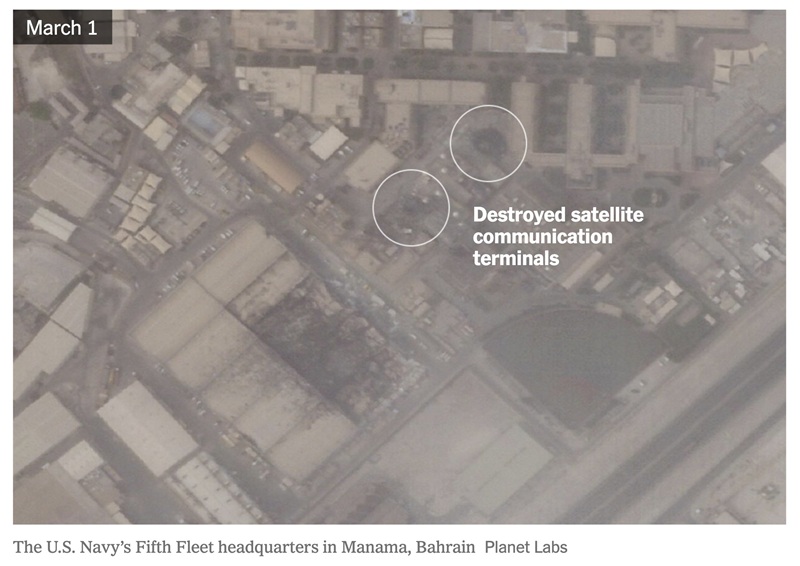

A suspected Iranian suicide drone strike targeting the United States Embassy compound in Riyadh and a separate drone attack on the U.S. Consulate in Dubai has exposed new vulnerabilities in American diplomatic and intelligence infrastructure across the Gulf region.
CONFIRMED: CIA station in Saudi capital struck by Iranian Drone strike
— Douglas Macgregor (@DougAMacgregor) March 4, 2026
According to internal diplomatic alerts referenced by senior U.S. officials, the Riyadh embassy complex suffered roof collapse, structural disruption, and heavy smoke contamination following multiple drone impacts. At nearly the same time, eyewitnesses in Dubai reported a suicide drone detonation that ignited fires at the American consulate facility.
The incidents highlight the growing threat posed by low-cost loitering munitions capable of penetrating heavily protected diplomatic compounds.
CIA Facility in Riyadh Reportedly Targeted
Reports citing internal U.S. State Department alerts indicate that the drones struck a building housing the CIA’s regional intelligence station inside the U.S. Embassy compound in Riyadh.
Although U.S. and Saudi authorities confirmed drone impacts on the embassy complex, officials have avoided publicly confirming that the CIA facility was the primary target.
Internal communications described sections of the embassy roof collapsing, while acrid smoke filled corridors and offices, forcing personnel to shelter in secure areas as emergency teams conducted rapid damage assessments.
The CIA station in Riyadh functions as a critical intelligence coordination hub linking Washington with regional partners across the Middle East.
Drone Strike Triggers Major Fire at U.S. Consulate in Dubai
In a parallel incident, a suspected Iranian suicide drone crashed into the United States Consulate in Dubai, triggering a large fire that engulfed parts of the diplomatic facility.
Eyewitnesses described towering flames and dense smoke rising above the Dubai skyline as emergency responders from Dubai Civil Defence and U.S. security teams rushed to contain the blaze.
Initial reports suggest the drone explosion damaged several floors of the building, including administrative offices, communications areas, and visa processing facilities.
Consular services were temporarily suspended as evacuation procedures and structural assessments began.
Low-Cost Drones Exploit Gaps in Gulf Air Defense
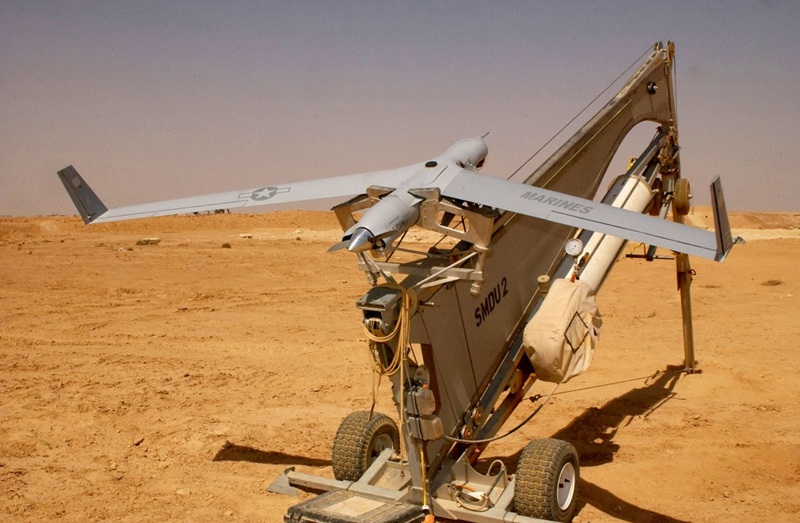
Defense analysts say the attacks demonstrate the operational effectiveness of loitering munitions or kamikaze drones capable of approaching targets at low altitude.
Such drones can evade traditional air-defense systems designed primarily to intercept ballistic missiles rather than small unmanned aerial vehicles.
Saudi Arabia and the United Arab Emirates maintain advanced missile defense systems including Patriot and THAAD, but these systems are optimized to counter high-speed threats rather than slow-moving drones flying below radar coverage.
The incidents raise serious questions about detection gaps and reaction times within Gulf air-defense networks.
Strategic Escalation in Iran’s Asymmetric Warfare
Military analysts view the suspected drone strikes as part of Iran’s broader asymmetric warfare strategy, which prioritizes low-cost weapons capable of producing disproportionate strategic effects.
Loitering munitions allow attackers to strike high-value infrastructure targets without deploying manned aircraft or triggering large-scale military escalation.
By targeting both a diplomatic installation in Dubai and an intelligence hub in Riyadh, the attacks created a strategic pressure point against two pillars of U.S. regional presence:
- Diplomatic operations
- Intelligence and surveillance networks
Psychological Impact on U.S. Diplomatic and Intelligence Personnel
Although no casualties have been confirmed, the attacks had a strong psychological impact on personnel inside both facilities.
Inside the Riyadh embassy compound, staff reportedly sheltered in secure areas as smoke spread through interior corridors and sections of the roof collapsed.
In Dubai, consular personnel evacuated the building as flames spread across multiple floors following the drone detonation.
For diplomats and intelligence officers stationed across the Gulf, the incidents challenge long-held assumptions that heavily fortified diplomatic compounds remain secure from small aerial threats.
Symbolic Targeting of the CIA
The suspected strike on the CIA station also carries significant symbolic weight.
Iranian political narratives have long portrayed the CIA as a central adversary due to its alleged role in the 1953 coup that removed Iranian Prime Minister Mohammad Mossadegh.
Attacks on American intelligence facilities therefore carry domestic political significance within Iran, allowing hardline factions to frame such operations as retaliation for historical grievances.
Iranian state media has already amplified the narrative dimension of the incidents, presenting them as proof that American security infrastructure can be penetrated.
Growing Need for Counter-Drone Defenses
Defense experts argue that the incidents highlight the urgent need for dedicated counter-drone technologies, including:
- Electronic warfare jamming systems
- Directed-energy weapons
- Specialized radar systems for small aerial targets
- Integrated sensor networks
The cost asymmetry remains a major concern: drones costing thousands of dollars can threaten facilities protected by defense systems worth hundreds of millions.
A New Phase in the Gulf Shadow Conflict
The near-simultaneous drone strikes in Riyadh and Dubai suggest either coordinated operational planning or an escalating campaign designed to test U.S. and Gulf defensive responses.
Beyond their immediate tactical impact, the attacks function as strategic signaling events, reshaping perceptions of vulnerability within the Gulf’s security architecture.
How Washington and its regional allies respond may determine the next phase of the shadow conflict unfolding between Iran and the United States across the Middle East.