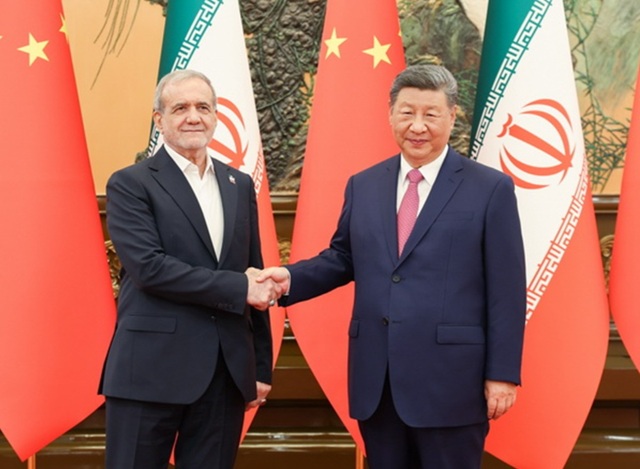
China has emerged as a central player in the ongoing U.S.-Iran crisis, as diplomatic efforts accelerate ahead of President Donald Trump’s upcoming visit to Beijing.
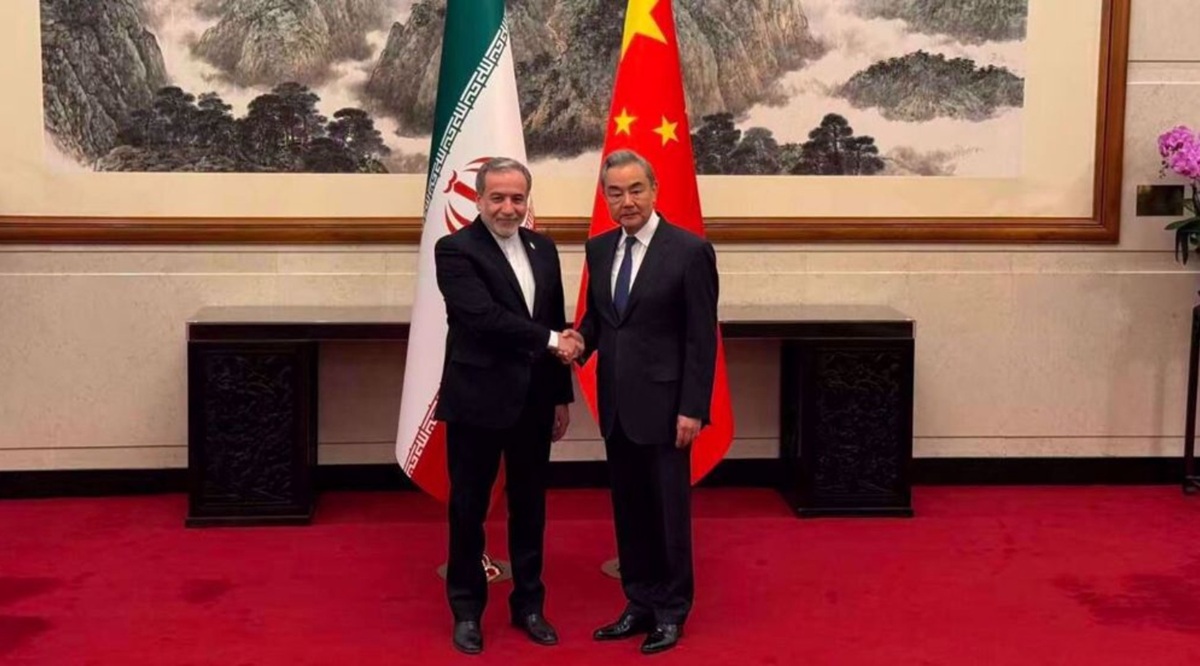
The recent visit of Iranian Foreign Minister Abbas Araghchi to China — just days before Trump’s expected arrival — has sharpened a critical question:
Can Beijing use its influence to pressure Iran into a deal?
With a fragile ceasefire in place and tensions in the Strait of Hormuz continuing to disrupt global energy markets, Washington is increasingly looking to China as a potential diplomatic lever.
Why the U.S. Wants China to Act
From Washington’s perspective, China appears uniquely positioned to influence Tehran.
- It buys the majority of Iran’s oil exports
- It provides a financial lifeline under sanctions
- It maintains strong diplomatic channels with Iranian leadership
U.S. officials have openly urged Beijing to step in, with calls for China to pressure Iran to reopen Hormuz and move toward a ceasefire.
The upcoming Trump–Xi meeting is now expected to focus heavily on the Iran crisis — elevating China’s role from observer to potential broker.
The Reality: China’s Leverage Has Limits
Despite these expectations, analysts remain skeptical that China will — or even can — push Iran into making major concessions.
The assumption that economic leverage equals political control does not hold up under scrutiny.
1. Iran’s Strategic Independence
Iran has consistently resisted external pressure, even from close partners.
- Its nuclear and regional policies are seen as existential
- It has endured decades of sanctions without capitulating
- It prioritizes sovereignty over economic dependence
This means Beijing’s influence, while real, is not decisive.
2. China Needs Iran Too
The relationship between China and Iran is deeply mutual.
- China depends on Iranian oil, especially amid global supply uncertainty
- Tehran provides discounted energy critical to China’s economy
- Cutting or pressuring Iran risks economic and strategic costs
In effect: China is not just a power over Iran — it is a partner with Iran
3. Strategic Rivalry with the U.S.
China is unlikely to act in ways that directly serve U.S. geopolitical goals without clear incentives.
- Beijing has resisted U.S. sanctions on Chinese firms buying Iranian oil
- It frames the conflict as a result of U.S. policy decisions
- It seeks to position itself as a neutral mediator, not an enforcer
For China, forcing Iran into compliance would mean taking Washington’s side in a strategic rivalry — a move it has little interest in making.
China’s Real Strategy: Balance, Not Pressure
China’s approach is best understood as careful strategic balancing:
- Maintain economic ties with Iran
- Engage diplomatically with the U.S.
- Advocate for ceasefire and stability
Chinese Foreign Minister Wang Yi has emphasized Beijing’s willingness to support peace talks — but without coercion.
This reflects a broader goal: positioning China as a global diplomatic power without overcommitting to either side.
Economic Stakes: Why Stability Matters to Beijing
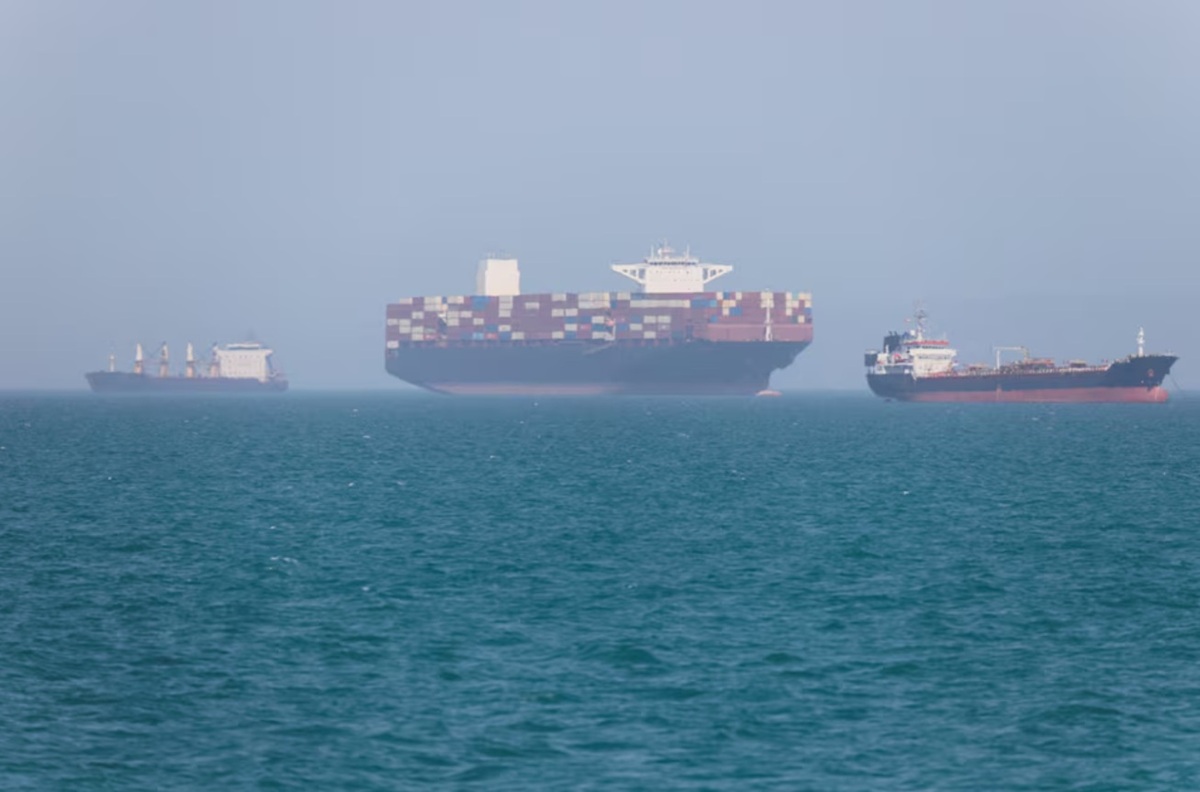
While China may benefit strategically from U.S. distraction, prolonged conflict carries real risks:
- Rising energy costs
- Pressure on strategic oil reserves
- Threats to global trade and exports
As the world’s second-largest economy, China has a strong interest in restoring stability — but on its own terms.
Can China Deliver a Deal?
China can play an important role in the diplomatic process — but expectations should remain realistic.
Beijing can:
- Facilitate dialogue
- Encourage de-escalation
- Provide economic incentives
❌ But it cannot:
- Force Iran into concessions
- Guarantee a breakthrough
- Fully align with U.S. strategy
Conclusion: A Power Broker — But Not a Decisive One
China’s role in the Iran crisis reflects a shifting global order, where influence is more complex and less absolute.
While Beijing holds significant economic leverage, it lacks both the intent and ability to compel Iran into submission.
The bottom line:
China can help manage the crisis — but it cannot resolve it alone.
The outcome will depend not just on Beijing’s diplomacy, but on whether Washington and Tehran are willing to compromise — something no external power can impose.