Major wars rarely produce clear winners, especially for ordinary people who often bear the heaviest costs. However, large geopolitical conflicts frequently reshape global markets and power balances, creating strategic advantages for some countries even amid widespread instability.
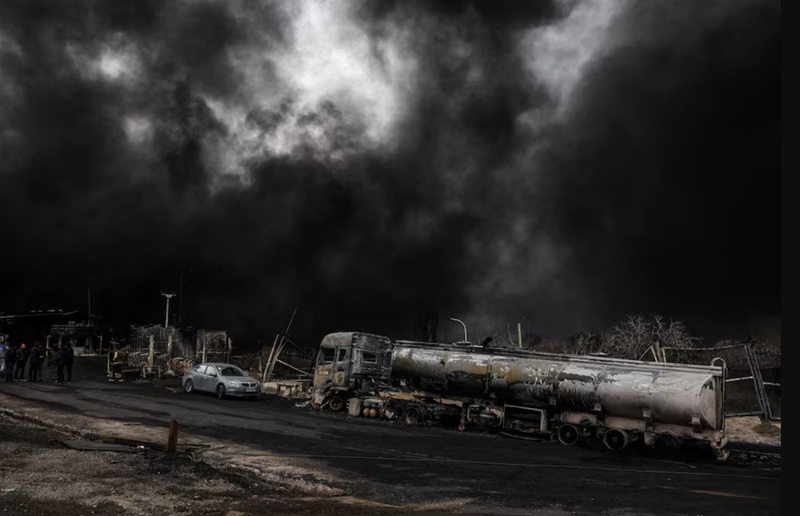
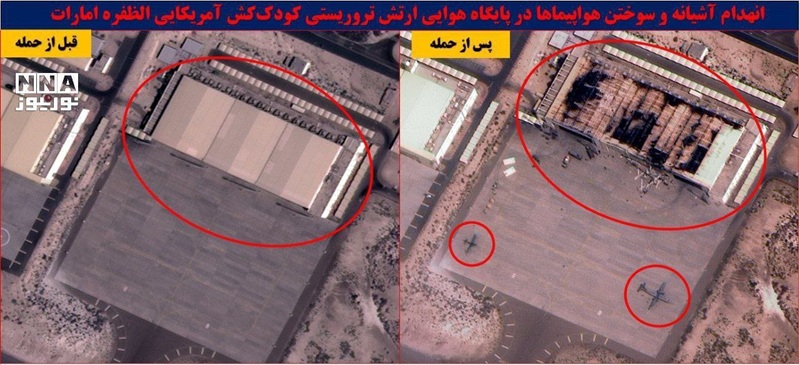
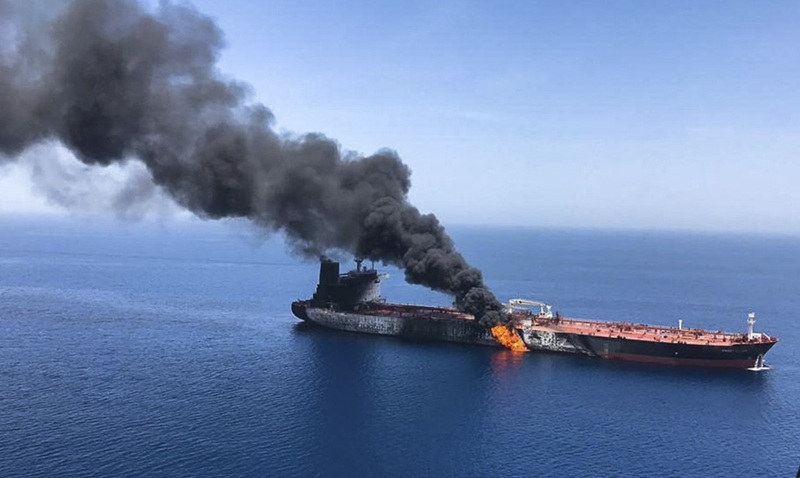
The ongoing war involving Iran, Israel and the United States has already disrupted energy markets, supply chains and maritime routes across the Middle East, sending shockwaves through the global economy.
As the conflict intensifies, analysts are increasingly examining which countries may gain strategic or economic advantages from the turmoil — and which nations are likely to suffer the most.
Russia Could Gain From Higher Oil Prices
Despite losing an important regional partner after the assassination of Iran’s Supreme Leader Ali Khamenei, Russia may still benefit economically from the conflict.
One key reason is energy prices.
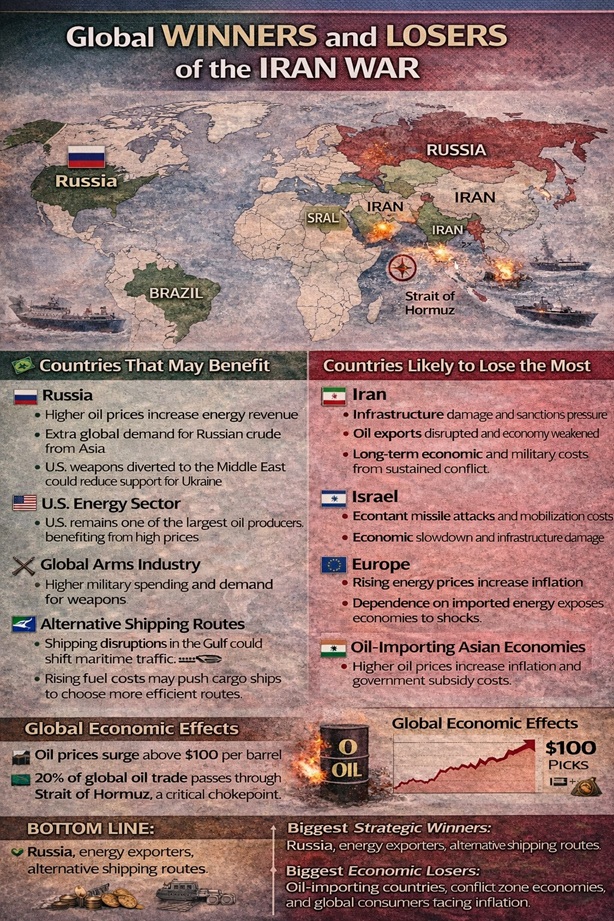
Russia’s federal budget heavily depends on oil revenues, with much of its planning based on crude prices around $59 per barrel. However, the conflict has pushed oil prices toward $100 per barrel, providing Moscow with unexpected financial relief during its ongoing war in Ukraine.
Another advantage comes from shifting military priorities in Washington.
Some analysts believe that U.S. military resources and missile defense systems previously allocated to Ukraine are being redirected toward the Middle East, potentially limiting the supply of weapons to Kyiv.
According to security analysts, reduced shipments of systems such as Patriot interceptors could weaken Ukraine’s defensive capabilities against Russia.
Energy Market Shifts Could Also Help Russia
The disruption of shipping routes in the Strait of Hormuz, one of the world’s most important energy chokepoints, has sharply increased energy prices and created uncertainty in global oil markets.
This situation may open additional export opportunities for Russia.
Some countries that had previously reduced purchases of Russian oil may now seek alternative supply sources to stabilize their energy markets.
Analysts say India and China could increase imports of Russian crude, particularly if supply disruptions in the Middle East persist.
China Faces Economic Pressure — But Also Strategic Opportunities
China’s economy has not yet experienced severe disruption from the conflict, largely because it maintains significant strategic oil reserves.
Additionally, Iran accounts for only about 12 percent of China’s total crude oil imports, meaning Beijing has some flexibility in sourcing energy from other suppliers, including Russia.
However, China could face indirect economic pressure due to its heavy dependence on global trade.
Exports account for roughly 20 percent of China’s GDP, and disruptions to maritime shipping routes in the Red Sea and Bab-el-Mandeb Strait could increase transportation costs and delay shipments.
Some cargo vessels traveling between Asia and Europe may be forced to detour around South Africa’s Cape of Good Hope, increasing shipping times by up to two weeks and adding millions of dollars in additional costs per voyage.
Despite these challenges, Beijing may also see diplomatic opportunities.
China could attempt to position itself as a more stable and responsible global power, contrasting its diplomatic approach with U.S. military intervention.
Southeast Asia Faces Rising Energy Costs
Countries heavily dependent on Middle Eastern energy supplies are likely to face some of the most immediate economic challenges.
Several Southeast Asian nations rely on oil imports from the Gulf region, making them particularly vulnerable to supply disruptions.
For example:
- The Philippines imports about 95% of its crude oil from the Middle East
- Governments in several countries have begun implementing energy-saving measures
- Fuel prices have risen sharply across multiple economies
Some governments have even introduced emergency policies such as shortened workweeks, remote working arrangements, and fuel rationing to conserve energy supplies.
Economic Impact Reaches South Asia
The economic ripple effects are already visible across South Asia.
In Pakistan, authorities have introduced work-from-home measures and reduced operating hours in some sectors to conserve fuel.
Meanwhile, Bangladesh has implemented fuel rationing after panic buying created long queues at petrol stations.
These policies highlight the immediate economic pressure that energy price spikes can create in developing economies.
A Potential Food Security Crisis
The war’s impact may extend beyond energy markets.
Experts warn that disruptions in shipping through the Strait of Hormuz could also affect global fertilizer supply.
Approximately 30 percent of the world’s urea, a key fertilizer ingredient derived from petrochemicals, passes through the Strait.
If shipping disruptions significantly reduce urea availability, global agriculture could be affected.
Analysts warn that this could lead to:
- Reduced fertilizer production
- Lower crop yields
- Rising food prices worldwide
The full economic impact may take six to nine months to become visible, but experts say the consequences could be severe for global food security.
No Clear Winners in War
While some countries may gain economic or strategic advantages from the conflict, the broader consequences remain overwhelmingly negative.
The war has already displaced millions of people across the Middle East, destabilized energy markets and increased global economic uncertainty.
As the conflict continues, the balance between geopolitical opportunity and global economic risk will likely shape the international response to one of the most dangerous crises in recent years.