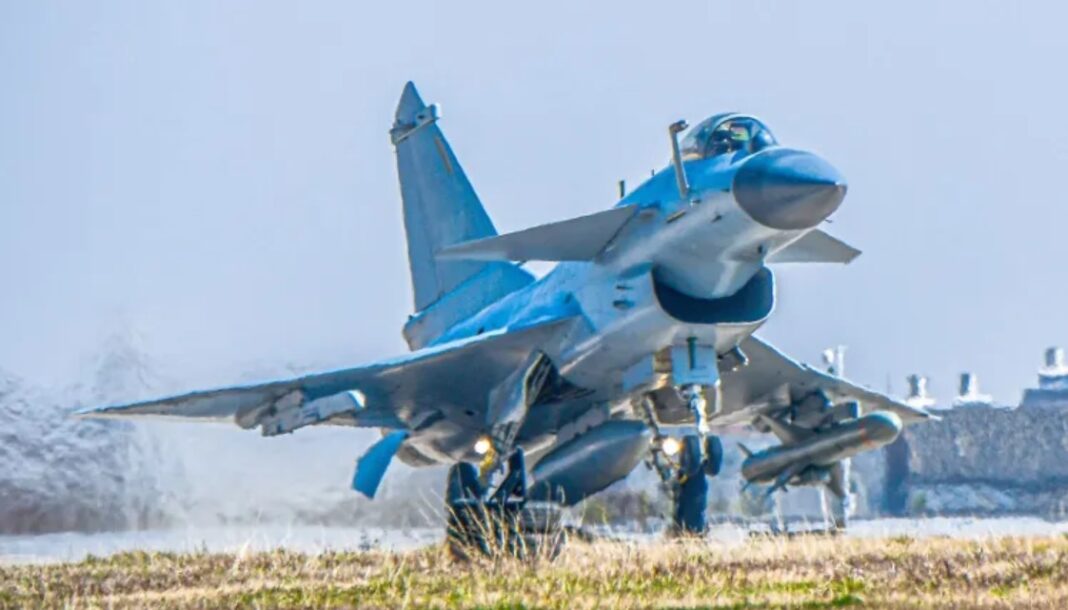
The reported revelation that the United Arab Emirates conducted covert airstrikes inside Iran marks a significant escalation in the ongoing regional conflict involving the United States, Israel, and Iran.
According to reports, the UAE targeted Iran’s Lavan Island refinery — a key energy infrastructure site — signaling a shift from a defensive posture to direct offensive operations.
This development challenges long-standing assumptions about Gulf states’ military behavior.
Following @WSJ reports of UAE airstrikes against the Iranian Lavan Island in the Persian gulf in early April 2026, Sentinel 2 imagery from April 10, 2026, shows a massive smoke plume rising from an oil storage tank at the refinery.
NASA FIRMS data from April 8/9 shows unusual… pic.twitter.com/1O6deaQtA3
— Spencer Faragasso (@SFnuclear) May 12, 2026
From Defense to Deterrence by Strike
For years, the UAE focused on:
- Air and missile defense systems
- Counter-drone capabilities
- Protection of energy infrastructure
However, repeated Iranian missile and drone attacks on:
- Airports
- Ports
- Oil facilities
- Shipping routes
have exposed the limits of a purely defensive approach.
The Lavan Island strike suggests a new doctrine:
Deterrence through direct retaliation and infrastructure targeting.
Why Lavan Island Matters
Lavan Island is a critical component of Iran’s energy network.
- It supports oil processing and export systems
- It is located near key maritime routes in the Persian Gulf
The reported strike:
- Caused major fires
- Disrupted refinery operations for months
- Demonstrated vulnerability of Iranian infrastructure
This was not just a tactical strike —
it was a strategic signal targeting Iran’s economic lifelines.
Escalation Risks: A Dangerous Cycle
Following the strike, Iran reportedly launched:
- Missile barrages
- Drone attacks targeting UAE and Kuwait
This highlights a critical risk:
Escalation is becoming cyclical and harder to control.
Despite a U.S.-announced ceasefire, hostilities have continued through:
- Covert operations
- Missile exchanges
- Infrastructure attacks
The Rise of “Infrastructure Warfare”
A key feature of this conflict is the growing focus on infrastructure:
- Oil refineries
- Ports and logistics hubs
- Energy pipelines
- Shipping lanes
These targets are:
- Economically vital
- Politically sensitive
- Strategically disruptive
Modern warfare in the Gulf is increasingly about economic pressure, not just battlefield dominance.
Why the UAE Took the Risk
The UAE’s decision reflects several strategic calculations:
- Deterrence Failure
Defensive systems alone could not stop sustained Iranian attacks - Economic Survival
The UAE’s economy depends heavily on secure trade routes - Credibility
Demonstrating offensive capability strengthens deterrence
The message:
Attacks on UAE infrastructure will carry direct costs for Iran.
Regional Impact: Gulf Military Doctrine Is Changing
The strike may trigger wider changes across the Gulf Cooperation Council (GCC):
- Increased investment in offensive airpower
- Greater focus on long-range precision strikes
- Enhanced intelligence and targeting capabilities
Gulf states are moving toward:
Active deterrence rather than passive defense
Global Implications: Energy Markets at Risk
The Strait of Hormuz carries:
- Nearly 20% of global oil supply
The conflict has already caused:
- Fuel shortages
- Rising insurance costs
- Volatility in global markets
Even limited disruptions can trigger:
- Oil price spikes
- Supply chain instability
- Inflationary pressure worldwide
Ceasefire in Name Only
Despite official announcements, the ceasefire remains fragile:
- Continued Iranian missile launches
- Ongoing defensive interceptions
- Possible additional covert operations
Analysts increasingly view the situation as:
A pause between phases — not a true de-escalation.
Conclusion: A Strategic Turning Point in the Gulf
The UAE’s reported strike inside Iran marks a major shift in regional security dynamics.
It signals:
- A move toward offensive deterrence
- A willingness to target economic infrastructure
- A new phase of Gulf military strategy
The Gulf is no longer just defending — it is actively shaping the battlefield.
This transformation carries profound risks:
- Escalation cycles
- Miscalculation
- Wider regional war
And for the global economy:
The stakes could not be higher.