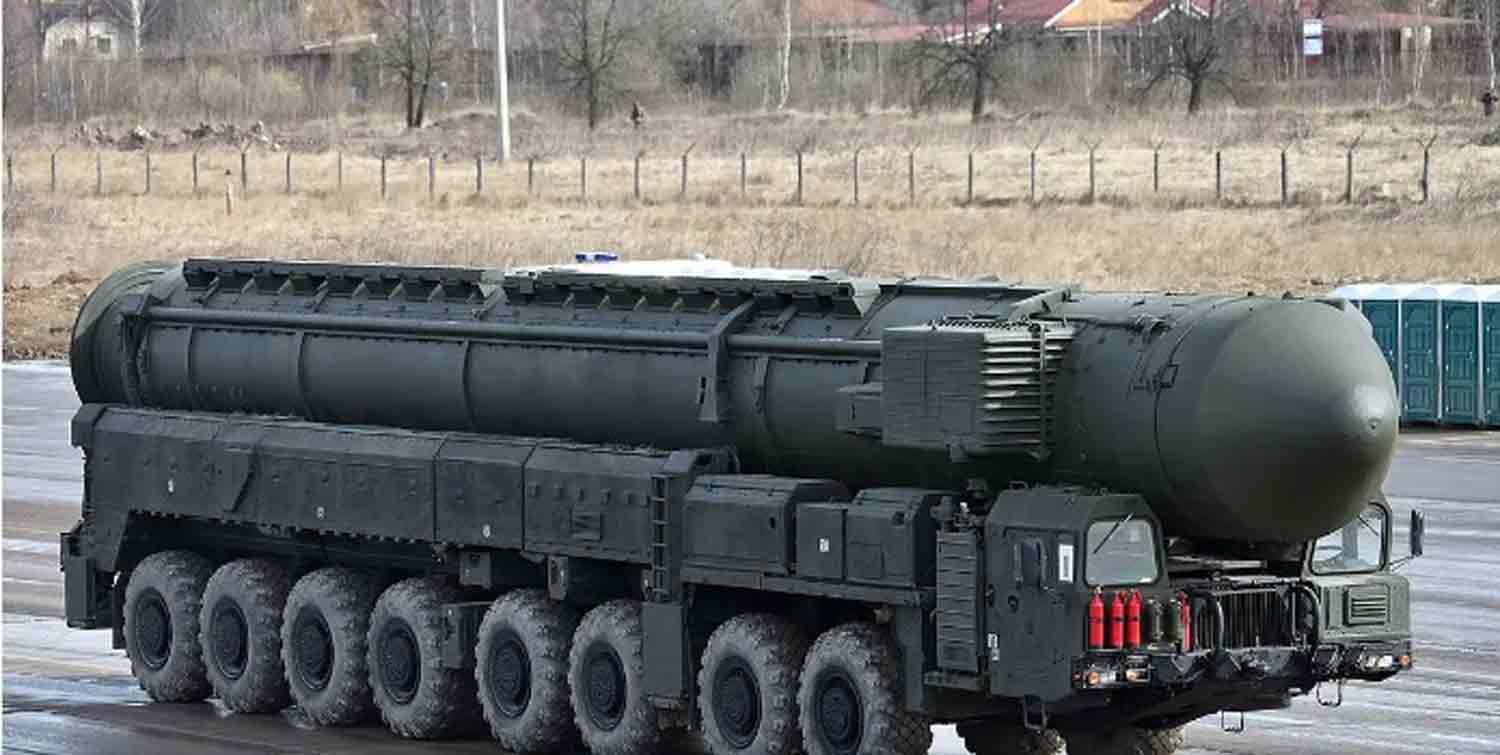
Russia has successfully tested its next-generation intercontinental ballistic missile (ICBM), the RS-28 Sarmat, with President Vladimir Putin confirming the system will enter combat duty by the end of 2026.
The announcement came during a high-level meeting with the commander of Russia’s Strategic Missile Forces, signaling a major step in Moscow’s ongoing nuclear modernization program.
The Sarmat is widely described by Russian officials as one of the most powerful nuclear delivery systems ever developed.
🚨Russia Holds Successful Test Launch of Its Latest Sarmat Missile: Strategic Missile Forces to Putin
The tests confirmed the specified characteristics of the Sarmat, the commander of the Strategic Missile Forces stated. https://t.co/Q2J8r3s5CJ pic.twitter.com/d38o7bhXVI
— Sputnik Africa (@sputnik_africa) May 12, 2026
Extreme Range and Advanced Capabilities
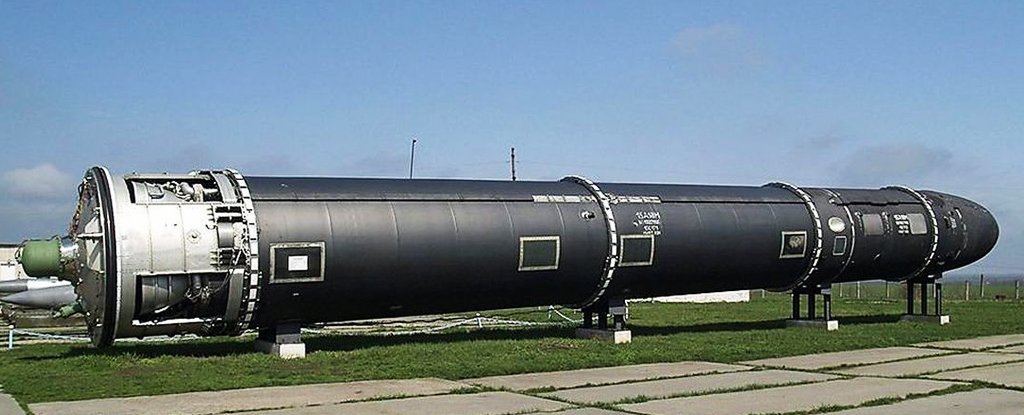
According to Russian officials, the Sarmat brings unprecedented capabilities:
Key Features:
- Range: Up to 35,000 km (global strike capability)
- Payload: Multiple nuclear warheads (MIRVs)
- Trajectory: Ballistic or hypersonic glide paths
- Speed: Capable of hypersonic delivery systems
The missile is designed to:
Evade and penetrate current and future missile defense systems
Designed to Defeat Missile Defenses
Russia’s Strategic Missile Forces commander, Sergei Karakayev, stated that Sarmat:
- Surpasses older systems like the Voyevoda (SS-18 Satan)
- Features enhanced penetration capability
- Can bypass advanced interception systems
This reflects a core objective:
Ensuring Russia’s second-strike capability remains credible against evolving missile defenses.
Why the ABM Treaty Still Matters
Putin directly linked the development of Sarmat to the U.S. withdrawal from the Anti-Ballistic Missile (ABM) Treaty in 2002.
According to Moscow:
- The treaty collapse forced Russia to rethink deterrence
- New systems are required to overcome missile shields
- Strategic stability now depends on offensive innovation
In essence:
As defenses improve, offensive systems evolve to counter them.
Part of a Broader Nuclear Modernization Drive
The Sarmat is not a standalone system.
Russia is simultaneously advancing multiple next-generation weapons:
- Poseidon – Nuclear-powered underwater drone
- Burevestnik – Nuclear-powered cruise missile
- Kinzhal – Hypersonic air-launched missile (already operational)
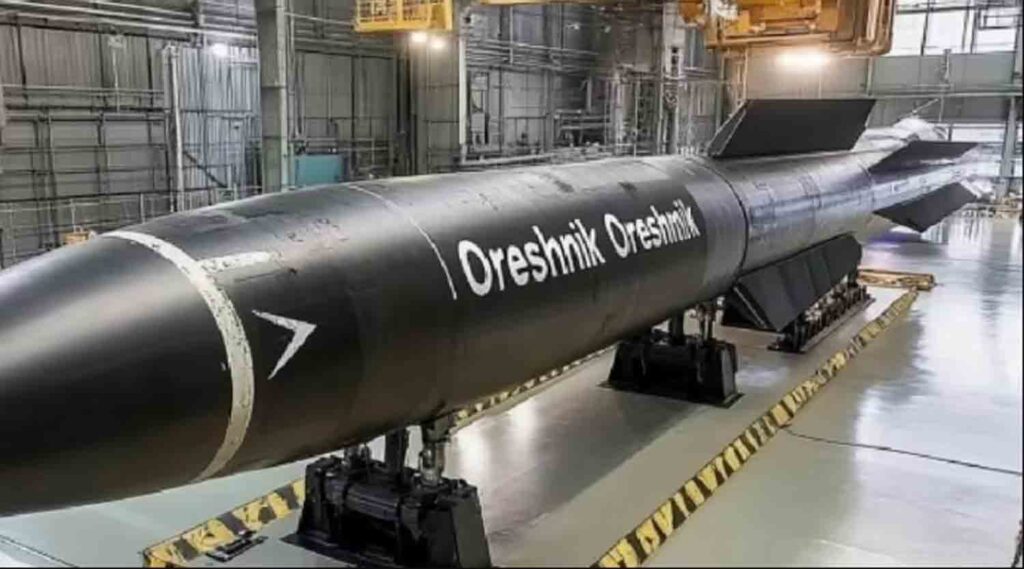
- Oreshnik – Nuclear-capable system deployed since 2025
Together, these systems form a multi-domain nuclear deterrence architecture.
Strategic Implications: A New Phase of Nuclear Competition
The deployment of Sarmat has major global implications:
1. Arms Race Acceleration
- Increased competition in hypersonic and nuclear delivery systems
2. Missile Defense Challenges
- Existing interception systems may struggle against new trajectories
3. Global Deterrence Shift
- Reinforces mutual deterrence dynamics among major powers
The result:
A more complex and potentially unstable strategic environment
Reality Check: Claims vs Operational Factors
While Russian claims are significant, analysts note:
- Real-world effectiveness depends on deployment scale
- Missile defense systems continue to evolve
- Strategic deterrence is shaped by doctrine, not just hardware
The Sarmat strengthens Russia’s arsenal —
but does not fundamentally eliminate nuclear balance dynamics.
Conclusion: Russia Reinforces Strategic Deterrence
The successful test and planned deployment of the Sarmat missile mark a major milestone in Russia’s nuclear modernization efforts.
It underscores three key trends:
- Continued reliance on nuclear deterrence
- Shift toward advanced, defense-evading systems
- Intensifying global strategic competition
As missile defense systems evolve, so too do the weapons designed to defeat them — keeping nuclear deterrence at the center of global security.