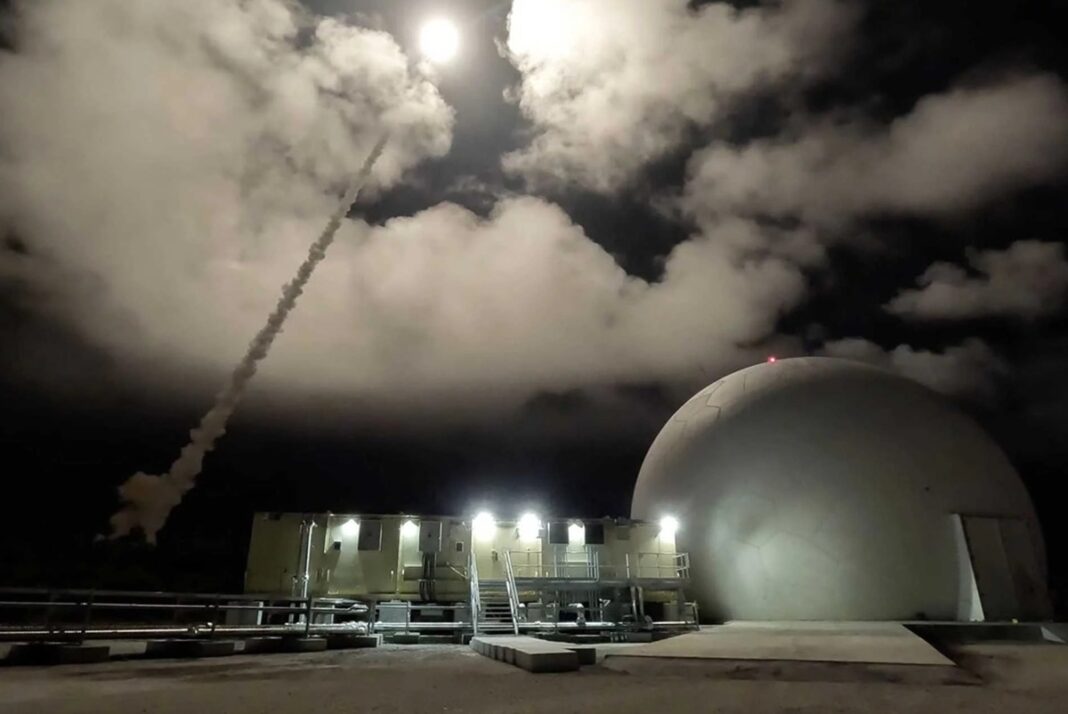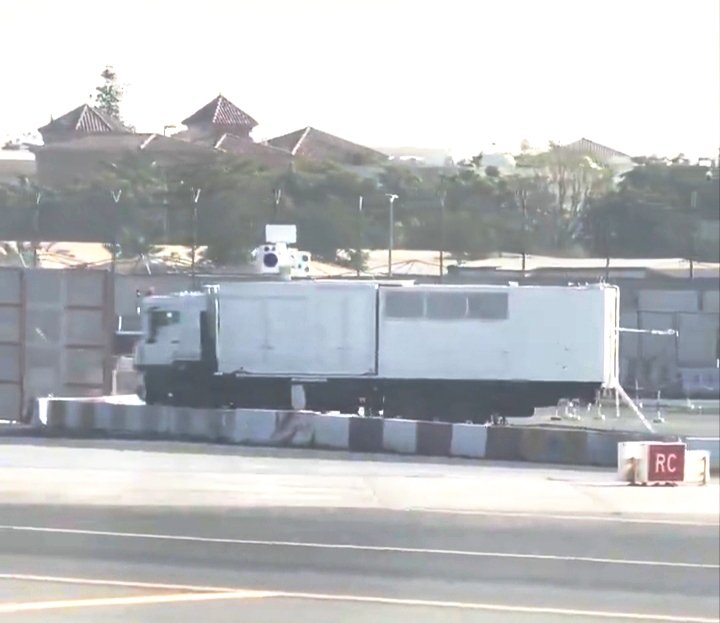
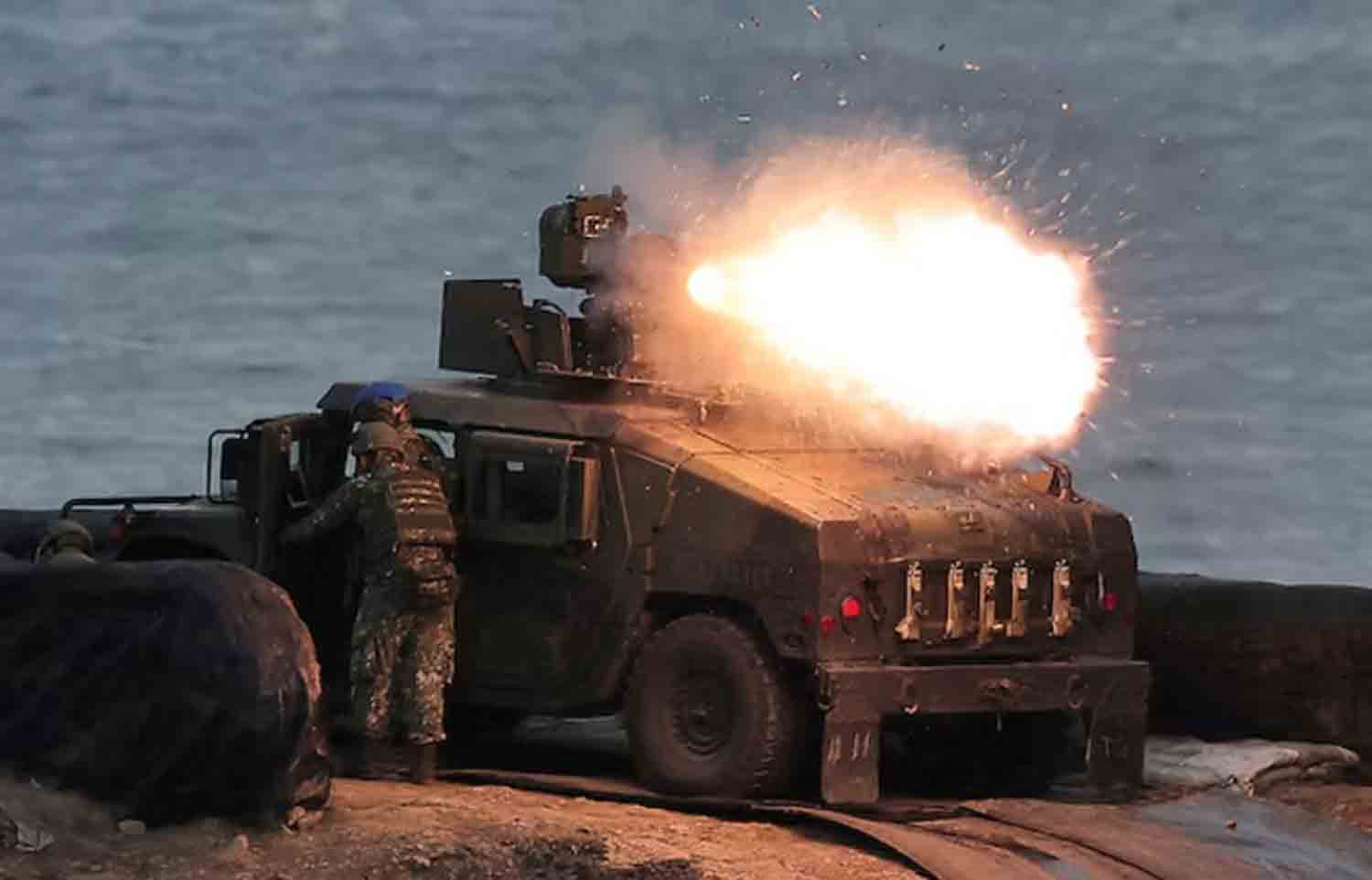
Taiwan’s parliament has approved a $25 billion defense spending bill, marking a major — but contested — step in strengthening the island’s military capabilities amid rising tensions with China.
The bill, passed after months of political deadlock, falls significantly short of the nearly $40 billion proposal put forward by President Lai Ching-te’s government.
Despite the reduced figure, the legislation signals continued commitment to defense modernization — particularly through U.S. weapons procurement.
‼️🇹🇼🇨🇳 Taiwan has approved a massive $25 billion defense package to buy U.S. weapons, drones, and missile systems as the island accelerates military preparations amid growing tensions with China. pic.twitter.com/Dcyj07G2o8
— War Radar (@War_Radar2) May 9, 2026
Focus on US Arms Sparks Political Divide
The approved funding — capped at around NT$780 billion ($25 billion) — is largely restricted to purchases of U.S. military systems, a decision driven by opposition parties including the Kuomintang (KMT) and the Taiwan People’s Party (TPP).
These parties, which hold a majority in parliament, argued for:
- Targeted spending on proven U.S. systems
- Greater oversight of defense procurement
- Avoidance of broader, mixed procurement strategies
However, critics warn this approach could create strategic vulnerabilities.
Government Pushback: Concerns Over Domestic Capability
Lawmakers from the ruling Democratic Progressive Party (DPP) strongly opposed limiting the budget to foreign arms.
They argue that excluding domestic defense production:
- Weakens Taiwan’s long-term resilience
- Increases reliance on external supply chains
- Risks operational sustainability in a blockade scenario
One key concern raised:
If Taiwan is isolated during a conflict, how will it sustain ammunition and production without local capacity?
What Weapons Are Included in the Package
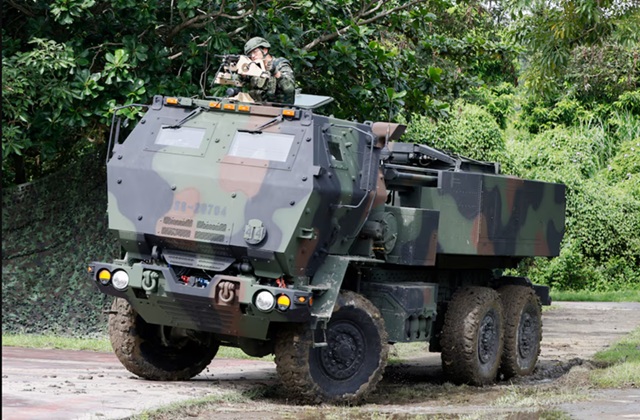
Taiwan has already received approval for several major U.S. weapons systems, including:
- HIMARS (High Mobility Artillery Rocket Systems)
- M109A7 self-propelled howitzers
- Javelin anti-armor missiles
- TOW 2B missile systems
These systems form part of an earlier $11.1 billion U.S. arms package, with additional deals under discussion.
A potential second phase — valued at over $15 billion — could include:
- Patriot air defense systems
- Hellfire missiles
- Advanced counter-drone technologies
Strategic Context: Rising China Pressure
The defense bill comes amid growing pressure from China, which:
- Claims Taiwan as part of its territory
- Has increased military drills around the island
- Continues to warn against foreign arms sales
Beijing has repeatedly opposed U.S. military support for Taiwan, framing it as interference in internal affairs.
US Factor: Strategic Support and Pressure
The United States remains Taiwan’s most important security partner.
Washington has:
- Approved multiple arms packages
- Encouraged increased Taiwanese defense spending
- Emphasized asymmetric warfare capabilities
Analysts suggest that pressure from Washington played a role in pushing opposition lawmakers to increase their original budget proposal.
Political Impact: A Compromise — But Not a Victory
The final bill reflects a political compromise:
- Higher than initial opposition proposals
- Lower than the government’s target
Analysts describe the outcome as:
👉 Enough to reassure the United States
👉 But limited enough to avoid provoking China
This balancing act highlights Taiwan’s complex political and strategic positioning.
Timing Matters: Trump-Xi Meeting Looms
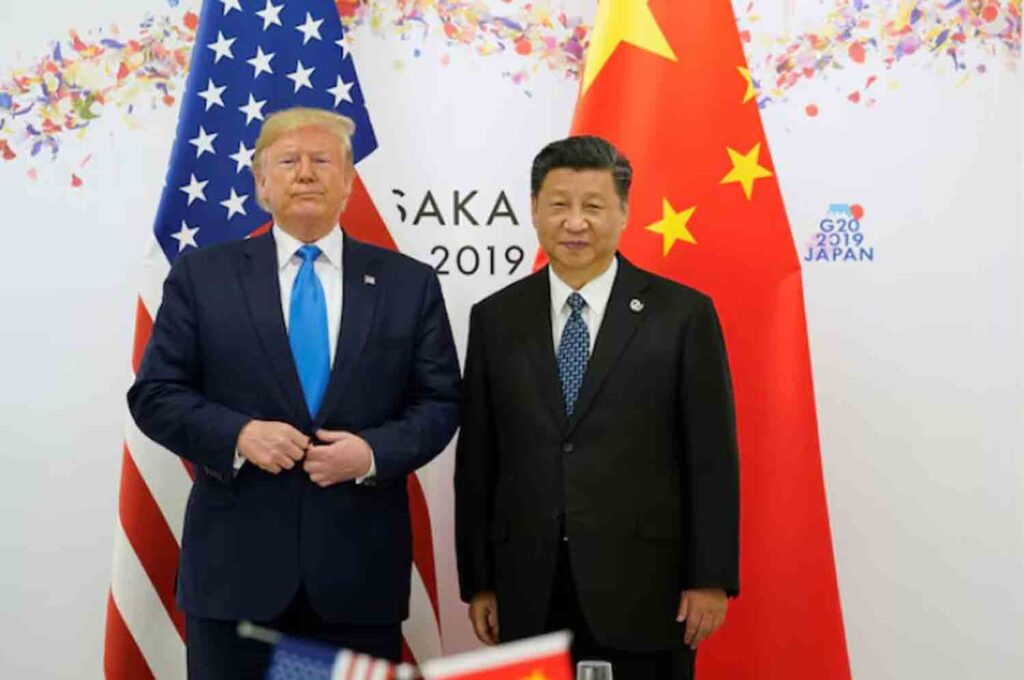
The decision comes just days before a planned meeting between U.S. President Donald Trump and Chinese President Xi Jinping in Beijing.
The timing underscores:
- Taiwan’s central role in U.S.-China relations
- The sensitivity of arms sales in diplomatic negotiations
- The risk of escalation in the Indo-Pacific
Conclusion: Strengthening Defense, But Questions Remain
Taiwan’s $25 billion defense bill represents a significant investment in military capability — but also exposes deeper strategic debates.
Key questions remain:
- Can Taiwan balance foreign procurement with domestic production?
- Will the reduced budget meet long-term defense needs?
- How will China respond to continued U.S. arms involvement?
The bottom line:
Taiwan is strengthening its defenses — but the path forward remains politically contested and strategically complex.