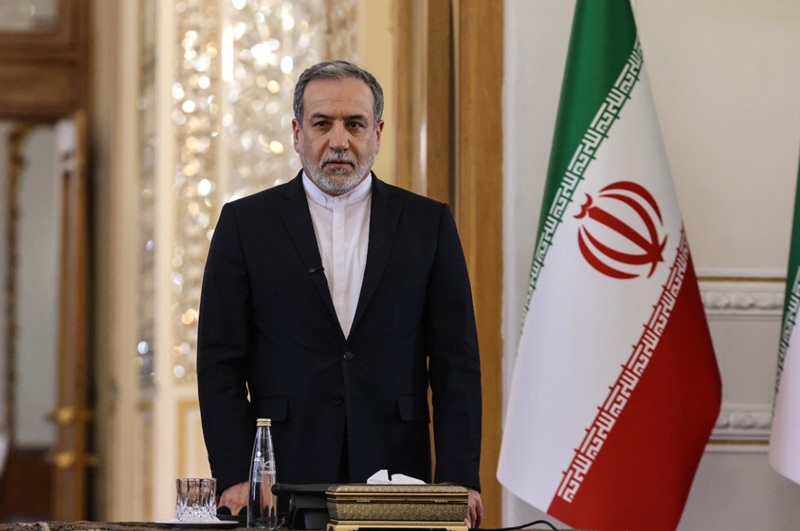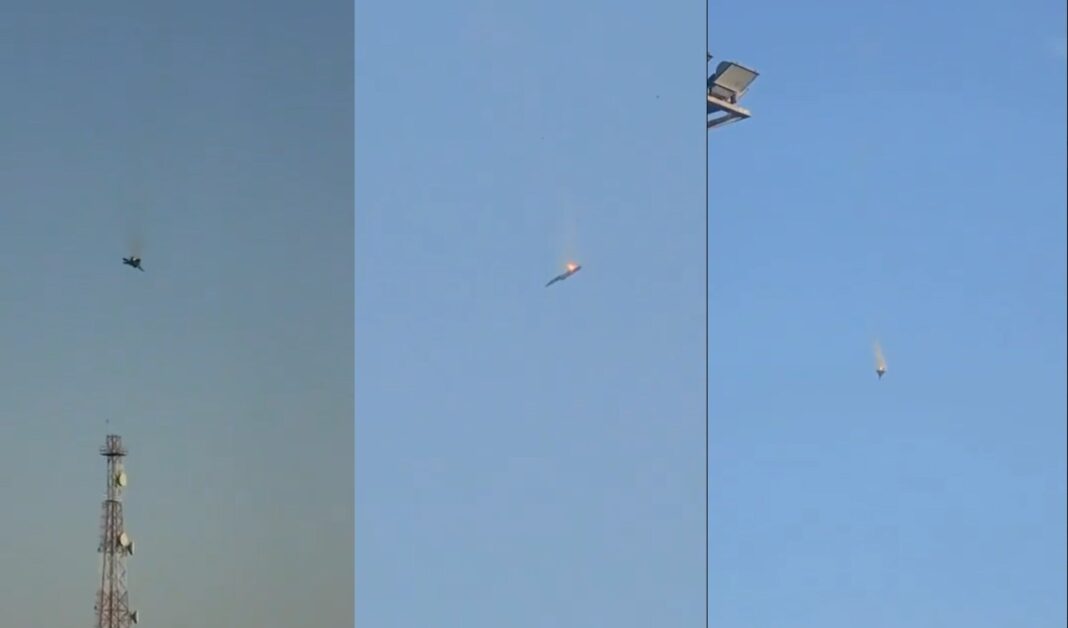

Diplomatic efforts to end the ongoing US–Iran war are gaining momentum, with JD Vance expected to travel to Pakistan for high-level talks with Iranian officials.
According to Pakistani officials, direct negotiations aimed at ending the war could take place in Islamabad as early as this week, marking a potentially significant breakthrough in weeks of backchannel diplomacy.
Islamabad Emerges as Key Negotiation Hub
Pakistan is rapidly positioning itself as the central venue for negotiations.
Key Developments:
- Asim Munir held a call with Donald Trump
- Pakistan has formally offered to host talks between the US and Iran
- Islamabad may host a multi-party diplomatic meeting within days
While no official confirmation has been issued, momentum toward talks is clearly building.
High-Level US Delegation Expected
The potential talks in Islamabad could involve a powerful US delegation:
- JD Vance
- Steve Witkoff
- Jared Kushner
These meetings follow Vance’s discussions with Israeli Prime Minister Benjamin Netanyahu, highlighting coordination between Washington and its key regional ally.
Iran Signals Conditional Openness to Talks
Despite publicly denying formal negotiations, Iran has sent mixed signals:
- Iranian sources confirm “outreach” between Tehran and Washington
- Tehran is willing to consider “sustainable proposals” to end the war
At the same time:
- Iranian officials continue to deny direct talks publicly
- Leadership remains deeply skeptical of US intentions
Regional Leaders Engage Behind the Scenes
Diplomatic activity is expanding beyond the US and Iran.
Recent Engagement:
- Masoud Pezeshkian held discussions with Shehbaz Sharif
- Talks focused on:
- Regional stability
- Global security implications of the war
This underscores Pakistan’s growing role as a bridge between major stakeholders
What Iran Wants From Any Deal
Iran’s negotiating position remains firm:
Core Demands:
- Guarantees against future US or Israeli attacks
- Compensation for wartime damage
- No limits on missile and drone capabilities
Analysts note that Iran’s trust deficit has deepened after being attacked during earlier diplomatic phases.
Turkey, Egypt and Gulf States Support Mediation
Pakistan’s efforts are part of a broader diplomatic network:
- Turkey is actively coordinating with US, Iran, and Egypt
- Egypt is working to prevent regional escalation
- Gulf states are pushing for de-escalation due to energy risks
This reflects a multi-layered mediation effort across the region
Israel Remains Skeptical
Despite growing diplomatic momentum:
- Israeli officials say a deal is “not tangible at this stage”
- Military operations against Iran and Hezbollah continue
This divergence complicates any potential ceasefire agreement
Military Buildup Continues Alongside Diplomacy
Even as talks gain traction, US military preparations are ongoing:
Key Developments:
- Deployment of thousands of Marines and sailors
- Possible deployment of the 82nd Airborne Division
- Senior command elements already moving into position
Reports indicate that Major General Brandon Tegtmeier and key staff have been ordered to the region.
Possible Ground Operations Still Under Review
US planners are reportedly considering:
- Seizure of Kharg Island (Iran’s main oil export hub)
- Limited ground operations inside Iran
These options remain contingency plans but signal serious escalation potential
Diplomacy vs Escalation: A Critical Moment
The situation now reflects a dual-track strategy:
Diplomacy:
- Islamabad talks gaining momentum
- High-level US delegation en route
Military:
- Continued troop deployments
- Operational planning for escalation
The next few days could determine whether diplomacy prevails or conflict intensifies
Strategic Outlook
Possible Scenarios:
- Breakthrough talks in Islamabad
- Continued indirect diplomacy without agreement
- Escalation into broader regional conflict
Conclusion
The expected visit of JD Vance to Pakistan marks a significant escalation in diplomatic efforts to end the US–Iran war.
With Islamabad emerging as a central переговор venue and multiple regional actors engaged, the possibility of direct talks is closer than ever.
However, with deep mistrust, conflicting goals, and ongoing military buildup, the path to peace remains uncertain.
The coming week may prove decisive for both diplomacy and the future trajectory of the conflict.