A comprehensive new report by the Institute for Science and International Security reveals that Iran’s nuclear weapons infrastructure suffered extensive and targeted damage during the second phase of the 2026 war.
The report identifies at least six confirmed nuclear-related sites and up to nine total facilities that were struck by U.S. and Israeli airpower, with a particular focus on crippling Iran’s nuclear weaponization capabilities.
Shift in Strategy: From Enrichment to Weaponization
According to the report, the first phase of the conflict had already destroyed Iran’s uranium enrichment capability, including centrifuge operations.
The second phase, however, shifted focus toward:
- Nuclear weapon design and development
- Metallurgy for nuclear cores
- High explosive testing infrastructure
- Scientific and technical personnel
This marks a strategic transition from targeting production capacity to dismantling weapon assembly capabilities.
Key Nuclear Facilities Targeted
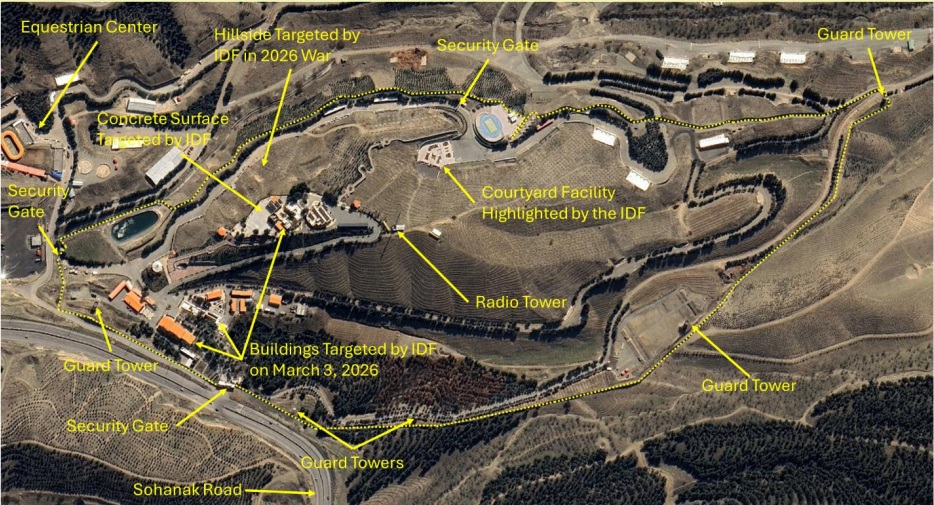
1. Min-Zadayi Complex (Near Tehran)
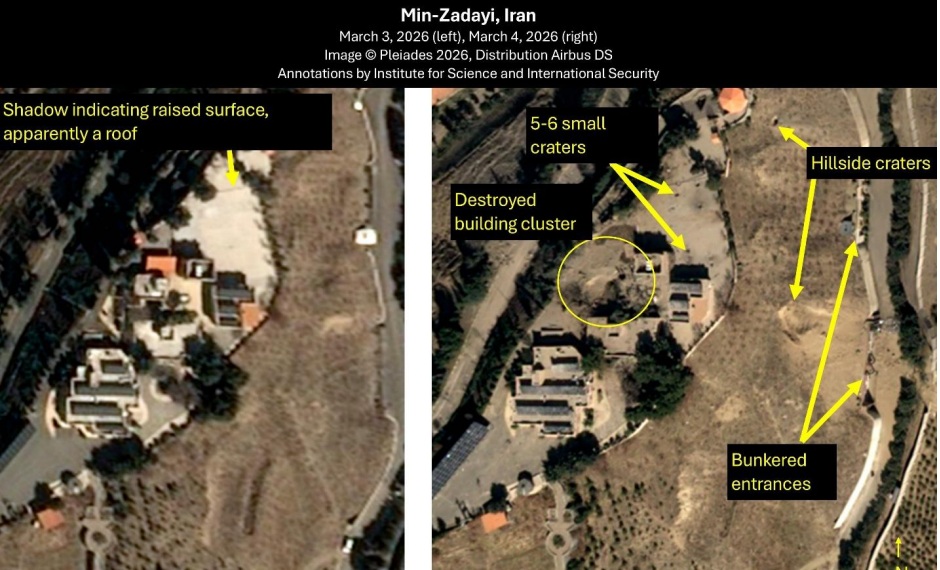
A previously undisclosed site believed to be central to nuclear weapon metallurgy was struck.
- Likely involved in uranium metal core production
- Contained underground and hardened facilities
- Multiple buildings destroyed and bunkered areas hit
This site highlights Iran’s efforts to rebuild capabilities after earlier strikes.
2. Taleghan 2 Facility (Parchin Complex)
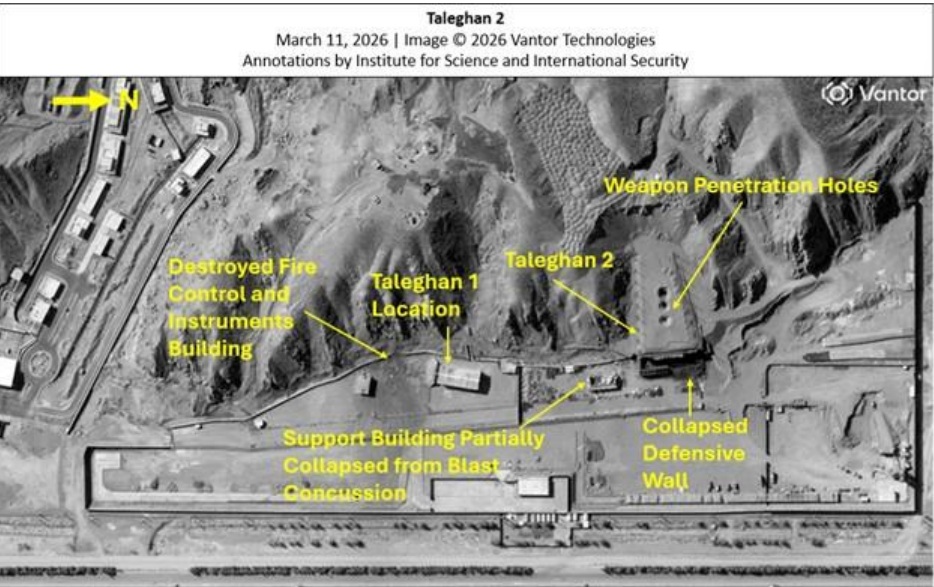
A highly fortified nuclear-related explosives testing facility was completely destroyed.
- Associated with high explosive compression systems
- Critical for triggering nuclear detonation mechanisms
- Hit by earth-penetrating munitions
The destruction of this site directly impacts Iran’s ability to develop a functional nuclear device.
3. Malek Ashtar University & Mojdeh Site (Lavisan-2)
- Engineering labs and R&D facilities linked to nuclear weapons were destroyed
- A newly constructed laboratory (completed in 2025) was eliminated
- Additional buildings tied to SPND (Iran’s weaponization organization) were heavily damaged
These strikes targeted Iran’s scientific backbone of nuclear development.
4. Shahid Chamran Group Complex
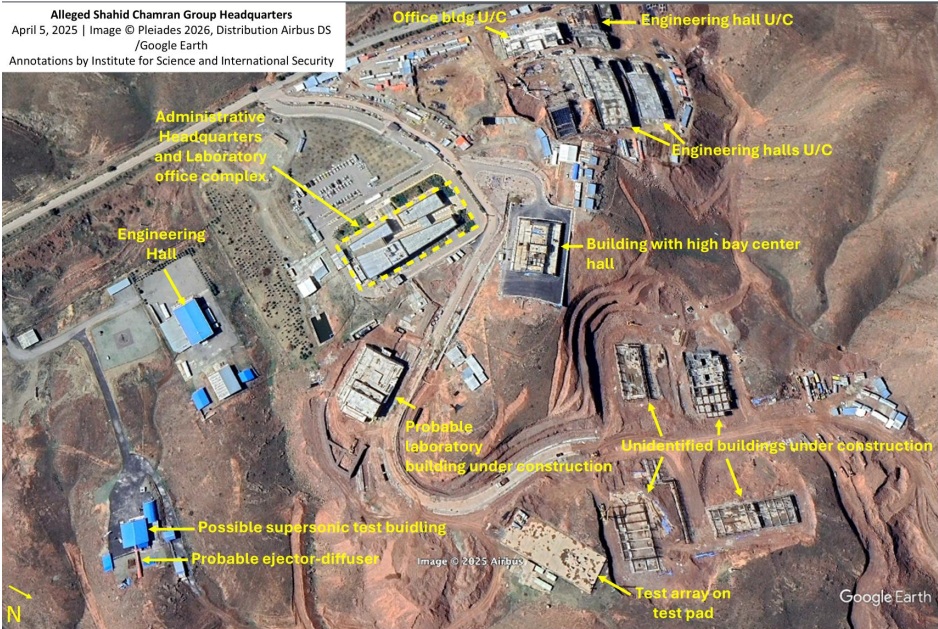
- A major suspected nuclear research and engineering hub east of Tehran
- Multiple strikes destroyed laboratories, engineering halls, and administrative centers
- Linked to SPND’s advanced nuclear and explosives research
5. Imam Hussein University (IRGC Facility)
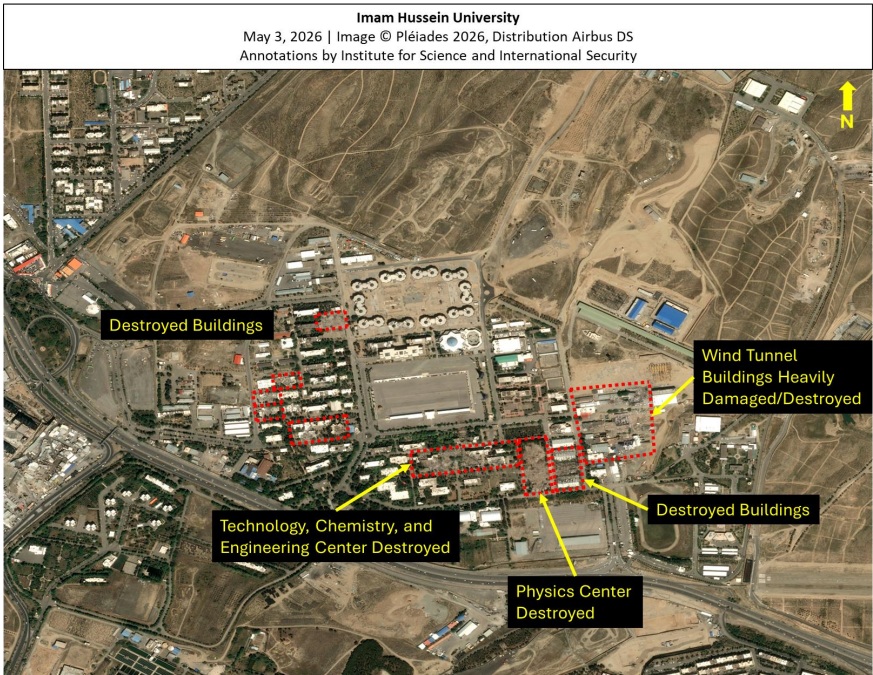
- Underground missile and weapons R&D complexes targeted
- A “Physics Center” tied to nuclear research was destroyed
- Wind tunnels, chemical labs, and engineering facilities hit
This reflects the dual-use nature of Iran’s military-academic infrastructure.
Fuel Cycle Disruption: Arak and Ardakan Destroyed
Two critical fuel-cycle facilities were rendered inoperable:
Arak Heavy Water Production Plant
- All production stages destroyed
- Significant economic and strategic loss
- Eliminates capability for heavy-water reactor support
Ardakan Yellowcake Production Plant
- Core processing infrastructure destroyed
- Cuts off supply of uranium feedstock
These strikes disrupt early-stage nuclear fuel production, further delaying recovery.
Natanz and Enriched Uranium: Contained but Not Eliminated
The Natanz nuclear complex was heavily targeted:
- Entrances to underground enrichment halls destroyed
- Security checkpoints and access routes eliminated
- Movement of materials severely restricted
However:
- Large stockpiles of enriched uranium remain sealed in underground facilities
- Access is restricted, making use difficult but not impossible
This creates a scenario where Iran retains material — but lacks the ability to effectively weaponize it.
Scientists and Leadership Targeted
The report confirms:
- Senior officials from SPND were killed
- Additional nuclear scientists eliminated
- Focus on destroying “know-how” rather than just infrastructure
This approach aims to:
- Slow recovery timelines
- Disrupt institutional memory
- Increase technical uncertainty in rebuilding efforts
Strategic Impact: Delayed, Not Destroyed
The report concludes that:
- Iran’s ability to build a nuclear weapon has been significantly degraded
- Pre-war capability (sub-6 months breakout) is no longer realistic
- Future timelines could extend to 9–24 months or longer
Importantly:
The probability of success has also decreased — not just the timeline.
Key Takeaway: A Program Set Back, Not Eliminated
Despite extensive damage:
- Nuclear knowledge still exists
- Enriched uranium stockpiles remain
- Some hardened underground facilities survived
This means:
Iran’s nuclear program is delayed and degraded — but not permanently dismantled
Conclusion: A New Phase in Nuclear Deterrence
The 2026 strikes represent one of the most comprehensive efforts ever to dismantle a nuclear weapons program through military means.
The strategy focused on:
- Destroying infrastructure
- Eliminating expertise
- Disrupting supply chains
However, the long-term outcome will depend on:
- Monitoring and verification
- Diplomatic agreements
- Iran’s political decision-making