Pakistan has significantly expanded its military footprint in Saudi Arabia, deploying approximately 8,000 troops, a squadron of fighter aircraft, drones, and an air defence system under a confidential mutual defence pact signed with Riyadh.
The deployment — the reported scale of which is emerging publicly for the first time — comes at a particularly sensitive geopolitical moment.
Pakistan has simultaneously positioned itself as the principal diplomatic mediator in the ongoing U.S.-Iran crisis, helping broker the fragile ceasefire that has held for weeks between Washington and Tehran.
The development highlights Islamabad’s increasingly complex balancing act:
Acting as both Saudi Arabia’s military security partner and a diplomatic bridge with Iran.
According to multiple officials, the deployment represents:
A substantial combat-capable force rather than a symbolic mission.
What Pakistan Has Reportedly Deployed
According to security and government officials familiar with the arrangements, Pakistan has reportedly sent:
8,000 Military Personnel
A large deployment intended to support Saudi defense requirements.
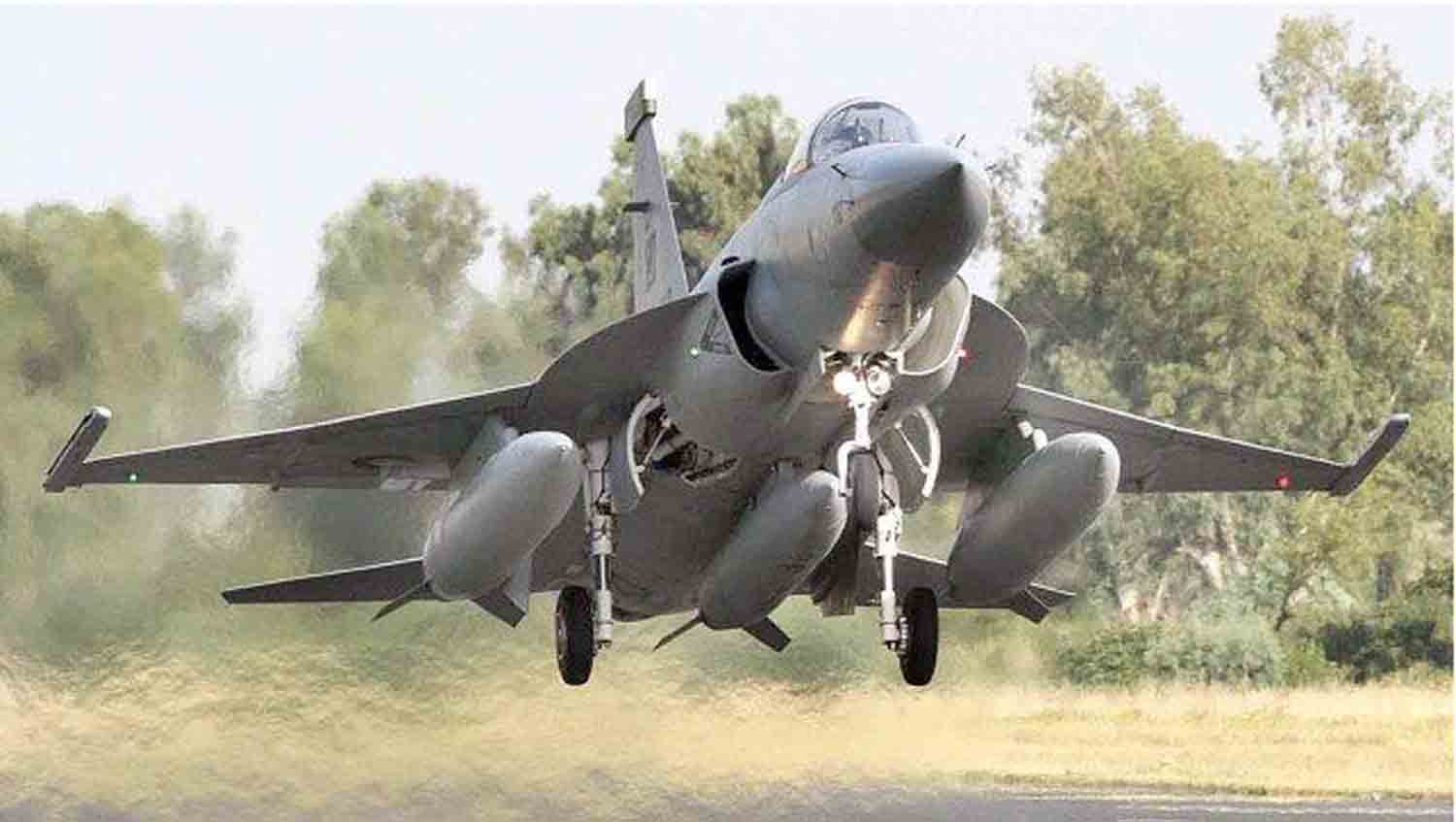
A Full Fighter Squadron
Approximately 16 aircraft, reportedly centered on:
JF-17 Thunder fighters.
The aircraft were reportedly transferred to Saudi Arabia in early April.
Two Drone Squadrons
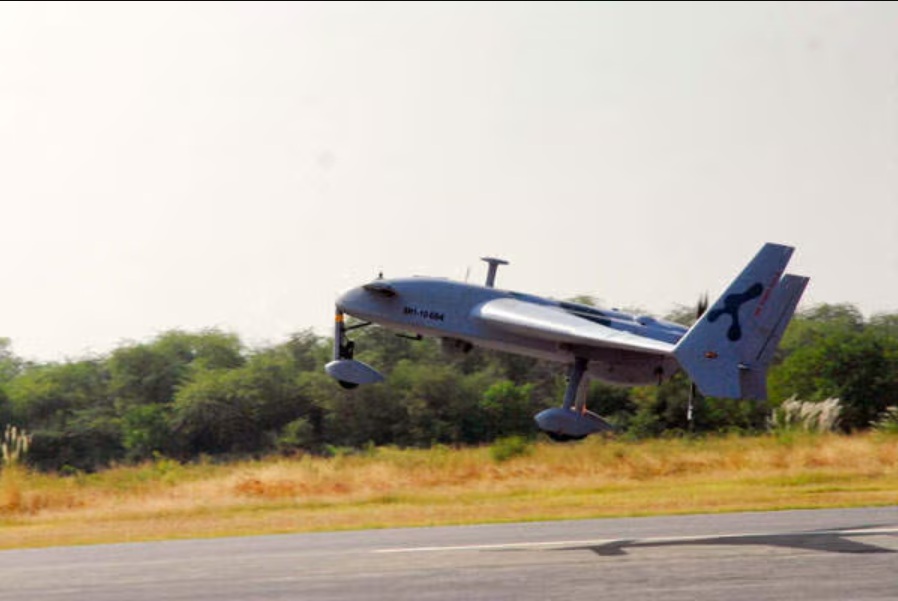
Security officials reportedly indicated Pakistan also deployed unmanned systems to strengthen operational capability.
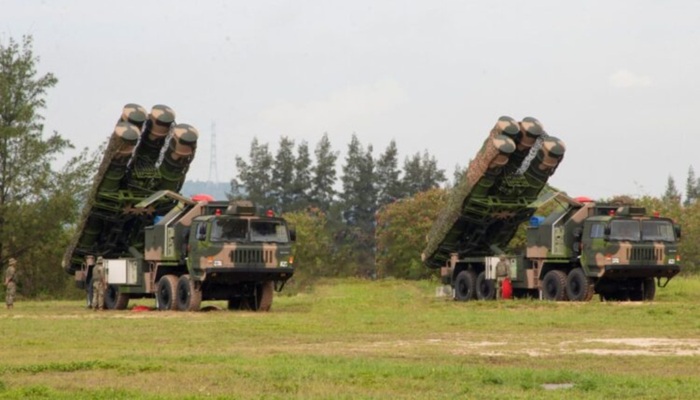
Air Defence Assets
Pakistan has reportedly sent:
HQ-9 air defence systems operated by Pakistani personnel.
According to sources:
Saudi Arabia finances the deployment while Pakistani personnel operate the systems.
Pakistani troops already stationed under previous agreements reportedly remain in the kingdom alongside the new deployment.
Combined, the presence may represent one of Islamabad’s largest overseas military commitments in recent years.
Why Pakistan Is Reinforcing Saudi Arabia Now
The timing is no coincidence.
Saudi Arabia has increasingly faced security concerns following:
- Iranian missile and drone activity
- Strikes on Gulf energy infrastructure
- Escalating regional instability during the Iran conflict
Previous attacks targeting Saudi energy infrastructure deeply shaped Riyadh’s threat perception.
The renewed deployment reportedly accelerated after:
Iranian strikes hit key Saudi-linked infrastructure during the broader regional confrontation.
According to sources, the force is intended to:
Support Saudi military preparedness if the kingdom comes under further attack.
Inside the Secret Pakistan-Saudi Defense Pact
The deployment reportedly falls under a confidential mutual defense agreement signed last year.
While the exact terms remain undisclosed publicly, officials say the arrangement requires:
Pakistan and Saudi Arabia to assist each other militarily in the event of an attack.
The agreement reportedly goes beyond traditional advisory cooperation.
One government source familiar with the pact suggested it includes provisions allowing for:
Up to 80,000 Pakistani troops
to potentially deploy inside Saudi Arabia if regional security conditions deteriorate.
That would make it:
One of Pakistan’s most extensive overseas defense commitments in modern history.
The objective would reportedly center on:
- Border security
- Air defense support
- Force augmentation
- Strategic deterrence
Pakistan’s JF-17 Deployment Is Strategically Significant
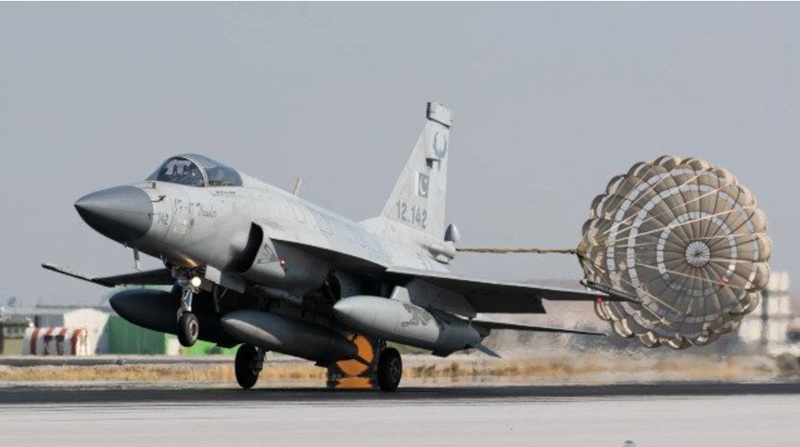
The deployment of JF-17 Thunder fighters carries broader implications.
The aircraft — jointly produced by Pakistan and China — increasingly represent:
Pakistan’s flagship indigenous combat platform.
Their presence in Saudi Arabia signals several things simultaneously:
1. Combat Readiness
Pakistan appears prepared to provide real airpower support if escalation resumes.
2. Defence Export Credibility
The deployment indirectly showcases the JF-17 platform’s regional utility.
3. China Connection
The reported inclusion of Chinese-origin systems such as HQ-9 and JF-17 highlights Beijing’s growing indirect footprint in Gulf security.
This matters because:
China increasingly seeks a larger strategic role in:
- Gulf energy security
- Defense cooperation
- Regional diplomacy
without direct military entanglement.
Pakistan’s Delicate Balancing Act With Iran
Perhaps the most remarkable aspect of the deployment is this:
Pakistan remains the leading mediator between Washington and Tehran.
Islamabad played a major role in:
- Helping broker the ceasefire
- Hosting the only round of U.S.-Iran peace talks so far
- Attempting follow-up diplomatic engagement
This creates a geopolitical contradiction:
Pakistan is simultaneously:
✔ Strengthening Saudi defenses
✔ Maintaining ties with Iran
✔ Mediating U.S.-Iran negotiations
That balancing act reflects Islamabad’s long-standing regional strategy:
Avoid choosing sides outright while preserving leverage across competing blocs.
Could Pakistani Warships Also Be Heading to Saudi Arabia?
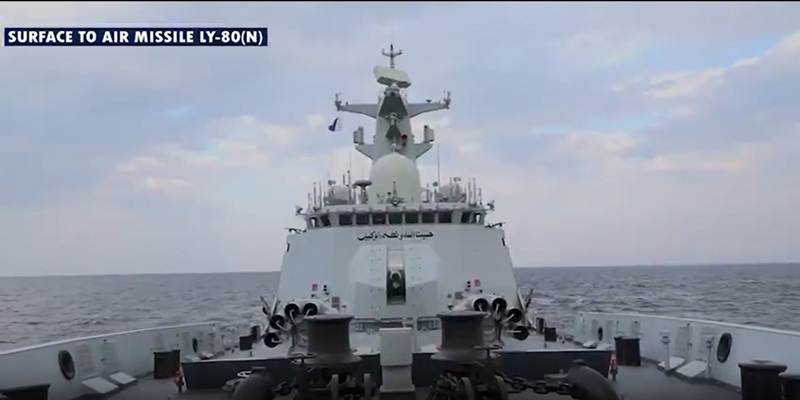
Some security officials reportedly suggested:
The agreement may also involve naval deployments.
Reports indicate Pakistani warships could potentially support:
- Maritime security
- Red Sea operations
- Gulf shipping protection
However:
Independent confirmation remains unavailable regarding whether naval assets have already reached Saudi waters.
If verified, such a move would significantly deepen:
Pakistan-Saudi operational integration.
The Nuclear Umbrella Debate
The defense pact also revives a long-running strategic debate.
Pakistani Defence Minister Khawaja Asif previously implied:
Saudi Arabia may effectively fall under Pakistan’s strategic deterrence umbrella.
While never officially confirmed, analysts have long speculated:
Saudi-Pakistani security cooperation includes deeper understandings related to:
- Strategic deterrence
- Missile security
- Long-term contingency planning
Such speculation becomes especially sensitive during heightened Iran tensions.
Why This Deployment Matters for the Middle East
The scale of the deployment suggests:
This is not simply training or symbolic reassurance.
Instead:
Pakistan appears to be positioning itself as a major military stabilizer in Gulf security architecture.
The implications are significant:
For Saudi Arabia
It strengthens defensive capacity amid regional uncertainty.
For Iran
It introduces another military variable into Gulf security calculations.
For Washington
It reinforces Pakistan’s role as both mediator and security actor.
For China
It indirectly expands Chinese-origin military systems’ influence in the Gulf.
Conclusion: Pakistan’s Regional Role Is Rapidly Expanding
Pakistan’s deployment to Saudi Arabia signals a major evolution in regional security dynamics.
Islamabad is no longer acting solely as:
A diplomatic intermediary.
It is increasingly emerging as:
A military guarantor in Gulf stability.
The challenge, however, lies in balancing two competing realities:
Supporting Saudi Arabia militarily —
while preserving credibility as a trusted channel with Iran.
If regional tensions escalate again:
Pakistan may find itself in one of the most strategically difficult positions in the Middle East.
Because the deeper the crisis becomes:
The harder neutrality becomes to maintain.