The possibility of renewed war between the United States and Iran is rising sharply after reports emerged that the Pentagon is preparing military options for President Donald Trump, even as Pakistan quietly delivered a revised Iranian proposal aimed at preventing another regional conflict.
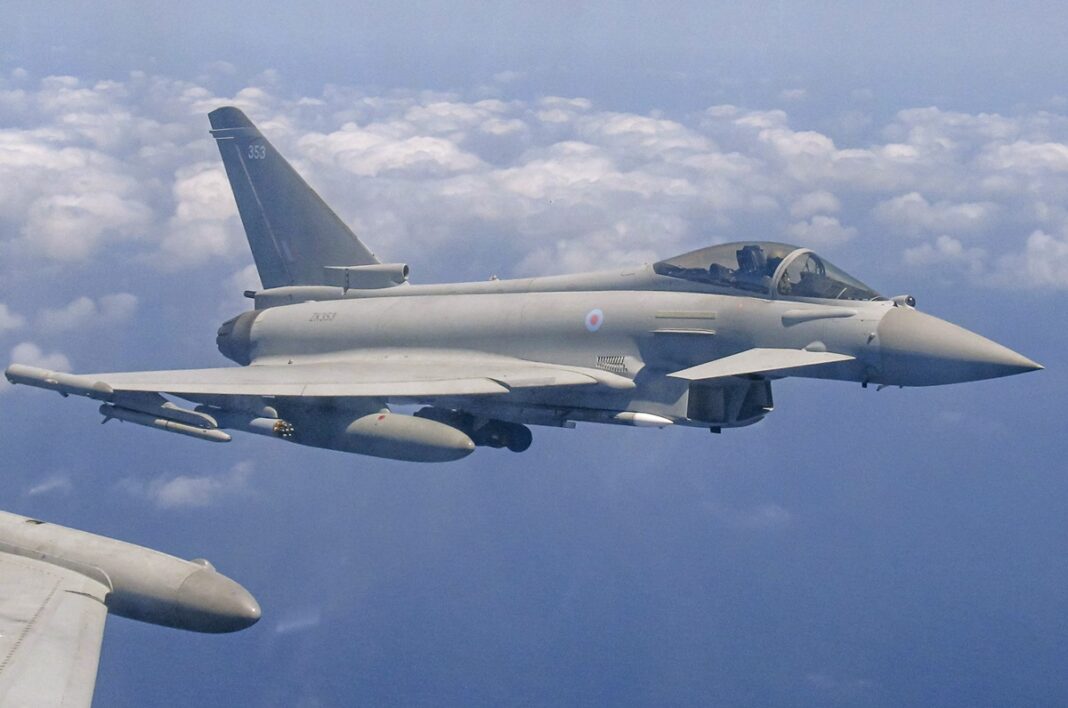
According to reports cited by The New York Times, the United States and Israel are conducting some of their most extensive military preparations since the ceasefire went into effect, amid concerns that diplomacy may be nearing collapse. Two Middle East sources reportedly said preparations for renewed strikes could begin as early as next week.
At the same time, a diplomatic opening still exists.
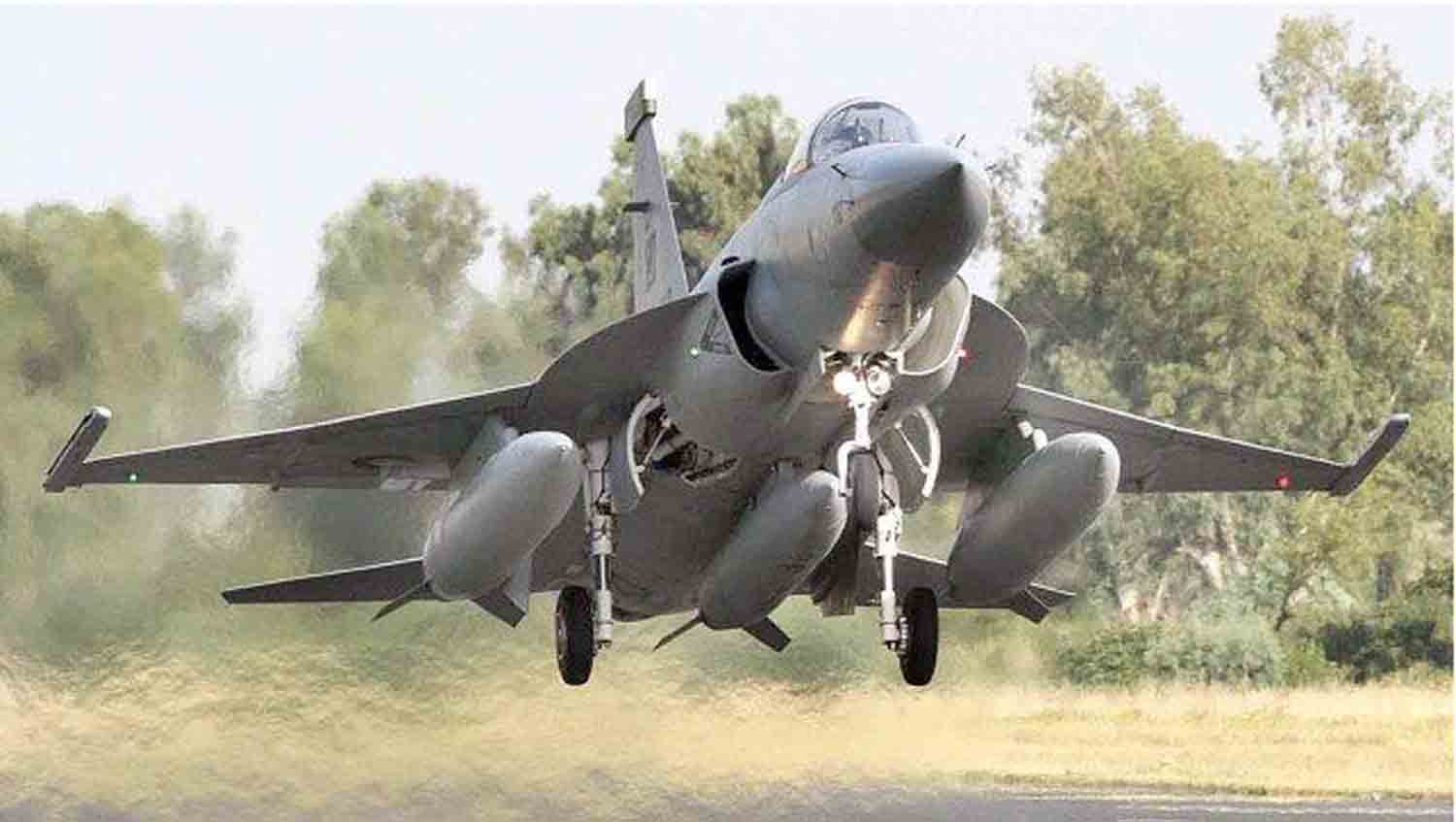
Pakistan, which has emerged as the principal intermediary between Washington and Tehran during the crisis, has reportedly transmitted a revised Iranian proposal to the U.S. administration — a move diplomats increasingly view as the last serious chance to avoid another round of war.
The question now is no longer whether tensions are rising.
It is:
Can diplomacy move faster than military escalation?
Pentagon War Preparations Intensify
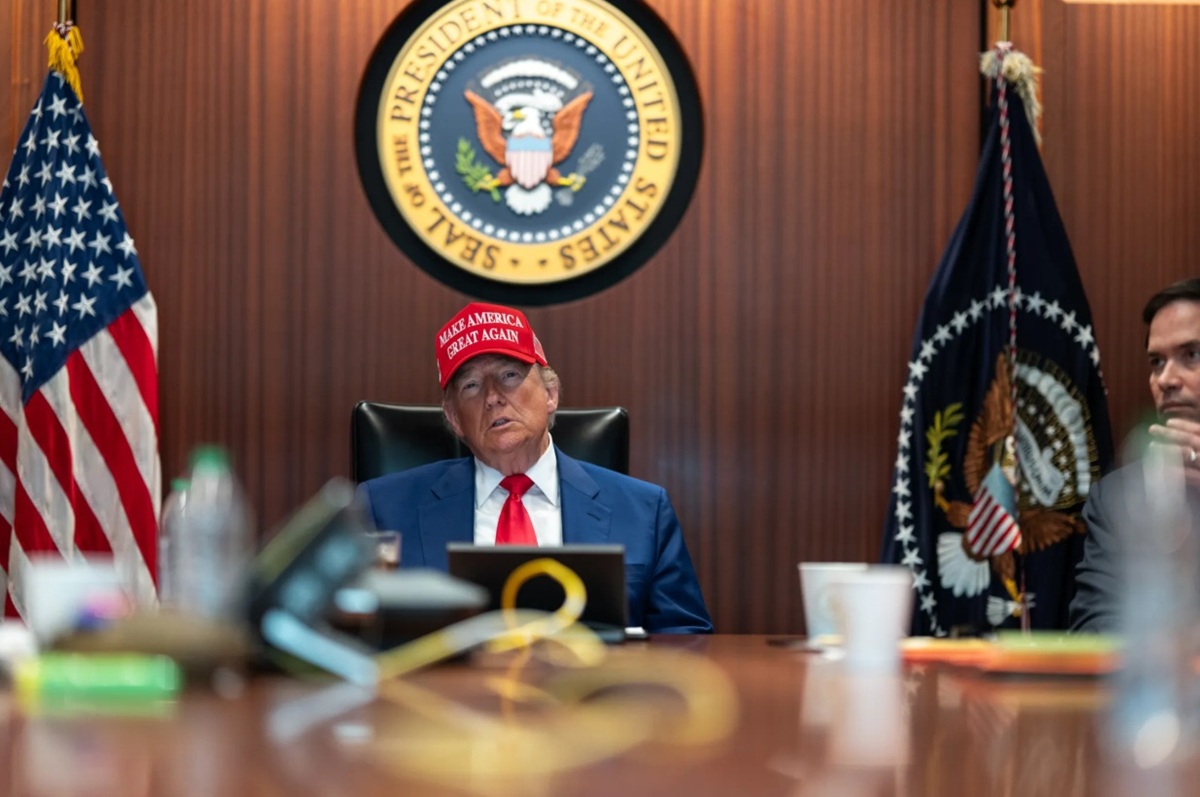
According to multiple reports, President Donald Trump met Saturday with senior national security officials, including:
- Vice President JD Vance
- Secretary of State Marco Rubio
- CIA Director John Ratcliffe
- Special Envoy Steve Witkoff
The discussions reportedly focused on:
How to proceed if diplomacy with Iran collapses.
CNN reported Trump is increasingly frustrated with Iran’s negotiating posture and is expected to hold another high-level security meeting to review Pentagon attack options.
Adding to tensions, Trump recently told Fortune Magazine:
“They are dying to close a deal. And then they send you a paper that is not in line with the deal you agreed on. I say: Are you crazy?”
The remarks reflect growing impatience inside Washington.
Pakistan Emerges as the Key Diplomatic Channel
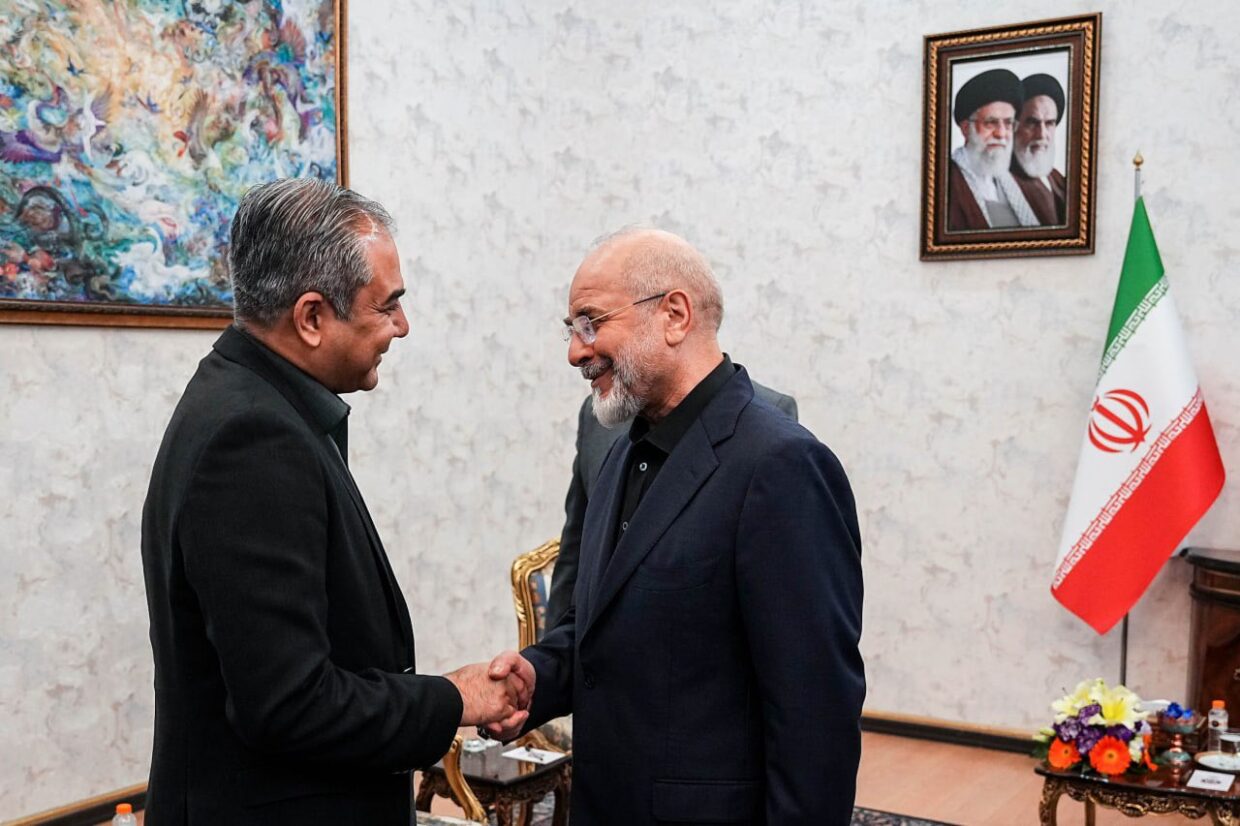
Amid the mounting military pressure, Pakistan is playing an increasingly central diplomatic role.
A Pakistani source told Reuters that Islamabad has passed along:
A revised Iranian proposal
to the American side. Iranian Foreign Ministry spokesman Esmaeil Baghaei later confirmed Tehran’s position had indeed been communicated to Washington through Pakistan.
This marks another major diplomatic moment for Islamabad.
Pakistan previously:
- Helped broker the fragile ceasefire
- Hosted the only round of U.S.-Iran peace talks so far
- Attempted to facilitate follow-up negotiations
But officials warn:
“We don’t have much time.”
One Pakistani source reportedly described negotiations as increasingly difficult because:
“Both countries keep changing their goalposts.”
The Core Dispute: Nuclear Program and Hormuz
The biggest obstacles remain unchanged.
Washington continues to focus on:
Iran’s Nuclear Program
The United States reportedly seeks:
- Limits on uranium enrichment
- Restrictions on nuclear infrastructure
- International monitoring mechanisms
Iran insists:
Nuclear sovereignty remains non-negotiable before a permanent ceasefire.
Tehran reportedly refuses to discuss nuclear concessions until:
- Hostilities permanently end
- Guarantees against future attacks are secured
- Sanctions pressure eases.
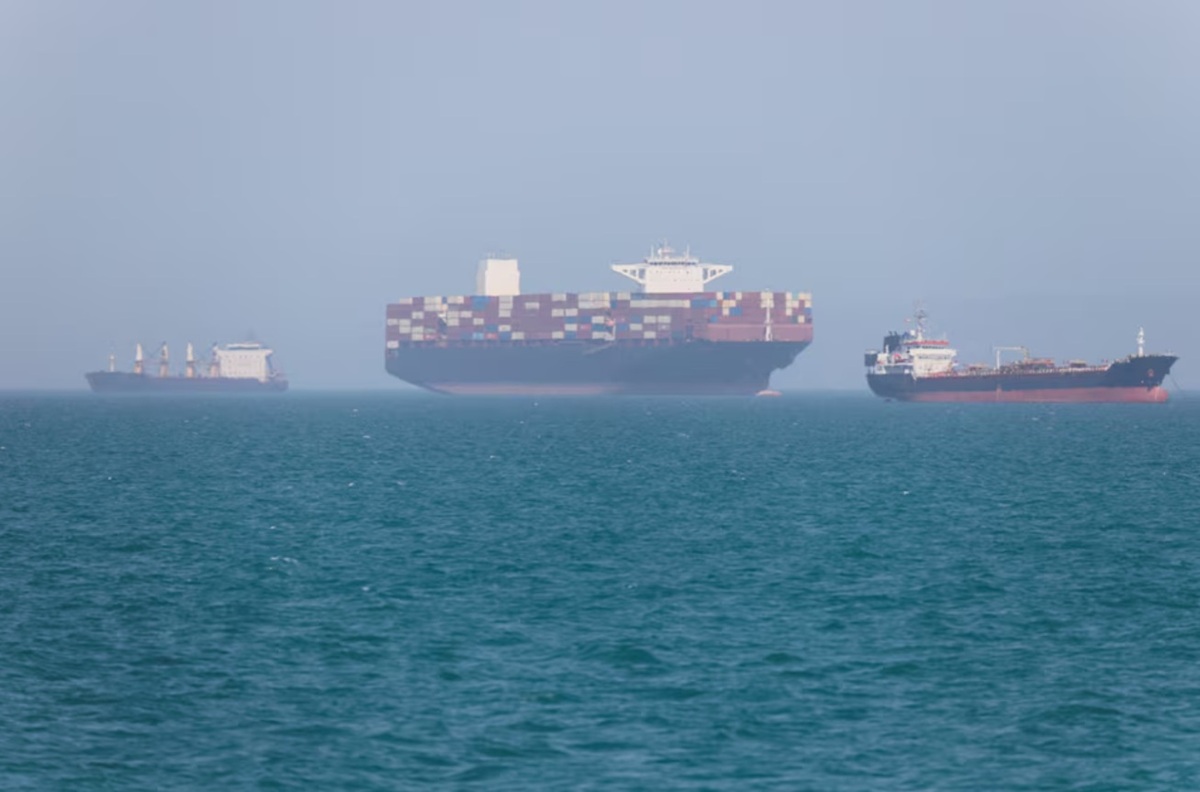
The Strait of Hormuz Crisis
The second major obstacle involves:
Strait of Hormuz
through which roughly one-fifth of global oil and LNG trade normally passes.
Iran reportedly continues insisting on reopening Hormuz under what sources describe as:
An “Iranian model”
Under the proposal:
- Iran would reportedly retain oversight of shipping arrangements
- The pre-war maritime order would not return
- U.S. naval blockade measures would be rapidly lifted.
If accurate, this signals something significant:
Tehran is not negotiating a return to the old regional order.
Instead:
It appears to be seeking:
A new post-war security architecture in Hormuz under predominantly Iranian terms.
Iran Says It Is Prepared for War
Iranian officials continue signaling deterrence.
Foreign Ministry spokesman Esmaeil Baghaei warned Tehran remains prepared for:
“All scenarios.”
He added:
“We are fully aware of how to respond appropriately to even the smallest mistake from the opposing side.”
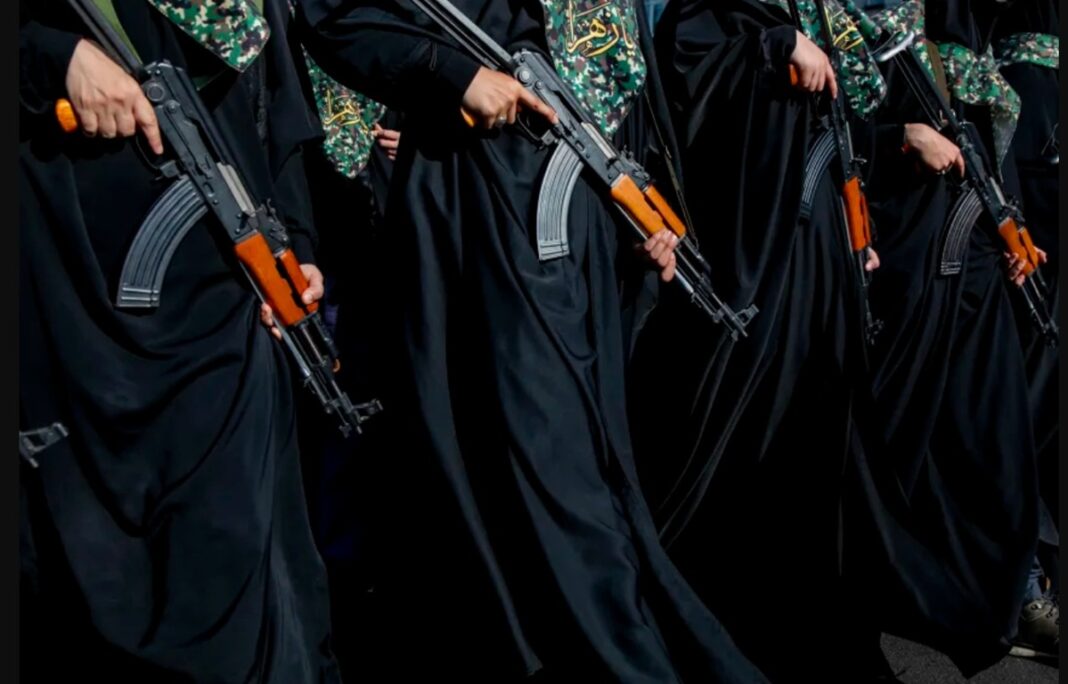
Meanwhile, public mobilization efforts inside Iran appear to be intensifying.
For nearly three months, nationwide evening rallies — sometimes described as “night gatherings” — have taken place across the country.
More notably:
Reports indicate the appearance of:
Public weapons kiosks
where civilians reportedly receive basic firearms instruction.
📹 شلیک به ترامپ در آموزش کار با اسلحه در صداوسیما pic.twitter.com/zmQNOKjhvb
— خبرگزاری تسنیم (@Tasnimnews_Fa) May 18, 2026
The move suggests Iranian authorities may increasingly be preparing society psychologically for prolonged confrontation.
Israel’s Strategic Assessment: Tactical Success, Strategic Failure?
One of the most revealing recent assessments came from Tamir Hayman, now head of Israel’s Institute for National Security Studies (INSS).
Hayman reportedly concluded:
Israel achieved important tactical gains —
but failed to fundamentally alter:
The two pillars that matter most
- Regime survival
- Iran’s nuclear trajectory
According to Hayman:
- Fordow was repaired
- Ballistic missile production accelerated
- Iran amassed roughly 2,500 ballistic missiles before the conflict
- Hezbollah funding reportedly doubled
- Supply routes through Syria were restored.
Most strikingly:
Hayman reportedly warned that Mojtaba Khamenei may be more ideologically hardline than his father and potentially less constrained regarding nuclear development.
His conclusion:
If war resumes, Iran’s nuclear infrastructure must become the top target from day one.
Sanctions Relief May Be Emerging as a Temporary Compromise
According to Iranian outlet Tasnim, Washington’s latest proposal reportedly includes:
Temporary suspension of sanctions on Iranian oil exports
during negotiations.
But disagreements remain substantial.
Tehran insists:
Any final agreement must include full sanctions removal.
Washington reportedly prefers:
Phased or interim relief first.
The Window for Diplomacy Is Closing
The crisis increasingly appears caught between:
Two competing clocks
Diplomatic clock:
Pakistan-mediated talks trying to keep negotiations alive.
Military clock:
Pentagon planning accelerating for a possible resumption of strikes.
Trump has repeatedly signaled impatience.
Iran remains unwilling to compromise quickly.
And the strategic stakes remain enormous:
- Global energy markets
- Regional stability
- Nuclear proliferation concerns
- U.S.-Israel credibility
Conclusion: The Next Week Could Decide the Future of the Middle East
The ceasefire is still alive.
Diplomacy is still functioning.
Pakistan continues to shuttle proposals between both sides.
But military preparations suggest Washington is increasingly preparing for failure.
If negotiations collapse:
The next round of conflict could arrive faster —
and potentially broader —
than the last.
Because this time:
The debate is no longer just about ending a war.
It is about:
Who gets to shape the post-war order in the Middle East — Washington or Tehran.