The Power of Siberia 2 pipeline, once hailed as the centerpiece of Russia’s eastward energy strategy after the Ukraine war, has reached its most serious crisis yet. Although neither Moscow nor Beijing has officially abandoned the project, negotiations have effectively stalled, with no agreement on pricing, financing, or construction.
The dispute goes far beyond a commercial disagreement. It reveals the changing balance of power between Russia and China and highlights how Beijing is increasingly using its economic leverage to dictate terms to an isolated Kremlin.
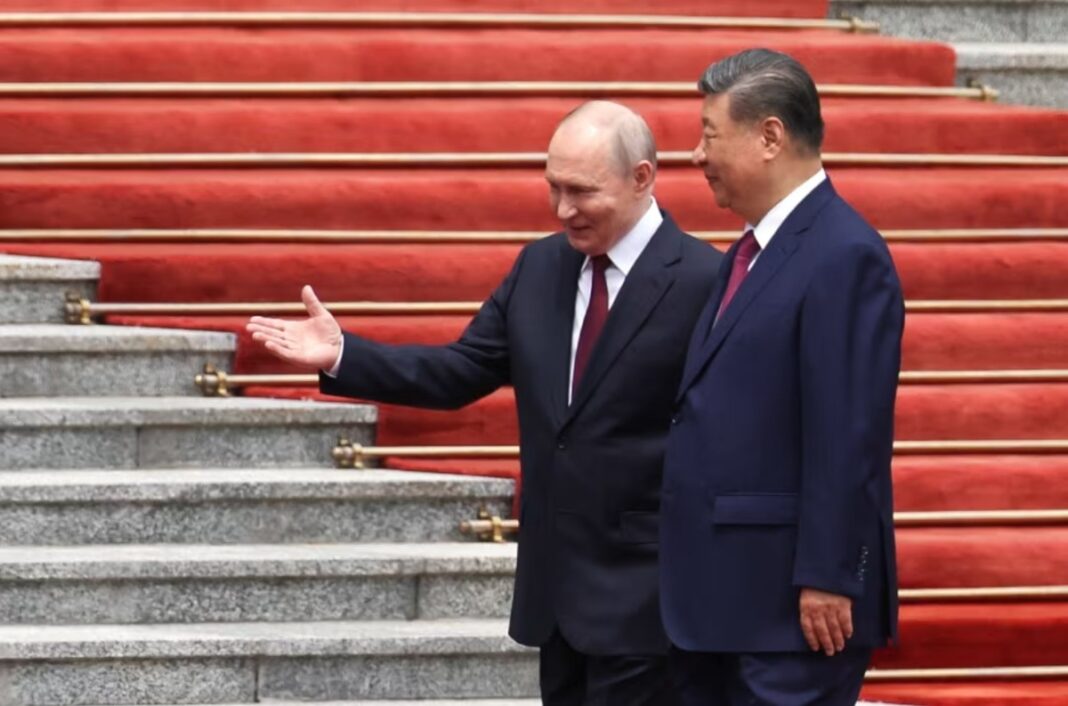
According to The Wall Street Journal, Chinese officials informed Russian negotiators even before President Vladimir Putin’s visit to Beijing in May that an agreement was impossible under current conditions and reportedly asked Moscow to stop repeatedly raising the issue.
While the Kremlin insists discussions continue between energy companies, there is no indication that a breakthrough is imminent.
What Is Power of Siberia 2?
The proposed pipeline would transport up to 50 billion cubic meters (bcm) of natural gas annually from Russia’s giant Yamal gas fields in western Siberia through Mongolia into northern China.
If completed, it would become one of the world’s largest cross-border gas pipelines.
Its strategic importance is enormous because:
- It would redirect gas that previously supplied Europe.
- It would help Russia compensate for billions of dollars in lost European energy revenues.
- It would deepen China’s long-term energy security through pipeline imports instead of relying solely on LNG shipments.
Unlike the existing Power of Siberia 1, which delivers gas from eastern Siberian fields specifically developed for China, the new pipeline would utilize gas infrastructure historically built to serve European markets.
That distinction makes the project vital for Russia’s long-term export strategy.
The Pricing Dispute Is the Main Obstacle
At the heart of the deadlock lies an enormous disagreement over gas prices.
According to multiple reports:
- China reportedly wants to pay around US$50 per thousand cubic meters, roughly the subsidized domestic price paid by Russian households.
- Russia is demanding approximately US$250 per thousand cubic meters, closer to international export prices.
The gap is extraordinary.
Current market comparisons illustrate why Moscow finds Beijing’s proposal unacceptable.
| Gas Buyer | Approximate Price (US$/1,000 m³) |
|---|---|
| Russia Domestic Consumers | ~50 |
| Central Asian Gas to China | ~200 |
| Power of Siberia 1 | 240–280 |
| Russia’s Request for Siberia 2 | ~250 |
| Russian Gas to Europe (before 2022) | 275–340 |
For Russia, accepting China’s proposal would mean selling gas almost at domestic subsidized rates despite the enormous cost of building thousands of kilometers of pipeline infrastructure.
Why China Holds the Stronger Position
The negotiations illustrate how dramatically global energy markets have changed since Russia invaded Ukraine.
Three developments have shifted bargaining power toward Beijing.
1. Russia Has Lost Most of Europe
Before 2022, Europe purchased the overwhelming majority of Russian pipeline gas.
Following sanctions and political decisions after the Ukraine conflict, those exports have largely disappeared.
The European Union is now moving toward:
- Ending Russian LNG imports by the end of 2026.
- Ending remaining pipeline gas imports by October 2027.
That leaves Russia searching urgently for alternative buyers.
2. China Has Multiple Supply Options
Unlike Russia, China is under no immediate pressure.
Beijing already imports natural gas from:
- Russia (Power of Siberia 1)
- Turkmenistan
- Kazakhstan
- Uzbekistan
- Qatar
- Australia
- Malaysia
- The United States through LNG cargoes
Reuters recently reported that China has resumed receiving American LNG shipments after trade tensions eased following meetings between Presidents Xi Jinping and Donald Trump.
With diversified suppliers, China can negotiate aggressively because it is not dependent on any single exporter.
3. China Knows Russia Has Limited Alternatives
Russia’s enormous western Siberian gas fields were historically developed for Europe.
Without Power of Siberia 2, much of that production cannot easily reach Asian markets.
Building LNG facilities would require years, billions of dollars in investment, and access to advanced technology that has become more difficult under Western sanctions.
China understands these constraints and appears willing to use them to secure better terms.
Is This a Sign of Trouble in the “No-Limits Partnership”?
Chinese and Russian leaders frequently describe their relationship as a “no-limits partnership.”
However, the Power of Siberia 2 dispute demonstrates that strategic cooperation has clear economic limits.
China continues to support economic ties with Russia where doing so aligns with its own interests, but Beijing has consistently avoided making major concessions simply to help Moscow.
This approach reflects China’s broader foreign policy:
- maintain strategic cooperation;
- avoid excessive dependence on Russia;
- preserve flexibility in relations with Europe, the United States, and other energy suppliers.
Rather than acting as Russia’s economic rescuer, Beijing is negotiating from a position of maximum leverage.
Russia’s Growing Energy Challenge
The stalled pipeline comes as Russia faces mounting pressure across multiple sectors.
These include:
- Continued Ukrainian long-range drone attacks targeting energy infrastructure.
- Western sanctions restricting technology and financing.
- Shrinking European gas markets.
- Lower export revenues compared with pre-war levels.
- Increasing competition from global LNG suppliers.
For Moscow, Power of Siberia 2 was expected to become the flagship project that would permanently replace much of the European market.
Without it, Russia’s long-term gas export strategy becomes significantly more uncertain.
Could the Project Still Be Revived?
Despite the current deadlock, most analysts believe the project is delayed rather than cancelled.
Several factors could eventually revive negotiations:
- A recovery in global gas prices.
- New geopolitical tensions affecting LNG supplies.
- Greater Chinese gas demand than currently projected.
- Russian willingness to offer additional price concessions.
- Alternative financing arrangements through Mongolia.
However, unless the pricing dispute narrows considerably, construction is unlikely to begin soon.
Analysis: A Shift in the Russia-China Power Balance
The Power of Siberia 2 negotiations highlight a broader geopolitical reality: China no longer needs Russia as much as Russia needs China.
Since the Ukraine war, Moscow has increasingly relied on Beijing for trade, technology, financial transactions, and energy exports. That dependence has given China substantial leverage in bilateral negotiations.
Rather than rejecting the project outright, Beijing appears content to wait. Time works in China’s favor because Russia’s options continue to narrow while China’s energy diversification expands.
For President Vladimir Putin, the pipeline was meant to symbolize Russia’s successful strategic pivot from Europe to Asia. Instead, the prolonged deadlock illustrates the limits of that pivot. A partnership often portrayed as one between equals increasingly resembles one in which Beijing sets the pace and Moscow faces the difficult choice of accepting less favorable terms or leaving vast gas reserves without a profitable export route.
Conclusion
Power of Siberia 2 remains one of the world’s most strategically important energy projects, but it has become a test of geopolitical leverage rather than engineering capability. The dispute is not simply about the price of gas—it reflects the changing hierarchy within the Russia-China relationship.
Unless Moscow significantly adjusts its expectations or global energy dynamics shift dramatically, China has little incentive to compromise. For now, the pipeline remains frozen, symbolizing both Russia’s shrinking room for maneuver and China’s growing influence over the future of Eurasian energy politics.