Despite rapid advances in drones, loitering munitions, and artificial intelligence, combat helicopters remain indispensable on the modern battlefield. From close air support and anti-tank warfare to special operations, medical evacuation, and anti-submarine missions, military helicopters continue to provide capabilities that no other platform can fully replace.
The wars in Ukraine, the Middle East, and numerous regional conflicts have demonstrated both the strengths and vulnerabilities of rotary-wing aircraft. Modern helicopters are now evolving into networked combat platforms capable of operating alongside unmanned aerial systems (UAS), electronic warfare assets, and precision-guided weapons.
This ranking evaluates the world’s leading military helicopters based on combat effectiveness, survivability, firepower, avionics, operational flexibility, payload, modernization potential, and operational track record rather than simply speed or size.
Ranking Criteria
Each helicopter has been assessed using the following factors:
- Combat capability
- Firepower
- Survivability
- Sensors and avionics
- Payload capacity
- Operational range
- Reliability
- Export success
- Upgrade potential
- Proven battlefield performance
1. AH-64E Apache Guardian (United States)
Still the World’s Premier Attack Helicopter
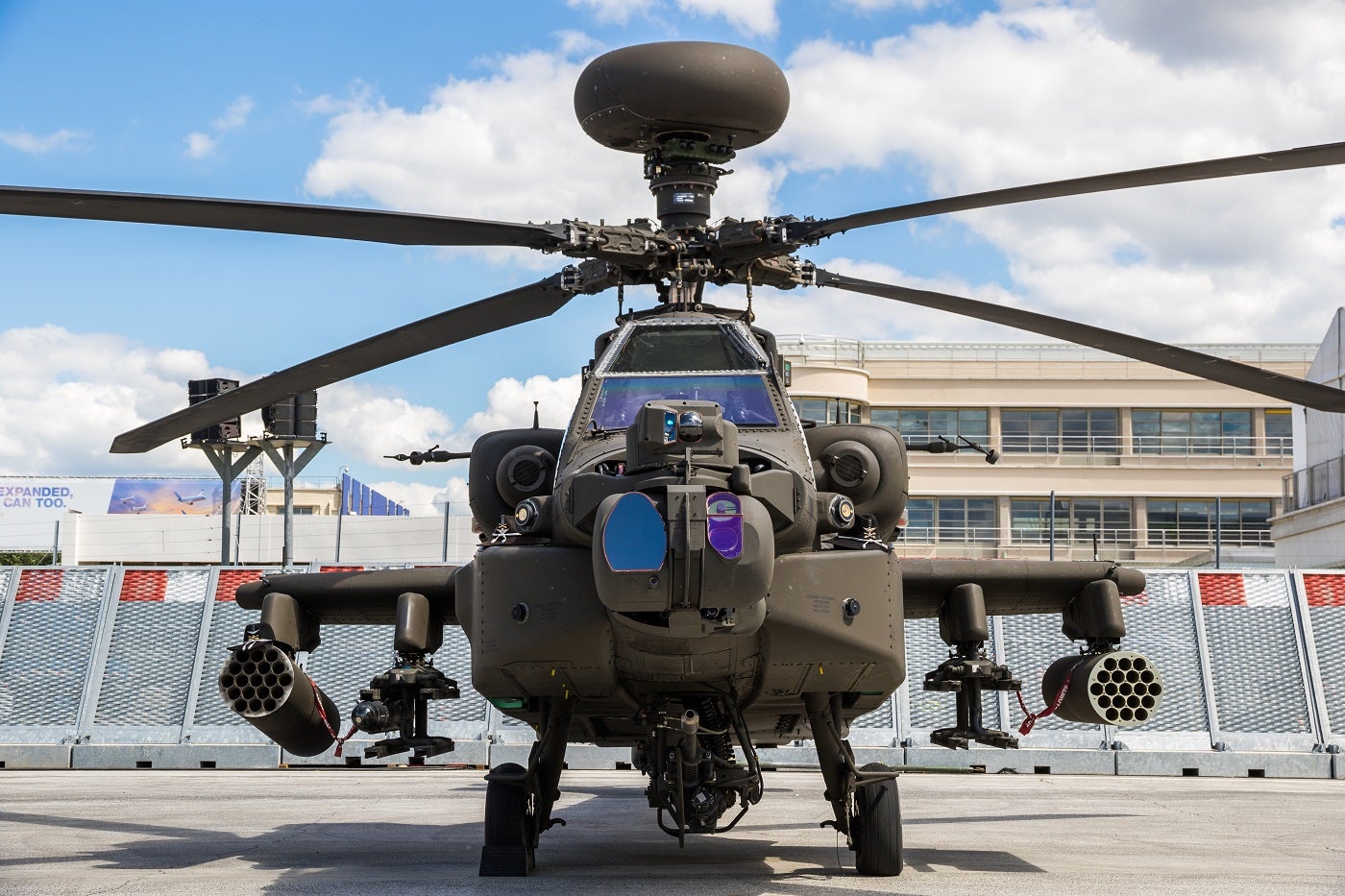
The AH-64E Apache Guardian remains the benchmark for modern attack helicopters and continues to dominate global rankings.
Unlike earlier Apache variants, the AH-64E is designed for network-centric warfare, allowing crews to operate seamlessly with drones, ground forces, and fixed-wing aircraft.
Key Features
- AN/APG-78 Longbow Fire Control Radar
- Twin T700-GE-701D engines
- Level-4 Manned-Unmanned Teaming (MUM-T)
- Link-16 battlefield networking
- 30mm M230 Chain Gun
- AGM-114 Hellfire missiles
- AGM-179 JAGM precision missiles
The Apache has proven itself across Iraq, Afghanistan, Syria, and numerous NATO operations.
Its combination of survivability, precision strike capability, and digital battlefield integration keeps it at the top of the global attack helicopter hierarchy.
2. Ka-52M Alligator (Russia)
Russia’s Most Advanced Attack Helicopter
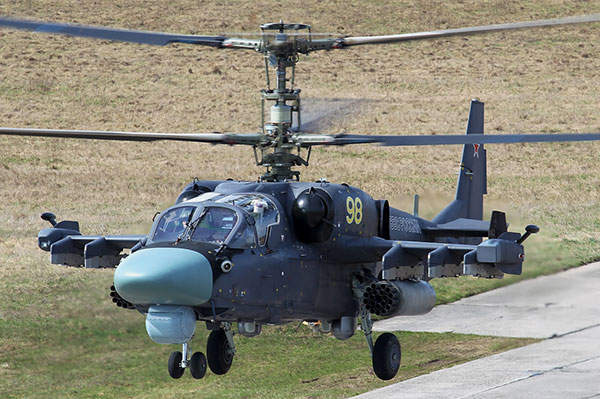
The upgraded Ka-52M builds on Russia’s unique coaxial rotor design, eliminating the need for a tail rotor while delivering exceptional agility.
Highlights
- AESA radar
- Improved armor protection
- LMUR (Izdeliye-305) long-range missiles
- Vikhr anti-tank missiles
- Ejection seats for both pilots
Operational experience in Syria and Ukraine has driven extensive modernization, particularly in electronic warfare and sensor systems.
3. AH-1Z Viper (United States)
The Marine Corps’ Expeditionary Gunship

Designed primarily for expeditionary warfare, the AH-1Z Viper excels in amphibious and littoral operations.
Its commonality with the UH-1Y Venom significantly reduces maintenance requirements.
Armament
- Hellfire missiles
- APKWS guided rockets
- AIM-9X Sidewinder missiles
- 20mm cannon
Its ability to deploy directly from amphibious assault ships makes it one of the world’s most versatile attack helicopters.
4. CH-47F Chinook (United States)
The World’s Leading Heavy-Lift Helicopter
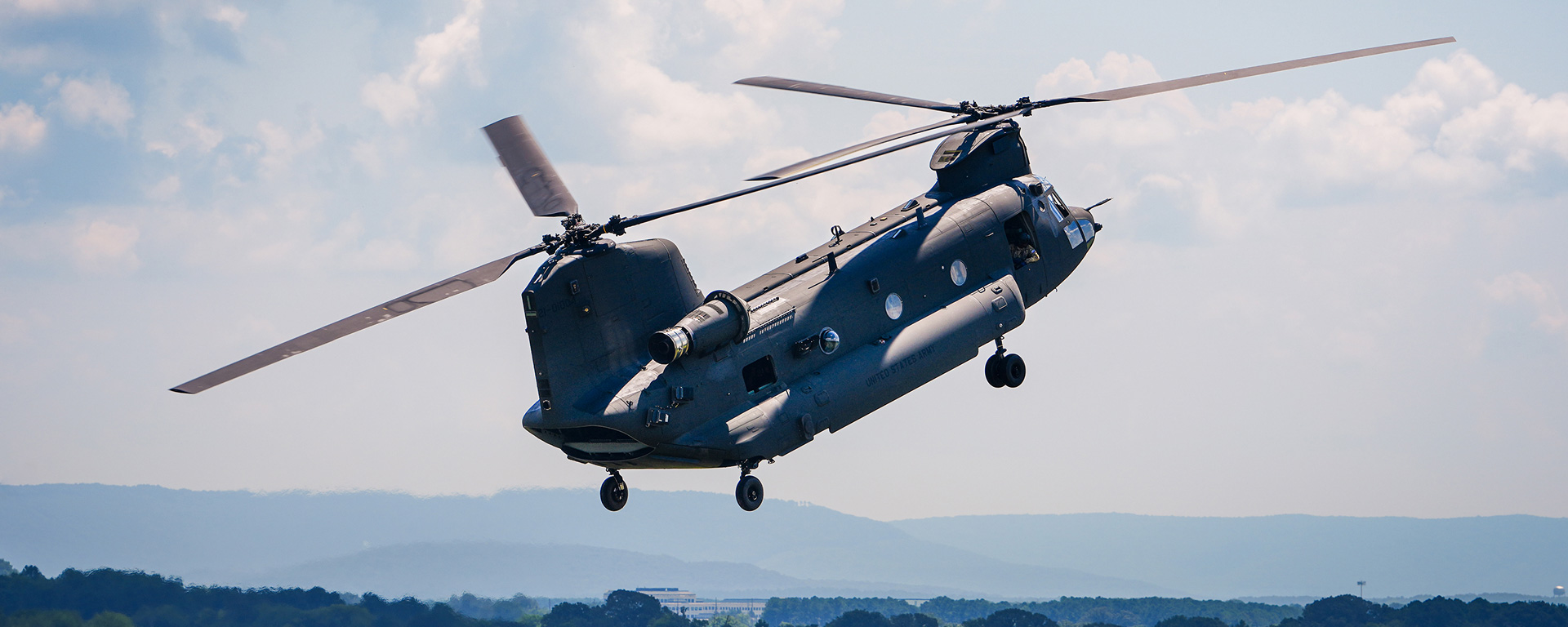
The CH-47F Chinook remains unmatched in tactical heavy airlift.
Capabilities
- External lift capacity exceeding 10 tons
- Transport artillery
- Carry armored vehicles
- Deploy combat troops rapidly
Used by the U.S. Army, the UK Royal Air Force, and numerous NATO members, the Chinook continues to play a vital role in humanitarian operations, disaster relief, and combat logistics.
5. NH90 (Europe)
NATO’s Multi-Role Helicopter
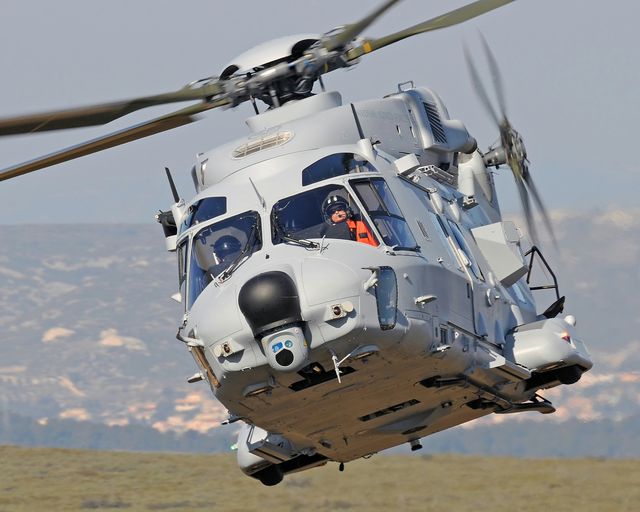
Developed by NHIndustries, the NH90 serves both transport and naval missions.
Variants include:
- Tactical Transport Helicopter (TTH)
- NATO Frigate Helicopter (NFH)
The naval version features:
- Dipping sonar
- Anti-submarine torpedoes
- Maritime surveillance radar
Its fly-by-wire controls and composite airframe make it one of the most technologically advanced European helicopters.
6. Mi-28NM Havoc (Russia)
Russia’s Dedicated Tank Killer

The Mi-28NM is Russia’s heavily armored attack helicopter designed for anti-armor warfare.
Major upgrades include:
- Mast-mounted N025 radar
- Improved thermal imaging
- Khrizantema anti-tank missiles
- Dual-flight controls
Built for survivability, the Mi-28NM can operate day or night in high-threat environments.
7. AW101 Merlin (United Kingdom / Italy)
Long-Range Maritime Specialist
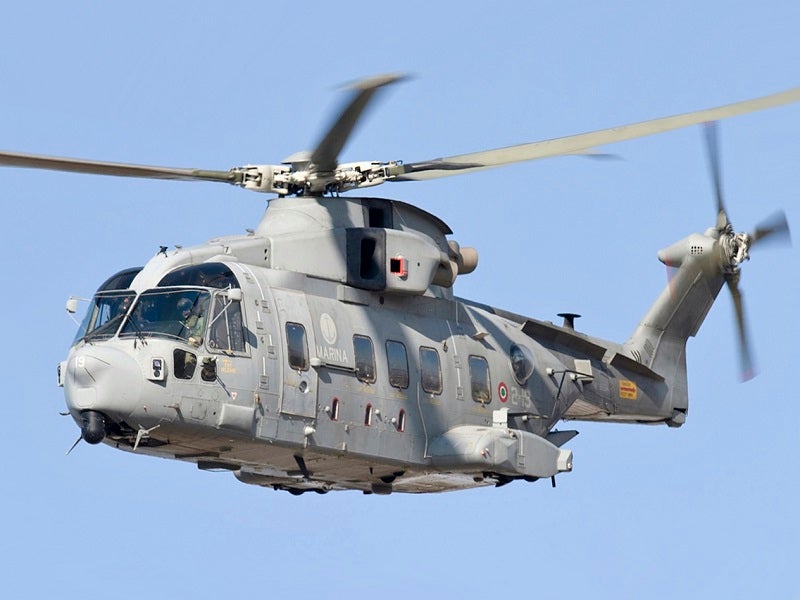
Powered by three engines, the AW101 Merlin provides unmatched safety and endurance during naval operations.
Primary missions include:
- Anti-submarine warfare (ASW)
- Airborne Early Warning (AEW)
- Maritime patrol
- Search and rescue
Its large cabin accommodates advanced sonar processing equipment and sophisticated mission systems.
8. UH-60M Black Hawk (United States)
The World’s Most Successful Utility Helicopter
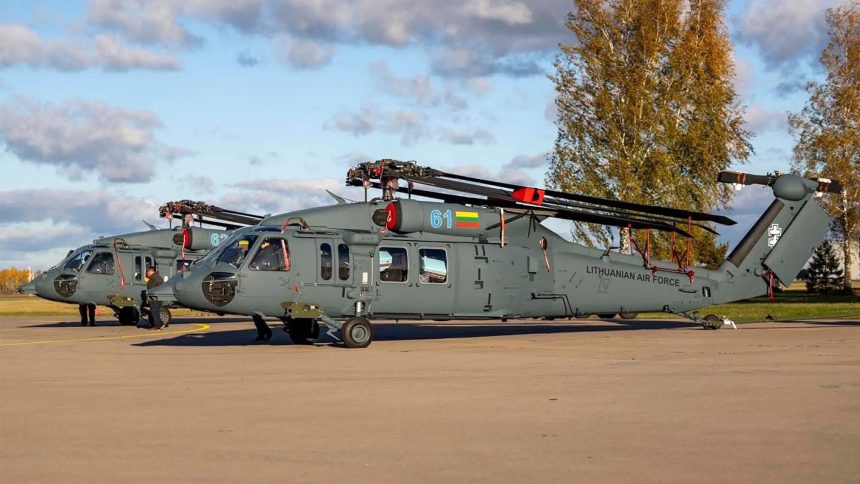
The UH-60M Black Hawk remains one of the most widely used military helicopters globally.
Its missions include:
- Air assault
- Medical evacuation
- Command and control
- Logistics
- Disaster relief
Modern upgrades feature:
- Digital cockpit
- Composite rotor blades
- Enhanced survivability
- Improved lift performance
More than 35 countries operate Black Hawks, making it one of the most successful military helicopter programs in history.
9. Mi-26 Halo (Russia)
The Largest Helicopter Ever Built
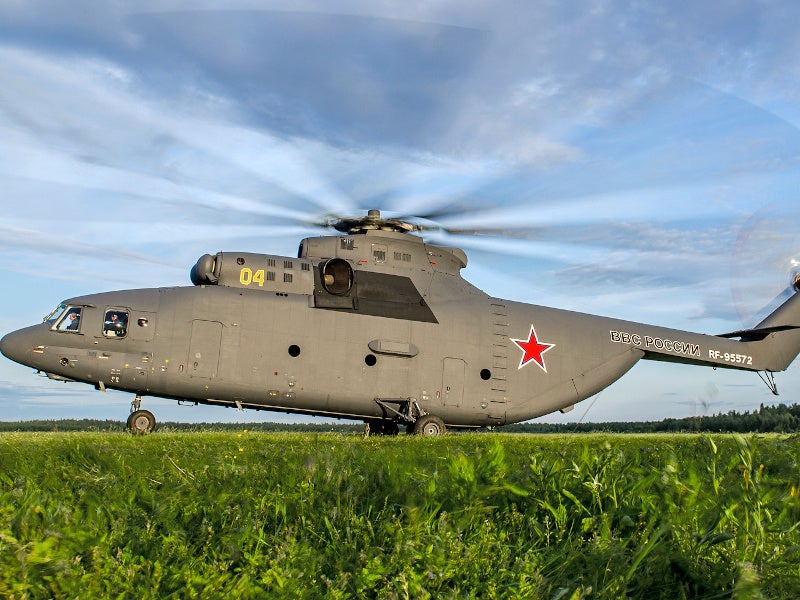
The Mi-26 Halo remains the heaviest production helicopter ever developed.
It can transport:
- 20 tons of cargo
- Armored personnel carriers
- Engineering equipment
- Up to 90 troops
No other operational helicopter matches its heavy-lift capability.
10. T129 ATAK (Türkiye)
A Rising Export Success
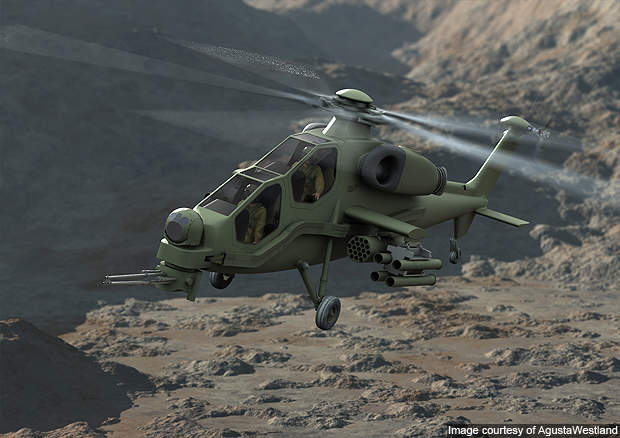
The Turkish-built T129 ATAK has emerged as one of the fastest-growing attack helicopter programs.
Optimized for hot-and-high environments, it features:
- 20mm rotary cannon
- UMTAS anti-tank missiles
- CIRIT guided rockets
- Modern electro-optical targeting system
The helicopter has attracted export customers across Asia, Africa, and the Middle East due to its relatively low operating costs.
Honorable Mentions
Several helicopters narrowly missed the Top 10 but deserve recognition:
- Z-10ME (China) – China’s most advanced export-oriented attack helicopter with upgraded engines and improved armor.
- Tiger HAD (France/Germany/Spain) – A capable European attack helicopter, though limited by availability and modernization challenges.
- S-70i Black Hawk (Poland) – Export variant of the UH-60 family with growing international adoption.
- Bell V-280 Valor (United States) – A tiltrotor aircraft under development that is expected to redefine long-range assault aviation once operational.
Lessons from Ukraine: Helicopters Must Adapt
The war in Ukraine has transformed perceptions of helicopter warfare.
Attack helicopters remain highly effective but face increasing threats from:
- MANPADS (Man-Portable Air Defense Systems)
- Long-range surface-to-air missiles
- Armed drones
- Loitering munitions
- Electronic warfare
To survive, modern helicopters are evolving with:
- Active protection systems
- Missile warning receivers
- Infrared suppression
- Digital electronic warfare suites
- Stand-off precision weapons
- Drone integration
Rather than flying directly over enemy formations, attack helicopters increasingly engage targets from longer ranges using guided missiles while receiving targeting information from UAVs.
The Future of Military Helicopters
Military rotorcraft are entering a new era.
The United States is replacing portions of its helicopter fleet through the Future Long-Range Assault Aircraft (FLRAA) program, selecting the Bell V-280 Valor to succeed part of the UH-60 Black Hawk fleet.
Europe is investing in high-speed compound helicopters and next-generation rotorcraft, while China and Russia continue to modernize their attack helicopter fleets with advanced sensors, networking capabilities, and longer-range precision weapons.
Artificial intelligence, autonomous flight assistance, and manned-unmanned teaming are expected to become defining features of future combat helicopters.
Which Helicopter Is Truly the Best?
There is no single helicopter that dominates every mission.
- Best Attack Helicopter: AH-64E Apache Guardian
- Best Heavy-Lift Helicopter: CH-47F Chinook
- Best Utility Helicopter: UH-60M Black Hawk
- Best Maritime Helicopter: AW101 Merlin
- Best Anti-Armor Helicopter: Ka-52M Alligator
- Best Strategic Heavy Lift: Mi-26 Halo
Ultimately, the “best” helicopter depends on operational requirements. However, considering combat experience, technological maturity, battlefield networking, survivability, and modernization potential, the AH-64E Apache Guardian remains the world’s most capable and influential military helicopter in 2026.
Final Analysis
The future battlefield will not eliminate helicopters—it will transform how they fight. Rather than operating independently, tomorrow’s rotorcraft will function as networked combat hubs, coordinating with drones, satellites, ground forces, and precision-strike systems in real time.
As air defense systems become more sophisticated, survivability will depend less on armor alone and more on electronic warfare, long-range weapons, artificial intelligence, and seamless integration into the wider battlespace. The militaries that successfully combine these technologies with proven rotary-wing platforms will retain a decisive advantage in contested environments.