Western leaders gathered in Paris on Monday to discuss urgently strengthening Ukraine’s air defense network, as Russia continues to intensify missile and drone attacks across the country. The meeting, held under the Coalition of the Willing, aims to secure additional air-defense commitments, accelerate military cooperation, and reinforce long-term security guarantees for Kyiv.
The summit comes only days after the NATO Summit reaffirmed continued support for Ukraine, highlighting growing concerns that Kyiv’s dwindling stockpile of interceptor missiles has left many cities increasingly vulnerable to Russian ballistic missile attacks.
Ukrainian President Volodymyr Zelenskyy joined more than 25 international leaders at the gathering, which is expected to produce new military initiatives, sanctions against Russia, and expanded European defense cooperation.
Russian Missile Campaign Increases Pressure on Ukraine
The Paris meeting follows one of the deadliest periods of Russian aerial attacks in recent months.
Russian forces have significantly increased missile and drone strikes against Kyiv and surrounding regions, targeting critical infrastructure and urban centers. Ukrainian officials reported that fresh attacks over the weekend killed at least eight civilians and injured dozens more across multiple regions.
President Zelenskyy condemned the attacks, accusing Moscow of deliberately striking civilian targets.
“The pressure on Russia must work. New sanctions against the aggressor, new packages of support for Ukraine, and new projects like our European anti-ballistic project FREYJA must all move forward,” Zelenskyy said following the latest wave of strikes.
Russia continues to reject accusations of targeting civilians, maintaining that its military only strikes infrastructure and facilities it considers to have military significance.
Air Defense Emerges as the Summit’s Top Priority

According to French officials, the primary objective of the Paris summit is to strengthen Ukraine’s ability to intercept ballistic missiles, which travel at several times the speed of sound and have proven particularly difficult to defeat.
Discussions are centered on several key priorities:
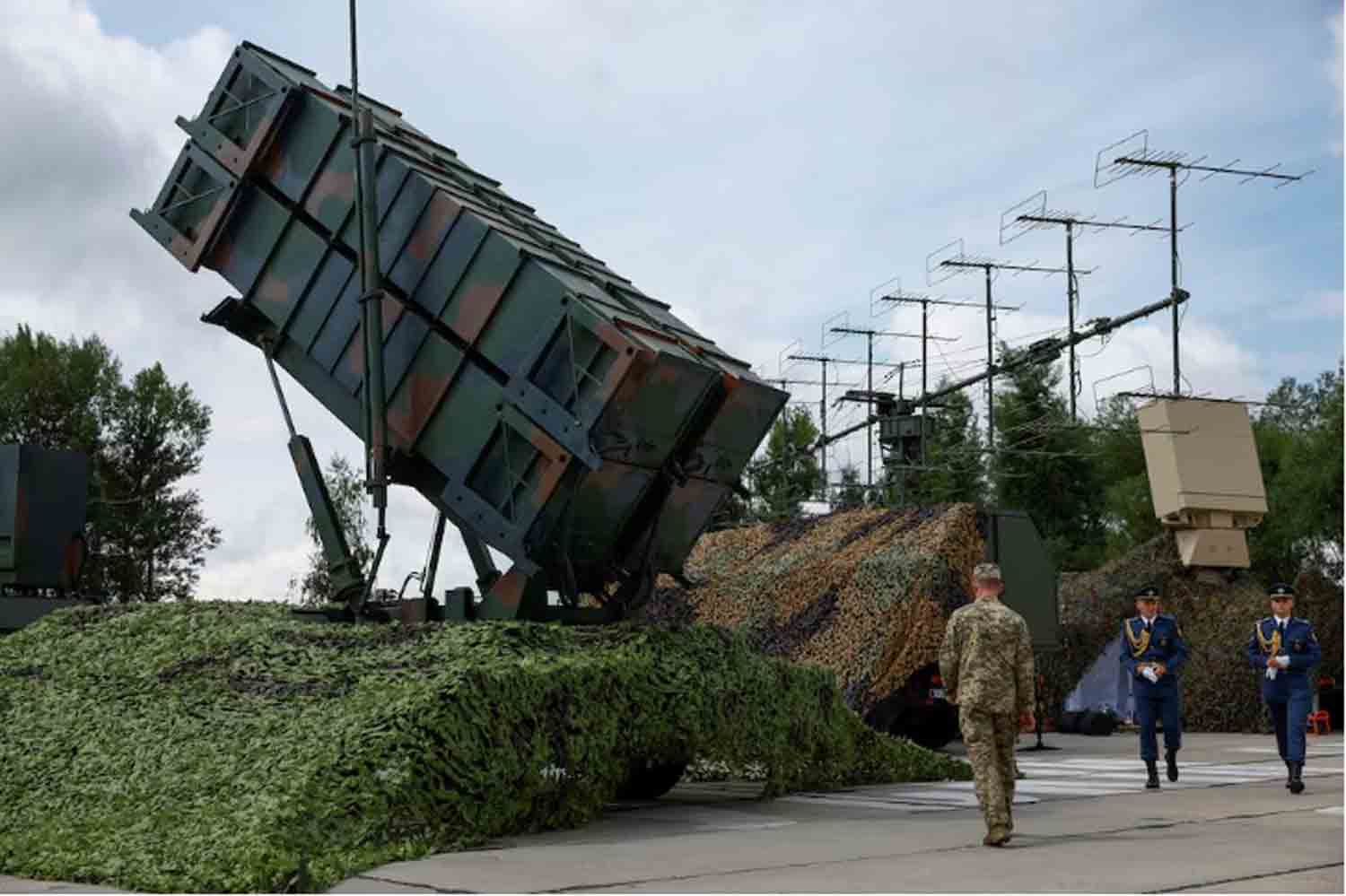
- Securing additional U.S.-made Patriot missile interceptors
- Expanding deployment of the Franco-Italian SAMP-T air defense system
- Increasing European production of interceptor missiles
- Developing a long-term European missile defense architecture
- Supporting Ukraine’s domestic defense industry
French officials believe Europe must reduce dependence on limited U.S. missile supplies by building greater indigenous production capacity while ensuring Ukraine can sustain its air-defense network over the long term.
FREYJA Project Could Become Europe’s Alternative to Patriot
One of the most closely watched announcements expected from the summit concerns the FREYJA project.
The initiative seeks to develop a European-backed anti-ballistic missile defense system that would complement existing Patriot and SAMP-T batteries while offering a lower-cost and more scalable solution for Ukraine.
Diplomatic sources indicate that European governments are expected to formally endorse the project, marking one of the most ambitious multinational defense initiatives launched since the war began.
Unlike simply supplying existing systems, FREYJA aims to establish a collaborative industrial framework involving both European manufacturers and Ukrainian defense companies.
If successful, the project could help Ukraine gradually develop its own missile-defense production capability instead of relying entirely on foreign military assistance.
Defense Industry Takes Center Stage
Ahead of the summit, representatives from nine European countries met with leading defense manufacturers to discuss accelerating missile-defense production.
Participating nations reportedly include:
- Germany
- Italy
- Sweden
- Denmark
- Norway
- France
- Other European partners
Major defense companies involved in the discussions include:
- Eurosam
- Leonardo
- Thales
- Saab
Officials are urging industry leaders to expand manufacturing capacity for interceptor missiles, radar systems, launchers, and other components needed to strengthen European air-defense capabilities.
The growing emphasis on industrial cooperation reflects concerns that current production rates remain insufficient to meet Ukraine’s immediate battlefield requirements while maintaining NATO members’ own defense inventories.
Ukraine Faces Critical Shortage of Interceptor Missiles
Military officials say Ukraine is facing one of its most challenging periods since the beginning of the war regarding missile defense.
Ballistic missiles have become increasingly difficult to intercept because they:
- Travel at hypersonic speeds during parts of their flight
- Follow steep attack trajectories
- Leave defenders with limited reaction time
- Require advanced interceptor missiles such as Patriot or SAMP-T
As Russian attacks intensify, Ukraine has repeatedly appealed for additional interceptor missiles, warning that existing stockpiles are being depleted faster than they can be replenished.
European officials acknowledge that expanding missile production has become as important as supplying additional launch systems.
Macron Pushes Broader European Defense Cooperation
French President Emmanuel Macron is expected to unveil several new defense initiatives during the summit.
Among the proposals under discussion are:
- Expanded joint weapons production
- Long-term military assistance packages
- Greater industrial cooperation
- Additional bilateral defense agreements
- New multinational military training programs
Macron has consistently argued that Europe must strengthen its own defense industrial base while continuing to support Ukraine regardless of future political developments elsewhere.
Coalition of the Willing Plans Future Security Guarantees
Beyond immediate battlefield support, the summit is also focused on Ukraine’s long-term security.
Leaders are discussing the development of a future Multinational Force for Ukraine (MNFU), which would provide security guarantees if a ceasefire or peace agreement is eventually reached.
According to French officials, the proposed force would include four major components:
- Land forces
- Air operations
- Naval support
- Military training missions
Officials emphasized that any future exercises would be conducted outside Ukraine to maintain readiness without escalating the conflict.
The coalition hopes regular multinational exercises will improve interoperability and demonstrate long-term commitment to Ukraine’s security.
Sanctions on Russia Also High on the Agenda
Military assistance is only one aspect of the Paris discussions.
European leaders are also examining additional economic measures designed to reduce Russia’s ability to finance the war.
One major focus is Moscow’s so-called “shadow fleet”—a network of aging oil tankers operating under opaque ownership structures that help Russia continue exporting crude oil despite Western sanctions.
The European Union is expected to adopt its 21st sanctions package in the coming days, targeting additional individuals, companies, and shipping networks linked to Russia’s energy exports.
European governments hope tighter sanctions, combined with continued military support for Ukraine, will increase pressure on Moscow while limiting its capacity to sustain prolonged military operations.
Battlefield Momentum Continues to Shift
While Russia has intensified missile strikes, Ukraine has expanded long-range drone operations inside Russian territory.
Recent Ukrainian attacks have reportedly targeted:
- Oil refineries
- Fuel storage facilities
- Defense manufacturing plants
- Logistics infrastructure
These operations are intended to disrupt Russia’s military supply chain and impose additional economic costs.
Analysts say both sides are increasingly relying on long-range precision weapons, drones, and missile attacks, making air defense one of the defining challenges of the conflict.
Conclusion
The Paris summit reflects a growing recognition among Western allies that strengthening Ukraine’s air-defense network has become an urgent strategic priority. With Russian missile and drone attacks increasing in frequency and sophistication, European governments are seeking both immediate and long-term solutions—from supplying additional Patriot and SAMP-T systems to launching the ambitious FREYJA missile-defense initiative.
Beyond military aid, the meeting underscores Europe’s broader effort to deepen defense-industrial cooperation, tighten sanctions on Russia, and prepare long-term security arrangements for Ukraine. Whether these initiatives can keep pace with the evolving battlefield will depend on sustained political commitment, increased defense production, and continued coordination among Kyiv’s international partners.
Frequently Asked Questions
Why are Western allies meeting in Paris?
To coordinate additional military support for Ukraine, strengthen air-defense capabilities, discuss new sanctions on Russia, and explore long-term security guarantees.
What is the FREYJA project?
FREYJA is a proposed European-backed anti-ballistic missile defense initiative intended to complement existing Patriot and SAMP-T systems while involving Ukraine in production.
Why does Ukraine need more Patriot missiles?
Ukraine’s interceptor missile stockpiles have been heavily depleted due to sustained Russian ballistic missile and drone attacks, increasing the need for additional air-defense systems.
What is the Coalition of the Willing?
The Coalition of the Willing is a group of countries supporting Ukraine through military assistance, defense cooperation, and planning for future security guarantees.
What is the SAMP-T air-defense system?
SAMP-T is a Franco-Italian long-range surface-to-air missile system designed to intercept aircraft, cruise missiles, and some ballistic missile threats, serving as one of Europe’s principal air-defense platforms.