Sunday, April 19, 2026
Home Blog Page 75

European leaders caution about the potential repercussions of a transatlantic trade conflict

0
EU foreign policy chief Kaja Kallas

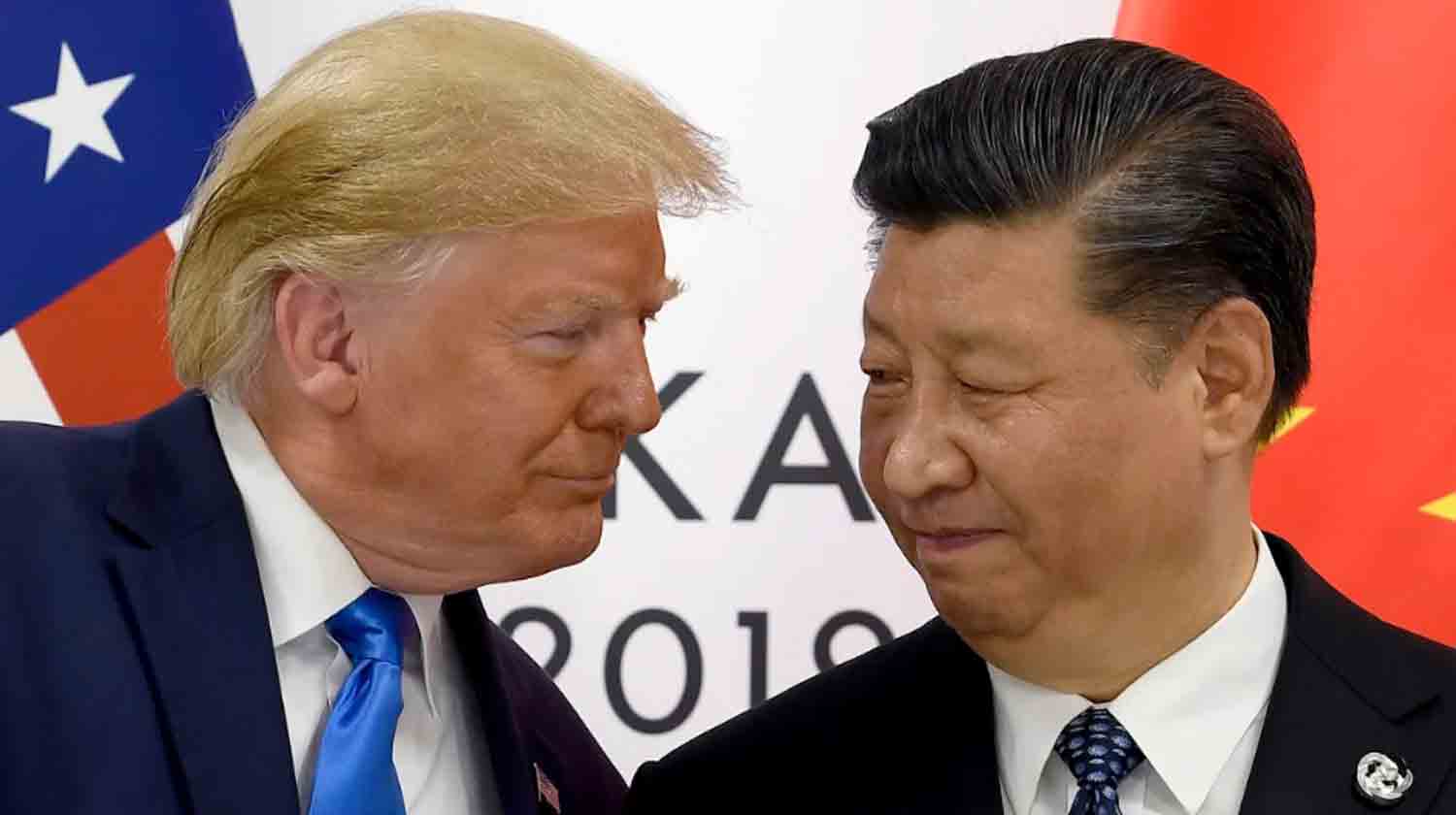
European leaders expressed concerns on Monday regarding U.S. President Donald Trump‘s indication of potentially extending tariffs to the European Union, warning that such actions could ignite a trade war detrimental to both sides of the Atlantic. Kaja Kallas, the European Union’s foreign policy chief, remarked that a trade conflict between the U.S. and Europe would ultimately benefit China. “Our economies are deeply interconnected. We rely on America, and America relies on us,” she stated prior to an informal meeting of EU leaders in Brussels.

Trump informed the 27 EU member states that they could be next after his recent imposition of extensive tariffs on Mexico, Canada, and China. “It will definitely happen with the European Union. I can assure you of that because they have really taken advantage of us,” Trump told reporters on Sunday, reiterating his grievances regarding the trade deficit. “They don’t import our cars or agricultural products. They take almost nothing, while we take everything from them.”

German Chancellor Olaf Scholz adopted a more measured approach, advocating for collaboration between the EU and the U.S. “As a robust economic bloc, we have the ability to shape our own future and respond to tariff measures… However, our aim should be to foster cooperation,” he emphasized.

OWN GOAL?

Germany’s conservative opposition leader Friedrich Merz cautioned on Sunday that the imposition of tariffs could have unintended consequences.

Trump is beginning to understand that the tariffs he is implementing will not be borne by the importers into the United States. Rather, it will be American consumers who will ultimately shoulder these costs, stated Merz, who is expected to assume leadership in Germany following the upcoming election.

Francois Villeroy de Galhau, the governor of the French central bank, characterized Trump’s tariffs as “very brutal,” emphasizing their particularly adverse effects on the automotive industry.

“This type of protectionist trade conflict results in losses for everyone involved,” he remarked during an interview with France Info radio.

On Monday, shares of European automotive manufacturers declined amid worries regarding the repercussions of the tariffs.

In his criticisms regarding the trade balance with the EU, Trump has concentrated solely on goods trade. The EU has consistently exported more goods to the United States than it has imported, resulting in a U.S. goods trade deficit of 155.8 billion euros ($159.5 billion) in 2023, as reported by Eurostat. Conversely, in the services sector, the U.S. enjoyed a surplus of exports over imports with the European Union, amounting to 104 billion euros in 2023, according to Eurostat.

Polish Prime Minister Tusk asserts that engaging in trade wars is a misguided approach

0
Polish Prime Minister Donald Tusk speaks to the media, on the day of a European Union leaders summit in Brussels, Belgium.

Polish Prime Minister Donald Tusk expressed on Monday that initiating trade wars is a grave error, following U.S. President Donald Trump’s announcement over the weekend regarding significant new tariffs on imports from Mexico, Canada, and China.

“Poland will undoubtedly advocate for reason and prudence. However, we must clearly state that any intentions to implement customs duties and engage in trade wars are fundamentally misguided,” he remarked to the press.

“I trust that a strong, clear, amicable, yet assertive European stance will resonate with the American administration.”

As EU leaders convene on Monday, they are preparing for the potential of facing severe U.S. trade tariffs themselves. “We must remain unequivocally united. It is essential to do everything possible to ensure that, in the face of threats from Russia or expansion from China, we do not engage in conflicts among allies,” Tusk stated to reporters before departing for Brussels.

Saudi Arabia and the UAE are potential sites for a Trump-Putin summit, say two Russian sources

0
Russian President Vladimir Putin and then-US President Donald Trump on the sidelines of the G20 Summit in Osaka, Japan, June 28, 2019.

Russia views Saudi Arabia and the United Arab Emirates as potential locations for a summit between U.S. President Donald Trump and Russian President Vladimir Putin, according to two Russian sources familiar with the discussions who spoke to Reuters. Trump has expressed his intention to conclude the conflict in Ukraine swiftly and has indicated his willingness to meet with Putin. In response, Putin congratulated Trump on his election victory and expressed readiness to engage in talks regarding Ukraine and energy matters.

Despite this, Russian officials have consistently denied any direct communications with the U.S. regarding the organization of a phone call between Trump and Putin, which would precede a possible meeting later this year. Nevertheless, senior Russian officials have made visits to both Saudi Arabia and the UAE in recent weeks, as reported by the anonymous sources due to the delicate nature of the situation. One source noted that there remains some resistance within Russia, as certain diplomats and intelligence personnel are highlighting the close military and security ties that both the Kingdom and the UAE maintain with the United States.

Neither Saudi Arabia nor the UAE provided comments when approached, and the Kremlin also refrained from making a statement. However, both Trump and Putin have cultivated amicable relationships with the leaders of Saudi Arabia and the UAE. On Sunday, Trump mentioned that his administration had “meetings and talks scheduled with various parties, including Ukraine and Russia.” In response to these comments, Kremlin spokesman Dmitry Peskov indicated that contacts were “apparently planned.”

Saudi Crown Prince Mohammed bin Salman was the first foreign leader to receive a call from Trump following his inauguration. During a video address to the World Economic Forum in Davos, Trump referred to the Crown Prince as “a fantastic guy.”

In September 2023, Putin expressed his gratitude to Mohammed bin Salman for facilitating the largest U.S.-Russian prisoner exchange since the Cold War, following his visits to Saudi Arabia and the UAE.

Since their initial meeting in 2015, when the prince first traveled to Russia, Putin and Mohammed bin Salman, often referred to as MbS, have developed a strong personal bond.

Putin and Saudi Crown Prince

This relationship has been instrumental in enabling the leaders of the two largest oil-exporting nations to establish and uphold the OPEC+ energy agreement. Trump urged Saudi Arabia and OPEC to reduce oil prices, which could serve as a leverage point for Russia in negotiations.

Throughout the Ukraine conflict, both Mohammed bin Salman and UAE President Mohammed bin Zayed Al Nahyan have adopted a neutral stance, avoiding alignment with the West in its criticism and sanctions against Russia. They have also maintained ongoing communication with Ukrainian President Volodymyr Zelenskiy.

Mohammed bin Zayed Al Nahyan made several trips to Russia during the war, and during his most recent visit in October 2024, he expressed his willingness to assist in peace efforts in Ukraine. The UAE has also played a successful role in mediating prisoner exchanges.

Neither nation is a signatory to the International Criminal Court, which has issued an arrest warrant for Putin, thereby restricting his travel to several countries, including Brazil and South Africa. Currently, Russian sources have ruled out Turkey, a NATO member that facilitated unsuccessful peace talks between Russia and Ukraine in March 2022, as a potential location for discussions.

Fyodor Lukyanov, a prominent Russian analyst and scientific director of the Valdai Discussion Club, which frequently engages with Putin, stated that both Trump and Putin have limited options. He remarked, “The vast majority of the West is aligned with Ukraine. Consequently, traditional meeting places such as Helsinki, Geneva, and Vienna are no longer viable,” as reported by the official TASS news agency.

Lukyanov acknowledged the significant roles of Saudi Arabia and the UAE but pointed out that both nations are strong allies of the U.S., which raises concerns from the Russian perspective. “Nonetheless, as a negotiation venue, it is likely quite feasible,” he added. Lukyanov chose not to provide further comments to Reuters regarding this matter.

Taiwan reports that South Africa has set a deadline of March for relocating its office from Pretoria

0

The South African government has set a deadline for Taiwan to move its de facto embassy from Pretoria by the end of March, according to the Taiwanese Foreign Ministry, which attributes this action to pressure from China. Since severing official diplomatic relations with Taiwan in 1997, South Africa has maintained formal and strong ties exclusively with China, which considers the self-governing island as part of its territory and denies it the status of a sovereign state.

In a statement released late Sunday, Taiwan’s Foreign Ministry revealed that South Africa had issued a letter in late January requesting the Taiwanese embassy to vacate Pretoria by the end of March and suggested it be rebranded as a trade office. This demand indicates an escalation in China’s influence over South Africa, the ministry noted, while also mentioning that discussions between Taiwan and South Africa are still in progress.

China’s foreign ministry characterized South Africa as a “good friend and partner,” asserting that the nation is appropriately adhering to the “one China principle,” which asserts that Taiwan is a part of China. The ministry further stated, “Taiwan independence does not enjoy popular support, and will fail,” in a communication to Reuters. The de facto South African embassy in Taipei has not provided a response to a request for comment.

South Africa had submitted a request last year for the Taipei Liaison Office to vacate Pretoria. China stands as South Africa’s primary global trading partner, and the two nations are seeking to enhance collaboration in sectors like renewable energy. The government of Taiwan disputes China’s claims of sovereignty and asserts its right to establish relationships with other nations. Currently, Taiwan maintains formal diplomatic relations with only 12 countries, with Eswatini being its sole ally in Africa, a nation that is nearly encircled by South Africa.

Trump renews call for Canada to join US

0
President Donald Trump holds a letter from former United States President Joe Biden in the Oval Office on Inauguration Day in Washington.

US President Donald Trump has once again put forward his idea for Canada to join the United States as its 51st state, asserting that this change would result in “no tariffs” and “significantly lower taxes” for Canadians. The Canadian government has previously dismissed this notion, reaffirming its dedication to maintaining national sovereignty.

In a recent post on his social media platform Truth Social, Trump remarked: “We pay hundreds of billions of dollars to subsidize Canada. Why? There is no reason.” He went on to argue that without American assistance, Canada would face challenges in sustaining itself, proposing statehood as a viable solution that would offer “much lower taxes, and far better military protection for the people of Canada – and no tariffs!”

This announcement comes on the heels of his decision to implement a 25% tariff on imports from Canada and Mexico, citing concerns over illegal immigration and drug trafficking. Trump acknowledged that these actions might cause “some pain” for Americans but stressed their importance for achieving long-term advantages.

In retaliation, both Canada and Mexico have announced their own counter tariffs. Canadian Prime Minister Justin Trudeau cautioned, “It will have real consequences for you, the American people,” suggesting that this would lead to increased prices for groceries and other consumer goods.

Trudeau has categorically dismissed the idea of Canada merging with the United States, asserting that there is “not a snowball’s chance in hell” of it occurring.

This is not the first instance of Trump proposing territorial expansion. Since his return to the White House, he has reignited discussions about acquiring Greenland and asserting control over the Panama Canal, citing reasons of national security. These initiatives have faced rejection from both the governments of Panama and Denmark.

The proposal for Canada to become the 51st state has sparked significant backlash from Canadian officials across various political parties. Conservative Leader Pierre Poilievre emphasized that “Canada will never be the 51st state. Period. We are a great and independent country.” New Democratic Party Leader Jagmeet Singh labeled the idea as ridiculous, claiming that no Canadian wishes for such a union.

Public sentiment in Canada shows a strong disapproval of the concept of joining the US. A recent survey indicated that only 13% of Canadians are in favor of this idea, while a substantial 82% oppose it.

Rubio conveys Trump’s ultimatum to Panama

0
U.S. Secretary of State Marco Rubio at the State Department in Washington, U.S.

US Secretary of State Marco Rubio has called on Panama to diminish Chinese influence over the Panama Canal, warning of possible US repercussions if changes are not made. He delivered these comments in Panama City on Sunday during his inaugural overseas trip as Secretary of State.

In discussions with Panamanian President Jose Raul Mulino and Foreign Minister Javier Martinez-Acha, Rubio expressed President Donald Trump’s apprehensions regarding Panama’s potential breach of the 1977 treaty with the US, which ensures the canal’s permanent neutrality.

“This current situation is unacceptable, and without prompt adjustments, the United States may need to take necessary actions to safeguard its rights under the Treaty,” Rubio stated to Mulino, as outlined in a summary provided by the US State Department.

Mulino characterized the discussions as “respectful” and “constructive,” acknowledging Washington’s concerns but asserting that he did not see an imminent threat of US retaliation.

“I do not perceive any genuine threat at this moment against the treaty, its legitimacy, or any likelihood of military action to take control of the canal,” Mulino informed reporters following the meeting. “The technical team can engage with the United States to address any uncertainties they may have,” he continued, dismissing the possibility of negotiations regarding the canal’s ownership.

In a move to appease the United States, Mulino declared that his administration would refrain from renewing its 2017 agreements with China related to Beijing’s Belt and Road Initiative and might even consider terminating the agreement ahead of schedule.

Trump has consistently threatened to reclaim control of the Panama Canal, pointing to “excessive fees” and worries about China’s increasing influence over the waterway, which was constructed by the US in the early 20th century and transferred to Panama in 1999.

On Sunday, Trump cautioned that “something very powerful is going to happen” if Panama fails to meet US expectations.

“I don’t believe military intervention will be necessary in Panama,” he stated, emphasizing that Panama’s actions have been detrimental to national security in this region.

US officials have previously expressed concerns that China’s involvement in Panama could breach the 1977 Panama Canal Neutrality Treaty, which allows the US to defend the canal if its operations are jeopardized. Some US lawmakers contend that China’s economic activities—such as infrastructure developments and port management—might threaten the canal’s neutrality and endanger its security.

A significant issue is the management of ports at both ends of the canal by CK Hutchison Holdings, a Hong Kong-based firm that US officials believe has ties to the Chinese government. Additionally, the $1.3 billion bridge currently being built by a consortium of China Communications Construction Company and China Harbour Engineering Company is regarded by some as a notable security concern.

Zelensky is uncertain about the allocation of the majority of the $200 billion in U.S. aid

0
Ukraine's President Volodymyr Zelenskiy appears at a joint press conference

Washington has extended over $75 billion in military and various forms of assistance to Kiev, according to Ukrainian President Vladimir Zelensky. He expressed confusion regarding US President Donald Trump‘s claim of $200 billion, questioning its origin and disappearance.

Trump has been vocal in his criticism of former President Joe Biden’s support for Ukraine, suggesting that NATO allies and the European Union should match the financial contributions made by the United States.

“We are contributing $200 billion more than the EU. Are we foolish?” Trump remarked last month. US Vice President J.D. Vance also mentioned this figure last July, asking, “We have now spent $200 billion. What is the goal? What are we trying to achieve?”

In a recent interview with the Associated Press, Zelensky maintained that Ukraine has not received even half of the amount cited by Trump.

“When it is claimed that Ukraine has received $200 billion for military support during the war, that is inaccurate. I am unsure where that money has gone. It may exist on paper through numerous programs, and we are very thankful for all assistance. However, in reality, we have received approximately $76 billion. While this is substantial aid, it does not amount to $200 billion,” Zelensky stated.

Since 2022, the US Congress has approved approximately $175 billion in aid for Ukraine; however, a considerable amount of this funding has allegedly been directed towards American industries and various US governmental operations associated with the conflict. As reported by Germany’s Kiel Institute, by October 2024, the US had provided around $92 billion in financial and military support to Ukraine, while EU nations and the UK contributed $131 billion.

President Zelensky has expressed concerns about the actual cash flow, noting that over $70 billion of the assistance was delivered as direct military support.

“There are numerous humanitarian programs of which I am largely unaware, aside from their existence. It’s possible that the US administration will conduct an audit of these programs and uncover additional billions, but I am uncertain about the destination of those funds,” he stated.

Upon his return to office, Trump took immediate action to suspend US foreign aid for 90 days to assess its alignment with his administration’s goals, pledging to prioritize “America first.” This decision impacted several initiatives related to Ukraine, particularly those financed by the United States Agency for International Development (USAID).

Recently, USAID’s official website has gone offline, and its account on X has vanished, amid speculation that the White House is contemplating merging the agency with the State Department. The newly established US Department of Government Efficiency (DOGE), overseen by Tesla and SpaceX CEO Elon Musk, has reportedly dispatched inspectors to evaluate USAID’s operations.

“USAID is a criminal organization. Time for it to die,” Musk stated on Sunday. In a brief remark that same day, Trump also criticized the agency, describing it as being “run by a bunch of radical lunatics and we are getting them out.”

Thailand is set to provide the Pakistan Army with 100 units of the First Win 4×4 armored vehicles

0
First Win 4×4 armored vehicles

Thailand has recently entered into an agreement with Pakistan to provide the Pakistan Army with 100 First Win 4×4 armored vehicles. This arrangement follows a Memorandum of Understanding signed in September of the previous year in Islamabad, wherein Thailand’s state-owned Thai Defence Industry Company (TDI) will deliver the vehicles to Pakistan’s Heavy Industries Taxila (HIT). TDI is a collaborative venture between the Defence Technology Institute (DTI) and Chaiseri.

According to a statement from the Thai Armed Forces headquarters, the Memorandum of Understanding includes a clause for technology transfer, which will allow Thailand to share production technology with HIT. This provision may enable HIT to eventually manufacture the First Win 4×4 vehicles domestically in Pakistan. Initially, Chaiseri will produce the first batch of these vehicles at its facility in Thailand, after which HIT will assume the majority of production responsibilities in Pakistan.

The Thai Armed Forces emphasized that this agreement to supply First Win 4×4 armored vehicles highlights the advanced capabilities of Thailand’s armored vehicle technology, contributing to the development of the Pakistan Army. While the specific variant of the First Win 4×4 vehicles being supplied has not yet been disclosed, it is known that the First Win 4×4 is a Mine-Resistant Ambush Protected (MRAP) vehicle designed to endure various battlefield threats, including landmines and Improvised Explosive Devices (IEDs). The First Win 4×4 has been in production since 2009, developed by Chaiseri Metal & Rubber Company.

In 2015, Malaysia became a client of Chaiseri, investing RM140 million in 20 units of the First Win 4×4 vehicles, which the Malaysian Army has designated as “Lipan Bara.” The Malaysian Army continues to utilize the Lipan Bara, with components manufactured in partnership with Deftech.

This vehicle boasts key features such as a two-ton payload capacity, a 300-horsepower engine, and armaments including the M134D-H Gatling Gun (7.62mm), a laser warning system, and 76mm grenade launchers.

The Lipan Bara variant complies with NATO STANAG 4569 protection standards, although certain additional protective features are classified. With a weight of 11.5 tons, the First Win 4×4 can transport over two tons of various loads and can be outfitted with a range of weapon systems, from 7.62mm machine guns to 12.7mm heavy machine guns.

Technical Specifications of the First Win Armored Vehicle (Thailand-Made)

1. Overview:

The First Win is a multifunctional 4×4 armored vehicle created by Chaiseri Defense, a leading defense manufacturer in Thailand. It is designed to assist military operations, internal security forces, and peacekeeping efforts in high-risk areas, ensuring maximum operational adaptability and survivability.

2. Dimensions and Weight:

Length: 6.0 meters
Width: 2.4 meters
Height: 2.65 meters (excluding weapon systems)
Curb Weight: 9 tons
Gross Vehicle Weight: 11 tons

3. Engine and Performance:

Engine Type: Turbocharged diesel
Horsepower: 300 hp
Transmission: 6-speed automatic
Maximum Speed: 100 km/h (on-road)
Operational Range: Up to 600 km (varies with payload and terrain)

4. Crew Capacity:

Crew: 2 (driver and commander)
Passenger Capacity: 8–10 personnel (dependent on configuration)

5. Protection:

Armor Level:

STANAG 4569 Level 2: Offers ballistic defense against 7.62 mm armor-piercing incendiary (API) rounds, shrapnel from artillery shells, and threats from light anti-vehicle mines.
Upgradable Protection: Modular armor kits are available to enhance protection against evolving battlefield threats.

Protective Features:

Fully armored monocoque hull
V-hull design to reduce the impact of mine blasts and improvised explosive devices (IEDs)
Automatic fire suppression system to improve crew safety

6. Armament:

Fitted with either a remote-controlled weapon station (RCWS) or a manually operated turret
Compatible with various weapon systems, including 7.62 mm or 12.7 mm machine guns and 40 mm automatic grenade launchers

7. Mobility:

Drive Configuration: 4×4 all-wheel drive

Off-Road Capabilities:

Gradient climbing ability: up to 60%
Side slope traversal: up to 30%
Fording depth: up to 1.0 meter without prior preparation

8. Additional Features:

– Military-grade air conditioning system designed for harsh environments
– Optional 360-degree surveillance camera system
– Integrated tactical communication systems
– Ergonomically designed interior to maximize crew comfort during extended operations

The First Win has been extensively utilized by the Royal Thai Armed Forces and has been exported to multiple countries for military and internal security operations. Its versatility is further improved by a range of specialized variants, including armored ambulances, command vehicles, and logistics support platforms.

Pakistan’s Jinnah-Class Frigate Set to Equip Deadly SMASH Anti-Ship Ballistic Supersonic Missiles

0
SMASH Anti-Ship Ballistic Missile

The Pakistan Navy is poised to achieve a significant milestone with the imminent launch of its first indigenously designed and constructed frigate. This development marks a substantial advancement in the country’s efforts to modernize its naval capabilities and attain self-sufficiency in defense manufacturing.

Admiral Naveed Ashraf, the Chief of Naval Staff, has announced that the launch of the 3,500-4,000 tonne warship is on the horizon, which will enhance the Pakistan Navy’s fleet with a versatile, multi-role vessel designed for contemporary maritime operations. The Navy plans to construct a total of eight Jinnah-class frigates.

The advanced Jinnah-class frigate will feature state-of-the-art sensors, sophisticated weaponry, and the indigenous SMASH supersonic missile system, underscoring Pakistan’s expanding capabilities in naval defense technology. This ship is anticipated to play a crucial role in strengthening Pakistan’s maritime defense, especially in the strategically important waters of South Asia.

Engineered for a variety of combat operations, the Jinnah-class frigate will be capable of anti-surface warfare, anti-submarine warfare, and air defense missions. Its development benefits from the expertise gained through Pakistan’s collaboration with Türkiye under the MILGEM program, which has significantly improved the technical skills of Pakistani engineers in warship design and construction. This transfer of knowledge has been instrumental in advancing Pakistan’s journey toward achieving self-reliance in naval shipbuilding.

A notable aspect of the Jinnah-class frigate program is the incorporation of the SMASH supersonic missile system, an advanced weapon developed domestically to effectively target both naval and land-based objectives with remarkable accuracy.

With the ability to exceed speeds of Mach 2.5 and engage targets at distances of up to 350 kilometers, the SMASH missile significantly bolsters Pakistan’s deterrent capabilities against maritime threats. Its Maneuverable Reentry Vehicle (MaRV) feature is particularly noteworthy, as it allows for exceptional targeting precision, even against well-fortified and heavily defended installations, making it a transformative asset in combat scenarios.

In addition to the SMASH system, the Jinnah-class frigate will be equipped with a state-of-the-art Vertical Launch System (VLS), which can launch a diverse range of surface-to-air and anti-ship missiles, thereby greatly enhancing its offensive capabilities and defensive strength during critical naval operations.

The frigate will also incorporate modern naval artillery systems aimed at neutralizing threats from enemy missiles and drones. Additionally, it will be outfitted with sophisticated sonar systems and torpedo launchers, ensuring strong anti-submarine warfare capabilities and the ability to engage multiple types of threats effectively.

In November of the previous year, Pakistan successfully executed a test launch of its newest anti-ship ballistic missile (ASBM), designated SMASH. While comprehensive details regarding the missile test are scarce, official communications indicate that the missile features sophisticated navigation systems and enhanced maneuverability.

The missile was launched from a Zulfiquar-class (F-22P) frigate, showcasing its compatibility with Pakistan’s current naval assets.

With a striking range of 350 kilometers, the SMASH Anti-Ship Ballistic Missile (ASBM), also referred to as P282, significantly enhances the strike capabilities and defensive strength of the Pakistan Navy, particularly in anti-access/area denial (A2/AD) scenarios.

Incorporating state-of-the-art navigation technology, the missile can adjust its flight path and speed during its trajectory, rendering it a challenging target for conventional enemy air defense systems. Its introduction represents a pivotal shift in strategy, bolstering Pakistan’s maritime dominance in the Indian Ocean and acting as a robust deterrent against regional threats.

The SMASH ASBM shares similar characteristics with China’s CM-401 anti-ship ballistic missile, enabling it to execute precise strikes on both large warships and medium-sized naval vessels, thereby reinforcing its position as a critical force multiplier within Pakistan’s naval capabilities.

The close defense collaboration between Pakistan and China in the development of advanced military technologies highlights the strategic alliance between the two nations.

China’s arms exports to Pakistan play a vital role in Beijing’s foreign policy, allowing Islamabad to bolster its military capabilities with advanced technologies. This collaboration enables Pakistan to obtain sophisticated, high-speed, precision-guided weapon systems that would be difficult to secure independently without the support of a major ally like China.

Jinnah-Class Frigate (Pakistan) – Technical Specifications Overview

The Jinnah-class frigate signifies a new era of warships currently being developed for the Pakistan Navy, as part of the nation’s initiative to strengthen its surface fleet. Featuring advanced stealth capabilities and cutting-edge combat technologies, this frigate is set to be a key asset in Pakistan’s maritime defense strategy.

General Specifications (Estimated):

– Length: Approximately 140–150 meters
– Displacement: Over 4,000 tons (estimated)
– Maximum Speed: Exceeding 28 knots
– Operational Range: 6,000 nautical miles at economical cruising speed
– Crew Complement: Approximately 150–200 personnel

Armament:

– Missile Systems: Fitted with anti-ship missiles and medium-range surface-to-air missiles for air defense
– Main Gun: 76mm or 127mm naval gun
– CIWS: Close-In Weapon System for defense against incoming threats
– Torpedo Launchers: Designed for anti-submarine warfare operations

Sensors and Electronic Systems:

– Multi-function AESA radar
– Hull-mounted sonar and towed array sonar for underwater detection
– Advanced electronic warfare (EW) systems

Enhanced Capabilities:

– Designed to operate maritime helicopters and unmanned aerial vehicles (UAVs)
– Modular architecture to accommodate diverse mission requirements
– Stealth features to reduce radar and infrared visibility

The Jinnah-class frigate is under development with substantial input from Pakistan’s local defense sector, especially Karachi Shipyard & Engineering Works (KSEW), in collaboration with international technology partners. Upon its commissioning, the frigate is anticipated to play a pivotal role in the Pakistan Navy’s surface fleet over the next ten years.

EU leaders will meet to discuss defense strategies against Russia and relations with Trump

0
European Council President Antonio Costa attends a press conference.

European Union leaders will convene on Monday to explore strategies for enhancing the continent’s defenses against Russia and addressing the implications of U.S. President Donald Trump‘s recent tariff impositions on goods from Canada, Mexico, and China.

The meeting will take place at a former royal palace now serving as a conference center in Brussels, where the leaders of the EU’s 27 member states will also share lunch with NATO Secretary General Mark Rutte and dinner with British Prime Minister Keir Starmer.

Antonio Costa, the president of the European Council, has characterized this one-day event as a “retreat” focused on defense policy, rather than a formal summit, encouraging candid discussions without the expectation of official resolutions or declarations.

The initial session will center on geopolitics and U.S. relations, making it likely that Trump’s recent tariff actions will be a significant topic, especially as EU officials anticipate facing similar trade measures in the near future.

As Trump begins his second term, his influence will be pivotal in discussions regarding defense, particularly his insistence that European nations increase their defense spending and reduce reliance on the United States through NATO. His controversial suggestion that Denmark should relinquish Greenland to the U.S., along with his ambiguous stance on potential military or economic pressure, has further complicated transatlantic relations.

The EU leaders are anticipated to deliberate on the military capabilities required for the future, potential funding mechanisms, and opportunities for enhanced collaboration through joint initiatives. “Europe must take on greater responsibility for its own defense,” Costa emphasized in a letter to the leaders. “It must become more resilient, efficient, autonomous, and a more dependable security and defense entity.”

FUNDING CHALLENGES

Diplomats indicate that discussions surrounding funding will be particularly challenging, as numerous European nations have limited capacity in their public budgets for significant increases in spending. Some nations, including the Baltic states and France, support the idea of collective EU borrowing to enhance defense expenditures. However, Germany and the Netherlands firmly oppose this approach.

A potential compromise suggested by some diplomats involves borrowing to provide loans instead of grants for defense initiatives. In recent years, European nations have significantly increased their defense budgets, especially following Russia’s invasion of Ukraine in 2022, which brought conflict to the EU’s doorstep.

Many EU leaders acknowledge the necessity for even greater spending. President Trump has stated that NATO’s European members should allocate 5% of their GDP to defense—a target that no member, including the United States, currently meets. According to EU estimates, last year, EU countries averaged 1.9% of GDP on defense, amounting to approximately 326 billion euros ($334.48 billion). This represents a 30% rise from 2021, although it conceals substantial disparities among EU nations.

Poland and the Baltic states rank among the highest defense spenders relative to GDP, with Poland leading at over 4.1%, as per NATO estimates. In contrast, some of the EU’s largest economies, such as Italy and Spain, allocate significantly less—around 1.5% and 1.3%, respectively.

Ukrainian drone strikes have aimed at Russian energy infrastructure, igniting fires at oil refineries

0
Aftermath of Russian missile strike in Dnipro, Ukraine.

Ukraine conducted drone strikes overnight targeting fuel and energy infrastructure in Russia, leading to fires at an oil refinery in Volgograd and causing disruptions at multiple airports, according to Russian officials on Monday.

Governor Andrei Bocharov reported that “the air defense forces of the defense ministry successfully repelled a significant assault by drone aircraft in the Volgograd region,” as stated in a message from the regional administration on Telegram.

Debris from the drones ignited several fires at an oil refinery, although Bocharov did not specify which facility was affected, noting that the fires had been brought under control. A Russian news channel, Baza, which has ties to the country’s security services, reported that a series of explosions were heard near a refinery operated by Lukoil, Russia’s second-largest oil producer.

The Russian defense ministry announced that its air defense units intercepted and destroyed 70 Ukrainian drones over its territory during the night, with 25 intercepted in the Volgograd region, 27 in the Rostov region, and seven in the Astrakhan region.

In Astrakhan, the drone assault resulted in a fire, as confirmed by the regional governor, who did not specify the nature of the blaze. “Ukrainian armed forces attempted a drone attack on facilities in the region, including fuel and energy sites,” stated Governor Igor Babushkin on Telegram. “There were no reported casualties.” Baza also indicated that Ukraine targeted a gas processing plant near Astrakhan. Reuters has not been able to independently verify Baza’s claims regarding the incidents in Volgograd and Astrakhan.

Russia’s aviation authority, Rosaviatsia, has temporarily halted flights from the airports in Astrakhan, Volgograd, Kazan, Nizhnekamsk, Saratov, and Ulyanovsk to maintain air safety. According to a statement on Telegram, most of these flights have since been resumed.

There has been no immediate response from Ukraine regarding the attacks on Russia, and the full extent of these actions remains uncertain. Kyiv has previously indicated that its operations within Russian territory are focused on targeting critical energy, transportation, and military infrastructure that supports Moscow’s military initiatives.

President Volodymyr Zelenskiy has stated that these actions are also a reaction to Russia’s ongoing bombardment of Ukraine, which has persisted since the onset of the full-scale invasion in February 2022.

Trump warns that Americans may face ‘pain’ from the trade conflict with Mexico, Canada, and China

0
A liquor store in Vancouver, British Columbia after Trump's tariff announcement.

President Donald Trump stated on Sunday that the extensive tariffs he has implemented on Mexico, Canada, and China might lead to “short term” difficulties for Americans, as global markets expressed worries that these tariffs could hinder economic growth and trigger inflation once again.

Trump mentioned that he would engage in discussions on Monday with the leaders of Canada and Mexico, who have announced their own retaliatory tariffs, but he minimized expectations that these talks would alter his stance.

“I don’t anticipate anything significant,” Trump remarked to reporters while returning to Washington from his Mar-a-Lago estate in Florida. “They owe us a substantial amount of money, and I am confident they will pay.”

He also indicated that tariffs against the European Union would “definitely happen,” although he did not specify a timeline. Critics argue that the Republican president’s strategy to impose 25% tariffs on Canada and Mexico and 10% tariffs on China will hinder global economic growth and increase prices for American consumers.

Trump contends that these measures are essential to address immigration and drug trafficking issues while promoting domestic industries. “We may experience some minor short-term pain, and people recognize that. However, in the long run, the United States has been taken advantage of by nearly every country globally,” he stated.

The financial markets reacted negatively, with U.S. stock futures declining in early Asian trading; Nasdaq futures fell by 2.35%, and S&P 500 futures dropped by 1.8%. Additionally, U.S. oil prices surged by more than $2, while gasoline futures increased by over 3%.

North American businesses are preparing for new tariffs that could disrupt various sectors, including automotive, consumer goods, and energy. Trump’s tariffs are expected to impact nearly half of all U.S. imports, necessitating a significant increase in domestic manufacturing to fill the resulting void—an impractical endeavor in the short term, according to analysts at ING.

The analysts noted in a report on Sunday that escalating trade tensions create a detrimental scenario for all nations involved. Other experts warned that these tariffs might push Canada and Mexico into recession and lead to “stagflation,” characterized by high inflation, stagnant growth, and rising unemployment domestically.

TUESDAY DEADLINE

The tariffs, detailed in three executive orders, are set to take effect at 12:01 a.m. ET (0501 GMT) on Tuesday. Some analysts express cautious optimism regarding potential negotiations, particularly with Canada and China. Economists at Goldman Sachs believe the tariffs may be temporary, although the future remains uncertain due to the vague conditions outlined by the White House for their removal. A fact sheet from the White House did not specify what actions the three countries would need to take to receive a reprieve. Trump has stated that the tariffs will remain until what he refers to as a national emergency concerning fentanyl, a potent opioid, and illegal immigration is resolved.

China has announced its intention to contest the tariffs at the World Trade Organization and implement additional countermeasures, while also expressing a willingness to engage in discussions with the United States. The most significant response from China focused on the issue of fentanyl. The Chinese foreign ministry stated, “Fentanyl is America’s problem,” emphasizing that China has undertaken comprehensive actions to address the crisis.

Mexican President Claudia Sheinbaum, during a speech outside the capital, expressed determination and resilience. She criticized the United States for its inadequate response to the fentanyl issue, asserting that tariffs would not resolve the problem. Sheinbaum indicated that she would provide further details on the retaliatory tariffs she announced over the weekend.

On Sunday, Canada declared its intention to pursue legal action through appropriate international channels to contest the tariffs. Prime Minister Justin Trudeau also urged Canadians to boycott their traditional ally after implementing retaliatory tariffs on $155 billion worth of U.S. goods, including peanut butter, beer, wine, lumber, and appliances. Canadian officials are preparing measures to support businesses that may be adversely affected by the trade conflict.

Former President Trump has ridiculed Canada, suggesting it should become the 51st state of the U.S. He remarked on Sunday that Canada “ceases to exist as a viable country” without its “massive subsidy.”

FOLLOWING THROUGH

The recent tariff announcement fulfilled Trump’s ongoing threat from his 2024 campaign, disregarding economists’ warnings that a trade war could hinder economic growth and increase costs for both consumers and businesses.
Trump invoked a national emergency under two legislative frameworks: the International Emergency Economic Powers Act and the National Emergencies Act, which grant the president extensive authority to impose sanctions in response to crises.
Trade attorneys indicated that Trump might encounter legal challenges for pushing the boundaries of U.S. law. Democratic representatives Suzan DelBene and Don Beyer criticized what they termed a clear misuse of executive authority, while others cautioned about the potential for rising prices.
Senate Democratic Leader Chuck Schumer remarked, “Regardless of the perspective, consumer costs are set to rise,” and pledged to work towards reversing this situation.
Republicans, on the other hand, expressed support for Trump’s decision.
A recent Reuters/Ipsos poll indicated a split among Americans regarding tariffs, with 54% opposing new duties on imported goods and 43% in favor, showing a trend of greater opposition among Democrats and more support from Republicans.

INVESTORS LOOK AHEAD

Investors are evaluating the potential impacts of additional tariffs that President Trump has pledged, which would affect sectors such as oil and gas, steel, aluminum, semiconductor chips, and pharmaceuticals. Furthermore, Trump has indicated intentions to take action against the European Union. A spokesperson for the European Commission stated that the EU would respond decisively to any trading partner that imposes tariffs on EU products in an unfair or arbitrary manner.

Volkswagen, Europe’s largest automaker, expressed hope that discussions could prevent a trade conflict. The automotive industry could face significant challenges, particularly with new tariffs on vehicles manufactured in Canada and Mexico, which would disrupt a complex regional supply chain where components often cross borders multiple times before final assembly.

Initially, Trump implemented a 10% duty on energy products from Canada after concerns were raised by oil refiners and Midwestern states. In 2023, crude oil imports from Canada reached nearly $100 billion, representing about a quarter of all U.S. imports from the country, according to data from the U.S. Census Bureau. White House officials announced that Canada would no longer benefit from the “de minimis” U.S. duty exemption for shipments valued under $800. They noted that Canada, along with Mexico, has become a route for fentanyl and its precursor chemicals entering the U.S. through small packages that are frequently not inspected by customs agents.

The prospect of a ceasefire brings little optimism to eastern Ukraine, as many see no future ahead

0
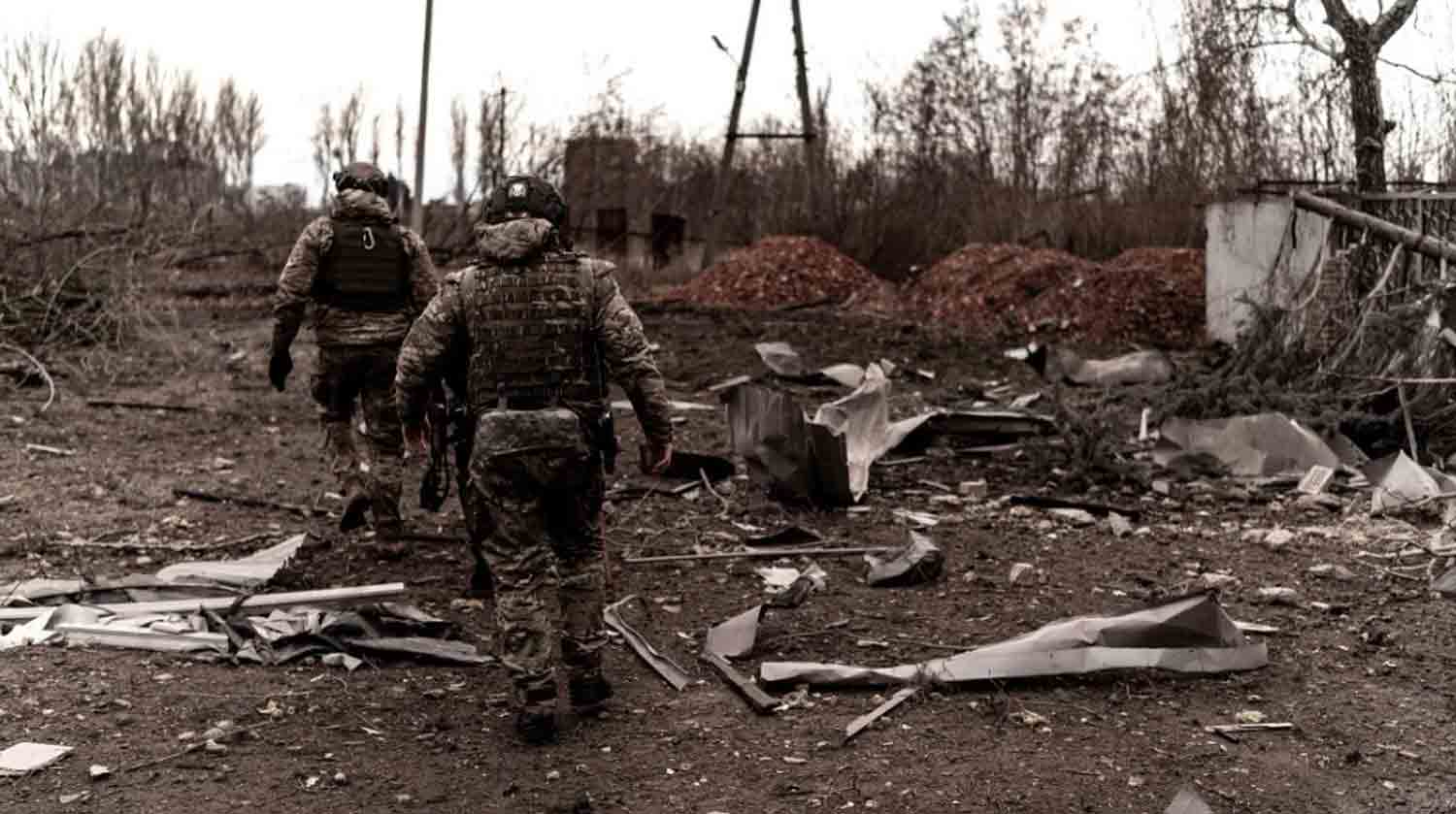
Soldiers walk among debris as civilians evacuate Pokrovsk in eastern Ukraine.

Could a ceasefire agreement ultimately prove to be a hidden catastrophe for Ukraine?

This pressing concern resonates within Ukrainian frontline bunkers and the devastated remnants of besieged cities, where pervasive fatigue yearns for peace, yet a hard-earned skepticism towards Russia prevails.

The sources of anxiety are numerous. Is there any guarantee that a ceasefire would be maintained? Would Russia merely exploit it to regroup and launch another offensive? Is Moscow even interested in a ceasefire, considering its current territorial gains? Would Ukraine’s allies continue to provide military support if they perceived that diplomacy had silenced the weapons?

The displays in front of Volodymyr Sablyn, a battalion commander in the 66th mechanized brigade, reveal a harrowing narrative of Ukraine’s contemporary yet brutally archaic battlefield. Small, inexpensive drones hover over the scarred and battered trenches surrounding Lyman—a chaotic blend of frozen mud, debris, bunkers, and the grim term “beetroot” used to describe human remains that cannot be recovered.

“If a ceasefire is established now, it will only worsen our situation,” Sablyn remarked to CNN this week. “The enemy will take the opportunity to recover, reorganize their forces, and strike again.”

Sablyn enlisted in February 2015, during the time when Russian separatists seized the Donetsk town of Debaltseve despite a supposed truce. Now, along the eastern front, ceasefires from a decade ago that offered little more than a facade for further Russian military progress serve as stark reminders of the critical need for vigilance in negotiations.

The situation under Sablyn’s command reveals a critical vulnerability in Kyiv’s defense: the ongoing Russian offensives and the acceptance of casualties have taken advantage of the city’s insufficient infantry presence. As Sablyn’s troops launch mortars at the frontlines in Lyman, Russian forces are making significant progress toward the strategic military center of Pokrovsk to the south. The speed at which they are encircling this area is alarming, and once it is captured, there will be few significant urban centers left between Russian troops and the major cities of Dnipro and Zaporizhzhia.

In this context, hope plays a crucial role, particularly the notion frequently articulated by Ukrainian officials that European or NATO forces could offer security assurances to Kyiv by being deployed in frontline regions, effectively acting as peacekeepers.

A European defense official recently informed CNN that there are “active discussions” regarding such support. A ceasefire, followed by the deployment of European NATO members to oversee a demilitarized zone, is a central element of a peace proposal put forward by Gen. Keith Kellogg, the new U.S. envoy to Ukraine, in a policy document from April.

Sablyn remarked, “If NATO were to send troops to Ukraine, it would ensure security for the nation. Despite their claims of invulnerability, Russia is indeed wary of America and NATO as a collective force.”

As dusk approaches the forward artillery units of the 66th, the prospect appears fraught with overwhelming danger. The risk posed by Russian drones is particularly severe, as these units can be targeted when the sun dips below the horizon and visibility diminishes.

A unit commander accompanying us checks his handheld device to confirm the departure of Russian surveillance drones. We wait for 10 minutes until the signal indicates it is safe, then swiftly move across the rocky terrain toward a tree line where aging artillery pieces provide consistent “suppressing fire” against Russian positions.

In this environment, the notion of peace is taken with utmost seriousness, yet those who dwell underground remain doubtful.

“There is only a 30% chance of a ceasefire,” remarked one soldier, Viktor. “The current situation on the front does not suggest that a truce is forthcoming. It’s quite challenging.”

Another soldier, Andriy, added, “I estimate it’s 40%. The opposing side is gaining ground and seizing territory. We, for the most part, have little leverage.”

The increasing openness of the troops, who months prior would have only expressed rehearsed optimism about victory, mirrors the sentiments of weary civilians from frontline areas.

Larysa, 72, slowly makes her way through the devastated streets of Lyman, her gold teeth glinting against the backdrop of shell-damaged concrete.

She expressed, “We’ve experienced 19 attacks today… 19 since this morning. My husband is keeping track, while I rely on sleeping pills. Then he wakes me up to ask, ‘Did you keep count?’”

Tears filled her eyes when questioned about her decision to remain in a town that was first invaded by Russia in 2022, later liberated by Ukrainian forces, and now facing renewed pressure from Russian troops just 10 kilometers (6.2 miles) away.

“Here, I fled barefoot; over there, I swam in the river,” she said, pointing towards the outskirts of the town. “I’m 72 years old, and I don’t want to leave. All my three brothers are buried here, along with my aunts, uncles, father, and mother. I can’t abandon this place.”

She expressed little sympathy for Kyiv, describing the Ukrainian soldiers she encounters in local stores as disheveled. She recounted how a friend’s family of seven had to leave Lyman two weeks ago and ended up living in a stable in nearby Poltava. “A stable! But it was clean, and there was some hay.”

Larysa remarked that Trump would not differ from Biden, whom she claimed to have heard on television attempting to purchase parts of eastern Ukraine for his son, likely reflecting misleading Russian narratives. She places her hopes on the Kremlin as the ultimate decision-maker.

“Nobody is going to resolve this. Only Putin can, if he decides, ‘That’s enough; I’ve already caused so much death.’” She nodded in agreement when asked if peace through Putin is the only viable option moving forward.

A bus waits behind her, gathering locals who continue to move in and out of the abandoned town for shopping. The only one who speaks is the driver, Dima, who shares that he went to Russia when the invasion began to stay with relatives and has only recently returned. He expresses his familiarity with destruction and his hope for peace, stating, “It’s all politics. Nothing depends on us. As it is decided, so it will be.”

For many, the past decade has been marked by upheaval and grief.

Inesa, 60, sits by herself in the central square of Slovyansk, a place where, ten years ago, Russian-backed separatists took control of the local administration building and clashed with the Ukrainian military amid ongoing ceasefires, negotiations, and Russian offensives.

Reflecting on the past, she recalls that despite the turmoil of separatism, there was still employment and a sense of hope. Now, she and her mother are the only ones left in Slovyansk, a significant target for Russia in Donetsk, while the rest of her family has been dispersed around the globe due to the war.

“Now there is no future,” she laments. “We don’t see it. Who does? I just want it to end. End the bombing.”

Germany is deploying drones equipped with artificial intelligence technology to Ukraine

0
German-made autonomous ground drones Gereon RCS.

The initial shipment of German-manufactured autonomous ground drones has arrived in Ukraine, signaling a significant advancement in the application of artificial intelligence within contemporary military operations.

ARX Robotics, a defense technology company based in Germany, has commenced mass production of its Gereon RCS drones, with plans to deliver 30 units to the Ukrainian Armed Forces by early February.

These AI-powered drones are engineered to transport supplies and facilitate the evacuation of injured soldiers from combat zones, thereby improving logistical operations on the battlefield while minimizing risks to frontline personnel. The German government is financing this delivery, as reported by Deutsche Welle on January 30.

The Gereon RCS drones are equipped to navigate independently, delivering critical supplies such as ammunition and medical kits to frontline locations. Additionally, they function as evacuation platforms, safely retrieving injured individuals from perilous areas and reducing human exposure to enemy fire.

“The main objective is to deliver essential logistical support while safeguarding the lives of soldiers,” stated ARX Robotics CEO Roberta Randerath. The introduction of these drones is expected to lessen the necessity for personnel in high-risk evacuation scenarios, enabling Ukrainian forces to concentrate on maintaining their defensive positions.

Germany has played a pivotal role in providing military assistance to Ukraine, delivering tanks, air defense systems, and artillery. The recent deployment of AI-driven ground drones signifies a shift in Berlin’s support approach, incorporating cutting-edge technology into Ukraine’s defense framework.

The Gereon RCS exemplifies a growing trend towards autonomous military technologies, designed to boost operational efficiency and enhance survivability in contemporary combat situations. While aerial drones have been instrumental in Ukraine’s efforts against Russian forces, ground-based robotic systems have the potential to improve logistics on the battlefield and facilitate casualty evacuation.

With ongoing production at ARX Robotics, additional shipments of these drones are anticipated, further empowering Ukraine to maintain frontline operations while reducing the risk to personnel from enemy fire.

US Air Force has granted a $16.8 million contract for support services related to AWACS

0
US Air Force AWACS

Plexsys Interface Products Inc., located in Camas, Washington, has been awarded a firm-fixed-price contract worth $16.8 million for the E-3G Airborne Warning and Control System (AWACS).

According to a contract announcement from the U.S. Department of Defense on January 31, the contract encompasses the operation and maintenance of the system, management of diminishing manufacturing sources, updates to hardware and software for field systems, enhancements to the distributed mission operations network mission package, and support for the 558th Software Engineering Squadron.

The work will take place in Camas, Washington, with an expected completion date of January 31, 2029. This acquisition was conducted on a sole source basis, with fiscal 2025 operations and maintenance funds allocated at the time of the award.

The contracting activity for this initiative is the Air Force Lifecycle Management Center at Hanscom Air Force Base, Massachusetts, under contract number FA2371-25-C-B001. The contract is designed to meet current operational requirements while ensuring the necessary support and updates to sustain the E-3G Airborne Warning and Control System’s capabilities.

The E-3G AWACS is a vital component of the U.S. Air Force’s airborne surveillance and command and control operations. With its advanced radar system, the aircraft delivers real-time battlefield awareness, manages airspace, and provides early warning for both aerial and ground threats. This system is essential for U.S. and allied air operations, facilitating missions that range from air superiority to homeland defense.

This agreement signifies a dedicated initiative to assist the Air Force in its continuous operations and maintenance demands, guaranteeing that the system remains aligned with mission requirements in a changing defense landscape.

US Navy has announced an extension of the operational lifespan of the Trident II missile until 2084

0
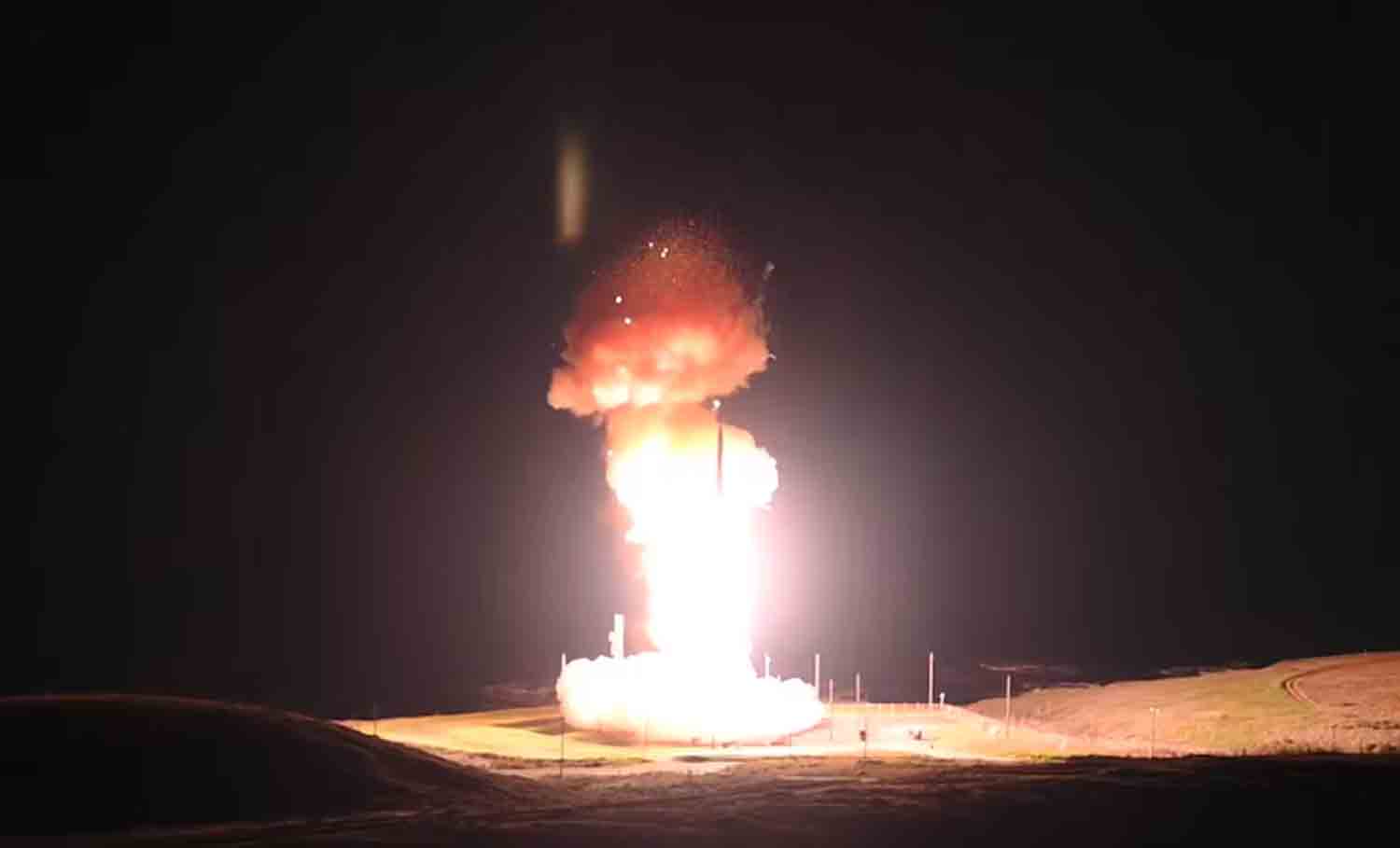
Trident II D5LE Missile

The U.S. Department of Defense (DoD) has granted Lockheed Martin a contract modification worth $383 million to further advance the Trident II (D5) Life Extension 2 (D5LE2) program.

This agreement, revealed on January 31, allows Lockheed Martin to continue its efforts on the next generation of the U.S. Navy’s strategic deterrent system, which is designed to maintain its reliability until 2084.

The modification (P00004) to contract N0003024C0100, structured as a cost-plus-incentive-fee and cost-plus-fixed-fee arrangement, provides funding for the advanced design and development of the Trident II (D5) Strategic Weapons System (SWS) Life Extension 2 program. The work will take place at various locations, including Denver, Colorado (55%); Cape Canaveral, Florida (8%); Magna, Utah (4%); Titusville, Florida (3%); and other sites across the United States, with an expected completion date of September 30, 2030.

Funding for the contract will come from Fiscal Year 2025 Navy weapons procurement funds amounting to $382.1 million, along with $1 million from the Navy’s Research, Development, Technical, and Engineering budget.

The Trident II D5 missile system is a fundamental element of the U.S. Navy’s sea-based nuclear deterrence strategy. Lockheed Martin’s Life Extension 2 program aims to enhance the missile’s capabilities to ensure its effectiveness on the upcoming COLUMBIA-class ballistic missile submarines.

The extension of the Trident D5 missile’s lifespan will allow the United States and the United Kingdom, through the Polaris Sales Agreement, to uphold a credible deterrent against emerging threats, stated Jerry Mamrol, vice president of Fleet Ballistic Missiles at Lockheed Martin. “We take pride in our ongoing vital collaboration with the U.S. Navy as we transition deterrence into this new era.”

The Trident II (D5) is currently in service on U.S. OHIO-class and U.K. VANGUARD-class submarines. Lockheed Martin has been a key supporter of the Navy’s Fleet Ballistic Missile (FBM) program for nearly seven decades, continuously developing and maintaining these systems to safeguard national and allied security.

Lockheed Martin is establishing a new 225,000-square-foot facility in Titusville, Florida, focused on producing components for the D5LE2 missile. This facility will enhance the company’s presence on Florida’s Space Coast and is expected to generate around 300 new jobs.

“Under the leadership of Governor Ron DeSantis, Florida is committed to investing in our aerospace, aviation, and defense sectors, creating high-skill, high-wage employment opportunities in the state,” remarked Florida Secretary of Commerce J. Alex Kelly. “Strategic investments like this are vital for advancing Florida’s workforce, adding 300 new jobs, and fostering economic growth in local communities.”

The new facility is projected to be operational by 2027, in line with the Navy’s production timeline for the D5LE2 system. This investment highlights Lockheed Martin’s dedication to ensuring the sustainability of the Trident missile program while reinforcing America’s defense industrial base.

Malaysia is expected to finalize the acquisition of Kuwait’s F/A-18C/D Hornet fighter jets this year

0
Kuwait's F/A-18C/D Hornet Fighter Aircraft.

Malaysia’s Ministry of Defence is anticipated to conclude the acquisition of F/A-18C/D Hornet fighter jets from the Kuwait Air Force (KAF) for the Royal Malaysian Air Force (RMAF) within this year, as reported by the national news agency Bernama.

Deputy Defence Minister Adly Zahari indicated that the procurement process for the pre-owned fighter jets is nearing completion, with ongoing documentation involving the aircraft manufacturer, the United States, and the current operator, the Kuwait Air Force.

He stated, “Currently, the acquisition of 30 aircraft is in the final stages of negotiation following KAF’s approval, as both parties have reached a preliminary agreement on our intention to expedite the acquisition.”

The Deputy Minister also noted that Malaysia is facing time constraints, and one viable solution is to procure used assets after thorough evaluation by the RMAF. “According to their assessment, there is a clear necessity for these aircraft, which still retain significant capabilities. In the long term, they can play a crucial role in enhancing the nation’s defense and sovereignty,” he remarked.

In October of the previous year, Defence Minister Datuk Seri Mohamed Khaled Nordin visited Kuwait to examine the F/A-18C/D Hornet fighter jets closely. He, along with the Malaysian delegation, toured Ahmad Al-Jaber Air Base, which houses Squadron 9, responsible for operating the Kuwait Air Force’s F/A-18C/D Legacy Hornet fleet. RMAF Chief General Tan Sri Mohd Asghar Khan Goriman Khan accompanied Mohamed Khaled during this visit.

The Malaysian Defence Minister received a briefing from Kuwait Air Force pilots regarding the status, capabilities, and operational readiness of Kuwait’s F/A-18C/D fighters. He also had the chance to evaluate the condition of several of these strategic assets firsthand.

In June of the previous year, a technical team from the Royal Malaysian Air Force (RMAF) traveled to Kuwait to engage in discussions concerning the procurement of fighter jets.

The RMAF Chief indicated that Kuwait’s F/A-18D Hornets are well-maintained and have fewer operational hours than Malaysia’s existing Hornet fleet.

Mohamed Khaled mentioned that the Kuwaiti government had previously expressed favorable views on Malaysia’s interest in acquiring the KAF’s F/A-18C/D Legacy Hornets. The Defence Minister stated that both Malaysia and Kuwait have agreed to form a joint committee to commence discussions and negotiations regarding the acquisition of the Kuwaiti fighter jets. “Malaysia and Kuwait have agreed to set up a joint committee to begin talks and negotiations for the procurement of the Legacy Hornet fighter jets,” he remarked.

Malaysia intends to acquire the Kuwait Air Force’s F/A-18C/D Hornets as a temporary solution until the RMAF is equipped with new Multi-Role Combat Aircraft (MRCA).

Kuwait has opted to retire its F/A-18C/D fleet following the acquisition of F/A-18E/F Super Hornets and Eurofighter Typhoons. To replace the Legacy Hornets, Kuwait has ordered 28 Super Hornets, which include 22 single-seat F/A-18E and six two-seat F/A-18F aircraft, set to operate from Ahmed Al-Jaber Air Base. Additionally, Kuwait has procured 28 Eurofighter Typhoon jets from BAE Systems, with an estimated cost of US$8.7 billion (RM38.73 billion).

Russia’s Iskander-1000 missile has raised significant concerns in Europe, seen as a potential “game changer”

0
Iskander-M tactical ballistic missile.

In a development that could significantly alter the security landscape of Europe, Russia has reportedly commenced mass production of its latest ballistic missile variant, the Iskander-1000. Military analysts have characterized this weapon as a potential “game changer.”

The Iskander-1000 represents a substantial upgrade to the Iskander-M ballistic missile system, boasting an impressive range of up to 1,000 km—twice that of its predecessor, which had a maximum range of 500 km. This advancement not only enhances Russia’s firepower but also signifies a strategic shift that could place large portions of Europe within its targeting capabilities, compelling NATO and its allies to address an escalating threat that may necessitate a comprehensive reassessment of their missile defense systems.

The dynamics of the situation have shifted, with Europe now firmly within range.

Sources indicate that the Iskander-1000 is anticipated to double the range of the original system, thanks to improvements such as a more efficient engine and a roughly 15% increase in fuel capacity. The missile was first introduced to the public in May of the previous year through a video presentation during the 78th anniversary of the Kapustin Yar missile testing facility.

A key enhancement that sets the Iskander-1000 apart from the Iskander-M is the incorporation of a modernized rocket engine and a new fuel mixture, which together facilitate greater speeds and an extended operational range. To maintain its effectiveness against interception, the missile will be outfitted with sophisticated countermeasure systems, including both passive and active decoys designed to mislead enemy interceptor missiles.

The Iskander-1000 is set to incorporate an advanced guidance system that merges an Autonomous Inertial Navigation System with satellite corrections, and potentially utilizes radar guidance in the terminal phase of its flight to achieve exceptional accuracy. The integration of Terrain Contour Matching (TERCOM) technology significantly boosts its precision, achieving a Circular Error Probable (CEP) of no more than 16 feet (4.88 meters). Defense analysts assert that the Iskander-1000 is not merely a minor enhancement; it marks a pivotal transformation in Russia’s missile capabilities.

If fully operational, this missile could substantially reshape the strategic environment, compelling NATO to reassess its missile defense strategies throughout Europe. NATO may find it necessary to reposition its air defense systems, such as the Patriot or SAMP/T, further away from Russian borders or even explore the development of new air defense technologies to address this emerging threat. Analysts indicate that the Iskander-1000 could be employed to strike high-value targets, including airbases with F-16 fighter jets in Ukraine or other critical sites across Europe.

One of the primary locations for the deployment of the Iskander-1000 is expected to be Kaliningrad Oblast, a Russian exclave adjacent to NATO countries Poland and Lithuania. Stationing the missile system in this region would enable Moscow to pose a threat to significant areas of Central and Eastern Europe, including vital NATO military facilities. Military analysts have indicated that this action would serve as a clear warning from Russia, demonstrating its capacity to strike nearly any point in Europe while countering NATO’s missile defense systems in Poland and the Baltic nations.

Another possible deployment site is along Russia’s border with Ukraine, especially in Crimea and the eastern Ukrainian regions currently under Russian control. Analysts have pointed out that positioning the Iskander-1000 in these locations would not only heighten tensions but also directly challenge Ukraine’s security and military framework.

Such a deployment would highlight Russia’s ability to execute deep-strike operations within Ukrainian territory, potentially targeting airbases, command centers, and other critical assets, thereby further affecting the dynamics of the ongoing conflict.

In the northern territories, potential deployments near St. Petersburg or in Karelia may be contemplated if Russia intends to convey a strategic message to Finland, particularly in light of Finland’s recent NATO membership.

This positioning would bring essential Finnish military facilities within range, acting as a deterrent against any perceived risks stemming from NATO’s expansion. Enigmatic in nature, Russia’s Iskander-1000 remains largely undisclosed, yet satellite images and leaked information suggest a formidable missile system that could alter the dynamics of regional security. As the global community awaits concrete information, one fact is clear: the Iskander-1000 represents more than just another armament—it signifies a strategic upheaval, ready to challenge Europe, the United States, and their allies, compelling a thorough reassessment of missile defense approaches in response to an extraordinary threat.

F-16s have been deployed to Greenland in response to ongoing threats

0

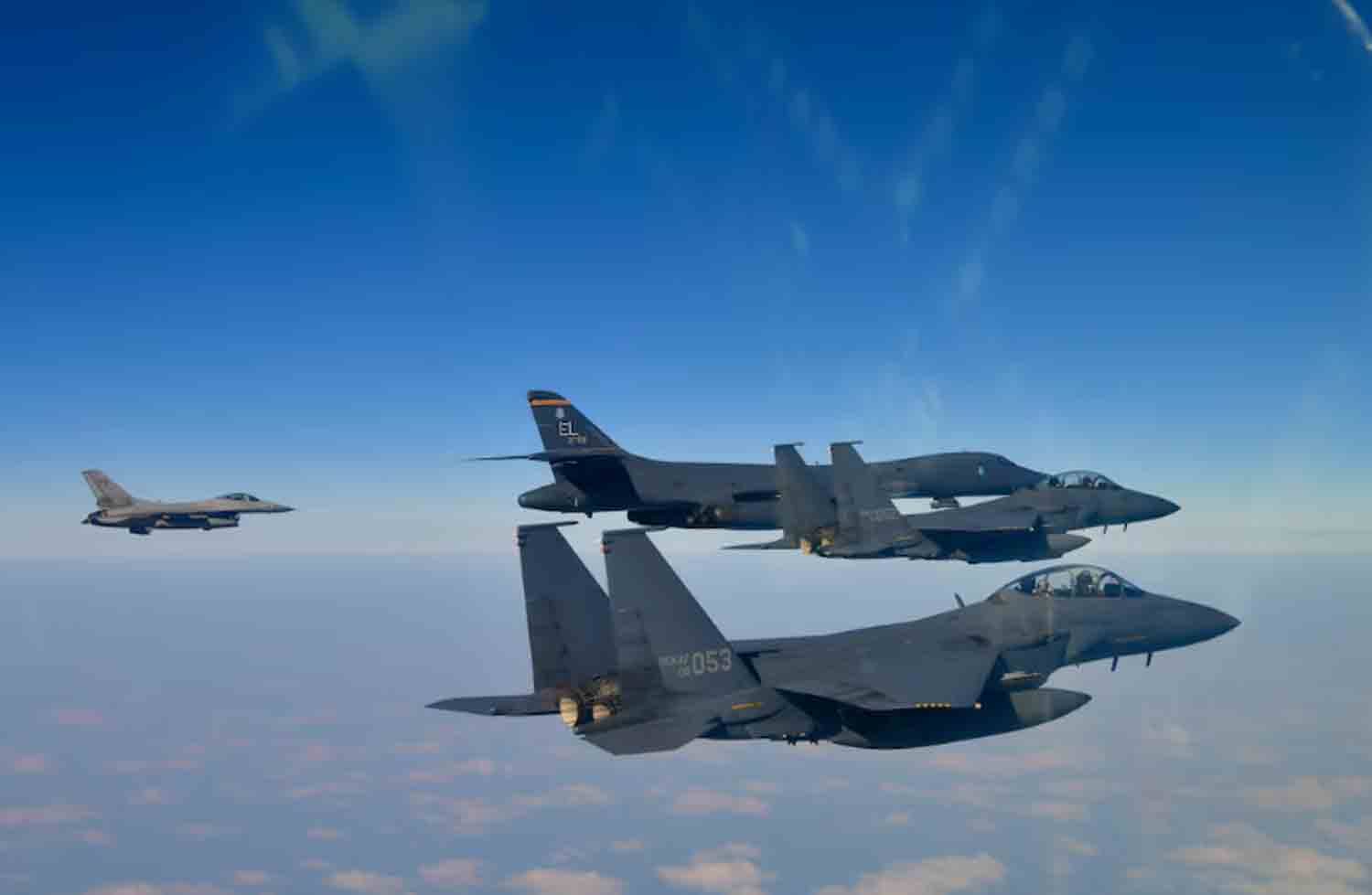
Tensions in the Arctic are escalating, underscored by a recent U.S. military action that signals the region’s transformation into a sphere of influence. Just days ago, U.S. Secretary of State Marco Rubio disclosed that he had “just observed the activity of several Russian military aircraft in the Arctic.” While specifics regarding the aircraft were not provided, the announcement was sufficient to raise concerns and prompt a scramble of jets.

Although these Russian aircraft did not enter the air defense identification zones (ADIZ) of Alaska or Canada, their presence elicited a swift response. Two CF-18s from the Royal Canadian Air Force, two USAF F-35As, an E-3 AWACS, and a KC-135 tanker were deployed to monitor the situation. Officially, NORAD downplayed the incident, asserting that the Russian activity was “not considered a threat.”

However, the subsequent deployment of two F-16s to Greenland was hard to overlook. The official explanation cited a “standard agreement with Greenland to enhance NORAD’s Arctic presence,” but the underlying implication was a strategic maneuver.

Not long ago, such developments might not have made headlines. Yet, the landscape shifted dramatically following Trump’s reelection. Greenland has reemerged as a focal point for Washington, with heightened stakes involved.

The Arctic is experiencing warming trends—both in temperature and geopolitical dynamics. The melting ice is revealing new shipping routes, mineral resources, and strategic positions. China is acutely aware of this, having invested significantly in Greenland’s infrastructure and mining sectors, which has raised alarms in Washington.

Denmark, on the other hand, is less than pleased. When Trump initially proposed the idea of purchasing Greenland, it was met with ridicule. Now, the conversation has returned with serious implications. Reports indicate that a recent discussion between Trump and Danish Prime Minister Mette Frederiksen was “tense,” with the Financial Times suggesting that economic pressure, including potential sanctions, could be on the horizon.

Denmark faces a significant challenge: it lacks the military capabilities necessary to secure Greenland effectively. Even with its planned investment in a fleet of thirty-seven F-35As, Copenhagen will not have sufficient resources to assert control over the Arctic airspace. This creates a strategic gap that the United States is eager to exploit.

On January 30, Senator Rubio emphasized the importance of Greenland in terms of national security. During an appearance on SiriusXM radio, he remarked, “President Trump has made it clear that he intends to purchase Greenland. This issue transcends mere territory; it is fundamentally about power. It is a national security concern that requires urgent attention.”

Rubio further warned, “It is entirely plausible that China will attempt to replicate its actions in the Panama Canal with Greenland. If we fail to take action, we risk losing our influence.”

While Beijing has yet to respond, the dynamics in the Arctic are rapidly evolving. The deployment of F-16s to Greenland, framed as routine operations, serves not only to enhance readiness but also to assert dominance. Washington is ensuring that its intentions are unmistakably communicated to all parties, including Moscow, Beijing, and Copenhagen.

The decision to deploy F-16s to Greenland is strategically sound for several reasons. As a highly adaptable multi-role fighter, the F-16 combines speed, range, and versatility, making it well-suited for the unique challenges of Arctic operations. Its established effectiveness in both air-to-air and air-to-ground missions equips it to address a variety of scenarios, from deterrence to swift responses in case of incursions.

Greenland’s expansive and isolated terrain poses distinct challenges, especially in terms of achieving air superiority and conducting surveillance operations. The F-16 fighter jet, with its comparatively low operational costs relative to more sophisticated fifth-generation aircraft, enables a sustained presence without imposing significant logistical burdens.

Its ability to refuel in the air significantly enhances its operational range, which is crucial given the vast distances and the absence of permanent fighter bases in the area.

The severe Arctic environment necessitates aircraft capable of functioning efficiently in extreme cold, erratic weather, and under limited infrastructure conditions. The F-16’s durable construction and straightforward maintenance requirements make it particularly suitable for rapid deployment and ongoing operations in challenging settings. In contrast to larger, more intricate systems, it demands less logistical support, facilitating swift turnaround times and adaptable basing strategies.

From a strategic standpoint, the F-16 serves as a visible and credible deterrent against potential threats. Its deployment demonstrates a commitment to Arctic security without the escalation that might accompany the permanent stationing of more advanced platforms like the F-35. Additionally, the fighter’s ability to integrate effectively with allied forces, including those from NATO and NORAD, further bolsters its utility in collaborative missions.

In situations that demand swift interception, the F-16’s exceptional thrust-to-weight ratio and maneuverability enable it to accurately engage and monitor potential threats. Equipped with state-of-the-art radar and missile systems, it is capable of addressing both traditional and unconventional threats within Arctic airspace. Its versatility in carrying a variety of air-to-air and air-to-ground munitions allows it to respond effectively to changing mission demands.

The decision to deploy the F-16 to Greenland is a strategic one, reflecting a balance of capability, cost-effectiveness, and operational adaptability. It serves as an immediate force enhancer in a region where maintaining presence and quick response is essential.

As interest in the Arctic region intensifies geopolitically, having a dependable and combat-tested platform ensures that any threats to regional stability can be addressed with prompt and decisive measures.

Greenland possesses significant military-strategic importance due to its location, abundant natural resources, and its role in the global power landscape. For the United States, the island is vital for Arctic defense, serving as a forward operating base for monitoring activities by Russia and China in the area.

Thule Air Base, the U.S. military’s most northern facility, is essential for missile warning, space surveillance, and Arctic air operations. With Arctic sea routes becoming increasingly navigable as a result of climate change, Greenland’s significance as a base for maritime and aerial operations is set to increase.

Securing access to and influence over Greenland enables Washington to uphold its strategic superiority in the Arctic while thwarting potential adversarial advances.

As the sovereign state of Greenland, Denmark grapples with the need to balance its NATO obligations against its limited military resources. The extensive territory of Greenland poses significant defense challenges for Denmark, which has relatively modest air and naval capabilities, thereby making U.S. military collaboration vital for regional security. Danish policy seeks to strengthen its sovereignty while utilizing American military presence to counter Russian and Chinese interests.

Moreover, Copenhagen must navigate domestic political sensitivities concerning Greenlandic autonomy and its own geopolitical positioning between NATO and European Union priorities. The island’s growing geopolitical significance has led Denmark to increase its Arctic defense expenditures, yet its dependence on U.S. support remains a crucial strategic element.

For Russia, Greenland plays a pivotal role in its Arctic militarization and power projection efforts. The Kremlin has notably enhanced its military presence in the Arctic by reactivating Soviet-era bases, deploying sophisticated air defense systems, and intensifying submarine patrols.

Control over Arctic shipping lanes, especially the Northern Sea Route, is central to Moscow’s economic and military strategy. Although Greenland itself is not directly contested by Russia, its proximity to essential Russian Arctic infrastructure renders it a vital area for NATO surveillance and deterrence.

The stationing of U.S. forces on the island complicates Russian strategic calculations, constraining its operational freedom in the North Atlantic and Arctic regions.

China perceives Greenland mainly as a venue for economic and strategic growth. Beijing has sought to enhance its influence through investments in infrastructure, extraction of rare-earth minerals, and collaborative research initiatives, all while aiming to establish a presence in the Arctic under the pretext of economic development.

Although China does not maintain a direct military presence in the area, its long-term strategy focuses on creating dual-use infrastructure that could eventually facilitate logistical or strategic operations. The abundant resources of Greenland, particularly its significant rare-earth mineral deposits essential for contemporary technology, render it an attractive target for Chinese economic engagement.

This situation has sparked apprehension in both Copenhagen and Washington, prompting initiatives to mitigate Chinese investments and avert the formation of strategic dependencies.

As geopolitical tensions in the Arctic escalate, the strategic importance of Greenland is expected to increase. The United States aims to uphold its dominance, Denmark must navigate the balance between sovereignty and military constraints, Russia regards the Arctic as a vital arena for power projection, and China is keen on pursuing long-term economic and strategic prospects.

The future of Greenland’s involvement in global security will be influenced by these competing interests, with potential conflicts arising over resource management, military presence, and geopolitical sway in an increasingly contested Arctic.

Russia deploys carrier-capable MiG-29K fighters to the Arctic region without an aircraft carrier

0
carrier-based MiG-29K fighter jet.

The Russian Navy has stationed carrier-based MiG-29K fighter jets in the Arctic to conduct a series of prominent combat exercises. These drills featured operations in polar twilight conditions, where visibility is limited yet essential for effective combat maneuvers.

During the exercises, pilots engaged in dogfighting, interception, and strike missions, replicating real-world combat situations. Following the rigorous training, the aircraft returned to their home base at Severomorsk-3.

This deployment of MiG-29Ks in the Arctic aligns with Moscow’s heightened focus on the region. NATO is closely observing the developments, particularly as Russia’s Tu-160 strategic bombers have recently undertaken long-range patrols over international Arctic waters, signaling a show of strength that is likely to attract Western scrutiny.

The MiG-29K represents the most advanced version of the MiG-29, specifically designed for naval operations. It features an electronically scanned array radar, a digital cockpit, and the capability to launch advanced air-to-air and air-to-ground missiles, making it suitable for precision strikes in contested areas.

The aircraft’s development was significantly supported by an Indian order for 42 jets, which subsequently allowed Russia to acquire 22 units for its sole aircraft carrier, Admiral Kuznetsov. Initially, the Russian Navy explored a modified Su-27 for carrier use, but the availability of the MiG-29K production line and its lower costs made it a more practical choice.

Due to delays in the modernization of the Kuznetsov, Russian naval aviators have primarily conducted their MiG-29K training from land-based airfields. Nevertheless, the aircraft has been deployed in real-world scenarios, including NATO intercepts and combat missions in Syria, where its precision targeting capabilities have proven highly effective.

As Russia expands its military presence in the Arctic and increases the frequency of strategic bomber deployments, the MiG-29K exercises convey a clear message: Moscow remains resolute in maintaining its influence over this vital region.

The choice to deploy MiG-29K fighter jets to the Arctic is a calculated decision, influenced by a range of tactical, operational, and strategic factors that support Russia’s overarching military goals in the area.

On a tactical front, the MiG-29K possesses distinctive capabilities that make it particularly effective for operations in the Arctic. As a carrier-based multirole fighter, it is engineered to operate from shorter runways and in challenging environments, making it ideal for Arctic airfields that may not have the extensive infrastructure necessary for larger aircraft such as the Su-30SM or Su-35.

Its robust landing gear, retractable wings, and durable airframe enable it to endure severe environmental conditions, including icy runways and strong crosswinds typical of the Arctic region.

Additionally, the MiG-29K is equipped with an advanced avionics suite, featuring an electronically scanned array radar that significantly improves situational awareness in low-visibility scenarios, providing a critical edge during operations in polar twilight or amidst intense Arctic storms.

From an operational perspective, the introduction of MiG-29Ks enhances Russia’s capacity to perform air superiority, interception, and strike missions in the Arctic, minimizing dependence on ground-based infrastructure that may not always be accessible.

Due to the ongoing delays in bringing the Admiral Kuznetsov back to operational readiness, the Russian Navy has had to modify its naval aviation strategy, focusing on training carrier-based pilots primarily from land facilities. The Arctic region serves as an excellent environment for this training, as it replicates the severe conditions pilots would encounter during naval missions.

Additionally, the MiG-29K’s versatility enables it to perform both air defense and ground attack operations, making it a valuable resource for safeguarding Russian interests in the Arctic. This aircraft can be equipped with a range of air-to-air and air-to-ground munitions, such as R-77 medium-range missiles and Kh-35 anti-ship missiles, allowing it to effectively counter both aerial and maritime threats in the area.

On a strategic front, Russia’s military footprint in the Arctic is rapidly increasing as part of a comprehensive initiative to reinforce its territorial claims and maintain control over vital trade routes, including the Northern Sea Route.

The Arctic is becoming a more contested region, with NATO nations, especially the United States, Canada, and Norway, enhancing their military operations in response to Russia’s expanding influence. The deployment of MiG-29Ks to this area clearly indicates Russia’s readiness to utilize military resources to protect its interests in the Arctic.

The timing of these exercises is particularly noteworthy, as they align with an uptick in U.S. and NATO reconnaissance flights and naval operations in the Arctic. By showcasing its ability to deploy advanced fighter aircraft in such harsh conditions, Russia is bolstering its assertion that it can effectively project air power in the region, thereby deterring any potential challenges to its supremacy.

Another important aspect to consider is the possibility of future aircraft carrier operations in the Arctic. Although the Admiral Kuznetsov is currently out of commission, Russia has shown interest in enhancing its naval aviation capabilities, with ongoing discussions regarding prospective carrier designs.

Training MiG-29K pilots in Arctic conditions could serve as a preparatory measure for future carrier operations in the region, where Russia may aim to establish a more permanent presence of naval aviation assets. In light of the escalating militarization of the Arctic by both Russia and Western nations, possessing a cadre of Arctic-trained naval aviators would confer a considerable strategic advantage.

Thus, Russia’s decision to deploy MiG-29Ks to the Arctic is a strategic maneuver that fulfills multiple objectives. From a tactical perspective, the aircraft’s carrier-based design is particularly well-suited for the demanding Arctic environment.

Operationally, it offers a versatile, multirole platform capable of executing a variety of missions, including air defense, interception, and maritime strikes. Strategically, it strengthens Russia’s military stance in the Arctic and conveys a robust message to NATO that Moscow is ready to safeguard its interests in the region.

By incorporating MiG-29Ks into its Arctic defense strategy, Russia is not only improving its current operational capabilities but also establishing a foundation for future power projection in one of the world’s most strategically contested areas.