The U.S. Department of Defense (DOD) says that Operation Epic Fury officially began in the early hours of February 28, following direct authorization from the President of the United States.
According to the Pentagon, the operation was launched by United States Central Command (CENTCOM) at approximately 1:15 a.m. Eastern Time, initiating coordinated strikes against Iranian military infrastructure assessed to pose imminent threats.
Initial Strike Objectives
According to the DOD, Day One operations prioritized dismantling elements of Iran’s security apparatus. Targets included:
- Islamic Revolutionary Guard Corps (IRGC) command and control centers
- Iranian air defense systems
- Ballistic missile launch sites
- Drone launch infrastructure
- Military airfields
The Pentagon described these sites as locations presenting an immediate operational threat to U.S. forces and regional stability.
Multi-Domain Precision Strikes
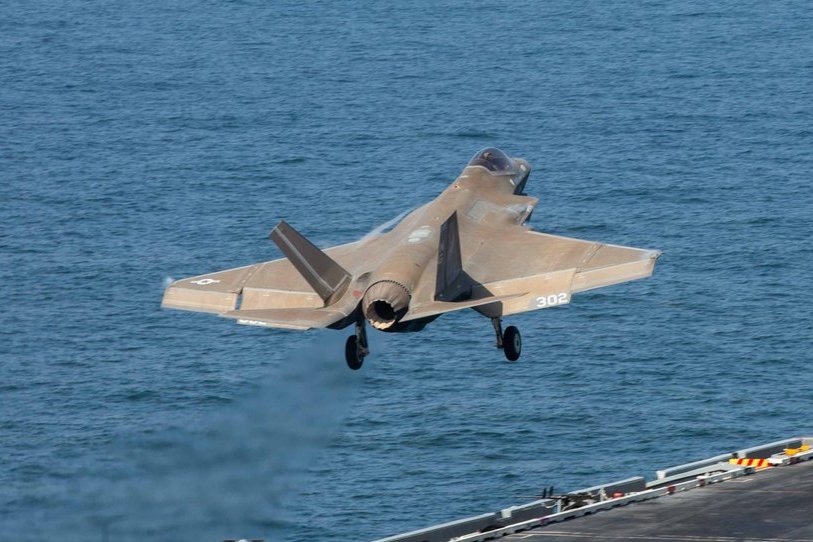
The Defense Department stated that the first wave of the campaign involved precision-guided munitions launched from air, land, and sea platforms.
This multi-domain approach underscores what officials describe as the largest regional concentration of American military firepower in a generation.
In a statement released by the Pentagon, CENTCOM Commander Brad Cooper said:
“The President ordered bold action, and our brave Soldiers, Sailors, Airmen, Marines, Guardians, and Coast Guardsmen are answering the call.”
Iranian Retaliation and U.S. Defense
According to the DOD’s account of the first 24 hours, U.S. and partner forces successfully defended against hundreds of Iranian missile and drone attacks launched in response to the strikes.
Pentagon officials reported:
- No U.S. casualties
- No combat-related injuries
- Minimal damage to U.S. installations
- No operational disruptions
The Defense Department emphasized that integrated air and missile defense systems performed effectively during the retaliatory wave.
First Combat Use of Task Force Scorpion Strike Drones
The Pentagon also confirmed that CENTCOM’s Task Force Scorpion Strike employed low-cost one-way attack drones for the first time in combat.
According to the DOD, these systems were integrated alongside conventional precision weapons, representing an evolution in U.S. strike doctrine that combines advanced firepower with scalable unmanned systems.
Largest Firepower Deployment in Decades
The Defense Department characterized Operation Epic Fury as involving the most significant regional deployment of American military firepower in a generation.
While specific force numbers were not disclosed, officials indicated that the operation integrates:
- Advanced strike aircraft
- Naval missile platforms
- Land-based precision systems
- Layered air and missile defenses
Pentagon Framing of Day One
According to the DOD’s official framing, Day One of Operation Epic Fury focused on:
- Neutralizing imminent threats
- Degrading Iranian missile and drone infrastructure
- Maintaining force protection
- Demonstrating rapid response capability
The Pentagon has not provided a timeline for subsequent phases but indicated that operations will continue as necessary.