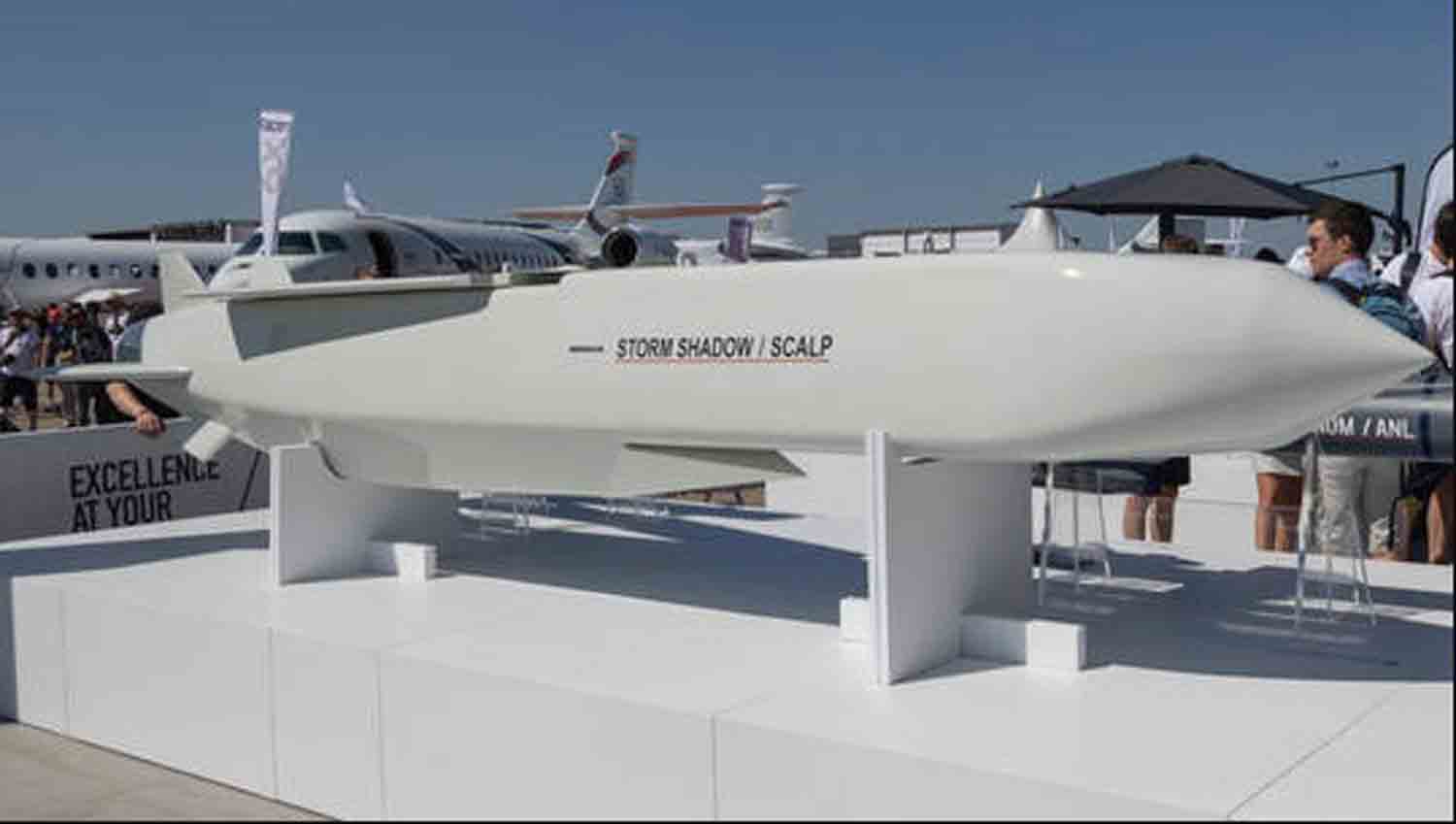
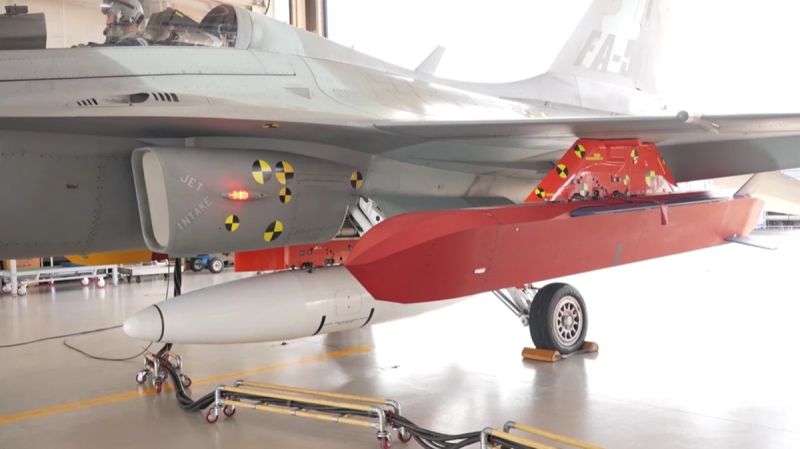
South Korea has achieved a major milestone in its indigenous missile development programme after successfully completing the technical flight test of the Cheonryong (KALCM) air-launched cruise missile, a weapon widely regarded as the country’s domestic equivalent of the German-made Taurus KEPD 350.
The successful test marks an important step toward strengthening the Republic of Korea Air Force’s long-range precision strike capability as Seoul continues modernising its military in response to growing missile and nuclear threats from North Korea.
Cheonryong Üçüncü Denemede Başardı
Güney Kore’nin yerli olarak geliştirilen sığınak delici seyir füzesi Cheonryong, iki başarısız denemenin ardından ilk uçuş testini tamamladı.
600 km’nin üzerinde menzile sahip olması planlanan füze, Kuzey Kore’nin güçlendirilmiş yer altı… pic.twitter.com/NLbOFPEUyq
— SavunmaSanayiST.com (@SavunmaSanayiST) June 30, 2026
According to South Korean reports, the latest flight test took place on June 25, 2026, when the missile was successfully launched from an FA-50 light combat aircraft, completing its planned flight profile and validating the missile’s basic air-launch capability after months of technical challenges.
The achievement comes after two unsuccessful flight tests conducted earlier this year, demonstrating the resilience of South Korea’s expanding defence industry and its determination to develop advanced indigenous precision weapons.
Earlier Test Failures Delayed the Programme
The successful June test follows two failed technical flight tests conducted in January and March 2026.
According to reports, both earlier launches failed shortly after the missile separated from its carrier aircraft because the turbojet engine did not ignite correctly. Without propulsion, the missiles fell harmlessly into the sea.
Such setbacks are not unusual during the development of entirely new cruise missile systems. Technical flight testing is specifically designed to identify propulsion, navigation and systems integration issues before the weapon enters operational service.
The successful June trial indicates that engineers successfully identified and corrected the propulsion problems within only three months, allowing the programme to regain momentum.
The rapid turnaround also demonstrates the growing maturity of South Korea’s domestic missile engineering capability.
South Korea’s Indigenous Alternative to Taurus
The Cheonryong, officially known as the Korean Air-Launched Cruise Missile (KALCM), has been developed to complement—and eventually reduce dependence on—the imported German Taurus KEPD 350 cruise missile currently operated by the Republic of Korea Air Force.
South Korea presently fields approximately 260 Taurus missiles, acquired to provide deep-strike capability against hardened North Korean military infrastructure.
The indigenous programme aims to build a significantly larger inventory.
Current plans envision the procurement of up to 600 Cheonryong missiles, substantially expanding South Korea’s long-range strike capacity over the coming decade.
Developing a domestic alternative also offers greater production flexibility, improved supply security and freedom from foreign export restrictions that can sometimes affect access to advanced weapons.
Designed for Deep Precision Strikes
The Cheonryong is being developed as a long-range precision-guided cruise missile capable of attacking heavily defended strategic targets.
Although complete technical specifications remain classified, available information indicates the missile will possess:
- Range exceeding 500 kilometres
- Precision guidance system
- Terrain-following low-altitude flight
- High survivability against air-defence systems
- Hardened bunker penetration capability
- Precision strike against command-and-control facilities
Military analysts believe the weapon is specifically intended to support South Korea’s Kill Chain doctrine, which emphasizes rapid precision strikes against North Korean missile launchers, command centres and underground leadership facilities during the early stages of any conflict.
Because many North Korean military headquarters and missile sites are located inside deeply buried underground complexes, bunker-penetrating precision weapons remain a critical element of Seoul’s deterrence strategy.
Future Integration with the KF-21 Boramae
While the successful test was conducted using the FA-50 light combat aircraft, the missile’s primary operational platform is expected to become South Korea’s next-generation KF-21 Boramae fighter.
The KF-21 has already entered initial production and is expected to become the backbone of the Republic of Korea Air Force during the next decade.
According to current plans, full missile integration with the KF-21 is expected during 2027.
When carried by the more capable KF-21, the missile is expected to achieve its full operational range exceeding 500 kilometres, allowing South Korean aircraft to strike strategic targets deep inside North Korea while remaining outside many enemy air-defence engagement zones.
The combination of the KF-21 and Cheonryong could significantly improve South Korea’s stand-off strike capability.
Strengthening South Korea’s Indigenous Defence Industry
The programme also represents another milestone in South Korea’s ambitious effort to build a self-reliant defence industrial base.
Over the past decade, South Korea has emerged as one of the world’s fastest-growing defence exporters, producing systems including:
- KF-21 Boramae fighter
- FA-50 light combat aircraft
- K2 Black Panther main battle tank
- K9 Thunder self-propelled howitzer
- Chunmoo multiple rocket launcher
- Cheongung-II air defence system
Adding an indigenous long-range cruise missile to this portfolio further strengthens Seoul’s position in the international defence market.
Unlike imported weapons, domestically produced missiles allow South Korea greater flexibility in production, upgrades, software modifications and future exports.
Export Potential Could Boost KF-21 Sales
The Cheonryong programme may also enhance the international appeal of the KF-21 Boramae.
Many prospective fighter customers increasingly seek complete weapons packages rather than aircraft alone.
Offering a domestically produced long-range precision cruise missile alongside the fighter could make the KF-21 more competitive against rivals such as:
- F-16V Block 70
- Rafale
- Eurofighter Typhoon
- Gripen E
- J-10C
Countries looking for affordable multirole fighters with advanced strike capabilities may view the KF-21 and Cheonryong combination as an attractive alternative to more expensive Western platforms.
Growing Regional Security Concerns
The successful missile test comes amid heightened tensions on the Korean Peninsula.
North Korea continues expanding its arsenal of:
- Tactical ballistic missiles
- Hypersonic missiles
- Cruise missiles
- Long-range artillery
- Nuclear weapons
Pyongyang has also demonstrated increasingly sophisticated command-and-control systems and underground military infrastructure designed to survive precision attacks.
In response, South Korea has accelerated investments in long-range precision strike capabilities, missile defence systems and advanced combat aircraft.
The Cheonryong programme fits squarely within this broader modernization effort.
Development Timeline
According to current planning:
- 2026: Technical flight testing completed
- 2027: Integration with KF-21 fighter
- 2028: Development programme completed
- 2029: Serial production begins
- Early 2030s: Operational deployment with the Republic of Korea Air Force
If these milestones are achieved, the missile will become one of the most advanced indigenous cruise missiles developed in Asia.
Strategic Implications
The successful Cheonryong flight test highlights South Korea’s growing ability to design and manufacture sophisticated long-range precision weapons domestically.
Beyond reducing dependence on imported systems, the programme strengthens Seoul’s strategic autonomy by ensuring critical strike capabilities remain under national control.
For North Korea, a larger inventory of indigenous stand-off cruise missiles significantly complicates military planning by increasing the number of hardened facilities potentially vulnerable to precision attack.
For the broader Indo-Pacific, the programme reinforces South Korea’s emergence as a major defence technology power capable not only of producing advanced combat aircraft but also the sophisticated precision-guided munitions needed to maximize their effectiveness.
As the KF-21 Boramae enters service and Cheonryong moves toward serial production, South Korea is steadily building one of Asia’s most capable indigenous aerospace strike ecosystems, strengthening both national deterrence and its position as a leading global defence exporter.