
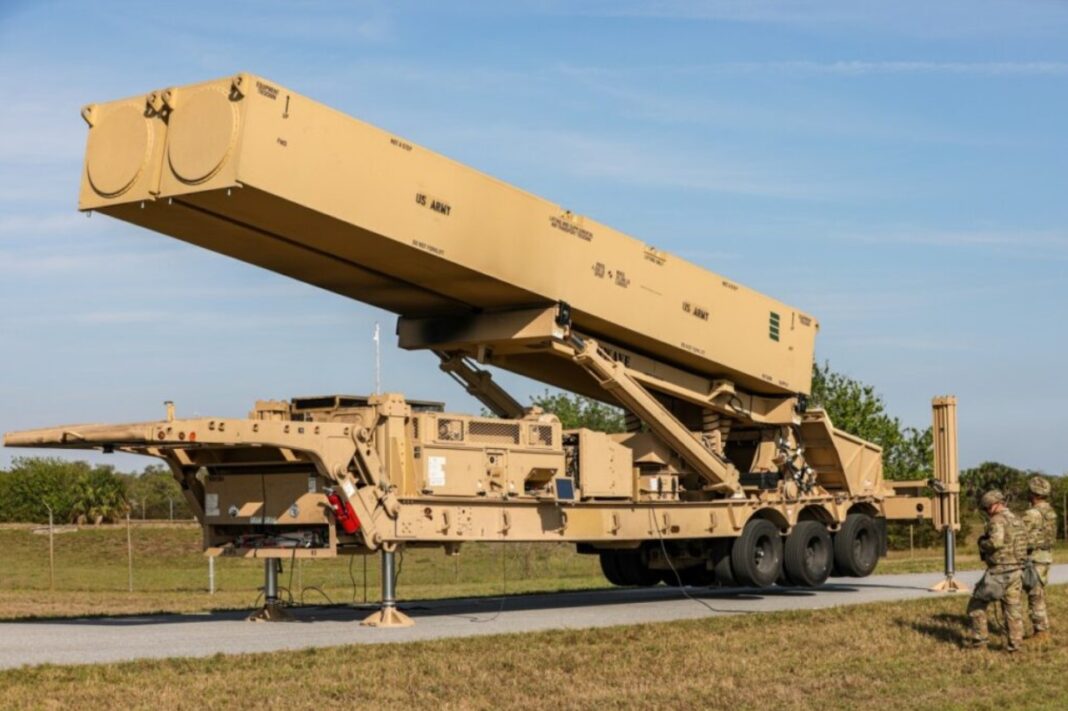
Hypersonic missiles are rapidly transforming modern warfare, introducing a new class of weapons capable of traveling faster than Mach 5—more than five times the speed of sound. But speed alone does not define their threat. What makes hypersonic weapons revolutionary is their ability to maneuver unpredictably during flight, making them extremely difficult to detect and intercept.
As global powers like the United States, China, and Russia invest billions into hypersonic programs, understanding how these missiles work has become essential to grasping the future of military strategy.
What Are Hypersonic Missiles?
Hypersonic missiles are advanced weapons that travel at speeds exceeding Mach 5 while maintaining the ability to maneuver throughout their trajectory. Unlike traditional ballistic missiles, which follow predictable paths, hypersonic weapons operate in a unique atmospheric zone that current missile defense systems struggle to monitor effectively.
Key Facts at a Glance
- Travel at speeds above Mach 5 (≈3,800 mph)
- Can maneuver mid-flight, unlike ballistic missiles
- Two main types: Hypersonic Glide Vehicles (HGVs) and Hypersonic Cruise Missiles (HCMs)
- U.S. allocated $3.9 billion for hypersonic development in 2026
- Russia’s Avangard can reach Mach 20–27
- China’s DF-17 can strike targets within minutes
How Hypersonic Missiles Work
Hypersonic missiles function by combining extreme speed with advanced aerodynamics and propulsion systems. They operate in a “sweet spot” of the atmosphere—higher than cruise missiles but lower than ballistic missiles—where traditional defense systems are least effective.
This combination of speed and maneuverability allows them to evade radar detection and interception until the final moments of flight.
Two Main Types of Hypersonic Weapons
Hypersonic Glide Vehicles (HGVs)
HGVs are launched using a rocket booster that propels them into the upper atmosphere. After separation, the vehicle glides toward its target using aerodynamic lift.
Key Characteristics:
- Non-ballistic trajectory
- Ability to perform sharp maneuvers
- Uses “skip reentry” to extend range
Russia’s Avangard and China’s DF-17 are prominent examples of HGV systems.
Hypersonic Cruise Missiles (HCMs)
HCMs use scramjet engines to sustain hypersonic speeds within the atmosphere.
How scramjets work:
- Air enters at supersonic speed
- Fuel mixes and ignites instantly
- Continuous thrust is generated
Unlike HGVs, HCMs remain powered throughout flight, enabling longer sustained speeds.
The Biggest Challenge: Heat and Physics
At hypersonic speeds, air friction generates extreme heat—often exceeding 2,000°C. This creates serious engineering challenges:
Key Solutions:
- Ultra-high-temperature ceramics
- Carbon composites
- Heat-resistant coatings
Additionally, hypersonic vehicles create a plasma layer that disrupts communications, making guidance and control even more complex.
Global Hypersonic Arms Race
United States
- Investing billions in hypersonic programs
- Dark Eagle missile deployed under strategic command
- Focus on precision strike capabilities
China
- DF-17 operational deployment
- CJ-1000 scramjet missile development
- Advanced testing infrastructure (Mach 30 wind tunnel)
Russia
- Avangard glide vehicle operational
- Zircon hypersonic cruise missile deployed
These developments indicate that hypersonic weapons are no longer experimental—they are becoming operational realities.
Why Missile Defense Struggles
Current missile defense systems were designed for:
- Slow cruise missiles
- Predictable ballistic missiles
Hypersonic weapons disrupt both models:
- Fly too high for air defense
- Too low for space-based interceptors
- Maneuver unpredictably
Result: extremely limited interception window
Strategic Impact on Warfare
Hypersonic missiles are changing the rules of war:
Key Implications:
- Reduced reaction time (minutes instead of hours)
- Increased pressure on decision-makers
- Blurring of conventional and nuclear deterrence
The U.S. placing hypersonic systems under strategic command highlights their growing importance in national security.
Future of Hypersonic Technology
Emerging innovations include:
- Combined-cycle engines (jet + scramjet hybrid)
- Solid-fuel ramjets for easier deployment
- Modular hypersonic systems
These advancements could make hypersonic weapons more flexible and widely deployable in the future.
Final Verdict
Hypersonic missiles are not just faster weapons—they represent a fundamental shift in military strategy.
They:
- Challenge existing defense systems
- Reduce decision-making time
- Increase global strategic instability
In simple terms:
Hypersonic weapons are redefining how wars will be fought in the 21st century.
Quick Summary
- Hypersonic missiles travel at Mach 5+
- Two types: HGVs and scramjet-powered cruise missiles
- Hard to detect and intercept
- Major powers racing to deploy them
- Transforming global military balance
FAQs — Hypersonic Missiles Explained
Q1: What is a hypersonic missile?
A hypersonic missile is a weapon that travels at speeds above Mach 5 (five times the speed of sound) and can maneuver during flight, making it difficult to detect and intercept compared to traditional missiles.
Q2: How fast is a hypersonic missile?
Hypersonic missiles travel at speeds exceeding Mach 5 (around 3,800 mph). Some advanced systems, like Russia’s Avangard, are reported to reach speeds of Mach 20 or higher.
Q3: What are the two main types of hypersonic missiles?
There are two main types:
- Hypersonic Glide Vehicles (HGVs)
- Hypersonic Cruise Missiles (HCMs)
HGVs glide after launch, while HCMs use scramjet engines to maintain powered flight.
Q4: How do hypersonic missiles work?
Hypersonic missiles combine high speed with advanced aerodynamics and propulsion systems. They fly in the upper atmosphere and can change direction mid-flight, making them unpredictable and hard to intercept.
Q5: Why are hypersonic missiles difficult to intercept?
They are difficult to intercept because they:
- Travel at extremely high speeds
- Fly at altitudes not covered by current defenses
- Maneuver unpredictably
This reduces the reaction time for missile defense systems.
Q6: Which countries have hypersonic missiles?
Countries leading in hypersonic weapons include:
- United States
- China
- Russia
These nations are actively developing and deploying hypersonic systems.
Q7: Are hypersonic missiles nuclear weapons?
Not necessarily. Hypersonic missiles can carry both conventional and nuclear warheads, depending on their design and mission.
Q8: What is a scramjet engine?
A scramjet (Supersonic Combustion Ramjet) is an air-breathing engine that allows hypersonic cruise missiles to sustain speeds above Mach 5 by compressing incoming air without moving parts.
Q9: What is the difference between hypersonic and ballistic missiles?
- Ballistic missiles follow a predictable arc through space
- Hypersonic missiles fly within the atmosphere and can maneuver
This makes hypersonic missiles harder to track and intercept.
Q10: Why are hypersonic weapons important?
Hypersonic weapons are important because they:
- Reduce response time in conflicts
- Challenge existing missile defense systems
- Shift global military balance