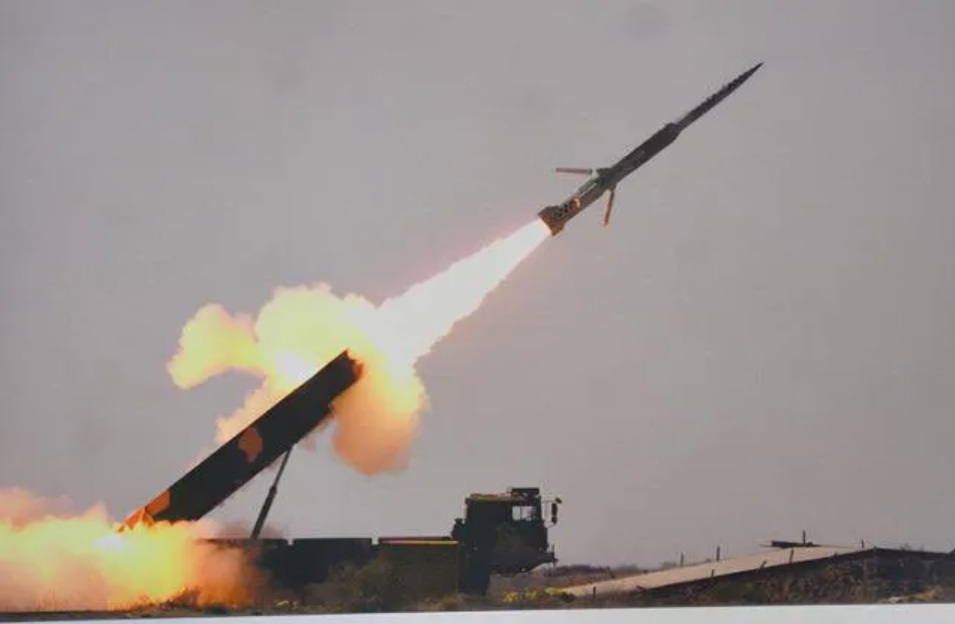
Pakistan’s public unveiling of the FATAH-3 supersonic cruise missile marks a significant turning point in South Asia’s evolving military balance, introducing a new layer of high-speed precision strike capability into an already tense regional environment.
Displayed by the Army Rocket Force Command (ARFC), the missile’s reveal was not just a technical announcement — it was a strategic signal aimed at India, regional observers, and global defence stakeholders.
The move reflects Islamabad’s transition toward survivable, high-speed conventional deterrence, designed to operate below the nuclear threshold.
The Pakistan Army has revealed its latest indigenous defense systems 🇵🇰 The showcase includes several major surprises:
1. Fatah-III Cruise Missile
2. Long-Range Rocket Dispensed Mine System
3. Lance IR Surface-to-Air Missile
4. 5th Generation Bakhtar Shikan ATGM
5. Short, Medium… pic.twitter.com/n7z8azZFad— Strategic Warfare (@WarUpdatespp) May 7, 2026
What Is FATAH-3? Key Technical Capabilities
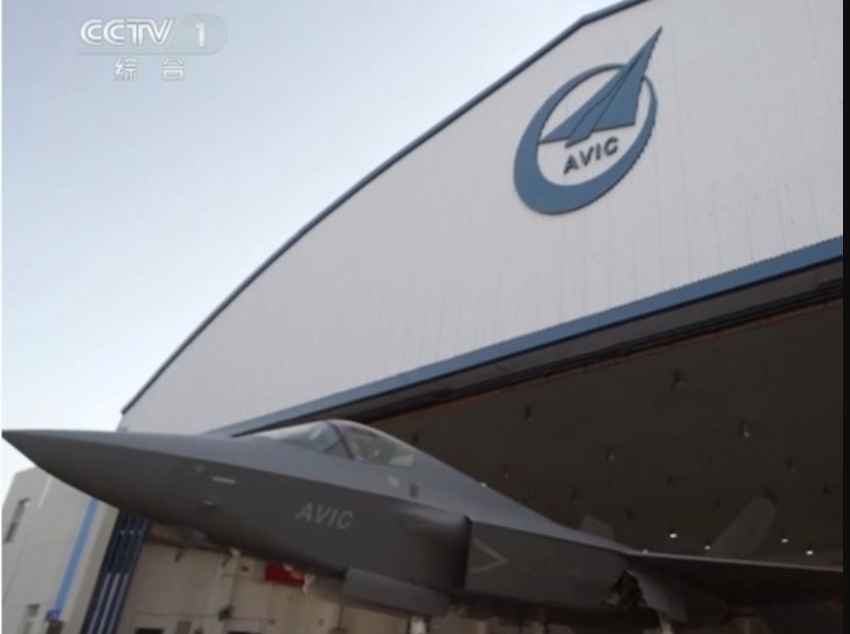
The FATAH-3 is widely assessed as a localized derivative of China’s HD-1 supersonic cruise missile, optimized for rapid-response precision strikes.
Core Specifications (Estimated):
- Speed: Mach 2.5 to Mach 4
- Range: ~250–300 km class
- Warhead: ~250 kg
- Weight: 1.2–1.5 tonnes
- Flight Profile: Terrain-hugging / sea-skimming
- Propulsion: Solid booster + ramjet engine
The missile’s high speed and low-altitude trajectory significantly compress enemy reaction time, making interception more difficult for conventional air defence systems.
Doctrinal Shift: From Rockets to Precision Strike Ecosystem
The introduction of FATAH-3 represents a clear break from Pakistan’s earlier focus on guided rocket artillery.
Previously:
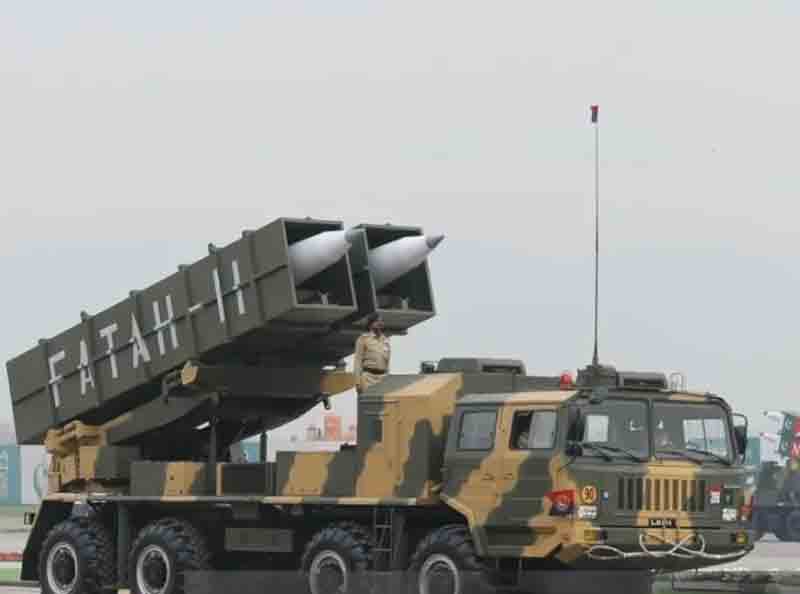
- FATAH-I: 140–150 km guided rockets
- FATAH-II: 290–400 km extended-range system
- FATAH-IV: ~750 km subsonic cruise missile
Now, FATAH-3 introduces:
➡️ Supersonic speed
➡️ Rapid-response strike capability
➡️ High survivability via mobility
This signals Pakistan’s evolution toward a layered precision-strike ecosystem, integrating multiple missile types across ranges and roles.
China Factor: HD-1 Lineage and Strategic Integration
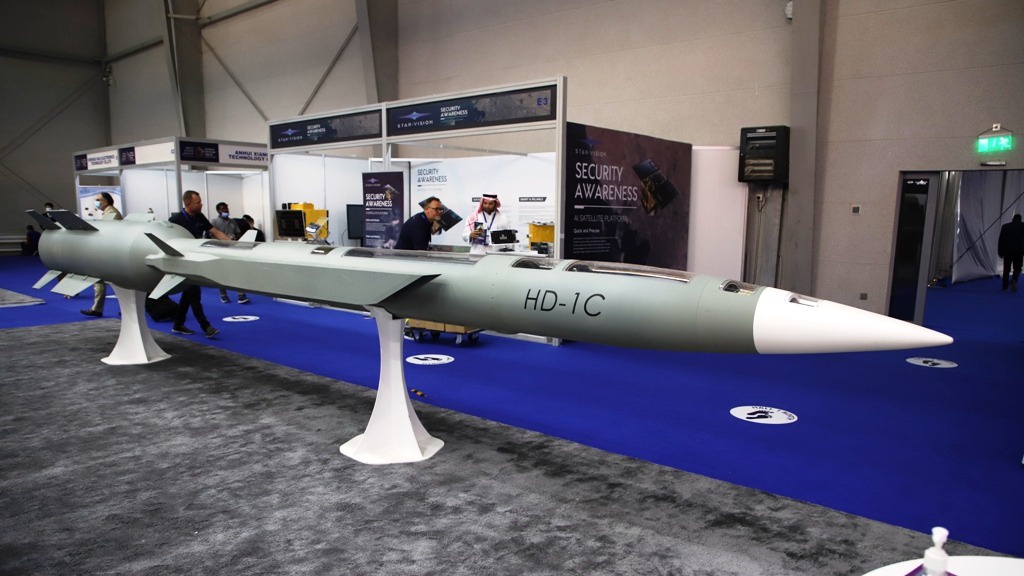
The FATAH-3 is closely linked to China’s HD-1 missile family, developed for:
- Land-attack missions
- Anti-ship operations
- Multi-domain deployment
This connection highlights:
- Deepening China–Pakistan defence cooperation
- Technology transfer and interoperability
- Expansion into air-launched and naval variants in the future
It also reinforces China’s role in shaping Pakistan’s next-generation strike capabilities.
Challenging India’s BrahMos Dominance
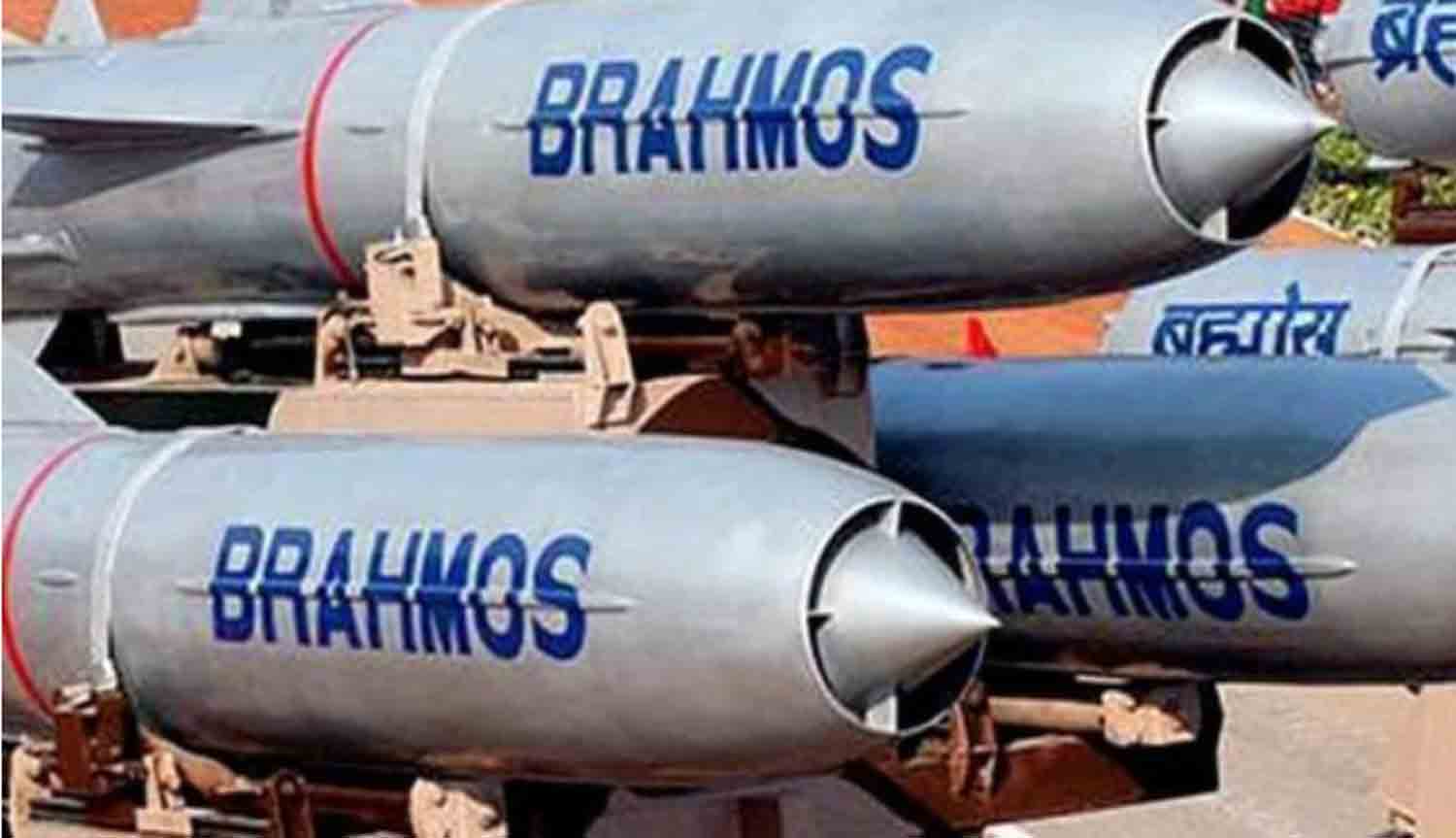
For nearly two decades, India’s BrahMos supersonic cruise missile — derived from Russia’s P-800 Oniks — has provided a clear advantage in high-speed strike capability.
Pakistan lacked an equivalent system — until now.
What Changes with FATAH-3:
- Reduces India’s qualitative advantage
- Complicates Indian air defence planning
- Forces recalibration of interception timelines
Supersonic missiles flying at low altitude:
- Reduce radar detection windows
- Limit engagement time
- Increase الدفاع complexity
The result is a narrowing of the strike capability gap in South Asia.
Survivability and Mobility: A Key Advantage
One of FATAH-3’s most important features is its road-mobile deployment via transporter-erector-launchers (TELs).
This enables:
- Rapid repositioning
- Concealment across operational depth
- Survivability against preemptive strikes
In modern warfare, survivability is as critical as firepower — and FATAH-3 is designed with that principle at its core.
Strategic Role: Deterrence Below Nuclear Threshold
Pakistan’s broader objective appears to be building a flexible conventional deterrence framework.
The missile supports:
- Precision strikes on high-value targets
- Escalation management below nuclear thresholds
- Countering India’s “Cold Start” doctrine
By enabling rapid, accurate retaliation, Pakistan increases ambiguity and risk for adversary planners.
Regional Implications: A More Complex Battlefield
The emergence of FATAH-3 will likely trigger regional responses:
- India may expand BrahMos deployments
- Increased focus on missile defence systems (S-400, indigenous)
- Acceleration of hypersonic weapons programs
At sea, the missile could also:
- Threaten naval assets in the Arabian Sea
- Expand Pakistan’s maritime strike capability
Limitations and Open Questions
Despite its impact, FATAH-3 does not fundamentally alter the strategic balance.
Key limitations include:
- Limited range compared to strategic systems
- Continued reliance on Chinese technology
- Questions over large-scale production capability
India still retains:
- Larger defence industrial base
- Greater missile inventory
- Broader deployment flexibility
Conclusion: End of Uncontested Supersonic Dominance
The unveiling of FATAH-3 marks a critical moment in South Asian military evolution.
It does not overturn the balance of power — but it does change the equation.
👉 The key takeaway:
The era of uncontested Indian dominance in supersonic cruise missile warfare is ending.
South Asia is now entering a phase of:
- Mutual vulnerability
- Faster escalation cycles
- Higher operational complexity
And in this new environment, speed, survivability, and precision — not numbers — will define deterrence.