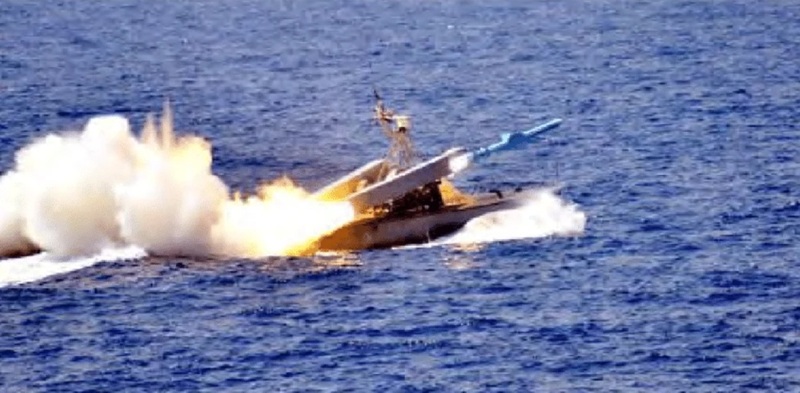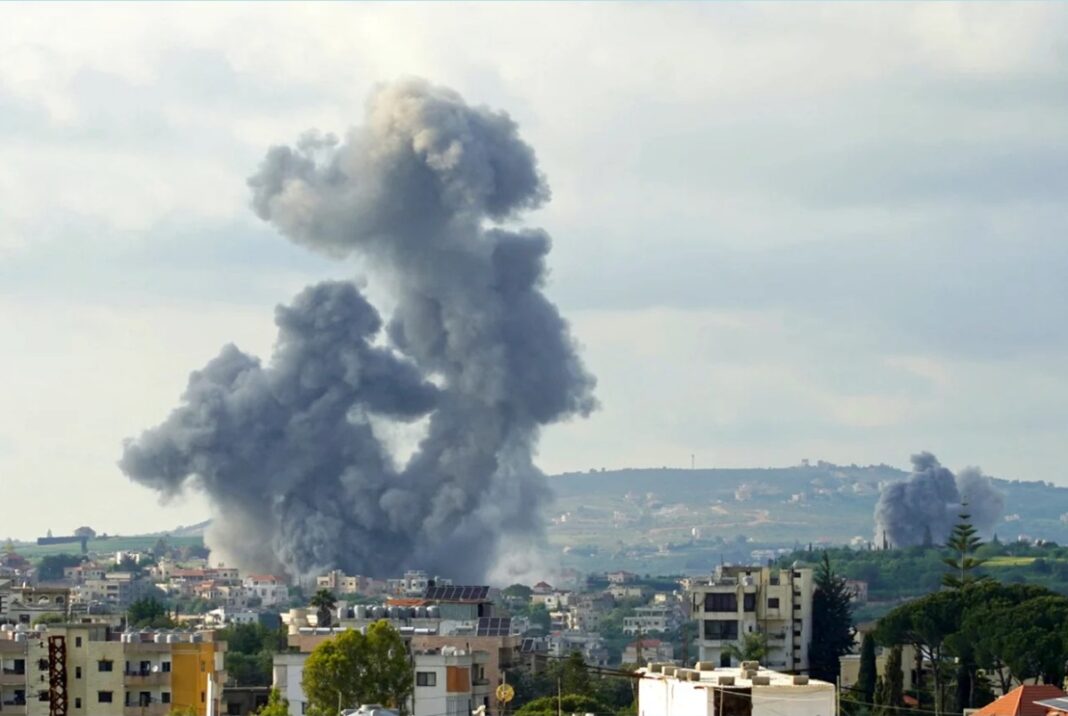
Iran has announced the “suspension” of its armed forces operations following its latest military exchange with Israel, a move that may signal an attempt to contain tensions — but one that comes alongside warnings of a potentially harsher response if hostilities continue.
The announcement came from Tehran’s Khatam al-Anbiya Central Headquarters, which warned that any continued “aggressions and hostile actions,” particularly in southern Lebanon, could trigger “far more severe and crushing measures” than previously seen.
In a statement carried by the semi-official Tasnim News Agency, Iranian military officials said Tehran had delivered what it described as a “painful response” to Israel in support of Lebanon and Hezbollah before declaring a temporary halt in operations.
“The suspension of Armed Forces operations is announced,” the statement said, without providing further details.
Israel had not publicly responded at the time of writing.
A Temporary Pause — Or a Sign of De-Escalation?
The immediate question facing regional observers is whether the latest exchange represents a brief flare-up between Israel and Iran over Lebanon or the beginning of a wider confrontation.
Notably, this marked the first direct exchange of fire between the two regional rivals since the official ceasefire established in April.
Yet despite sharp rhetoric from Tehran, Iran refrained from targeting American military bases across the region — something it has done in previous crises.
Iran also avoided attacks against Gulf shipping lanes and regional economic infrastructure.
No commercial vessels were targeted, and Tehran did not launch drones toward Dubai or missile strikes against Gulf states such as Kuwait.
That restraint may be significant.
According to a senior US military official cited by NBC News, Iran’s decision to suspend operations could indicate that Tehran does not currently seek a broader war that risks pulling the United States and Gulf partners directly into the conflict.
Instead, Iran may have intended to signal anger over Israeli operations in Lebanon while simultaneously limiting escalation.
Why Lebanon Remains Central to Tehran’s Strategy
From Tehran’s perspective, Lebanon is not a secondary theatre.
Iran has consistently demanded that Lebanon — home to Hezbollah, one of its closest regional allies — be included in any broader diplomatic understanding involving Israel.
However, Washington and Israel have reportedly sought to separate Lebanon from wider negotiations.
This disagreement remains one of the most important drivers of regional instability.
For Iran, Hezbollah represents a central component of its regional deterrence architecture and the broader “Axis of Resistance” network stretching across Lebanon, Iraq, Syria, and Yemen.
Under this strategic logic, attacks on one member of the axis increasingly require some form of collective response.
That framework appeared visible in Tehran’s latest military actions following Israeli operations targeting Hezbollah-linked areas in Beirut’s southern suburbs.
The growing role of the Houthis is particularly important.
From Tehran’s perspective, Houthi involvement reflects the increasingly interconnected nature of regional deterrence — a signal that conflict involving one axis member can quickly expand geographically.
Has Iran Entered a More Aggressive Strategic Phase?
The past 24 hours also reinforce a growing perception that Iran’s leadership increasingly believes strategic realities can be shaped through force when diplomacy stalls.
In practical terms, Tehran appears increasingly willing to establish deterrence through missiles, drones, and calibrated military responses rather than relying solely on negotiations.
This shift reflects what some regional analysts increasingly describe as an “Islamic Republic 3.0” mindset — one characterised less by caution and more by demonstrating resilience and imposing costs on adversaries.
Iranian leaders increasingly appear unconvinced that diplomatic channels alone can protect their interests, particularly given deep mistrust toward both Israel and the Trump administration.
Inside Tehran, many policymakers reportedly view President Donald Trump as unpredictable and inconsistent in negotiations, while simultaneously seeing little chance that Israel will agree to a complete halt of military operations in Lebanon.
This perception significantly complicates prospects for diplomacy.
Why Iran Still Appears Focused on Deterrence
At the same time, Israel’s latest military operations appeared carefully calibrated.
Israeli strikes reportedly focused on military-related targets rather than energy infrastructure — a choice that may reflect awareness that Washington would likely oppose attacks capable of triggering major disruptions to global energy markets.
That restraint matters because attacks on Iranian oil infrastructure or Gulf shipping would dramatically increase pressure for broader regional escalation.
Still, it remains difficult to imagine Tehran simply leaving Israeli strikes unanswered.
Iran’s deterrence model increasingly rests on a principle of direct retaliation: actions against Iranian interests or allied groups should carry visible costs.
From Tehran’s perspective, failing to respond risks weakening deterrence credibility not only toward Israel but across the broader regional network of allied actors.
What Happens Next?
The most likely immediate scenario may be another round of reciprocal signalling.
Tehran appears intent on restoring deterrence while demonstrating that attacks on its allies or strategic interests carry consequences.
Israel, meanwhile, has repeatedly signalled readiness to respond forcefully to any Iranian retaliation.
This creates a dangerous cycle where both sides increasingly feel compelled to act in order to preserve credibility.
At the centre of the equation sits Washington.
The most important variable may be whether President Trump is willing to restrain Israeli operations or instead support continued pressure despite expectations of further Iranian retaliation.
If diplomatic space is not created soon, escalation pressures could intensify rapidly.
Returning to War?
The coming days may prove decisive.
Iran’s suspension of military operations suggests Tehran may still prefer containment over all-out war.
But suspension does not necessarily mean de-escalation.
The warning accompanying Tehran’s announcement was clear: any continued military activity, particularly in Lebanon, could trigger a far more severe response.
For now, the region sits in an uneasy pause between escalation and restraint.
Whether this becomes an isolated spike in violence or the beginning of another broader Israel-Iran confrontation may depend on decisions made not only in Tehran and Jerusalem — but also in Washington.