NATO allies announced tens of billions of dollars in new defense procurement agreements on Tuesday as alliance leaders gathered in Ankara, Turkey, ahead of a high-profile summit with U.S. President Donald Trump. The major defense announcements are widely seen as an effort by European allies to demonstrate their commitment to increasing military spending and strengthening NATO’s collective defense capabilities.
The agreements include purchases of surveillance drones, military aircraft, expanded anti-drone defenses, and plans for joint missile production in Europe as NATO adapts to evolving security challenges posed by Russia, the war in Ukraine, and growing global instability.
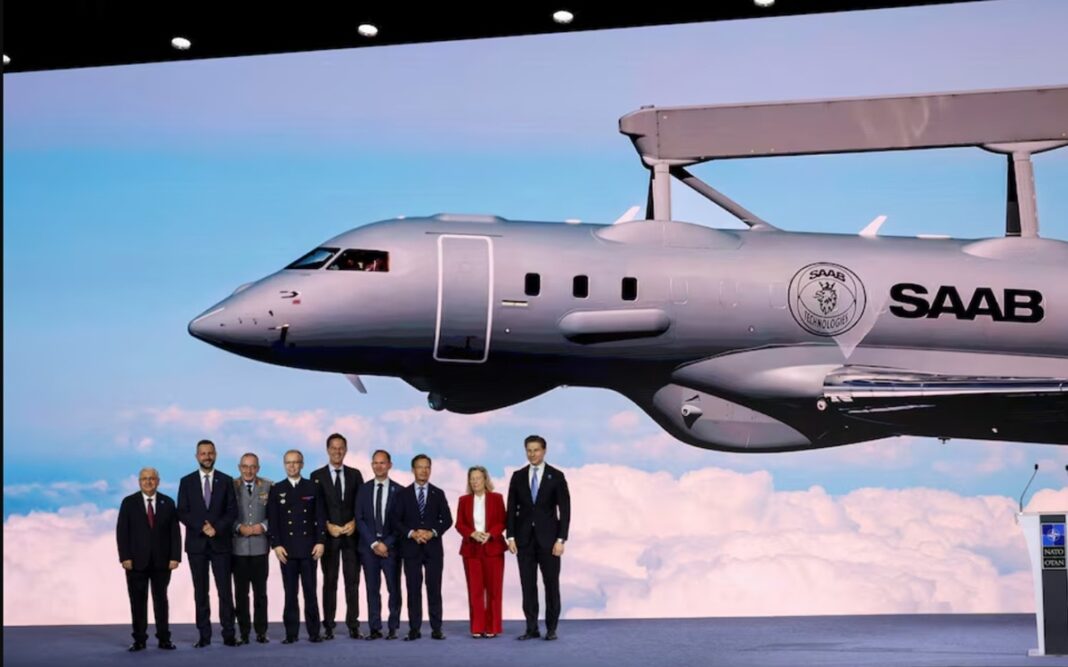
NATO allies participated in a historic combined signing ceremony during the NATO Summit in Ankara, marking a major milestone in alliance cooperation.
The agreements are expected to strengthen NATO’s collective defence capabilities, with the financial value of the deals set to be…
— NewsForce (@Newsforce) July 7, 2026
NATO Announces New Defense Procurement Initiatives
At a defense industry forum held in the Turkish capital, NATO Secretary General Mark Rutte unveiled a series of multinational procurement initiatives designed to accelerate weapons production and improve interoperability among allied forces.
Speaking before representatives from NATO member states and defense companies, Rutte emphasized the importance of collective investment.
“We can do more when we do it together. And we must do more of it,” Rutte said.
The new agreements, many of which had been kept confidential until the summit, involve multiple NATO members joining common procurement programs aimed at reducing costs, increasing production capacity, and speeding up the delivery of critical military equipment.
Europe to Buy U.S. Surveillance Drones
Among the largest agreements announced, several European NATO members will jointly purchase advanced surveillance drones from Northrop Grumman, significantly expanding the alliance’s intelligence, surveillance, and reconnaissance (ISR) capabilities.
The drones are expected to improve NATO’s ability to monitor military activity along its eastern flank while enhancing situational awareness during joint operations.
The procurement also reinforces transatlantic defense cooperation by directing major contracts to American defense manufacturers.
NATO Purchases Saab Surveillance Aircraft
NATO also confirmed plans to acquire military aircraft from Swedish defense manufacturer Saab, strengthening the alliance’s airborne surveillance and command capabilities.
The acquisition comes after Sweden’s recent accession to NATO and highlights the country’s growing role within the alliance’s defense industrial base.
The aircraft are expected to enhance early warning capabilities, improve battlefield coordination, and support multinational operations across Europe.
U.S. Considers Joint Missile Production in Europe
In another significant development, the United States is reportedly discussing plans with Germany and several other European allies to establish joint production facilities for missiles in Europe.
According to sources familiar with the discussions, the initiative aims to increase manufacturing capacity for precision-guided weapons that have been heavily consumed during the ongoing war in Ukraine.
The proposal reflects growing concerns in Washington that U.S. defense manufacturers are struggling to keep pace with rising global demand after supplying large quantities of weapons to Ukraine while simultaneously supporting military operations in the Middle East.
If approved, the project would represent one of the most significant expansions of transatlantic defense industrial cooperation in recent years.
NATO to Invest Over $40 Billion in Anti-Drone Defenses
Rutte also announced that NATO members will invest more than $40 billion over the next five years to strengthen the alliance’s anti-drone capabilities.
The investment will support the development and procurement of:
- Counter-drone radar systems
- Electronic warfare equipment
- Directed-energy technologies
- Advanced air-defense systems
- Artificial intelligence-enabled drone detection
The initiative follows the growing use of inexpensive attack drones in conflicts such as Ukraine, where unmanned systems have transformed modern warfare.
Military planners increasingly view counter-drone technology as one of NATO’s highest procurement priorities.
European Defense Spending Reaches Record Levels
The defense announcements underscore the rapid increase in military spending across Europe following Russia’s full-scale invasion of Ukraine in 2022.
According to Rutte, NATO’s European members and Canada increased their defense spending by approximately $90 billion in real terms during 2025, bringing total defense expenditures to more than $570 billion, representing roughly a 20% year-on-year increase.
The spending surge comes after years of pressure from successive U.S. administrations for European allies to shoulder a greater share of NATO’s defense burden.
Trump Pressures Europe to Spend More
President Donald Trump has consistently argued that European allies have relied too heavily on American military power for decades.
Ahead of the summit, Trump reiterated his position in a video posted on Truth Social, calling on European nations to further increase defense spending and strengthen their own military capabilities.
Rutte acknowledged that Trump’s strong messaging has contributed significantly to higher defense budgets across Europe.
“Europeans have made staggering increases in defense spending,” Rutte said, citing both concerns over Russia and continued pressure from Washington.
Turkey Could Return to the F-35 Program
One of the most closely watched issues at the summit is the future of Turkey’s participation in the F-35 Lightning II stealth fighter program.
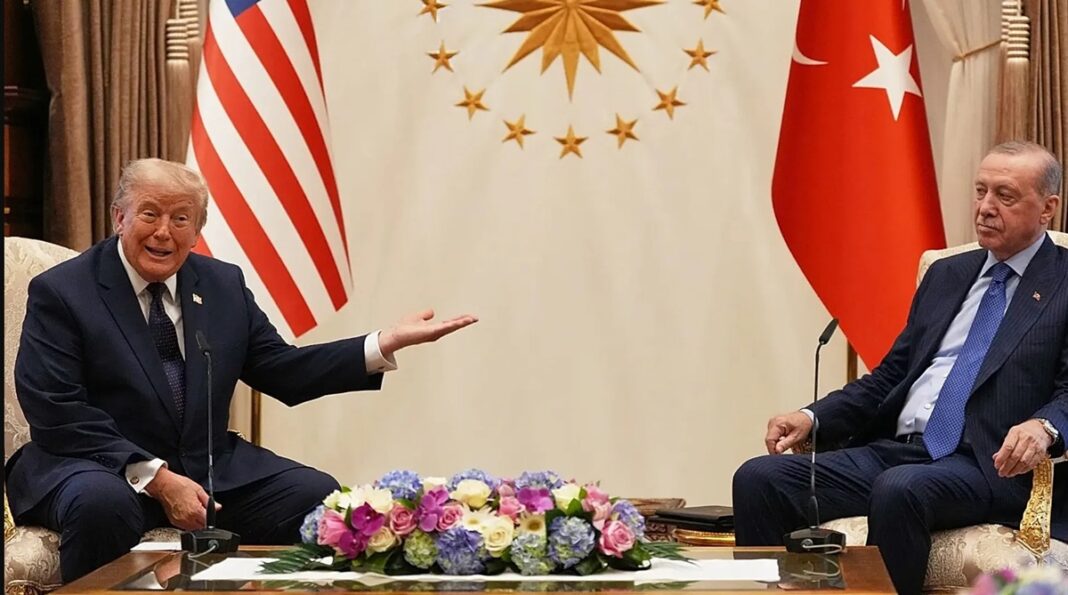
According to sources familiar with the discussions, President Trump is expected to inform Turkish President Recep Tayyip Erdoğan that Washington is prepared to explore a pathway for Turkey’s return to the program.
Turkey was removed from the multinational F-35 project in 2019 after purchasing the Russian-made S-400 Triumf air defense system. The United States argued that operating the S-400 alongside the F-35 could compromise sensitive stealth technology and subsequently imposed sanctions under the Countering America’s Adversaries Through Sanctions Act (CAATSA).
A potential reversal would mark a significant shift in U.S.-Turkey defense relations and could reshape NATO’s southern flank.
NATO Faces Strategic Challenges
Despite the optimistic tone surrounding the procurement announcements, divisions remain within the alliance over burden-sharing, military strategy, and future U.S. commitments to Europe.
The United States has already announced plans to reduce portions of its military presence in Europe while conducting a broader review of its global force posture.
European governments are also preparing for renewed pressure from the Trump administration regarding defense spending and NATO’s long-term strategic direction.
Diplomatic tensions have occasionally surfaced between Trump and several European leaders, adding uncertainty ahead of alliance discussions.
Continued Support for Ukraine
NATO members are expected to reaffirm their long-term support for Ukraine during the summit, with allies preparing a pledge of approximately €70 billion (about $80 billion) in military and financial assistance for 2026.
The announcement comes as Russia continues large-scale missile and drone attacks against Ukrainian cities.
On Monday, Russian strikes targeted the Kyiv region, killing at least 28 people and once again highlighting Ukraine’s urgent need for additional Western air-defense systems and interceptor missiles.
Outlook
The defense procurement agreements announced in Ankara represent one of NATO’s largest coordinated investment efforts in recent years. As European allies increase military spending, expand weapons production, and modernize their armed forces, the alliance is attempting to respond to both evolving security threats and persistent U.S. demands for greater burden-sharing.
With major decisions expected on missile production, defense industrial cooperation, Ukraine assistance, and Turkey’s potential return to the F-35 program, the Ankara summit is likely to shape NATO’s military posture and transatlantic defense strategy for years to come.