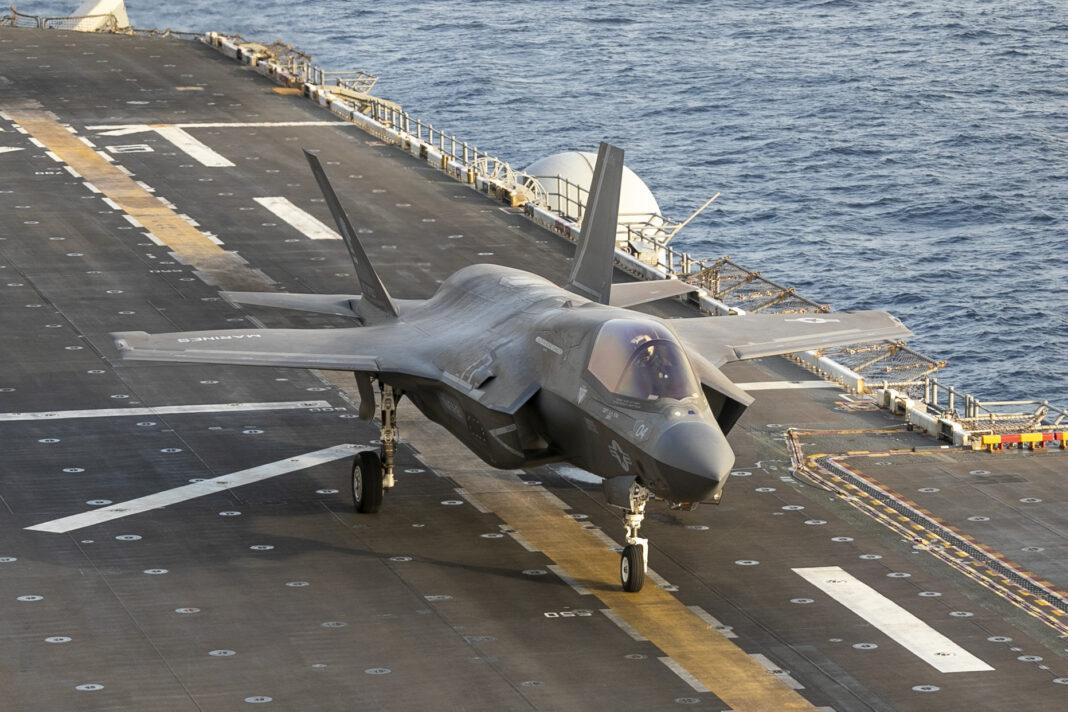
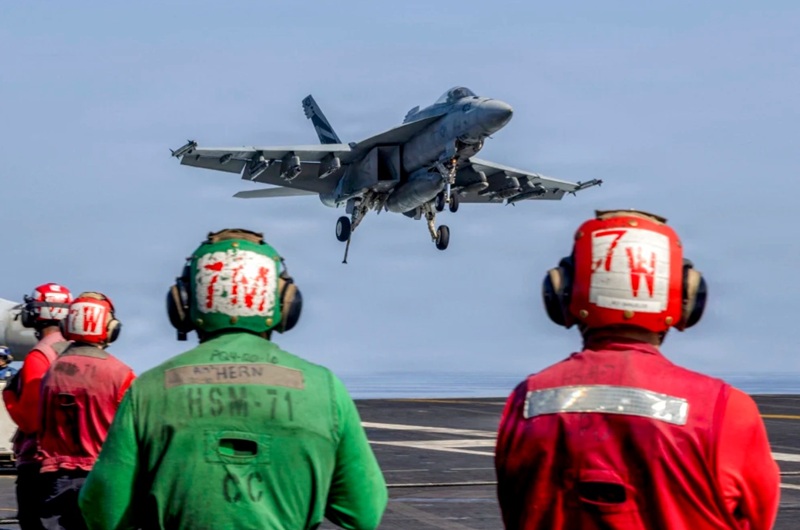
The fragile ceasefire between the United States and Iran appears to be unraveling as both countries exchange fresh waves of missile, drone, and air strikes, raising fears that the Middle East could be heading toward another full-scale conflict.
Fars News Agency: A U.S. strike hit a rail bridge used for trade routes connecting Iran with China and Russia.
(Some are questioning if this was actually a US strike or a sabotage operation) https://t.co/pD26iDLvaE
— Open Source Intel (@Osint613) July 9, 2026
Only weeks after signing a Memorandum of Understanding (MoU) intended to pave the way for a lasting peace, Washington and Tehran now accuse each other of violating the agreement. The latest escalation has shifted global attention to the Strait of Hormuz, a strategic maritime chokepoint through which nearly 20% of the world’s oil supply passes.
With U.S. President Donald Trump declaring the agreement “over” and Iran’s leadership warning of further retaliation, diplomats are racing to prevent the crisis from spiraling into a wider regional war.
Trump Declares Iran Deal ‘Over’
Speaking during the NATO summit in Ankara, President Donald Trump signaled that Washington has effectively abandoned the recent agreement with Tehran.
Calling continued negotiations “a waste of time,” Trump accused Iran of violating the ceasefire through attacks on commercial shipping and U.S. military facilities in the Gulf.
His remarks followed a series of Iranian missile and drone attacks targeting American bases in Bahrain and Kuwait, which Tehran described as retaliation for U.S. airstrikes and renewed sanctions on Iranian oil exports.
The statement represents the clearest indication yet that diplomatic efforts have stalled.
A Ceasefire That Never Fully Took Hold
The current crisis did not emerge overnight.
Following weeks of intense fighting earlier this year, Washington and Tehran agreed to a ceasefire in April before signing a Memorandum of Understanding in June. The agreement sought to reduce military tensions, reopen shipping lanes, ease some economic restrictions, and establish a framework for future nuclear negotiations.
However, implementation quickly became contentious.
Iran accused Washington of failing to honor commitments, particularly after the United States reimposed sanctions on Iranian oil exports. U.S. officials, meanwhile, argued that Tehran continued attacks against commercial vessels and regional military targets, violating the spirit of the agreement.
The result has been an increasingly unstable ceasefire punctuated by repeated military exchanges.
Strait of Hormuz Remains the Center of the Crisis
At the heart of the confrontation lies the Strait of Hormuz, one of the world’s most strategically significant waterways.
The narrow maritime corridor connects the Persian Gulf to international shipping routes and serves as the primary export route for oil produced by Saudi Arabia, Iraq, Kuwait, the United Arab Emirates, Qatar, and Iran.
Because roughly one-fifth of global crude oil passes through the strait, any disruption immediately affects international energy markets.
Recent attacks on commercial shipping have already contributed to rising oil prices and renewed concerns about global energy security.
Why the IRGC Holds the Key
Many military analysts believe the fate of any future ceasefire depends less on Iran’s civilian government than on the Islamic Revolutionary Guard Corps (IRGC).
Unlike Iran’s conventional armed forces, the IRGC operates independently and answers directly to the Supreme Leader. It controls much of Iran’s missile force, naval operations in the Persian Gulf, and many of the country’s strategic military assets.
Former U.S. military intelligence officials argue that even if Iranian diplomats support negotiations, any agreement is unlikely to succeed without the support of the IRGC leadership.
The organization views control of the Strait of Hormuz as one of Iran’s most valuable strategic advantages.
Military Strikes Continue to Escalate
Following attacks on commercial vessels near the Strait of Hormuz, the United States launched another large wave of airstrikes targeting approximately 80 Iranian military facilities.
According to U.S. Central Command, the strikes focused on:
- Air defense systems
- Coastal radar installations
- Anti-ship missile launchers
- Drone facilities
- Revolutionary Guard naval bases
- Fast attack boats used in Gulf operations
American officials said the objective was to reduce Iran’s ability to threaten international shipping.
Iran responded by launching missiles and drones against 85 U.S. military targets in Bahrain and Kuwait, according to the IRGC.
Another round of U.S. strikes followed overnight, with explosions reported across southern Iran and additional military facilities reportedly targeted.
Can Airstrikes Stop Iran?
Despite the intensity of recent operations, several defense experts remain skeptical that military strikes alone can eliminate Iran’s ability to disrupt shipping in the Gulf.
Iran relies heavily on mobile missile launchers, fast attack craft, naval mines, drones, and decentralized command structures that are difficult to destroy completely through air power.
Military analysts note that similar campaigns during previous confrontations failed to remove Iran’s capacity to threaten maritime traffic.
Instead, they argue the latest strikes may temporarily reduce operational capabilities without fundamentally changing Tehran’s strategic calculations.
Economic Pressure Could Matter More
While military operations continue, some experts believe economic pressure may ultimately prove more influential.
The United States has once again imposed sanctions on Iranian oil exports after temporarily easing restrictions under the ceasefire agreement.
Iran’s economy has been under severe strain for years due to sanctions, inflation, currency depreciation, and reduced foreign investment.
Analysts suggest that sustained economic pressure, combined with diplomatic isolation, could have a greater long-term impact on Tehran’s decision-making than limited military strikes.
Domestic Pressure Mounts on Trump
The conflict is also creating political challenges inside the United States.
President Trump has repeatedly promised to restore stability while avoiding prolonged overseas wars. However, the continuing military exchanges have drawn criticism from both Democratic lawmakers and some Republican allies.
The war has contributed to higher global energy prices and renewed concerns about inflation, issues likely to influence the upcoming U.S. midterm elections.
Several lawmakers have questioned the long-term objectives of the military campaign and warned against deeper American involvement in another Middle Eastern conflict.
Iran Faces Its Own Internal Challenges
Iran’s leadership is balancing growing public anger toward the United States with worsening economic conditions at home.
Large crowds attending ceremonies for senior Iranian figures have demonstrated continued nationalist support for resisting external pressure.
At the same time, Tehran faces declining oil revenues, economic hardship, and increasing international isolation.
Unable to match American military power directly, Iran continues to rely on asymmetric capabilities—including missile forces, drones, proxy groups, and maritime disruption—to strengthen its negotiating position.
What Happens Next?
Diplomatic channels remain open, but the prospects for restoring the ceasefire appear increasingly uncertain.
Regional mediators, including Gulf states and other international partners, are expected to continue efforts to prevent further escalation. However, repeated military exchanges and growing political tensions have significantly reduced trust between Washington and Tehran.
Much may depend on developments in the Strait of Hormuz. Any sustained disruption to shipping could trigger wider international involvement, further economic instability, and additional military deployments to the Gulf.
Outlook
The collapse of the U.S.-Iran ceasefire has brought the Middle East to another dangerous crossroads. With both sides continuing military operations while leaving the door partially open to negotiations, the conflict has entered an unpredictable phase.
The strategic importance of the Strait of Hormuz, the influence of Iran’s Revolutionary Guard, and the political pressures facing leaders in both Washington and Tehran will likely determine whether the region moves back toward diplomacy—or slides into a broader and more destructive confrontation.