Tuesday, April 7, 2026
Home Blog Page 129

Modi and Xi Jinping engaged in their first formal discussions in five years

0
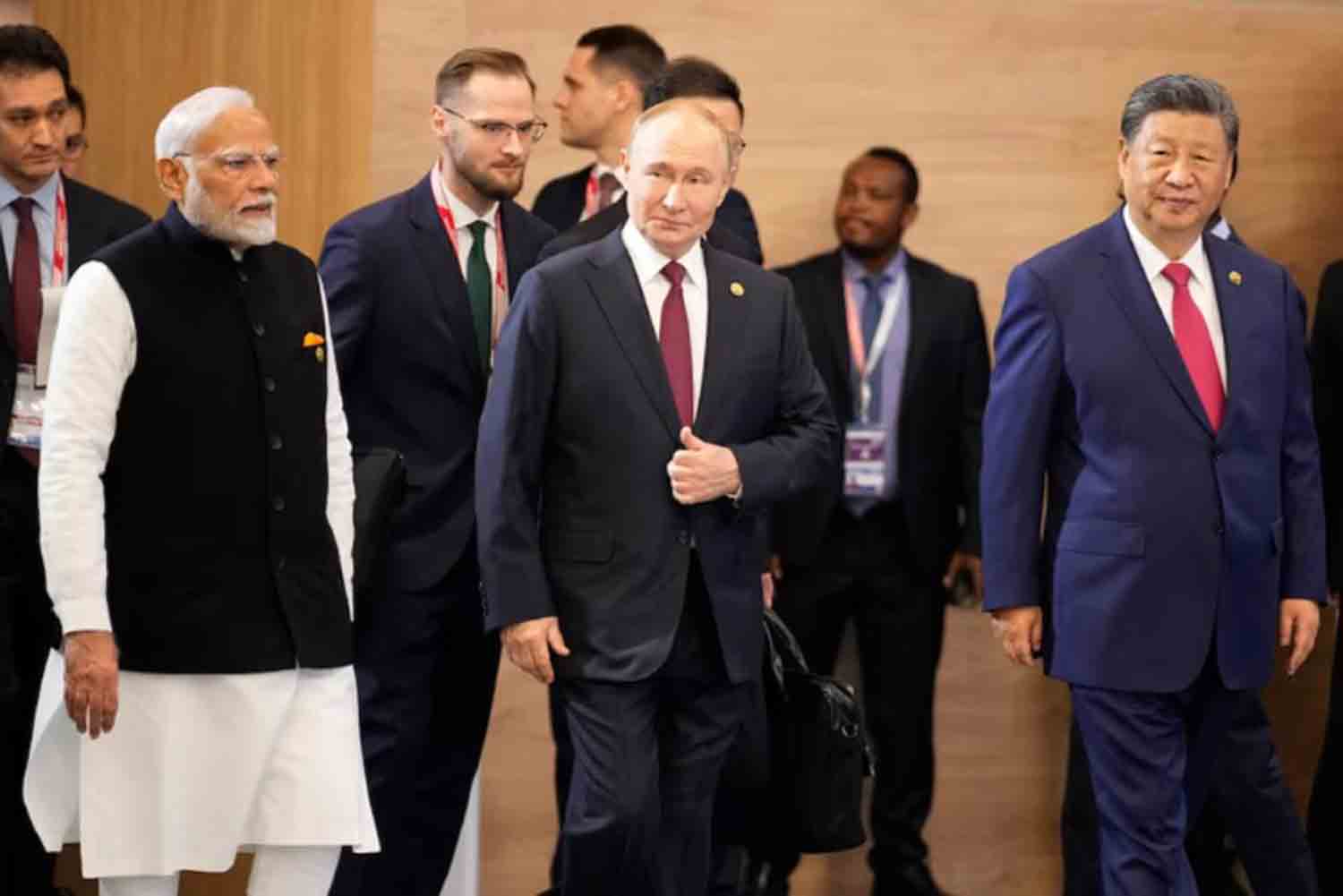
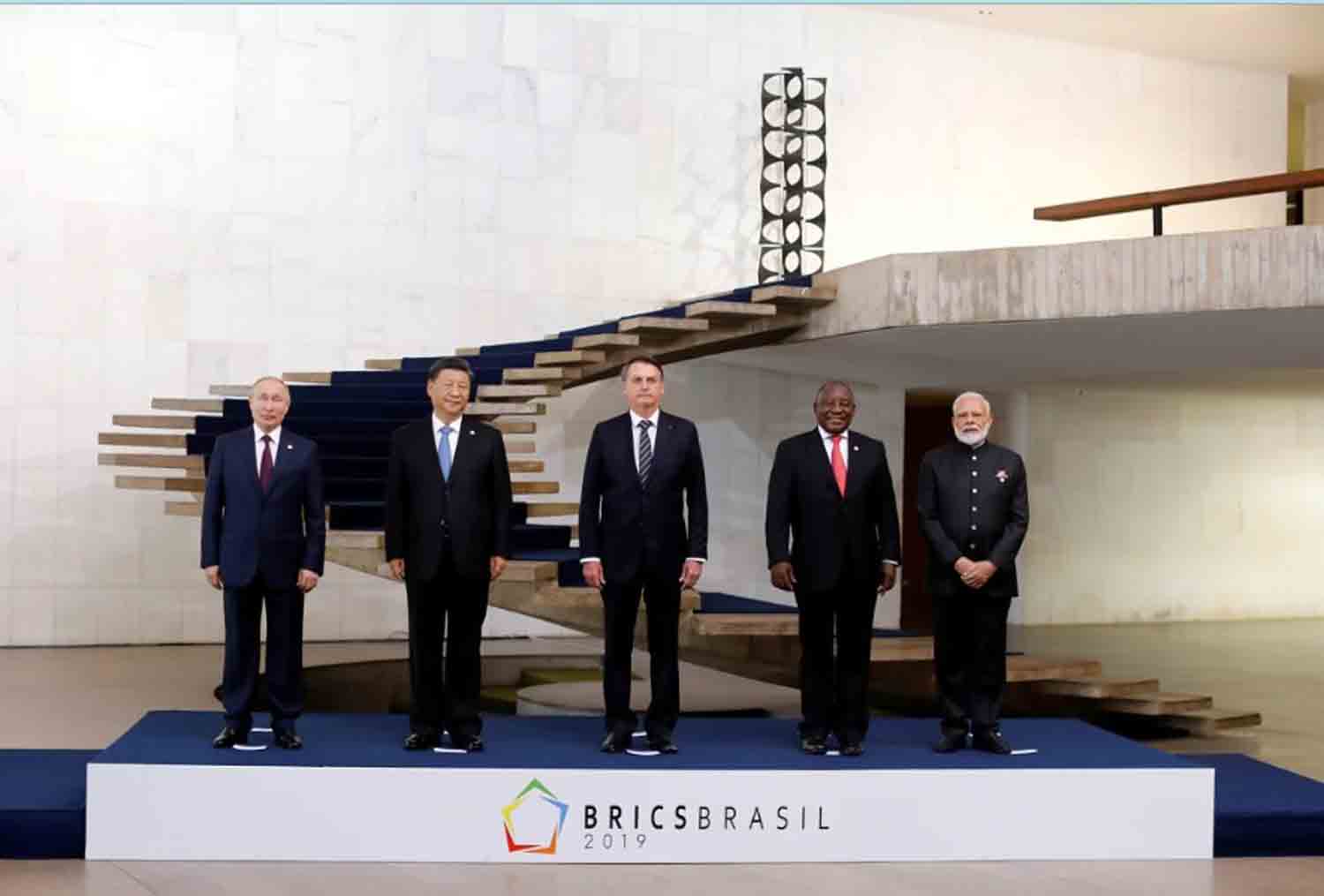
Indian Prime Minister Narendra Modi, Russian President Vladimir Putin and Chinese President Xi Jinping attend a family photo ceremony prior to the BRICS Summit plenary session in Kazan, Russia.

Indian Prime Minister Narendra Modi and Chinese President Xi Jinping engaged in their first formal discussions in five years on Wednesday, indicating a potential thaw in relations between the two Asian powers, which had been adversely affected by a fatal military confrontation in 2020.

The leaders convened during the BRICS summit in Kazan, Russia, as reported by both the Indian government and Chinese state media. This meeting occurred shortly after New Delhi announced a resolution to the four-year military standoff along their contested Himalayan border.

The relationship between these two nuclear-armed nations, which are also the most populous in the world, has been tense since a clash in 2020 resulted in the deaths of 20 Indian and four Chinese soldiers along the largely undefined border in Ladakh. In response to the ongoing tensions, both countries have significantly bolstered their military presence in the region, deploying tens of thousands of additional troops and equipment over the past four years.

Modi and Xi have not engaged in formal bilateral discussions since their last summit in October 2019, which took place in Mamallapuram, India. Although both leaders attended various multilateral events, their interactions have been limited. They had a brief exchange during the G20 summit in Bali in November 2022, where they shared pleasantries. Another conversation occurred on the sidelines of the BRICS summit in Johannesburg in August 2023, but differing accounts of the dialogue suggested a lack of consensus between the two nations.

Xi’s absence from the G20 summit in New Delhi the following month was perceived as a further deterioration in their relationship. However, diplomatic initiatives have gained traction recently, particularly after the foreign ministers of both countries met in July and committed to enhancing discussions aimed at alleviating border tensions. Given that India has linked the improvement of broader political and business relations to resolving the border dispute, the upcoming discussions between the two leaders are anticipated to lead to increased Chinese investment in India.

New Delhi has heightened its examination of investments originating from China, suspended direct flights between the two nations, and effectively halted the issuance of visas to Chinese citizens since the clashes in Ladakh. Neither New Delhi nor Beijing, which affirmed the border agreement on Tuesday, has disclosed specifics regarding the resolution of the stand-off as per the accord reached this week.

An Indian military official informed Reuters that the agreement will enable both parties to patrol disputed areas along the border according to a mutually established timetable to avert conflicts.

Blinken urges an end to the Middle East conflict amid Israeli airstrikes on a historic Lebanese port city

0

U.S. Secretary of State Antony Blinken called for an immediate cessation of hostilities between Israel and the militant groups Hamas and Hezbollah on Wednesday. However, significant Israeli airstrikes on the historic Lebanese port city of Tyre indicated that no pause in the conflict was forthcoming.

Israel commenced its bombardment of the UNESCO World Heritage site approximately three hours after issuing an online directive for residents to evacuate central areas. Dense clouds of smoke rose above residential neighborhoods.

In recent weeks, tens of thousands of individuals had already evacuated Tyre as Israel intensified its efforts to dismantle Hezbollah in Lebanon and Hamas in Gaza, both of which are closely aligned with Iran. The port city, usually a vibrant center for fishermen, tourists, and U.N. peacekeepers on leave from their missions near the border, has seen evacuation orders this week extend to large portions of the area, including proximity to its ancient castle.

Some Lebanese citizens are concerned that their nation may face a fate similar to that of Gaza, where Israeli airstrikes have resulted in the deaths of tens of thousands of Palestinians and have devastated much of the territory. In Gaza, following the assassination of Hamas leader Yahya Sinwar last week, Israel has escalated its military operations in the northern region, with health officials reporting at least 20 fatalities from recent strikes, predominantly in the north.

Secretary of State Antony Blinken, who has frequently visited the Middle East since the onset of the conflict, is embarking on his first trip since the killing of Sinwar, a key figure on Washington’s list of most-wanted individuals. The U.S. hopes that this development may serve as a catalyst for peace.

This visit represents the final significant U.S. diplomatic effort before the presidential election on November 5, which will see Vice President Kamala Harris face off against former President Donald Trump, a contest that could significantly alter U.S. policy in the region. Additionally, Washington aims to prevent the conflict from escalating further, particularly in light of anticipated Israeli responses to an Iranian missile strike on October 1, which was launched in support of Hezbollah and Hamas. Blinken emphasized that Israel’s retaliation should not result in a broader escalation.

After discussions with Israeli leaders, including Prime Minister Benjamin Netanyahu, Blinken proceeded to Saudi Arabia to meet with Foreign Minister Prince Faisal bin Farhan. Although a planned visit to Jordan was postponed, he is expected to engage with other Arab leaders during a stop in London. In Lebanon, the Israeli military reported the elimination of three Hezbollah commanders and approximately 70 fighters in the southern region over the past two days, following the confirmation of the death of Hashem Safieddine, who was seen as the group’s potential successor. Blinken remarked that it is crucial for Israel to leverage its military achievements and transform them into a lasting strategic advantage.

The priority must be on securing the safe return of the hostages, bringing an end to the conflict, and establishing a comprehensive strategy for the future.

In the year following the violent incursions by Hamas-led fighters into Israeli communities, which resulted in the deaths of 1,200 individuals and the abduction of over 250 hostages, Israel has devastated the Gaza Strip in its efforts to eliminate Hamas, leading to the deaths of nearly 43,000 Palestinians. Recently, Israel targeted and killed Sinwar, who is believed to be the architect of the October 7, 2023 attacks.

In the last month, Israel has significantly intensified its military actions in Lebanon against Hezbollah, a distinct Iran-backed militant organization that has launched rockets into Israel in solidarity with the Palestinians. Israel has initiated a ground offensive and has conducted air strikes that have resulted in the deaths of most of Hezbollah’s leadership, displacing approximately 1.2 million people.

OPPORTUNITY FOR PEACE?

Washington perceives the death of Sinwar as an opportunity to advocate for peace, believing it may now be simpler for Netanyahu and his far-right administration to claim that significant objectives have been accomplished in Gaza. However, residents of Gaza report that following Sinwar’s death, Israel has escalated its attacks on northern regions, where it alleges Hamas fighters are reorganizing.

Hospitals have ceased operations and are running low on coffins and burial shrouds for the deceased. An emergency U.N.-supported polio vaccination initiative, which was launched after a Gaza infant was paralyzed by the disease for the first time in 25 years, has been suspended.

The Gaza health ministry issued a statement urging the international community, which has failed to provide adequate protection and resources for the population, to make efforts to send burial shrouds for the deceased.

Blinken mentioned that new strategies are being explored to secure the release of hostages held in Gaza and to bring an end to the conflict. Nevertheless, there has been no indication of a reduction in hostilities. Hamas has stated it will not release the numerous hostages it is holding without an Israeli commitment to cease the conflict in Gaza. Conversely, Israel maintains that it will continue its military operations in Gaza until Hamas is completely defeated, and in Lebanon until Hezbollah no longer poses a threat.

Diplomatic sources indicate that Israel is leveraging its military strength to establish a robust position before a new U.S. administration assumes office after the November 5 election. The United Nations Palestinian refugee agency, UNRWA, reported on Wednesday that one of its staff members was killed when a UNRWA vehicle was struck in Deir Al-Balah in central Gaza. Medics confirmed that the man’s brother also lost his life. Additionally, the municipality of Gaza City reported that two city workers were killed and three others injured in a strike there.

In Lebanon, Israel’s military actions have displaced at least 1.2 million people and resulted in 2,530 fatalities, including at least 63 in the past 24 hours, according to the Lebanese government.

Putin proposed a BRICS countries grain exchange

0
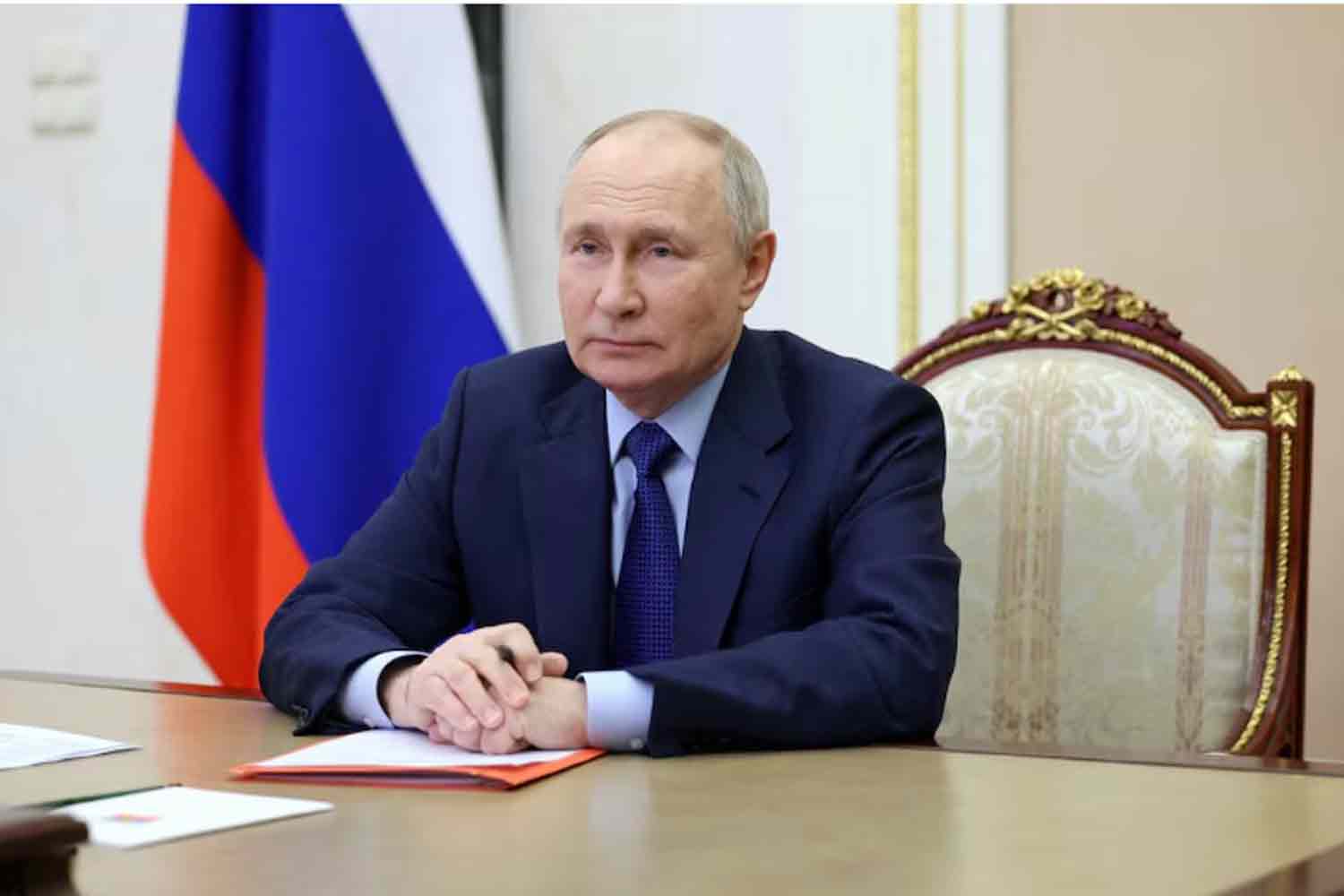
Russian President Vladimir Putin chairs a meeting

Russia has put forward a proposal for establishing a BRICS grain exchange, with the potential for future expansion to include other significant commodities, President Vladimir Putin announced during his opening remarks at a BRICS leaders’ summit on Wednesday.

“BRICS nations are among the foremost producers of grains, legumes, and oilseeds. In this context, we have suggested the establishment of a BRICS grain exchange,” Putin stated to the assembled leaders.

He emphasized that this exchange “will aid in the development of fair and reliable price indicators for products and raw materials, given its crucial role in ensuring food security.”

Putin further noted that the execution of this initiative would safeguard national markets from adverse external influences, speculation, and efforts to engineer an artificial food shortage.

Additionally, he mentioned the possibility of creating a separate platform for trading precious metals and diamonds.

In his address, Putin also highlighted the establishment of a BRICS investment platform, which aims to enhance mutual investments among BRICS nations and could extend to investments in other countries within the Global South.

EU calls BRICS nations to urge Putin to cease Moscow’s military actions in Ukraine

0

The European Union on Wednesday called on nations participating in the BRICS summit in Kazan, Russia, to urge President Vladimir Putin to cease Moscow’s military actions in Ukraine.

The summit is attended by over 20 leaders, including Putin, Chinese President Xi Jinping, Indian Prime Minister Narendra Modi, and Iranian President Masoud Pezeshkian.

EU foreign policy spokesperson Peter Stano criticized “Russia’s exploitation” of its leadership role within the group, highlighting the existence of an arrest warrant for the Russian president.

“We hope that all summit participants in Kazan will take this opportunity to once again urge Putin to immediately halt the war against the Ukrainian people,” he stated.

The spokesperson also expressed the EU’s support for United Nations Secretary-General António Guterres, who is present at the summit.

“We are confident that he will reiterate the call for Russia and Putin to completely and unconditionally end the brutal aggression against the Ukrainian people,” he added.

Xi, Modi, and Putin discuss the Ukraine conflict during BRICS expansion talks

0
Indian Prime Minister Narendra Modi, Russian President Vladimir Putin and Chinese President Xi Jinping attend a family photo ceremony prior to the BRICS Summit plenary session in Kazan, Russia.

Leaders from BRICS, including China‘s Xi Jinping and India’s Narendra Modi, engaged in discussions regarding the conflict in Ukraine with President Vladimir Putin, who presided over a significant summit aimed at demonstrating the failure of Western efforts to isolate Russia. Originally conceived by Goldman Sachs two decades ago to highlight the rising economic influence of China and other emerging markets, BRICS now represents 45% of the global population and 35% of the world economy.

However, there are notable divisions and apprehensions among member nations regarding the rapid expansion of such a large coalition while maintaining a coherent geopolitical agenda and achieving tangible economic outcomes. During the summit on Wednesday, Putin, whose government has rejected war crimes accusations as politically motivated, noted that over 30 countries have shown interest in joining the alliance, emphasizing the need to maintain a balance in any potential expansion.

It is essential to acknowledge the significant interest shown by countries in the Global South and East in enhancing their relationships with BRICS, stated Putin to BRICS leaders in Kazan, a city located along the Volga River, the longest river in Europe. He emphasized the importance of maintaining a balance to ensure the continued effectiveness of BRICS, noting that the group would also address pressing regional conflicts, specifically referring to the situations in the Middle East and Ukraine.

The BRICS summit coincides with a gathering of global finance leaders in Washington, amid concerns surrounding these two conflicts, a slowing Chinese economy, and the potential for new trade disputes arising from the upcoming U.S. presidential election. Notably, China and India account for approximately 90% of Russia’s oil purchases, which is crucial for Moscow’s foreign currency revenue, as Russia stands as the world’s second-largest oil exporter.

BRICS

The term BRIC was introduced in 2001 by Jim O’Neill, the then-chief economist at Goldman Sachs, in a research paper that highlighted the significant growth potential of Brazil, Russia, India, and China in the 21st century.

Initially, Russia, India, and China began to engage in more structured meetings, later incorporating Brazil, followed by South Africa, Egypt, Ethiopia, Iran, and the United Arab Emirates. Saudi Arabia has not yet officially joined the group.

Currently, over 20 leaders, including Chinese President Xi, Indian Prime Minister Modi, UAE President Sheikh Mohammed bin Zayed Al Nahyan, and Iranian President Masoud Pezeshkian, are participating in the BRICS summit.

According to an aide to President Putin, any future expansion of the group will need to consider specific criteria, and a list of 13 countries has been identified for potential inclusion. “We will need to discuss their readiness for either full membership in BRICS or some suitable alternative,” Yuri Ushakov stated, as reported by TASS.

The ongoing conflict in Ukraine casts a shadow over the Kazan summit.

WAR

Modi publicly expressed his desire for peace in Ukraine during a conversation with Putin, while Xi engaged in private discussions about the conflict with the Kremlin leader. Currently, Russia is making territorial gains and controls approximately 20% of Ukraine, including Crimea, which it annexed in 2014, around 80% of the Donbas region, and over 70% of the Zaporizhzhia and Kherson areas.

Putin has asserted that Moscow will not relinquish the four eastern Ukrainian regions it claims as part of Russia and emphasized the need for its long-term security interests to be recognized in Europe. The concluding BRICS statement is expected to reference proposals from China and Brazil aimed at resolving the conflict.

Both China and Brazil have been working at the United Nations to rally support from developing nations for a ceasefire, although Ukraine has accused them of acting in Moscow’s interests. Putin has indicated that the proposals from China and Brazil could serve as a foundation for peace negotiations. He deployed thousands of troops to Ukraine in 2022 following eight years of conflict in the eastern part of the country. Ukraine and Russia have each put forth distinct proposals for ending the war, but these proposals remain significantly divergent.

Poland leads NATO in defense spending, but is it sustainable?

0

Poland’s significant increase in defense spending, which positions it as a leader within NATO, is raising concerns regarding its budgetary implications. This surge is expected to result in sustained higher military expenditures, even as the Polish government acknowledges potential revenue shortfalls in its current budget.

As the largest economy in Central Europe, Poland is projected to lead NATO in defense spending as a percentage of its GDP for the second consecutive year in 2024, according to NATO estimates. Defense expenditures are anticipated to escalate to 4.7% of GDP next year, reflecting a broader European initiative to enhance military capabilities in response to Russia’s invasion of Ukraine in 2022.

This year’s defense budget of $35 billion for Poland may exceed the combined defense spending of its former Communist neighbors in Central Europe and the Baltic region, as well as that of larger economies like Italy, which has consistently fallen short of the NATO guideline of allocating at least 2% of GDP to defense. Prime Minister Donald Tusk’s administration has indicated that defense contracts established prior to its tenure, which began in late 2023, may have led to a fiscal gap estimated at 12.5% of Poland’s projected GDP for 2025, attributed to underestimated long-term financial commitments.

Deputy Defence Minister Pawel Bejda informed parliament earlier this month that the current administration “will either secure these (underestimated) funds or will need to forgo certain tasks,” emphasizing that there are no current plans to delay spending initiatives.

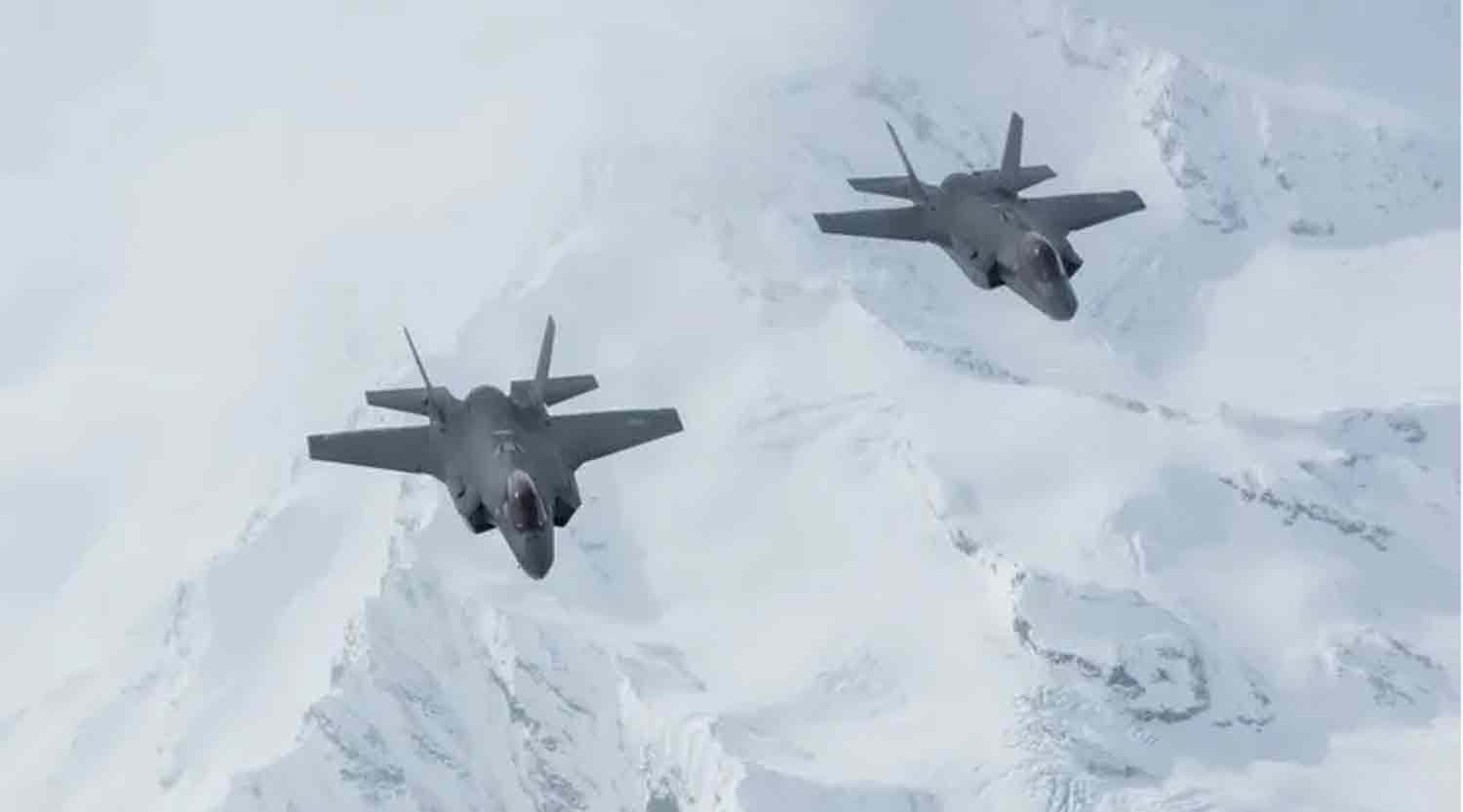
Polish officials have pointed to a $4.6 billion agreement to procure 32 Lockheed Martin F-35 fighter jets as an instance where the total lifetime costs may surpass the initial contract value.

Former Defence Minister Mariusz Blaszczak characterized the allegations as a “political attack,” asserting that they serve to “distract from the deceleration of Poland’s military modernization.” The two leading political parties in Poland are in conflict as they approach a significant presidential election next year.

When inquired about whether Poland has factored in long-term defense-related expenditures into its fiscal objectives, the Finance Ministry stated that the composition of the national budget in any given year is contingent upon current financing requirements.

Seamus P. Daniels, a fellow at the Center for Strategic and International Studies, remarked that “Poland’s large-scale acquisition of new military platforms will result in considerably higher long-term maintenance costs.” He noted that, according to Pentagon data, operating and sustainment costs typically represent 70% of a military system’s lifetime expenses, effectively obligating Poland to allocate billions more for its newly acquired assets.

REVENUE SHORTFALL

According to estimates from the U.S. Department of Defense referenced in an April report by the U.S. Government Accountability Office, the total lifetime cost of the significantly larger U.S. F-35 fleet is projected to exceed $2 trillion by 2088. For every dollar invested in acquiring F-35 aircraft, an additional $3.575 will be incurred in sustainment costs throughout the lifespan of the U.S. fleet, as calculated by Reuters. However, the GAO noted that Poland’s expenses may differ.

Diana Maurer, Director of the GAO Defense Capabilities and Management Team, stated that “Poland’s choices regarding the utilization of the F-35 and the duration of its use may differ from those of the U.S., potentially resulting in significantly different lifecycle costs.” Lockheed Martin refrained from commenting on the costs associated with Poland’s F-35s, indicating that these costs are influenced by various factors, including weapon selection and delivery timelines.

Nevertheless, expenditure is only part of the challenge: the government has projected a revenue shortfall of $10 billion this year, approximately equivalent to Poland’s planned expenditure on 96 Apache attack helicopters. While Poland’s debt levels, at around 50% of GDP, are considerably lower than those of eurozone countries like France and Italy, it remains uncertain how much further Poland could increase borrowing before financial markets react by raising borrowing costs or widening spreads on government bonds.

Last year, Poland’s government spending as a percentage of GDP experienced one of the most rapid increases in the EU, reaching 46.7% of economic output, marking the second-highest level since Poland’s accession to the bloc in 2004.

AMBITIOUS PROJECTIONS

Fitch Ratings emphasized the necessity for Poland to establish a robust medium-term strategy aimed at reducing its deficit and stabilizing debt levels, particularly in light of increased defense and social expenditures. S&P Global noted that the upcoming presidential election in 2025, along with any potential discrepancies from “ambitious revenue projections,” could hinder Poland’s ability to meet EU fiscal objectives.

This year, Poland’s military has become NATO’s third-largest in terms of personnel, following the U.S. and Turkey, and its equipment spending has surpassed both the 20% NATO guideline and U.S. spending rates in recent years.

Fenella McGerty, a senior fellow for Defence Economics at the International Institute for Strategic Studies, remarked, “The increases in spending have exerted significant pressure on Poland’s finances as the nation works to address its deficit.” She added that this situation would limit further top-level increases, while substantial purchases within the defense budget would consume a considerable portion of spending, thereby constraining funding for other initiatives.

The Polish Finance Ministry, the Polish Ministry of Defence, and NATO officials have not disclosed long-term financial projections regarding Poland’s current pace of equipment acquisitions. NATO spokesperson Farah Dakhlallah stated, “While all Allies have committed to a minimum defense spending of 2% of GDP, some will need to allocate more to modernize their armed forces for the future.”

US Secretary of Defense reports North Korean forces are in Russia

0

U.S. Defense Secretary Lloyd Austin stated on Wednesday that there is evidence indicating the presence of North Korean troops in Russia, although their specific activities remain uncertain.

“There is evidence of DPRK troops in Russia,” Austin informed reporters in Rome, referring to North Korea by its official name, the Democratic People’s Republic of Korea.

“What they are doing is still unclear. These are matters we need to investigate,” he added.

Ukrainian President Volodymyr Zelenskiy has referenced intelligence suggesting that two units, potentially comprising up to 12,000 North Korean soldiers, are being prepared to engage in the conflict alongside Russian forces.

Earlier, South Korean lawmakers who received updates from the national intelligence agency on Wednesday said that  North Korea has dispatched 3,000 troops to Russia to assist in its conflict with Ukraine. This figure is double the previously reported estimate. Lawmakers indicated that Pyongyang had committed to sending approximately 10,000 troops, with their deployment anticipated to be finalized by December.

This information follows a report from Seoul’s National Intelligence Service, which stated last Friday that North Korea had already sent around 1,500 special forces to Russia via maritime routes.

Park Sun-won, a member of the parliamentary intelligence committee, noted after the briefing that “indications of troop training within North Korea were observed in September and October.” He added that these troops now appear to be distributed across various training sites in Russia, where they are acclimating to the local conditions. Ukrainian President Volodymyr Zelenskiy has also accused North Korea of preparing to send 10,000 soldiers to Russia, urging allies on Tuesday to take action in light of the evidence of North Korean participation in the conflict.

Both Moscow and Pyongyang have refuted allegations of arms transfers while committing to enhance military cooperation, having signed a mutual defense agreement during a summit in June. The Kremlin has labeled South Korea’s assertion regarding the North’s troop deployment as “fake news.”

On Monday, a senior U.S. diplomat indicated that Washington is in discussions with its allies regarding the potential implications of North Korea’s involvement, emphasizing that such a scenario would be a “dangerous and highly concerning development” if verified.

While Pyongyang has not officially addressed the accusations from Seoul and Kyiv, there have been efforts by local authorities to suppress information about the troop dispatch, according to Lee Seong-kweun, a member of the committee. He noted, “There were reports that the families of the chosen soldiers were so distraught that their faces were severely affected,” referencing information from the intelligence agency. “Additionally, there are indications that North Korean authorities are relocating and isolating these families to maintain control and effectively curb the spread of rumors.”

Lee also indicated that the agency has verified that Russia has enlisted a significant number of interpreters for North Korean soldiers and is providing training on military equipment, including drones. The lawmaker noted that Russian instructors have observed that while the North Korean military possesses strong physical capabilities and high morale, they lack knowledge of contemporary warfare tactics, particularly regarding drone operations.

As a result, he cautioned that there could be substantial casualties if these forces are sent to the front lines. Park suggested that North Korea might be looking to secure Russian intervention in the event of a crisis on the Korean peninsula, as well as to obtain economic support.

On Tuesday, the South Korean presidential office called for the immediate withdrawal of North Korean troops from Russia, warning that it might contemplate supplying lethal weapons to Ukraine if military cooperation between the two nations escalates significantly.

Kim Jong Un conducted inspections of missile facilities to assess preparedness for “strategic deterrence” operations

0
North Korean leader Kim Jong Un tours facilities during a visit to the Nuclear Weapons Institute and the production base of weapon grade nuclear materials.
North Korean leader Kim Jong Un tours facilities during a visit to the Nuclear Weapons Institute and the production base of weapon-grade nuclear materials at an undisclosed location in North Korea.

North Korean leader Kim Jong Un has conducted inspections of missile facilities to assess their preparedness for “strategic deterrence” operations, while labeling U.S. nuclear capabilities as an escalating threat to his nation, according to state media reports on Wednesday.

He stated that the U.S. strategic nuclear arsenal represents an “ever-increasing threat” to North Korea’s security landscape, necessitating that Pyongyang uphold a robust counteraction strategy for its nuclear forces, as reported by KCNA.

In response to international sanctions, North Korea has intensified its development of ballistic missiles and nuclear weapons, while also strengthening military ties with Russia. Kim’s inspection of the missile bases occurs against a backdrop of rising tensions with South Korea and its allies, which includes concerns regarding the alleged deployment of North Korean troops to Russia for combat in Ukraine—a claim that has been refuted by Pyongyang.

South Korea’s National Security Adviser Shin Won-sik and Jacek Siewiera, the head of the Polish National Security Bureau, voiced their concerns regarding North Korea’s military collaboration with Russia during their meeting in Seoul. They also reached a consensus on the importance of working closely with the international community to address this issue, as stated by South Korea’s presidential office.

In a report by KCNA, Kim emphasized the need for modernizing the armed forces, prioritizing strategic missiles as a key element of the national defense strategy.

Accompanying him on this visit were his influential sister, Kim Yo Jong, and Kim Jong Sik, the first vice department director of the Central Committee of the ruling Workers’ Party of Korea, according to KCNA. Images released by KCNA depicted Kim in a leather coat while inspecting missile facilities. The specific timing of these visits was not disclosed by KCNA.

Senior Hamas official arrived in Moscow, RIA reports

0
Hamas official Musa Abu Marzouk

A senior official from Hamas, the militant group governing Gaza, Mousa Abu Marzouk, has arrived in Moscow for a scheduled visit, as reported by the Russian state news agency RIA Novosti on Wednesday, referencing a diplomatic source.

Abu Marzouk, a member of the Hamas politburo, plans to engage in a series of discussions with Russian officials, although RIA did not disclose additional specifics.

Russia maintains relationships with all major stakeholders in the Middle East, including Israel, Iran, Lebanon, the Palestinian Authority, and Hamas.

Moscow has consistently attributed the ongoing crisis in the region to the shortcomings of U.S. diplomatic efforts and has advocated for a ceasefire between Israel and Hamas, as well as the revival of negotiations aimed at achieving a peace agreement.

India and China ease border dispute tensions and the reasons for this shift

0

India and China have finalized an agreement to resolve a military standoff at their contested border, occurring four years after a violent confrontation in the western Himalayas severely strained their relations.

Indian External Affairs Minister S. Jaishankar stated in an interview on Monday that the accord regarding border patrols indicates that “the disengagement process with China has been completed.”

Although the broader border dispute remains unresolved, this agreement facilitates the resumption of patrols in the Ladakh region by both nations’ forces, enabling them to assert their territorial claims while ensuring compliance with the terms established in the recent agreement.

The announcement coincided with Indian Prime Minister Narendra Modi‘s upcoming visit to Kazan, Russia, for the BRICS summit, which will also include participation from China.

Analysts suggest that this pact could enhance political and economic relations between the two Asian powers and may pave the way for a potential meeting between Modi and Chinese President Xi Jinping, marking their first encounter since 2020.

What does the agreement entail?

The specifics of the agreement remain undisclosed, with limited information available.

Indian Foreign Secretary Vikram Misri indicated that the purpose of the pact is to facilitate the “disengagement” of military forces at the Line of Actual Control (LAC), which delineates the territories controlled by China and India. The LAC extends from Ladakh in the west to Arunachal Pradesh in the east, with parts of the latter also claimed by China, covering a total distance of 3,488 km (2,167 miles). As implied by its name, the LAC marks the division of areas under physical control rather than territorial claims.

Misri did not clarify whether the agreement would lead to the withdrawal of the tens of thousands of additional troops that both nations have deployed in the Ladakh region.

On Tuesday, China acknowledged the agreement concerning military patrols along the border but did not specify if it pertains to the entire length of the border or only to specific areas that have experienced conflicts.

A senior military official informed Reuters that both countries would slightly withdraw their forces from their current positions to prevent confrontations, while still being permitted to conduct patrols based on a schedule that is currently being developed. He also mentioned that monthly review meetings and ongoing monitoring of the disputed regions by both nations would help ensure compliance and prevent violations.

Manoj Joshi, an analyst with the Observer Research Foundation in New Delhi, informed Al Jazeera that the limited information released by officials indicates that negotiations might still be in progress.

He stated, “If a formal agreement exists and is made public, we could gain a better understanding of the forthcoming developments.”

Several questions persist, particularly regarding the status of the “buffer” zones established along the Line of Actual Control (LAC), which both parties are expected to refrain from patrolling, he noted.

How did they arrive at this situation?

For the past seventy years, India and China have been embroiled in a border dispute.

The conflict escalated into a brief but intense war in 1962, resulting in a significant defeat for India and the loss of territory in Aksai Chin, located in the far northeast of Ladakh. This area has since remained a contentious issue between the two nations.

Following a series of border agreements in the 1990s, diplomatic relations improved. The agreements of 1993 and 1996 are often seen as pivotal moments, as they established a framework that allowed both countries to avoid casualties along the border for over fifty years after the 1962 conflict. However, this arrangement has faced increasing strain in recent times.

Incidents involving their troops occurred in 2013, 2014—during Xi’s visit to India—and again in 2017. In 2019, India’s repeal of Article 370, which had granted a degree of autonomy to Indian-administered Kashmir, including the disputed regions of Ladakh, was perceived by China as a unilateral alteration of territorial status. This prompted a strong denunciation from China at the United Nations Security Council.

The clash in 2020, which resulted in fatalities, marked a critical low point in their relationship.

Michael Kugelman, director of the South Asia Institute at the Wilson Center in Washington, DC, remarked that while this week’s agreement is noteworthy, its significance should not be exaggerated.

“It does not resolve the border dispute,” Kugelman stated in an interview with Al Jazeera. “This is an agreement that will facilitate a return to the status quo in Ladakh prior to the crisis.”

Kugelman noted that there seems to be no indication of troop withdrawal in the regions where mobilizations occurred during the Ladakh crisis. He emphasized the need for caution regarding this new agreement.

Key moments in the India-China relationship since 2020 include:

June 2020: The Galwan Valley witnessed deadly clashes resulting in the deaths of twenty Indian soldiers and four Chinese soldiers, marking the first fatalities in nearly six decades. This incident sparked significant outrage and protests in India, raising international concerns as the UN called for both nations to exercise maximum restraint. In response, India imposed restrictions on Chinese investments, banned numerous popular Chinese mobile applications, including TikTok, and halted direct flights, with the total number of banned apps eventually reaching 321.

January 2021: A “minor face-off” occurred between Indian and Chinese soldiers along the border in Sikkim, as described by the Indian army.

December 2022: Minor skirmishes erupted in the Tawang sector of Arunachal Pradesh, an area also claimed by China. Beijing accused Indian forces of hindering a routine patrol, while New Delhi asserted that Chinese troops had encroached on Indian territory and attempted to alter the status quo.

August 2023: During a brief meeting at the BRICS summit in Johannesburg, Modi and Xi agreed to enhance efforts for disengagement and de-escalation.

In June, Jaishankar engaged with Chinese Foreign Minister Wang Yi during the Shanghai Cooperation Organisation summit in Kazakhstan, where they reached an agreement to enhance discussions aimed at resolving border issues.

By September, Jaishankar indicated that approximately 75 percent of the “disengagement” challenges at the India-China border had been addressed.

What is the broader context of this agreement?

While a conclusive resolution to the China-India border dispute remains out of reach, both nations are expressing a willingness to initiate a new chapter in their relations.

Kugelman noted that the two nuclear nations have been in dialogue regarding the border situation since the 2020 clash.

“The question arises: Why announce the agreement at this time?” Kugelman remarked. “The upcoming BRICS summit is a significant factor here.”

The timing of the agreement, just before the BRICS summit commenced on Tuesday, provides India with “the diplomatic opportunity for a meeting between Modi and Xi during the summit,” according to the analyst. “From a political standpoint, it is more feasible for New Delhi to consent to such a meeting in light of the border agreement.”

Economic relations likely served as a crucial motivator. China has consistently been one of India’s top two trading partners, alongside the United States. In 2023 and 2024, it emerged as India’s largest trading partner, with bilateral trade reaching $118.4 billion.

Beijing continues to be India’s primary source of goods and its foremost supplier of industrial products, ranging from telecommunications equipment to raw materials for the pharmaceutical sector.

Reducing tensions is also advantageous for China as it seeks to enhance its global influence through multilateral platforms, including BRICS. Many Chinese firms, which faced challenges operating in India after 2020 due to stricter investment regulations and the banning of popular Chinese applications, are eager for a revival of relations.

Joshi, from the Observer Research Foundation and author of Understanding the India–China Border, highlighted that pressure from the Indian business sector contributed to the achievement of the border agreement.

Following the events of 2020, India implemented stringent restrictions on Chinese investments and visa applications, he noted. He mentioned that there was significant pressure from India to reset bilateral relations.

The analyst further explained that although the relationship had been marked by a lack of mutual trust, the recent agreement indicated that the approach of diplomatic engagement with China has yielded positive results.

“Trust was compromised in 2020. This represents a fresh start, offering a chance to return to a period when the relationship was more stable,” he remarked.

However, Kugelman expressed a more reserved perspective. “I do not believe this agreement signals the beginning of a broader reconciliation, primarily due to ongoing tensions stemming from geopolitical rivalries,” he stated, highlighting issues such as China’s increasing naval activities in the Indian Ocean, its close ties with Pakistan, and India’s strong partnership with the United States.

“This agreement serves as a confidence-building measure, which is beneficial for relations that have deteriorated in recent years,” Kugelman added, “but it should not be interpreted as the initial step towards normalizing the relationship.”

Taiwan’s Defence Minister says Chinese blockade of Taiwan would constitute an act of war

0

A genuine Chinese blockade of Taiwan would constitute an act of war and have significant implications for global trade, stated Defence Minister Wellington Koo on Wednesday, following recent military exercises by China that simulated such a scenario.

China, which claims Taiwan as part of its territory despite the island’s democratic governance, has conducted nearly daily military operations in the vicinity over the past five years, including war games that have rehearsed blockades and assaults on ports. The Taiwanese government firmly disputes Beijing’s claims of sovereignty.

“According to United Nations resolutions, this would be classified as a form of warfare,” he remarked. “It is important to emphasize that drills and exercises differ fundamentally from an actual blockade, particularly regarding their effects on the international community.”

Koo noted that a blockade would have repercussions extending beyond Taiwan, highlighting that approximately one-fifth of global freight transits through the Taiwan Strait. “The international community could not remain passive in such a situation,” he asserted.

Taiwan has been preparing for the possibility of a blockade, including securing food supplies. However, Koo identified liquefied natural gas (LNG) as a vulnerability. Economy ministry official Hu Wen-chung mentioned that Taiwan currently has around eight days’ worth of LNG supplies, with plans to increase this to 14 days by 2027. As a contingency, decommissioned coal-fired power plants could be reactivated if necessary.

CARRIER IN THE STRAIT

Although last week’s military exercises were brief, Chinese military operations have persisted. China has consistently maintained its stance on the potential use of force to assert control over Taiwan.

On Wednesday, Taiwan’s defense ministry reported that a Chinese aircraft carrier group had traversed the Taiwan Strait, moving northward after navigating near the Taiwan-administered Pratas Islands. The ministry indicated that the fleet, led by the Liaoning—China’s oldest aircraft carrier—was detected on Tuesday night, and Taiwanese forces were monitoring the vessels. The Pratas Islands are located at the northern edge of the South China Sea.

The Chinese defense ministry did not provide a response to inquiries regarding this movement. Meanwhile, Chinese Foreign Ministry spokesperson Lin Jian stated to reporters in Beijing that since Taiwan is considered Chinese territory, “it is entirely normal for China’s aircraft carriers to operate within their own territory and waters.”

The Liaoning participated in the aforementioned military exercises near Taiwan last week, during which it was reported to have launched aircraft from its deck off the island’s southeast coast. Additionally, Japan noted last month that the same carrier had entered its contiguous waters for the first time.

China has previously navigated its aircraft carriers through the strategically significant strait, including a passage in December, just prior to Taiwan’s elections. The Chinese government asserts that it holds exclusive jurisdiction over the approximately 180 km (110 miles) wide waterway, which serves as a crucial route for international trade. However, Taiwan and the United States contest this claim, arguing that the Taiwan Strait should be recognized as an international waterway.

The U.S. Navy routinely conducts operations in the strait to uphold freedom of navigation rights, a practice mirrored by allied nations such as Canada, Germany, and Britain, which has drawn ire from Beijing. Taiwan has expressed concerns regarding China’s deployment of its coast guard during recent military exercises, particularly fearing that Chinese forces may board and inspect Taiwanese civilian vessels as part of an effort to assert legal control over the strait. In a report presented to parliament on Wednesday, Taiwan’s coast guard stated that if such incidents were to occur, its vessels would respond based on the principle of “neither provoking nor backing down,” and would take all necessary measures to prevent such actions.

Xi Jinping says China and Russia have established an effective framework for major neighbor countries to coexist

0
Chinese President Xi Jinping meets with Russian President Vladimir Putin in Kazan, Russia.

Chinese President Xi Jinping stated on Tuesday that China and Russia have established an effective framework for major neighboring countries to coexist, characterized by non-alliance, non-confrontation, and not targeting any third parties.

These comments were made during a meeting with Russian President Vladimir Putin, following Xi’s arrival in Kazan for the 16th BRICS Summit.

Highlighting that this year marks the 75th anniversary of diplomatic relations between China and Russia, Xi noted that the partnership has successfully navigated various challenges over the years.

Both nations, committed to the principles of enduring good-neighborliness, friendship, comprehensive strategic coordination, and mutually beneficial cooperation, have consistently deepened and broadened their collaboration across multiple sectors, according to Xi.

This collaboration has provided significant momentum for the development, revitalization, and modernization of both countries, contributing positively to the welfare of the Chinese and Russian peoples and promoting international fairness and justice, Xi added.

Acknowledging the unprecedented transformations currently shaping the world, which have led to a rapidly evolving and turbulent international environment, Xi expressed confidence that the deep-rooted friendship between China and Russia will remain steadfast, along with their shared responsibility as major global players.

Bilateral cooperation in trade and large-scale joint projects continues to progress despite facing significant external challenges, Xi stated. He emphasized the need for both nations to enhance the alignment of the Belt and Road Initiative with the Eurasian Economic Union to foster high-quality economic development.

Xi highlighted that next year will mark the 80th anniversary of the United Nations’ founding and the victory in the World Anti-Fascist War.

As permanent members of the UN Security Council and influential global players, China and Russia should deepen their strategic coordination, enhance communication within multilateral frameworks like the United Nations and the Shanghai Cooperation Organization, promote an accurate understanding of World War II history, uphold the UN-centered international system, and work together to maintain global strategic stability and ensure international fairness and justice, Xi remarked.

He also noted that the BRICS mechanism serves as a crucial platform for solidarity and cooperation among emerging markets and developing nations, commending Russia’s significant contributions as the BRICS chair.

Xi expressed his anticipation for engaging in comprehensive discussions with leaders at the upcoming summit regarding the future of the BRICS mechanism, aiming to build consensus, convey a strong message of unity and collaboration, and enhance strategic coordination and practical cooperation across various sectors within BRICS, ultimately creating more opportunities for the Global South.

In response, Putin remarked that since the establishment of diplomatic relations 75 years ago, Russia and China have evolved into comprehensive strategic partners, with their bilateral relations experiencing sustained high-level growth and establishing a new model for relationships among major countries.

Through collaborative efforts from both nations, the partnership between Russia and China, founded on principles of equality, mutual respect, and shared benefits, continues to progress. The initiatives under the Russia-China Years of Culture have been successfully executed. Russia is eager to further enhance its cooperation with China to foster the development and revitalization of both countries.

As next year marks the 80th anniversary of the conclusion of World War II, Putin highlighted the significant sacrifices made by both Russia and China for victory in the World Anti-Fascist War. He expressed Russia’s willingness to jointly commemorate this significant occasion with China.

Additionally, Russia is prepared to maintain robust high-level exchanges and strategic communication with China on international matters, collaborating to uphold international fairness, justice, and global strategic stability.

Putin expressed gratitude to China for its support during Russia’s BRICS presidency, emphasizing Russia’s commitment to work closely with China to ensure the success of the first BRICS Summit following its expansion, aiming for positive outcomes in enhanced BRICS cooperation.

The two leaders also engaged in a thorough discussion regarding key international and regional issues of mutual interest.

Israel claims 3 Hezbollah commanders and 70 fighters killed over last 48 hours

0

Israel‘s military announced that it has eliminated three commanders of Hezbollah and approximately 70 fighters in southern Lebanon over the last 48 hours. This follows the confirmation of the death of Hashem Safieddine, who was considered the potential successor to the group’s leader.

The Israel Defense Forces (IDF) stated, “In southern Lebanon, our troops are engaged in limited, localized, and targeted operations against Hezbollah’s terrorist infrastructure and personnel.”

The IDF further reported that around 70 militants were neutralized through ground and aerial assaults in the past day.

On Wednesday, Israel extended its evacuation orders to several central neighborhoods in the southern Lebanese port city of Tyre, instructing residents to move northward.

This military campaign has intensified following a year of border skirmishes with Hezbollah, which is recognized as one of Iran’s most powerful proxy forces in the region.

The ongoing offensive has displaced at least 1.2 million Lebanese individuals and resulted in 2,530 fatalities, including at least 63 in the last 24 hours, according to the Lebanese government.

On Tuesday, the IDF confirmed the death of Hashem Safieddine, who was seen as the likely successor to Hassan Nasrallah, the group’s leader who was killed in an Israeli operation last month. The military indicated that Safieddine was killed in a strike conducted three weeks ago in the southern suburbs of Beirut, marking the first official acknowledgment of his death. Earlier in the month, Israel had suggested that he was likely eliminated.

Hezbollah has not yet responded to Israel’s claim regarding the death of Safieddine. Israeli army chief Lieutenant General Herzi Halevi stated, “We have reached Nasrallah, his replacement, and most of Hezbollah’s senior leadership. We will reach anyone who threatens the security of the civilians of the State of Israel.”

Safieddine, a relative of Nasrallah, held significant positions within Hezbollah, including membership on its Jihad Council, which oversees military operations, and its executive council, which manages financial and administrative matters. Over the past year, he became a key spokesperson for Hezbollah, representing the group at funerals and events that Nasrallah could not attend due to security concerns.

Despite the assassination of several Hamas and Hezbollah leaders, including Nasrallah, who was killed in a September 27 airstrike, Israel has shown no signs of easing its military operations in Gaza and Lebanon.

Diplomatic sources indicate that Israel is seeking to establish a strong position before the transition to a new U.S. administration following the November 5 election between Vice President Kamala Harris and former President Donald Trump.

On Wednesday, the Islamic Resistance in Iraq announced it had conducted two drone attacks on Israel’s port city of Eilat, targeting what it described as “vital” locations. However, the Israeli military reported intercepting both drones as they approached the waters near Eilat. The pro-Iranian militant group has vowed to intensify its attacks on Israel in solidarity with the Palestinians following the Hamas assault on October 7, 2023, which ignited the ongoing Gaza conflict. The Islamic Resistance, along with Hezbollah, Yemen’s Houthi militia, and various Shi’ite armed groups in Iraq and Syria—collectively referred to as the “Axis of Resistance”—have committed to supporting the Palestinian cause.

BLINKEN’S MIDDLE EAST VISIT

The U.S. Secretary of State Antony Blinken urged Israeli Prime Minister Benjamin Netanyahu on Tuesday to leverage the recent death of Hamas leader Yahya Sinwar to facilitate the release of hostages taken during the October 7 attacks and to bring an end to the ongoing conflict in Gaza. This visit marks Blinken’s 11th trip to the region since the outbreak of the Gaza war, occurring just before a presidential election that could significantly alter U.S. foreign policy.

In addition to addressing the situation in Gaza, Blinken aimed to mitigate tensions in Lebanon, where an Israeli airstrike near a major hospital in Beirut resulted in the deaths of at least 18 individuals, including four children, and left 60 others injured.

Blinken’s efforts to achieve progress on both fronts are expected to be challenging. He expressed U.S. optimism that Sinwar’s death, attributed to his role in orchestrating a year of intense conflict through the militant assault from Gaza, might open new avenues for peace.

Netanyahu’s office released a statement indicating that Sinwar’s removal could positively influence the return of hostages and the fulfillment of the war’s objectives, as well as considerations for the post-war scenario. However, there was no reference to a potential ceasefire, despite the significant degradation of Hamas’ military strength and the extensive destruction in Gaza, which has left most of its 2.3 million residents displaced.

Hamas has maintained its stance against releasing hostages taken during its incursion into Israel unless there is a commitment from Israel to cease hostilities and withdraw from the region. Meanwhile, Hezbollah has dismissed the possibility of negotiations while active conflict persists with Israel.

Taiwan provided rare insights regarding its wartime food strategy during a Chinese blockade

0

Taiwan’s government provided uncommon insights on Tuesday regarding its wartime food strategy, revealing that it is conducting monthly assessments of essential supplies such as rice and ensuring their proper storage throughout the island in anticipation of a potential Chinese blockade. China, which considers the democratically governed Taiwan as part of its territory, has engaged in nearly daily military exercises around the island over the past five years, including drills simulating blockades and assaults on ports. Taiwan’s administration firmly disputes Beijing’s claims of sovereignty.

In its most recent military exercises conducted last week, China simulated blockades of critical ports and regions, as well as attacks on maritime and land targets, according to Beijing. In a report presented to parliament concerning preparations for a possible Chinese blockade, which was reviewed by Reuters, Taiwan’s agriculture ministry stated that it has maintained rice stockpiles exceeding the legally mandated three-month level and has strategically stored food supplies across the island to “reduce the risks of attack.”

The ministry announced that Taiwan’s current rice reserves are sufficient to sustain the island for at least seven months. Plans for rice rationing through supply stations across the island are being developed in anticipation of a potential food crisis. In the event of a blockade, the ministry indicated that additional farmland would be utilized for rice cultivation, while also prioritizing the growth of sweet potatoes, soybeans, and fresh vegetables, along with increasing aquaculture in ponds.

In a situation where sea fishing is restricted, the ministry stated that the island’s fish feed supply would adequately support pond fishing for over three months. Furthermore, the ministry is planning to establish a task force dedicated to ensuring food supply security by conducting monthly assessments of the island’s food resources. Historically, Taiwan was a significant agricultural hub during Japanese colonial rule from 1895 to 1945, but it now relies heavily on imports for most of its food due to the conversion of farmland into factories during the rapid industrialization that began in the 1960s.

Taiwan’s food self-sufficiency rate fell to 30.3% in 2023, marking the lowest point in 18 years, as reported by the ministry.

In a separate briefing to parliament regarding potential scenarios, the National Security Bureau indicated that China’s cyber units are enhancing their capabilities to penetrate critical online infrastructure, such as telecommunications, with the aim of undermining Taiwan through misinformation during a conflict with China.

Furthermore, the bureau noted that over the past two years, China has conducted “joint combat readiness patrols” near Taiwan three to four times each month. The number of tanker aircraft designated for aerial refueling, as well as landing ships and other military assets involved in these exercises, has been steadily increasing.

“This highlights the ongoing escalation of military threats from the communist regime against Taiwan, as they seek to impose a blockade and exert control over our external maritime communication routes,” the bureau stated.

Putin to meet one-on-one with Xi Jinping and Modi

0
Russian President Vladimir Putin chairs a meeting

Russian President Vladimir Putin is scheduled to engage in a one-on-one meeting with Chinese President Xi Jinping and Indian Prime Minister Narendra Modi during the BRICS summit in Kazan on Tuesday, as reported by presidential aide Yuri Ushakov on Monday.

In addition to his discussions with Xi and Modi, Putin will also conduct bilateral meetings with South African President Cyril Ramaphosa, Egyptian President Abdel Fattah el-Sisi, and Dilma Rousseff, the former Brazilian president who currently leads the BRICS New Development Bank.

Putin and Xi last convened in Astana in July, prior to the annual summit of the Shanghai Cooperation Organization. Shortly thereafter, Putin met with Modi in Moscow, where the Indian Prime Minister expressed that their discussions significantly strengthened the friendship between India and Russia.

Ushakov indicated that Putin intends to meet with “literally all the leaders of states” participating in the BRICS summit.

Bilateral discussions are scheduled for Wednesday with Turkish President Recep Tayyip Erdogan, Iranian President Masoud Pezeshkian, and Ethiopian Prime Minister Abiy Ahmed Ali, as noted by Ushakov.

In early September, Türkiye officially submitted its application for BRICS membership, marking it as the first NATO member to do so.

On the final day of the summit, Putin is set to engage with Palestinian Authority President Mahmoud Abbas, Laotian President Thongloun Sisoulith, Mauritanian President Mohamed Ould Ghazvani, and Bolivian President Luis Arce. Following these meetings, he will also meet with UN Secretary-General Antonio Guterres and Vietnamese Prime Minister Pham Minh Chinh, according to Ushakov.

BRICS was established in 2006 by Brazil, Russia, India, and China, with South Africa joining in 2011. In January 2024, Ethiopia, Egypt, Iran, and the United Arab Emirates became members. Saudi Arabia is yet to finalize its membership after receiving an invitation. Over 30 nations have expressed interest in joining the group, which currently accounts for more than 45% of the global population and has surpassed the US-led G7 in terms of global GDP share.

This year’s BRICS summit will see representation from 36 countries, with 22 of them being led by their heads of state. Additionally, six international organizations will participate, making this summit the first to be attended by a UN secretary-general.

Member states are set to deliberate on the potential expansion of the group, as well as the establishment of a new international financial system.

Ushakov has indicated that the summit will commence with a dialogue on “the most urgent conflict situations globally,” highlighting the group’s transition from a solely economic focus to an increasing geopolitical influence. Additionally, both members and non-members will engage in a separate session addressing food and energy security concerns, particularly in relation to the Middle East, Ushakov noted.

India and China reached a significant agreement regarding patrolling along the LAC

0

India announced on Monday that it has reached a significant agreement with China regarding patrolling along the Line of Actual Control (LAC), representing a crucial advancement in the four-year military standoff between the two nuclear-armed nations.

This development was confirmed by the Indian Foreign Ministry just before Prime Minister Narendra Modi’s visit to Russia for the BRICS summit, where he may engage in discussions with Chinese President Xi Jinping on the sidelines.

Foreign Secretary Vikram Misri stated that both nations have committed to monitoring the Ladakh region to prevent any violations. This agreement emerged from multiple rounds of discussions through diplomatic and military channels over recent weeks. He noted that the two sides will now proceed with the “next steps on this.”

Furthermore, Indian Foreign Minister S. Jaishankar affirmed that both parties have returned to the status quo along the LAC – the 3,500-kilometer (approximately 2,100-mile) border between the two countries – as it was in 2020, prior to clashes that resulted in the deaths of 20 Indian and four Chinese soldiers.

The process of disengagement with China has now been finalized, as stated by Jaishankar, who noted that the agreement was reached just today. He emphasized that any disturbance to peace and tranquility hinders the advancement of the overall relationship.

The minister described the recent agreement as a significant step forward, achieved through patience and ongoing diplomatic efforts, particularly during periods when many had lost hope. He indicated that this mutual understanding regarding patrolling will facilitate the restoration of peace and tranquility in the border areas that existed prior to 2020. “We are optimistic about returning to that state of peace and tranquility,” he remarked. However, there has been no immediate response from Beijing regarding this development.

Relations between the two nuclear-armed nations have been tense since the clashes in 2020, affecting both diplomatic and economic interactions, with New Delhi imposing restrictions on Chinese investments in India. Since then, the two countries have engaged in over 30 rounds of discussions aimed at reducing tensions.

In September of this year, Jaishankar indicated that approximately 75% of the disengagement matters have been addressed between the two neighboring countries, with the outstanding issues primarily concerning patrolling and the positioning of troops and armaments along the border. In October, Indian Army Chief General Upendra Dwivedi remarked that while the current situation at the border seems “stable,” it is still “not normal.” He also mentioned that there are “positive signals” arising from diplomatic discussions, emphasizing that the implementation on the ground relies on the military leaders of both nations.

Hezbollah attacks Tel Aviv, state of emergency declared

0

The Lebanese militant group Hezbollah has announced that it targeted the “Stella Maris” naval base, located northwest of Haifa.

Hezbollah also shared an image on its Telegram channel, accompanied by a message alleging a missile strike in a region north of Caesarea, where Prime Minister Benjamin Netanyahu resides, although it did not directly claim responsibility for the attack.

Previously, reports indicated that Hezbollah had asserted an assault on the Glilot military base near Tel Aviv using a “missile salvo,” along with what seems to be a subsequent attack on a suburb of Tel Aviv.

In response, Israeli officials have declared a state of emergency in the Tel Aviv region, although no injuries have been reported.

This marks the first instance of medium-range rockets being deployed from this location. Shortly thereafter, air raid sirens were activated in Tel Aviv. Israeli media reports indicate that all air traffic has been halted at Ben Gurion Airport.

Additionally, the Israeli military has implemented emergency protocols in the Tel Aviv vicinity. This serves as a significant indication from Hezbollah that they retain operational capabilities despite ongoing conflicts.

Air traffic at Ben Gurion Airport has been suspended, and the Israeli military has announced a state of emergency in the Tel Aviv region, as reported by our colleagues at Al Jazeera Arabic, citing Israeli media sources.

Previously, we noted that Hezbollah claimed responsibility for missile strikes on the Nirit area in the suburbs of Tel Aviv, which led to significant explosions.

BRICS summit signals Russia is not isolated

0

Nearly three years after Russia’s invasion of Ukraine, which drew widespread condemnation from nations around the world, President Vladimir Putin is convening a summit with over a dozen world leaders. This move signals that he is not isolated, as an emerging coalition of countries rallies behind him.

The three-day BRICS summit, commencing on Tuesday in Kazan, a city in southwestern Russia, marks the first gathering of the major emerging economies—Brazil, Russia, India, China, and South Africa—since the group expanded earlier this year to include Egypt, the United Arab Emirates, Ethiopia, and Iran.

Attendees are expected to include leaders such as Xi Jinping of China, Narendra Modi of India, Masoud Pezeshkian of Iran, and Cyril Ramaphosa of South Africa, along with Turkish President Recep Tayyip Erdogan, who is not a member of BRICS. Brazilian President Luiz Inacio Lula da Silva was anticipated to participate but canceled his trip due to an injury sustained at home.

This summit represents the largest international assembly that President Putin has hosted since the onset of the war in February 2022. The gathering of BRICS and other nations this week highlights a growing alignment among countries seeking to alter the global power dynamics and, for some like Moscow, Beijing, and Tehran, to directly challenge the influence of the United States and its allies.

In the coming days, Putin and his close ally Xi will emphasize this narrative: that it is the West that finds itself isolated due to its sanctions and alliances, while a “global majority” of nations backs their efforts to contest American dominance on the world stage.

In comments made to reporters on Friday, Putin emphasized the increasing economic and political influence of BRICS nations, describing it as an “undeniable fact.” He asserted that collaboration among BRICS and interested nations could play a significant role in shaping a new world order, while clarifying that the group should not be viewed as an “anti-Western alliance.”

The timing of Putin’s statements is particularly significant, occurring just days before the US elections, where a potential win for former President Donald Trump could lead to a shift in US support for Ukraine and strain relations with traditional allies.

“This BRICS summit is essentially a boon for Putin,” remarked Alex Gabuev, director of the Carnegie Russia Eurasia Center in Berlin. “The underlying message will be: how can one claim Russia is globally isolated when leaders from various nations are gathering in Kazan?”

Russia aims to position BRICS as a leading force advocating for a more equitable global order, according to Gabuev.

However, despite Russia’s ambitious rhetoric, the leaders convening in Kazan represent a diverse array of perspectives and interests, which observers note may hinder their ability to convey a cohesive message—particularly one that aligns with Putin’s aspirations.

Global Crises

The gathering hosted by Russia stands in stark contrast to last year’s BRICS summit in Johannesburg, where Putin participated remotely due to an arrest warrant from the International Criminal Court related to alleged war crimes in Ukraine.

This year, the Russian president is leading the first summit since the organization nearly expanded its membership, taking place against a significantly altered global backdrop.

While BRICS primarily focuses on economic cooperation, last year’s meeting was overshadowed by the ongoing war in Ukraine. Currently, as that conflict continues, the escalating situation in the Middle East, particularly Israel’s engagement with Iranian proxies, is expected to dominate discussions among leaders.

Recently, Putin announced that Palestinian leader Mahmoud Abbas would attend the summit. Analysts suggest that the Russian president and his officials may leverage the conflict and the widespread discontent in the Global South regarding U.S. support for Israel to advocate for a new global order that excludes U.S. dominance.

Both China and Russia have called for a ceasefire amid the intensifying conflict and have criticized Israel’s military actions, while the U.S. has supported Israel’s right to respond to attacks from militant groups such as Hamas in Gaza and Hezbollah in Lebanon.

Many participants at the summit view the conflict in the Middle East as a significant illustration of why this specific coalition of nations should wield greater influence, according to Jonathan Fulton, a senior non-resident fellow at the Atlantic Council based in Abu Dhabi. However, he noted that these countries are primarily utilizing the situation as a rhetorical device to voice their criticisms rather than demonstrating a genuine commitment to facilitating its resolution.

Observers will also be keen to see if China and Brazil leverage the event to promote their joint six-point peace initiative regarding the war in Ukraine, similar to their approach at last month’s United Nations General Assembly. During that meeting, Ukrainian President Volodymyr Zelensky criticized the proposal, asserting that such initiatives would ultimately benefit Moscow, while cautioning Beijing and Brasilia that they would not enhance their influence at Ukraine’s expense.

Zelensky faces his own difficulties in presenting his “victory plan” to conclude the conflict, coupled with the looming US elections, which presents China with a significant opportunity to advocate for its own approach to Ukraine without risking too much leverage, as noted by Gabuev in Berlin.

The gathering in Kazan also provides President Putin with ample chances for direct engagement with his fellow BRICS leaders and other supportive dignitaries present.

The recent addition of Iran to BRICS—reported by CNN to have supplied Russia with hundreds of drones and short-range ballistic missiles, a claim Iran denies—further solidifies a close partnership with Moscow. Additionally, China has faced accusations from the US and its allies of bolstering Russia’s military efforts by supplying dual-use goods such as machine tools and microelectronics, a role Beijing refutes while defending its “normal trade” with Russia and its stance of “neutrality” regarding the conflict.

Leaders are anticipated to engage in discussions over the coming days regarding the advancement of ongoing initiatives aimed at facilitating payments outside the US dollar-dominated framework, utilizing BRICS currencies and banking networks. This approach may yield economic advantages while also enabling member nations, such as Russia, to bypass Western sanctions. Additionally, the countries are expected to explore avenues for enhancing economic, technological, and financial collaboration across various sectors, including energy and satellite data sharing.

Concurrently, they will need to address the internal divisions and varying priorities among the member states, which analysts suggest may hinder the overall effectiveness of BRICS.

This situation is not unprecedented for the group, which first convened in 2009 with Brazil, Russia, India, and China as a coalition of significant emerging markets, later incorporating South Africa in 2010. In 2015, BRICS established the New Development Bank, intended as an alternative or complement to the World Bank and the International Monetary Fund.

BRICS has been loosely united by a common goal of reforming the international system to enhance the representation of its member countries. Since its inception, the group has included nations with significant disparities in their political and economic frameworks, along with various other tensions.

For instance, India and China, which are two foundational members of BRICS, have a longstanding border dispute. Their differences have become increasingly evident in recent years, particularly as relations between China and the United States have deteriorated, while India has strengthened its partnership with the US.

Currently, as BRICS continues to expand—reportedly with over 30 additional countries expressing interest in joining or collaborating—geopolitical divisions are further complicating the group’s identity and future direction, according to analysts.

Manoj Kewalramani, who leads Indo-Pacific studies at the Takshashila Institution in Bangalore, noted that China and Russia appear to be steering BRICS away from its original focus on emerging economies towards a platform that reflects discontent with Western hegemony.

Moreover, new or prospective members may not wish to align strictly with either this emerging vision or the West. Instead, they are likely to prioritize economic growth and seek to engage in a non-ideological and pragmatic manner.

Taiwan says China’s live-fire drills may serve as demonstration of China’s “deterrence effect”

0

Taiwan’s defense ministry announced on Tuesday that the live-fire military exercises conducted by China in a province adjacent to the island are part of standard annual training. However, they may also serve as a demonstration of China’s “deterrence effect” in the Taiwan Strait region.

In a notice issued late Monday, China’s Maritime Safety Administration indicated that an area surrounding Niushan Island in Fujian province would be restricted for four hours starting at 9 a.m. (0100 GMT) on Tuesday for these live-fire drills. Niushan Island is located just south of the Taiwan-controlled Matsu Islands.

The defense ministry of Taiwan stated that these exercises are typical of Chinese military training and that they are monitoring the situation closely. Nonetheless, the ministry acknowledged the possibility that these drills could be part of China’s strategy to enhance its deterrent capabilities in light of the evolving circumstances in the Taiwan Strait, although no further details were provided. Last week, China conducted a day of military exercises around the island, which it claims as its own territory, framing them as a warning against “separatist actions.”

Premier Cho Jung-tai addressed reporters in Taipei, stating that China should refrain from conducting such military exercises, as they pose a threat to regional peace and stability. He emphasized, “Regardless of the scale of the drills, they should not occur frequently or in close proximity to Taiwan. This will only lead to unnecessary tensions.” Over the past five years, Taiwan has raised concerns about the regular incursions of Chinese warplanes and warships in the airspace and waters surrounding the island.

China views Taiwan President Lai Ching-te, who assumed office in May, as a “separatist” and has dismissed his requests for dialogue. In response, Lai has rejected Beijing’s claims of sovereignty, asserting that only the people of Taiwan have the authority to determine their future.

Russia aims for BRICS summit to highlight the increasing influence of the non-Western world

0

Russia aims for the BRICS summit to highlight the increasing influence of the non-Western world. However, its partners from China, India, Brazil, and the Arab nations are pressing President Vladimir Putin to seek a resolution to the conflict in Ukraine.

The BRICS coalition now represents 45% of the global population and 35% of the world economy, measured by purchasing power parity, with China contributing more than half of this economic strength.

Portrayed by the West as a war criminal, Putin remarked to reporters from BRICS countries that “BRICS does not position itself against anyone,” emphasizing that the changes in global growth dynamics are an undeniable reality. He described the group as a coalition of nations collaborating based on shared values, a unified vision for development, and, crucially, the principle of respecting each other’s interests.

The BRICS summit is occurring concurrently with a gathering of global finance leaders in Washington, amidst ongoing conflicts in the Middle East and Ukraine, a struggling Chinese economy, and concerns that the upcoming U.S. presidential election may trigger new trade disputes.

During the summit, President Putin faced numerous inquiries from BRICS journalists regarding the potential for a ceasefire in Ukraine.

Russia would not relinquish control over the four regions in eastern Ukraine

In response, Putin stated that Russia would not relinquish control over the four regions in eastern Ukraine that it claims as part of its territory, despite some areas still being outside its grasp. He emphasized the need for Russia’s long-term security interests to be considered in Europe.

Two sources from Russia indicated that while discussions about a possible ceasefire are increasing in Moscow, no concrete agreements have been reached yet, and the international community is awaiting the outcome of the U.S. presidential election on November 5.

Russia is currently advancing and controls approximately 20% of Ukraine, which includes Crimea, a territory it seized and annexed in 2014. Additionally, it holds around 80% of the Donbas region, which encompasses the Donetsk and Luhansk areas, as well as over 70% of the Zaporizhzhia and Kherson regions.

President Putin stated that the West has come to recognize Russia’s impending victory, while expressing his willingness to engage in discussions based on the draft ceasefire agreements established in Istanbul in April 2022.

Xi Jinping and Modi set to attend, Lula canceled his trip

On the eve of the BRICS summit, Putin held informal discussions with United Arab Emirates President Sheikh Mohammed bin Zayed Al Nahyan at his residence in Novo-Ogaryovo, which lasted until midnight.

Putin commended both Sheikh Mohammed and Saudi Crown Prince Mohammed bin Salman, who will not be attending the summit in Kazan, for their efforts in mediating the situation in Ukraine. Sheikh Mohammed assured Putin, “We will continue to work in this direction and are prepared to make every effort to resolve crises in the interest of peace for both parties.”

Chinese President Xi Jinping and Indian Prime Minister Narendra Modi are set to attend the summit, while Brazilian President Luiz Inacio Lula da Silva has canceled his trip due to medical advice following a head injury that resulted in a minor brain hemorrhage.

The term BRIC was first introduced in 2001 by Jim O’Neill, then chief economist at Goldman Sachs, in a research paper highlighting the significant growth potential of Brazil, Russia, India, and China in the 21st century. Over time, Russia, India, and China began to meet more formally, eventually incorporating Brazil, South Africa, Egypt, Ethiopia, Iran, and the United Arab Emirates, while Saudi Arabia has yet to officially join.

BRICS is projected to increase its share of global GDP to 37% by the end of this decade, while the Group of Seven major Western economies is expected to see its share decrease from 30% this year to approximately 28%, as reported by the International Monetary Fund. Russia is actively working to persuade BRICS nations to establish an alternative international payment system that would be resistant to Western sanctions.

However, significant divisions exist within BRICS. China and India, the largest buyers of Russian oil, have strained relations, and tensions persist between Arab countries and Iran.