Saturday, June 6, 2026
Home Blog Page 128

Russia’s updated nuclear doctrine highlights several critical aspects

0
Sarmat intercontinental ballistic missile russia

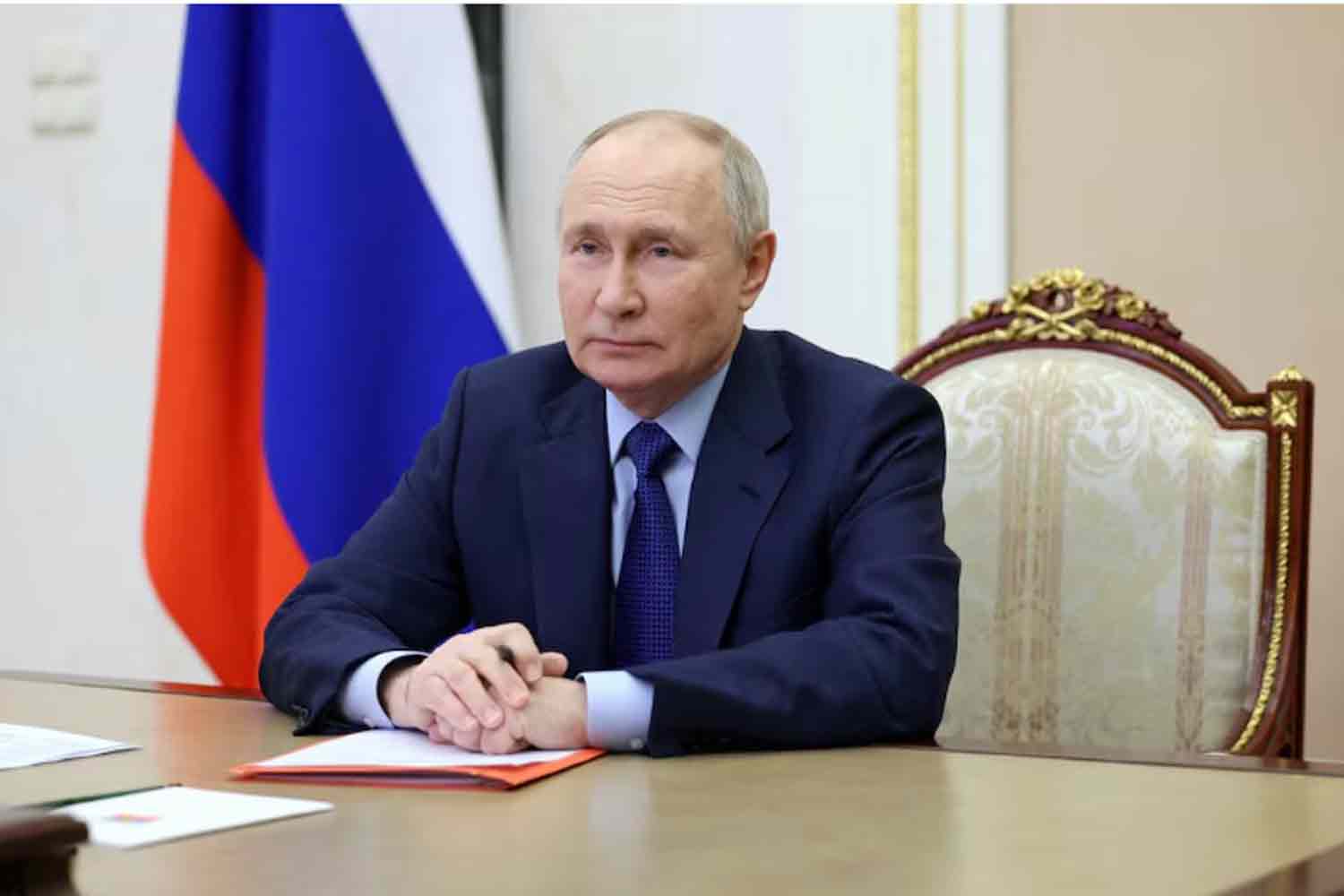
Russian President Vladimir Putin has formally enacted a new national nuclear doctrine that delineates the circumstances under which Moscow may deploy its nuclear capabilities. The following are the main highlights of the revised document, as detailed on the Kremlin’s official website.

  1. The state policy regarding Nuclear Deterrence is fundamentally defensive, designed to maintain a nuclear force capability sufficient for deterrence. It aims to safeguard national sovereignty and territorial integrity while deterring potential aggressors from attacking the Russian Federation and its allies. In the event of military conflict, this policy seeks to prevent escalation and to conclude hostilities under terms favorable to the Russian Federation and its allies.
  2. The Russian Federation views nuclear weapons as a deterrent, with their use considered an extreme and necessary measure. It is committed to minimizing nuclear threats and preventing the deterioration of international relations that could lead to military conflicts, including nuclear confrontations.
  3. Nuclear deterrence is directed towards any potential adversary, which includes individual states or military coalitions that perceive the Russian Federation as a threat and possess nuclear weapons or other weapons of mass destruction, as well as conventional forces with substantial combat capabilities. This deterrence also extends to states that offer their territory, airspace, or maritime areas for planning and executing aggression against the Russian Federation.
  4. Any act of aggression by a single state within a military coalition against the Russian Federation or its allies will be interpreted as an act of aggression by the entire coalition.
  5. Any act of aggression directed at the Russian Federation and/or its allies by a non-nuclear state, with the involvement or backing of a nuclear state, will be interpreted as a collective assault.
  6. The Russian Federation maintains the right to deploy nuclear weapons in retaliation to the use of nuclear arms and/or other weapons of mass destruction against itself and/or its allies. This right also extends to situations where aggression is directed at the Russian Federation and/or the Republic of Belarus, as members of the Union State, through conventional means, provided that such actions pose a significant threat to their sovereignty and/or territorial integrity.
  7. The authority to decide on the use of nuclear weapons lies with the President of the Russian Federation.

Reports indicate that Ukraine possesses a maximum of 50 ATACMS missiles

0
A serviceman of 24th Mechanized brigade named after King Danylo of the Ukrainian Armed Forces fires a 2s5 "Hyacinth-s" self-propelled howitzer towards Russian troops at a front line, amid Russia's attack on Ukraine, near the town of Chasiv Yar in Donetsk region, Ukraine.

The Ukrainian military is estimated to have received approximately 50 ATACMS missiles from the United States to date, as reported by The Times on Tuesday. The Pentagon has not disclosed any official numbers regarding this contentious weapons shipment.

The British publication noted that Ukraine’s armed forces possess a substantial number of HIMARS and MLRS systems capable of launching these long-range missiles, with the first units delivered to Kyiv shortly after the conflict with Russia escalated in 2022.

However, the report emphasized that due to the limited stock of ATACMS missiles, military leaders in Kyiv will need to exercise caution when selecting targets within Russia.

On Tuesday, the Russian Defense Ministry announced that Ukraine had fired six long-range ATACMS missiles into the Bryansk border region, with five being intercepted by air defense systems and one sustaining damage, landing near a military installation.

The White House has been deliberating for over two years on whether to permit Kyiv to utilize US-supplied long-range missiles for strikes deep within Russian territory. On Sunday, the New York Times reported, citing anonymous American officials, that outgoing President Joe Biden had lifted the restrictions on the use of these weapons.

The information was subsequently validated by Josep Borrell, the EU’s outgoing foreign policy chief. Ukrainian President Vladimir Zelensky asserted that several additional Western nations had also granted permission for Kiev to deploy their long-range missiles against internationally recognized Russian territory.

On Monday, US Deputy National Security Adviser Jonathan Finer sidestepped inquiries from journalists regarding President Biden’s authorization, stating that he was not “confirming any decisions that have or have not been made about US assistance” related to operational matters.

Russian President Vladimir Putin has cautioned that such a development would alter the dynamics of the Ukraine conflict, effectively making NATO a direct participant. He has also revised Russia’s nuclear doctrine to permit a strategic response to a conventional attack by a proxy of a nuclear power.

Pentagon to supply prohibited landmines to Ukraine

0

Outgoing US President Joe Biden has made the decision to supply anti-personnel landmines to Ukraine, as reported by various news organizations on Tuesday, referencing unnamed American officials.

The White House reportedly believes that these weapons will assist Ukraine in “blunting” the progress of Russian forces. This decision follows Biden’s recent authorization for the use of long-range ATACMS missiles within Russian territory, a policy change that has yet to be officially acknowledged by his administration.

The Washington Post, the first to cover this development, indicates that the landmines will be deployed only within areas recognized by the US as Ukrainian territory and are designed to be “nonpersistent,” meaning they will deactivate within weeks of being laid to reduce long-term risks.

The deployment of anti-personnel landmines is contentious. The Ottawa Treaty prohibits such weapons, but neither the US nor Russia is among the 164 countries that have ratified it. Ukraine ratified the treaty in 2005 and has faced accusations from the UN regarding violations of its commitments.

The United States has previously provided Ukraine with Claymore mines, which are intended to incapacitate or kill enemy forces. Unlike traditional landmines, these devices are deployed above ground and can be activated remotely. Additionally, Washington has supplied cluster munitions, such as rockets and artillery shells, which many of its allies have prohibited due to the enduring risks they pose to civilian populations.

In 2020, President Biden criticized then-President Donald Trump for reversing an Obama-era policy that prohibited the transfer of anti-personnel mines to other countries, except for South Korea. He described this decision as “reckless” and reinstated the ban upon taking office, as reported by the Post.

U.S. officials assert that it is ultimately up to Kiev to determine its military strategy against Russia, with Washington’s role being to furnish the necessary resources. Moscow has characterized the conflict in Ukraine as a proxy war orchestrated by the U.S., which it claims is willing to continue “to the last Ukrainian.”

On Monday, U.S. National Security Adviser Jake Sullivan encouraged Kiev to deploy additional troops to the front lines, suggesting that the lack of personnel, rather than a deficiency in weaponry, is the primary reason for the inability to halt Russian advances. Kiev has resorted to strictly enforced conscription to address troop shortages, as evasion of the draft remains a significant issue.

Putin’s intelligence chief warns West against direct military confrontation with Russia

0
Russian Foreign Intelligence Service (SVR) Director Sergey Naryshkin.

President Vladimir Putin‘s intelligence chief cautioned the West on Wednesday about the potential for catastrophic outcomes if the United States and its European partners escalate military tensions with Russia regarding Ukraine.

Moscow has condemned Washington’s decision to allow Ukraine to utilize U.S. missiles for strikes within Russian territory, and on Tuesday, Putin signaled a lower threshold for nuclear engagement in response to a wider array of conventional assaults.

The escalating tensions have led to a flight to safety in various financial markets, raising fears of a global confrontation reminiscent of the 1962 Cuban Missile Crisis, a period when Cold War superpowers were on the brink of nuclear conflict.

Sergei Naryshkin, the director of Russia’s Foreign Intelligence Service (SVR), stated that Russia would retaliate against any NATO countries that assist Ukraine in launching long-range attacks into Russian territory using Western weaponry.

“Any efforts by certain NATO allies to facilitate potential long-range strikes with Western arms deep within Russian borders will face consequences,” Naryshkin remarked in an interview with National Defence magazine.

Russia claimed that Ukraine launched U.S. ATACMS missiles into Russian territory early Tuesday and implied that the United States must have provided assistance through satellite intelligence, targeting, and military personnel.

Washington did not immediately respond to these claims but noted on Tuesday that the revision of Russia’s nuclear policy was expected and dismissed “more of the same reckless rhetoric from Russia.”

The U.S. maintains that Russia, which deployed tens of thousands of troops into Ukraine in February 2022, is responsible for the ongoing conflict. Ukrainian President Volodymyr Zelenskiy remarked on Tuesday that the update reflected the Russian leader’s disinterest in pursuing peace.

The U.S. embassy in Kyiv was closed on Wednesday due to “specific information regarding a potential significant air attack,” prompting officials to advise American citizens in Ukraine to be prepared to seek shelter quickly. The Kremlin declined to comment on the situation.

Naryshkin, who leads the primary successor organization to the KGB’s First Main Directorate, indicated that Western elites are beginning to recognize “the seriousness of Russia’s intentions.”

He emphasized that the West must grasp “the necessity for greater restraint in their actions to avoid direct military conflict with our country, which could result in catastrophic consequences for them.”

LANDMINES

Russia currently controls over 110,500 square kilometers (42,660 square miles) of Ukrainian territory, while Ukraine holds approximately 650 square kilometers of Russia’s Kursk region.

As Russian forces continue to advance in Ukraine, Moscow asserts that it will fulfill all its objectives, including the demilitarization of Ukraine.

President Biden has authorized strikes deep into Russian territory using American weaponry and has also approved the supply of anti-personnel land mines, according to a U.S. official who spoke to Reuters.

Kremlin spokesman Dmitry Peskov remarked, “We observe the trend set by the outgoing U.S. administration: they are fully committed to prolonging the war in Ukraine and are doing everything possible to achieve this in the time remaining to them.”

Peskov stated that although neither Russia nor the United States has ratified the convention banning anti-personnel mines, Ukraine has done so.

On Wednesday, Reuters reported that President Putin is willing to engage in discussions regarding a ceasefire with U.S. President-elect Donald Trump, but he has ruled out any significant territorial concessions and insists that Kyiv must relinquish its aspirations to join NATO.

In response to the Reuters article, Peskov indicated that Putin is open to dialogue and negotiations; however, he emphasized that Putin would not agree to a freeze of the conflict.

“It is crucial for us to accomplish our objectives, which are well understood by all,” Peskov remarked to the press.

The Kremlin also rejected claims suggesting a Russian connection to the severing of two fiber-optic telecommunication cables in the Baltic Sea. While European officials have not directly implicated Russia in the cable damage, countries like Germany and Poland have suggested it could be an act of sabotage.

“It’s quite ridiculous—there’s no justification for continually blaming Russia for everything,” Peskov stated, noting that previous sabotage incidents involving the Nord Stream underwater gas pipelines had not been thoroughly investigated.

Putin is willing to negotiate a ceasefire in Ukraine with Trump but rules out territorial concessions

0
Russian President Vladimir Putin chairs a meeting

Vladimir Putin is willing to engage in discussions regarding a ceasefire in Ukraine with Donald Trump, but he firmly rejects any significant territorial concessions and demands that Kyiv relinquish its aspirations to join NATO, according to five sources familiar with Kremlin perspectives, as reported by Reuters.

As President-elect Trump prepares to return to the White House, he aims to swiftly resolve the ongoing conflict during a period marked by Russia’s growing influence. Moscow currently controls an area of Ukraine comparable in size to the state of Virginia and is making advances at a rate not seen since the early stages of the 2022 invasion.

In the first comprehensive account of President Putin’s potential terms for a deal facilitated by Trump, five current and former Russian officials indicated that the Kremlin might be amenable to freezing the conflict along existing front lines.

There could be opportunities for negotiation regarding the specific division of the four eastern regions: Donetsk, Luhansk, Zaporizhzhia, and Kherson, as suggested by three of the sources, who requested anonymity due to the sensitive nature of the discussions.

While Russia asserts that these four regions are entirely part of its territory, protected by its nuclear capabilities, its military currently controls 70-80% of the area, with approximately 26,000 square kilometers still under Ukrainian control, according to open-source data on the front lines.

Additionally, Russia might consider withdrawing from the relatively small territories it occupies in the Kharkiv and Mykolaiv regions, located in northern and southern Ukraine, as noted by two of the officials.

This month, Putin stated that any ceasefire agreement must take into account the “realities” on the ground, expressing concern that a temporary truce would merely provide the West with an opportunity to rearm Ukraine.

During a discussion with the Valdai group on November 7, Putin remarked, “Without neutrality, it is hard to envision any amicable relations between Russia and Ukraine.” He elaborated, “This situation would imply that Ukraine would be perpetually exploited as a tool by those with ill intentions, ultimately harming the interests of the Russian Federation.”

According to two sources, the outgoing U.S. President Joe Biden’s choice to permit Ukraine to launch American ATACMS missiles into Russian territory could hinder and prolong any potential resolution, while also intensifying Moscow’s demands as hardliners advocate for a larger portion of Ukraine. On Tuesday, Kyiv reportedly utilized the missiles to target Russian land for the first time, a move that Moscow condemned as a significant escalation.

If a ceasefire is not established, the two sources indicated that Russia would continue its military operations. Kremlin spokesman Dmitry Peskov informed Reuters shortly before reports of the ATACMS strikes that “Putin has already indicated that freezing the conflict is not a viable option.” He added, “The missile authorization represents a very perilous escalation from the United States.”

The Ukrainian foreign ministry has not yet responded to a request for comment regarding this article.

Steven Cheung, communications director for Trump, told Reuters about the incoming U.S. president: “He is the only individual capable of uniting both parties to negotiate peace and work towards ending the conflict and halting the violence.”

Real estate mogul Donald Trump, who authored the 1987 book “Trump: The Art of the Deal,” has expressed his intention to engage directly with President Putin in pursuit of a peace agreement. However, he has not provided specifics on how he plans to mediate between the conflicting parties, both of which show little inclination to de-escalate.

Ukrainian President Volodymyr Zelenskiy has asserted that his nation will not cease its efforts until every Russian soldier is removed from its territory, adhering to the borders established following the Soviet Union’s dissolution in 1991. Nevertheless, senior U.S. military officials have indicated that this goal is quite ambitious.

On June 14, Putin outlined his initial conditions for an immediate cessation of hostilities: Ukraine must abandon its aspirations to join NATO and withdraw all troops from the four regions that Russia claims and largely controls.

SECURITY ASSURANCES, MILITARY RESTRICTIONS

While Russia firmly opposes Ukraine’s NATO membership and the presence of NATO forces on its territory, it is willing to discuss security assurances for Kyiv, as reported by five current and former officials. Additional concessions that the Kremlin may seek from Ukraine include limiting the size of its military and ensuring the unrestricted use of the Russian language.

Dimitri Simes, a prominent expert on U.S.-Russia relations who emigrated from the Soviet Union in 1973, suggested that a ceasefire could be achieved relatively quickly to halt the conflict, which has resulted in the deaths of hundreds of thousands of soldiers and the displacement of millions of civilians. However, he cautioned that reaching a comprehensive and enduring agreement that addresses the security concerns of both Ukraine and Russia would be exceedingly difficult. “A significant compromise, in my opinion, would be challenging to achieve given the substantial differences in the positions of both parties.”

HARSH TRUTH: RUSSIA ACHIEVED ITS OBJECTIVES

Russia currently controls approximately 18% of Ukraine, encompassing all of Crimea, which it annexed in 2014, along with 80% of the Donbas region—specifically the Donetsk and Luhansk areas—and over 70% of the Zaporizhzhia and Kherson regions. Additionally, it occupies nearly 3% of the Kharkiv region and a small portion of Mykolaiv.

In total, Russia has seized more than 110,000 square kilometers of Ukrainian land, while Ukraine retains about 650 square kilometers of the Kursk region in Russia. Domestically, President Putin could present a ceasefire agreement that allows Russia to maintain control over most of Donetsk, Luhansk, Zaporizhzhia, and Kherson as a triumph, framing it as a measure to protect Russian-speaking populations in eastern Ukraine and to secure the land corridor to Crimea, according to one source.

The status of Crimea itself remains non-negotiable, as asserted by Russian officials.

A senior official with insight into high-level Kremlin discussions indicated that the West must confront the “harsh truth” that its support for Ukraine has not been sufficient to prevent Russia from achieving its objectives in the conflict.

Putin, who previously served as a KGB lieutenant colonel and witnessed the dissolution of the Soviet Union while in Dresden, made the decision to invade Ukraine with limited advice from a small circle of trusted advisors, as reported by ten Russian sources familiar with Kremlin perspectives.

He will also have the final say on any potential ceasefire, according to five current and former officials.

The Kremlin leader characterizes what he terms the “special military operation” in Ukraine as a pivotal moment in which Moscow has finally confronted what he perceives as Western arrogance, particularly regarding NATO’s eastward expansion and interference in the politics of regions that Moscow considers within its sphere of influence, including Georgia and, significantly, Ukraine.

In contrast, Kyiv and Western nations argue that the invasion represents an unlawful attempt to seize Ukrainian territory.

When inquired about the potential characteristics of a ceasefire, two Russian sources pointed to a draft agreement that was nearly finalized in April 2022 following discussions in Istanbul. This draft has been mentioned by Putin publicly as a potential foundation for a future agreement.

According to the draft, which Reuters has reviewed, Ukraine would need to commit to permanent neutrality in exchange for international security assurances from the five permanent members of the U.N. Security Council: the United Kingdom, China, France, Russia, and the United States.

One Russian official emphasized that an agreement would only be possible if Ukraine received security guarantees, stating, “The challenge lies in how to prevent a deal that could entangle the West in a direct confrontation with Russia in the future.”

European nations condemn Russian hybrid assaults, initiating investigations into cable cut incidents

0
The C-Lion1 submarine telecommunications cable is being laid to the bottom of the Baltic Sea by cable ship Ile de Brehat on the shore of Helsinki, Finland.

European governments on Tuesday accused Russia of intensifying hybrid attacks against Ukraine’s Western allies, as Baltic nations began investigating the potential sabotage of two fibre-optic telecommunication cables in the Baltic Sea.

While European officials have not explicitly blamed Russia for the cable damage, countries such as Germany and Poland suggested that it was likely a deliberate act. In response, Lithuania’s armed forces increased their surveillance of the region.

The foreign ministers of France, Germany, Italy, Poland, and Britain issued a statement highlighting that “Moscow’s escalating hybrid activities against NATO and EU nations are unprecedented in their diversity and scale, posing significant security threats.”

This strong statement coincided with investigations into the complete severing of the Baltic cables, one of which connects Finland to Germany and the other linking Sweden to Lithuania, reminiscent of previous incidents in the heavily trafficked waterway.

Polish Foreign Minister Radoslaw Sikorski warned that if Russia continues its acts of sabotage in Europe, Warsaw would consider closing its remaining consulates in Poland, following discussions with several European foreign ministers in the Polish capital.

German Defence Minister Boris Pistorius echoed this sentiment during separate discussions in Brussels, stating, “No one believes that these cables were cut by accident.”

He further remarked, “We must also assume, even without definitive proof, that this is an act of sabotage.”

Moscow has consistently rejected allegations of sabotaging European infrastructure, asserting that such accusations are fabricated to undermine Russian interests as part of an information warfare campaign led by the West.

Two European sources indicated that the statement made on Tuesday was not a direct reaction to the recent cable disruptions.

European Commission Vice President Josep Borrell adopted a more measured approach, emphasizing that it is premature to assign blame.

“It would be irresponsible for me to attribute this incident, accident, or whatever you wish to call it, to any specific party,” he remarked during a press conference in Brussels.

One cable ceased operations on Sunday morning, while the other was affected less than 24 hours later on Monday.

INVESTIGATIONS

The Swedish Prosecution Authority announced the initiation of a preliminary criminal investigation into the damaged cables, which traverse Sweden’s exclusive economic zone in the Baltic Sea, amid suspicions of potential sabotage.

Swedish Civil Defence Minister Carl-Oskar Bohlin later informed Reuters that the nation’s armed forces and coastguard had detected ship movements that coincided with the disruption of the two telecom cables in the Baltic Sea.

“We take this matter very seriously, especially given the current security situation,” he stated.

The Swedish navy will deploy vessels equipped for underwater operations, including remotely operated vehicles, to aid in the investigation, as confirmed by the armed forces.

A NATO representative noted that the alliance’s Maritime Centre for the Security of Critical Undersea Infrastructure is collaborating closely with allies to ascertain the facts.

Finland’s National Bureau of Investigation has initiated an inquiry into the damaged subsea cable, with Sweden taking the lead in the investigation.

The most notable case of sabotage in the Baltic region involved the destruction of the Nord Stream gas pipelines in September 2022, occurring seven months after Russia’s full-scale invasion of Ukraine, which accelerated Europe’s transition to alternative energy sources.

Responsibility for those explosions remains unclaimed. While some Western officials initially pointed fingers at Moscow—an assertion the Kremlin labeled as “idiotic”—reports from U.S. and German media suggest that pro-Ukrainian groups may have been involved.

The companies responsible for the two affected cables have stated that the cause of the outages is still undetermined.

“It’s not a partial damage; it’s complete damage,” remarked a spokesperson for Arelion, the operator of the cable connecting Lithuania and Sweden. The company has since filed a police report regarding the incident.

Cinia, which owns the cable linking Finland and Germany, indicated that the cause of the breach could not be established until repair work commenced. The company noted that such repairs generally take between 5 to 15 days.

Dutch Defence Minister Ruben Brekelmans commented that he had no specific details regarding culpability, but noted, “We are observing an increase in activity, particularly from Russia, in our waters, which appears to be aimed at espionage and potentially sabotaging our critical infrastructure.”

US envoy says a resolution to the Israel-Hezbollah conflict is ‘within reach’

0

A senior U.S. mediator indicated on Tuesday that there exists a “real opportunity” to resolve the conflict between Israel and Hezbollah, noting that the gaps in negotiations are closing, which suggests progress in Washington’s attempts to secure a ceasefire.

White House envoy Amos Hochstein made these remarks in Beirut following discussions with Parliament Speaker Nabih Berri. This came a day after the Lebanese government and the Iran-backed Hezbollah expressed agreement with a U.S. ceasefire proposal, albeit with some reservations regarding its specifics.

“I returned because we have a genuine chance to bring this conflict to a conclusion,” Hochstein stated at a press conference post-meeting. “It is now within our reach. I hope that the upcoming days will lead to a decisive resolution.”

Hochstein’s mission represents a final effort by the outgoing U.S. administration to negotiate a ceasefire in Lebanon. Berri commented to the pan-Arab newspaper Asharq Al-Awsat that the situation was “good in principle,” although some aspects of the ceasefire proposal still require further discussion, particularly technical details.

He mentioned that Hochstein would address these specifics before proceeding to Israel, emphasizing that Lebanon views the United States as the guarantor of Israel’s position.

Israeli Energy Minister Eli Cohen remarked at a conference on Tuesday that “discussions are ongoing regarding an arrangement with Lebanon,” but emphasized that Israel would only agree if all its conditions were satisfied, including the removal of Hezbollah from the border area.

These diplomatic efforts are taking place amid an escalation of hostilities, with Israel increasing its strikes on Hezbollah-controlled areas in southern Beirut and conducting three attacks in the capital over the past three days.

The situation escalated in September when Israel launched an offensive, conducting extensive airstrikes across Lebanon, deploying troops to the southern region, and resulting in the deaths of numerous Hezbollah leaders, including their chief, Hassan Nasrallah.

Hezbollah has appointed its longstanding ally, Berri, to serve as Lebanon’s negotiator.

Hochstein arrived in Beirut overnight following Lebanon’s submission of its written response to a U.S. ceasefire proposal, which Berri had received from the U.S. ambassador the previous week.

Israel initiated its offensive after nearly a year of cross-border tensions with Hezbollah, which claimed it was acting in solidarity with Hamas after the militant group’s attack on Israel on October 7, 2023, which triggered the Gaza conflict.

Israel’s stated objective is to dismantle Hezbollah’s military capabilities and ensure the safe return of tens of thousands of Israelis who were evacuated from the northern regions.

According to the Lebanese health ministry, an Israeli strike resulted in the deaths of two individuals in the Chiyah area of Beirut’s southern suburbs. On Tuesday, at least 35 projectiles were launched into Israel from Lebanon, with some intercepted, along with two drones, as reported by Israel’s military.

ISRAELI DEMANDS

Lebanon has dismissed Israeli requests for “freedom of action,” which Cohen indicated would apply in the event of Hezbollah’s attacks or attempts to regain strength. Berri noted last week that the U.S. proposal did not address this issue.

Global powers assert that any ceasefire must adhere to U.N. Security Council Resolution 1701, which concluded the 2006 conflict between Israel and Hezbollah. This resolution mandates that Hezbollah relocate its weapons and fighters north of the Litani River, approximately 30 kilometers (20 miles) from the Israeli border.

Ali Hassan Khalil, a senior aide to Berri, informed Reuters on Monday that Lebanon has submitted its feedback on the U.S. proposal “in a constructive environment,” emphasizing that these comments “demonstrate a strict commitment to Resolution 1701 and all its stipulations.”

According to Lebanese authorities, Israel’s military actions have resulted in the deaths of 3,481 individuals in Lebanon since the onset of hostilities. These statistics do not differentiate between combatants and non-combatants.

Hezbollah’s attacks have led to the deaths of 43 civilians in northern Israel and the Israeli-occupied Golan Heights, while Israeli reports indicate that 73 soldiers have been killed in strikes in northern Israel and the Golan Heights, as well as in confrontations in southern Lebanon.

Russia begins the production of mobile bomb shelters designed to withstand nuclear threats

0
Emergency personnel walk into radiation-resistant mobile bomb shelters in Nizhny Novgorod region, Russia February 10, 2023. Russian Scientific Research Institute for Civil Defence and Emergencies of EMERCOM.

Russia has initiated the mass production of mobile bomb shelters designed to safeguard against a range of threats, including shockwaves and radiation resulting from a nuclear explosion.

According to the emergency ministry’s research institute, the “KUB-M” shelter is capable of providing protection for up to 48 hours against various natural and human-made dangers.

The threats identified include explosions and shrapnel from conventional weaponry, falling debris from structures, hazardous chemicals, and fires.

Resembling a fortified shipping container, the “KUB-M” comprises two modules: one designed to accommodate 54 individuals and a technical block. Additional modules can be incorporated as necessary, as stated by the institute.

While the announcement did not directly associate the initiative with any ongoing crisis, it coincided with the recent decision by U.S. President Joe Biden’s administration to permit Ukraine to launch U.S. long-range missiles into Russian territory—a move that the Kremlin has condemned as reckless and one that would provoke a response from Moscow.

On Tuesday, President Vladimir Putin endorsed a new official doctrine that has lowered Russia’s threshold for the use of nuclear weapons.

The research institute described the mobile shelter as a versatile structure that offers protection against various threats, including both natural disasters and man-made incidents, emphasizing its significance in enhancing citizen safety.

The shelter is easily transportable by truck, can be connected to water supplies, and is suitable for deployment in Russia’s extensive northern permafrost regions.


Ukraine uses U.S. ATACMS missiles against Russia for the first time on the conflict’s 1,000th day

0
A serviceman of 24th Mechanized brigade named after King Danylo of the Ukrainian Armed Forces fires a 2s5 "Hyacinth-s" self-propelled howitzer towards Russian troops at a front line, amid Russia's attack on Ukraine, near the town of Chasiv Yar in Donetsk region, Ukraine.

Ukraine reportedly utilized U.S. ATACMS missiles to target Russian territory for the first time on Tuesday, marking a significant escalation on the 1,000th day of the conflict, according to Moscow.

Russia claimed that its military intercepted five out of six missiles aimed at a military site in the Bryansk region, although debris from one missile struck the facility without resulting in casualties or damage.

Ukraine asserted that it successfully hit a Russian arms depot located approximately 110 kilometers (70 miles) within Russian borders, leading to secondary explosions. However, the specific type of weaponry employed was not disclosed.

President Joe Biden recently authorized Ukraine to deploy the medium-range U.S. missiles for such operations, a move that Moscow has characterized as an escalation that could implicate Washington as a direct participant in the conflict and provoke retaliation.

This development coincides with plans for vigils commemorating 1,000 days of war, as exhausted troops remain at the front lines, Kyiv endures airstrikes, and concerns grow regarding the sustainability of Western support with Donald Trump returning to the White House.

Military analysts suggest that while U.S. missiles may assist Ukraine in defending a strategically captured area within Russia, they are unlikely to alter the trajectory of the 33-month-long war.

More significant shifts in U.S. policy are anticipated with Trump’s return to power in two months, as he has vowed to expedite an end to the conflict, though he has not detailed how this would be achieved.

In a speech to parliament, President Volodymyr Zelenskiy indicated that the “decisive moments” of the war are expected to unfold in the coming year.

At this point in the conflict, the outcome is being determined. It remains to be seen whether we will triumph over the adversary or if the adversary will overcome us Ukrainians and Europeans, along with all those globally who aspire to live freely and resist tyranny.

A candle-lit memorial is scheduled for later on Tuesday. Thousands of Ukrainian lives have been lost, over 6 million have become refugees in other countries, and the population has decreased by a quarter since Kremlin leader Vladimir Putin initiated the invasion by land, sea, and air, marking the onset of Europe’s largest conflict since World War Two.

Putin warns the U.S. with an updated nuclear doctrine

0
Russian President Vladimir Putin chairs a meeting

Russian President Vladimir Putin approved a revised nuclear doctrine on Tuesday, indicating that Russia might contemplate the use of nuclear weapons if it faces a conventional missile attack supported by a nuclear-armed nation.

This alteration in Russia’s nuclear policy is a response from the Kremlin to the reported decision by U.S. President Joe Biden’s administration to permit Ukraine to launch American long-range missiles into Russian territory.

The updated doctrine specifies the types of threats that could prompt Russia’s leadership to consider a nuclear response, stating that attacks involving conventional missiles, drones, or other aircraft could fall under these criteria.

Additionally, the doctrine asserts that any act of aggression against Russia by a member of a coalition would be interpreted by Moscow as aggression from the entire coalition.

In the lead-up to the November U.S. presidential elections, Putin mandated these changes to clarify that any conventional assault on Russia, supported by a nuclear power, could be viewed as a collective attack on the nation.

The ongoing war in Ukraine, now in its second and a half year, has resulted in the most serious conflict between Russia and the West since the 1962 Cuban Missile Crisis, which is regarded as the moment when the two superpowers of the Cold War were closest to engaging in deliberate nuclear warfare.

Ukraine warns against the dangers of ‘appeasement’ towards Putin amid ongoing conflict

0
Ukrainian ambassador to the U.N. in Geneva Yevheniia Filipenko

A senior Ukrainian diplomat cautioned against any form of appeasement towards Russian President Vladimir Putin, asserting that the recent lethal assaults on Ukraine indicated his lack of interest in achieving peace. She urged allies to provide additional support.

On Sunday, Russia launched its most extensive airstrike in nearly three months, targeting Ukraine’s power infrastructure. Ukraine’s ambassador to the United Nations in Geneva remarked that this action underscored Putin’s resolve to perpetuate the ongoing conflict, which has lasted for over 1,000 days, and aimed to “plunge Ukraine into darkness and cold.”

Yevheniia Filipenko expressed to Reuters that these attacks clearly illustrate Putin’s intentions: “He does not seek peace; he seeks war.”

The seasoned diplomat from Kyiv adopted a resolute stance amid rising speculation about potential peace negotiations with Putin next year, influenced by a shift in the U.S. administration and signs of fatigue regarding the war.

“Putin interprets these overtures for dialogue as a sign of weakness. What we require now is not weakness or appeasement, but strength,” she stated, refraining from identifying those pursuing talks. Some allies have criticized German Chancellor Olaf Scholz’s recent phone conversation with Putin, viewing it as a sign of diminished unity.

In a notable policy change, the Biden administration has permitted Ukraine to utilize U.S.-manufactured weapons for strikes deeper within Russian territory, as reported by Reuters. The Kremlin has condemned this decision as reckless, warning it could heighten the risk of confrontation with the NATO alliance led by the U.S.

When asked for her thoughts on this development, she responded, “We must not be intimidated by Russia’s threats. Instead, we should take decisive measures to counter the dangers posed by Russian aggression.”

She requested further assistance, seeking enhanced support for air defenses and increased diplomatic pressure on Russia.

Since Moscow’s invasion in February 2022, Filipenko has worked with Western allies to denounce and isolate Moscow at the U.N. European headquarters in Geneva, a center for diplomacy, human rights, and humanitarian efforts. She highlighted achievements such as preventing Russian officials from occupying 40 significant international positions and implementing numerous other U.N. initiatives.

“We do not sense war fatigue among our partners,” she stated.
Although U.N. humanitarian aid for Ukraine has decreased since its peak in 2022, Filipenko downplayed concerns about potential further declines under U.S. President-elect Donald Trump.

“I believe it is premature to be alarmed,” she remarked. “We have faith in the American people, who have shown their genuine support for Ukraine.”

UK will resume trade talks with India to establish a ‘new strategic partnership’

0
Indian Prime Minister Narendra Modi attends the narrow format meeting of the BRICS summit in Kazan.

UK is set to resume discussions with India regarding a free trade agreement in the upcoming year, as announced by Prime Minister Keir Starmer’s office on Monday. This follows a hiatus in negotiations that lasted several months due to elections in both nations.

According to Starmer’s office, London aims to establish a “new strategic partnership” with India, focusing on enhancing collaboration in key areas such as security, education, technology, and climate change. This announcement came after Starmer’s meeting with Indian Prime Minister Narendra Modi during the G20 summit in Brazil.

Starmer emphasized that a new trade agreement with India would bolster jobs and economic prosperity in the UK. Since the Labour Party’s victory in July, he has been keen on fostering international relations.

Additionally, Starmer engaged with Chinese President Xi Jinping at the summit in Rio de Janeiro, urging the establishment of “consistent, durable” ties between the two countries and expressing a desire to collaborate on trade, economic matters, and climate issues.

The Prime Minister has committed to achieving the fastest sustained economic growth for Britain among the G7 nations, despite the Organisation of Economic Co-operation and Development forecasting that the UK’s growth in 2025 will be the lowest within the group.

The former Conservative administration engaged in extensive trade negotiations with New Delhi, which ultimately concluded in March without reaching an agreement. A British official indicated that finalizing a deal was not feasible prior to the Indian elections.

In the year leading up to June, the total trade between India and the UK, which are currently the fifth and sixth largest economies in the world, amounted to £42 billion ($53.2 billion), with British exports to India totaling £16.6 billion.

Following India’s general election from April 19 to June 1, which resulted in Modi securing a rare third term, government sources suggested that he would likely focus on finalizing free trade agreements with both the UK and Oman if re-elected.

Previous challenges in the trade discussions have included high import duties on British whiskey sold in India and India’s request for an increase in visas for Indian students and businesses.

“India is … an essential trading partner for the UK. We are confident that a beneficial agreement can be reached for both countries,” stated British Business Minister Jonathan Reynolds.

Lloyd Austin emphasized that the U.S.-Philippines partnership will endure despite leadership changes

0
U.S. Defense Secretary Lloyd Austin shakes hands with Philippine President Ferdinand Marcos Jr during a courtesy call at the Malacanang Palace in Manila, Philippines.

U.S. Defense Secretary Lloyd Austin emphasized on Tuesday that the alliance between the United States and the Philippines will endure beyond changes in government leadership, reaffirming his commitment to the Southeast Asian nation.

During a press conference at the Philippine military’s Western Command in Palawan, adjacent to the South China Sea, Austin stated that the Philippines will continue to be a significant partner for the United States for many years to come.

Both Austin and his Philippine counterpart, Gilberto Teodoro, voiced their concerns regarding China’s actions in the South China Sea. Austin reiterated Washington’s defense obligations to the Philippines as outlined in the 1951 Mutual Defense Treaty.

He clarified that the treaty encompasses armed attacks in the South China Sea, where he noted that China has employed dangerous and provocative tactics to assert its extensive territorial claims.

In recent years, the Philippines and China have faced ongoing disputes over contested areas within Manila’s exclusive economic zone, raising regional fears of potential miscalculations and escalations at sea.

China asserts sovereignty over nearly the entirety of the South China Sea, a vital route for over $3 trillion in annual maritime trade, leading to tensions with its Southeast Asian neighbors.


Ukraine marks 1,000 days since the Russian invasion and hopes for a resolution by next year

0
Protesters gather to participate in a demonstration marking the upcoming anniversary of 1,000 days since Russia's invasion of Ukraine, near the Russian Embassy in Rome, Italy.

Ukraine commemorated 1,000 days on Tuesday since the onset of Russia‘s full-scale invasion, with fatigued troops engaged in combat across multiple fronts. Kyiv continues to endure frequent drone and missile assaults, while officials brace for the possibility of Donald Trump returning to the White House in January.

In a significant development for the beleaguered nation, U.S. President Joe Biden authorized the use of U.S. missiles against targets deeper within Russia, which could potentially restrict Russia’s ability to launch attacks and supply its front lines.

However, military analysts warn that this substantial policy shift may be reversed if Trump assumes office again in January, and they caution that it alone will not be sufficient to alter the trajectory of the ongoing 33-month conflict.

The human toll has been devastating, with thousands of Ukrainian lives lost, over 6 million displaced as refugees, and the population reduced by a quarter since Kremlin leader Vladimir Putin initiated the invasion by land, sea, and air, marking the largest conflict in Europe since World War II.

Military casualties have been severe, though exact figures remain closely guarded. Public estimates from Western intelligence sources vary significantly, but most suggest that hundreds of thousands have been killed or injured on both sides.

The impact of the war has been felt deeply across Ukraine, where military funerals have become a regular occurrence in both major cities and remote villages, leaving the populace weary from sleepless nights filled with air raid sirens and despair.

The anticipated return of Trump, who has pledged to swiftly conclude the conflict—though without detailing his approach—raises uncertainties regarding the future of U.S. military assistance and the cohesive Western stance against Putin, while also opening the door to potential negotiations aimed at resolving the war.

ESCALATION SPURRED BY NEGOTIATION PROSPECTS

As Ukraine navigates a complex and unpredictable situation, a noticeable escalation has emerged, with both Moscow and Kyiv striving to enhance their military positions in anticipation of possible talks.

Russia has bolstered its forces with Iranian attack drones and artillery from North Korea, and has now deployed 11,000 North Korean troops. Reports indicate that some of these troops have engaged with Ukrainian forces in a section of Russia’s Kursk region, which Kyiv captured in August as leverage. A senior official from Kyiv noted that Pyongyang could potentially send up to 100,000 soldiers.

Meanwhile, Ukraine is deploying some of its elite units to maintain control over this small area of Russian territory. Kyiv claims that Russia has concentrated 50,000 troops in the region, while the Kremlin’s forces are making their most significant advances in eastern Ukraine since 2022, intensifying their efforts in both the northeast and southeast.

As winter approaches, Moscow has intensified its aerial campaign against Ukraine’s already strained power infrastructure, launching 120 missiles and 90 drones in the largest aerial assault since August.

In addition to U.S. authorization for strikes on military targets within Russia using American-supplied weapons, ongoing external financial and military support remains crucial.

Despite experiencing two years of moderate economic growth, Ukraine’s economy is currently only 78% of its pre-invasion size, following a GDP contraction of one-third in 2022. The country’s once-thriving steel and grain sectors have suffered significant damage.

RUSSIA INSISTS UKRAINE SURRENDER TERRITORY AND ABANDON NATO ASPIRATIONS

The U.N. Human Rights Monitoring Mission has confirmed the deaths of 11,743 Ukrainian civilians, although some officials in Kyiv believe the actual figure is significantly higher.

Last week, President Volodymyr Zelenskiy stated that Ukraine must strive to conclude the war through diplomatic efforts within the next year. However, he firmly rejected any discussions of a ceasefire without adequate security assurances for Ukraine.

The Kremlin has reiterated that its war goals have not changed since President Putin declared in June that Ukraine must renounce its NATO aspirations and withdraw from four regions of Ukraine that are partially under Russian control, which would effectively mean surrender for Kyiv.

A multitude of small Ukrainian flags now fills a section of Kyiv’s Independence Square, a site that once symbolized the mass pro-European demonstrations that led to the ousting of Ukraine’s pro-Moscow president in 2014.

In response to these protests, Russia annexed Crimea, a Black Sea peninsula, and supported a paramilitary uprising in eastern Ukraine that resulted in 14,000 fatalities before two rounds of negotiations in the Minsk format brought a temporary halt to the conflict with Kyiv.

Following a call from German Chancellor Olaf Scholz to Putin on Friday, marking their first conversation in nearly two years, Zelenskiy remarked that this action diminished the Russian leader’s isolation. He also expressed opposition to the notion of resuming Minsk-style negotiations.

“We want to make it clear: there will be no ‘Minsk 3’; what we require is genuine peace,” he asserted.

Ukraine’s allies face turmoil as diplomacy led by Trump approaches

0

After nearly a thousand days of Europe’s most intense conflict since the Nazi era, the prospect of peace negotiations in Ukraine seems to be emerging. German Chancellor Olaf Scholz‘s recent decision to reach out to Russian President Vladimir Putin has ended a prolonged period during which major NATO leaders largely isolated the Kremlin leader.

This development was particularly disappointing for Ukraine’s President Volodymyr Zelensky, occurring within a 72-hour timeframe that included the White House finally agreeing to his request for long-range American ATACMs missiles to be used against targets in Russia. Zelensky expressed frustration, stating that the call had opened “Pandora’s Box,” emphasizing the need for Putin to diminish his isolation.

Shortly thereafter, Zelensky appeared to recognize a shift towards dialogue, suggesting that with the impending presidency of Donald Trump, “war will end sooner,” reflecting Trump’s campaign promise.

Scholz noted that his conversation with Putin confirmed the Russian leader’s steadfast stance on Ukraine, but he stressed the necessity for Europe to engage with Putin, especially if Trump was poised to do the same.

This hour-long discussion signified a return to diplomatic efforts in the long-standing conflict, even though it reiterated that the time for negotiations had not yet arrived.

The recent call introduced an unpredictable element into a Western alliance grappling with significant concerns regarding the conflict’s outcome following Trump’s election, as revealed by over ten interviews conducted by CNN with current and former officials and diplomats in the past week.

A Western official noted a palpable sense of tension among Western capitals as they awaited Trump’s inauguration, describing it as an “overall collective holding of breath.”

The official remarked, “The discussions between the Germans and Putin are likely to be viewed unfavorably by Ukraine’s allies. Providing Putin with any semblance of positive reinforcement will certainly have displeased the French and others.” French President Emmanuel Macron has been particularly outspoken in advocating for ongoing support for Ukraine.

Polish Prime Minister Donald Tusk expressed on X that the significant Russian missile strike on Ukraine that occurred Sunday night demonstrated that “No one will deter Putin with mere phone calls… telephone diplomacy cannot substitute for genuine support from the entire West for Ukraine. The upcoming weeks will be crucial, not only for the war itself but also for our future.”

The Biden administration’s choice to allow ATACMs missiles to be launched at Russian territory may indicate an increasing sense of escalation in the conflict, even as potential peace negotiations come into focus, with all parties aiming to strengthen their positions ahead of a Trump presidency.

Analysts suggested that Chancellor Scholz’s outreach was motivated by the approaching German elections.

“Scholz is positioning himself as a ‘peacemaker’ as he enters the election campaign to attract votes that might otherwise go to the pro-Moscow stance of some German opposition parties,” stated Alena Epifanova, a research fellow at the German Council on Foreign Relations.

Epifanova noted that the decision might resonate with similar sentiments within Scholz’s own SPD party, but she added that “otherwise it’s very unfortunate for Ukraine.”

A diplomat acquainted with the atmosphere at NATO headquarters indicated that there is uncertainty regarding Trump’s stance on ongoing support and peace negotiations, labeling the upcoming months as crucial for the situation on the battlefield in Ukraine.

This uncertainty was mirrored by a senior Ukrainian intelligence official, who remarked to CNN: “It is very dangerous to make predictions now. We hope for the best!”

Most analysts believe that any potential agreement would likely involve a near-freezing of the front lines, with both Moscow and Kyiv potentially offering or receiving security guarantees to avert a resurgence of conflict. Russia continues to achieve small but steady advances along the eastern front, and if the front lines were to be negotiated into new permanent borders, it could effectively annex about one-fifth of Ukraine. Critics of the Kremlin also caution against its historical tendency to use diplomatic efforts as a means to pause or distract from its military ambitions.

A French defense official stated: “Conversations regarding Ukraine’s future have intensified since Trump’s election,” emphasizing the focus on security guarantees for Ukraine.

“What concessions will Russia be willing to make?” the official inquired. “Will Russia retain all the territories it has captured? If we maintain the current status, will the war truly come to an end? Is peace achievable, or will we witness acts of sabotage and subversion?”

Recent commitments from the Biden administration and European nations have significantly increased support for Kyiv in recent weeks, signaling that assistance will remain steady for the foreseeable future.

A second Western official noted that a recent G7 agreement to provide Ukraine with a $50 billion loan, funded by profits from frozen Russian assets, effectively ensures Ukraine’s financial stability throughout 2025.

The specifics of any potential peace plan from Trump remain ambiguous, as analysts point out that the president-elect has not yet developed a clear strategy or appointed individuals to assist in this process. He has claimed he could resolve the conflict in a single day, yet has not elaborated on how he would accomplish this.

Mike Waltz, his incoming national security adviser, has remained largely silent on policy matters since accepting the position. However, he expressed in The Economist just days before the election that a prolonged conflict against a larger adversary is likely to lead to failure.

Allies are finding it challenging to interpret the limited signals from the forthcoming administration. A European diplomat remarked, “We take Trump at his word that he’ll pursue a negotiated settlement,” while noting that the Trump team has been cautious in discussing their policy, preferring to listen rather than disclose specific plans.

Supporters of Trump have partially aimed to counter the perception that the president-elect would prioritize peace at any expense for Kyiv.

Kurt Volker, who served as Trump’s envoy to Ukraine from 2017 to 2019, stated that Trump’s initial approach should be to “demonstrate strength” to ensure Putin understands that continuing the conflict is unwise. “From there, you can work out the specifics. Trump has repeatedly emphasized: ‘peace through strength.’”

Volker expressed his belief that Trump would prefer to provide loans instead of additional aid to Ukraine.

“I am not convinced he will eliminate it entirely. I anticipate a lend-lease program,” Volker noted, which he believes would receive broad support from Republicans, drawing a parallel to a World War II initiative where the U.S. supplied military equipment to Allies without expecting it back.

“It doesn’t burden the taxpayer… ‘Borrow as much as you need, enhance your military, be strong, but you must bring the war to an end.’”

Volker also mentioned that Trump would likely be affected by the U.S. “catastrophe” in Afghanistan during Biden’s administration.

“Trump wanted to withdraw from Afghanistan himself, but he was always cautioned about the potential consequences,” Volker remarked.

“He aims to avoid a similar disaster during his tenure. He will seek a resolution to the conflict while ensuring Ukraine remains intact.”

The appointment of Waltz as national security adviser and the nomination of Senator Marco Rubio for secretary of state—both known for their hardline stance on China—could lead to heightened scrutiny regarding the deployment of North Korean forces and weaponry by Moscow to the front lines, according to Western officials.

This strategy may prove detrimental for Putin, as it could transform the Ukrainian conflict into a more global battleground, compelling the United States to confront Indo-Pacific adversaries such as Kim Jong Un and his occasional ally, Beijing.

A former U.S. diplomat, who is well-acquainted with Trump’s diplomatic style, noted that the president-elect’s notably amicable approach toward the Russian leader arises from his desire to avoid “demonizing adversaries or those with whom he needs to negotiate.”

The diplomat further stated, “He will make difficult policy choices or delegate that responsibility to others,” but he aims to maintain a constructive relationship.

The former diplomat emphasized that due to Moscow’s history of deceit in negotiations, it is crucial for Kyiv to be adequately equipped as part of any agreement. “Let’s be clear: Putin will not be genuine,” the diplomat remarked.

“He will demand unreasonable concessions. Even if he consents to a ceasefire, he will likely plan further attacks in the future.”

U.S. claims Russia has escalated the Ukraine conflict by deploying North Korean personnel

0
People enter the State Department Building in Washington, U.S.

The United States asserted on Monday that Russia is intensifying the conflict in Ukraine by deploying troops from North Korea. This statement followed a warning from the Kremlin that Washington’s involvement in the war would increase if Kyiv’s forces were permitted to launch strikes deep into Russian territory using U.S.-made weaponry.

During a briefing, State Department spokesperson Matthew Miller refrained from confirming whether the outgoing Biden administration had authorized such strikes. However, he emphasized that the U.S. “will always adapt and adjust the capabilities we provide to Ukraine when it’s appropriate to do so.”

According to a report by Reuters on Sunday, the Biden administration has indeed decided to permit Ukraine to carry out these strikes, a decision that U.S. officials, who requested anonymity, indicated was a reaction to the deployment of North Korean troops in the region.

Kremlin spokesman Dmitry Peskov remarked on Monday that the outgoing administration is exacerbating the situation and attempting to escalate the conflict in Ukraine.

Additionally, Russia’s U.N. Ambassador Vassily Nebenzia stated during a Security Council meeting on Monday, referencing media reports, that the Biden administration had granted “suicidal permissions” to President Zelenskiy to utilize long-range weapons against targets within Russia.

Joe Biden may feel he has little to lose for various reasons, yet we are taken aback by the lack of foresight displayed by the leadership in the UK and France, he remarked.

“They seem eager to support the outgoing administration, which is not only jeopardizing their own nations but also dragging all of Europe into a significant escalation with severe repercussions,” Nebenzia continued. Earlier on Monday, Miller stated that Russia has consistently intensified the conflict, highlighting the deployment of 11,000 North Korean troops, which the U.S. claims have engaged with Ukrainian forces in Russia’s Kursk region.

“This represents a significant escalation by Russia, involving an Asian military in a European conflict,” Miller noted, emphasizing that the U.S. response would be resolute. “We will persist in taking appropriate measures to hold Russia accountable for its actions, including its escalatory measures, as well as to hold North Korea responsible for its own escalatory actions.”

British Foreign Secretary David Lammy informed reporters at the United Nations that the involvement of North Korean troops constitutes a “major, major escalation,” and he committed to ensuring Ukraine is positioned as strongly as possible.

China’s Xi unveiled a series of initiatives to assist the ‘Global South’ during the G20 summit

0
Chinese President Xi Jinping

Chinese President Xi Jinping unveiled a series of initiatives aimed at bolstering support for the “Global South” during a meeting of G20 leaders in Rio de Janeiro, as reported by China’s state broadcaster CCTV on Monday.

In his opening address at the G20 Summit, Xi outlined China’s commitment to global development through eight key actions, which include enhancing the “high quality” Belt and Road Initiative—his flagship foreign policy that channels significant Chinese investments into infrastructure projects across developing nations.

Additionally, he announced a collaborative effort with Brazil, South Africa, and the African Union to establish an “Open Science International Cooperation Initiative,” aimed at promoting scientific and technological advancements in the Global South.

“China endorses the G20’s efforts to facilitate practical cooperation that benefits the Global South,” Xi stated, as reported by the state news agency Xinhua, noting that China’s imports from developing nations are projected to exceed $8 trillion by 2030.

“China has consistently identified itself as part of the ‘Global South,’ serving as a dependable and long-term ally to developing countries, and actively contributing to global development,” Xi remarked.

“China does not aspire to operate in isolation; instead, it envisions a collaborative approach where numerous developing nations can thrive together towards modernization.”

Xi’s emphasis on the Global South aligns with Brazilian President Luiz Inacio Lula da Silva and other leaders from developing countries advocating for a more prominent role in international discussions. The two leaders are scheduled to meet in Brasilia on Wednesday, coinciding with the conclusion of Xi’s state visit to Brazil.

Brazil has made significant efforts to amplify the voices of the Global South by advocating for the African Union’s formal membership in the G20, drawing parallels with the European Union’s status. This year, the AU is actively participating in the G20 on behalf of African nations.

The increasing prominence of the Global South within the G20 has created some unease among wealthier nations, yet it offers a strategic advantage for China, which maintains strong economic and political relationships with many developing countries, especially in Africa, where it plays a substantial lending role.

Established in the aftermath of the 2007–08 financial crisis, the G20 was designed to incorporate key emerging economies into discussions that had previously been limited to the Group of Seven industrialized nations. It has since evolved into a crucial platform for economic and financial collaboration.

The G20 accounts for approximately 85% of global GDP, over 75% of international trade, and about two-thirds of the global population.

The term “Global South” was introduced to refer to developing, emerging, or lower-income nations, primarily located in the southern hemisphere, serving as a replacement for the outdated term “Third World” that was prevalent during the Cold War era from 1945 to 1990.

Xi’s insightful answer to “the question of our times”

0
Chinese President Xi Jinping

BEIJING, (Xinhua) — “What is wrong with this world, what we should do about it?” Chinese President Xi Jinping raised “the question of our times” at the Bali G20 summit, after he first asked the question at the World Economic Forum back in 2017 at Davos, Switzerland.
“The world economy is getting more fragile. The geopolitical environment remains tense. Global governance is seriously inadequate. Food and energy crises are compounded with one another. All this poses formidable challenges to our development,” he observed.

The G20 accounts for two-thirds of the world’s population and contributes nearly 90 percent of the world’s gross domestic product and 80 percent of global trade. Thus, as Xi sees it, it is incumbent on the group to play a leading role in tiding the world over the current rough patch and creating a better future for humanity.
“Facing global challenges, all countries are in the same boat, and the only way out is to work together and strengthen cooperation,” said Xu Feibiao, director of the Center for BRICS and G20 Studies at China Institutes of Contemporary International Relations. “As long as the G20 members stand together, they will bring hope to the world as to fixing global problems.”
As the leader of the world’s second-largest economy, Xi walks his talk. Although protectionism has reared its head over recent years, Xi stands firm on defending globalization and building an open world economy.
At the Osaka summit in 2019, in defiance of strong unilateralist and protectionist headwinds, Xi announced five major measures to further open up the Chinese market, including increasing imports and providing equal treatment to all types of businesses. China, under his leadership, has remained a major engine for global economic growth, contributing around 30 percent of world growth over the years.
To “the question of our times,” Xi has his answer — building a community with a shared future for mankind. At the Bali summit, he called on all countries to embrace the vision, and advocate peace, development, and win-win cooperation.

Over the past decade, China has contributed its strength to this overarching vision with firm conviction and solid actions. The Belt and Road Initiative (BRI) is a vivid example. So far, over 150 countries and over 30 international organizations have signed cooperation documents with Beijing under the BRI, a testimony to its growing global appeal.
As a crucial cornerstone of building a community with a shared future for mankind, Xi proposed in recent years the three global initiatives, namely the Global Development Initiative, the Global Security Initiative, and the Global Civilization Initiative, offering China’s solutions to major global challenges pertaining to peace and development.
“In a time marked by fears, irrationalities and confusion, Xi Jinping is rightly calling for a rational approach to solve the issues we collectively face,” said David Gosset, a French expert on international affairs and founder of the Europe-China Forum, adding that China’s openness and predictability have become a key stabilizing factor in a world of risks and uncertainties.

Satellite imagery shows Russia is set to boost its missile manufacturing capabilities, a researcher reports

0
A Yars intercontinental ballistic missile is launched during a test from the Plesetsk cosmodrome in Northern Arkhangelsk region, Russia.

Satellite imagery reveals significant developments at five facilities in Russia known for manufacturing solid-fuel missile engines, suggesting that the Kremlin intends to substantially increase missile production amid its ongoing conflict in Ukraine, according to a European researcher.

Fabian Hinz, a researcher based in Berlin at the International Institute for Strategic Studies (IISS), a prominent global security think tank, pinpointed these complexes by analyzing Russian media reports and declassified CIA documents from the Cold War that detailed locations where the Soviet Union produced solid-fuel missile engines.

The identified sites are located in the Altai Republic in Siberia, Rostov in southern Russia, as well as areas near Moscow and St. Petersburg, and in Perm, situated in western Russia.

Satellite images captured by Maxar Technologies in July, September, and October, which were examined by Reuters, depict cleared land and extensive new construction adjacent to buildings recognized by Hinz as solid-fuel research and production facilities at these five complexes. Following the onset of the Ukraine invasion in 2022, Russian President Vladimir Putin has mandated increased funding to enhance defense production capabilities.

“Satellite imagery indicates that the production capacity for solid-propellant rocket motors seems to be a key focus of this initiative,” Hinz stated in his report published on Military Balance Plus, an IISS blog.

The Russian Ministry of Defense did not provide a response to a request for comment. The government under Putin plans to increase national defense spending next year to 6.3 percent of the gross domestic product, marking the highest level since the Cold War.

A spokesperson for the National Security Council refrained from confirming whether the United States was aware of the expansions but indicated that the U.S. would impose additional sanctions on Russian entities and financial institutions to limit their capacity to produce defense materials.

The U.S. Office of the Director of National Intelligence chose not to provide any comments.

According to U.S. officials, Hinz’s findings emerge as Russia has increasingly sought assistance from North Korea and Iran to replenish missile supplies that have been significantly reduced during the nearly three-year conflict.

As reported by Ukraine’s top general in August, Moscow’s forces have launched over 9,600 missiles since the onset of the war.

Increasing the production of solid-fuel missile motors could enable the Kremlin to satisfy wartime demands without relying on external suppliers like North Korea, whose missiles have often experienced failures, as noted by Ukrainian officials.

Solid propellants consist of a blend of fuel, such as aluminum powder, oxidizers like ammonium perchlorate, and a durable rubbery binder that is “cast” within a rocket motor.

Solid-fuel missiles are generally easier and safer to operate, particularly in combat situations, compared to liquid-fuel weapons. They are also quicker to launch, more cost-effective, have a longer shelf life, and require less logistical support.

ENGINES FOR SOLID-FUEL MISSILES

Pavel Podvig, a defense analyst based in Geneva, concurred after examining the images that the developments suggest Russia intends to increase its production of solid-fuel missiles, particularly for weaponry required in Ukraine, such as ground-to-ground rockets. Podvig, who specializes in Russian military affairs, noted that several of these facilities have historically been utilized for the production of solid fuel engines.

“The production of propellant necessitates its application. This strongly indicates an uptick in missile production,” he stated, emphasizing that he could find no other plausible explanation for the observed expansions.

Podvig expressed skepticism regarding any plans by Russia to enhance the production of solid-fuel missiles for its strategic nuclear capabilities, as their manufacturing rates are already “well established.”

In contrast, a senior Russian diplomat mentioned in May that Russia would need to augment its entire missile inventory due to its ongoing confrontation with the United States and its allies.

Hinz pointed out that the satellite imagery does not provide insights into the specific types of solid-fuel missile engines that Russia may be looking to increase production for.

Russia produces a wide array of solid-fuel missiles, including Grads and Uragans launched from mobile platforms, anti-tank rockets, advanced S-300 and S-400 air defense systems, as well as Iskander-M short-range ballistic missiles.

Moscow’s nuclear capabilities encompass solid-fuel intercontinental ballistic missiles, including the road-mobile Topol-M and the submarine-launched Bulava. Their deployment is limited until the expiration of New START, the last active arms control agreement between the U.S. and Russia, which is set to end in February 2026.

President Putin has pointed to U.S. support for Ukraine as a reason for rejecting negotiations with Washington regarding the replacement of New START, a matter that will challenge U.S. President-elect Donald Trump.

Trump has expressed his intention to establish peace in Ukraine, where Russian forces have been making advances in the eastern regions, even prior to his inauguration in January.

Hinz informed Reuters that any plans by the Kremlin to increase ballistic missile production may encounter significant obstacles. These challenges include how Russia will navigate Western sanctions and export controls to acquire advanced machinery, as well as whether it possesses the essential raw materials for solid fuel, such as ammonium perchlorate.

“Whether they have sufficient domestic sources or are procuring it from other locations is uncertain,” he remarked regarding the chemical used as an oxidizer.

Additionally, Russia is facing a shortage of skilled labor, as many younger workers have left the country to evade mobilization following Putin’s full-scale invasion. Others have been conscripted into the military, leading to a broader labor shortage across the Russian economy, according to Hinz.

Currently, unemployment in Russia is at historically low levels, exacerbated by military mobilization in 2022 and the emigration of hundreds of thousands since the onset of the invasion of Ukraine. Several government officials have identified labor shortages as a significant concern for the Russian economy, which has experienced notable growth this year, partly due to increased military production.

Assessing the impact of long-range strikes on Russia: Is it too late to assist Ukraine?

0
Ukrainian President Volodymyr Zelenskiy is embraced by U.S. President Joe Biden in the Oval Office of the White House in Washington.

The U.S. decision to permit long-range strikes by Ukraine could bolster Kyiv’s position in the Kursk region of Russia, which it has captured as a bargaining chip in potential peace negotiations. However, analysts caution that this move may arrive too late to significantly alter the trajectory of the conflict.

In a significant policy shift just two months before his term ends, President Joe Biden removed certain restrictions that had previously prevented Ukraine from utilizing U.S.-provided weaponry for deeper strikes into Russian territory, as reported by Reuters on Sunday.

Military experts indicate that the effectiveness of this decision on the battlefield, where Ukraine has faced challenges for several months, will largely depend on any remaining limitations. While this change may strengthen Ukraine’s operations in Kursk, it is unlikely to serve as a decisive factor in the broader conflict.

“The timing of this decision is unfortunate, and similar past decisions suggest it may not be sufficient to meaningfully alter the dynamics of the fighting,” stated Michael Kofman, a senior fellow at the Carnegie Endowment for International Peace in Washington.

Long-range strikes have always been a crucial element of the overall strategy and have been burdened with excessive expectations throughout this conflict.

The duration of the new policy remains uncertain. Richard Grenell, a key foreign policy advisor to incoming president Donald Trump, who will take office on January 20, has criticized it. Trump has consistently questioned the extent of U.S. aid to Ukraine and has promised to bring a swift resolution to the war, though he has not specified how he intends to achieve this. A spokesperson for Trump did not provide an immediate response to a request for comment.

For months, Ukraine has advocated for this change, contending that its inability to target locations within Russia, particularly military airbases housing warplanes involved in attacks on Ukraine, has significantly hindered its efforts.

Russian forces, which have maintained an offensive for over a year, are currently advancing at their fastest pace since 2022 in eastern Ukraine, while also applying pressure in the northeast and southeast regions.

Lithuanian Foreign Minister Gabrielius Landsbergis expressed caution, stating he was “not opening champagne just yet,” as the exact number of rockets available to Ukraine remains uncertain, along with their potential impact on the battlefield.

The decision to permit strikes, following months of advocacy from Ukraine, reflects a recurring theme throughout the conflict, where the Biden administration has sought to balance its support for Ukraine with concerns over escalation.

Washington previously hesitated for several months before agreeing to supply Ukraine with long-range missiles, tanks, and aircraft. Some military analysts argue that these delays allowed Moscow to regroup from initial setbacks and strengthen its defenses in occupied areas, which contributed to the unsuccessful major Ukrainian counteroffensive last year.

UKRAINE UNDER PRESSURE

The capability to strike Russian territory with missiles could significantly affect the situation in Kursk, where Ukraine aims to maintain a salient captured during its initial major cross-border operation in August. Control over Russian land may serve as leverage in any future negotiations, particularly if Trump returns to the White House.

Kyiv reports that Russia has amassed 50,000 troops to attempt to reclaim the Kursk territory and has deployed 11,000 North Koreans, some of whom are reportedly engaged in combat. Russia has not confirmed or denied this deployment.

ATACMS missiles pose a significant threat to high-value targets in Russia and North Korea, which could assist Ukrainian forces in defending the Kursk salient, currently facing intense pressure, according to Kofman.

Rob Lee, a senior fellow at the Foreign Policy Research Institute in Philadelphia, noted that maintaining a stronghold in Kursk would be challenging for Ukraine in the long run, with success largely hinging on available resources.

“Ukraine has deployed some of its most capable units to this area, so they might be able to sustain their position for a while if they continue to receive sufficient ammunition and troop reinforcements,” he stated.

France and Britain have yet to clarify whether they will follow the U.S. lead in permitting Ukraine to utilize Storm Shadow/SCALP cruise missiles, which have a range of 250 km (155 miles).

“Russia has the capability to intercept both Storm Shadow and ATACMS, making the number of missiles launched a critical factor,” Lee emphasized.

In Kyiv on Monday, the prevailing sentiment was that while the decision would be beneficial, it had come too late. “This should have been implemented either as a preventive strategy or as a decisive response back in February or March 2022. Now, it doesn’t have a significant impact,” remarked 21-year-old Olga Korovyachuk.