Monday, April 13, 2026
Home Blog Page 53

Taiwan is prepared to quickly mobilize its military if Chinese exercises turn aggressive

0
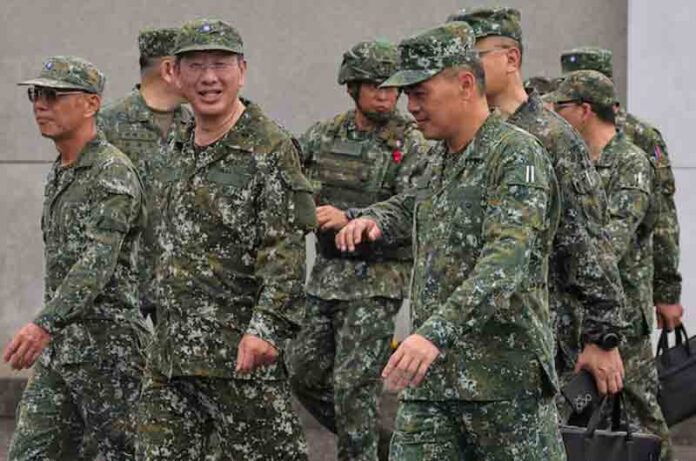
Defence Minister Wellington Koo inspects troops during a live fire exercise at the Fangshan training grounds in Pingtung, Taiwan.

Taiwan is enhancing its capability to rapidly deploy troops in response to the potential threat of a sudden attack from China, which frequently conducts military drills around the island, according to Defence Minister Wellington Koo on Wednesday. This initiative comes amid increasing military tensions from Beijing.

A five-day “rapid response exercise” commenced on Monday, aimed at training Taiwan‘s democratically elected forces to swiftly mobilize against any aggression from China or grey-zone tactics intended to test and wear down Taiwan’s military.

The timing of the exercise coincided with China’s deployment of 59 military aircraft and various naval vessels to regions near Taiwan, which it justified as a “punishment” for President Lai Ching-te’s ongoing advocacy for “separatism.”

Koo informed parliament that the People’s Liberation Army could transition from drills to actual attacks more quickly than previously anticipated. He emphasized the necessity of being able to detect critical warning signs and prepare for the worst-case scenario.

He further noted that the ministry’s rapid-response exercise would be informed by intelligence and threat evaluations. “Without such vigilance, we will not be combat-ready if an incident occurs,” Koo stated.

During the drills, troops established anti-landing defenses near a significant port just outside Taipei and positioned surface-to-air missile systems at key locations, as shown in footage released by the defense ministry. Security officials in Taiwan have indicated that China is attempting to normalize its military exercises near the island, conducting what it refers to as “joint combat readiness patrols” with warplanes and naval vessels approximately every seven to ten days.

China, asserting that Taiwan is part of its territory and maintaining the option of using force to assert control over the island, has intensified both military and political pressure on Taiwan in recent years. In response, Taiwan firmly contests China’s claims of sovereignty, emphasizing that only its citizens have the right to determine their own future.

Russia and Ukraine have reported airstrikes following a conversation between Putin and Trump

0
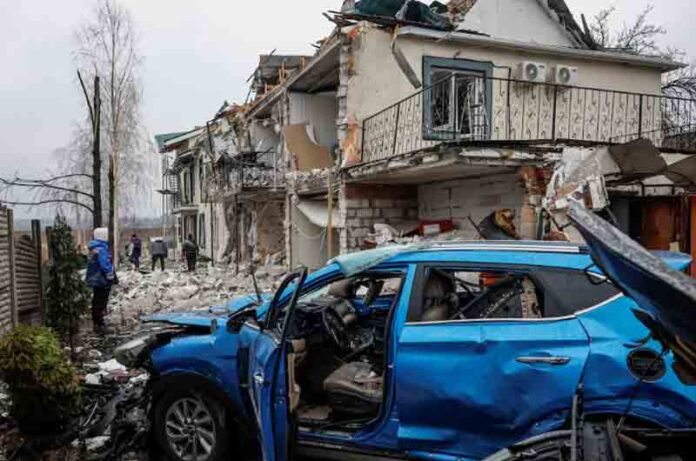
View shows damaged private houses and car at a site of a Russian drone strike, amid Russia's attack on Ukraine, in the town of Hostomel, Kyiv region, Ukraine

On Wednesday, Russia and Ukraine exchanged accusations regarding airstrikes that targeted civilian infrastructure, shortly after President Vladimir Putin informed President Donald Trump of his intention to temporarily halt assaults on Ukraine’s energy sector.

During their conversation on Tuesday, Putin did not agree to the full 30-day ceasefire that Trump had proposed and which Ukraine had previously accepted. Instead, he consented to a limited pause in attacks on energy infrastructure, a decision that was subsequently acknowledged by Ukraine’s President Volodymyr Zelenskiy.

Following the early morning airstrikes by Russia on Wednesday, Zelenskiy called on the international community to prevent any efforts by Moscow to prolong the conflict. “Russia is currently attacking civilian infrastructure and people,” stated Andriy Yermak, Zelenskiy’s chief of staff, in a Telegram message overnight.

Germany’s defense minister remarked that Putin’s commitment to temporarily cease attacks on Ukrainian energy facilities was insignificant, asserting that Trump would need to secure more substantial concessions. “The attacks on civilian infrastructure continued on the very night following this supposedly significant phone call,” Boris Pistorius told German broadcaster ZDF. “Putin is engaging in a strategic game, and I am confident that the American president will not remain passive for much longer.”

BOTH SIDES REPORT MULTIPLE ATTACKS

Both parties reported numerous drone strikes overnight. Ukrainian regional officials indicated that residential areas in the northeastern Sumy region and around the capital were affected, with assaults impacting the power supply for railways in the south. Meanwhile, Russian officials reported that an oil terminal in southern Russia was struck, resulting in a fire.

In Sumy, local authorities noted that Russian drone strikes also caused damage to two hospitals, although there were no injuries reported; however, this necessitated the evacuation of patients and medical staff.

In the Kyiv region, officials reported that a 60-year-old man sustained injuries. The majority of the destruction near the capital occurred in the Bucha district, where police indicated that airstrikes resulted in the destruction or damage of 18 private homes, 20 apartments, 19 vehicles, two shops, and a café.

Additionally, Ukraine reported Russian strikes on the city of Sloviansk, located near the front line, around the same time as a phone call on Tuesday, which caused a power outage in part of the city. President Zelenskiy stated that Russia launched over 40 drones against Ukraine in the hours following the conversation between Trump and Putin. The Ukrainian military reported that Russia deployed 145 drones, with air defenses successfully intercepting 72 and 56 being lost.

“The Russian assault impacted the regions of Sumy, Odesa, Poltava, Dnipropetrovsk, Kyiv, and Chernihiv,” the military announced via Telegram. Russia’s defense ministry claimed that its forces destroyed 57 Ukrainian drones overnight, with 35 of those downed over the Kursk region. The ministry only provides figures on the number of drones destroyed, without disclosing how many were launched by Ukraine.

In the southern Russian region of Krasnodar, authorities reported early Wednesday that a Ukrainian drone attack caused a small fire at an oil depot near the village of Kavkazskaya. Fortunately, there were no injuries from the fire, which affected an area of 20 square meters (215 square feet), but 30 employees were evacuated, and operations were temporarily halted, according to the regional administration’s post on Telegram.

The Telegram channel SHOT, based in Russia, shared a video showcasing nighttime fires in an industrial zone, labeling it as a crucial site for the rail and pipeline transport of oil exports. Reuters has not been able to independently confirm the details of the SHOT report.

In response to safety concerns, Russia’s aviation authority, Rosaviatsia, announced that overnight flights were halted for several hours from airports in Kazan, Nizhny Novgorod, and Nizhnekamsk, all located several hundred kilometers east of Moscow.

French military seeks to acquire additional Rafale fighters to enhance defense capabilities

0

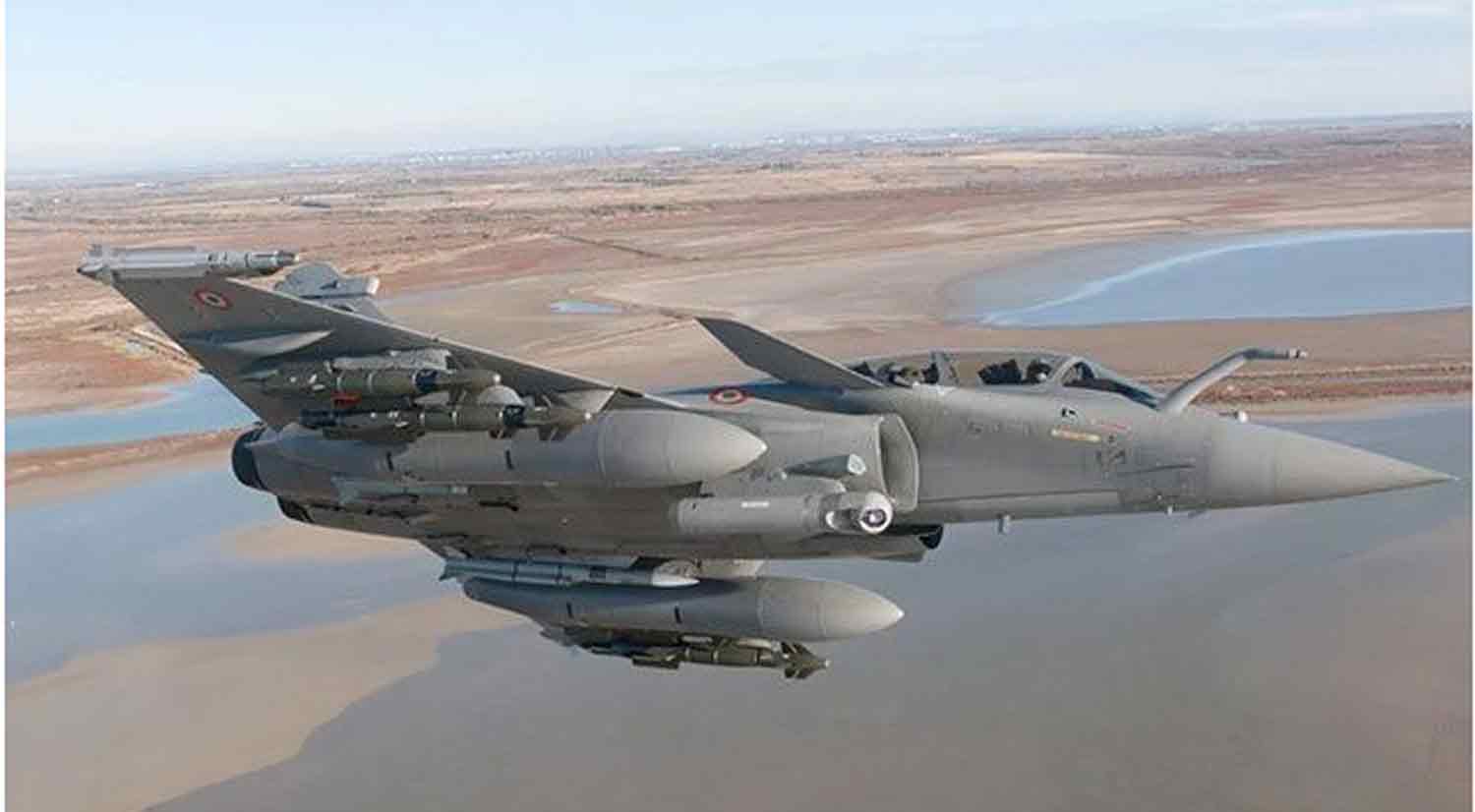
France’s Defense Minister, Sébastien Lecornu, has announced a pivotal advancement in enhancing the country’s military capabilities by disclosing plans to procure additional Rafale fighter jets for the French Air and Space Force.

This announcement, made through a post on X, followed President Emmanuel Macron’s address to troops at the Luxeuil-les-Bains air base, where he highlighted the urgency of accelerating France’s defense expansion in light of ongoing threats.

Lecornu emphasized that this initiative is driven by a clear military necessity, indicating a strategic effort to strengthen France’s aerial capabilities amid evolving global circumstances.

This declaration represents a tangible step towards increasing the nation’s fleet of advanced combat aircraft, aligning with broader discussions surrounding defense expenditures and European security.

The rationale behind this decision is rooted in France’s steadfast commitment to fortifying its armed forces. During his speech at the air base, Macron confirmed plans not only to acquire more Rafale jets but also to invest approximately $1.6 billion in modernizing the Luxeuil facility.

This modernization aims to equip squadrons with state-of-the-art nuclear missile technology, particularly the next-generation ASN4G hypersonic cruise missile, which is anticipated to be operational by 2035. The French leader positioned this initiative as a crucial element of the nation’s nuclear deterrence strategy, a fundamental aspect of its defense policy.

Lecornu’s accompanying remarks underscored the urgency of this initiative, asserting that the military must enhance its capabilities to confront persistent threats, a sentiment that aligns with recent trends in France’s defense budget.

In recent years, France has consistently increased its military spending, a trend outlined in its 2024-2030 military programming law, which allocates €413 billion to defense during this timeframe. This marks a significant rise from previous budgets, with annual increases of approximately $3.3 billion planned through the end of the decade.

The recent demand for additional Rafale jets follows a January 2024 order for 42 aircraft valued at $5.5 billion, scheduled for delivery between 2027 and 2032. This agreement, referred to as Tranche 5, has increased France’s total Rafale orders to 234, highlighting a continuous commitment to modernizing its air force.

Experts view this latest announcement as a continuation of that strategy, with projections indicating that the new order may include approximately 40 more jets, although specific figures have not been confirmed. The investment in Luxeuil, along with these acquisitions, emphasizes France’s determination to uphold a strong and independent military stance.

This national initiative aligns with wider European discussions regarding defense funding. Recently, on March 4, the European Commission, under President Ursula von der Leyen, introduced a €150 billion borrowing plan aimed at supporting a significant rearmament initiative across Europe.

Von der Leyen characterized the proposal as a response to a “momentous and dangerous” period, estimating that it could generate up to €800 billion if member states increase their defense expenditures by an average of 1.5% of GDP over the next four years.

The plan, which requires the endorsement of EU governments, emerges amid rising security concerns, particularly in light of Russia’s invasion of Ukraine and the uncertainties surrounding transatlantic relations.

France’s initiatives are in line with this vision, positioning the country as a frontrunner in advocating for European strategic autonomy—a principle that stresses the importance of reducing dependence on external powers for security.

Meanwhile, the United States has played a pivotal role in European defense through NATO, but recent changes suggest a possible shift. President Donald Trump, who resumed office in January 2025, has consistently criticized European nations for relying too much on American military assistance.

The recent decision by his administration to temporarily suspend aid to Ukraine, along with discussions about reducing U.S. commitments overseas, has sparked speculation regarding a potential gradual withdrawal of American forces from Europe.

Although no official plans have been announced, defense analysts point out that around 80,000 U.S. troops are currently deployed across Europe, a presence that has been a cornerstone of NATO’s structure for many years.

France’s initiative to enhance its military capabilities, in conjunction with the EU’s rearmament strategy, may indicate a shift in responsibilities, with European countries preparing to take on a greater share of their defense obligations.

At the center of France’s aerial defense strategy is the Rafale fighter jet, manufactured by Dassault Aviation. Currently, the French Air and Space Force operates 137 Rafales, while the Navy has an additional 41, as outlined in the 2024-2030 military budget, which aims for a total fleet of 178 by the end of the decade and 225 by 2035.

These versatile, twin-engine aircraft are engineered for various missions, including air superiority, ground support, and nuclear deterrence. The existing fleet mainly comprises the F4 standard, introduced in 2023, which enhances operational capabilities with upgraded radar, new air-to-air missiles, and improved self-defense mechanisms.

The order placed in January 2024 will provide jets in this configuration, with an option to upgrade to the upcoming F5 standard in the 2030s. This flexibility has established the Rafale as a key component of France’s military modernization efforts.

The Rafale F5’s development marks the next stage in this progression. Highlighted as a priority by Lecornu and elaborated upon in recent ministry communications, the F5 variant is expected to be completed by 2030. It promises substantial improvements, including a more advanced radar system, enhanced electronic warfare capabilities, and the capacity to carry the ASN4G hypersonic missile.

Notably, the F5 will feature an advanced stealth companion drone, building on the foundation laid by Dassault’s nEUROn demonstrator program. This “loyal wingman” concept enables the Rafale to function in tandem with an unmanned aerial vehicle that can be operated directly from the cockpit, thereby enhancing its operational range and effectiveness in challenging environments.

Defense experts see this development as a stepping stone towards the Future Combat Air System (FCAS), a collaborative initiative with Germany and Spain aimed at creating a sixth-generation fighter by 2040 or beyond. The advancement of the F5 illustrates France’s commitment to staying ahead of emerging threats while ensuring its technological independence.

On the international front, the Rafale has gained significant traction, reinforcing France’s status as the world’s second-largest arms exporter, following the United States. To date, Dassault has secured orders for 261 Rafales from seven countries, including Egypt, India, the United Arab Emirates, and Indonesia.

Additionally, Greece and Croatia have acquired 12 secondhand jets each from France’s inventory. Indonesia’s $8.1 billion agreement for 42 jets in 2022 represented a significant milestone, while India’s ongoing negotiations for 26 Rafale-M variants for its navy, expected to conclude soon, underscore the aircraft’s suitability for carrier operations.

The United Arab Emirates placed an order for 80 F4-standard jets in 2021, valued at over $17 billion, and is reportedly in discussions to co-finance the F5’s development, which could increase its fleet to 100. This “Rafale Club” initiative, proposed by Lecornu in 2023, aims to distribute costs while maintaining France’s oversight of essential components, a strategy that could attract additional partners.

The international aspect highlights the Rafale’s commercial success, prompting Dassault to increase production to meet rising demand. In 2023, the company delivered 13 jets, with plans to double that output to two per month in 2024 and aim for four or five monthly by 2026.

This increase addresses both domestic requirements and export obligations, which are projected to reach $18.6 billion in 2024, primarily fueled by Rafale sales. For nations such as Colombia and Morocco, which are currently seeking to modernize their aging air fleets, the Rafale presents a flexible option compared to American or Russian systems, devoid of the geopolitical constraints typically associated with those alternatives.

However, competition is intense, with Lockheed Martin’s F-35 making inroads in Europe, despite President Macron’s recent appeal to favor European-manufactured equipment over U.S. options.

As France advances with its latest Rafale acquisitions, the ramifications extend across various dimensions. The Luxeuil upgrade, which will make the base the first to accommodate the F5 variant along with its nuclear capabilities, strengthens France’s deterrent strategy amid global uncertainties.

Although the financial investment is considerable, it aligns with the larger €413 billion framework, even as concerns about funding persist in light of efforts to reduce the national budget deficit. Macron has suggested that expediting these orders could help replace Mirage 2000 jets sent to Ukraine, with those aircraft deliveries to Kyiv still anticipated for early next year.

At the same time, the EU’s €800 billion rearmament initiative presents a potential transformative opportunity, dependent on the political resolve and economic collaboration among member states. For the moment, France’s initiatives represent a concrete step toward achieving that objective, balancing national interests with a wider European perspective as the transatlantic alliance navigates a changing environment.

Russian Mi-28 attack helicopter crashed during training, killing both crew members

0
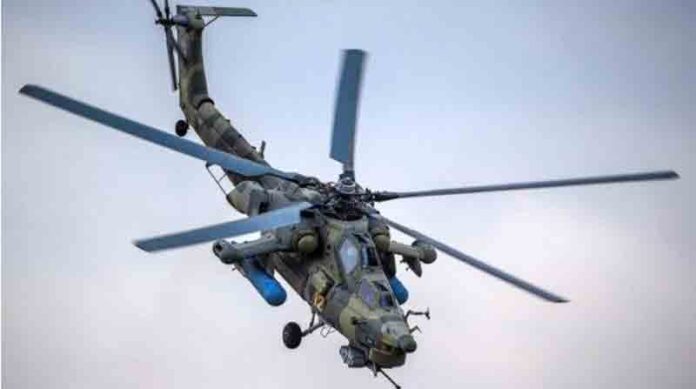
Russian Mil Mi-28 attack helicopter

On March 18, 2025, a Russian Mil Mi-28 attack helicopter crashed during a training exercise in Leningrad Oblast, resulting in the deaths of both crew members aboard. The incident took place in a remote area, ensuring that there were no casualties or damage to the surrounding environment, as reported by the Russian Defense Ministry.

According to the ministry, the helicopter was unarmed at the time of the accident, which occurred well away from populated regions.

Emergency response teams were sent to the crash site, and an investigative commission from the Russian Aerospace Forces has been assigned to ascertain the cause of the incident, although no official details have been released thus far. This loss represents a significant blow to Russia’s military aviation during what was intended to be a routine training operation.

The crash occurred in a field near the village of Shugovitsy, approximately 100 miles northwest of St. Petersburg, as confirmed by local authorities and reported by Russian media outlets such as TASS. Footage shared on X depicted smoke billowing from the wreckage, with a fire igniting shortly after the helicopter struck the ground.

The Defense Ministry clarified that the flight was part of a scheduled training mission rather than a combat operation, differentiating it from losses associated with active conflicts.

A spokesperson remarked, “The helicopter was engaged in a planned exercise when it crashed,” noting that initial recovery efforts were concentrated on securing the area and recovering the crew’s remains. Information regarding the pilots’ identities or their levels of experience has not been released, adhering to standard protocols for such situations.

The Mil Mi-28, referred to by its NATO designation “Havoc,” is a key component of Russia’s attack helicopter fleet. Developed by the Mil Moscow Helicopter Plant, it was introduced into service in 2009 and is designed to effectively target armored vehicles, low-flying aircraft, and ground forces with high accuracy.

Fitted with a 30mm Shipunov 2A42 autocannon, anti-tank guided missiles such as the Ataka, and unguided rocket pods, this helicopter stands in competition with the American AH-64 Apache. Capable of reaching speeds up to 186 miles per hour and covering a distance of approximately 300 miles, the Mi-28 is designed for operations in all weather conditions, both day and night. It boasts advanced avionics and features a two-seat cockpit accommodating a pilot and a weapons operator.

Russia currently operates around 120 of these helicopters, although the exact count fluctuates based on maintenance and deployment needs, according to estimates from the International Institute for Strategic Studies.

Investigators are currently examining the wreckage to determine the cause of the incident. The Defense Ministry has indicated that a technical malfunction is a primary suspect, although pilot error and environmental factors are still under consideration.

A source within the Russian Aerospace Forces, speaking to the state-owned RIA Novosti agency, suggested that initial evaluations may point to a possible failure in the helicopter’s twin Klimov VK-2500 engines, though this has yet to be confirmed.

The Mi-28 has a documented history of mechanical problems, including a crash in 2015 during an air show in Ryazan Oblast that resulted in the death of one pilot, attributed to a hydraulic system failure. This incident led to a temporary grounding of the fleet and subsequent upgrades, yet sporadic accidents have continued to raise concerns about its reliability.

This recent crash adds to a series of aviation losses for Russia in recent years, many linked to its military operations in Ukraine. Data from Oryx, an open-source intelligence initiative, indicates that at least 16 Mi-28s have been destroyed or rendered irreparable since February 2022, primarily due to engagements with Ukrainian forces armed with portable anti-aircraft systems like the Stinger.

The incident in Leningrad Oblast is notable as a peacetime loss, reminiscent of a mishap on January 1 of this year, when another Mi-28 was lost under ambiguous circumstances during a domestic operation. Analysts point out that while the attrition experienced during wartime has impacted Russia’s helicopter fleet, training accidents present a distinct challenge—ensuring operational readiness with aging equipment and a demanding operational pace.

The timing of this crash has drawn attention to Russia’s military capabilities. Recently, Defense Minister Sergei Shoigu revealed intentions to ramp up the production of military equipment, including helicopters, to support operations in Ukraine and enhance domestic defense.

During a visit to a facility in Ulan-Ude, Shoigu stated that the production of rotary-wing aircraft had increased by 15% in 2024, although he did not provide details on specific models such as the Mi-28. The ministry has yet to address whether this incident will influence those production plans, but the loss of skilled pilots—a resource that is more difficult to replace than equipment—could hinder efforts to expand flight operations.

Aviation expert Dmitry Popov from the Moscow-based Center for Analysis of Strategies and Technologies remarked to Interfax, “Each incident like this exerts pressure on training programs and maintenance budgets, even if the overall fleet size remains unchanged.”

Leningrad Oblast, a region adjacent to Finland and Estonia, plays a crucial role in Russia’s northwestern military district. Reports indicate that the crash site near Shugovitsy is located within a training corridor commonly utilized by the Aerospace Forces. Local residents reported hearing a loud explosion followed by the sound of sirens as emergency responders arrived, although authorities swiftly secured the area.

Governor Alexander Drozdenko reassured the public through Telegram, emphasizing that there is no danger to civilians and stating, “The situation is under control, and specialists are managing the investigation.” Environmental officials are currently evaluating the potential for contamination from fuel or debris, but initial assessments suggest that the impact was limited due to the site’s remote nature.

In a similar vein, the U.S. military has faced its own training-related incidents involving attack helicopters. In February 2024, an AH-64 Apache crashed during a nighttime exercise in Mississippi, resulting in the deaths of two National Guard pilots. The National Transportation Safety Board later attributed the accident to a mix of poor visibility and equipment malfunction.

These occurrences underscore the inherent dangers associated with operating complex rotary-wing aircraft, even in non-combat situations. Russia’s Mi-28, akin to its American counterparts, undergoes stringent maintenance; however, its service history reveals a higher frequency of accidents in non-combat scenarios—approximately one significant incident annually since 2015, according to data from aviation tracking platform Scramble Magazine.

The helicopter’s function in Russia’s military extends beyond domestic training. Since 2015, the Mi-28 has been extensively deployed in Syria against insurgent forces, receiving accolades for its firepower while facing criticism for its susceptibility to ground fire. In Ukraine, it has encountered stronger resistance, with documented losses attributed to drones and shoulder-fired missiles.

Ukrainian military blogger Andriy Tsaplienko shared on X following the crash, indicating that although the incident was not connected to the ongoing conflict, it nonetheless “diminishes Russia’s capacity to project air power.” While Western officials have largely avoided direct commentary, NATO’s Allied Air Command has noted an increase in Russian air operations near its borders in recent weeks, a trend that remains unchanged by this incident.

The production of the Mi-28 helicopter has been a key focus for Rostec, the state-owned defense conglomerate in Russia that manages Mil’s operations. The latest model, the Mi-28NM, which was unveiled in 2019, features enhanced radar, extended-range missiles, and superior armor. According to a company announcement last month, Rostec delivered 12 of these upgraded helicopters in 2024, with intentions to increase production to 20 per year by 2027.

The exact model of the crashed aircraft—whether it was a standard version or an NM variant—has not been confirmed, as the Defense Ministry has not disclosed serial numbers. If it was an older model, this could highlight the difficulties of maintaining a diverse fleet amid sanctions that restrict access to foreign parts.

Public response on Russian social media has been relatively subdued, with some VKontakte users offering condolences to the families of the pilots, while others have raised concerns about the military’s safety record. Independent media outlets like Meduza, operating from abroad, have noted a perceived rise in training-related accidents, although reliable data is limited due to reporting restrictions within Russia.

The Kremlin has refrained from directly commenting on the incident, delegating the responsibility of managing the narrative to military officials. In the meantime, the results of the investigation, anticipated in the coming weeks, are expected to influence perceptions regarding the reliability of the Mi-28 and impact future procurement strategies.

As the investigation progresses, the focus remains on the human toll. The two crew members add to the increasing number of Russian aviators who have lost their lives in service, a figure that encompasses both combat and routine operations.

Although their deaths are not linked to combat, they highlight the ongoing pressures faced by Russia’s armed forces as they balance domestic responsibilities with external challenges. The wreckage located near Shugovitsy has become a key site for forensic teams, serving as a poignant reminder of the risks involved.

It remains to be seen whether this crash will lead to modifications in training protocols or expedite production schedules; its consequences will likely resonate as Russia strives to meet operational demands while dealing with the realities of an aging fleet. For the moment, the cause of the incident is still unknown, with the final report from the commission expected to provide clarity.

U.S. has paused initiatives to counter Russian sabotage as Trump deepens his relationship with Putin

0

Multiple U.S. national security agencies have suspended their collaborative efforts to combat Russian sabotage, disinformation, and cyberattacks, thereby reducing the pressure on Moscow as the Trump Administration urges Russia to cease its military actions in Ukraine.

Last year, former President Joe Biden directed his national security team to form working groups to address this issue, following alerts from U.S. intelligence regarding Russia’s intensifying covert operations against Western countries.

The initiative was spearheaded by the National Security Council (NSC) and involved collaboration among at least seven national security agencies alongside European allies to thwart schemes aimed at Europe and the United States, as reported by seven former officials who were part of the working groups.

Prior to Donald Trump’s inauguration, his incoming administration received briefings from Biden’s team about these efforts and was encouraged to maintain vigilance regarding Russia’s hybrid warfare tactics, according to the former U.S. officials.

However, since Trump assumed office on January 20, much of the initiative has stalled, as indicated by eleven current and former officials who requested anonymity to discuss sensitive information. Reuters is the first to reveal the comprehensive nature of the Biden administration’s efforts and the subsequent pause in activities by various U.S. agencies.

Regular meetings between the National Security Council and European counterparts have been canceled, and the NSC has ceased formal coordination among U.S. agencies, including the FBI, the Department of Homeland Security, and the State Department, according to the current and former officials.

Reuters was unable to ascertain whether the president has instructed the administration to cease all activities related to monitoring and countering Russia’s operations, whether agencies are still in the process of hiring additional personnel, or if they are independently making policy decisions without White House input.

Some officials involved in the working groups expressed concern that the Trump administration is deprioritizing this issue, despite warnings from intelligence sources. This shift follows the dismantling of other Russia-related initiatives initiated by the Biden administration.

Last month, the FBI concluded its efforts to combat foreign interference in U.S. elections, including actions against Russia, and placed staff working on this matter at the Department of Homeland Security on leave. Additionally, the Department of Justice disbanded a team responsible for seizing assets from Russian oligarchs.

According to current U.S. officials, the White House has not informed career officials who were previously engaged in these efforts about the potential reestablishment of cross-agency working groups.

It remains uncertain how much intelligence related to the sabotage campaign is still being shared with European allies. UK government officials have indicated that routine intelligence exchanges between the United States and the UK continue.

When asked for comments regarding the suspension of coordinated efforts, the White House referred inquiries to the National Security Council (NSC). Brian Hughes, a spokesperson for the NSC, stated that the council collaborates with relevant agencies to evaluate and counter threats to Americans. He emphasized that “President Trump has made it abundantly clear that any attack on the U.S. will be met with a disproportionate response.”

A senior U.S. official at NATO confirmed that the U.S. is still working with its allies on this matter but did not provide further details. The CIA, FBI, and State Department chose not to comment.

Anitta Hipper, the EU Spokesperson for Foreign Affairs and Security Policy, stated that she had no detailed information to provide regarding the suspension of certain intelligence-sharing meetings. She emphasized that the EU is collaborating with NATO to address hybrid threats, which encompass a range of issues from the physical sabotage of critical infrastructure to disinformation campaigns.

NEW POLICY TOWARD EUROPE

The halt in this inter-agency initiative coincides with President Trump’s shift in U.S. policy towards Europe and Ukraine, raising concerns among some current and former officials in both the U.S. and Europe that Ukraine might be compelled to accept a truce that favors Russia. In recent weeks, Trump has made remarks and taken actions that seem to align with Russian interests, prompting backlash from both Democrats and some Republicans. Nevertheless, the president contends that the situation in Ukraine could escalate into World War Three, asserting that fostering better relations with Russia serves America’s strategic goals.

On Tuesday, Putin accepted Trump’s proposal for a 30-day cessation of attacks on each other’s energy infrastructure, as reported by the Kremlin following an extensive phone conversation between the two leaders. Analysts have warned that scaling back efforts to counter Moscow’s hybrid warfare tactics could be perilous for the U.S. Kori Schake, director of foreign and defense policy studies at the American Enterprise Institute, a Washington-based think tank, remarked, “We are choosing to ignore potential acts of war against us,” expressing her concerns about Trump’s approach to engagement with Putin.

In the past three years, Russia has enlisted criminals from various European nations to carry out sabotage activities throughout the continent, which include arson, assassination attempts, and the placement of explosives on cargo planes. Additionally, Russian operatives have engaged in influence campaigns and cyber operations aimed at undermining support for Ukraine, according to Western intelligence officials who spoke to Reuters.

These officials noted a decrease in the number of sabotage incidents attributed to Russia by the end of 2024, but they cautioned that Moscow is likely to persist with its hybrid warfare tactics as long as Western backing for Ukraine remains strong. When questioned about the slowdown in some of Washington’s efforts to monitor its hybrid warfare initiatives, Kremlin spokesperson Dmitry Peskov remarked that the Trump administration was attempting to eliminate “everything ineffective, corrupt, and implausible,” which he deemed “understandable.” He further dismissed Western claims of Russian sabotage in the U.S. and Europe as “empty and ephemeral,” asserting that they lack substantiation.

SHADOW WAR

Following the incursion of Russian forces into Ukraine three years ago, Moscow’s intelligence agencies initiated a covert campaign aimed at undermining the U.S.-led initiative to support Kyiv’s defense, as reported by six Western intelligence and national security officials to Reuters. Since the onset of Russia’s full-scale invasion, Congress has allocated $175 billion in aid to Ukraine.

Moscow’s retaliatory actions against the West intensified in the spring of 2024, marked by arson incidents across Europe, including one targeting a warehouse in London linked to a Ukrainian-born businessman. In November, six individuals were charged with aggravated arson in a British court for this incident, with at least two admitting to receiving payments from a foreign intelligence agency. A trial is scheduled to commence in June.

In light of the recent increase in threats, President Biden instructed his national security agencies to enhance intelligence collaboration with European counterparts and establish task forces aimed at countering Russian activities, as well as preventing potential attacks on U.S. soil, according to former U.S. officials.

American intelligence operatives, in conjunction with domestic law enforcement, determined that Moscow’s targets included not only Russian dissidents globally but also civilians supporting Ukraine’s defense efforts.

The U.S. informed Germany of an assassination plot against the CEO of Rheinmetall, a German arms manufacturer supplying weapons to Ukraine, as reported by two former senior U.S. officials. German authorities successfully thwarted the attempt, while Rheinmetall chose not to comment on the matter.

By late summer, the National Security Council organized both in-person and virtual meetings with European national security representatives to exchange intelligence regarding threats in Europe and to synchronize investigations, according to four former senior U.S. officials.

This collaboration resulted in joint strategies to address sabotage incidents, which included protocols for arrests and a proposal for lengthier prison sentences for those found guilty, as noted by the same officials.

A memorandum created by the U.S. and the U.K. at the end of 2024 recommended, among other measures, that European law enforcement agencies enhance cooperation to monitor criminal networks involved in sabotage activities. It also suggested that European governments diminish their diplomatic presence in Moscow to compel Russia to reduce its personnel in European embassies, according to two senior U.S. officials.

Some of these initiatives are still being deliberated among European nations, as indicated by one former senior U.S. official. The British embassy in Washington did not provide a response to a request for comment.

Unlike its Western allies, the Trump administration is currently engaged in discussions with Moscow regarding the potential expansion of Russia’s diplomatic presence in Washington, according to a senior U.S. official. The White House has not provided any comments regarding the memo or the proposal to enhance Russia’s diplomatic footprint.

U.S. agencies, such as the Cybersecurity and Infrastructure Security Agency (CISA), have been monitoring Russian influence operations and ransomware attacks targeting critical infrastructure in the United States for several years. Under President Biden, leading cybersecurity officials coordinated an interagency effort to inform European nations about Russia’s attempts to sway local elections and strategies to counter Moscow’s threats to national security, as noted by a former senior U.S. official.

The victory of far-right, pro-Putin candidate Calin Georgescu in the initial round of Romania’s presidential election in November was overturned by the country’s constitutional court after declassified Romanian intelligence reports suggested potential Russian interference—a decision that faced criticism from Trump’s Vice President JD Vance. Both Georgescu and Moscow have denied any involvement in meddling.

CISA Deputy Assistant Secretary Tricia McLaughlin informed Reuters that the agency had placed staff members involved in addressing misinformation and disinformation on its election security team on administrative leave, though she did not provide further details.

McLaughlin stated that CISA is “dedicated to tackling all cyber threats to U.S. critical infrastructure, including those originating from Russia.”

THREAT TO THE HOMELAND

In a demonstration of collaboration under the Biden administration, teams from the State Department and various agencies were sent to assist European nations in investigating damage to several vital undersea cables. One such team traveled to Copenhagen in December following Finland’s seizure of a tanker suspected of dragging its anchor across the Baltic Sea floor, intentionally harming cable networks, according to both a former and a current senior U.S. official.

The tanker, known as the Eagle S, is believed by Western intelligence to be part of a covert fleet operated by Russia to circumvent oil sanctions. Russia has denied any involvement in the recent incidents affecting the cables. However, some Western intelligence and national security officials warn that there is no definitive evidence linking Moscow directly to all the recent cable damage incidents.

In mid-2024, U.S. agencies gathered intelligence indicating that Russia might plan to detonate an incendiary device on a cargo or passenger aircraft within U.S. airspace, raising significant concern in the United States, as reported by multiple former officials to Reuters. “This posed a psychologically distinct threat compared to sabotage operations in Europe that were damaging property,” remarked one former senior U.S. official. “Bringing down planes represents an entirely different level of risk.”

Although there was no definitive proof that Moscow had devised a plan to launch an attack within the United States, the FBI and the Department of Homeland Security developed strategies for domestic agencies to enhance the screening of cargo entering the country.

U.S. officials expressed significant concern, prompting President Biden to instruct his national security adviser, Jake Sullivan, and CIA Director Bill Burns to caution Putin and his senior aides that if the aggressive actions persisted, particularly within the U.S., Washington might designate Russia as a state sponsor of terrorism. Such a classification would further alienate Russia’s economy from the global market.

The New York Times was the first to report on the discussions between Biden’s administration and the Kremlin. Since those meetings, no attacks have occurred on U.S. soil, and the frequency of sabotage incidents in Europe decreased by the end of 2024, as noted by three Western intelligence officials who credited this shift to increased vigilance from Western governments and enhanced cooperation between Europe and the U.S.

Nevertheless, several Western intelligence officials believe that Russia is likely to maintain its campaign as long as the U.S. and Europe continue their support for Ukraine.

Trump claims that aid to Ukraine was not discussed during his call with Putin

0
President-elect Donald Trump speaks at Turning Point USA's AmericaFest in Phoenix, Arizona, U.S.

U.S. President Donald Trump stated that his conversation with Russian President Vladimir Putin on Tuesday did not include discussions about aid to Ukraine, despite the Kremlin’s assertion that Putin called for an end to military support for Kyiv. Trump shared these remarks during an interview on Fox News’ “The Ingraham Angle.”

On the same day, Putin agreed to a temporary halt in attacks on Ukrainian energy infrastructure but did not support a comprehensive 30-day ceasefire, which Trump had hoped would pave the way for a lasting peace agreement. Ukraine expressed its willingness to back the limited agreement.

Following the call between Trump and Putin, the Kremlin indicated that Putin reiterated the necessity of terminating all military and intelligence support to Ukraine for any resolution to the conflict.

KEY QUOTES

“We didn’t discuss aid; it was not a topic of conversation at all,” Trump remarked. “We covered many subjects, but aid was never on the agenda.”

CONTEXT

The United States provides crucial defensive and offensive support to Ukraine, making it the largest military donor to the country. Since January 2022, Washington has delivered or allocated over $70 billion in weapons, ammunition, and other military assistance, with more than $15 billion designated for heavy weaponry, according to data from the Kiel Institute.

Russia initiated a full-scale invasion of Ukraine in February 2022.

The collapse of Trump’s Gaza ceasefire initiative

0
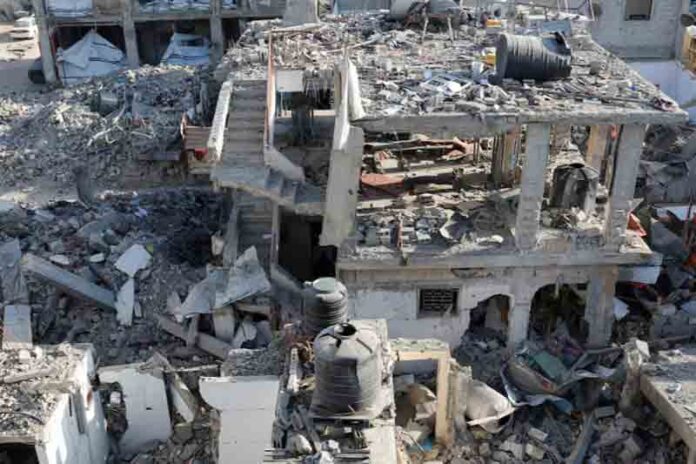
Palestinians react after a school sheltering displaced people was hit by an Israeli strike, at Beach camp in Gaza City .

Less than two weeks ago, Tucker Carlson, a conservative podcaster with significant insights into US President Donald Trump, conducted an interview with Qatar’s prime minister. During their discussion, they praised Trump’s strong leadership in negotiating a ceasefire in Gaza.

“Once Trump is elected in November and inaugurated in January, a ceasefire will be established immediately,” Carlson stated.

In agreement, Qatari Prime Minister Mohammed bin Abdulrahman al-Thani expressed his disappointment: “It saddens me that the agreement we reached on January 15 of this year is nearly identical—about 95 percent—the same as what was agreed upon in December and March.”

He added, “During the previous [Biden] administration, we collaborated closely, but ultimately… President Trump, of course, understands that if a deal isn’t finalized before the inauguration, it could have repercussions.”

On Tuesday, Israel made it clear that there would be no repercussions for abandoning a deal that the US, Egypt, and Qatar had invested their reputations in.

Israel launched a severe attack on the Gaza Strip on Tuesday, resulting in the deaths of over 400 Palestinians, according to health officials in Gaza.

The Trump administration had already authorized Israel to continue its offensive in Gaza. On Tuesday, the acting US ambassador to the UN stated that the responsibility for the renewed conflict in Gaza lay “solely” with Hamas.

‘No one respects Trump’s word now’

Trump’s credibility has diminished significantly, according to analysts and Arab diplomats, following the renewed large-scale Israeli attacks, which suggest that the United States can no longer influence its ally, Israel.

“Trump entered office proclaiming himself as the new sheriff in town, but Netanyahu has disregarded him completely. His word holds no weight now. He must reclaim authority,” stated Marwa Maziad, an expert on Israel at the University of Maryland, in an interview with Middle East Eye.

Trump’s assertive stance regarding the Gaza Strip was shaped after Israeli media disclosed that his envoy, Steve Witkoff, had pressured Netanyahu into agreeing to a ceasefire before Trump officially took office.

In the months that followed, Trump caused alarm among Arab allies by endorsing a controversial plan for the U.S. to “take control” of the Gaza Strip and forcibly relocate its Palestinian residents to Jordan and Egypt.

Even high-ranking U.S. officials, not to mention Arab leaders, were left uncertain about whether Trump was serious or merely attempting to leverage his negotiating skills to encourage the wealthy Gulf states to propose a reconstruction plan for Gaza.

There appeared to be a division within Trump’s inner circle.

Republican Senator Lindsey Graham, one of Trump’s staunchest supporters, asserted that the U.S. had no intention of displacing Palestinians or conquering Gaza.

However, Trump’s proposal seemed to mirror ideas previously suggested by his son-in-law and former advisor Jared Kushner, which closely resembled those of a little-known Israeli professor who claimed to have shared a vision with Kushner to transform the war-torn enclave into the “Gaza Riviera” while relocating Palestinians to Egypt.

Post-War Gaza Strategy

King Abdullah II of Jordan played a pivotal role in persuading Trump to abandon his initial proposal. During a visit to the White House in February, he lauded Trump publicly in the Oval Office but cautioned him privately that the plan could exacerbate “Islamic extremism,” as reported by MEE.

Following this meeting, Arab nations collaborated to formulate a strategy for post-war Gaza.

Egypt took the lead in this initiative, according to diplomats speaking to MEE, due to its extensive experience in Gaza’s reconstruction following past conflicts. Additionally, Egyptian intelligence maintains connections with Hamas leaders, including members of the Qassam brigades, who would need to disarm for the Gulf states to invest in Gaza’s rebuilding.

Earlier this month, Egypt unveiled a $53 billion proposal for the reconstruction of the Gaza Strip. While it lacked specifics regarding funding sources, it suggested that the Palestinian Authority should govern the region and proposed the establishment of a new security force trained by Jordan and Egypt.

Critics in Israel and the US argued that the plan was insufficiently stringent towards Hamas. It also included provisions for constructing a new port and airport in Gaza and left open the possibility of deploying UN peacekeepers to both the enclave and the occupied West Bank. Such large-scale international projects are likely to face resistance from Israeli officials and analysts in both the US and the Middle East.

Israel outright rejected the proposal, while the Trump administration expressed a more cautious stance.

The spokesperson for the US National Security Council dismissed the plan, but Arab officials noted that Trump’s comments suggested a more favorable view, with Witkoff asserting that the plan served as the “foundation for reconstruction efforts.”

Trump himself publicly affirmed that no Palestinians would be displaced from the Gaza Strip following the announcement of the plan.

In early March, Israel began restricting supplies to the Gaza Strip during Ramadan, followed by a cut in electricity to the region. Shortly thereafter, military strikes resumed.

US-Hamas Negotiations and Reversals

Israel’s choice to unilaterally restart hostilities in the Gaza Strip reflects the ongoing uncertainty surrounding its future.

The initial phase of the ceasefire established in January concluded weeks ago, yet Israel has been slow to progress to phase II.

Witkoff managed to persuade a reluctant Netanyahu to support the popular decision to release captives in Gaza in exchange for Israeli prisoners, but his influence seems to have waned thereafter.

The US sought to resolve the deadlock regarding the Gaza ceasefire by proposing that Hamas release the 27 living captives still in the enclave in return for an extension of a temporary truce. While Israel welcomed this initiative, Hamas insisted on advancing to phase II.

Moreover, analysts and diplomats are speculating that Trump was initially poised to exert pressure on Netanyahu but shifted his stance following backlash from Israel.

Trump took a firm stance against Hamas, warning earlier this month that Palestinians would face dire consequences if the remaining hostages were not released. He declared, “RELEASE THE HOSTAGES NOW, OR THERE WILL BE HELL TO PAY LATER!” addressing any Palestinian involved in holding hostages.

Simultaneously, Trump, known for his negotiation skills, seemed to be exploring potential compromises with Hamas.

He consented to allow his nominee for hostage affairs, Adam Boehler, to engage directly with the group in Doha, Qatar. Hamas is designated as a terrorist organization by the United States. The meeting was disclosed by Israeli media, inciting outrage among right-wing supporters of Israel in the U.S.

The White House stated that Boehler’s meeting with Hamas aimed to negotiate the release of one remaining American hostage. However, the envoy publicly indicated that he discussed a potential truce lasting five to ten years, during which Hamas would renounce political activities, while the U.S. and its Arab allies would oversee the demilitarization of Gaza. Boehler implied that the discussions were fruitful.

On Friday, Boehler was withdrawn from his position as the nominee for hostage affairs.

failure of Arab states

Analysts suggest that the Arab League’s plan for post-war Gaza lacks direction, and the Trump administration’s previous engagement with Hamas has left Israel with no choice but to resume military action.

Netanyahu has even experienced a political boost from the bombings in Gaza.

On Tuesday, Itamar Ben-Gvir, the former national security minister known for his extremist views, announced his return to the government after resigning in protest over the ceasefire in January.

Maziad commented that Israel’s military actions highlight “the failure of Arab states, particularly Egypt, Qatar, and Saudi Arabia, to persuade Trump that Netanyahu is an obstacle to his objectives.”

“Trump could have been convinced to keep the pressure on Netanyahu,” she told MEE. “The real question is why the Arab states did not take action. I believe it stems from a lack of will. Do the Arab states actually want Netanyahu to succeed and remain in power?” she questioned.

Key Insights from the Putin-Trump Phone Conversation

0
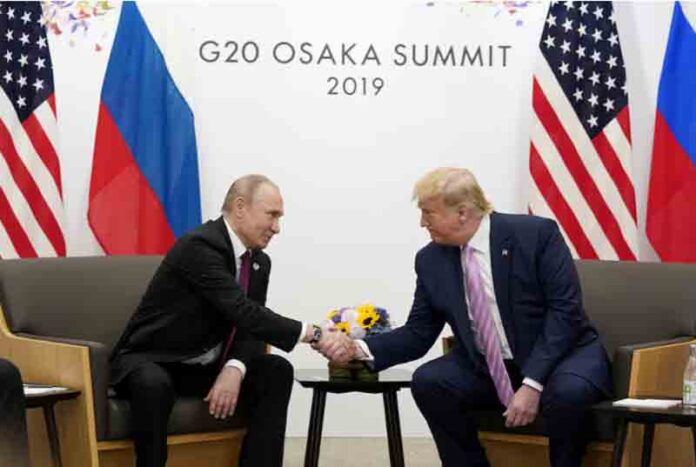
Russia's President Vladimir Putin and U.S. President Donald Trump shake hands during a bilateral meeting at the G20 leaders summit in Osaka, Japan.

Russian President Vladimir Putin and US President Donald Trump engaged in a highly anticipated phone conversation on Tuesday, focusing on a possible resolution to the conflict in Ukraine. The discussion lasted two and a half hours, with both the White House and the Kremlin characterizing it as constructive. Below are the main points from their dialogue.

Ceasefire Discussion

During the call, Putin and Trump explored the idea of a 30-day ceasefire proposed by Trump. The Kremlin’s press service indicated that the Russian side highlighted several conditions that must be addressed prior to its implementation. Specifically, Putin emphasized the necessity of establishing a mechanism to effectively monitor the ceasefire, as well as the need to halt forced mobilization and rearmament efforts in Ukraine.

The Kremlin also pointed out “serious risks associated with the Kiev regime’s failure to engage in negotiations, which has consistently undermined and violated previously established agreements.” Additionally, Putin brought to Trump’s attention “the heinous terrorist acts committed by Ukrainian militants against civilians in the Kursk Region.”

Pause on Infrastructure Strikes

Trump suggested that both Moscow and Kiev should agree to a mutual cessation of strikes on energy infrastructure for a period of 30 days. Putin supported this proposal and promptly instructed the Russian military to comply.

According to a statement from the White House, “The leaders concurred that the path to peace would commence with a ceasefire concerning energy and infrastructure, along with technical discussions aimed at implementing a maritime ceasefire in the Black Sea, a full ceasefire, and lasting peace. These negotiations are set to begin immediately in the Middle East.”

Prisoner Exchange

The Russian president informed his American counterpart about an imminent prisoner exchange with Ukraine, scheduled for Wednesday, as revealed by the Kremlin press service. Both sides are expected to exchange 175 prisoners of war. Furthermore, Moscow will return 23 critically injured Ukrainian servicemen as a gesture of goodwill, according to the press release.

Need for Sustainable Peace

Putin and Trump reiterated their dedication to securing a “sustainable peace” instead of a short-term fix for the conflict in Ukraine. According to the Kremlin press service, Moscow emphasizes the importance of addressing the “root causes of the crisis,” safeguarding “Russia’s legitimate security interests,” and ensuring “the complete halt of foreign military assistance and intelligence support to Kiev” as essential components for reaching this objective.

Bilateral Collaboration

The discussion also encompassed the relationship between Russia and the United States, with both parties expressing a desire to engage in mutually advantageous initiatives. The Kremlin press service indicated that Washington and Moscow are exploring a “wide range of areas for potential cooperation” between the two nations.

“The leaders concurred that a future characterized by an enhanced bilateral relationship between the United States and Russia holds significant promise. This includes substantial economic opportunities and geopolitical stability once peace is attained,” stated the White House.

Trump speaks with Putin as the White House seeks to finalize a ceasefire between Russia and Ukraine

0
President Donald Trump and President Vladimir Putin.

On Tuesday, a crucial conversation is set to take place between President Donald Trump and Russian President Vladimir Putin, as the White House claims it is nearing a temporary ceasefire agreement aimed at halting the conflict between Russia and Ukraine.

This call, which is scheduled to start at 10 a.m. ET, will serve as a significant evaluation of Trump’s ability to fulfill his campaign promise of ending the war, especially given that he has largely aligned with Putin’s perspective on the conflict since their last discussion.

According to sources familiar with the negotiations, a primary focus of the call will be to secure concessions from Russia, particularly regarding its willingness to withdraw troops from territories it has occupied since its invasion of Ukraine three years ago.

Trump hinted at this during a conversation with reporters on Air Force One on Sunday, mentioning that U.S. negotiators have been exploring the possibility of “dividing up certain assets.”

“We’ll be discussing land. A lot of land has changed since before the war, as you know. We’ll be addressing land and power plants, which is a significant issue,” Trump stated.

The Kremlin has indicated that Putin has been preparing for this discussion, with his team developing talking points to outline Russia’s stance.

Dan Scavino, the White House deputy chief of staff, shared on social media around 11 a.m. that “the call is going well, and still in progress,” indicating that the leaders had been engaged in conversation for approximately an hour.

The negotiations aimed at resolving the conflict began following a phone call between Trump and Putin last month, which marked a revival of dialogue after a prolonged period of silence between the White House and the Kremlin. Subsequently, President Trump met with Ukrainian President Volodymyr Zelensky in the Oval Office, a meeting that ended with Trump and Vice President JD Vance raising their voices at Zelensky and asking the Ukrainians to leave, leading to a temporary halt in U.S. military aid and intelligence sharing.

After weeks of rigorous negotiations involving senior U.S. officials, including Middle East envoy Steve Witkoff, Secretary of State Marco Rubio, and national security adviser Mike Waltz, a significant development occurred with the announcement of a U.S.-led ceasefire proposal. Following Zelensky’s acceptance of the 30-day proposal last week, the U.S. emphasized that the responsibility now lay with Russia to respond, with Trump stating, “Russia holds all the cards.”

The push to bring Russia closer to an agreement gained momentum with Witkoff’s visit to Moscow on Thursday, where he engaged in several hours of direct discussions with Putin, as previously reported by CNN. Witkoff described the meeting with Putin—his second known encounter with the Russian president this year—as “positive,” noting that both sides had made progress in narrowing their differences.

Witkoff suggested that Putin holds a “philosophical belief in a truce,” following the Russian leader’s expression of various concerns.

Subsequently, Witkoff traveled to Florida to update Trump on the discussions. Sources indicated that Trump was so optimistic about Witkoff’s briefing that he instructed his team to start arranging a phone call with Putin.

Over the weekend, Rubio engaged in discussions with Russian Foreign Minister Sergey Lavrov.

On Monday, White House press secretary Karoline Leavitt informed reporters, “We are on the 10-yard line of peace,” emphasizing that the US has “never been closer to a peace agreement than we are at this moment.”

A White House official echoed this sentiment in a conversation with CNN, stating that just a week prior, they were “hundreds of miles apart, but now we’re only a couple hundred yards away.” The official characterized Tuesday’s anticipated Trump-Putin phone call as the “natural next step” in the negotiation process.

The possibility of an in-person meeting between Trump and Putin, which Trump mentioned last month as something he envisioned occurring soon, is expected to be discussed during their call, the official noted.

Trump and his team have consistently maintained that hostilities must cease before addressing the more complex issues that need resolution for a long-term peace agreement, such as establishing territorial boundaries and negotiating security assistance for Ukraine.

However, Putin has expressed doubts regarding the US proposal, stating last week that Ukraine must agree to certain concessions, including ceasing mobilization and troop training, and that other countries must halt arms supplies to Kyiv during the ceasefire.

One of the key negotiators, Yuriy Ushakov, dismissed the U.S. proposal for a ceasefire, labeling it as merely a “temporary pause for the Ukrainian military.”

When CNN inquired about President Putin’s hesitations and whether he was attempting to buy time, Rubio responded on Friday, stating, “Our foreign policy decisions will not be based solely on what a leader claims during a press conference.”

He further remarked, “This situation will unfold in the traditional manner, as similar high-stakes matters have historically done, with the leaders of the involved nations engaging in discussions away from the public eye and media, focusing on negotiations.”

Concessions under consideration

High-ranking U.S. officials have consistently maintained that any lasting resolution to the Russia-Ukraine conflict will necessitate concessions from all parties, although they have been cautious about revealing specifics publicly.

Following discussions with Russian representatives in Riyadh last month, Waltz noted, “The practical reality is that territorial discussions will occur.” When asked by CNN if it would be acceptable for Russia to keep the territory it has annexed since 2022, Waltz indicated that it was a matter “to be discussed.”

Before a meeting with Ukrainian officials last week, Rubio mentioned that they were in a “listening mode” and “not going to be in a room drawing lines on a map,” but were interested in understanding “what concessions might be feasible.”

In a Sunday interview, Waltz was questioned about the possibility of “Russia retaining the Donbas along with Crimea,” two regions currently under its occupation.

“Are we going to expel every Russian from every inch of Ukrainian territory, including Crimea?” he responded to ABC News. “We can debate what is right and wrong, but we must also acknowledge the realities on the ground. That is the focus of our diplomatic efforts, including shuttle diplomacy and proximity talks,” he explained.

Another topic likely to arise in discussions with Putin is the Zaporizhzhia nuclear power plant located in southeastern Ukraine, which has been under Russian control since the early stages of the conflict. Ukraine has consistently called for its return, emphasizing that its continued control by Russia poses a significant risk of a radiological disaster.

As the largest nuclear power facility in Europe, it has not generated electricity for Ukraine since Moscow assumed control.

Additionally, American officials consider access to Black Sea ports to be a crucial element of any final agreement, as this has been a persistent source of tension. Russia has targeted Ukraine’s ports, while Ukraine has been actively working to counter Russian naval forces based in the Crimean port of Sevastopol.

Russia’s T-72B3M tank equipped with the Arena-M system has been observed on the battlefield

0

A Russian T-72B3M main battle tank fitted with the Arena-M active protection system has been observed on the battlefield in Ukraine for the first time.

This upgraded tank, designed to enhance survivability against contemporary anti-tank weaponry, signifies the operational introduction of the Arena-M system in combat scenarios.

The Arena-M system is a sophisticated active defense solution that detects, tracks, and neutralizes incoming anti-tank projectiles before they can impact the vehicle. It employs radar technology to identify threats and deploys interceptor charges to eliminate them in mid-air. This system is specifically tailored to counter modern anti-tank guided missiles (ATGMs) and other high-velocity threats, thereby improving a tank’s resilience against enemy fire.

In contrast to earlier models, the Arena-M boasts enhanced threat detection capabilities and quicker response times, making it more adept at addressing next-generation threats. By intercepting projectiles at close range, the system minimizes the chances of armor penetration and reduces the risk of crew injuries.

In February 2025, Uralvagonzavod (UVZ), a subsidiary of Russia’s state-owned defense conglomerate Rostec, announced that its T-90M and T-72B3M tanks would be outfitted with the Arena-M protection system. This information was shared by a UVZ representative and reported by Russia’s TASS news agency.

The deployment of tanks equipped with the Arena-M underscores Russia’s commitment to bolstering the protection of its armored forces against the increasingly advanced anti-tank weaponry employed by Ukraine. However, the effectiveness of the system in real combat remains uncertain, as previous Russian active protection systems have encountered difficulties in actual combat situations.

The emergence of the T-72B3M with Arena-M on the battlefield indicates that Russia is focusing on enhancing the defenses of its frontline armored units. It remains to be seen how effectively the system will perform against modern Western-supplied anti-tank weapons, such as the Javelin and NLAW systems, which have been extensively utilized by Ukrainian forces.

Taiwan will strengthen military cooperation with the United States, emphasizing intelligence sharing and tabletop exercises

0
Flags of Taiwan and U.S. are placed for a meeting.

Taiwan is set to strengthen its military collaboration with the United States, which will include intelligence sharing and joint tabletop exercises, as reported by the island’s defense ministry on Tuesday in light of increasing military threats from China. The U.S. remains Taiwan’s primary international ally and arms supplier, particularly as China intensifies its military pressure on the democratically governed island that it asserts as its territory.

According to the 2025 Quadrennial Defense Review (QDR), Taiwan aims to gradually enhance military exchanges with the U.S. This will involve initiating “high-level” strategic discussions, observing military drills, conducting joint tabletop exercises, and sharing intelligence. The review emphasized the significance of the U.S. as a strategic partner, highlighting the close military exchanges and cooperation between the two nations.

The report indicated that Taiwan intends to improve the interoperability of its armed forces with those of the U.S., asserting that this collaboration will bolster Taiwan’s defense capabilities in areas such as long-range precision strikes, battlefield command and control, as well as surveillance and reconnaissance. Taiwan’s Defense Minister Wellington Koo is scheduled to present the document to parliament on Wednesday.

China, which has not ruled out the use of force to assert control over Taiwan, has increased its military and political pressure on the island in recent years. Taiwan firmly rejects China’s claims of sovereignty, asserting that only its citizens have the right to determine their future.

On Monday, China sent 59 military aircraft to regions close to Taiwan in response to President Lai Ching-te’s ongoing advocacy for “separatism.” In retaliation, Taiwan labeled China as a provocateur. Additionally, Taiwan is conducting a five-day “rapid response exercise” this week, focusing on the swift mobilization of its military forces in case of China’s grey-zone military tactics or if Beijing escalates its drills into an invasion, as stated by defense officials.

Houthis’ foreign minister declared that the group will not scale back its activities due to U.S. pressure or Iranian appeals

0
firefighter works to extinguish a fire at a power station following Israeli airstrikes in Sanaa, Yemen.

Yemen’s Houthi movement will not reduce their operations against Israeli shipping in the Red Sea, despite U.S. military pressure or requests from allies like Iran, according to the group’s foreign minister.

Jamal Amer made these remarks to Reuters late Monday following a series of U.S. strikes in regions of Yemen under Houthi control. The Houthis had announced last week their intention to resume attacks on Red Sea shipping as a means of supporting Palestinians in Gaza.

Two high-ranking Iranian officials informed Reuters that Iran had communicated a verbal message to the Houthi representative in Tehran on Friday, urging a de-escalation of tensions. Additionally, Iran’s foreign minister requested Oman, which has acted as a mediator with the Houthis, to relay a similar message during his visit to Muscat on Sunday. Both officials chose to remain anonymous.

Iran has not publicly commented on its recent communications with the Houthis regarding their renewed military actions, asserting that the group makes its own decisions. U.S. President Donald Trump stated on Monday that he would hold Iran accountable for any attacks executed by the Houthis.

“There will be no discussions about reducing operations until the aid blockade in Gaza is lifted. Iran does not dictate our decisions; it sometimes mediates but cannot control our actions,” Amer stated, marking his first comments on the matter to an international news outlet.

Speaking from Sanaa, Yemen’s capital, which has been targeted by U.S. strikes, he mentioned that he had not received any information regarding a message from Iran to the Houthi envoy in Tehran. While he acknowledged that other nations had suggested a reduction in hostilities, he emphasized, “Yemen is currently at war with the U.S., and we have the right to defend ourselves by any means necessary, so an escalation is probable.”

IRANIAN CONCERNS

Since the outbreak of the Gaza war in 2023, Iran’s network of proxies and allies throughout the Middle East has faced significant challenges, leading to heightened fears of deeper involvement in conflict with the United States. For the first time last year, Iran and Israel engaged in direct military exchanges as tensions escalated in Gaza.

U.S. President Donald Trump, who withdrew from the 2015 agreement that limited Iran’s nuclear activities in exchange for sanctions relief, has intensified a “maximum pressure” campaign against Iran since his return to office in January.

“The U.S. is threatening Iran and conducting strikes in Yemen. All scenarios are now on the table. We will respond in kind. If they attack us from the USS Harry S. Truman, we will retaliate against Truman,” stated the Houthi foreign minister.

While Iran supports the Houthis, the Yemeni group asserts its alignment with Tehran and the broader ‘Axis of Resistance’ without being mere puppets. Experts on Yemen, where the Houthis have expanded their influence during years of civil conflict, suggest that the group is primarily driven by domestic issues and its support base. On March 12, the Houthis announced a resumption of attacks on Israeli vessels navigating through the Red Sea, citing Israel’s failure to meet their deadline for lifting the aid blockade on Gaza.

Israel’s blockade, which restricts food and medical supplies, commenced on March 2 amid escalating tensions over a ceasefire agreement in Gaza. In response, Israel conducted significant airstrikes on Gaza late into Tuesday.

STRIKES CONTINUE

Since November 2023, the Houthis have executed over 100 attacks aimed at shipping, claiming these actions were in solidarity with the Palestinians amid Israel’s conflict with Hamas, another ally of Iran in the region. They halted their operations when a ceasefire in Gaza was established in January.

The Houthi foreign minister stated that their focus was solely on Israeli vessels, asserting that the U.S. had intensified the situation, thus justifying the Houthis’ right to self-defense.

On Saturday, the U.S. initiated a series of strikes that targeted the capital and extended into Houthi-controlled regions of Yemen, resulting in numerous casualties.

Amer noted that some European Union nations had advised the Houthis against further escalation, and the group had attempted to reassure them that their focus remained on Israeli shipping. He also mentioned that Saudi Arabia, which supports Yemen’s internationally recognized government against the Houthis in the civil conflict, had not yet taken military action, nor had other Gulf states. He emphasized that the Houthis appreciated this stance but cautioned that Gulf nations could find themselves in danger if they chose to intervene militarily.

“If any aircraft or base is used against us, we will escalate and defend ourselves. However, if they (Gulf states) maintain their neutrality, we will refrain from aggression,” he stated. The Saudi government communications office did not provide an immediate response to a request for comment.

Israeli airstrikes are reported to have killed over 400 people in Gaza, heightening fears of a ceasefire collapse

0
A general view of the site of an Israeli strike on a house, in Khan Younis in the southern Gaza.

Israeli airstrikes have struck Gaza, resulting in over 400 fatalities, according to Palestinian health officials on Tuesday. This escalation threatens to completely undermine a two-month ceasefire, as Israel has pledged to intensify its military efforts to secure the release of hostages held by Hamas.

The Palestinian militant organization, which retains 59 of the approximately 250 hostages taken during its attack on Israel on October 7, 2023, accused Israel of violating the ceasefire and endangering the mediation efforts aimed at achieving a lasting peace agreement.

Israeli Prime Minister Benjamin Netanyahu stated that he instructed the military to take “strong action” against Hamas due to the group’s refusal to release the remaining hostages and their dismissal of ceasefire proposals.

Egypt, one of the mediators involved in the ceasefire agreement established in January, has called for restraint and urged all parties to strive for a sustainable resolution.

The airstrikes targeted residential buildings and tent encampments throughout the Gaza Strip, while Israeli tanks shelled areas along the eastern and southern borders of the enclave.

“It was a night of hell. It felt like the first days of the war,” recounted Rabiha Jamal, 65, a mother of five from Gaza City. “We were about to have something to eat before starting a new day of fasting when the building shook and explosions erupted. We thought it was over, but war has returned,” she shared with Reuters via a messaging app.

In hospitals already overwhelmed by 15 months of conflict, numerous bodies wrapped in blood-stained white plastic sheets were seen piled up as casualties continued to arrive. Gaza’s health ministry, controlled by Hamas, reported that 404 individuals had died, many of whom were children, with 562 others injured. The Israeli military confirmed that it targeted numerous sites and indicated that operations would persist as long as necessary, potentially including a resumption of ground troop engagements.

U.N. human rights chief Volker Turk expressed his deep dismay over the Israeli bombardment, stating, “This will add tragedy onto tragedy.” He emphasized that Israel’s continued military actions would only exacerbate the suffering of a Palestinian population already enduring dire conditions.

For more than two weeks, Israel has suspended aid deliveries to Gaza, worsening the ongoing humanitarian crisis. Reports from Israeli media indicate that the country is establishing shelters in various locations within the commercial center of Tel Aviv in anticipation of potential retaliation from Hamas or Yemen.

Israel’s intensified actions against Hamas coincide with rising tensions across the Middle East, where the conflict in Gaza has extended to Lebanon, Yemen, and Iraq.

DEADLIEST ASSAULT SINCE CEASEFIRE AGREED

The recent attacks have been significantly broader than the usual drone strikes that Israel has claimed to conduct against suspected militants, occurring after weeks of unsuccessful attempts to extend the truce established on January 19.

Witnesses in Gaza, speaking to Reuters, reported that Israeli tanks shelled areas in Rafah, located in the southern Gaza Strip, forcing many families who had returned home after the ceasefire to flee once more to Khan Younis.

Among the casualties was Mohammad Al-Jmasi, a senior figure in Hamas’ political office, along with several family members, including his grandchildren, who were present in his Gaza City residence during the airstrike, according to Hamas sources and relatives. In total, at least five senior Hamas officials and their family members lost their lives.

In Washington, a spokesperson for the White House indicated that Israel had consulted with the U.S. administration prior to executing the strikes. “Hamas had the opportunity to release hostages to prolong the ceasefire but opted for refusal and conflict,” stated White House spokesperson Brian Hughes. The Kremlin expressed its concern on Tuesday regarding reports of significant civilian casualties.

STANDOFF

Negotiation teams from Israel and Hamas were in Doha, where mediators from Egypt and Qatar aimed to reconcile differences following the conclusion of an initial ceasefire phase. This phase resulted in the release of 33 Israeli hostages and five Thais in exchange for approximately 2,000 Palestinian prisoners. With U.S. support, Israel has been advocating for the return of the remaining hostages in exchange for a more extended truce to pause hostilities until after the Muslim holy month of Ramadan and the Jewish Passover in April.

However, Hamas has maintained its position on transitioning to discussions for a permanent resolution to the conflict and a complete withdrawal of Israeli forces from Gaza, as stipulated in the original ceasefire agreement.

On Tuesday, Hamas spokesperson Abdel-Latif Al-Qanoua informed Reuters that communication with mediators was ongoing, and the group was eager to finalize the implementation of the original ceasefire agreement concerning Gaza. The aftermath of the war, which began on October 7, 2023, has left much of Gaza in ruins. This conflict was ignited when Hamas-led militants attacked Israeli communities, resulting in approximately 1,200 fatalities, according to Israeli sources, and the abduction of 251 hostages into Gaza. The Israeli military response has reportedly resulted in over 48,000 deaths in Gaza, as per Palestinian health authorities, and has devastated much of the region’s housing and infrastructure, including its healthcare system.

Pakistan Navy Enhances Anti-Submarine Warfare Skills through the Advanced “Sea Sultan” Initiative

0

The Pakistan Navy is set to enhance its maritime surveillance and anti-submarine warfare (ASW) capabilities with the upcoming introduction of its inaugural long-range Maritime Patrol Aircraft (MPA), an advanced system based on the Embraer Lineage 1000 commercial jet. Expected to be delivered in 2026, this state-of-the-art asset will significantly improve Pakistan’s capacity to monitor and address potential underwater threats, especially in the increasingly competitive waters of the Indian Ocean. This initiative is part of Pakistan’s broader strategy to modernize its maritime aviation fleet and replace its aging P-3C Orion aircraft.

In 2021, Pakistan entered into a contract with the Italian defense firm Leonardo and South Africa’s Paramount Group to convert three Embraer Lineage 1000 commercial jets into long-range maritime patrol platforms. This decision reflects a global trend where countries are pursuing cost-effective yet highly capable alternatives to traditional military aircraft. Under “Project Sea Sultan,” Paramount Aerospace has been assigned the Maintenance, Repair, and Overhaul (MRO) responsibilities, ensuring that these aircraft fulfill the rigorous operational demands of contemporary naval warfare.

The Sea Sultan aircraft will be equipped with an impressive array of sensors and weaponry, including Electronic Support Measures (ESM), Electronic Intelligence (ELINT) capabilities, an advanced electro-optical/infrared (EO/IR) system, an Active Electronically Scanned Array (AESA) radar, satellite communications, and defensive countermeasures such as chaff and flares.

To fulfill its primary ASW mission, the aircraft will carry torpedoes, sonobuoys, and depth charges, allowing it to detect, track, and neutralize enemy submarines in critical maritime areas.

Admiral Naveed Ashraf, Chief of Naval Staff, highlighted the strategic significance of the new aircraft, referring to them as a “game-changing enhancement” for Pakistan’s maritime defense capabilities.

He noted, “These aircraft are currently being modified in South Africa and are anticipated to arrive in Pakistan by 2026, with additional deliveries scheduled in phases as part of our extensive naval aviation modernization initiative.”

The Sea Sultan, equipped with advanced technology, will complement existing assets like the older P-3C Orion and ATR 72, providing enhanced range, endurance, anti-submarine warfare capabilities, and the ability to engage surface combatants effectively.

The Pakistan Navy has articulated a long-term strategy to completely replace its P-3C Orion fleet, targeting a total of 10 modified commercial aircraft adapted for sophisticated maritime surveillance and combat operations.

The first Embraer Lineage 1000 aircraft was delivered to the Pakistan Navy in September 2021 at Pakistan Naval Station Mehran in Karachi. However, this initial unit has not yet undergone modifications and is currently being used for crew training and operational acclimatization.

Several aerospace companies from South Africa are collaborating on Project Sea Sultan, providing specialized knowledge for the conversion process. Aerosud, an aerospace engineering firm, has been contracted to deliver two sets of custom interiors for the aircraft.

After an extensive 18-month design phase, Aerosud has begun producing mission-specific components, including galley units, observer workstations, partition walls, and secure storage compartments, with a completion goal set for mid-2025.

“This contract highlights Aerosud’s technological capabilities and strategic collaboration approach. By partnering closely with Paramount Aerospace Systems, Aerosud is enhancing its presence in the global aerospace industry, reinforcing its status as a reliable supplier,” the company remarked.

The maritime security dynamics in the region are continuously changing, with the Indian Navy actively pursuing an extensive modernization initiative. As of January 2025, India has a fleet comprising 16 submarines, which includes one nuclear-powered submarine and 15 conventional ones.

India is also in the process of building two nuclear-powered attack submarines as part of its comprehensive strategy to strengthen naval deterrence.

Furthermore, New Delhi has announced plans to procure six additional conventional submarines that will be equipped with Air-Independent Propulsion (AIP) technology. This advancement will significantly enhance their underwater endurance and operational effectiveness.

In light of the increasing strategic rivalry in the Indian Ocean, the introduction of the Sea Sultan aircraft is anticipated to act as a force multiplier for the Pakistan Navy. This will bolster its capacity to protect vital sea routes, conduct extended maritime patrols, and improve its deterrent capabilities against submarine threats in a more complex security landscape.

Russia positions armed submarines 37 miles from the NATO border

0

On March 11, 2025, satellite images revealed a substantial concentration of Russian naval forces at Zapadnaya Litsa, a covert military installation situated on the Kola Peninsula near the border with Norway.

The imagery showed five nuclear-powered guided missile submarines (SSGNs) docked at the naval facilities, including three Oscar II-class submarines, one Yasen-class submarine, and one advanced Yasen-M-class submarine.

This uncommon view into one of Russia’s key Arctic installations, obtained through commercial satellite data, sheds light on the nation’s submarine activities as spring approaches in the northern regions.

Located merely 37 miles (60 kilometers) from NATO territory, Zapadnaya Litsa is a vital center for Russia’s Northern Fleet. The presence of these sophisticated vessels highlights Moscow’s continued commitment to enhancing its underwater capabilities amid rising regional tensions.

This observation occurs at a crucial juncture for Arctic geopolitics. Positioned along the Litsa Fjord, Zapadnaya Litsa has historically been a fundamental element of Russia’s naval strategy, accommodating some of its most formidable submarine assets.

The base’s closeness to the Barents Sea and its significance in supporting Russia’s “bastion defense” strategy—aimed at safeguarding its nuclear ballistic missile submarines—render it a key point of interest for military analysts.

The submarines depicted in the imagery showcase a combination of Soviet-era designs and advanced technology, reflecting Russia’s strategy of maintaining a strong naval presence through a dual approach.

The Oscar II-class submarines, which were first commissioned in the 1980s, have been upgraded to launch modern cruise missiles. In contrast, the Yasen and Yasen-M classes represent some of the most advanced vessels in Russia’s fleet, engineered for stealth and long-range strike capabilities.

Three Oscar II-class submarines, visible at the piers, are remnants of the Cold War, originally designed to counter U.S. aircraft carriers with volleys of anti-ship missiles.

As reported by the U.S. Naval Institute, these 19,000-ton giants have been modernized in recent years to deploy Kalibr cruise missiles, which demonstrated their effectiveness during Russia’s military actions in Syria.

With a striking range of up to 2,500 kilometers, the Kalibr system enables these submarines to target locations across Europe or deep into the Arctic, a capability that has drawn the attention of Western defense strategists. According to Jane’s Defence Weekly, at least six Oscar II submarines remain operational in Russia’s fleet, with modernization efforts ensuring their service life extends well into the 2030s.

On the other hand, the Yasen-class submarine marks a significant advancement in Russian naval technology. The lead vessel of this class, Severodvinsk, was commissioned in 2014 after facing several years of development delays, and it is recognized as one of the quietest submarines in Russia’s inventory, a crucial attribute for avoiding detection.

Analysts from the Center for Strategic and International Studies (CSIS) highlight that the Yasen class submarines are capable of carrying a combination of Kalibr, Oniks, and potentially Zircon hypersonic missiles, with the latter achieving speeds over Mach 8 and a range of up to 1,000 kilometers.

The Yasen-M, an advanced version observed alongside its predecessor, enhances these capabilities. Vessels such as Kazan and Arkhangelsk, which are either already in service or nearing completion, are reported to possess improved stealth features, upgraded electronics, and a reduced crew size, as stated by Russia’s Ministry of Defense and reported by TASS in 2023.

The gathering of these submarines at Zapadnaya Litsa raises concerns regarding Russia’s strategic intentions as the Arctic ice begins to melt with the arrival of spring. Traditionally, this base has been less accessible during winter due to ice and severe weather conditions that restrict naval operations.

The timing of this development indicates that the Northern Fleet may be gearing up for heightened activity in the Barents Sea or beyond, potentially as part of a scheduled exercise or a strategic realignment.

“The Arctic serves as a testing ground for Russia’s submarine fleet,” remarked Dr. Michael Petersen, director of the Russia Maritime Studies Institute at the U.S. Naval War College, during an interview. “Spring typically signals the commencement of operational cycles following winter maintenance, and Zapadnaya Litsa is where they deploy some of their most vital assets.”

While Russia’s Ministry of Defense has not specifically addressed the satellite images, recent official statements have underscored the Northern Fleet’s importance in protecting national interests.

In a January 2025 speech covered by RIA Novosti, Admiral Alexander Moiseev, the commander of the Russian Navy, emphasized the importance of addressing “external threats” in the Arctic, where the melting ice has created new shipping routes and resource opportunities.

The strategic significance of the region has increased alongside rising tensions between Russia and NATO, especially as the alliance has expanded its presence with the inclusion of Finland and Sweden, which joined in 2023 and 2024, respectively.

For NATO, the accumulation of submarines at Zapadnaya Litsa serves as a stark reminder of the challenges posed by Russia’s underwater capabilities. The base’s proximity to the Norwegian Sea places it within reach of critical maritime routes for the alliance.

The Yasen-M class submarines, in particular, have garnered attention from Western naval forces. A 2022 report from the U.S. Office of Naval Intelligence characterized this class as a “significant leap” in Russia’s power projection capabilities, highlighting its ability to operate undetected in contested waters.

Norway, which shares a 196-kilometer land border with Russia, has ramped up its surveillance efforts in the region, deploying P-8 Poseidon aircraft and underwater sensors to track submarine movements, as stated by the Norwegian Armed Forces in late 2024.

Satellite imagery has also offered a rare glimpse into Zapadnaya Litsa, a base that has remained largely secretive since its inception during the Soviet era. Unlike larger installations such as Severomorsk, the headquarters of the Northern Fleet, Zapadnaya Litsa is smaller and primarily focused on submarine operations.

Its remote location—accessible solely via military routes or by sea—has rendered it largely off-limits to outsiders, resulting in a scarcity of unclassified imagery until recently. The commercial satellite provider that captured the images on March 11 has not been disclosed, but firms such as Maxar Technologies and Planet Labs have previously provided similar data, which is frequently utilized by open-source analysts to monitor military activities.

This observation aligns with a larger trend of Russian naval operations in the Arctic. In August 2024, the Northern Fleet executed a significant exercise that included submarines, surface vessels, and aircraft, simulating a defense of the Northern Sea Route, as reported by the Russian Defense Ministry.

The presence of both older and modern submarines at Zapadnaya Litsa indicates a strategy that combines traditional platforms with advanced technology to ensure operational flexibility.

“Russia lacks the capacity to completely overhaul its fleet in a short time,” stated Katarzyna Zysk, a professor at the Norwegian Institute for Defence Studies. “The upgrades to the Oscar II class provide them with a temporary solution while they introduce the Yasen series, keeping NATO uncertain about their future actions.”

The ramifications of this naval configuration reach beyond the Arctic region. The Kalibr and Zircon missiles equipped on these submarines enable Russia to target locations far from its borders, including European capitals and U.S. naval installations, should tensions rise.

The Pentagon’s Arctic Strategy for 2024, published in July, highlights the modernization of Russia’s submarine fleet as a significant concern, emphasizing that these advancements “enhance its ability to challenge U.S. and allied forces across various domains.”

However, the report also pointed out the logistical hurdles that Moscow encounters, such as maintenance delays and budget limitations, which have hindered the progress of the Yasen-M program.

Currently, the submarines stationed at Zapadnaya Litsa are docked, with their crews likely preparing for missions that may take them under the Arctic ice or into open waters. The upcoming spring thaw will offer increased operational flexibility, prompting military analysts to closely monitor any signs of deployment.

It remains uncertain whether this buildup indicates routine maintenance, a demonstration of strength, or the onset of a larger operation. What is clear is that Russia’s submarine fleet, both aging and modern, remains integral to its Arctic strategy, keeping the region a contested area in an increasingly strained global environment.

As satellites continue to observe from above, the forthcoming actions of these underwater vessels are expected to influence the security dynamics for both Russia and its neighboring countries.

The imagery captured on March 11 provides a glimpse into the situation, but the complete narrative—encompassing intent, capability, and implications—will develop in the coming weeks and months as the Northern Fleet operates in the thawing northern waters.

Riyadh rejects the J-35 and distances itself from Beijing on Saudi Air Force initiatives

0
J-35A stealth aircraft

Reports from Indian media indicate that Saudi Arabia has turned down an offer to acquire China’s J-35 stealth fighter jet, a move that could hinder Beijing’s efforts to enhance its presence in the Middle Eastern arms market.

A recent article from india.com highlights that this decision underscores Riyadh’s inclination to collaborate with Western defense partners, particularly as it engages in discussions with the United Kingdom, Italy, and Japan regarding the development of a sixth-generation fighter jet.

There has been no official confirmation from either Saudi or Chinese officials to substantiate this claim, leaving room for speculation. If true, this development raises concerns about China’s strategy to establish itself as a significant arms supplier in the Gulf and the long-term military procurement strategies of Saudi Arabia.

This situation unfolds amid changing geopolitical alliances and a competitive global aerospace industry, where advanced fighter jets are crucial for national security and international relations.

The india.com report, released earlier this month, portrays Saudi Arabia’s apparent dismissal of the J-35 as a setback for Chinese President Xi Jinping’s attempts to encourage Gulf countries to transition from American-made weapons to Chinese options.

The article references unnamed experts who suggest that Beijing viewed the J-35 as a potential disruptor, capable of challenging U.S. supremacy in the Middle Eastern arms market. China has been actively promoting the J-35, a fifth-generation stealth fighter developed by the Shenyang Aircraft Corporation, at regional defense exhibitions, including the International Defence Exhibition in Abu Dhabi earlier this year.

Chinese officials have characterized their aircraft as being on par with the U.S.-produced F-35, highlighting its affordability and design that is conducive to exports. Given its significant defense budget and strategic positioning, Saudi Arabia is seen as a key target for these initiatives.

However, Saudi Arabia’s history in military procurement indicates a cautious stance towards Chinese strategic assets. While the kingdom has purchased some Chinese equipment, including drones, and participated in joint military exercises with China, it has not committed to major acquisitions like fighter jets.

Instead, Riyadh has predominantly depended on Western suppliers, especially the United States, for its air force, which features F-15 Eagles and Eurofighter Typhoons.

A report from India.com mentions discussions that took place during the G-20 summit in India, where Saudi officials are said to have progressed negotiations with the UK, Italy, and Japan regarding a next-generation fighter under the Global Combat Air Programme (GCAP).

These negotiations, reportedly at an advanced stage, suggest a preference for advanced technology from reliable allies rather than the untested J-35.

To grasp the implications of this potential choice, it is essential to consider the J-35 itself. Known as the J-35A in its export version, this aircraft marks China’s second attempt at fifth-generation stealth technology, following the J-20 Mighty Dragon, which is exclusively operated by the People’s Liberation Army Air Force.

First introduced to the public in late 2024, the J-35 is a single-seat, twin-engine aircraft designed for various roles, including air superiority and ground attack. It boasts a stealth-optimized design, cutting-edge avionics, and a radar cross-section aimed at minimizing detection.

Chinese state media assert that the J-35’s capabilities are comparable to those of the F-35 Lightning II; however, independent evaluations are limited due to the aircraft’s nascent operational phase.

The engines of the J-35, likely derivatives of the WS-15 or the interim WS-10C, deliver substantial thrust, although concerns about their reliability in comparison to Western engines, such as the Pratt & Whitney F135, remain.

In terms of armament, the J-35 is equipped with a combination of air-to-air and air-to-ground weapons, including the PL-15 long-range missile. Its sensor suite features an active electronically scanned array radar alongside infrared search-and-track systems.

With an estimated unit cost of $70 million—significantly lower than the F-35’s price exceeding $100 million—the J-35 presents a cost-effective option for countries seeking advanced stealth technology. Nonetheless, its export potential depends on performance data that China has not fully released and the willingness of potential buyers to strengthen ties with Beijing.

Pakistan is currently the only confirmed international customer, reportedly placing an order for 40 units, with deliveries anticipated within two years, as stated by Defense Security Asia. Analysts suggest that Islamabad’s choice may be influenced by both economic factors and strategic considerations from its long-time ally, China.

In contrast, Saudi Arabia’s choices go beyond the J-35, encompassing a competitive array of fifth- and sixth-generation aircraft programs. The U.S. F-35, which Riyadh has long sought, remains out of reach due to Washington’s hesitance to broadly export it in the Middle East, where Israel is the sole operator of the aircraft.

The Turkish KAAN, a fifth-generation fighter being developed by Turkish Aerospace Industries with assistance from BAE Systems, has attracted Saudi interest, with reports from Turkish media suggesting a potential order of 100 units.

At the same time, the GCAP initiative is set to deliver a sixth-generation platform designed for the 2040s, incorporating artificial intelligence, directed-energy weapons, and advanced stealth capabilities—features that surpass the anticipated timeline of the J-35.

The U.S. Next Generation Air Dominance (NGAD) program, while primarily intended for domestic purposes, establishes a similar standard, with projected costs around $250 million per aircraft, reflecting significant technological advancements.

A comparison of these programs underscores the J-35’s standing. The F-35, operational since 2015, has benefited from years of enhancements and a strong support infrastructure, although its high maintenance expenses have faced criticism.

The KAAN, currently in the prototype stage with its inaugural flight scheduled for 2023, trails the J-35 in development but presents Saudi Arabia with potential co-production prospects. GCAP and NGAD, aiming for service entry in the mid-2030s, signify a forward-looking advancement, while the J-35, approaching operational readiness with the Chinese Navy, offers an immediate fifth-generation solution.

The untested combat history of the J-35 and its dependence on Chinese supply chains may dissuade buyers who are used to the interoperability standards of Western alliances, such as NATO or the Gulf Cooperation Council.

Saudi Arabia’s shift towards Western partnerships reflects its broader strategic objectives. The kingdom has sought to diversify its arms acquisitions, as seen in previous discussions with Russia regarding Su-35 fighter jets and S-400 missile systems, while still maintaining strong ties with Western nations.

An article from India.com indicates that Saudi Arabia’s decision to reject the J-35 could have repercussions for other countries in the Middle East, potentially hindering China’s ambitions in the region. However, this perspective fails to acknowledge earlier signs of Saudi engagement with China. In 2024, Chinese representatives presented the J-35 at the World Defence Show in Saudi Arabia, suggesting initial discussions had taken place.

A report from the South China Morning Post during that period highlighted Beijing’s strategy to attract Gulf buyers, capitalizing on the region’s demand for advanced aircraft and its financial capability to invest.

Analysts have differing opinions on the matter. Dr. James Dorsey, a Middle East security expert, stated in a recent Al Jazeera interview, “Saudi Arabia’s military connections with China are genuine but limited. They serve as a safeguard against excessive dependence on the U.S., rather than a complete shift. While the J-35 may be attractive due to its cost, Riyadh values established systems and enduring partnerships more highly.”

On the other hand, a Chinese aerospace official, who spoke anonymously to Eurasian Times, argued that “it is too early to deem the rejection of the J-35 as final—interest in the Middle East remains robust, and the deal with Pakistan demonstrates its potential.” These differing viewpoints highlight the ambiguity surrounding Saudi Arabia’s ultimate decision, as no official statement has clarified its position.

The broader landscape of arms dynamics in the Middle East adds layers of complexity. The United Arab Emirates, a significant player in the Gulf, has also pursued fifth-generation fighter jets but has encountered U.S. restrictions on F-35 sales. This situation has led to increased interest in alternatives such as France’s Rafale and South Korea’s KF-21 Boramae, which is also being marketed to Saudi Arabia as a viable option.

China’s entry into this market aligns with its expanding economic presence in the region, highlighted by Saudi Arabia’s recent membership in the BRICS bloc. However, the procurement of military equipment involves unique challenges—issues of reliability, training, and compatibility with existing forces are critical considerations.

For the United States, the speculation surrounding Saudi Arabia’s potential rejection of the J-35 underscores its status as the leading arms supplier in the Gulf, despite ongoing tensions regarding access to the F-35. The discussions surrounding the Global Combat Air Programme (GCAP), if concluded by the end of the year as predicted by india.com, could further solidify this partnership, providing Riyadh with involvement in a forward-looking initiative.

For China, the outcome of this situation will test its capacity to convert economic influence into military power, a challenge it has largely faced only in Pakistan. As noted by Sarah Carter, an analyst at Jane’s Defence Weekly, “The Middle East is a tough nut to crack for new players. Trust and track records matter more than price tags.”

As developments unfold, the lack of official confirmation leaves room for various interpretations. Saudi Arabia might still be evaluating the J-35 against other options, or the report from india.com could be a reflection of speculation fueled by regional rivalries, particularly in light of India’s own tensions with China.

What is evident is the significant stakes involved—technologically, economically, and geopolitically. The outcome regarding the J-35 in the Gulf, along with Saudi Arabia’s subsequent decisions, will influence the aerial power dynamics for years to come, with repercussions extending well beyond the Middle East.

UAE officials are reportedly urging the Trump administration to reject the Arab League’s Gaza plan

0
Egypt's President Abdel Fattah el-Sisi

The UAE is actively seeking to persuade the Trump administration to undermine a post-war initiative for the Gaza Strip that was developed by Egypt and has received support from the Arab League, according to US and Egyptian officials speaking to Middle East Eye.

Tensions are escalating, with US diplomats expressing concern that this rift could negatively impact American interests in the region. This situation highlights the increasing rivalry among Arab nations regarding control over the future governance and reconstruction of the Gaza Strip, as well as differing views on the extent of Hamas’s influence in the area.

The Emirati pressure creates a challenging situation for Cairo, as both the UAE and Egypt generally support the same Palestinian leader for Gaza, Mohammed Dahlan, a former Fatah official now in exile.

“A lone opposition from the UAE to the Arab League plan, which was previously agreed upon, is not feasible, yet they are now undermining it with the Trump administration,” a US official informed MEE.

The UAE is leveraging its unique access to the White House to label the plan as impractical and to accuse Cairo of granting excessive power to Hamas.

Yousef al-Otaiba, the UAE’s influential ambassador to the US, has been engaging with President Donald Trump’s close advisors and US lawmakers to urge Egypt to accept forcibly displaced Palestinians, as reported by one US official and one Egyptian briefed on the situation.

Otaiba has previously stated that he did not perceive “an alternative” to Trump’s earlier proposal for the forced displacement of Palestinians from the Gaza Strip.

Hamas, which originated from the Muslim Brotherhood founded in Egypt, is an organization that the UAE has sought to eliminate throughout the Middle East.

Egypt’s military-led administration has effectively dismantled the Muslim Brotherhood while permitting some degree of movement for Hamas officials. Egyptian intelligence has maintained established connections with Hamas members, including the Qassam brigades, which have been instrumental in mediating ceasefires in Gaza.

The UAE has expressed frustration over the US-Hamas discussions.

Critics in the UAE have pointed out that Egypt’s plan for Gaza lacks specific details on how to disarm and eliminate Hamas from the region. However, Egyptian officials assert that the plan clearly designates governance to the Palestinian Authority. It proposes the establishment of a security force in Gaza, trained by Jordan and Egypt, and suggests the potential deployment of UN peacekeepers in both Gaza and the occupied West Bank. While Hamas has indicated its acceptance of the plan, Israel opposes the internationalization of the conflict, according to regional diplomats.

In January, the US facilitated a ceasefire in the Gaza conflict, but it has since deteriorated, with the besieged area nearing a return to hostilities. Israel has cut off electricity to the enclave and conducted airstrikes over the weekend that resulted in at least 15 fatalities, according to Palestinian health officials.

The US has proposed that Hamas release the 27 remaining captives in the Gaza Strip in exchange for an extension of a temporary truce. Hamas, however, is demanding a permanent cessation of hostilities, as outlined in the January ceasefire agreement.

The Trump administration has voiced its support for Israel’s return to military action in Gaza. American diplomatic efforts were shaken when Adam Boehler, Trump’s former nominee for hostage affairs, recently met directly with Hamas in Doha, Qatar.

The White House announced that Boehler engaged in discussions with Hamas to secure the release of the last American hostage. However, the envoy publicly stated that he also talked about a potential truce lasting five to ten years, during which Hamas would renounce political activities, while the US and its Arab partners would oversee the demilitarization of Gaza.

These comments, along with Boehler’s assertion to CNN that he was open to future discussions with Hamas, provoked criticism from the Israeli government and pro-Israel lawmakers in the US. Consequently, Boehler was withdrawn as the nominee for hostage affairs on Friday.

The meeting also caused tensions with the UAE, as reported by Egyptian and US officials to MEE.

Advisors to Trump have shown mixed feelings regarding the Arab League’s post-war plan for Gaza.

During a visit to the region in March, Trump’s Middle East envoy, Steve Witkoff, refrained from endorsing the plan but referred to it as a “foundation for reconstruction efforts.”

US officials are currently reevaluating military aid to Egypt

Some officials from the US and Egypt believe that the Emirati initiative has already influenced US-Egyptian relations, with the US warning Egypt of a potential cut in military aid by 2026, according to an Egyptian official and a US official speaking to MEE.

The initial reports of the White House’s intention to reduce military assistance to Egypt were first published by the London-based news outlet Al-Araby Al-Jadeed last week.

A US official informed MEE that Egypt has been made aware of the US’s review of its military assistance, but has not been explicitly told that any potential reduction would be contingent upon Egypt agreeing to the forced displacement of Palestinians.

The Trump administration has been implementing cuts to foreign aid globally. Both Egypt and Israel received exemptions from the 90-day suspension of American foreign assistance. Additionally, other Arab nations, including Lebanon, have also been granted exceptions in recent weeks.

In March, the Trump administration executed a plan initiated by the previous Biden administration to reallocate $95 million in military aid intended for Egypt to the Lebanese Armed Forces.

Last month, a group of former senior Egyptian officials traveled to Washington to engage with policymakers and think tanks, aiming to strengthen Egypt’s standing with the Trump administration. According to an Egyptian source familiar with the discussions, they did not address the US’s warnings during their public engagements.

Egyptian officials have conveyed to their US counterparts that it is mutually beneficial for both Israel and Egypt to preserve US aid, as reported by US and Egyptian officials to MEE.

They have also emphasized that this aid is a fundamental element of the Camp David Accords, which resulted in the peace treaty established in 1979 between the two countries.

However, there is growing skepticism among Egypt’s elite.

The military establishment in Egypt is currently experiencing significant frustration towards the United States for its allegations regarding Egypt’s inadequate management of the Rafah border crossing with Gaza. Republican Senator Jim Risch, who chairs the Senate Foreign Relations Committee, previously criticized Egypt for allegedly undermining Israel’s efforts against Hamas in an interview with MEE.

Egypt receives $1.3 billion in military assistance annually, with the US already tying $300 million of that aid to human rights issues. The influence of the US over Egypt has waned since the signing of the peace treaty with Israel. In 1978, US aid accounted for six percent of Egypt’s GDP, but today it has dropped to less than half a percent. It remains uncertain whether the Trump administration considers this aid to be a valuable asset.

US officials have warned the White House that a reduction in aid could lead Egypt to seek military supplies from Russia or China, although Trump is currently reshaping US relations with Russia.

Egypt’s military aid is provided through foreign military financing, which allows the US to procure military equipment for Egypt from American defense contractors. In contrast, oil-rich Gulf states typically purchase American weaponry using their sovereign funds through foreign military sales.

Frenemies: UAE and Egypt

Complicating the situation further is the relationship between Egypt and the UAE, both of which regard Dahlan as a key power broker in the post-war landscape of Gaza.

Following the endorsement of the Egyptian-drafted plan by the Arab League, Palestinian President Mahmoud Abbas granted pardons to former Fatah officials living in exile.

This was largely interpreted as a signal to Dahlan, who served as Fatah’s enforcer in Gaza prior to Hamas’s victory in the Palestinian legislative elections of 2006. Following a fallout with Abbas in the occupied West Bank, Dahlan moved to the UAE.

According to MEE, the UAE is advocating for Dahlan to lead a committee that would govern Gaza and eventually succeed the aging Abbas as president.

Sisi maintains a strong relationship with Dahlan, and the UAE is a significant supporter of Sisi’s financially challenged government. In 2024, the UAE committed to a $35 billion investment in Egypt’s Mediterranean coast. However, the UAE and Egypt are backing rival factions in the ongoing civil war in Sudan.

Adding to the complexity, The Financial Times reported that the Trump administration is persistently urging Sudan and the unrecognized government of Somaliland to accept forcibly displaced Palestinians.

Peter Pham, the anticipated nominee for Africa Affairs at the State Department under the Trump administration, is a prominent advocate for both the UAE and Somaliland’s independence. The UAE plays a crucial role in Somaliland, where it trains local security forces and manages the primary port through its state-owned enterprise, DP World.

The Trump administration’s dismissive stance towards Egypt’s Gaza plan has frustrated career officials within the US State Department, who have observed that France, Germany, Italy, and Britain have all supported the framework.

American diplomats indicated that the White House was ignoring warnings from career officials against pressuring Egypt to accept forcibly displaced Palestinians, as previously reported by MEE.

Trump later retracted that demand after being persuaded not by US officials but during a private conversation with Jordan’s King Abdullah II at the White House in February. The following month, Trump told reporters, “Nobody is expelling any Palestinians.”

Gaza’s ceasefire has been broken as Israel launches a series of lethal airstrikes

0
Injured Palestinians are transported to Nasser hospital following Israeli strikes, in Khan Younis in the southern Gaza

Gaza’s tenuous ceasefire was abruptly broken early Tuesday as Israel launched lethal airstrikes throughout the region, with Israeli Prime Minister Benjamin Netanyahu pledging to escalate military action against Hamas.

According to Gaza’s Civil Defense, at least 66 individuals have lost their lives and many more have been injured due to the recent Israeli bombardments.

The assault on Gaza intensified early Tuesday, with Israeli officials stating that the strikes were aimed at Hamas leadership.

Mahmoud Bassal, a spokesperson for Civil Defense, reported that among the casualties were at least five children, and several individuals remain trapped beneath the debris.

Israel consulted the Trump administration before launching strikes in Gaza

The Israeli government informed the Trump administration prior to initiating its “extensive strikes” in Gaza, as stated by White House press secretary Karoline Leavitt.

“The Trump administration and the White House were consulted by the Israelis regarding their actions in Gaza tonight. President Trump has made it clear that Hamas, the Houthis, and all those who aim to terrorize not only Israel but also the United States will face consequences. There will be significant repercussions,” Leavitt remarked during an interview with Fox News.

“All terrorists in the Middle East, including Iranian-backed proxies and Iran itself, should heed President Trump’s warning that he is committed to defending law-abiding citizens.”

Israeli Prime Minister Benjamin Netanyahu and Defense Minister Israel Katz authorized the military operation, accusing Hamas of consistently refusing to release hostages and dismissing all proposals from U.S. presidential envoy Steve Witkoff and other mediators.

Israeli officials accuse Hamas of refusing to release hostages

Israeli Prime Minister Benjamin Netanyahu and Defense Minister Israel Katz have initiated military operations in Gaza, citing Hamas’s persistent refusal to release hostages and its rejection of mediation efforts.

A statement from the Prime Minister’s Office indicated, “The IDF is actively targeting Hamas terrorist organization sites across the Gaza Strip, aiming to fulfill the war objectives set by the political leadership, which includes securing the release of all hostages, both living and deceased.”

An Israeli official described the extensive assault on Gaza that began early Tuesday as “preemptive,” although they refrained from disclosing specific details regarding Hamas’s alleged preparations for terrorist activities, force buildup, and rearmament.

“We cannot provide further details to avoid giving the enemy any advantage,” the official stated.

The official noted that the strikes are aimed at Hamas’s mid-level military commanders, leadership figures, and terrorist infrastructure.

The operations will persist “for as long as necessary and will extend beyond airstrikes,” according to the Israeli official.

The operation is being coordinated from Israel’s military headquarters in Tel Aviv, under the supervision of the chief of staff of the Israel Defense Forces (IDF) and the head of Shin Bet, Israel’s internal security agency.

Macron suggests replacing the F-35s with Rafale fighter jets

0

French President Emmanuel Macron has urged European nations to reconsider their dependence on American military equipment. He advocates for the replacement of Lockheed Martin’s F-35 fighter jets with France’s Rafale and suggests substituting the U.S. Patriot air defense system with the Franco-Italian SAMP/T. This appeal was made during an interview published on March 14, 2025, by Le Parisien and Nice-Matin. Speaking from Paris, Macron’s message comes at a time of evolving transatlantic relations, as European countries are increasingly pressured to enhance their own defense capabilities amid uncertainties in U.S. foreign policy following Donald Trump’s return to the presidency in January.

His comments are intended to persuade NATO allies and other European partners to invest in European defense solutions, thereby creating jobs and fostering autonomy while addressing what he perceives as an excessive reliance on American technology, which has been fundamental to the continent’s security for many years.

The timing of Macron’s remarks is closely linked to recent geopolitical developments. With the Trump administration indicating a potential reduction in NATO commitments—mirroring his previous skepticism about the alliance—European leaders are actively discussing ways to fortify their own defense systems.

As a longstanding advocate for European strategic independence, Macron took this opportunity to advance his argument. “We must provide European alternatives to nations accustomed to American equipment,” he stated to the French media, highlighting the Rafale, manufactured by Dassault Aviation, and the SAMP/T, created by Eurosam, a collaboration between France’s Thales and Italy’s MBDA.

He contended that increasing the production of these systems could reduce costs and establish a self-sufficient defense network throughout Europe, less reliant on Washington’s agenda.

The Rafale, a twin-engine multirole fighter, has served as France’s premier military aircraft since its introduction in 2001. In contrast to the F-35, which prioritizes stealth with its low radar signature, the Rafale is designed for versatility, excelling in air-to-air engagements, ground attacks, and reconnaissance missions. It boasts a maximum speed of Mach 1.8 and a combat radius of approximately 1,000 miles.

President Macron’s proposal comes at a time when several European countries, such as Poland and Finland, have chosen the F-35 in recent years, attracted by its sophisticated sensors and compatibility with NATO operations. For example, Poland finalized a $4.6 billion agreement in 2020 for 32 F-35 aircraft, while Finland placed an order for 64 in 2021, according to records from the U.S. State Department.

France, which has not pursued the F-35, regards the Rafale as a reliable alternative, having delivered over 200 units to its own military and exported them to nations like India and Egypt.

On the other hand, the SAMP/T is a ground-based air defense system designed to intercept missiles and aircraft at distances of up to 75 miles. It features Aster 30 missiles and a radar system capable of tracking multiple targets, positioning it as a competitor to the Patriot system, which has a longer range of up to 100 miles but comes with a higher cost and more complex maintenance requirements.

Ukraine’s effective use of Patriot systems against Russian aircraft, widely reported by sources such as Reuters, has solidified their reputation. However, Macron is advocating for Europe to invest in the SAMP/T instead. France and Italy have already provided one system to Ukraine in 2023, with plans for a second system underway, as reported by the defense news outlet Militarnyi.

Macron aims to enhance the deployment of its defense systems throughout Europe, intending to replace the numerous Patriot missile batteries currently operated by countries such as Germany and the Netherlands.

Responses to Macron’s initiative are mixed across the continent. French Defense Minister Sébastien Lecornu expressed support for the proposal during an interview with France Info Radio, emphasizing that European taxpayer funds should remain within Europe rather than being directed to American companies.

He noted that France is set to acquire an additional 42 Rafale jets in 2025 as part of a €50.5 billion defense budget and is urging Eurosam to optimize the production of the SAMP/T system. However, not all nations share this enthusiasm.

Polish officials, who spoke anonymously to Politico, indicated that their agreement for F-35 jets is firmly established, highlighting the integration with U.S.-led NATO operations as an essential benefit. “We’re not turning back now,” one source remarked, echoing a common perspective among Eastern European countries that are cautious of Russia and depend on American security assurances.

The statistics provide insight into the situation. The F-35 program, overseen by Lockheed Martin, has successfully sold over 900 aircraft globally, with a significant portion of those orders coming from Europe, as reported in the company’s 2024 annual report.

Each F-35 jet is priced at approximately $80 million, but when factoring in maintenance and training, the total lifetime cost can soar to around $1.7 trillion for the U.S. fleet, according to estimates from the Government Accountability Office. In contrast, the Rafale is priced at about $70 million per unit, with Dassault asserting that its simpler design results in lower operating expenses.

In terms of air defense, a Patriot battery is estimated to cost around $1 billion, which includes the missiles, while a SAMP/T system is approximately $600 million, according to industry data referenced by Defense News. Macron’s argument is based on the premise that these savings would increase if more nations participate.

Historical context supports his advocacy. France has consistently resisted U.S. dominance in arms sales, opting out of the F-35 program in the early 2000s to safeguard its aerospace industry. Although the Rafale faced challenges initially, losing contracts to American aircraft in countries like the Netherlands and Switzerland, recent successes—such as Greece’s order for 24 planes in 2021—have strengthened its position.

The SAMP/T has also encountered doubts, with France and Italy being its main users until its deployment in Ukraine demonstrated its effectiveness. Defense analysts on X, including DefenceGeek, have commended its performance, highlighting its interception of a Russian missile in March 2023, a claim corroborated by Ukraine’s Air Force.

Meanwhile, the U.S. response has been cautious yet clear. A State Department spokesperson, as reported by CNN, expressed that while America supports European defense investments, it emphasized that NATO’s strength is rooted in shared systems like the F-35 and Patriot. The official remarked, “Interoperability matters more than ever,” suggesting that a transition to European alternatives could complicate collaborative operations.

Lockheed Martin and Raytheon, the manufacturers of the Patriot system, refrained from commenting directly on Macron’s statements, although both companies have actively lobbied to secure European contracts. A Raytheon briefing to Congress in 2024 highlighted the Patriot’s record of over 240 successful intercepts worldwide, claiming no competitor matches this achievement.

European leaders are divided on the proposal. German Chancellor Olaf Scholz, addressing a security conference in Munich earlier this month, recognized the necessity for increased European production but did not fully endorse Macron’s specific proposal. Germany’s investment in 12 Patriot batteries, some of which are being sent to Ukraine, complicates the situation, as any switch would require retraining personnel and reevaluating logistics.

Italy, a co-developer of the SAMP/T system, is showing increased willingness to engage in discussions. Prime Minister Giorgia Meloni expressed to reporters in Rome her openness to negotiations, particularly if they could lead to job creation in Turin and Milan. Smaller countries, such as Portugal, which recently delayed a decision on the F-35, may represent a significant opportunity for Macron, according to a report from Defense Procurement International.

Analysts recognize the complexities on both sides. Sophia Besch from the Carnegie Endowment remarked in a recent webinar, “Macron raises valid points regarding sovereignty. However, the technological advantages of the F-35 and its compatibility with NATO are formidable.” She pointed out that while the Rafale lacks the stealth capabilities of its American counterpart, Dassault claims to compensate for this deficiency through enhancements in electronic warfare.

Regarding air defense, the SAMP/T’s limited range diminishes its effectiveness against long-range threats, such as Russia’s hypersonic missiles, a concern highlighted by Bronk of RUSI in a piece for Defense One. Nevertheless, Besch noted that financial incentives and political considerations could influence potential buyers if France offers attractive financing options or opportunities for joint production.

Macron is not merely making statements; he is taking action. He has urged Thales and Dassault to streamline processes and reduce costs, a strategy that Lecornu indicated could lead to a 10% reduction in Rafale prices if order volumes increase.

Speculation on X from FrenchDefTech suggested that a new variant of the SAMP/T, hinted at during a Paris air show last year, could enhance its range to 100 miles, thereby narrowing the gap with the Patriot system. Meanwhile, the U.S. is also advancing its capabilities, with Lockheed working on an F-35 Block 4 upgrade featuring improved sensors, expected to be available by 2026, as reported by Aviation Week.

The discussion remains unresolved. Since 2014, Europe has invested over $100 billion in U.S. military equipment, according to SIPRI data, a trend that Macron aims to change. Whether he can persuade enough stakeholders to move away from the F-35 and Patriot in favor of the Rafale and SAMP/T will depend on more than just technical specifications; it will hinge on trust, budgetary constraints, and the level of risk that nations are prepared to assume independently.

UK and EU to intensify pressure on Russia and enhance defense initiatives

0

Britain and the European Union are set to intensify their efforts against Russia and enhance defense initiatives. This comes as the EU’s foreign policy chief, Kaja Kallas, meets with British Foreign Minister David Lammy and Defense Minister John Healey in London on Tuesday.

The discussions aim to align strategies regarding Ukraine and explore ways to increase economic sanctions on Russia, as stated by the UK’s Foreign, Commonwealth and Development Office on Monday.

Additionally, the talks will address the need for stronger measures against hybrid threats, including cyberattacks, election meddling, and widespread Russian disinformation. Kallas and Lammy will also review strategies to enhance European defense spending through innovative initiatives and improve military readiness in support of NATO. Lammy emphasized the importance of strengthening the partnership with the EU to work towards ending the war and ensuring the security of all citizens.

Kallas remarked to reporters in Brussels on Monday that Russia’s conditions for a ceasefire indicate a lack of genuine interest in achieving peace. Earlier that day, U.S. President Donald Trump announced plans to speak with Russia’s Vladimir Putin on Tuesday morning regarding the resolution of the Ukraine conflict. Trump has been seeking Putin’s backing for a 30-day ceasefire proposal that Ukraine accepted the previous week.