Sunday, June 7, 2026
Home Blog Page 54

Trump’s trade war disrupts established norms and prompts global intervention

0
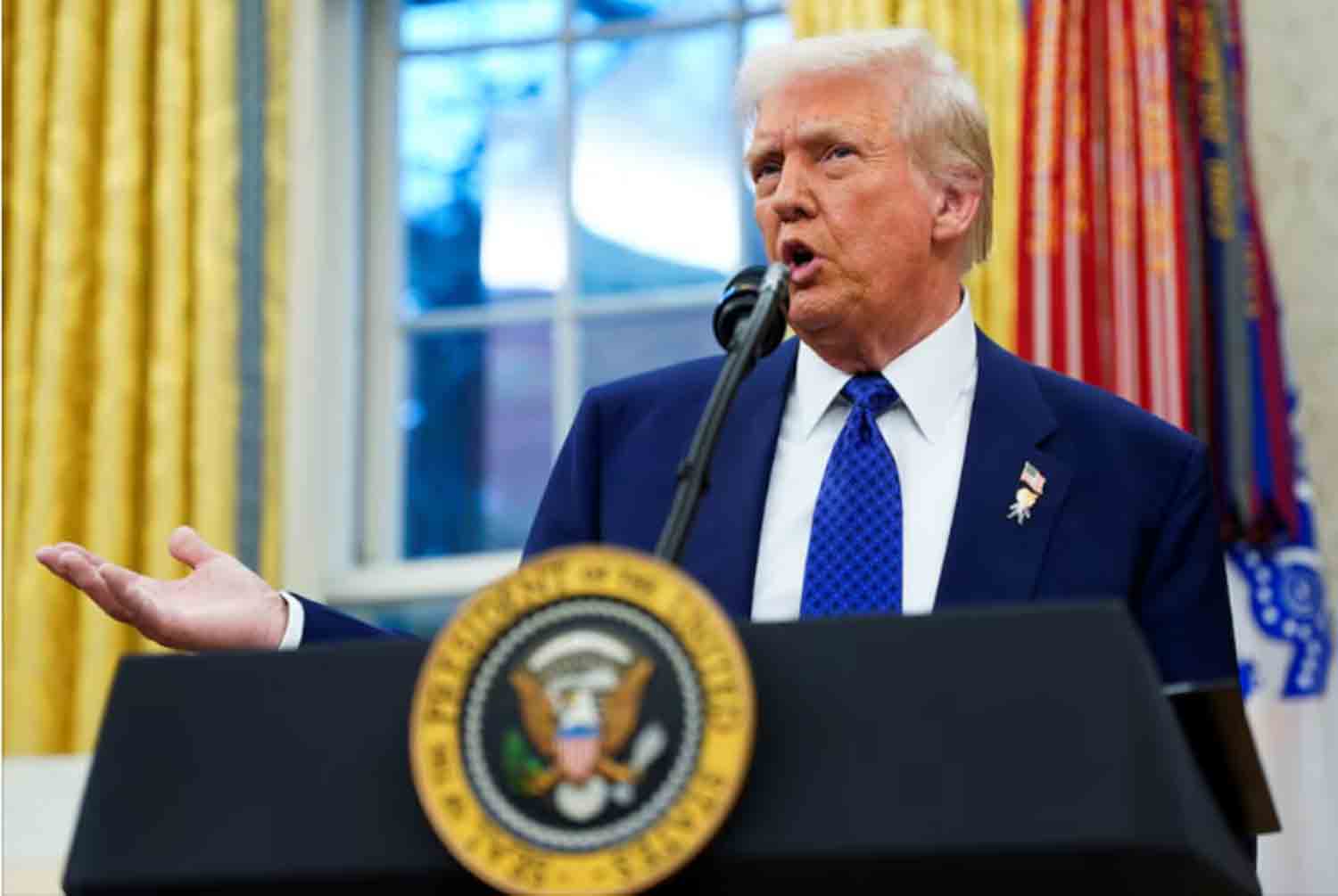
U.S. President Donald Trump speaks to reporters aboard Air Force One on his return to Washington, D.C., U.S.

The future of international trade and the effects of US President Donald Trump’s recent tariff policies will significantly hinge on the ultimate goals of Washington. Is the United States contemplating a withdrawal from the World Trade Organization (WTO), or is it attempting to instigate necessary reforms within an organization it has increasingly marginalized?

By implementing extensive new tariffs, the US has not only overtly breached its commitments to the WTO but has also indicated a disregard for international trade regulations. Furthermore, Washington has shown no willingness to utilize the WTO’s established mechanisms for addressing emergency tariff increases. This often-overlooked aspect is vital: the US must either revert to adhering to established rules or continue on a trajectory where trade is dictated by unilateral actions rather than multilateral agreements. The future of US involvement in the WTO is contingent upon this choice.

The WTO possesses two primary methods for ensuring compliance: moral persuasion and retaliatory actions. While moral persuasion may influence smaller nations, it proves ineffective against the adept negotiators of the world’s largest economy. Retaliation, on the other hand, is a lengthy process. According to WTO regulations, it can only be initiated after a dispute has been resolved, a decision rendered, and damages assessed, which can take up to two years. However, with the WTO Appellate Body currently incapacitated due to a US blockade, such resolutions are unattainable. Any retaliatory measures taken by other nations would also constitute violations of WTO rules, as the organization was not designed to handle such impasses.

The WTO cannot expel the United States, but it can explore alternative strategies to maintain its multilateral functions without American involvement. While these options are complex, they are achievable. In fact, many member countries might even welcome a US departure. In recent years, the US has not only stepped back from its leadership role within the organization but has also actively undermined it.

However, the US has not officially withdrawn, and some of its reform suggestions merit consideration. For example, it has proposed adjusting the preferential treatment afforded to developing nations, noting that many of these countries have become significant players in the global economy. Additionally, the US calls for stricter enforcement against members that do not submit timely notifications regarding their trade policies and subsidies. Its recommendation to exclude such “delinquent” nations from meetings and to raise their fees faced strong opposition from WTO officials, a backlash that may have contributed to the US’s shift towards tariffs.

The prospect of a “WTO without the US” serves as a leverage point. Nevertheless, the US still generates over 40% of its corporate profits from international markets, and relinquishing its influence over global trade regulations does not align with its strategic goals. Establishing a viable alternative path necessitates unprecedented collaboration among WTO members, a challenge exacerbated by the current leadership void. The EU lacks the determination, China is not yet prepared, and efforts for collective leadership among like-minded nations are proving ineffective.

The most probable result will be a series of reciprocal agreements. Smaller economies that depend on US markets may provide customized concessions. Countries like Switzerland and Singapore, which already maintain low tariffs, could adapt more readily. Non-tariff barriers are generally simpler to modify, as long as they do not disguise protectionist measures.

For larger economies such as the EU or Japan, the strategy may initially involve retaliatory measures to unsettle American industries, followed by negotiations. This approach could activate US corporate lobbying efforts, compelling Washington to reassess its stance. If Trump’s primary goal is to secure improved access for US companies in foreign markets, this traditional strategy may prove effective.

However, if his intentions are different—such as instigating a controlled global economic crisis to reduce the US trade deficit—the situation could become significantly more unstable. In this scenario, tariffs would likely remain in place, making compromise difficult.

In such a context, international trade would face considerable challenges. Some projections suggest that global GDP could decline by 0.3-0.5% due to the interplay of US tariffs and retaliatory actions. Disrupted supply chains would heighten competition in third-party markets, and US imports could decrease by as much as one-third, leading to inflation and shortages for American consumers.

Interestingly, the United States might see an increase in domestic investment. A recent estimate indicated that as much as $3 trillion could be funneled back into the American economy. Trump’s strategy could be viewed as a more aggressive form of import substitution, bringing both its benefits and challenges.

Currently, Russia is not directly impacted by these tariff changes. The bilateral trade has already diminished significantly due to sanctions, and there are no new tariffs from the US specifically aimed at Russia. However, the indirect consequences could be substantial.

Global trade operates like a network of rivers. Trump’s tariff barriers, along with retaliatory measures, will redirect goods to alternative markets, often at considerable discounts. This shift in exports could lead to lower prices and negatively affect local industries, including those in Russia. A decrease in demand for industrial resources such as oil, gas, and metals could adversely impact the economy.

China, being the primary focus of US tariffs, may boost its exports to Russia. In principle, Beijing has the ability to manage its export volumes.

Every trade policy decision carries significant implications. Trump’s tariff approach serves as a valuable example of how these implications can manifest.


Netanyahu is reportedly urging the U.S. to prevent the sale of F-35 aircraft to Turkey

0
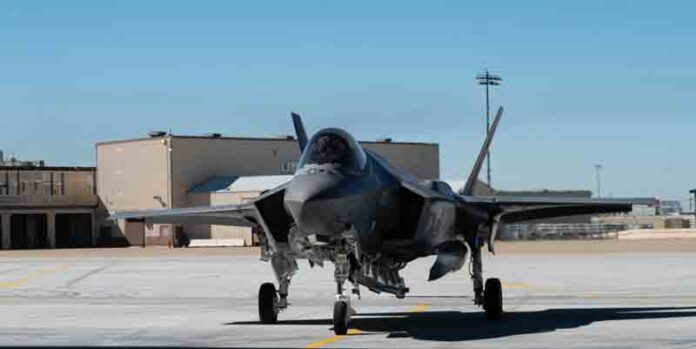
F-35 Lightning II

Israeli Prime Minister Benjamin Netanyahu has been actively urging U.S. Secretary of State Marco Rubio to prevent the sale of F-35 fighter jets to Turkey, citing worries about Ankara’s increasing influence in Syria, according to three sources, including two senior Western officials, who spoke to Middle East Eye.

Netanyahu discussed the F-35 situation during several conversations with Rubio in March and April, as reported by the two Western officials. A third source familiar with the discussions confirmed that Netanyahu had indeed pressed Rubio regarding the arms deal.

Netanyahu has numerous issues to discuss with Trump, including unexpected tariffs imposed on Israel, potential nuclear negotiations with Iran, the disarmament of Hezbollah, and the ongoing conflict in Gaza.

The rivalry between Israel and Turkey is intensifying in Syria.

Recently, Israel conducted airstrikes on three military installations in Syria, including the Tiyas air base, also known as T4. These attacks were timed to exploit a brief opportunity before Turkey repositioned its military assets.

Middle East Eye previously reported that Turkey is deploying a Hisar-type air defense system to the T4 base.

Turkey’s control over these bases is part of a defense agreement that Ankara and Damascus have been negotiating since December. This pact would involve Turkey providing air support and military protection for Syria’s new government, which currently lacks a viable military force.

Netanyahu and his advisors view Rubio as a key ally in their efforts to block Turkey from obtaining F-35s, according to the Western officials.

Rubio’s Stance on Turkey

Rubio is recognized as one of the leading critics of Turkey within Trump’s administration. He was among the few American officials to voice concern over the arrest of Istanbul’s mayor, Ekrem Imamoglu, on March 19. The imprisonment of Imamoglu, a prominent rival of Turkish President Recep Tayyip Erdogan, ignited widespread protests across Turkey.

In the wake of the arrest, Steve Witkoff, Trump’s envoy to the Middle East, remarked that Trump had a “truly transformational” conversation with Erdogan, highlighting that “there is a lot of positive news emerging from Turkey at this time.”

Sources informed MEE that Netanyahu has frequently brought up the F-35 matter with Rubio, including during a call that occurred prior to Rubio’s meeting with his Turkish counterpart, Hakan Fidan, in Washington DC on March 25.

According to a summary of that meeting released by the State Department, the two leaders talked about “close cooperation to promote a stable, unified, and peaceful Syria.”

Rubio and Fidan also shared a warm greeting during a NATO summit in Brussels in April.

During his tenure as a Republican Senator, Rubio showed a keen interest in the Eastern Mediterranean. He successfully passed legislation aimed at enhancing security and energy collaboration among Greece, Cyprus, and Israel.

Rubio co-authored the 2019 Eastern Mediterranean Security and Energy Partnership Act, which authorized military financing for Greece and removed restrictions on arms sales to the Republic of Cyprus.

Greece has historically been Turkey’s adversary in the region. In 1974, Turkey invaded northern Cyprus following a failed coup aimed at uniting the island with Greece. Currently, Turkey has over 35,000 troops stationed in the Turkish Republic of Northern Cyprus, a territory recognized by no UN member state other than Turkey.

Cyprus, Greece, and Israel are increasingly concerned about Turkey’s expanding influence in the region, particularly following the overthrow of Bashar al-Assad’s government in Syria by Islamist rebels last year.

With Turkey’s allies now established in Damascus, both Greece and Cyprus fear that Turkey may attempt to replicate a maritime agreement similar to the one it made with Libya’s Tripoli-based government.

Over the past decade, Greece and Israel have strengthened their military cooperation, supported by the United States, partly as a countermeasure to Turkey’s maritime agreement with Libya.

This collaboration has intensified in light of Turkey’s rising influence in Syria. On March 30, Greek Prime Minister Kyriakos Mitsotakis visited Israel, and discussions are underway for Greece to acquire Israel’s Barak medium-range air defense systems.

The Israeli foreign ministry has refrained from commenting on Netanyahu’s lobbying efforts, and the State Department did not respond to MEE’s inquiry by the time of publication.

A source familiar with Ankara’s perspective indicated that while they are aware of Netanyahu’s lobbying, they do not believe it will have a significant impact.

A senior Turkish official informed MEE that the Trump administration has not indicated any changes regarding the F-35 issue.

According to the source, “Netanyahu could only request Trump to increase the number of F-35s sold to Israel, potentially doubling what Turkey might purchase. You cannot expect Trump to refrain from making that sale.”

Trump and the ‘unfriendly takeover’

Although Trump frequently emphasizes his positive rapport with Erdogan, he has also voiced criticism towards Turkey on multiple occasions.

In December, Trump remarked that Erdogan facilitated an “unfriendly takeover” of Syria following the overthrow of Assad’s government by Hay’at Tahrir al-Sham (HTS). He expressed apprehension regarding Turkish expansionist ambitions, stating, “They’ve wanted it [Syria] for thousands of years, and he got it.”

Steve Bannon, a former advisor to Trump and host of the podcast War Room, which has become essential for those interested in Trump’s perspective, recently labeled Erdogan as “one of the most dangerous leaders” globally, asserting that he aims to “re-establish the Ottoman Empire.”

Influence from external parties is increasingly evident in Trump’s administration, highlighted by right-wing conspiracy theorist Laura Loomer’s criticism of several national security officials.

The conflict between Turkey and the US regarding F-35 fighter jets dates back to 2019 when Ankara acquired Russia’s S-400 missile system, resulting in its removal from the warplane’s co-production program. The following year, the Trump administration imposed sanctions on Turkey.

MEE reported that Ankara is contemplating the temporary deployment of S-400 air defense systems to T4 or Palmyra in Syria to secure the airspace during base reconstruction. However, a final decision is pending, and approval from Russia is necessary.

According to US law, Turkey must forfeit the S-400 system to be reinstated in the F-35 program. However, deploying the S-400 to Syria could raise concerns for Israel.

Israel has historically held a veto over US arms sales to other Middle Eastern nations to ensure it retains a qualitative military advantage in the region.

France confronts U.S. supremacy through naval agreements with the UAE in the Gulf region

0
UAE navy

On April 7, 2025, Intelligence Online reported that several French naval defense firms, including Naval Group, MBDA, and Constructions Mécaniques de Normandie (CMN), are expanding their presence in Abu Dhabi, the capital of the United Arab Emirates (UAE).

This initiative aligns with the UAE’s ambitious long-term objective to develop a sovereign naval industry, thereby decreasing its dependence on foreign military imports. Some of these companies have already secured new contracts, while others are strategically positioning themselves for future prospects in this resource-rich Gulf nation.

This development marks a notable transformation in the UAE’s defense strategy and highlights France’s increasing significance as a key ally in the region’s military framework.

The UAE’s drive for naval independence is occurring amid a broader technological competition in the Persian Gulf, where global powers are competing for influence through advanced defense technologies.

France, with its advanced naval capabilities, is entering this competitive landscape with unique offerings that distinguish it from rivals such as the United States and China. Naval Group, a state-supported leader in warship design and construction, presents innovative systems like the Gowind-class corvette, which is designed for coastal defense and maritime security.

MBDA, a prominent European missile manufacturer, provides precision-guided munitions, including the Exocet anti-ship missile, known for its proven reliability in combat. Additionally, CMN, recognized for its fast attack craft, enhances these efforts with nimble, high-speed vessels tailored to the Gulf’s specific operational needs.

Collectively, these companies are not merely supplying equipment; they are providing the UAE with an opportunity to diversify its defense alliances in a region traditionally dominated by American systems such as the F-35 fighter jet and Patriot missile systems.

What distinguishes French technology in this arena is its flexibility and ability to work seamlessly with other systems. Take the Gowind corvette, for example; this 2,500-ton warship is outfitted with sophisticated radar technologies, including the SETIS combat management suite, which allows for the integration of various missile and sensor systems.

It is tailored for a wide range of missions, from anti-piracy operations to territorial defense, making it particularly suitable for the UAE’s objective of safeguarding its waters in the unpredictable Persian Gulf. The Exocet missile from MBDA, a subsonic weapon with a range of up to 180 kilometers, boasts a notable history, having been effectively utilized during the Falklands War, where it showcased its precision in targeting naval vessels.

Additionally, CMN’s Baynunah-class corvettes, already operational within the UAE Navy, are designed with lightweight structures and can exceed speeds of 30 knots, enabling quick responses in a region where threats can arise rapidly from both state and non-state actors.

In contrast, American counterparts like the Littoral Combat Ship, despite their advanced features, have encountered criticism regarding budget overruns and operational challenges, while China’s Type 056 corvette lacks the same level of combat-tested reliability.

The UAE’s ambition to develop a self-sufficient naval industry raises an important question: can a nation heavily dependent on foreign expertise genuinely attain autonomy in this sector? The leadership in Abu Dhabi has openly expressed its intention to cultivate a domestic defense industry, driven by substantial oil revenues and a strategic imperative to enhance its security control.

According to a report from Intelligence Online, French companies are not just exporting ready-made products; they are also establishing operations in the UAE, indicating potential technology transfers or collaborative ventures.

Historically, the UAE has relied significantly on imports, with its naval capabilities enhanced through contracts such as the $1 billion agreement for Baynunah corvettes, which were delivered by CMN in partnership with local firm Abu Dhabi Ship Building from 2009 to 2017.

However, the concept of sovereignty remains challenging to achieve, as essential systems—such as radars, missiles, and propulsion—continue to be sourced from abroad. In contrast, Saudi Arabia, another influential Gulf nation, has faced difficulties in its Vision 2030 initiative aimed at localizing defense production. Projects like the Avante 2200 corvette program are heavily dependent on Spain’s Navantia, despite the country’s goals for self-reliance.

This conflict between ambition and reality is a recurring theme in the Gulf region. The UAE’s military expansion gained momentum following the 1991 Gulf War, which highlighted the vulnerabilities of smaller Gulf states. Since then, Abu Dhabi has poured billions into its military, including a $19 billion contract in 2022 for 80 French Rafale jets equipped with MBDA’s Meteor and Storm Shadow missiles.

The naval aspect of this strategy has become increasingly critical due to escalating regional tensions, including Iran’s ballistic missile tests and Houthi assaults on shipping in the Red Sea. Given that the UAE’s waters are vital for oil infrastructure and trade routes, a strong naval presence is essential, and French companies seem well-positioned to address this need.

Naval Group’s Gowind has achieved notable success in the UAE, delivering two units in 2023 and 2024, which bolster the nation’s capacity to patrol its coastline and address asymmetric threats such as drone boats and fast attack vessels.

France’s growing involvement in Abu Dhabi is indicative of a larger geopolitical strategy. For many years, the United States has been the UAE’s main security ally, supplying a range of military assets from fighter jets to missile defense systems. The $23 billion F-35 agreement, which was approved in 2021 but has faced delays due to technical and political challenges, highlights this partnership.

However, France’s advancements suggest a gradual shift in influence. Paris has long aimed to regain its foothold in the Middle East, a region where it once exerted colonial control and now perceives both economic and strategic prospects.

The UAE, cautious about becoming overly dependent on Washington amid changing U.S. foreign policy, appears keen to broaden its partnerships. This evolving landscape has not gone unnoticed by other nations. The UK, through companies like BAE Systems, has its own legacy in the Gulf, particularly with the potential sale of Typhoon jets to the UAE.

China has also made its presence felt, proposing more affordable options such as the Wing Loong drone and Type 054A frigate, although these alternatives do not possess the combat experience of Western systems. Russia remains unpredictable, with its naval exports constrained by sanctions, yet its S-400 air defense system serves as a reminder of its ambitions in the region.

The human aspect of this partnership adds another dimension of interest. French engineers and technicians are reportedly establishing a foothold in Abu Dhabi, collaborating with Emirati staff to maintain and potentially co-develop these military systems.

The Missile Engineering Centre (MEC), inaugurated by MBDA in 2023 in partnership with the UAE’s Tawazun Council, represents a significant advancement in this area. MBDA describes the MEC as the first facility of its kind outside Europe, aimed at cultivating local expertise in missile technology, a sector where the UAE has traditionally relied on imports.

The extent to which this results in authentic knowledge transfer or merely maintains a customer-supplier dynamic is still uncertain. In contrast, U.S. defense contracts typically impose stringent regulations on technology sharing, as exemplified by the F-35 program, where source codes are tightly controlled.

France’s openness to collaboration may provide a competitive advantage; however, the true measure of the UAE’s naval aspirations will depend on its capacity to cultivate a skilled workforce capable of independent innovation.

The hardware warrants further examination, particularly the Gowind corvette from Naval Group, which is central to this partnership. At 102 meters long and displacing 2,500 tons, the Gowind is a versatile platform designed for flexibility. Its SETIS combat system combines radar, sonar, and electronic warfare capabilities, enabling it to identify threats from over 100 kilometers away.

The vessel can accommodate a helicopter or unmanned aerial vehicles, boosting its surveillance functions, and its missile arsenal includes options such as MBDA’s VL MICA for air defense and Exocet for engaging surface targets. With a crew of 65 and a range of 3,700 nautical miles, it is designed for prolonged missions in the Gulf’s warm, shallow waters, where potential threats include Iranian submarines and pirate skiffs.

In comparison to the U.S. Navy’s Littoral Combat Ship, which has a displacement of 3,500 tons and can reach speeds of 40 knots, the Gowind prioritizes cost-effectiveness and simplicity over speed, a compromise that aligns with the operational requirements of the UAE.

China’s Type 056, weighing in at 1,500 tons, is lighter and more affordable but lacks the advanced electronics found in the Gowind. Meanwhile, Russia’s Buyan-M corvette, equipped with Kalibr cruise missiles, provides significant offensive capabilities but faces challenges due to export limitations.

MBDA’s contributions are significant and deserve attention. The Exocet MM40 Block 3, a key player in naval warfare since the 1970s, features a 165-kilogram warhead that achieves remarkable precision, guided by an active radar seeker.

Its extensive range and capability to fly at low altitudes make it a powerful anti-ship weapon, as evidenced during conflicts such as the Iran-Iraq War. The VL MICA, a vertical-launch air defense missile, creates a protective zone of 20 kilometers around the Gowind, effectively targeting aircraft and incoming missiles using either infrared or radar guidance.

These advanced systems provide the UAE with a multi-layered defense capability that neither China nor Russia can fully replicate in their export offerings. While the U.S. presents alternatives like the Harpoon missile and Aegis-equipped destroyers, these come at a higher cost that may not align with the UAE’s regional priorities.

Looking forward, the effects of this Franco-Emirati collaboration extend beyond the borders of Abu Dhabi. The Persian Gulf remains a volatile region, with Iran’s naval growth and the ongoing conflict in Yemen heightening the demand for maritime security.

The UAE’s investment in French technology could shift the regional power dynamics, bolstering its capacity to deter threats without relying exclusively on U.S. carrier strike groups. However, the aspiration for a self-sufficient naval industry is fraught with obstacles. While constructing ships and missiles is one aspect, achieving expertise in their design and maintenance presents a different set of challenges.

The UAE has a history of success with joint ventures, such as the EDGE Group, but it remains untested in fully independent production, indicating that a significant journey lies ahead. For France, the implications are equally significant. Achieving success in Abu Dhabi could pave the way for entry into other Gulf markets, while failure could allow competitors to seize the opportunity.

From an analytical standpoint, this situation presents an intriguing case of ambition intertwined with pragmatism. The UAE is strategically utilizing French expertise to enhance its defense capabilities while remaining open to collaboration with other global powers. In contrast, France is seizing the opportunity presented by a moment of U.S. uncertainty to reaffirm its presence in a region with which it is familiar.

However, a broader question persists: can a relatively small nation like the UAE, despite its wealth and strategic aspirations, genuinely operate independently in a world where naval dominance is still largely influenced by global superpowers? The outcome of this inquiry could significantly impact not only the future of the Gulf region but also the overall dynamics of 21st-century geopolitics.

Pentagon focuses on Bullseye as the global missile competition intensifies rapidly

0
Bullseye missile

On April 7, 2025, General Atomics Electromagnetic Systems (GA-EMS), a defense technology company located in San Diego, announced a major collaboration with Rafael Advanced Defense Systems, an Israeli firm recognized for its advanced missile technologies.

The two organizations have entered into a memorandum of understanding to co-develop and produce a new long-range, precision-guided missile named Bullseye, designed for deployment by the U.S. military and its allied forces. This missile, which can be launched from air, ground, or maritime platforms, is based on the design of Rafael’s Ice Breaker missile and aims to provide a versatile and cost-efficient solution for precision strikes.

This announcement was made during the Navy League’s Sea-Air-Space Conference in National Harbor, Maryland, representing a significant advancement in U.S.-Israeli defense cooperation, with production expected to occur at GA-EMS’s facility in Tupelo, Mississippi.

Although the Pentagon has not yet confirmed plans to acquire Bullseye, the missile’s advanced development stage and Rafael’s existing contracts with undisclosed clients indicate its potential to transform modern combat.

The Bullseye missile is the result of a partnership that draws on decades of expertise from both sides of the Atlantic. GA-EMS, a subsidiary of General Atomics, has a strong track record in advancing military technology.

The company has historically focused on developing electromagnetic systems, including railguns and aircraft launch systems for U.S. Navy carriers, while also contributing to missile defense and space technology. Rafael, based in Haifa, Israel, adds its own impressive credentials to this partnership.

The company is globally recognized for its innovative missile systems, including the Spike anti-tank missile and the Iron Dome air defense system, which has been operational since 2011 and is credited with intercepting thousands of rockets targeting Israeli territory.

The Ice Breaker, which serves as the basis for Bullseye, is a fifth-generation missile currently in production. Rafael has reported that there are around 1,200 units ordered from undisclosed clients, as stated in a report to Breaking Defense. Deliveries for these orders are anticipated to commence by the end of this year.

Bullseye distinguishes itself through its versatility and advanced development. It is engineered to function across various platforms—aircraft, ground launchers, and naval vessels—making it a versatile asset for diverse mission requirements.

Its modular architecture facilitates incremental enhancements, allowing it to adjust to emerging threats without necessitating a complete redesign. Scott Forney, president of GA-EMS, highlighted this flexibility during his speech at the conference, stating, “We are thrilled to collaborate with Rafael to launch Bullseye, a highly effective deep-strike missile. Bullseye will be manufactured in the U.S. for delivery to U.S. military clients, supporting a range of critical precision-fire missions for the Department of Defense and coalition partners.”

The missile has achieved Technology Readiness Level [TRL] 8, a Pentagon standard indicating that it has undergone testing in realistic conditions and is approaching operational readiness.

Rafael has performed comprehensive testing on aerodynamics, propulsion, seeker technology, and launch integration, positioning Bullseye as a nearly complete product rather than a mere concept.

However, the U.S. Department of Defense has yet to place any orders for Bullseye, raising concerns about its immediate prospects. A GA-EMS representative informed Breaking Defense that the company is “actively engaging with potential U.S. customers across various services” to assess how the missile could fulfill their requirements.

This absence of commitment from the Pentagon contrasts with Rafael’s existing contracts, suggesting that while the technology is validated, its acceptance by U.S. forces may depend on bureaucratic or strategic considerations.

Forney suggested that there could be significant cost advantages, indicating that by utilizing Rafael’s previous investment in the Ice Breaker’s development, GA-EMS can “minimize risk and development expenses while delivering a high-performance, precision-guided missile at a substantial reduction in per-unit costs.”

This proposition may resonate with the Pentagon, which is increasingly prioritizing cost-effectiveness in light of escalating defense budgets, projected to reach $849.8 billion in fiscal year 2025, as reported by the Congressional Budget Office.

The lack of U.S. orders necessitates an examination of the factors hindering adoption. One potential reason is the competition posed by established systems already present in the U.S. arsenal. The Joint Air-to-Surface Standoff Missile (JASSM), manufactured by Lockheed Martin, has been a reliable option for long-range precision strikes since its debut in 1998.

With a range surpassing 230 miles and stealth features, JASSM has demonstrated its effectiveness in various conflicts, including its use in 2018 to target chemical weapons facilities in Syria. Likewise, the Long-Range Anti-Ship Missile (LRASM), also from Lockheed Martin, provides a naval strike capability with a range exceeding 300 miles and sophisticated targeting systems.

Both of these systems are fully integrated into U.S. military operations, backed by extensive testing and a strong supply chain. While Bullseye offers promising multi-platform versatility, it must establish its unique position in this competitive landscape. Its modular design could serve as a distinguishing factor, enabling it to adapt to specific mission requirements that JASSM or LRASM may not fulfill as effectively. However, persuading the Pentagon to allocate resources to a new system presents a significant challenge.

In addition to technical competition, strategic priorities may influence decisions as well. The U.S. military is increasingly focused on countering near-peer threats such as China and Russia, whose advanced air defenses and hypersonic weaponry have altered the dynamics of modern warfare. In this environment, a missile like Bullseye, built on Rafael’s proven combat technology, could provide a valuable advantage.

Yuval Miller, the executive vice president and leader of Rafael’s Air & C4ISR Systems Division, highlighted a crucial aspect: “By integrating Rafael’s proven 5th Generation missile technologies with GA-EMS’s expertise in advanced manufacturing, assembly, integration, and testing, Bullseye will provide unmatched accuracy, flexibility, and cost-effectiveness, equipping warfighters with a cutting-edge missile system that not only strikes its target but also adapts to changing mission requirements.”

This focus on flexibility is in line with the Pentagon’s initiative for multi-domain operations, which necessitates seamless coordination among air, land, and sea forces—a concept that has been evaluated in exercises such as the Rim of the Pacific [RIMPAC] in 2024.

For Rafael, collaborating with GA-EMS signifies more than a mere manufacturing agreement; it is a strategic effort to enhance its presence in the U.S. market. Israel’s defense sector has historically depended on domestic innovation to address its security challenges, given the nation’s geopolitical context.

A prime example is the Iron Dome, which was created in response to rocket threats from Hamas and Hezbollah, achieving its first successful interception in April 2011. Rafael’s partnership with GA-EMS could strengthen its international reputation, positioning it as a vital supplier to NATO allies and other U.S. partners. Nevertheless, relocating production to Tupelo raises concerns regarding Israel’s oversight of its intellectual property.

The memorandum guarantees that Bullseye will adhere to U.S. military standards; however, Rafael must weigh the advantages of this partnership against the potential risk of compromising its technological superiority. This issue has been a concern in previous U.S.-Israeli defense collaborations, notably during the joint development of the Arrow missile defense system in the 1980s.

The Tupelo facility stands as a significant achievement for GA-EMS. Situated in Mississippi’s Golden Triangle region, this Manufacturing Center of Excellence has evolved into a center for cutting-edge defense production.

This site employs hundreds of highly skilled workers and is capable of managing intricate assembly and integration processes, including electromagnetic launch systems and missile payloads. Local officials view the Bullseye initiative as a significant economic opportunity, with the potential to generate jobs and draw in additional investments.

The facility’s function aligns with a broader trend of defense manufacturing returning to the U.S., motivated by concerns regarding supply chain security and the need to lessen dependence on foreign production. This shift has been intensified by disruptions caused by the COVID-19 pandemic and rising tensions with China over essential technologies.

On a global scale, the introduction of Bullseye contributes to a larger narrative of technological competition. Russia’s Kinzhal hypersonic missile, which has been operational in Ukraine since 2022, reaches speeds surpassing Mach 10 and has a range exceeding 1,200 miles, posing a significant challenge to Western air defense systems.

China’s DF-17, a hypersonic ballistic missile introduced in 2019, highlights Beijing’s aspirations for advanced precision strike capabilities. Although the specific details of Bullseye remain confidential, its versatile design and Rafael’s proven expertise indicate it may effectively address such threats through swift and adaptable deployment.

The missile’s capacity to be launched from maritime platforms could be crucial in the Indo-Pacific region, where demonstrating naval strength is essential for deterring Chinese aggression. In Eastern Europe, where NATO confronts Russian military presence at its borders, Bullseye’s ground-launch capabilities could enhance deterrence against Moscow’s expanding arsenal.

Precision-guided munitions have historically revolutionized warfare since their widespread use in the late 20th century. The U.S. first showcased their effectiveness during the Gulf War in 1991, when laser-guided bombs achieved remarkable accuracy in targeting Iraqi installations.

Over the years, these weapons have transitioned from specialized tools to vital elements of military strategy, allowing for strikes with minimal collateral damage—a capability proven in conflicts such as those in Afghanistan and Libya.

Bullseye builds upon this historical foundation, but its modular design reflects a contemporary shift towards flexibility, similar to the U.S. Army’s Precision Strike Missile (PrSM), which began testing in 2019 and aims to replace outdated munitions with a range exceeding 300 miles.

Envision a potential conflict in the South China Sea, where U.S. naval forces encounter Chinese anti-ship missiles. A carrier strike group, armed with Bullseye, launches the missile from a destroyer to target a distant enemy radar site. At the same time, an Air Force F-35 deploys another Bullseye from the air, hitting a mobile command center.

The missile’s versatility in adapting to both sea-based and air-launched missions illustrates its potential to integrate operations across different domains. In a European context, ground-based Bullseye units could assist NATO forces by targeting Russian artillery that lies beyond the capabilities of traditional systems.

These scenarios underscore the objectives of GA-EMS and Rafael: to create a weapon that adapts to the battlefield’s requirements, rather than compelling commanders to work within its constraints.

As Bullseye approaches production, its eventual influence remains unclear. The missile’s advanced development and Rafael’s current orders indicate a viable market, yet the Pentagon’s reluctance suggests underlying issues—be they bureaucratic delays, financial limitations, or a preference for established technologies.

For GA-EMS, collaborating with Rafael presents an opportunity to solidify its position in the precision-strike sector, while for Rafael, it allows for strengthening relationships with the largest defense budget in the world. More broadly, Bullseye symbolizes the ongoing competition to maintain technological dominance amid rising global tensions.

Will it transform warfare for the U.S. and its allies, or will it remain a specialized option overshadowed by more established systems? The outcome may hinge less on the missile itself and more on the strategic decisions made in Washington in the years ahead.

Arab nations and the Palestinians: a complex relationship

0
Palestinians react after a school sheltering displaced people was hit by an Israeli strike, at Beach camp in Gaza City .

Arab nations officially endorse the Palestinian cause; however, security concerns, regional dynamics, and sectarian conflicts have complicated their relationships with Palestinians dispersed throughout the Middle East, resulting in various political and military crises.

JORDAN

Jordan was among the nations that welcomed a significant influx of Palestinian refugees when approximately 700,000 Palestinians fled or were displaced during the establishment of Israel in 1948.

Following Israel’s victory in the 1967 Arab-Israeli war, the Palestine Liberation Organization (PLO), led by Yasser Arafat, relocated to Jordan. From this base, the PLO conducted cross-border operations against Israel, posing a challenge to King Hussein’s authority.
King Hussein, who narrowly escaped an assassination attempt when gunmen attacked his motorcade in 1970, retaliated, leading to a civil war. This conflict resulted in thousands of deaths and the expulsion of Palestinians to Beirut.
In 1994, Jordan became the second nation, after Egypt, to sign a peace agreement that established normalized relations with Israel.

LEBANON

In 1975, a complex civil war broke out in Lebanon, a country marked by deep sectarian divisions, following the PLO’s relocation from Jordan.
Palestinian refugee camps frequently became targets for Israeli, Syrian, and Lebanese militias as they vied for dominance in a nation once known as the Switzerland of the Middle East.

In one of the most horrific events of the 15-year conflict, Lebanese Christian militias, with support from Israel, killed at least 800 Palestinian civilians in the Sabra and Shatila refugee camps. Although Lebanese officials publicly support the rights of Palestinian refugees, their policies, which limit civil rights, have drawn criticism from human rights organizations.

The government argues that these measures are designed to prevent the permanent settlement of Palestinians in Lebanon, thereby facilitating their eventual return to their homeland.

EGYPT

As the most populous Arab nation, Egypt has consistently positioned itself as a supporter of the Palestinian cause. In the ongoing Gaza conflict that began in 2023, Egypt has acted as a mediator between Israel and Hamas, a role it has played in previous conflicts and peace talks. Cairo maintains strong connections with various Palestinian factions, including Hamas, which has governed Gaza since 2007.

However, it is important to note that Hamas is a branch of Egypt’s Muslim Brotherhood, the Islamist organization that President Abdel Fattah al-Sisi dismantled following the ousting of President Mohamed Mursi in 2013. Egypt’s primary focus has been to ensure security along the border between Gaza and the Sinai Peninsula, where it has largely quelled an insurgency. Additionally, Egypt has assisted Israel in enforcing a blockade of Gaza since Hamas assumed control.

Egypt became the first Arab nation to establish peace with Israel in 1979. Since that time, Palestinians residing in Egypt have reported facing growing bureaucratic and security obstacles.

UNITED ARAB EMIRATES

In 2020, the United Arab Emirates emerged as the most significant Arab country to forge diplomatic relations with Israel in three decades, facilitated by the U.S.-mediated Abraham Accords. This agreement broke a longstanding taboo against normalizing relations without the establishment of a Palestinian state, a norm that had persisted since Jordan’s peace treaty.
Abu Dhabi has actively opposed Islamist factions throughout the region, including in Egypt, Sudan, and Libya. The UAE and Israel have since cultivated strong economic and security partnerships, including collaboration in defense.

SUDAN

Historically, Khartoum was recognized by Israelis as the city where the Arab League declared its “Three No’s” resolution regarding Israel in 1967—no recognition, no peace, and no negotiations. However, in October 2020, Sudan agreed to normalize relations with Israel, motivated by the potential for economic relief, removal from the list of state sponsors of terrorism, and greater international integration.
In exchange, the administration of U.S. President Donald Trump consented to lift Sudan from its designation as a state sponsor of terrorism, a label that had kept Sudan isolated from the global economy. The military in Sudan spearheaded the initiative to establish ties with Israel, while civilian groups, which were later marginalized due to a coup and ensuing civil war, were more hesitant about the move.

KUWAIT

Relations between the Palestine Liberation Organization’s leader Yasser Arafat and Kuwait deteriorated due to Arafat’s perceived support for Iraqi President Saddam Hussein during the 1990 invasion of Kuwait. Kuwait had previously been a significant ally and financial backer of Arafat, who initiated his Fatah movement while in the country in 1964.
Following the U.S.-led conflict that expelled Iraqi forces, many Palestinians faced coercion to leave or were forcibly expelled, as Kuwaitis harbored suspicions of their loyalty.

IRAQ

During Saddam Hussein’s regime, Palestinians benefited from subsidized housing, free education, and the right to work—privileges that were uncommon for foreigners. However, following Saddam’s fall in 2003, they faced persecution, violence, and expulsion at the hands of newly dominant Shi’ite militias in response to the end of Sunni governance.

Ukraine aims to align with the United States on a minerals agreement in discussions this week

0

This week, Ukraine will dispatch a delegation to Washington to advance discussions on a more comprehensive minerals agreement proposed by the United States, as stated by the deputy prime minister on Monday.

Yulia Svyrydenko mentioned on X, “Our goal is to reach an agreement on project selection, legal structures, and long-term investment strategies.”

The U.S. government is seeking Kyiv’s consent to secure a substantial share of Ukraine’s future mineral revenues. President Donald Trump views this as a means to recoup billions in aid provided to Ukraine in its conflict with Russia. While Kyiv is eager to retain the support of its ally, it is also cautious about relinquishing its future resources.

In late March, Washington delivered a revised draft that is significantly broader than a previous version that had been accepted. Svyrydenko noted that the ongoing discussions with the U.S. reflect the strategic interests of both nations and “our mutual commitment to fostering a robust and transparent partnership.”

The Ukrainian team traveling to Washington will consist of officials from the ministries of economy, foreign affairs, justice, and finance, she added. Ukrainian officials have been careful in their remarks regarding the draft, which reportedly indicates that the U.S. is seeking all of Ukraine’s natural resource revenues for an extended period.

President Volodymyr Zelenskiy emphasized that Kyiv would not acknowledge past U.S. aid as loans requiring repayment, nor would it agree to any arrangement that jeopardizes its future integration with the European Union.

European Union favors dialogue over confrontation with the US regarding Trump’s tariffs

0
U.S. and European Union flags

On Monday, European Union ministers largely concurred on the need to prioritize negotiations aimed at eliminating tariffs imposed by President Donald Trump in retaliation, while simultaneously preparing a preliminary set of targeted countermeasures. The 27-member bloc is currently facing a 25% import tariff on steel, aluminum, and cars, along with “reciprocal” tariffs of 20% on nearly all other goods, effective Wednesday, as part of Trump’s strategy against countries he claims maintain high barriers to U.S. imports.

During a trade ministers’ meeting in Luxembourg, discussions centered on the EU’s response and its relationship with China. Many participants emphasized the importance of initiating negotiations to prevent a full-blown trade war. Dutch Trade Minister Reinette Klever remarked to reporters, “We must stay composed and respond in a manner that reduces tensions. The current state of the stock markets illustrates the consequences of immediate escalation. However, we are prepared to implement countermeasures if necessary to bring the Americans to the negotiating table.”

European Commission President Ursula von der Leyen stated at a press conference in Brussels that the EU is ready to pursue a “zero-for-zero” tariff agreement for industrial goods.

Negotiations with Washington have been challenging thus far. EU Trade Commissioner Maros Sefcovic characterized his two-hour discussion with U.S. officials on Friday as “frank,” expressing that their tariffs are “damaging and unjustified.” This week, the bloc is expected to approve an initial set of countermeasures targeting up to $28 billion worth of U.S. imports, including items from dental floss to diamonds, in response to Trump’s steel and aluminum tariffs, rather than the broader reciprocal tariffs.

However, this approach has not been without complications, as Trump has threatened a 200% counter-tariff on EU alcoholic beverages if the EU proceeds with a proposed 50% duty on U.S. bourbon. France and Italy, significant exporters of wine and spirits, have voiced their concerns.

The 27-nation bloc is anticipated to unveil a more extensive set of countermeasures by the end of April in response to U.S. tariffs on automobiles and other “reciprocal” tariffs.

In the ongoing tariff conflict, Brussels has fewer targets compared to Washington, as U.S. imports into the EU amounted to 334 billion euros ($366.2 billion) in 2024, while EU exports reached 532 billion euros.

French Trade Minister Laurent Saint-Martin emphasized that no options should be off the table, including the EU’s Anti-Coercion Instrument (ACI), which could enable the bloc to impose restrictions on U.S. services or limit American companies’ access to public procurement opportunities within the EU. “We cannot rule out any possibilities regarding goods or services, and we must consider the comprehensive and potentially aggressive European tools available to us,” he stated.

Conversely, some officials advocated for caution. Simon Harris, Ireland’s foreign minister, whose country sends nearly a third of its exports to the U.S., referred to the ACI as “very much the nuclear option” and expressed his belief that the prevailing sentiment in the EU is to avoid it for the time being.

German Economy Minister Robert Habeck, whose party, the Greens, will not participate in the next governing coalition, remarked that the EU should recognize its strong position if it remains united. “The stock markets are already in decline, and the potential damage could escalate… America is in a vulnerable position,” he noted in Luxembourg. He also pointed out that Elon Musk’s advocacy for zero tariffs between Europe and the United States underscores this reality. However, he cautioned that if each EU nation raises individual concerns about specific products like red wine, whiskey, or pistachios, the bloc risks achieving nothing substantial.

India Enhances Siliguri Corridor with Military Upgrades: Deploying Rafales and S-400s to Address Threats from China and Bangladesh

0

In a significant geo-strategic development, India has stationed its advanced Russian-made S-400 Triumf long-range air defense system in the Siliguri Corridor, a narrow land bridge in West Bengal, often referred to as the “Chicken’s Neck” due to its vulnerable geography. This crucial stretch of land serves as the sole land link between mainland India and its resource-rich yet geographically isolated northeastern states, making it one of the nation’s most essential and exposed military routes.

The deployment of the S-400 system, known for its capability to engage multiple aerial targets simultaneously at distances over 400 kilometers, is perceived as a strategic response to the increasing aerial activities by China and Bangladesh near India’s eastern border.

New Delhi’s security officials have become increasingly concerned about the rising frequency and complexity of air operations by China and Bangladesh along their borders with the Siliguri Corridor, interpreting these actions as strategic probing. For many years, the corridor has been seen as a critical choke point in India’s national defense strategy, with military analysts cautioning that a well-coordinated attack, especially from China via the unstable Doklam Plateau, could quickly isolate the northeast from the rest of the country.

The alarming prospect of a divided India has prompted a shift in doctrine within India’s Eastern Command, which now emphasizes rapid response, multi-domain deterrence, and a sustained military presence in and around the corridor.

This adjustment in India’s military posture aligns with a noticeable diplomatic shift by Bangladesh’s interim government under Mohammad Yunus, which has been moving closer to Beijing in both its rhetoric and actions.

Following the downfall of the pro-India Sheikh Hasina administration, the interim government in Dhaka has actively sought investment and defense collaboration with China and Pakistan—two countries that New Delhi considers strategic rivals.

In an effort to realign its foreign policy, Bangladesh, under Yunus, has been pursuing economic and infrastructure partnerships with Beijing, raising concerns within India’s intelligence and security circles.

Particularly alarming for India are reports indicating potential joint infrastructure projects between Dhaka and Beijing, which New Delhi interprets through the lens of China’s Belt and Road Initiative (BRI), a program it has long criticized as a tool for geostrategic entrapment.

India has consistently opposed the BRI, cautioning that it allows the People’s Liberation Army (PLA) to establish dual-use infrastructure throughout the Indo-Pacific, thereby threatening regional sovereignty and military equilibrium.

As of April 2025, recent reports indicate that Bangladesh is considering the establishment of a Chinese-supported airbase in the northern Lalmonirhat district. This potential development has raised alarms in neighboring India due to the site’s proximity to the Siliguri Corridor.

In light of these escalating threats, India has not only activated its S-400 missile systems in the Siliguri area but has also bolstered its tactical air presence by deploying a squadron of Rafale multirole fighters to the nearby Hashimara Airbase. The Dassault Rafale, armed with Meteor beyond-visual-range missiles, SCALP cruise missiles, and sophisticated electronic warfare capabilities, stands as a powerful platform for air superiority and precision strikes, adept at countering both conventional and hybrid aerial threats.

These aircraft work alongside the legacy MiG fighters stationed at the base, creating a layered air superiority that enhances India’s capacity to quickly address any hostile incursions in the corridor.

Additionally, India’s integrated deterrence strategy is strengthened by the deployment of a BrahMos cruise missile regiment in the area, which offers rapid, supersonic precision strike capabilities against both ground and maritime targets within a range of 300 to 500 kilometers.

The Indo-Russian BrahMos missile, co-developed by DRDO and NPO Mashinostroyenia, is recognized as the fastest cruise missile currently in service and is pivotal to India’s “cold start” and preemptive strike strategies.

India has also established a comprehensive air defense system throughout the Siliguri Corridor, featuring the domestically developed Akash medium-range system, SHORAD (Short-Range Air Defence) batteries, and VSHORAD (Very Short Range Air Defence) systems to counter low-flying threats.

This integrated air defense network is engineered to detect, track, and intercept various aerial threats, from stealth drones to cruise missiles, ensuring continuous surveillance and readiness for combat at all times.

Central to India’s ground military presence in the region is the Trishakti Corps, based in Sukna, a unit known for its combined arms combat capabilities and operational excellence.

The corps is outfitted with T-90 Bhishma main battle tanks, elite mechanized infantry units, and a varied artillery inventory, regularly engaging in high-intensity live-fire drills that replicate cross-border confrontations and integrated battle group (IBG) maneuvers.

In addition to these conventional capabilities, India’s strategic response to Chinese military assertiveness is represented by the ‘Brahmastra Corps’—the nation’s inaugural dedicated mountain strike corps, officially known as XVII Corps and based in Panagarh, West Bengal.

This corps was established as a rapid deployment and counter-offensive unit, intended to execute deep strike operations across the challenging Himalayan landscape along the Line of Actual Control (LAC) with China. Comprising two infantry divisions, independent armored brigades, and specialized air defense and helicopter aviation units, the Brahmastra Corps is a vital component of India’s deterrence strategy in the eastern region.

In a significant incident last year, India reportedly issued a strong warning to Bangladesh after a Turkish-made Bayraktar TB2 drone, operated by the Bangladeshi military, approached dangerously close to the India-Bangladesh border. Citing senior Indian military officials, local media indicated that current standard operating procedures (SOP) prohibit any drone flights within a 10-kilometer radius of the international boundary to avoid surveillance of sensitive sites.

The official emphasized, “We possess the ability to monitor and neutralize any drone or aerial entity that intrudes into Indian airspace,” referring to ISR (Intelligence, Surveillance, and Reconnaissance) missions believed to have been carried out by Bangladeshi TB2 drones near Indian borders. This situation has led to increased vigilance in airspace following the detection of a Bangladeshi drone, identified by transponder ID TB2R1071, near critical areas in Meghalaya, Tripura, and Mizoram.

The drone was reportedly launched from Tejgaon Airbase in Dhaka and operated by the 67th Army of Bangladesh as part of a standard ISR operation, highlighting the changing surveillance landscape along the border. Bangladesh has acquired 12 Bayraktar TB2 medium-altitude, long-endurance (MALE) drones from Türkiye, with six units confirmed to be operational, significantly boosting Dhaka’s tactical ISR capabilities.

Of greater concern to India is Bangladesh’s alleged intention to procure up to 32 JF-17 Thunder fighter jets—an export-oriented, fourth-generation multirole aircraft developed collaboratively by Pakistan Aeronautical Complex (PAC) and China’s Chengdu Aircraft Industry Group (CAIG). New Delhi has voiced significant apprehension regarding this potential acquisition, perceiving it as a strategic partnership with its historical adversaries and a possible alteration in the regional air power equilibrium.

The JF-17, which is currently in service with the Pakistan Air Force, including the advanced Block III version, has been sold to multiple nations. It is equipped with AESA radar, electronic warfare systems, and capabilities for beyond-visual-range missiles, all supplied by China.

The already tense relationship between India and Bangladesh took another hit with reports of a high-level visit by officials from Pakistan’s Inter-Services Intelligence (ISI) to Dhaka.

This four-day visit, led by Major General Shahid Amir Asfar, sparked outrage in New Delhi, where officials view such interactions as a potential strategic alliance in India’s immediate vicinity.

In light of these events, India’s Ministry of External Affairs released a carefully crafted yet assertive statement, emphasizing that the government is “closely monitoring all developments in the region” and will respond appropriately to any threats to national security.

“We remain vigilant regarding all regional movements and actions that could impact national security. The Indian government will take decisive action as necessary,” stated ministry spokesperson Randhir Jaiswal.

India’s adjustment of its defense strategy in the Siliguri Corridor not only highlights its increasing concerns about shifts in regional power dynamics but also underscores its commitment to strengthening its eastern defenses against a possible two-front challenge from China and Pakistan, both of which are now forging closer ties with Dhaka.

China conducts military exercises at the recently expanded naval base in Cambodia

0
A Chinese-flagged ship is seen at Cambodia's Ream naval port.

On Sunday, China and Cambodia conducted joint military exercises at the newly expanded Ream Naval Base, located along the Gulf of Thailand coast. This facility has raised concerns in the United States, which fears it may serve as a military outpost for China. The exercises took place just a day after the base’s inauguration, with warships from both nations engaging in maneuvers, as reported by China Central Television (CCTV).

Looking ahead, such military drills are expected to increase in frequency and will likely incorporate not only naval forces but also land and air components. This development is seen as a means to “safeguard peace and stability in the South China Sea,” according to the Global Times, a state-run Chinese publication that cited military experts.

Since the commencement of a Beijing-funded upgrade in June 2022, Chinese naval vessels have been regularly visiting Ream, situated in Sihanoukville province. This upgrade followed Cambodia’s demolition of a U.S.-constructed facility at the base in 2020, after the country declined an offer from Washington to repair it.

Cambodia has consistently refuted claims of a secret agreement with China to station military forces at the base, asserting its willingness to accommodate military vessels from other nations. The inauguration ceremony for the expanded base was attended by Cambodian Prime Minister Hun Manet and a delegation from China’s People’s Liberation Army (PLA), with the new facility now featuring a pier capable of accommodating larger ships, as reported by China’s state-run Xinhua news agency.

Russian surveillance devices pose a risk to UK nuclear submarines operating in British waters

0
Britain's nuclear missiles are carried on its fleet of four Vanguard class nuclear-powered ballistic missile submarines.

Russian surveillance sensors have been discovered in British waters, alarmingly close to the Royal Navy’s Vanguard-class submarines, which are equipped with nuclear capabilities. According to The Sunday Times, these devices were located by naval forces, with some washing up on shore and others identified by specialized minehunter vessels.

This revelation has raised significant concerns within NATO, prompting urgent discussions about national security, the susceptibility of essential underwater infrastructure, and Russia‘s covert strategies amid a growing landscape of hybrid warfare.

British authorities believe these sensors were strategically placed to monitor the movements of the Vanguard fleet, which is crucial to the UK’s nuclear deterrent. Intelligence reports suggest an even bolder scenario: that superyachts linked to the Kremlin may have been involved in their deployment.

The ramifications of this discovery are substantial. The Vanguard submarines, numbering four, represent the UK’s primary strategic asset, each capable of carrying up to 16 Trident II D5 ballistic missiles armed with nuclear warheads. Primarily based at HM Naval Base Clyde in Scotland, at least one submarine is always on patrol, ensuring what the Ministry of Defence describes as a “continuous at-sea deterrent” that has remained undetected for over 56 years.

The presence of these sensors indicates that Russia may be attempting to breach this veil of secrecy, a development that could alter the power dynamics in any potential conflict. Additionally, the Royal Navy has detected unmanned underwater vehicles near critical communication cables, suggesting a wider campaign aimed at disrupting the underwater networks that underpin Western connectivity.

What are these sensors, precisely?

Although the Ministry of Defence has not disclosed specific details—much of the information remains classified—experts believe they may consist of both acoustic and magnetic detection technologies. Acoustic sensors, for example, can detect sound waves produced by submarine propellers or the hulls moving through water, a technology that has been enhanced since the Cold War era.

In contrast, magnetic sensors identify slight variations in the Earth’s magnetic field caused by the presence of a submarine’s steel hull. When combined, these sensors could create an advanced network capable of locating even the most elusive vessels. Some analysts propose that these devices might send data in real-time through satellite connections, while others suggest they could function as passive recorders, intended for later retrieval by Russian agents.

This technology draws parallels to historical operations, such as the U.S. Operation Ivy Bells in the 1970s, during which American forces intercepted Soviet underwater communications in the Sea of Okhotsk—a covert operation that was only disclosed years later.

The Vanguard-class submarines themselves represent significant engineering achievements, designed to avoid such detection. Commissioned between 1993 and 1999, each submarine is 491 feet long and displaces 15,900 tons when submerged. They are powered by a Rolls-Royce PWR2 nuclear reactor, allowing them to remain underwater for extended periods, limited only by the food supplies for their 135 crew members.

Their stealth capabilities are enhanced by anechoic tiles that absorb sonar waves and a pump-jet propulsor that reduces noise, making them some of the quietest submarines globally. While the Russian Borei-class submarines, equipped with Bulava missiles, are newer, the Vanguards remain a formidable presence, boasting a missile range of over 7,000 miles.

However, if these sensors are indeed capable of tracking them, the stealth advantage of the Vanguards could be at risk, prompting British military officials to seek solutions.

Adding an intriguing element to this underwater mystery is the alleged involvement of superyachts owned by Russian oligarchs. The Sunday Times reports that credible intelligence indicates these opulent vessels—some featuring concealed compartments referred to as “moon pools”—might have been adapted for espionage activities.

One yacht frequently mentioned in this context is Eclipse, which was owned by Roman Abramovich until sanctions led to its immobilization in 2022. Measuring 533 feet in length, Eclipse is equipped with two helicopter landing pads, a submarine bay, and is rumored to have an anti-missile defense system. Although there is no definitive evidence linking Eclipse to this operation, its features demonstrate how such yachts could be utilized to deploy sensors or drones in a discreet manner.

Experts point out that these yachts, often registered under obscure flags, can navigate international waters without attracting the same level of scrutiny as military vessels, effectively merging civilian luxury with covert military aims.

The logistics of employing superyachts for such purposes are both captivating and concerning. Adapting a yacht for underwater operations necessitates sophisticated engineering—such as reinforced hulls for submersibles or high-bandwidth communication systems for data transmission.

The primary challenge is maintaining secrecy

A vessel lingering near a naval base risks detection by patrol boats or satellites. However, their civilian classification provides plausible deniability, a key aspect of Russia’s “grey zone” strategy—actions that remain just below the threshold of open conflict.

This strategy is not new. During the Cold War, Soviet fishing trawlers frequently served as surveillance vessels, monitoring NATO fleets. Today’s superyachts, with their extensive reach and luxurious appearance, signify a contemporary adaptation of that approach.

This revelation highlights the West’s weaknesses in underwater security. For many years, underwater infrastructure—such as submarines, cables, and pipelines—has quietly supported global security and trade.

According to the Ministry of Defence, the UK depends on more than 60 undersea cables to manage 95% of its internet traffic. However, the protection of this critical area has not kept pace with emerging threats. The Royal Navy’s response includes the RFA Proteus, a versatile ocean surveillance ship that was launched in 2023.

Measuring 656 feet and equipped with diesel-electric engines, the Proteus can deploy submersibles and drones for the inspection of underwater assets. While its capabilities are noteworthy, some critics contend that it stands alone in a vast ocean. In contrast, Norway has established a more comprehensive network of seabed sensors and patrol vessels in the North Sea, a model that the UK might find appealing as it addresses this security breach.

Why were these sensors only recently discovered? Experts attribute this to deficiencies in underwater surveillance. The ocean is expansive and murky, with sound and currents obscuring intrusions. Traditional sonar systems struggle to detect small, stationary objects like sensors, and satellites are unable to see beneath the water’s surface.

The UK has relied on NATO allies for assistance, but coordination has been inconsistent. A senior British military official told The Sunday Times, “There should be no doubt, there is a war raging in the Atlantic. This is a game of cat and mouse that has continued since the end of the Cold War, and is now intensifying once more.” This statement reflects a wider concern: Russia’s underwater capabilities, developed over decades of investment, may have surpassed Western defenses.

The Baltic Sea intensifies this conflict. In the last 15 months, 11 deep-sea communication cables have been compromised, with some incidents attributed to ships dragging their anchors—an action that Finnish authorities connected to the Russian tanker Eagle S in December 2024.

After being seized by Finland, the ship was discovered to be loaded with surveillance equipment, according to The War Zone. These occurrences, along with findings from the UK, illustrate a region under threat. The Baltic Sea, bordered by NATO countries such as Estonia and Sweden, serves as a critical junction for data and energy transmission.

Russia’s military drills in the area frequently involve its Kilo-class submarines—diesel-electric vessels known for their stealth capabilities—indicating a clear intention. Additionally, China’s expanding presence in the Arctic, marked by its icebreakers and research vessels exploring undersea routes, further complicates the situation, challenging Western supremacy in a previously secure domain.

Historically, underwater espionage has influenced the dynamics between superpowers. During the Cold War, the United States and the Soviet Union competed to dominate seabed warfare. The Soviets utilized the Parche, a modified Sturgeon-class submarine, to intercept cables off the coast of Siberia, while Russia responded with its own advanced deep-diving submarines.

Today, Russia’s Main Directorate for Deep-Sea Research (GUGI) manages this legacy, operating vessels such as the Yantar. Referred to as a “spy ship” by UK Defense Secretary John Healey in January 2025, the Yantar is a 354-foot research vessel equipped with submersibles that can dive to depths of 20,000 feet. It has been frequently observed near UK waters, most recently being monitored by HMS Somerset and HMS Tyne, showcasing Russia’s contemporary underwater capabilities that intertwine scientific exploration with espionage.

In 2025, the stakes are unprecedentedly high. Russia’s ongoing invasion of Ukraine, now in its third year, has escalated into a hybrid conflict that encroaches upon NATO territories. The sabotage of the Nord Stream pipeline in 2022, largely attributed to Russian agents, established a troubling precedent for infrastructure attacks. The UK’s response has been robust yet strained.

Operation Atlantic Bastion, a strategic initiative to deploy air, sea, and land resources, is designed to enhance patrols, according to The Standard. Additionally, NATO’s Baltic Sentry mission, initiated in January 2025, incorporates warships and drones to safeguard undersea cables, as reported by BBC News. However, these actions appear more reactive than proactive against an adversary that capitalizes on uncertainty.

The future remains unclear. The detection of sensors suggests a broader network, potentially aimed at offshore wind farms or NATO’s underwater systems. The Ministry of Defence maintains that its deterrent capabilities are strong, with a spokesperson affirming, “We are dedicated to improving the security of vital offshore infrastructure.”

Doubts persist. Can the West gain ground in this quiet conflict? The technological competition mirrors the space race, a battle of creativity and determination. Russia’s advantage stems from its readiness to explore new frontiers, from luxury yachts to advanced drones, while NATO works to keep pace.

For American audiences, this narrative highlights a collective vulnerability. The U.S. Navy’s Ohio-class submarines, akin to the Russian Vanguards, operate in similar regions, depending on stealth to deter Russian aggression. If Russia can detect British submarines, what prevents it from targeting American vessels?

The Atlantic, once dominated by NATO, has transformed into a contested zone. As geopolitical tensions rise—Ukraine remains unresolved, and China continues to ascend—the underwater realm could become the next flashpoint. Are we witnessing the initial stages of a more profound conflict, or merely another episode in a prolonged, quiet struggle? The truth lies beneath the surface, where secrets and surveillance await.

New Zealand plans to significantly increase its defense budget to reach 2% of its GDP

0
Crew members of the Royal New Zealand Navy frigate HMNZS Te Kaha (F77) prepare to dock upon arrival at the South Harbor, for a four-day goodwill visit in metro Manila, Philippines.

On Monday, New Zealand announced an increase in defense spending by NZ$9 billion (approximately $5 billion) over the next four years, with a goal to nearly double this expenditure to 2% of GDP within the next eight years, amid escalating global tensions.

Prime Minister Christopher Luxon emphasized the need for enhanced defense funding to secure the nation’s prosperity during a press conference where he unveiled the Defence Capability Plan.

“We are no longer in a favorable global environment alongside our allies and partners,” he stated. “While my primary concern is the economic well-being of our country, security is essential for prosperity, and defense plays a crucial role in that equation.”

The Defence Capability Plan outlines the allocation of NZ$9 billion over the next four years to strengthen defense capabilities, in addition to baseline spending expected to be detailed in May. This new funding represents a significant increase from the nearly NZ$5 billion allocated for the Defence Force in 2024/25.

New Zealand’s first national security review in 2023 highlighted the necessity for increased military investment and reinforced partnerships with Indo-Pacific nations to address challenges related to climate change and strategic competition with China and Russia.

Historically, New Zealand’s Defence Force has faced chronic underfunding, currently standing at just over 1% of GDP. Recent years have seen high attrition rates, leading to the idling of three ships and the postponement of plans for a new vessel intended for Southern Ocean patrols, although attrition has decreased in the past year.

The four-year plan includes investments in enhancing strike capabilities, acquiring an uncrewed aerial system, replacing helicopters, and extending the lifespan of frigates. Additionally, it aims to replace the Boeing 757 fleet following several notable breakdowns that affected international delegations.

Iran-supported militias in Iraq are prepared to disarm in order to avoid angering Trump

0

Several influential militia groups in Iraq, backed by Iran, are considering disarmament for the first time to prevent an escalation of conflict with the U.S. administration under Trump, as reported by ten senior commanders and Iraqi officials to Reuters.

This initiative to ease tensions comes after U.S. officials have repeatedly warned the Iraqi government since Trump assumed office in January, according to sources that include six local commanders from four prominent militias.

The officials conveyed to Baghdad that if the government did not take steps to disband the militias operating within its borders, the U.S. might resort to airstrikes against these groups. Izzat al-Shahbndar, a senior Shi’ite politician affiliated with Iraq’s ruling coalition, informed Reuters that negotiations between Prime Minister Mohammed Shia al-Sudani and various militia leaders are “very advanced,” indicating a willingness among the groups to heed U.S. disarmament requests.

“The factions are not being obstinate or insisting on maintaining their current status,” he stated, noting that the groups are “fully aware” of the potential for U.S. targeting.

The six militia commanders, who spoke on the condition of anonymity due to the sensitive nature of the situation, represent the Kataib Hezbollah, Nujabaa, Kataib Sayyed al-Shuhada, and Ansarullah al-Awfiyaa factions. A commander from Kataib Hezbollah, the most powerful Shi’ite militia, remarked, “Trump is prepared to escalate the conflict with us, and we want to avoid such a dire scenario,” while speaking behind a black face mask and sunglasses.

The commanders indicated that their primary ally, Iran’s elite Revolutionary Guards (IRGC), has authorized them to make any necessary decisions to steer clear of a potentially devastating conflict with the United States and Israel.

The militias are affiliated with the Islamic Resistance in Iraq, a coalition of approximately 10 hardline Shi’ite armed groups that together have around 50,000 fighters and possess weaponry that includes long-range missiles and anti-aircraft systems, as reported by two security officials monitoring militia activities. This Resistance group is a crucial component of Iran’s network of regional proxy forces and has taken responsibility for numerous missile and drone strikes against Israel and U.S. forces in Iraq and Syria since the onset of the Gaza conflict about 18 months ago.

Farhad Alaaeldin, the foreign affairs adviser to Prime Minister Sudani, informed Reuters that the prime minister is dedicated to ensuring that all weapons in Iraq are under state control through “constructive dialogue with various national actors” in response to inquiries regarding disarmament discussions.

According to the two Iraqi security officials, Sudani is advocating for the disarmament of all militias within the Islamic Resistance in Iraq, which pledge their loyalty to Iran’s IRGC or Quds Force rather than the Iraqi government. Since mid-January, some groups have significantly reduced their presence in major cities like Mosul and Anbar and have vacated their headquarters due to concerns about potential airstrikes, as noted by officials and commanders.

Additionally, many commanders have heightened their security protocols during this period, frequently changing their mobile phones, vehicles, and residences. The U.S. State Department has reiterated its call for Baghdad to take control of the militias, stating, “These forces must respond to Iraq’s commander-in-chief and not to Iran.”

An anonymous American official warned that there have been previous occasions when militias halted their attacks due to U.S. pressure, expressing doubt that any disarmament would be sustainable in the long run. The IRGC chose not to comment on this article, and both the Iranian and Israeli foreign ministries did not respond to inquiries.

SHAKEN: IRAN’S AXIS OF RESISTANCE

Shahbndar, a Shi’ite politician, indicated that the Iraqi government has not yet reached a final agreement with militant leaders, as discussions regarding a disarmament mechanism are still ongoing. He mentioned that potential options include transforming these groups into political parties and incorporating them into the Iraqi armed forces.

Although the outcome of the disarmament process remains unclear, these discussions represent the first instance where the militias have shown a willingness to yield to longstanding Western demands for demilitarization.

This development occurs at a critical juncture for Tehran’s regional “Axis of Resistance,” which has been built over decades at significant cost to counter Israel and U.S. influence, yet has been notably weakened since Hamas’s attack on Israel on October 7, 2023, which escalated tensions in the Middle East.

Since the onset of the Gaza conflict, both Hamas in Gaza and Hezbollah in Lebanon have faced intense assaults from Israel, while the Houthi movement in Yemen has been subjected to U.S. airstrikes since last month. Additionally, the decline of Syrian President Bashar al-Assad, another vital ally of Iran, has further diminished the Islamic Republic’s regional influence.

Iraq is striving to maintain a delicate balance in its relationships with both the United States and Iran as it navigates the complexities of militia activity within its borders. These militias emerged throughout the country, bolstered by Iranian financial and military assistance in the tumultuous aftermath of the 2003 U.S. invasion that ousted Saddam Hussein. They have since evolved into powerful entities capable of matching the national army in terms of firepower.

On March 16, U.S. Secretary of Defense Pete Hegseth communicated with Prime Minister Sudani, shortly after American strikes against the Houthis commenced. He urged the Prime Minister to prevent these militias from launching retaliatory attacks on Israel and U.S. military installations in the region in support of their allies, as reported by two government officials and two security sources familiar with the conversation.

The militias based in Iraq have conducted numerous drone and rocket assaults against Israel in solidarity with Hamas since the onset of the Gaza conflict, and they were responsible for the deaths of three U.S. soldiers in a drone strike in Jordan near the Syrian border last year.

Ibrahim al-Sumaidaie, a former political advisor to Sudani, stated on Iraqi state television that the United States has consistently urged Iraq’s leadership to disband Shi’ite militias. However, he suggested that this time, Washington may not accept a refusal. “If we do not comply voluntarily, it may be imposed on us from outside, potentially through force.”

Iran is pursuing indirect talks with the U.S. and warns neighboring nations about possible military actions against it

0
Iran's Supreme Leader Ayatollah Ali Khamenei speaks during a meeting

Iran is resisting U.S. demands for direct negotiations regarding its nuclear program, warning neighboring countries that host U.S. military bases that they could be targeted if they become involved, according to a senior Iranian official. While Iran has dismissed President Donald Trump‘s request for direct talks, it is open to continuing indirect discussions through Oman, a long-established communication channel between the two nations, the official, who spoke to Reuters anonymously, stated.

“Indirect negotiations provide an opportunity to assess Washington’s commitment to finding a political resolution with Iran,” the official noted. Although this approach may be challenging, such discussions could commence soon if U.S. communications are favorable, the official added.

Iran has informed Iraq, Kuwait, the United Arab Emirates, Qatar, Turkey, and Bahrain that any support for a U.S. strike on Iran, including allowing U.S. military access to their airspace or territory during an attack, would be viewed as an act of aggression. The official warned that such actions “will have severe consequences for them,” and mentioned that Supreme Leader Ayatollah Ali Khamenei has placed Iran’s military on high alert.

Trump’s threats of military action against Iran have heightened tensions in the region, which is already on edge due to ongoing conflicts in Gaza and Lebanon, military operations in Yemen, leadership changes in Syria, and exchanges of fire between Israel and Iran. Concerns about a broader regional conflict have alarmed Gulf states, which are situated on one side of the Gulf—a vital waterway bordered by Iran and U.S.-aligned Arab monarchies that transport a significant portion of the world’s oil supply.

Spokespersons for the governments of Iraq, Kuwait, the UAE, Qatar, and Bahrain did not provide immediate responses to requests for comments. Meanwhile, Turkey’s Foreign Ministry stated it was unaware of any warning but acknowledged that such communications could be relayed through alternative channels.

On Wednesday, Iranian state media reported that Kuwait had assured Iran it would not permit any hostile actions against other nations to originate from its territory.

Russia, an ally of Iran, declared on Thursday that the U.S. threats of military action against the Islamic Republic were unacceptable and called for restraint the following day. An Iranian official noted that while Iran seeks to strengthen its ties with Russia, there is skepticism regarding Moscow’s dedication to its ally, which he stated is influenced by the evolving relationship between President Trump and Russian President Vladimir Putin.

TWO-MONTH WINDOW

Trump has expressed a preference for negotiating a deal regarding Iran’s nuclear program rather than engaging in military conflict, mentioning on March 7 that he had reached out to Khamenei to propose discussions.

The first Iranian official indicated that initial indirect talks could involve Omani mediators facilitating communication between the Iranian and U.S. delegations. Khamenei has authorized Foreign Minister Abbas Araqchi or his deputy, Majid Takht-e Ravanchi, to participate in any discussions held in Muscat.

Oman’s government spokesperson did not respond immediately to a request for comment. However, the official believed there is a two-month timeframe to reach an agreement, citing concerns that Israel, Iran’s long-standing adversary, might initiate its own attack if negotiations are prolonged, potentially leading to a “snap back” of all international sanctions on Iran to prevent it from developing a nuclear weapon.

Iran has consistently denied any intentions to develop nuclear weapons. Nevertheless, the U.N. nuclear watchdog has reported that the country is “dramatically” increasing its uranium enrichment to levels as high as 60% purity, which is nearing the approximately 90% threshold considered suitable for weapons-grade material.

Western nations argue that there is no justification for enriching uranium to such elevated levels for any civilian purposes, noting that no other nation has pursued such high enrichment without subsequently developing nuclear arms.

While Iran has indicated a willingness to engage in discussions with the U.S. to alleviate concerns regarding its nuclear program, it has firmly rejected direct negotiations while the U.S. issues threats, asserting that its missile program is not open for discussion.

A high-ranking commander from the Islamic Revolutionary Guards Corps, Alireza Hajizadeh, suggested on Monday that U.S. military installations in the region could be targeted in the event of a conflict.

In 2020, Iran launched attacks on U.S. bases in Iraq following the assassination of Qassem Soleimani, the leader of the IRGC’s Quds Force, in a U.S. drone strike in Baghdad.

EU aims for cohesion in initial response to Trump tariffs

0

European Union member states are preparing to present a cohesive response in the coming days to U.S. President Donald Trump‘s tariffs, with plans to approve initial targeted countermeasures affecting up to $28 billion worth of U.S. imports, ranging from dental floss to diamonds.

This action would align the EU with China and Canada in implementing retaliatory tariffs against the United States, marking an early escalation that raises concerns about a potential global trade war. Such a conflict could lead to increased prices for billions of consumers and risk pushing economies worldwide into recession.

The 27-nation bloc is currently facing 25% import tariffs on steel, aluminum, and cars, along with “reciprocal” tariffs of 20% on nearly all other goods starting Wednesday. Trump’s tariffs impact approximately 70% of the EU’s exports to the U.S., which totaled 532 billion euros ($585 billion) last year, with additional duties on copper, pharmaceuticals, semiconductors, and timber anticipated.

The European Commission, responsible for coordinating EU trade policy, is expected to present a list of U.S. products for additional duties to member states late on Monday, specifically in response to Trump’s steel and aluminum tariffs rather than implementing broader reciprocal tariffs.

The proposed list is likely to include U.S. meat, cereals, wine, wood, clothing, as well as items like chewing gum, dental floss, vacuum cleaners, and toilet paper. One product that has garnered significant attention and highlighted divisions within the bloc is bourbon. The Commission has suggested a 50% tariff on bourbon, which has led Trump to threaten a 200% counter-tariff on EU alcoholic beverages if the EU proceeds with its plan.

Wine exporters from France and Italy have voiced their concerns. The EU, which heavily depends on free trade, is eager to ensure broad support for any retaliatory measures to maintain pressure on Trump to engage in negotiations.

On Monday, Luxembourg will host the first EU-wide political meeting since Trump’s announcement of extensive tariffs. Trade ministers from the 27 EU member states will discuss the implications of these tariffs and strategize on the best course of action.

EU diplomats indicated that the primary goal of the meeting is to present a unified stance advocating for negotiations with Washington aimed at lifting the tariffs, while also preparing to implement countermeasures if negotiations do not succeed.

One EU diplomat remarked, “Our greatest concern following Brexit was the potential for bilateral agreements that could fracture our unity. However, after three to four years of negotiations, that did not materialize. While the current situation is different, there is a clear interest in maintaining a cohesive commercial policy.”

In terms of counter-tariffs, EU member states hold varying opinions on the appropriate response. France has proposed that the EU develop a comprehensive package that extends beyond tariffs, with President Emmanuel Macron suggesting that European firms should halt investments in the U.S. until the situation is clarified.

Ireland, which sends nearly a third of its exports to the U.S., has advocated for a “considered and measured” approach, while Italy, the EU’s third-largest exporter to the U.S., has raised doubts about whether the EU should retaliate at all.

“It’s a challenging balance to strike. The measures must be firm enough to encourage the U.S. to engage in dialogue, yet not so severe as to provoke further escalation,” noted one EU diplomat. So far, discussions with Washington have not yielded positive results. EU trade chief Maros Sefcovic characterized his two-hour conversation with U.S. officials on Friday as “frank,” emphasizing that the U.S. tariffs are “damaging and unjustified.”

The proposed EU counter-tariffs are set to be voted on Wednesday, and they are expected to pass unless an improbable qualified majority of 15 EU member states, representing 65% of the EU’s population, votes against them.

The implementation will occur in two phases: a partial rollout on April 15, followed by the remainder a month later.

Additionally, Commission President Ursula von der Leyen will engage in separate talks on Monday and Tuesday with leaders from the steel, automotive, and pharmaceutical industries to evaluate the effects of the tariffs and decide on the next steps. ($1 = 0.9102 euros)

A C-5 airlifter from the U.S. has delivered advanced defense systems to Israel

0
C-5M Super Galaxy

On April 5, 2025, a U.S. Air Force C-5M Super Galaxy, recognized as one of the largest military transport aircraft globally, landed at Nevatim Airbase in southern Israel.

This landing, highlighted by the open-source intelligence account OSINTdefender on X, took place close to the location where the U.S. Army’s Terminal High Altitude Area Defense (THAAD) system is stationed in the Negev Desert.

The aircraft, which departed from Ramstein Air Base in Germany, returned to its base after fulfilling its mission, as monitored by Flightradar24. This enormous aircraft, designed to transport heavy military equipment, likely delivered essential supplies related to THAAD or other air defense systems, potentially to restock missiles used in recent interceptions of ballistic threats from Yemen’s Houthi rebels aimed at Israel.

This operation indicates a strengthening of U.S.-Israel military collaboration amid escalating regional tensions, while also prompting inquiries regarding the strategic purpose behind such a prominent logistics mission.

The C-5M Super Galaxy exemplifies cutting-edge engineering, crafted to transport the heaviest and most sensitive military cargo over extensive distances. Manufactured by Lockheed Martin, this strategic airlifter measures 247 feet in length and boasts a wingspan of nearly 223 feet.

Equipped with four General Electric TF39 engines, which have been upgraded in the C-5M variant to the more efficient F138-GE-100, the aircraft generates a total thrust exceeding 200,000 pounds, allowing it to carry a maximum payload of around 281,000 pounds—over 120 tons.

The cargo bay, with dimensions of 121 feet in length, 19 feet in width, and 13.5 feet in height, can hold a variety of items, from tanks and helicopters to sensitive missile defense components. A distinctive feature of the C-5M is its capability to load and unload from both the nose and tail, enhancing its adaptability for swift deployment.

With a range surpassing 5,500 miles and the ability to refuel in midair, this aircraft is a vital component of the U.S. military’s global operational capabilities. The flight from Ramstein to Nevatim, approximately 1,800 miles, is well within its operational range, indicating a meticulously organized mission to transport urgent materials.

The cargo is likely associated with the THAAD system located near Nevatim. Developed by Lockheed Martin, THAAD is a sophisticated anti-ballistic missile defense system designed to intercept short, medium, and intermediate-range ballistic missiles during their terminal phase, either within or just outside the Earth’s atmosphere.

In contrast to conventional missile interceptors that utilize explosive warheads, THAAD employs kinetic energy to eliminate targets by colliding with them at hypersonic speeds. Each battery consists of six truck-mounted launchers, each capable of holding up to eight interceptors, and is supported by the AN/TPY-2 X-band radar, which can detect and track threats from distances of up to 1,000 miles.

This radar, manufactured by Raytheon, is designed for air transport, making it a suitable candidate for delivery via C-5M. However, its initial deployment to Israel in 2008 indicates that this mission was likely aimed at replenishing existing resources rather than establishing new installations.

A single THAAD interceptor has a weight of approximately 2,000 pounds, allowing the C-5M to potentially transport numerous interceptors, along with spare parts or extra launchers, in a single flight. However, transporting such delicate equipment presents challenges; factors like vibration, temperature regulation, and secure handling are essential to ensure the system remains functional upon arrival.

Nevatim Airbase, situated 15 kilometers east-southeast of Beersheba, is a crucial component of Israel’s defense strategy. It hosts the Israeli Air Force’s F-35I Adir stealth fighters, as well as various transport and reconnaissance squadrons. The base features three runways of different lengths, making it well-suited for large aircraft such as the C-5M.

Located in the northern Negev Desert, Nevatim provides strategic advantages by being out of reach of short-range threats from Gaza while still being close enough to facilitate operations throughout Israel’s southern and central areas. The nearby U.S. THAAD deployment further emphasizes Nevatim’s significance as a center for integrated air defense.

The presence of this system bolsters the protection of the F-35I fleet, which has been targeted by Iranian rhetoric following missile strikes on Israeli bases, including Nevatim, in April and October 2024.

Analysis of satellite imagery from these attacks, conducted by sources like The Associated Press, indicated only minor damage to taxiways and hangars, with no aircraft losses—highlighting the effectiveness of the existing layered defenses.

The timing of this delivery reflects a larger operational landscape. In recent months, Yemen’s Houthi rebels, supported by Iran, have intensified their ballistic missile and drone assaults on Israel, often expressing solidarity with Palestinians amid the ongoing conflict in Gaza.

On December 27, 2024, a THAAD battery in Israel successfully intercepted a ballistic missile launched by the Houthis, marking its inaugural combat deployment in the region, as reported by the U.S. Department of Defense. Each successful interception reduces the limited supply of interceptors, which are valued at around $12 million each.

With Iran’s proxies, such as Hezbollah in Lebanon and various groups in Syria, posing ongoing ballistic threats, both the U.S. and Israel seem to be preparing for prolonged challenges. The arrival of the C-5M may indicate a reaction to recent military expenditures or a proactive buildup in anticipation of potential escalations.

Earlier this year, Iran’s missile strikes on Nevatim—recording over 30 impacts in October, according to NPR—highlighted the vulnerabilities even well-protected bases can face, although damage was mitigated by Israel’s Arrow defense system and allied support.

This operation is part of a long-standing history of military cooperation between the U.S. and Israel, while also showcasing a shifting strategic landscape. The initial deployment of THAAD to Israel took place in March 2019 during a joint exercise, which integrated the system with Israel’s Arrow and Iron Dome defense systems.

That exercise, conducted by the U.S. Army Europe’s 10th Air and Missile Defense Command, tested the rapid deployment capabilities from Fort Bliss, Texas, to Nevatim using C-17 Globemaster aircraft—a smaller variant of the C-5M. The drill validated the concept of quickly mobilizing U.S. resources to enhance Israeli defenses, a capability that is now actively utilized.

Ramstein Air Base, the launch point for the C-5M, has historically functioned as a key staging area for military operations, thanks to its advantageous location in Germany that allows for rapid access to the Middle East. There are notable historical precedents, such as the THAAD deployments to South Korea in 2017 and the UAE in 2022, which were responses to similar ballistic threats posed by North Korea and the Houthis, respectively.

The extensive role of the C-5M suggests a transition towards more agile and resilient logistics, addressing a region where threats are escalating more quickly than permanent defenses can be established.

What additional cargo might the C-5M have transported? While THAAD is the primary focus, the aircraft’s substantial capacity invites speculation based on Pentagon activities. It is possible that spare parts for the AN/TPY-2 radar, operational in Israel since 2008, were included to ensure its optimal functionality.

Additionally, components for other systems, such as the Patriot missile system—which Israel is gradually retiring but still utilizes—could have been part of the shipment. This is particularly relevant in light of reports from The Aviationist in January 2025, indicating that Israel transferred decommissioned Patriot missiles to Ukraine via Ramstein.

There is also the possibility that intelligence-gathering equipment, including sensors designed to track Iranian missile advancements, was included in the cargo, although no public evidence supports this claim. The Pentagon’s usual discretion regarding mission specifics adds to the intrigue surrounding whether this delivery serves a broader, undisclosed objective—potentially in preparation for an expanded confrontation with Iran, whose missile program is progressing with developments like the Fattah-1, which is said to evade THAAD-class defenses.

When comparing the C-5M and THAAD to their global counterparts, their distinct roles become evident. Russia’s An-124 Ruslan, a competing heavy-lift aircraft, can carry a slightly greater payload of 150 tons but lacks the midair refueling capability of the C-5M, which limits its strategic versatility.

China’s Y-20 is gaining recognition, yet it has a maximum capacity of 66 tons, which is less than half that of the C-5M. In terms of missile defense, Russia’s S-400 can target ballistic threats but does not match the high-altitude, kinetic-kill accuracy of THAAD, as it relies on explosive warheads with a limited interception range.

Iran’s Bavar-373, presented as a rival to THAAD, has yet to prove itself in combat, and its asserted range of 200 kilometers is significantly less than THAAD’s radar capabilities. These differences highlight the reasons the U.S. and Israel depend on their integrated systems, which merge American resources with Israeli responsiveness to address a complex array of threats.

The C-5M’s arrival at Nevatim is more than a logistical detail; it illustrates the evolution of modern aerial warfare. The aircraft’s capacity to transport THAAD components within hours instead of weeks demonstrates the urgency needed to respond to rapidly changing conflicts.

Historically, airlift operations have been pivotal during crises—the Berlin Airlift of 1948-49 sustained a city, while the airlift during the Yom Kippur War in 1973 provided Israel with essential U.S. supplies.

This legacy persists today, emphasizing precision and deterrence. Data from Flightradar24, which tracks the C-5M’s direct flight from Ramstein to Nevatim and back, offers a rare public insight into this operation, although the complete details remain classified. For the U.S., each THAAD interceptor represents a $1 billion system that is in limited supply—only eight batteries are currently operational worldwide, with a ninth expected in 2025, according to Lockheed Martin.

Looking forward, this mission could subtly yet significantly influence dynamics in the Middle East. If it successfully replenishes THAAD inventories, it would enhance Israel’s position against Iran and its affiliates, potentially deterring future aggressions.

Should this indicate a larger accumulation, it could suggest a shift in U.S. asset positioning as tensions with Iran escalate. This partnership also emphasizes a message of solidarity amid increasing domestic discussions regarding U.S. foreign obligations. However, the operation prompts an important inquiry: Is this merely a standard resupply, or the initial step in a more extensive strategic maneuver?

At this moment, the presence of the C-5M on Nevatim’s runway provides a rare glimpse of clarity in a conflict that is otherwise shrouded in ambiguity—where technology, strategy, and alliances intersect beneath the desert sky.

Greece Initiates €2.8 Billion ‘Achilles Shield’ Initiative to Establish a National Air Defense System

0
Greek fighter jets Mirage 2000-5 Mk.II fly over the Greek capital during a military parade in Athens, Greece

Greece has made a significant advancement in reshaping its national defense with the official launch of the “Achilles Shield,” a €2.8 billion ($3 billion) air defense initiative that represents the most advanced element of the nation’s ongoing €25 billion military modernization effort. Announced by Prime Minister Kyriakos Mitsotakis in Parliament on April 2, 2025, the Achilles Shield is intended to be a multi-layered, integrated air defense system capable of addressing a diverse array of threats, including aircraft, ballistic and cruise missiles, unmanned aerial vehicles (UAVs), naval assets, and even threats from submarines. This ambitious initiative is expected to be operational by 2027, marking not only a vital modernization step but also a strategic shift in Greece’s vision for its role in the Eastern Mediterranean and its position within NATO‘s collective defense framework.

The Hellenic Armed Forces will implement the €2.8 billion ‘Achilles Shield,’ a comprehensive national air defense system aimed at safeguarding Greek airspace from contemporary aerial threats such as drones, missiles, and aircraft. It is projected to be fully operational by 2027. (Image source: Army Recognition Group)

The development of the future Greek air defense network “Achilles Shield” is driven by several factors, primarily the escalating complexity and severity of regional security issues. Ongoing tensions with Turkey regarding maritime and airspace conflicts, the increasing deployment of drones and precision-guided munitions in modern warfare, and the spread of ballistic missile technology have highlighted weaknesses in Greece’s existing air defense capabilities. These challenges necessitate a networked, layered, and rapid-response system that can function across various domains and effectively counter multiple types of attacks simultaneously.

The Greek Armed Forces currently operate 81 surface-to-air missile systems, comprising 48 long-range and 33 short-range platforms. The long-range systems include 36 M901 Patriot PAC-2 launchers and 12 S-300PMU1 systems of Soviet origin (NATO designation: SA-20 Gargoyle), which are becoming increasingly outdated. For short-range defense, Greece has 9 Crotale NG/GR systems, 4 9K331 Tor-M1 systems (SA-15 Gauntlet), and 20 RIM-7M Sparrow missiles integrated with Skyguard fire control units. Although these systems have reliably supported the Hellenic Armed Forces, they fall short in terms of interoperability, response time, and multi-role capabilities necessary to address current and future threats.

As part of a comprehensive modernization initiative, Greece is actively seeking to replace its aging S-300PMU1 systems. Reports from Greek and international media indicate that the Barak MX system, produced by Israel Aerospace Industries (IAI), is a leading candidate for this replacement. The Barak system provides a versatile, modular air defense solution with interceptors capable of engaging targets at ranges between 35 and 150 km, effectively defending against drones, aircraft, cruise missiles, and certain ballistic threats. Nations such as Germany and Finland have already adopted similar systems, highlighting their reliability and compatibility with NATO standards.

Prime Minister Mitsotakis emphasized the strategic importance of Israel as a defense ally, pointing out that systems like the Barak can be delivered much more quickly than alternatives from the United States or Europe. “Greece already possesses American Patriot systems. If we were to procure new ones, the wait would be four to five years. European options are limited. Israel, with which we have a strategic alliance, can provide solutions more rapidly,” Mitsotakis stated. The ability to deploy quickly is essential for Athens as it seeks to enhance its air defense capabilities without significant delays in operational readiness.

While Israel currently leads in air defense capabilities, Greece is actively engaging in discussions with other NATO member states to investigate supplementary or alternative systems for both the Achilles Shield and its comprehensive air defense modernization. The SAMP/T NG system from France, which employs the Aster 30 missile and is equipped for ballistic missile defense, stands out as a strong long-range option. Additionally, Italy and Norway provide the highly mobile NASAMS system, developed in collaboration with the U.S., utilizing AIM-120 AMRAAM missiles and already operational in numerous NATO countries. Germany’s IRIS-T SLM, recognized for its effectiveness against cruise missiles and UAVs, along with the American Patriot PAC-3 MSE system, are also being considered, although concerns regarding availability and export timelines persist.

The Achilles Shield initiative, in conjunction with the planned acquisition of the Barak system, underscores Greece’s pressing need to upgrade from outdated Cold War-era equipment to a digitally integrated, multi-threat defense framework. As national security faces increasing challenges from evolving geopolitical circumstances, Greece is making a significant commitment to achieving strategic independence and enhancing regional stability. The incorporation of advanced air defense systems will not only bolster national sovereignty but also improve Greece’s role in defending NATO’s eastern flank.

This modernization effort transcends mere equipment upgrades; it signifies a fundamental shift in military doctrine. The Achilles Shield is intended as a network-centric defense framework that integrates sensor fusion, advanced interceptors, and real-time data sharing within a unified command-and-control system. As threats grow more intricate and multifaceted, such a system is vital for maintaining contemporary military readiness.

As Greece completes its selection of suppliers and enters into contract negotiations, the next few months will be pivotal in shaping the future of its air defense systems. It is evident that with the implementation of the Achilles Shield, Greece is making a significant move to protect its airspace and ensure its strategic interests in an increasingly dynamic security landscape.

U.S. Approves Major Upgrade of Patriot Missiles for Kuwait to Enhance Gulf Air Defense

0
Ukrainian service members walk next to a launcher of a Patriot air defence system, amid Russia's attack on Ukraine, in an undisclosed location, Ukraine.

Kuwait is enhancing its national security and regional defense strategy through a significant upgrade of its PATRIOT air defense missile systems, a project recently sanctioned by the United States Department of State. This modernization initiative, estimated at around $400 million, represents a crucial advancement in Kuwait’s efforts to establish a strong and technologically sophisticated air and missile defense framework. The U.S. Defense Security Cooperation Agency (DSCA) formally informed Congress about the proposed sale on April 3, 2025, underscoring the ongoing strategic partnership between the two countries.

The upgrade of the Patriot air defense system will involve the modernization and recertification of Kuwait’s current stock of PATRIOT PAC-2 Guidance Enhanced Missiles (GEM) and PATRIOT GEM-T (Guidance Enhanced Missiles – Tactical). These improvements aim to enhance accuracy, reliability, and responsiveness against a variety of aerial threats, including tactical ballistic missiles, cruise missiles, and increasingly advanced unmanned aerial systems (UAS). As the security landscape in the Gulf region becomes more intricate, these upgrades are vital for ensuring operational readiness and deterring potential threats.

The proposed package extends beyond missile enhancements. It includes a comprehensive range of logistical, technical, and training support designed to sustain Kuwait’s air defense systems over the long term. This support encompasses maintenance, specialized tools and testing equipment, repair parts, modification kits, training programs, stockpile reliability assessments, and on-site assistance from U.S. field service representatives and contractors. These resources are essential for keeping the systems mission-ready and operationally effective, minimizing downtime and ensuring a swift response capability.

At the industrial level, RTX Corporation, based in Letterkenny, Pennsylvania, has been appointed as the primary contractor for the initiative. As part of its long-term support strategy, the project plans to periodically send 5 to 8 representatives from the U.S. government or contractors to Kuwait over the next 15 to 20 years to aid in maintenance and sustainment efforts. This ongoing presence highlights the enduring partnership and trust between Kuwait and the United States in the defense arena.

The defense alliance between Kuwait and the United States has been a fundamental aspect of security collaboration in the Gulf region for many years. After Kuwait’s liberation in 1991, military relations between the two nations strengthened, with Kuwait emerging as a vital non-NATO ally and an essential logistics center for U.S. operations in the Middle East. The U.S. continues to engage in rotational deployments and military cooperation agreements with Kuwait, which has persistently invested in American defense technologies to modernize its military and ensure compatibility with U.S. and allied forces.

From a strategic perspective, Kuwait’s investment in advanced missile defense systems conveys a strong commitment to its national sovereignty and regional security. In a region increasingly threatened by missile attacks from both state and non-state actors, the capability to detect, intercept, and neutralize aerial threats is not just a military necessity but a strategic requirement. For Kuwait, enhancing air defense is crucial not only for safeguarding its citizens and vital infrastructure but also for promoting the overall stability of the Gulf Cooperation Council (GCC).

In conclusion, the sanctioned $400 million upgrade of the PATRIOT missile system represents not just a defense transaction, but a strategic effort to bolster Kuwait’s national defense capabilities. This initiative enhances regional deterrence and reinforces the long-standing partnership between Kuwait and the United States. With state-of-the-art air defense systems implemented, Kuwait is more equipped to confront future threats and maintain its vital role in the collective security framework of the Gulf region.

US Navy sends a second aircraft carrier to target Houthi rebels in Yemen

0
A crew member works on the deck of the USS Carl Vinson aircraft carrier during an earlier maritime exercise in the Philippine Sea.

On a recent Friday, the USS Carl Vinson, a nuclear-powered aircraft carrier and the flagship of its carrier strike group, navigated through the Malacca Strait, embarking on an important mission from the Western Pacific to the Middle East.

This deployment, authorized by U.S. Defense Secretary Pete Hegseth, is intended to support the USS Harry S. Truman Carrier Strike Group in its operations against the Houthi rebels in Yemen, who have increased their assaults on shipping routes in the Red Sea.

This action is part of a broader escalation of the American military presence in the region, with the Vinson anticipated to arrive in under two weeks to enhance the efforts of U.S. Central Command.

This notable naval operation highlights Washington’s commitment to addressing the rising threat from the Iran-supported Houthis and ensuring stability in a crucial maritime passage.

The USS Carl Vinson, a Nimitz-class aircraft carrier, represents a formidable display of American military strength. Commissioned in 1982, this 1,092-foot vessel has a full load displacement of over 100,000 tons and can accommodate up to 90 aircraft, including fighters, helicopters, and support planes.

For this deployment, it is accompanied by Carrier Air Wing 2, a versatile unit featuring some of the Navy’s most advanced aircraft. Notably, it includes the F-35C Lightning II, a fifth-generation stealth fighter designed for precision strikes and air dominance, capable of carrying 18,000 pounds of munitions over distances greater than 600 miles.

Supporting the F-35C is the F/A-18E/F Super Hornet, a versatile twin-engine fighter renowned for its dependability and flexibility. It is capable of delivering precision-guided munitions, such as the Joint Direct Attack Munition (JDAM), with exceptional accuracy. These aircraft equip the USS Vinson with long-range strike capabilities, essential for targeting Houthi positions deep within Yemen while remaining safely in international waters.

The air wing also features EA-18G Growlers, which specialize in electronic warfare by disrupting enemy radar and communications, as well as E-2D Hawkeyes that provide airborne early warning, significantly enhancing the strike group’s situational awareness over vast distances.

Accompanying the Vinson are several warships that bolster its operational capabilities and defensive measures. The guided-missile cruiser USS Princeton (CG-59), a Ticonderoga-class vessel, contributes the advanced Aegis Combat System, a sophisticated array of radar and missile launchers that can track and engage multiple aerial threats simultaneously. Its SM-6 missiles are capable of intercepting aircraft, drones, and even ballistic missiles at ranges exceeding 150 miles.

Additionally, the destroyer USS Sterett (DDG-104), an Arleigh Burke-class ship, enhances the group’s firepower with its own Aegis system, Tomahawk cruise missiles for land strikes, and anti-submarine warfare capabilities provided by its onboard MH-60R Seahawk helicopters. Together, these vessels create a protective barrier around the carrier, allowing it to operate freely while projecting power ashore.

In comparison to other naval forces, such as Russia’s aging Admiral Kuznetsov and China’s Liaoning, the Vinson strike group stands out for its advanced technology and combat endurance, reflecting years of American commitment to carrier aviation.

The voyage to the Middle East is far from straightforward. The Malacca Strait, a narrow passage between the Malay Peninsula and Sumatra, acts as a critical chokepoint for international trade, with more than 80,000 vessels navigating it each year. For the Vinson strike group, traversing this 500-mile corridor involves significant logistical and tactical hurdles.

The shallow depths and dense traffic of the strait necessitate meticulous coordination, while its strategic significance raises the likelihood of surveillance or interference from regional powers like China, which has a substantial naval presence in the adjacent South China Sea.

As reported by USNI News, the Vinson’s journey was monitored through Automatic Identification System (AIS) data and corroborated by ship spotters as it passed through the Singapore Strait before proceeding northward through the Malacca Strait. Ensuring the safety of this route demands continuous vigilance, with the strike group’s helicopters and radar systems prepared to detect any potential threats, ranging from small vessels to electronic jamming efforts.

Upon entering the Indian Ocean, the Vinson will travel thousands of miles to reach the Red Sea, underscoring the urgency of its mission. This two-week journey exemplifies a strategic balance between speed and sustainability, enabling the crew to remain prepared while efficiently managing fuel and resources for the 5,000 sailors on board.

The swift transition of naval forces from the Pacific to the Middle East highlights the Navy’s exceptional global adaptability, a trait that few military organizations can rival. The deployment of a second aircraft carrier to accompany the USS Truman, which is currently involved in operations against Houthi positions, indicates an escalation in U.S. initiatives aimed at diminishing the rebels’ capacity to disrupt maritime activities.

As Chief Pentagon Spokesman Sean Parnell emphasized, “Secretary Hegseth has made it clear that if Iran or its affiliates pose a threat to American personnel and interests in the region, the United States will respond decisively to protect our people.”

The Houthis, a Shia militant faction that has gained control over significant portions of western Yemen, have transformed from a localized insurgency into a significant regional menace. Since late 2023, they have been targeting commercial ships in the Red Sea using drones, cruise missiles, and ballistic missiles, often in support of Palestinians during the Israel-Hamas conflict.

Their weaponry, enhanced by Iranian backing, includes the Quds-1 cruise missile, which has a range of approximately 500 miles, and cost-effective Shahed-136 drones, akin to those employed by Russia in Ukraine. Although these weapons may not match U.S. technology in sophistication, they leverage asymmetry—being inexpensive, numerous, and difficult to detect—thereby presenting a continuous challenge to naval defenses.

A significant incident occurred earlier this month when the Houthis claimed responsibility for a coordinated missile and drone strike on the USS Harry S. Truman in the Red Sea, although the U.S. Navy has not verified any damage. This increasing level of sophistication has compelled American military planners to adjust their strategies, utilizing layered defense systems such as Aegis and Growler jamming to mitigate the threat.

For the strike groups of the USS Vinson and USS Truman, this creates a challenging operational landscape. The air wings of the carriers are tasked with executing precise strikes on Houthi launch sites, command centers, and weapon stockpiles, which are frequently situated in difficult terrain or urban environments.

The F-35C’s advanced stealth capabilities and sensor integration provide a significant advantage in detecting targets hidden within Yemen’s rugged terrain, while the Super Hornet’s increased payload capacity allows for the deployment of heavier munitions against fortified sites. At the same time, destroyers and cruisers are prepared to intercept incoming missiles or drones, a challenge complicated by the Houthis’ use of decoys and swarm tactics.

According to the Institute for the Study of War, the Houthis executed three coordinated attacks on the USS Truman in a single day, underscoring the intensity of the ongoing conflict.

Beyond the immediate military engagement, the presence of two aircraft carriers conveys a larger strategic message. The Middle East has historically served as a testing ground for U.S. naval strength, from the Gulf War in 1991, when carriers like the USS Theodore Roosevelt conducted numerous sorties, to Operation Enduring Freedom in 2001, where the USS Vinson played a pivotal role in the initial strikes on Afghanistan.

Currently, with both the Truman and Vinson deployed, the Navy demonstrates its capability for sustained operations across various fronts. This military presence not only targets the Houthis but also acts as a deterrent against Iran, which supports the rebels and has issued threats of retaliation.

Iran’s Supreme Leader, Ayatollah Ali Khamenei, recently issued a warning of a “firm retaliatory strike” in response to any actions taken by the U.S. or Israel, a statement that carries significant weight amid rising tensions surrounding Tehran’s nuclear ambitions.

Other global powers are observing these developments closely. China, with its growing naval capabilities, including the recently active carrier Shandong in the South China Sea, stands to gain indirectly as the USS Vinson’s departure from the Pacific redirects U.S. attention westward.

Russia has also expressed interest, as Navy jets from the USS Vinson intercepted a Russian reconnaissance aircraft near the carrier in the Sea of Japan earlier this month. This incident highlights the ongoing global competition, even in the midst of regional conflicts. The simultaneous deployment of two carriers in the Middle East may signify a revival of “carrier diplomacy,” where military strength influences the decisions of adversaries without engaging in direct conflict.

However, the human aspect remains vital. The 5,000 sailors aboard the Vinson, along with the crew of the USS Truman, are enduring challenging conditions as this deployment intensifies an already rigorous schedule. Long hours on the flight deck, frequent threat alerts, and time away from their families test their endurance.

The Navy has a rich history of withstanding such pressures—during the Gulf War in 1991, carrier crews achieved a 90% sortie rate over 38 days. Yet, the current operational tempo, which includes near-daily strikes on Yemen, is pushing the limits of their capabilities. The psychological strain of confronting an unpredictable adversary like the Houthis, whose unconventional tactics challenge traditional warfare, adds further stress.

On the physical front, maintaining aircraft and systems in the harsh environment of the Red Sea, characterized by extreme heat and sand, requires continuous effort. These challenges will ultimately influence how long the Navy can maintain this dual-carrier presence without jeopardizing readiness in other areas.

The deployment of the USS Carl Vinson to the Middle East signifies the changing nature of contemporary warfare and America’s steadfast dedication to protecting its interests. The Houthis, equipped with drones and missiles, exemplify a new type of enemy that utilizes straightforward tactics to confront advanced military capabilities.

The Vinson and Truman, featuring state-of-the-art technology and experienced personnel, represent the U.S. strategy: a combination of overwhelming force and precision. However, as this operation progresses, uncertainties remain. Is airpower sufficient to defeat a determined insurgency entrenched in Yemen’s intricate tribal and political dynamics?

Moreover, what are the implications if Iran intensifies its involvement, potentially transforming a localized conflict into a broader confrontation? For the moment, the aircraft carriers serve as vigilant guardians, their planes soaring through the night, symbolizing determination and highlighting the significant risks in an increasingly unstable global landscape.

US Boosts Special Operations Forces in Panama as Trump Strengthens Canal Control

0
Aerial view of the Panama Canal in the area of Pedro Miguel locks, in Panama City.

The United States is enhancing its military and diplomatic engagement in Panama, indicating a notable strategic shift during President Donald Trump’s administration. A statement from the U.S. Department of Defense on April 4, 2025, revealed that recent security collaborations between U.S. and Panamanian forces led to the inaugural official talks between U.S. and Panama Special Operations Forces (SOF) on February 18, 2025. This strategic interaction, occurring alongside ongoing U.S. military exercises in the region, highlights Washington’s renewed effort to reassert its influence over the Panama Canal—a crucial channel for global trade that President Trump claims America is “reclaiming.”

A U.S. Army Special Forces operator from the 7th Special Forces Group is seen training personnel from the Panamanian National Aeronaval Service in demolition techniques during a joint exercise in Cerro Tigre, Panama, on February 19, 2025. (Image source: U.S. DoD)

The renewed emphasis on Panama’s strategic significance is further emphasized by an upcoming visit from U.S. Defense Secretary Pete Hegseth, set for next week. Announced on April 4, 2025, this visit marks Hegseth as the second senior U.S. official to travel to Panama within two months, reinforcing the country’s increasing importance in U.S. defense and foreign policy.

Currently, the U.S. maintains a relatively small military presence in Panama, but plans are underway to expand its operations, aligning with the President’s goal of re-establishing American oversight of the canal. Although the canal was officially handed over to Panama in 1999, it continues to be a vital route for international trade and a key element of U.S. national security interests from both economic and operational perspectives.

The expansion is in line with President Trump’s overarching defense strategy, which prioritizes strength, deterrence, and safeguarding critical infrastructure. In a recent announcement, Trump stated that the United States is “reclaiming” the Panama Canal, underscoring its significance as a vital chokepoint for maritime traffic and a key route for both the U.S. Navy and commercial shipping.

This announcement has coincided with a surge in military collaboration between the U.S. and Panama, highlighted by the inaugural official talks on Special Operations Forces (SOF) that took place on February 18, 2025. These discussions, held in Panama City, featured high-ranking defense officials from both countries, including Rear Adm. Mark A. Schafer, Commander of U.S. Special Operations Command South (Socsouth), and Frank Abrego, Panama’s Minister of Public Security.

Schafer emphasized the importance of this enduring partnership for regional stability, noting the shared commitment to a secure future and praising Panama’s Special Operations community for their professionalism in addressing regional threats. The meeting resulted in a memorandum of agreement that formalizes long-term collaborative training efforts, particularly aimed at combating transnational organized crime, drug trafficking, and enhancing disaster response capabilities.

Since 2020, Socsouth has maintained a steady presence in Panama, fostering ongoing cooperation and training programs. U.S. forces have been instrumental in enhancing the capabilities of Panama’s National Border Service, especially in counter-narcotics operations, a collaboration that has been ongoing since 2008.

“From small team collaborations to extensive exercises such as Panamax-Alpha, our partnership with Panama illustrates the fundamental objective of SOF: enhancing partner capabilities and empowering regional allies to take charge of their own border security,” stated Army Maj. Trevor Wild, Public Affairs Officer for Socsouth.

Panama’s strategic location positions it as a key ally for U.S. initiatives focused on preserving freedom of navigation and ensuring regional stability. The Panama Canal, which facilitates approximately 5% of global maritime trade, is crucial not only for economic purposes but also for the operational flexibility of U.S. naval forces between the Atlantic and Pacific Oceans.

The recent military training exercises conducted between U.S. and Panamanian troops, which coincided with the SOF discussions, encompassed advanced marksmanship, small unit combat strategies, demolition techniques, secure communication methods, and battlefield medical training. These intensive exercises highlight the growing sophistication and interoperability of the U.S.-Panama security partnership.

“The SOF forward deployment strategy is intended to ensure our forces are integrated with partners like Panama, prepared to address threats swiftly and effectively,” Wild remarked. “The ongoing presence of U.S. SOF personnel in Panama underscores the strength and trust inherent in this partnership.”

To further strengthen this alliance, Panama hosted Fuerzas Comando 2024 last May—a premier event sponsored by Southcom that featured military skill competitions and a senior leadership seminar. This event attracted over 450 participants from allied and partner nations, solidifying Panama’s role as a regional security center.

With around 6,000 U.S. Special Operations Forces deployed in 80 countries, the partnership between the U.S. and Panama exemplifies a model of sustained strategic collaboration. The Trump administration’s initiative to “reclaim” the canal is taking shape through ongoing military cooperation, high-level diplomatic engagements, and policy statements that position Panama not just as a partner, but as a crucial element in the United States’ global security framework.

As U.S. Defense Secretary Pete Hegseth prepares for his visit to Panama next week, the momentum for this partnership continues to grow. The trip is anticipated to further enhance discussions on security collaboration, defense modernization, and increased U.S. military presence—all aimed at ensuring the Panama Canal’s security and maintaining American influence in a competitive global landscape.

This developing strategy highlights Washington’s acknowledgment of Panama’s lasting strategic importance and signals a broader shift towards more assertive American leadership in the Western Hemisphere. As President Trump stated, “The Panama Canal is a symbol of American power and ingenuity—and we are bringing it back under our protection.”

US Transfers Patriot Air Defense Missiles from South Korea to the Middle East in Response to Escalating Tensions

0
Ukrainian service members walk next to a launcher of a Patriot air defence system, amid Russia's attack on Ukraine, in an undisclosed location, Ukraine.

On April 4, 2025, The Korea Herald, South Korea‘s leading English-language newspaper, reported that South Korea and the United States have finalized a significant agreement to temporarily relocate U.S. Patriot Advanced Capability-3 (PAC-3) missile defense batteries from South Korea to the Middle East. This unprecedented move represents the first instance of U.S. Forces Korea (USFK) assets being shifted to a different operational theater and indicates a broader adjustment of U.S. defense strategies in light of escalating security challenges in the Middle East.

The decision to redeploy the U.S. Patriot air defense missile systems, which was reached last month, is characterized as a “monthslong” operation involving a partial transfer of these systems. This action not only demonstrates the strategic adaptability of the U.S. military but also underscores South Korea’s evolving role in bolstering American defense efforts beyond its borders. The redeployment occurs amid increasing instability in the Middle East, where rising tensions with Iran and the heightened activities of Iran-aligned militias and Houthi rebels have led to urgent demands for improved missile defense capabilities.

Although the PAC-3 systems are a crucial component of South Korea’s layered missile defense framework, primarily aimed at countering North Korean ballistic missile threats and nuclear capabilities, their temporary withdrawal indicates a strategic and coordinated decision. This also reflects growing confidence in South Korea’s indigenous missile defense systems, such as the L-SAM and KM-SAM, which will continue to safeguard national security throughout the redeployment phase.

From both tactical and strategic perspectives, the repositioning of these systems aims to strengthen U.S. defense capabilities in the Middle East, where immediate threats have intensified. Iran’s growing missile inventory, which includes short- and medium-range ballistic and cruise missiles, presents a serious risk to U.S. forces and their regional partners. The PAC-3 batteries play a vital role in mitigating these threats, providing advanced interception capabilities that enhance the overall robustness of regional defense systems.

Beyond conventional state threats, this redeployment also tackles the asymmetric challenges posed by non-state actors. Groups supported by Iran, such as the Houthis in Yemen and various militias in Iraq and Syria, have increased their assaults using drones and missile systems aimed at critical infrastructure, commercial routes, and military sites. The PAC-3’s precise interception capabilities significantly bolster the defense of high-value targets throughout the Middle East.

Moreover, the deployment of these advanced air defense systems holds strategic signaling significance. It reassures key regional allies—including Saudi Arabia, the United Arab Emirates, and Israel—of the United States’ unwavering commitment to regional security. At the same time, it serves as a deterrent to potential adversaries, clearly indicating that the U.S. is ready to protect its interests and those of its allies through decisive and advanced technological measures.

This redeployment highlights the U.S. military’s commitment to maintaining a flexible force posture. Given the limited global supply of Patriot missile batteries, reallocating resources from relatively stable areas like South Korea to more unstable regions ensures that assets are deployed where they are most critically needed. This strategy reflects the U.S. ability to swiftly adjust to changing global security conditions without the necessity for long-term procurement or increased forward deployments.

Central to this operation is the advanced Patriot PAC-3 air defense missile system, recognized as one of the most sophisticated missile defense technologies in use today. The PAC-3 is engineered to accurately engage and neutralize airborne threats using hit-to-kill kinetic technology, which allows it to destroy targets through direct impact rather than relying on explosive warheads. This method significantly enhances interception precision and reduces the risk of collateral damage.

From a technical standpoint, the PAC-3 can achieve speeds between Mach 4 and 5, with effective interception capabilities extending up to 35 kilometers for ballistic missile defense and around 20 kilometers for cruise missiles and aircraft. It is equipped with the robust AN/MPQ-65 radar system, which can track over 100 targets simultaneously and engage multiple threats at once. Each launcher can accommodate up to 16 PAC-3 missiles—four times the capacity of earlier Patriot models—enabling it to effectively counter saturation attacks, such as those involving swarms of drones or multiple missiles. Its mobility facilitates quick deployment and repositioning, which is essential in rapidly changing conflict zones like the Middle East.

The advanced capabilities of the PAC-3 make it particularly effective in addressing the varied and rapidly changing threats present in the Middle East. It is adept at countering Iranian ballistic missiles, cruise missiles launched from both land and sea, as well as coordinated drone attacks from non-state actors. The PAC-3 enhances the region’s defense framework with its high level of technological innovation and operational efficiency.

This temporary redeployment signifies a crucial development in U.S. military management and diplomatic relations. It illustrates how the United States utilizes global alliances, such as its partnership with South Korea, to address emerging threats promptly. For South Korea, this action underscores its strengthening strategic ties with the U.S. and its increasing confidence in its missile defense capabilities. It also emphasizes Seoul’s commitment to contributing to international peace and security beyond its own borders.

While the Patriot PAC-3 air defense missile batteries are anticipated to return to South Korea after their deployment in the Middle East, this operation represents a transformation in the deployment of U.S. military assets in a swiftly evolving geopolitical landscape. As tensions in the Middle East escalate, this redeployment conveys a strong message: the United States and its allies are ready to respond decisively and strategically to protect their mutual interests with the most advanced defense technologies at their disposal.