Monday, April 20, 2026
Home Blog Page 82

Trump has indicated that he may visit Saudi Arabia regarding a $500 billion trade agreement

0
US President Donald Trump and Saudi Arabia's Crown Prince Mohammed bin Salman speak during the family photo at G20 Osaka Summit in Osaka, Japan, on 28 June 2019.

In 2017, US President Donald Trump deviated from longstanding American diplomatic norms by selecting Saudi Arabia as his inaugural foreign visit. This trip resulted in the now-iconic image of Trump holding a mysterious glowing orb alongside Egyptian President Abdel Fattah el-Sisi and Saudi King Salman bin Abdulaziz.

On Monday, while signing a series of executive orders, Trump was questioned about his choice of Saudi Arabia for that initial visit. He explained that the decision was influenced by the Saudis’ commitment to purchase hundreds of billions of dollars in American products, stating he would consider a similar approach again, this time with a target of $500 billion.

“I chose Saudi Arabia last time because they agreed to buy $450 billion worth of our goods. I said I would do it, but they had to commit to buying American products, and they did,” Trump remarked to a reporter in the Oval Office.

When asked about his potential first foreign visit this time, Trump replied, “Well, I don’t know. If Saudi Arabia wanted to buy another $450 or $500 billion, we could adjust for inflation. I think I would probably go there.”

It remains uncertain whether Trump was being entirely serious in his comments. Nonetheless, this statement underscores his policy approach, which emphasizes American trade and economic interests above other considerations.

Relations between the US and Saudi Arabia deteriorated during President Joe Biden’s administration, primarily due to Biden’s condemnation of the murder of journalist Jamal Khashoggi. Although the Biden administration made efforts to mend ties in the latter part of its term, the relationship never fully recovered.

Under Trump’s administration, the relationship between Saudi Arabia and the United States became notably warmer. Trump’s son-in-law and former senior advisor, Jared Kushner, developed a personal rapport with Saudi Crown Prince Mohammed bin Salman.

This connection was particularly significant during the aftermath of Jamal Khashoggi’s murder, which was carried out by Saudi agents. As Khashoggi was a resident of the United States, his assassination sent shockwaves through Washington, prompting demands for Trump to denounce the act.

Despite the public outcry surrounding Khashoggi’s death, the Trump administration maintained its ties with Riyadh and obstructed a bipartisan congressional effort to cease U.S. support for the Saudi-led military campaign in Yemen.

Prior to his current term, the Trump Organization entered into a brand agreement for a luxury tower development in Saudi Arabia, further illustrating the strengthening relationship between the Trump Organization and Dar Al Arkan, the parent company of Dar Global, the developer involved in the project.

Following his defeat in the 2020 presidential election, Trump was frequently seen with Yasir al-Rumayyan, the head of Saudi Arabia’s sovereign wealth fund, who is also the chairman of the new LIV Golf promotion.

Denmark refutes claims regarding the death of its F-16 instructor in Ukraine

0

Denmark has refuted claims from Russian media suggesting that a Danish F-16 instructor was killed by a Russian missile strike in Ukraine.

Over the weekend, the state-run TASS news agency in Russia reported, citing “law enforcement sources,” that a Danish individual named Jepp Hansen had died in an attack on a training facility located in Krivoy Rog, Dnepropetrovsk Region, central Ukraine.

In a statement released on Monday, Danish Defense Minister Troels Lund Poulsen characterized the report as “misinformation.”

“No Danish soldiers have been killed in Ukraine,” Poulsen stated. “This is a false narrative that has been propagated by Russian media, likely aimed at discrediting Denmark,” he further noted.

The Russian media asserted that Hansen’s death was “confirmed” by a friend on social media. However, other posts on X indicated that the account purportedly belonging to his friend did not actually exist.

Denmark has committed to supplying 19 US-made F-16 fighter jets to Ukraine. Danish Prime Minister Mette Frederiksen announced that the first batch of six jets would be delivered in November. Additionally, Danish instructors have been training Ukrainian pilots at an airbase in Denmark, as reported by NATO and the Danish government.

Russian President Vladimir Putin has cautioned that all NATO personnel and weaponry in Ukraine will be regarded as legitimate targets for Russian forces, asserting that no level of Western assistance will deter Russian soldiers in Ukraine.

Trump said he would impose sanctions on Russia if Putin doesn’t negotiate on Ukraine

0
A view of the Kremlin wall in central Moscow, Russia.

U.S. President Donald Trump indicated on Tuesday that he is likely to impose sanctions on Russia if President Vladimir Putin does not engage in negotiations to resolve the conflict in Ukraine.

While Trump did not provide specifics regarding potential additional sanctions, it is important to note that the United States has already implemented significant sanctions against Russia following its invasion of Ukraine in February 2022.

He also mentioned that his administration is considering the possibility of supplying weapons to Ukraine, emphasizing that the European Union should increase its support for the country.

“We’re in discussions with Ukrainian President Volodymyr Zelenskiy, and we will soon be in talks with President Putin,” Trump stated. “We will assess the situation.”

Additionally, Trump revealed that he urged Chinese President Xi Jinping during a recent call to take action to help end the war in Ukraine. “He hasn’t made much progress on that front. He possesses considerable influence, just as we do. I suggested that he should work towards a resolution. We did address this matter.”

Japan must enhance its defence capabilities, the foreign minister informs the new Trump administration

0
Japan's Foreign Minister Takeshi Iwaya

Japan is set to enhance its defence capabilities in response to the evolving security landscape in East Asia, as stated by the country’s foreign minister during a meeting with his U.S. counterpart on Tuesday, according to his spokesperson. The return of U.S. President Donald Trump has raised expectations that Washington may exert greater pressure on its allies to boost defense spending.

In light of concerns regarding China’s expanding military power and the threat posed by a nuclear-armed North Korea, Tokyo is embarking on a significant defense expansion.

Foreign Minister Takeshi Iwaya met with Secretary of State Marco Rubio and National Security Advisor Mike Waltz in Washington on Tuesday. Iwaya emphasized to Rubio and Waltz that Japan must persist in enhancing its defence capabilities due to the prevailing circumstances in East Asia, as reported by foreign ministry spokesperson Toshihiro Kitamura at a news conference in Washington.

Trump’s desire to reclaim control over the Panama Canal may come with significant repercussions

0

In recent weeks, during his time as president-elect, Donald Trump publicly asserted that the Panama Canal should be returned to the United States and indicated that he would not dismiss the possibility of using military force to reclaim it. At his inauguration on Monday, Trump reaffirmed this stance.

His threat to overturn decades of established American policy and potentially engage in military action to regain the canal would represent a significant shift for a president who has criticized U.S. military involvement in Middle Eastern conflicts, and it would likely be difficult to justify to the American populace.

The return of the Panama Canal to Panama was negotiated by President Jimmy Carter, who secured the necessary two-thirds majority in the U.S. Senate to ratify the Panama Canal treaties in 1978. Carter believed that transferring control of the canal to the Panamanian government was a moral imperative, reflecting a departure from a period when the U.S. maintained a quasi-colonial influence in Central America.

It is important to recognize that the Panama Canal treaties were supported by presidents from both political parties; Ronald Reagan, George H.W. Bush, and Bill Clinton all acknowledged their commitment to the agreements, which culminated in the complete transfer of canal operations to Panama on December 31, 1999.

Since that time, the management of the canal by Panamanian authorities has not been a contentious issue, with over two-thirds of the vessels using the canal either departing from or arriving at American ports, as reported by the U.S. International Trade Administration.

In response to Trump’s claims regarding the canal, Panama’s President José Raúl Mulino issued a statement in December asserting, “As President, I want to express precisely that every square meter of the Panama Canal and its adjacent area belong to PANAMA, and will continue to be.”

This appears to have resolved the issue, but earlier this month, Trump introduced the possibility of US military intervention to reclaim the canal.

Engaging in a conflict to secure the canal zone would be a significant undertaking. The area spans over 500 square miles, and Panama has a population of 4.5 million, many of whom would likely oppose any form of American occupation.

According to estimates from the US Army, an effective counterinsurgency operation requires at least “twenty counterinsurgents per 1,000 residents.” Based on Panama’s population, this would necessitate approximately 90,000 US troops.

Such a military endeavor would also entangle the US in another land conflict, a scenario that Trump has frequently criticized.

Furthermore, on what grounds could Trump authorize US troops to take control of the Panama Canal? Generally, a congressional resolution would be required to sanction the use of force, as established since the 9/11 attacks, which permits action against groups like al-Qaeda and ISIS.

Any military takeover of the Panama Canal would significantly disrupt global trade, as approximately 6% of international trade transits through it. This situation would arise concurrently with the Houthis in Yemen, who have been targeting vessels in the Red Sea with drones and missiles, affecting another vital trade route linked to the Suez Canal, which handles an additional 12% of global trade.

Trump has established his political career by adopting unconventional approaches; however, trying to reclaim the canal—whether through intimidation of the Panamanian government or military intervention—would be a perilous endeavor with low chances of success.

Trump has dismissed the commandant of the Coast Guard, according to a U.S. official

0
U.S. Coast Guard Commandant Admiral Linda Fagan testifies during a House Homeland Security Transportation and Maritime Security Subcommittee hearing on Capitol Hill in Washington, U.S.

The Trump administration has dismissed U.S. Coast Guard Commandant Admiral Linda Lee Fagan, marking her as the first woman to lead a branch of the armed forces, according to a U.S. official who spoke to Reuters on Tuesday.

Fox News, the first outlet to report on the dismissal, indicated that Acting Homeland Security Secretary Benjamine Huffman terminated Fagan due to her prioritization of diversity issues over border security. The White House and the Department of Homeland Security have not yet responded to inquiries regarding this matter, and attempts to reach the Coast Guard and Fagan were unsuccessful.

Although the Coast Guard is classified as an armed service, it operates under the Department of Homeland Security rather than the Pentagon.

Elon Musk, a Trump advisor overseeing the new administration’s cost-cutting initiatives across federal agencies, hinted at the administration’s stance on diversity, equity, and inclusion (DEI) in a post on X, though he did not directly confirm Fagan’s firing. Musk stated, “Undermining the U.S. military and border security to spend money on racist/sexist DEI nonsense is no longer acceptable.”

Trump has pledged to abolish DEI programs within federal agencies. Earlier reports from Fox News referenced an unnamed senior official from the Department of Homeland Security, who claimed that Fagan’s dismissal was linked to issues surrounding border security, recruitment challenges, and a perceived “erosion of trust.” The official pointed to failures in addressing border security threats, retaining staff, mismanagement in acquisitions, and an excessive emphasis on DEI initiatives.

In 2021, former President Joe Biden appointed Fagan as the head of the Coast Guard, making her the first woman to serve as a uniformed leader of a branch of the U.S. Armed Forces.

Saudi foreign minister stresses the need to prevent conflict between Iran and Israel at Davos meeting

0
Saudi Arabia's Foreign Minister Faisal bin Farhan Al Saud looks on during the 55th annual meeting of the World Economic Forum (WEF) in Davos, Switzerland.

Saudi Arabia’s foreign minister stated on Tuesday that he does not perceive Donald Trump’s new administration as a factor that would escalate the risk of conflict between Israel and Iran, a concern that has loomed over the region since the onset of Israel’s military actions in Gaza.

During the World Economic Forum in Davos, Prince Faisal bin Farhan Al-Saud expressed hope that President Trump’s strategy towards Iran would encourage Tehran to engage constructively with the U.S. and address its nuclear program.

“Clearly, any conflict between Iran and Israel, or any war in our region, is something we must strive to prevent,” Prince Faisal remarked. He emphasized that he does not view the incoming U.S. administration as a contributor to the risk of war, noting that President Trump has explicitly stated his preference for avoiding conflict.

Additionally, Prince Faisal announced plans to visit Lebanon later this week, marking the first visit by a Saudi foreign minister in over ten years. The kingdom had distanced itself from Lebanon for years due to the significant influence of Iran-backed Hezbollah in the country’s affairs.

He acknowledged the recent election of a Lebanese president after a prolonged vacancy as a positive development but stressed that Saudi Arabia requires tangible reforms before increasing its involvement in Lebanon. Earlier this month, the Lebanese parliament elected army chief Joseph Aoun as president, a move that reflects U.S. support and indicates a decline in Hezbollah’s influence following the group’s recent conflict with Israel.

Quad foreign ministers convene in Washington, highlighting Trump’s emphasis on China

0

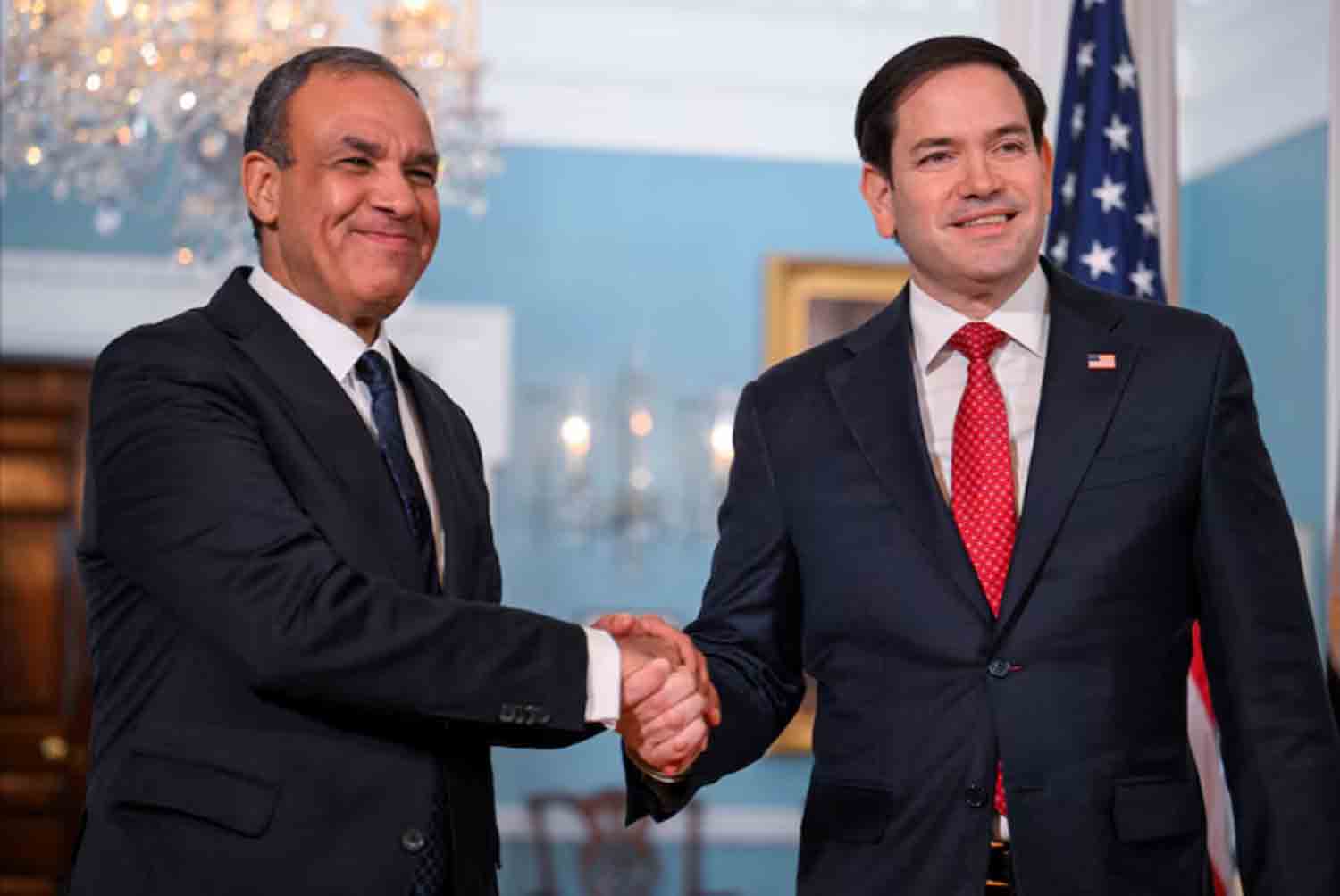
U.S. Secretary of State Marco Rubio announced that a meeting in Washington with his counterparts from Australia, India, and Japan on Tuesday will emphasize the significance of collaborating with allies on issues vital to the United States and its citizens.

Rubio, who took the oath of office the day after President Donald Trump commenced his second term, will host the “Quad”—a coalition of four nations concerned about China’s expanding influence—at the State Department on Tuesday afternoon.

Analysts suggest that this meeting aims to convey that addressing the challenges posed by Beijing is a primary focus for the new administration, despite Trump’s unexpected decision to delay imposing tariffs on China on his first day back in office and his failure to label it as a threat, which raises the possibility of improved relations between the two nations.

“Today, we will convene with the Quad, including foreign ministers from Australia, India, and Japan, to reaffirm the importance of global collaboration with allies on matters that are crucial to America and its people, which is my priority moving forward,” Rubio stated during an interview on NBC’s Today program prior to his swearing-in.

Officials from the Trump administration are also working to arrange another meeting of the foreign ministers at the White House, according to a source involved in the planning. These discussions could pave the way for an early summit of the Quad leaders during Trump’s presidency, with reports indicating a potential meeting between Trump and Japanese Prime Minister Shigeru Ishiba in Washington next month.

Australian Foreign Minister Penny Wong, who met with her Indian and Japanese counterparts in Washington over the weekend, emphasized that the invitation extended to Quad foreign ministers for Trump’s inauguration reflects a strong commitment to collaboration in the Indo-Pacific region. “This illustrates the unified dedication of all nations involved in the Quad, highlighting the critical importance of close cooperation in the Indo-Pacific at this time,” Wong stated on Sunday.

Senator Rubio is scheduled to hold separate discussions with the three foreign ministers on Tuesday.

During the tenure of former President Joe Biden, the Quad grouping convened multiple times, concentrating on China’s military and economic maneuvers in the Indo-Pacific, especially regarding the South China Sea, where U.S. allies have actively contested Beijing’s territorial assertions.

The alliance has also committed to enhancing cooperation in cybersecurity to safeguard supply chains and vital infrastructure, including undersea cables.

For Australia, obtaining assurances from Washington regarding the extensive AUKUS defense initiative, which aims to enable Australia to acquire nuclear-powered attack submarines and advanced weaponry such as hypersonic missiles, will be crucial.

China has criticized the Quad as a relic of the Cold War and argues that the AUKUS partnership would exacerbate an arms race in the region.

Israel has launched a major military operation in the West Bank, killing at least eight Palestinians

0
An Israeli military vehicle stands on the street during an Israeli raid, in Jenin, in the Israeli-occupied West Bank.

Israeli security forces, supported by helicopters, conducted a raid in the turbulent West Bank city of Jenin on Tuesday, resulting in the deaths of at least eight Palestinians. Prime Minister Benjamin Netanyahu described the operation as a “large-scale and significant military operation.”

This action was initiated a day after U.S. President Donald Trump announced the lifting of sanctions on ultranationalist Israeli settlers who had attacked Palestinian villages. Netanyahu characterized the raid as part of a broader offensive against Iranian-backed militants.

“We are systematically and resolutely confronting the Iranian axis wherever it extends its influence – in Gaza, Lebanon, Syria, Yemen, and Judea and Samaria,” Netanyahu stated. The terms Judea and Samaria refer to the areas of the occupied West Bank as designated by Israel.

The incursion into Jenin, a city that has seen numerous Israeli military operations in recent years, follows just two days after a ceasefire was established in Gaza, highlighting the potential for increased violence in the West Bank.

The military reported that soldiers, police, and intelligence units had initiated a counter-terrorism operation in Jenin. This operation comes on the heels of a weeks-long effort by Palestinian security forces to regain control in the nearby refugee camp, which is a significant stronghold for armed groups such as Hamas and Islamic Jihad, both of which receive support from Iran.

Hamas, which has broadened its influence in the West Bank in recent years, urged Palestinians in the region to intensify their resistance against Israel.

As the operation commenced, Palestinian security forces retreated from the refugee camp, with mobile phone footage circulating on social media capturing the sound of intense gunfire.

According to Palestinian health services, at least eight Palestinians lost their lives and 35 were injured as the Israeli incursion began. This occurred just a week after an Israeli airstrike in the Jenin refugee camp resulted in the deaths of at least three Palestinians and left many others wounded.

Since the onset of the conflict in Gaza in October 2023, hundreds of Palestinians and several Israelis have been killed in the West Bank and Israel, with thousands of Palestinians detained during routine Israeli operations.

PROTECTING SETTLERS

Finance Minister Bezalel Smotrich, a hardline pro-settler, who oversees significant aspects of Israeli policy in the West Bank, stated that the operation marks the beginning of a “strong and ongoing campaign” against militant factions aimed at safeguarding settlements and their inhabitants.

Smotrich previously expressed support for Trump’s decision to lift sanctions on settlers accused of violence against Palestinians and indicated his eagerness to collaborate with the new administration to expand settlements.

Approximately 700,000 Israeli settlers reside among 2.7 million Palestinians in the West Bank and East Jerusalem, territories captured by Israel in 1967. Most nations regard Israel’s settlements on land acquired through conflict as illegal, a stance Israel contests by referencing historical and biblical connections to the area.

The internationally recognized Palestinian Authority exercises limited self-governance over certain areas of the West Bank, which remains under Israeli military occupation.

In the days preceding the Israeli military operation, Palestinians across the West Bank reported the establishment of numerous roadblocks throughout the region, where violence has escalated since the onset of the conflict in Gaza.

On Monday evening, groups of Israeli settlers attacked Palestinians, vandalizing vehicles and setting properties ablaze near the village of al-Funduq, a location where three Israelis were killed in a shooting incident earlier this month.

The military announced that it has initiated an investigation into the event, which reportedly involved numerous Israeli civilians, some of whom were masked.

The Palestinian Authority denounced the settler violence in al-Funduq, as well as the sudden emergence of several new barriers and roadblocks, asserting that these measures are intended to “fragment the West Bank.”

In a statement, the office of Palestinian President Mahmoud Abbas urged the new American administration to intervene and halt these actions and Israeli policies that they believe will not lead to peace or security for anyone.

Mexico’s president stresses the need to protect national sovereignty after Trump’s initial directives

0
Mexico's President Claudia Sheinbaum

Mexico’s president stated on Tuesday her commitment to safeguarding the nation’s sovereignty and independence while also engaging in dialogue with U.S. President Donald Trump. This announcement came a day after Trump commenced his new term with a series of executive orders aimed at addressing migration issues.

President Claudia Sheinbaum emphasized that her administration would approach migration with a “humanitarian” perspective, while also committing to the repatriation of foreign migrants to their countries of origin.

On his second day in office, Trump is anticipated to issue additional executive orders, following his Monday directives that classified Mexican drug cartels as terrorist organizations and proposed potential tariffs on exports from Mexico and Canada to the United States starting in February.

During her regular morning press briefing, Sheinbaum remarked that Trump’s recent actions, including a declaration of a national emergency regarding illegal immigration at the U.S.-Mexico border, mirror those taken during his first term.

She further affirmed her government’s intention to collaborate on security and other issues with the United States and expressed a commitment to revising trade agreements in 2026. The peso showed signs of recovery on Tuesday morning, trading at 20.6489 per dollar.

In Davos, Scholz emphasizes the need for ‘calm minds’ and a measured sense of optimism in response to Trump.

0
German Chancellor Olaf Scholz

Chancellor Olaf Scholz expressed measured optimism on Tuesday regarding the future of German-U.S. relations under President Donald Trump, highlighting positive initial discussions with his administration while emphasizing the necessity for “cool heads” amid uncertainty.

“The United States remains our closest ally outside of Europe, and I will do everything within my power to maintain that relationship,” Scholz stated during his address at the World Economic Forum in Davos, Switzerland.

He noted, “My initial constructive conversations with President Trump, along with the interactions among our advisors, suggest a promising direction.”

On the first full day of Trump’s presidency, Scholz underscored the importance of collaboration between Europe and the United States for global peace, security, and economic advancement. However, he also pointed out the need for Europe to enhance its self-sufficiency.

Germany’s ambassador to Washington has internally cautioned about potential turbulence in relations under Trump, while German businesses have raised concerns regarding possible tariffs from the new U.S. administration.

“In a world that often seems on the brink of chaos, particularly as viewed through social media, it is essential to maintain composure,” Scholz remarked. “Not every press conference in Washington or every tweet should lead us into frantic, existential discussions.”

Scholz anticipates that Trump will continue to challenge the global landscape in the years ahead, especially regarding energy and climate policy, trade, and foreign relations.

Rubio urges both Ukraine and Russia to make concessions to resolve the ongoing conflict

0
Secretary of State, Sen. Marco Rubio testifies during his Senate Foreign Relations confirmation hearing at Dirksen Senate Office Building.

The administration of President Donald Trump is signaling a shift in the United States’ approach to Ukraine, as newly appointed Secretary of State Marco Rubio emphasized the need for both parties to make concessions to resolve the ongoing conflict.

Rubio stated during an interview with NBC News on the first full day of Trump’s presidency, “The president expressed during his campaign that he wants the suffering to cease. He desires an end to the destruction, which aligns with the interests of all involved.” He acknowledged the complexity of achieving this goal, noting that “every side will need to compromise.”

When questioned about the implications of Russia retaining Ukrainian territory without repercussions, Rubio pointed out that the nation has already experienced significant consequences, including sanctions, economic inflation, and loss of life.

“There have indeed been repercussions, and Ukraine has faced devastating consequences,” he remarked, recognizing that the country has been “victimized” by Russia. However, he added, “Ultimately, we are confronted with a stalemate—a prolonged conflict that is inflicting severe damage on Ukraine.”

Rubio declined to comment on “domestic political debates” regarding Trump’s pardons related to the January 6 incident, as well as his previous remarks following the Capitol attack. He also mentioned that it is “reasonable” for a “new administration on its first day” to take time to assess issues such as a potential TikTok ban while considering various security concerns.

Israeli military chief of staff resigns following the Hamas attack on October 7

0
Israeli Chief of the General Staff Herzi Halevi speaks at a ceremony.

Israel’s military leader, Herzi Halevi, announced on Tuesday that he plans to resign on March 6, accepting accountability for the significant security failure that occurred on October 7, 2023, when Hamas militants from Gaza launched a cross-border assault on Israel. In a letter addressed to the defense minister, Halevi’s resignation had been anticipated. He stated his intention to finalize the Israel Defence Forces’ investigations related to the events of October 7 and to enhance the IDF’s preparedness for future security threats.

“I will ensure a seamless and comprehensive transition of command to my successor,” Halevi, who serves as the Chief of the General Staff of Israel’s military, wrote.

As defence relations deepen, the United States evaluates its military presence in Cyprus

0
A view of the interior of the abandoned Nicosia International Airport at the UN-controlled buffer zone in Nicosia, Cyprus.

A military assessment team from the United States is scheduled to arrive in Cyprus this week as part of ongoing defence enhancements, according to Cypriot officials on Tuesday. This visit follows Washington’s announcement regarding increased collaboration with the Mediterranean island.

The evaluation team, operating out of Germany, will offer expertise and guidance on infrastructure initiatives aimed at improving interoperability with the United States and other allies, stated Government Spokesperson Konstantinos Letymbiotis.

Letymbiotis emphasized during a news briefing that “the enhancement of infrastructure, provision of modern equipment, and investment in training are fundamental components of our national strategy for a robust and adaptable defense.” The assessment will be conducted at a military facility located in the western district of Paphos.

Positioned strategically at the crossroads of the unstable Middle East, Cyprus, a member of the European Union, has been instrumental in evacuating civilians during various escalations of conflict in the region.

Last year, the island established a humanitarian aid corridor to Gaza, coinciding with a ceasefire agreement that took effect on Sunday. The relationship between the U.S. and Cyprus has strengthened in recent years, drawing attention from Turkey, which invaded the northern part of Cyprus in 1974 following a brief coup inspired by Greece. Both Turkey and the self-declared Turkish Cypriot state in northern Cyprus have expressed criticism regarding this cooperation.

The evaluation will include an examination of the feasibility of enhancing the airbase’s landing facilities to facilitate large-scale evacuation operations from the area if necessary, according to a source familiar with the situation who spoke to Reuters.

The source requested anonymity as they were not permitted to communicate with the press.

Trump hints at a potential negotiated reset in U.S.-China relations

0
U.S. President Donald Trump poses for a photo with China's President Xi Jinping before their bilateral meeting during the G20 leaders summit in Osaka, Japan.

Donald Trump made a surprising decision to postpone tariffs on China on his first day back in the White House, choosing not to label it as a threat. This move opens the possibility for a reconciliation, as both nations seem inclined to seek mutual benefits rather than inflict damage on one another.

In his inaugural address, the U.S. president did not mention China, which had previously been a key adversary during a trade conflict, despite asserting that tariffs would make the United States “rich as hell.” This omission suggests a willingness to engage in new negotiations with the world’s second-largest economy.

Additionally, Trump postponed the ban on the China-based short-video platform TikTok, proposing an unprecedented arrangement where the U.S. could hold a 50% stake in TikTok’s American operations in exchange for allowing the app to continue operating, indicating its potential value in the hundreds of billions.

As Trump embarks on his second term, analysts note that both Beijing and Washington require a new strategy to pursue their objectives and protect their interests, although lingering issues from the 2020 trade agreement may complicate the currently positive atmosphere.

During his first term, Trump developed a rapport with Chinese President Xi Jinping, with both leaders hosting each other in their respective countries. However, this relationship did not prevent the escalation into a trade war characterized by reciprocal tariffs and disruptions to global supply chains. Currently, both sides seem more inclined to return to the negotiation table rather than resume previous hostilities.

Alicia Garcia Herrero, chief economist for the Asia Pacific at Natixis, stated, “Trump is seeking a deal. If he weren’t, he would have taken aggressive action against China from the outset. His campaign rhetoric was highly confrontational towards China, yet he hesitated to follow through on that stance immediately.”

She further explained, “China stands to benefit as their tariffs will likely remain limited. They are prepared to offer Trump concessions to facilitate an agreement, whether it involves financial services or adjustments to the renminbi. If he desires a stronger renminbi, they might accommodate that, at least temporarily.”

In the event of another trade conflict, China would be in a more precarious position compared to when Trump initially imposed tariffs in 2018, facing significant challenges such as a severe property crisis, sluggish domestic demand, and a youth unemployment rate of 16%.

On Tuesday, Chinese stock markets experienced volatility as investors attempted to interpret Trump’s intentions regarding China. Last week, during a phone conversation, Xi and Trump agreed to establish a strategic communication channel to address “major issues.” The 47th U.S. president also mentioned the possibility of visiting China later this year.

CHINA HAWKS

Challenges may arise from various sources, including individuals within Trump’s inner circle. Marco Rubio, recognized as a staunch advocate for a tough stance on China, was appointed Secretary of State shortly after the president began his second term. However, other officials in Trump’s administration might hold differing perspectives on China. Elon Musk, who was selected by Trump to head an advisory group focused on enhancing U.S. government efficiency, has significant business interests in China and has spent years fostering strong relationships with Chinese leadership as the CEO of Tesla, potentially influencing China policy as well. Analysts suggest that Trump will view himself as the primary diplomat for the U.S. and may not depend on Rubio, who remains under sanctions imposed by China in 2020, or his choices for commerce secretary or trade representative.

“The consolidation of power by Trump is unparalleled in recent U.S. history. He may be the only individual China can engage with from a practical standpoint,” stated Bo Zhengyuan, a partner at the consultancy Plenum based in Shanghai. “However, it hinges on how effectively Trump can navigate the U.S. political landscape, as there is already a prevailing consensus that China is the foremost adversary of the U.S.”

If a pragmatic approach prevails, there exists a possibility for China to persuade Trump to reverse the export controls implemented by the Biden administration, which were designed to limit China’s advancements in critical technologies like semiconductors, according to analysts. “Trump fundamentally operates as a businessman; his focus is more on practical considerations rather than ideological ones,” remarked Wang Dong, a professor of international relations at Peking University. “Other issues, such as geopolitical concerns and the Taiwan situation, are secondary for Trump,” he added, highlighting that the self-governing island, which Beijing claims, was not mentioned in his inauguration address.

It remains to be seen if the United States will adopt a more pragmatic and rational approach, allowing both nations to strengthen China-U.S. relations and resume a path of healthy, stable, and sustainable development, Wang stated. He added, “If this is achieved, it could be likened to a ‘Nixon 2.0.'” Former U.S. President Richard Nixon’s visit to Beijing in February 1972, during the peak of the Cold War, was instrumental in establishing formal diplomatic relations and reintegrating China into the global community.

Opposition claims Slovak Prime Minister Fico is preparing for a potential EU exit

0
Slovakia's Prime Minister Robert Fico

Slovak opposition leader Michal Simecka has accused Prime Minister Robert Fico of paving the way for the country to exit the European Union as he initiated a no-confidence vote aimed at ousting the leftist-nationalist government on Tuesday.

The opposition’s attempt appeared likely to fail, given the government’s narrow majority in parliament, which was anticipated to support Fico. Fico has been keen on maintaining ties with Russia amid the Ukraine conflict and has ceased official military assistance to Kyiv. He has also criticized sanctions against Russia and has exacerbated tensions with Kyiv following the cessation of Russian gas supplies through Ukraine at the end of 2024.

Fico, who leads the leftist Smer-SSD party and has served as prime minister four times, has indicated that Slovakia must prepare for “all possible crisis situations” that the EU may encounter in the near future, even hinting at a potential disintegration of the bloc.

“This can only be interpreted as what we have warned about: that the Smer government is laying the groundwork for Slovakia’s exit from the European Union,” Simecka, head of the Progressive Slovakia party, stated in parliament.

“I view this as an existential threat to our national interests, warranting the declaration of no-confidence.” In anticipation of the no-confidence vote, the government released a statement affirming its commitment to its policy manifesto, which declares EU membership as irrevocable while allowing for criticism. Fico was expected to address the parliament later on Tuesday.

In December, Fico made an unannounced private visit to Moscow to meet with Russian President Vladimir Putin to discuss gas and the situation in Ukraine. Recently, a delegation of several government members traveled to Moscow to seek improved relations.

He has subsequently accused the opposition of orchestrating popular protests aimed at usurping power, a claim that the opposition has refuted. Fico’s administration has not officially questioned Slovakia’s EU or NATO membership; however, Fico has visited Russia, China, Brazil, and Turkey to establish connections, which he describes as a multi-directional foreign policy.

Fico’s government was anticipated to receive support from Smer, along with members from the nationalist SNS and the center-left Hlas party, providing him with sufficient votes. Nevertheless, Hlas has dismissed any dialogue regarding EU membership, and several of its members have voiced their dissent against Fico’s foreign policy.

Just hours after Trump’s inauguration, Putin of Russia and Xi of China held discussions

0
Russian President Vladimir Putin holds a video conference meeting with Chinese President Xi Jinping at the Novo-Ogaryovo state residence outside Moscow, Russia.

Russian President Vladimir Putin conducted a video conference with Chinese President Xi Jinping on Tuesday, during which he suggested enhancing their strategic partnership, coinciding with Donald Trump’s inauguration as the 47th president of the United States.

In February 2022, during Putin’s visit to Beijing, China and Russia established a “no limits” partnership, just days before Putin mobilized a significant number of troops into Ukraine. Recently, Putin has referred to China as an “ally.”

From his residence in Novo-Ogarevo, located outside Moscow, Putin greeted Xi and referred to him as his “dear friend.” He expressed his desire to discuss “new plans for the development of the Russian-Chinese comprehensive partnership and strategic cooperation.”

“I concur with you that the collaboration between Moscow and Beijing is founded on a wide array of shared national interests and aligned perspectives on the nature of relations among major powers,” Putin stated to Xi, as captured in a Kremlin video of their discussion.

“Our relationship is built on friendship, mutual trust and support, equality, and mutual benefit. These ties are self-sustaining and not influenced by domestic political dynamics or the current global landscape.”

Xi reciprocated by calling Putin his “dear friend,” noting the strengthening of their relations and expressing hope for reaching new heights in their partnership, as translated live during the meeting.

Trump has indicated a tough stance on China and intends to engage with Putin regarding the resolution of the conflict in Ukraine. Following his inauguration, Trump remarked that Putin should negotiate a deal to end the war, as the ongoing conflict was “destroying” Russia.

As Russia continues its military engagement against NATO-backed Ukrainian forces, and China faces pressure from a coordinated U.S. strategy aimed at countering its expanding military and economic influence, both nations have increasingly aligned their geopolitical interests.

Putin and Xi possess a shared global perspective that views the West as morally decayed and in a state of decline, particularly as China seeks to challenge U.S. dominance across various fields, including quantum computing, synthetic biology, espionage, and military capabilities.

“We are united in our commitment to establishing a more equitable multi-polar world order, and we are actively working to ensure comprehensive security in the Eurasian region and globally,” stated Putin.

He emphasized that the diplomatic relations and collaborative efforts between Russia and China play a crucial stabilizing role in international relations.

In contrast, the U.S. perceives China as its primary competitor and Russia as its foremost nation-state threat. Former President Joe Biden has remarked that democracies worldwide are confronted with challenges posed by “autocracies” like China and Russia.

Putin noted that China is Russia’s largest trading partner, with trade reaching $245 billion in 2024, according to Chinese data. He mentioned that Russia ranks as China’s fifth largest trading partner.

Additionally, China is the largest consumer of Russian energy and the top single oil export market for Russia. Putin also indicated that both nations would continue to advance their collaboration on fast neutron reactors and the reprocessing of nuclear fuel.

Russia Intensifies Manufacturing of Vandal Kamikaze Drones Capitalizing on Fiber-Optic Superiority

0

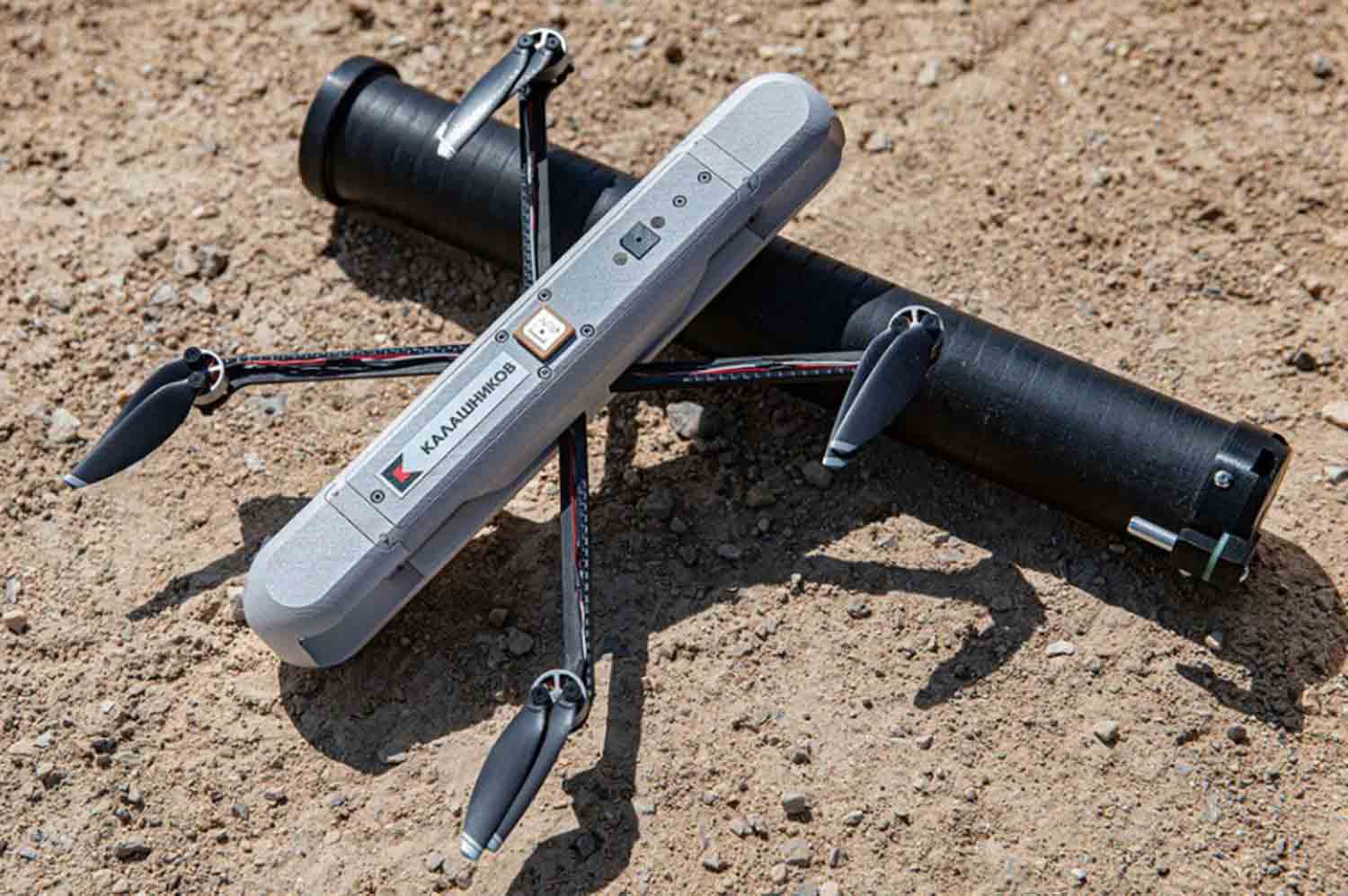
Russia is reportedly increasing the production of its Prince Vandal Novgorodsky (KVN) fiber-optic cable-controlled FPV (First Person View) kamikaze drones. Several drone assembly facilities are being established throughout the European region of the country.

Each plant will focus on assembling a specific variant of the drone tailored for particular combat missions, utilizing components sourced from local manufacturers that are relevant to those missions.

The Vandal drone was created in Novgorod by the Ushkuynik center and marks a notable advancement in drone warfare technology.

In contrast to conventional drones that depend on radio frequency communication, the Vandal employs a fiber-optic control cable.

This wired connection makes its communication link nearly impervious to electronic jamming and interference. Additionally, the drone’s digital flight control systems are designed to resist jamming.

As a result, the Vandal can effectively operate in environments filled with electronic countermeasures.

A recent battlefield video showcased the Vandal flying near a Ukrainian Armed Forces pickup truck equipped with an electronic warfare system before successfully targeting a German-supplied Leopard main battle tank.

Other key benefits of using a fiber-optic cable include high bandwidth, low latency communication, stealthy operation, and the capability to fly at very low altitudes.

The fiber-optic cable establishes a high-bandwidth connection between the operator and the drone, enabling real-time, uncompressed visual feedback. This significantly improves the operator’s situational awareness and targeting accuracy.

Since the Vandal utilizes a fiber-optic cable for communication, it does not emit any radio frequency energy. Additionally, its electric motors operate at a very low noise level, making them nearly inaudible even at close range. The combination of no radio frequency emissions and the quiet operation of its motors minimizes the drone’s visibility to enemy surveillance and defense systems.

These stealth features allow the drone to infiltrate enemy defenses and access high-value targets without being detected early.

Drones that rely on radio frequency control must ascend to higher altitudes as they move away from their control station to maintain line of sight. In contrast, the Vandal is not subject to this limitation.

Recent battlefield footage frequently shows the Vandal hovering at altitudes of 2 to 10 meters above the ground, monitoring enemy activities. Russian forces have been reported to use the drone as a covert observation platform within enemy territory.

During reconnaissance missions, the drone can be stationed at a strategic location to monitor enemy movements. If it becomes detected or its battery is low, the drone can easily retreat.

Operational Capability

The drone is equipped with both a thermal imager and a camera, enabling effective operations during the day, at night, and in low-visibility conditions. It has the capacity to transport a payload of 3.5 kg over distances ranging from 6 to 10 kilometers.

The Vandal is specifically engineered to target and neutralize enemy unarmored military assets, armored personnel carriers, command centers, air defense and missile defense installations, as well as electronic reconnaissance and warfare systems, and logistical support facilities.

This drone was first unveiled in Kursk on August 13, 2024, shortly following the initiation of the Ukrainian offensive in that area.

Prior to the introduction of the Vandal, the use of fiber-optic cable for control was not pursued due to concerns that it might become entangled with the surrounding terrain, vegetation, or structures. However, these concerns have been found to be largely unfounded. While the fiber-optic cable is delicate, it does not easily become tangled or break; it is primarily susceptible to damage when subjected to excessive bending.

As stated by Alexey Chadayev, the general director of Ushkuynik, statistical data indicates that instances of fiber-optic breaks are minimal, averaging only 1 to 2 occurrences per 10 launches.

Limitations of Fiber-Optic-Controlled Drones

The production of fiber-optic-controlled drones presents several challenges, primarily due to their restricted payload capacity and limited operational range, which is confined to short distances.

As previously mentioned, fiber optic cables are more delicate than traditional electrical wires. They require careful handling to endure the physical stresses encountered during flight, such as vibrations, bending, and potential collisions.

The operational range of the drone is directly influenced by the length of the fiber optic cable. Increasing the cable length results in additional weight, making it difficult to maintain a lightweight system.

The Vandal model is equipped with a fiber-optic cable spool that unwinds as the drone moves away from the operator. This spool contributes considerable weight, negatively impacting the drone’s payload capacity and operational range. Efforts to extend the drone’s range by lengthening the cable only serve to increase its weight, which in turn affects flight dynamics and accelerates battery consumption.

Moreover, utilizing a longer cable introduces additional challenges. Over extended distances, the light signals transmitted through fiber optics can diminish, potentially compromising the effectiveness of control signals and data transmission.

The application of fibre-optic-controlled FPV drones, while versatile and effective, is expected to remain restricted to areas near the line of contact.

Ukrainian Fibre-Optic-Controlled Drones

Ukraine has initiated the deployment of fibre-optic-controlled FPV drones; however, Russia has a significant advantage in the operational readiness of the Vandal, having conducted nearly six months of operations and possessing a greater number of drones within their arsenal.

Conclusion

The Vandal has demonstrated considerable effectiveness as both a kamikaze and reconnaissance drone. Currently, its deployment by Russian forces has been limited, primarily to the Kursk region. The constraints on the number of available drones and the personnel trained to operate them appear to be the main factors hindering broader usage.

Utilizing fibre optics instead of radio frequency communications increases the cost of the drone significantly.

An increase in Vandal production will not only facilitate more extensive use by Russian forces but will also contribute to cost reductions.

Potential acquisition of the J-35 could enable the Pakistan Air Force to once again outpace the Indian Air Force

0

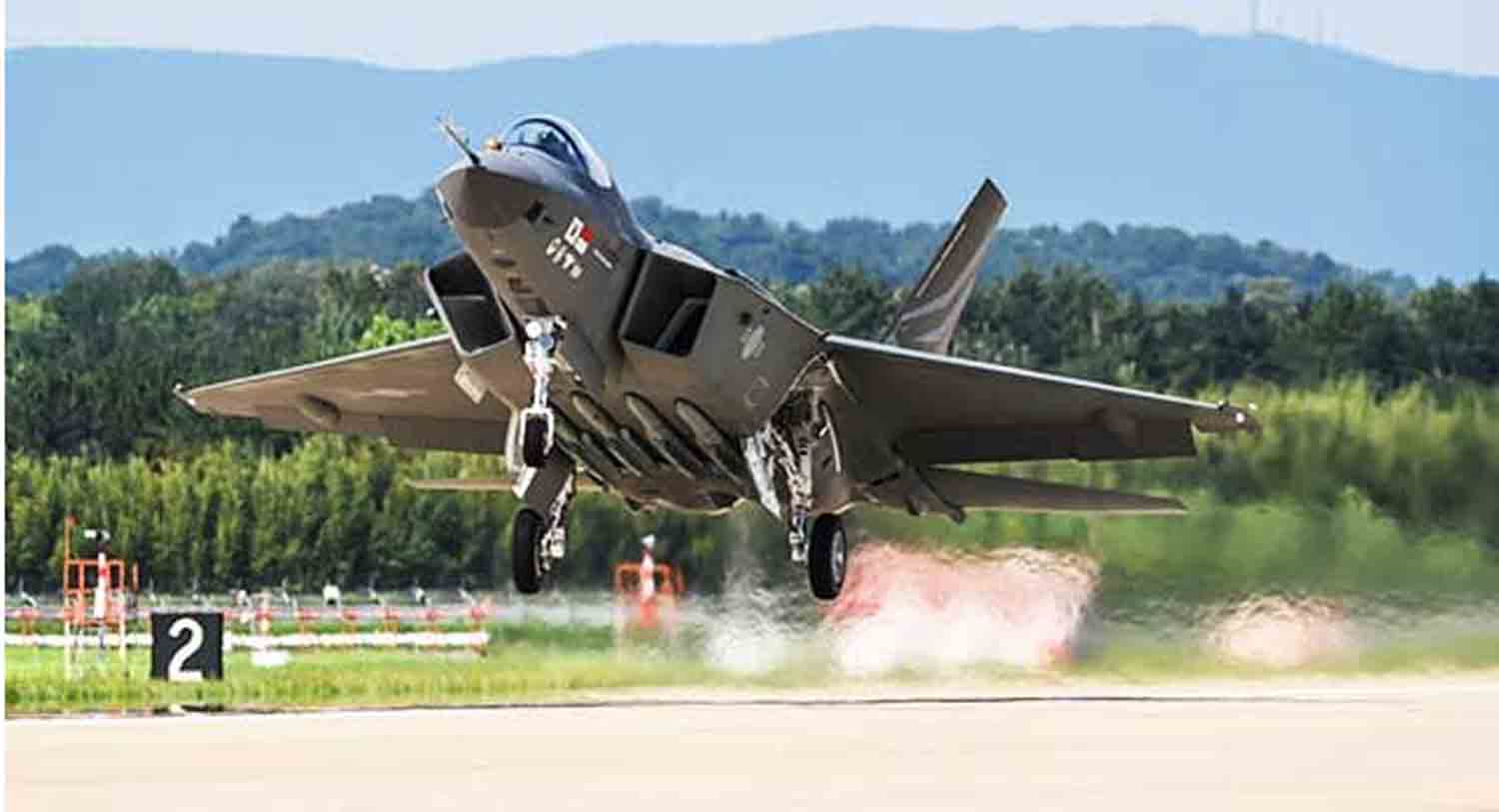
Pakistan is reportedly poised to acquire the J-35 fifth-generation stealth aircraft from China. This acquisition would once again place Pakistan ahead of India in the ongoing competition for advanced combat aircraft, a trend that has been evident since the mid-1950s when both nations began to develop their air forces.

In 1953, India secured the Dassault Ouragans (Toofani), prompting Pakistan to swiftly respond by obtaining 102 superior F-86F “Sabre” aircraft from the United States.

A few years later, the Indian Air Force (IAF) added the Dassault Mystère IV to its fleet in 1957. By 1961, Pakistan, a significant non-NATO ally of the United States, received F-104 Starfighters through the Mutual Assistance Program.

In response to Pakistan’s advancements, India sought to bridge the capability gap by acquiring the Soviet MiG-21, which became operational in 1964.

Fast forward to 1981, the United States approved the sale of F-16s to Pakistan as part of an aid initiative. In turn, India recognized the need to modernize its combat fleet and placed an order for the French Dassault Mirage-2000 in 1982.

India then took an additional step by ordering the Soviet MiG-29, becoming the first international buyer of this aircraft outside the Warsaw Pact nations.

The trajectory of military aviation in the 21st century is unlikely to shift significantly. In 2010, the Pakistan Air Force (PAF) welcomed its first squadron of the JF-17 fighter jet, a product of collaboration with China. In comparison, India took an additional six years to introduce a similar aircraft, the indigenous LCA Tejas-Mk1, which entered service with the Indian Air Force (IAF) in 2016.

Moreover, Pakistan has commenced the induction of the latest JF-17 variant, known as the ‘JF-17 Block III’, into its fleet as of 2023, while India continues to face delays in the production and delivery of the Tejas-Mk1A.

Historically, Pakistan, under military leadership, has proactively enhanced its Air Force capabilities. The reported interest in acquiring the Chinese J-35 fifth-generation stealth fighter reflects Islamabad’s strategy to maintain an edge over New Delhi in the competitive landscape of combat aircraft.

Regarding the J-35 acquisition, if Pakistan proceeds with the purchase, it would represent the first instance of China exporting its fifth-generation fighter to an ally. There are unconfirmed reports suggesting that the PAF has approved the acquisition of 40 units, expected to be delivered within a two-year timeframe.

The J-35 was recently showcased at the Zhuhai Air Show, revealing a design reminiscent of the US F-35 Lightning II. This stealth aircraft is anticipated to be available in two variants—one tailored for the Air Force and another for naval operations.

Air Chief Marshal Zaheer Ahmed Baber Sidhu, the leader of Pakistan’s Air Force, announced in January 2024 that the groundwork for the acquisition of the J-31 stealth fighter aircraft has been established, with plans for it to be integrated into the PAF’s fleet “in the near future.” The J-35 is anticipated to be a more advanced and “production-ready” version of the earlier FC-31 model.

In an article for EurAsian Times, Squadron Leader Vijainder K. Thakur (retd), an Indian Air Force veteran and military analyst, noted that the J-35 surpasses the FC-31 or J-31 with its more powerful WS-19 engines, enhanced radar systems, superior sensor fusion, improved aerodynamics, stealth capabilities, and a broader array of weaponry, among other advanced features.

The J-35 is classified as a medium-sized fighter with a tailplane wing design and surface-attack capabilities. Its acquisition by the Pakistani Air Force would significantly enhance its operational capabilities. Alongside the F-16 and J-10C, the J-35’s land-attack variant would provide Pakistan with a strategic advantage over India.

In contrast, India is still in the early stages of developing a fifth-generation stealth aircraft. The AMCA, India’s fifth-generation project, is not expected to be operational before 2034.

Additionally, the options for procuring a stealth aircraft are quite limited. Presently, only three nations— the United States, Russia, and China— possess operational fifth-generation fighters. Given the competitive dynamics with China, the J-35 is not a viable option for India, leaving the Russian Su-57 Felon and the American F-35 Lightning II as the only feasible fifth-generation alternatives.

The United States has not yet made a clear commitment to selling the F-35 to India, largely due to India’s reliance on various Russian military systems, including the S-400 air defense system. Additionally, India has not expressed significant interest in acquiring the F-35, as the Indian Air Force has generally been hesitant to purchase American-made fighter jets.

While some Indian military veterans advocate for reconsidering the Su-57, New Delhi has not demonstrated a strong inclination to procure these Russian stealth fighters, likely due to issues such as limited production capacity, ongoing delays, and apprehensions regarding technology transfer.

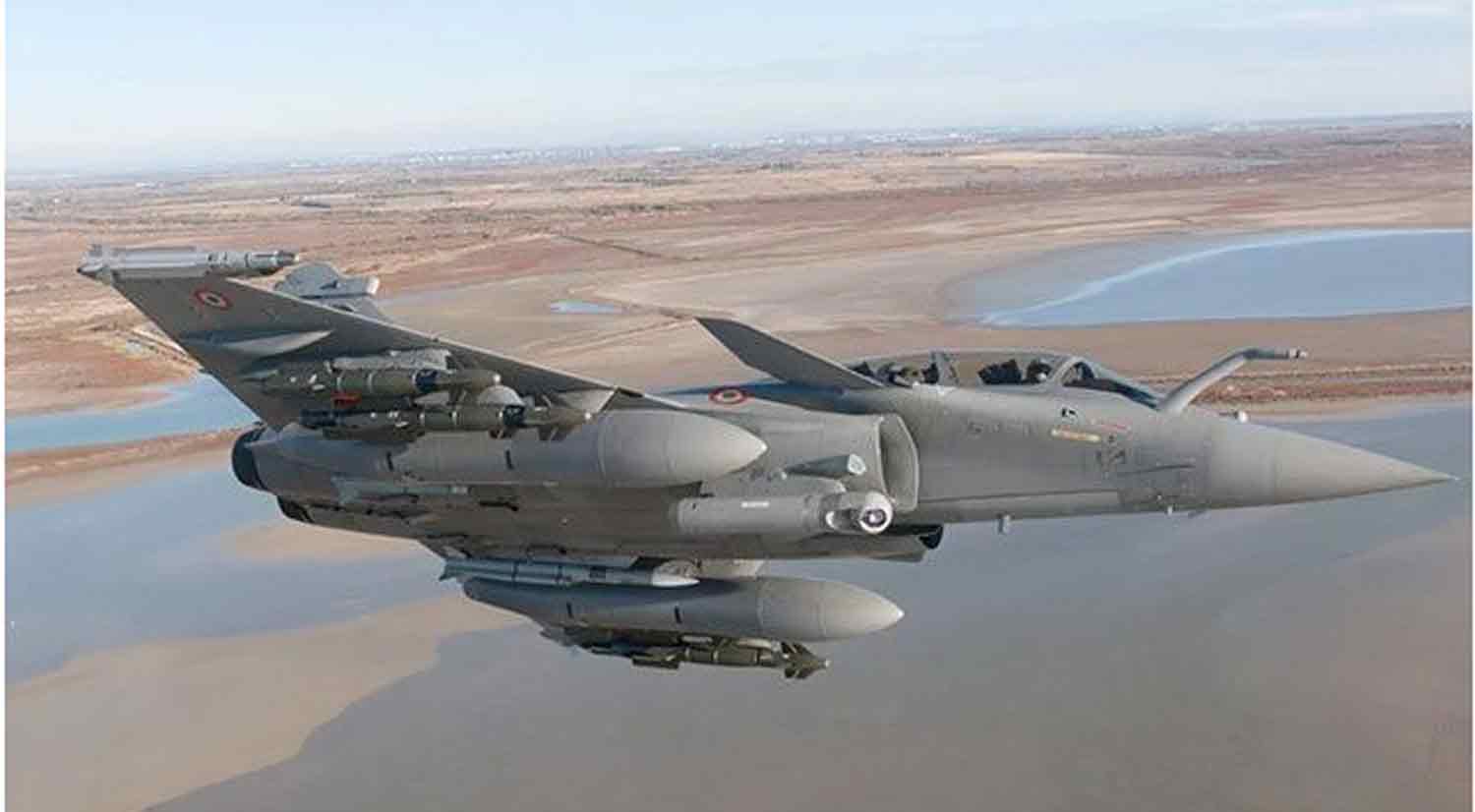
The Pakistan Air Force is actively modernizing its fleet. Alongside its established 4th-generation F-16s, the PAF has acquired the 4.5th-generation J-10CE from China, which is intended to counter India’s Rafale jets. If Pakistan successfully receives the J-35 within the next two years, it could significantly enhance its air power relative to India.

Squadron Leader Vijainder K. Thakur notes that by 2030, the PAF may operate two squadrons of J-35A, totaling around 40 aircraft. In the same timeframe, the People’s Liberation Army Air Force, currently estimated to have about 200 J-20 fighters, could potentially double that number. In stark contrast, the Indian Air Force is projected to have no stealth fighters in its arsenal by 2030.

Advanced stealth aircraft present significant challenges for air defense systems, making them capable of executing first strikes with greater efficacy. While specific information regarding the J-35 is still largely classified, Chinese analysts assert that it is the “most stealthy” aircraft globally.

The comparison between India’s “combat proven” Rafale and Su-30 fighters and the “untested” J-35 will be an interesting development to observe.

Two Americans detained in Afghanistan were exchanged for a Taliban prisoner

0
US citizen Ryan Corbett, who was detained in Afghanistan in 2022, is seen with his wife, Anna in this undated handout photo.

In the final hours of President Joe Biden’s administration, a long-anticipated prisoner exchange was successfully executed: the Taliban consented to release two Americans detained in Afghanistan in exchange for a Taliban member serving a life sentence in a U.S. prison.

However, the exchange faced an unforeseen delay, partly due to inclement weather affecting both Washington and Kabul. By the time Americans Ryan Corbett and William McKenty were released and en route home early Tuesday, Donald Trump had officially returned to the White House. They were exchanged for Khan Mohammed, an Afghan Taliban member convicted in 2008 on narco-terrorism charges.

Mohammed had been transported from the U.S. to Doha, where Qatar played a crucial role in facilitating the exchange by hosting multiple rounds of negotiations between the U.S. and the Taliban, as well as providing logistical support for the operation to extract the two American citizens from Kabul, according to several sources familiar with the situation.

The outgoing administration’s strategy for the exchange was conveyed to Trump’s national security adviser, Mike Waltz, by Biden’s adviser, Jake Sullivan.

“They are supportive of this deal,” the Biden official stated. “They have acknowledged it and raised no objections.”

A senior official from the Trump administration expressed reservations about their endorsement of the exchange.

“While we would not have pursued the deal that the Biden administration finalized, we are always pleased to see two Americans return home,” the Trump official remarked.