The latest report by the International Institute for Strategic Studies (IISS) highlights how the Middle East has become a global testing ground for drone warfare (UAVs).
From surveillance to strike missions, drones are now central to:
- Intelligence gathering (ISR)
- Precision strikes
- Deterrence strategies
The region is not just using drones—it is shaping the future of warfare.
Key Findings from the IISS Report
- Middle East is a global hub of UAV innovation and combat use
- Both state and non-state actors widely deploy drones
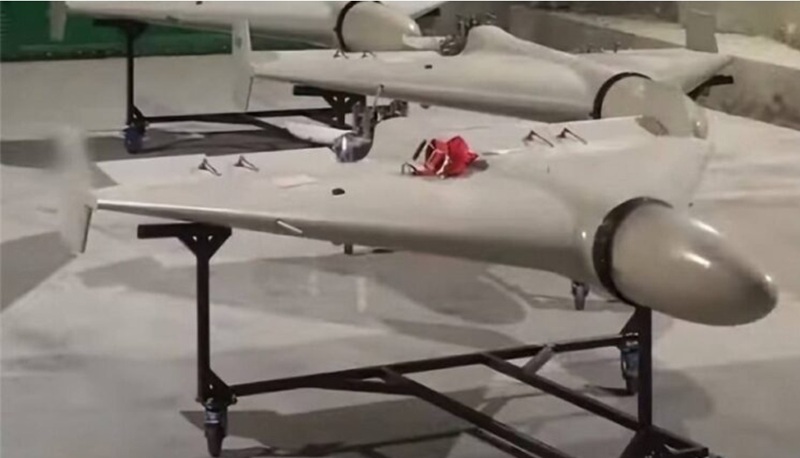
- Rise of one-way attack (OWA) drones like Shahed series
- Increasing integration of AI and autonomous systems
- Shift toward collaborative combat aircraft (CCA)
UAV Roles in Modern Warfare
ISR Surveillance:        ████████████████████ 40%
Strike Missions:         ███████████████      30%
Loitering Munitions:     ██████████           15%
Electronic Warfare:      ███████              10%
Other Roles:             ███                  5%
ISR remains the dominant function, but strike roles are rapidly expanding.
Israel vs 🇮🇷 Iran: Two Different Drone Doctrines
Israel: High-Tech Integrated Warfare
- Pioneer in UAV development since the 1970s
- Advanced MALE drones like Heron, Hermes series
- Integration with:
- Fighter jets
- Electronic warfare
- AI-based targeting systems
Israel uses drones as part of complex, networked warfare systems
Iran: Asymmetric Drone Strategy
- Focus on low-cost, mass-produced drones
- Key systems:
- Shahed-131 / Shahed-136
- Exported to:
- Russia
- Non-state actors (Houthis, militias)
Iran uses drones for denial and attrition strategy rather than precision dominance
Israel vs Iran UAV Strategy
Israel Strategy:   ████████████████████ High-tech, precision, integrated
Iran Strategy:     ███████████████      Low-cost, mass-scale, asymmetric
Gulf States: Building Drone Power
Countries like Saudi Arabia and UAE are rapidly expanding UAV capabilities:
Saudi Arabia
- Developing local UAVs (Saqr, Samoom)
- Heavy reliance on technology transfer
- Partnerships with:
- China
- Turkey
- US
UAE
- EDGE Group leading development
- Systems like:
- Reach-S
- Jeer (low-cost MALE drone)
Gulf strategy = Hybrid model (imports + local production)
UAV Development Models
Israel:       ████████████████████ Fully indigenous
Iran:         ███████████████      Indigenous + constrained tech
Saudi/UAE:    ███████████          Hybrid (imports + local)
Others:       █████                Imports only
Combat Reality: What Works and What Fails
Failures
- Iran’s large-scale drone attacks on Israel (2024–25) had limited success
- Standalone drone strikes ineffective against advanced defenses
Successes
- Israel’s combined drone + airstrike operations highly effective
- UAVs enabled:
- Target tracking
- Real-time battlefield intelligence
- Rapid strike coordination
Lesson: Drones alone don’t win wars—systems integration does
The Future: AI, Swarms & Next-Gen Warfare
The report highlights emerging trends:
AI Integration
- Automated target recognition
- Multi-source battlefield intelligence
- Programs like:
- “Lavender”
- “Gospel”
Drone Swarms
- Networked UAV operations
- Used for detection and coordinated strikes
Collaborative Combat Aircraft (CCA)
- UAVs working alongside fighter jets
- Future of air warfare
The battlefield is moving toward semi-autonomous warfare ecosystems
Chart 4: Future UAV Trends
AI Integration:        ████████████████████
Drone Swarms:          ███████████████
CCA Systems:           █████████████
Stealth UAVs:          ██████████
Strategic Impact: Why UAVs Matter
The rise of UAVs is reshaping:
- Military cost structures (cheap vs expensive weapons)
- Deterrence strategies
- Proxy warfare dynamics
- Global arms markets
Drones are becoming the most scalable weapon system in modern conflict
Israel vs Iran drone doctrine
| Factor | Israel | Iran |
|---|---|---|
| Approach | Quality | Quantity |
| Cost | High | Low |
| Usage | Integrated warfare | Saturation attacks |
| Goal | Precision dominance | Economic & defense exhaustion |
Key Takeaways
- Middle East is the epicenter of drone warfare evolution
- Israel leads in technology and integration
- Iran leads in mass deployment and export
- Gulf states are racing toward self-sufficiency
- Future wars will depend on:
- AI
- Swarms
- Industrial capacity
Conclusion
The IISS report makes one thing clear:
Drones are no longer support tools—they are central to modern warfare
From Gaza to Ukraine, UAVs are redefining how wars are fought, won, and sustained.