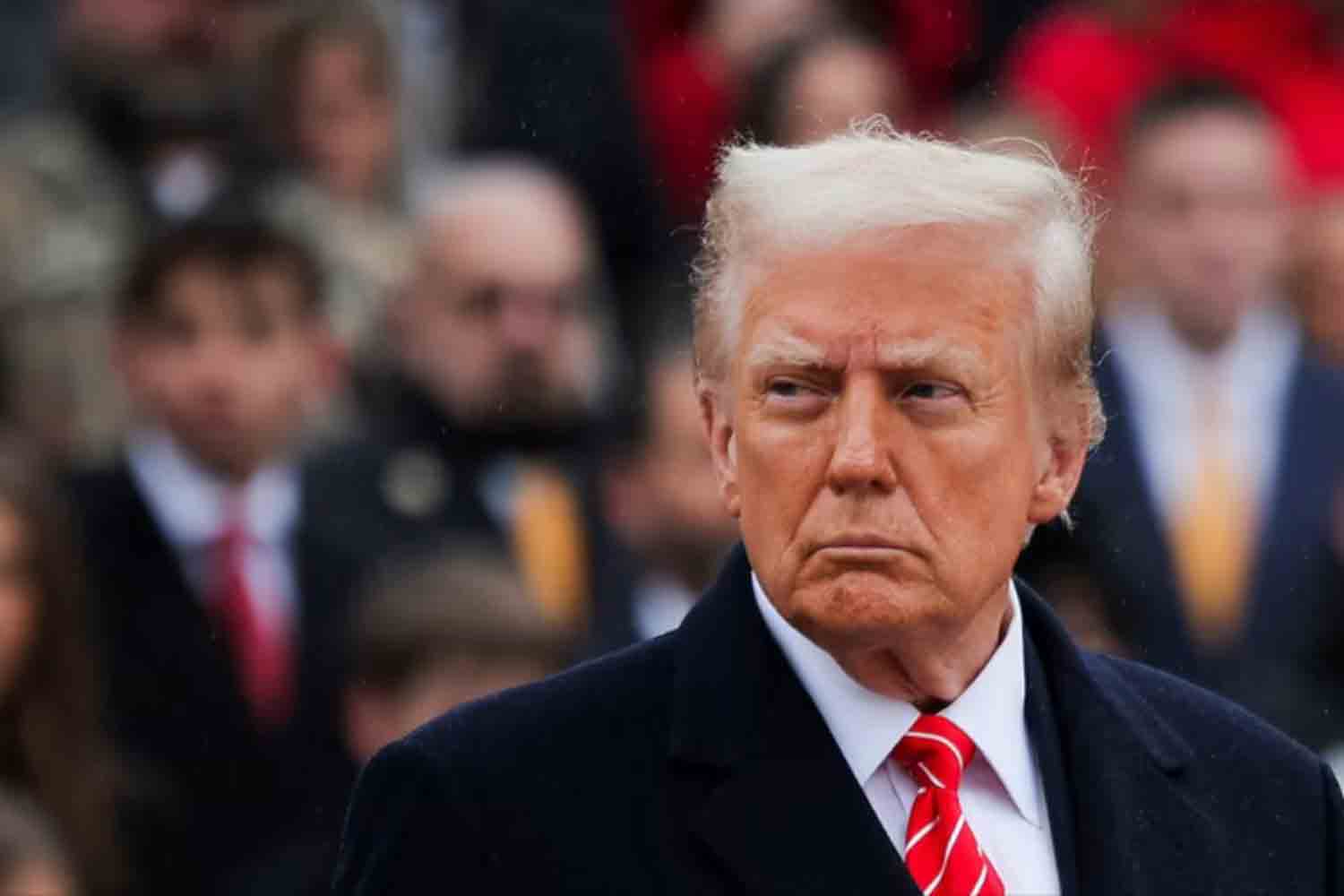
After nearly a decade without a U.S. presidential visit to China, Donald Trump is heading to Beijing for a high-stakes summit with Xi Jinping.
The timing is unusual.
- The Iran war continues to reshape global security dynamics
- The world economy faces mounting instability
- U.S. military attention is partially diverted toward the Middle East
This has led some observers to frame the moment as one of American distraction and Chinese ascendance.
That conclusion, however, risks oversimplifying a far more complex reality.
The Balance of Power: More Nuanced Than It Appears
While Washington is clearly managing multiple crises, it still retains significant leverage over Beijing:
- Control over advanced semiconductor exports
- Strong alliance networks in the Indo-Pacific
- Financial and technological dominance in key sectors
At the same time, China faces internal challenges:
- Slowing economic growth
- Demographic decline
- Strategic mistrust among neighboring states
The Iran conflict will shape the backdrop —
but U.S.–China dynamics will dominate the summit agenda.
Trump’s Objective: Optics and Economic Wins
President Trump appears focused on a pragmatic goal:
A visible détente — without calling it one
Key priorities likely include:
- Securing Chinese commitments to purchase U.S. goods
- Demonstrating strong personal rapport with Xi Jinping
- Showcasing stability between the world’s two largest powers
This approach reflects a shift away from ideological competition toward transactional diplomacy.
A Shift From Previous U.S. Strategy
Compared to earlier approaches, this marks a noticeable change:
- Less emphasis on “strategic competition”
- Greater focus on economic deals
- Reduced rhetorical confrontation
Unlike his first term — when Trump was surrounded by China hawks — the current environment appears more flexible.
The administration now speaks less about confrontation,
and more about managed coexistence.
Competition Continues Beneath the Surface
Despite softer rhetoric, U.S.–China competition remains intense:
- Export controls on advanced chips continue
- U.S. alliances in the Indo-Pacific are deepening
- Efforts to reduce dependence on Chinese rare earths are expanding
- Washington has accused Chinese entities of large-scale AI model theft
In practice, cooperation and competition are happening simultaneously.
Taiwan: The Most Sensitive Flashpoint
One of the most closely watched issues will be Taiwan.
Beijing is reportedly pushing for a subtle but significant shift:
- From the U.S. “not supporting” Taiwan independence
- To actively “opposing” it
While this may appear minor, the implications are substantial:
It could signal a weakening of U.S. support for Taipei
Such a move would be closely scrutinized by:
- Taiwan
- Japan
- South Korea
- Other U.S. regional allies
Any ambiguity here could reshape Indo-Pacific security dynamics.
Technology and Chips: The Real Strategic Prize
For China, one of the biggest objectives is access to advanced semiconductors.
Modern AI development depends on:
- Data
- Talent
- Energy
- High-end chips
China leads in the first three — but the U.S. dominates in chip design and supply.
Although Washington previously indicated willingness to allow limited sales (e.g., advanced AI chips), actual transfers remain highly restricted.
This issue will likely remain unresolved —
but central to long-term competition.
The “Three Ps” Will Define the Summit
While analysts often focus on trade, tech, and Taiwan, the summit is more likely to revolve around:
1. Pleasantries
- Emphasis on personal diplomacy
- Public messaging of cooperation
2. Purchases
- Chinese commitments to buy U.S. goods (e.g., agriculture, aviation)
3. Process
- Creation of new dialogue mechanisms
- Potential working groups on trade, investment, or AI
In short: symbolism over substance
No Breakthrough Expected — And That May Be the Point
Despite the high profile of the visit, expectations should remain limited.
There are unlikely to be major agreements on:
- Taiwan
- Semiconductor restrictions
- Rare earth supply chains
- The South China Sea
- The Ukraine war
- The Strait of Hormuz crisis
For many allies and observers, this may actually be reassuring.
Stability — even without breakthroughs — is preferable to escalation.
Conclusion: A Summit of Optics, Not Outcomes
Trump’s visit to China is significant — but not transformative.
It reflects:
- A desire to stabilize relations
- A focus on economic wins
- A recognition of mutual dependence
At the same time, it underscores a deeper reality:
Strategic rivalry between the U.S. and China is not ending — it is evolving.
The summit may lower tensions temporarily, but the structural competition between the two powers will continue to shape global geopolitics for years to come.