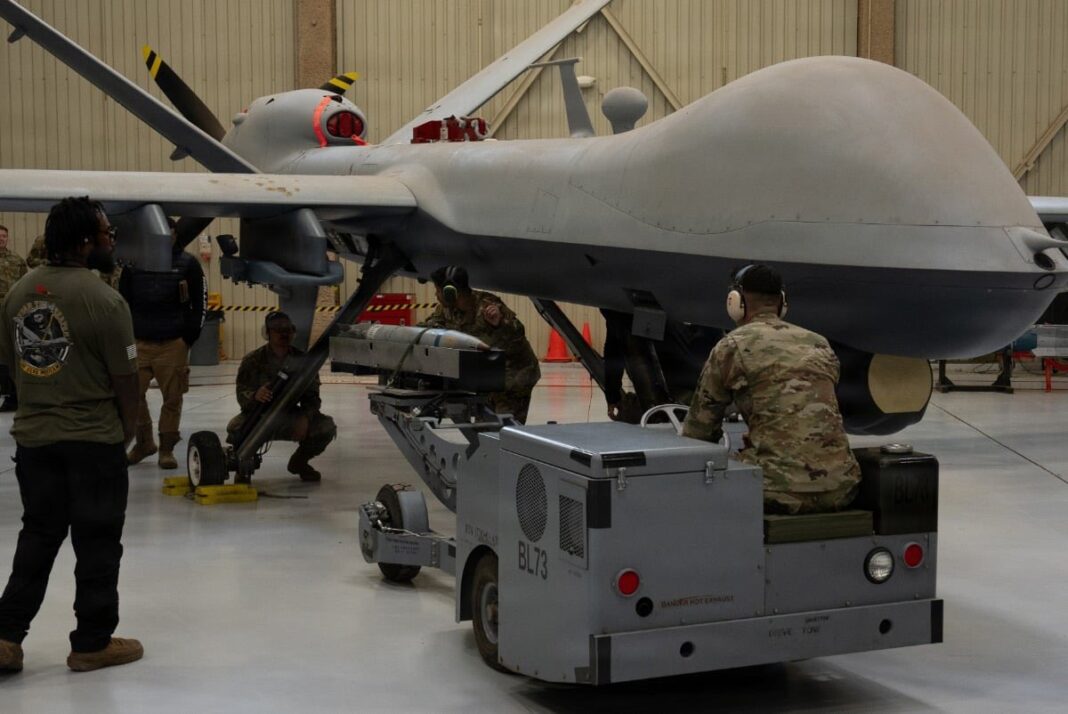
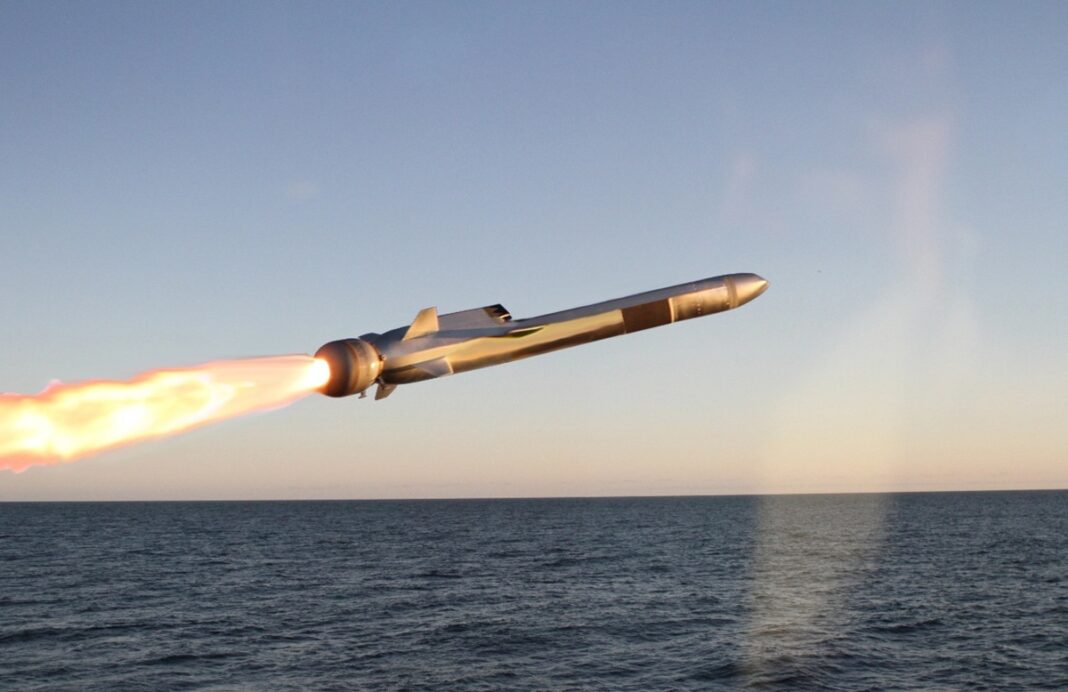
Malaysia has formally demanded more than 1 billion ringgit ($251.76 million) in compensation from Norway after Oslo abruptly revoked export approvals for advanced Naval Strike Missile (NSM) systems intended for the Royal Malaysian Navy, triggering one of Southeast Asia’s most consequential defense procurement disputes in recent years.
The move follows Norway’s unexpected decision to halt exports of sensitive military technology to Malaysia under newly tightened export-control rules — a shift that caught Kuala Lumpur off guard and ignited diplomatic tensions between the two countries.
Malaysia’s Defence Minister Mohamad Khaled Nordin confirmed Tuesday that an official compensation notice had already been sent to Oslo, warning that the dispute extends far beyond a cancelled weapons shipment.
“This is not just a defence procurement issue,” Mohamad Khaled said, warning of a wider “erosion of trust” in international defense partnerships.
The fallout could reshape how Southeast Asian militaries evaluate Western defense suppliers in an increasingly uncertain geopolitical environment.
What Triggered the Malaysia-Norway Missile Dispute?
The controversy centers around Norway’s decision to revoke export licenses for:
Naval Strike Missile
systems manufactured by:
Kongsberg Defence & Aerospace
The missile had been selected by Malaysia to arm:
Six Maharaja Lela-class Littoral Combat Ships (LCS)
under a defense contract signed in:
April 2018
worth approximately:
€124 million ($146 million).
The system was considered central to Malaysia’s maritime modernization strategy because it would significantly strengthen anti-ship warfare capability in increasingly contested regional waters.
But shortly before planned shipment activities in March 2026, Norwegian authorities revoked export approvals.
The timing shocked Kuala Lumpur.
By then:
Malaysia had already paid roughly 95% of the contract value
equivalent to approximately:
€126 million
according to Malaysian officials.
Why Norway Cancelled the Missile Export
Norway says the decision stemmed from:
Tighter export-control regulations
governing highly sensitive military technologies.
According to Norwegian authorities:
Certain advanced defense systems would increasingly prioritize:
✔ Close allies
✔ Strategic partners
✔ Countries aligned with European security frameworks.
Officials stressed the decision:
Was not related to Malaysia’s conduct
or concerns about misuse.
Instead:
The revocation reportedly reflected:
Changing strategic conditions after the Ukraine war
and evolving restrictions surrounding sensitive missile technologies.
Norway’s:
Export Control Act of 1987
grants extensive discretionary authority to revoke licenses involving strategic technologies, even after contractual milestones have advanced.
That legal flexibility is now becoming politically costly.
The Hidden U.S. Factor Behind the Crisis
A major underlying factor may not actually be Norway alone.
Open-source reporting increasingly suggests:
A U.S.-manufactured gyroscope used within the NSM guidance system may have triggered export complications.
The issue reportedly falls under:
International Traffic in Arms Regulations (ITAR)
— Washington’s strict controls on sensitive military technology transfers.
Because modern defense systems increasingly rely on:
Multinational supply chains
a single regulated component can affect the exportability of an entire weapon.
In simple terms:
Even a Norwegian missile may still require American approval if critical U.S. technology is embedded inside it.
That reality is increasingly reshaping global defense procurement.
Why Malaysia Is Furious
Malaysia argues the cancellation created both:
Direct financial damage
and
Major operational disruption
The compensation claim reportedly includes:
- Missile contract payments
- Dismantling existing ship infrastructure
- Engineering redesign costs
- Retraining naval personnel
- Combat-system reconfiguration
- Delays to wider fleet modernization.
The challenge is not simply replacing missiles.
Modern warships rely on:
Integrated combat ecosystems
where:
- Sensors
- Fire-control systems
- Software architecture
- Launch systems
must operate seamlessly together.
Replacing one missile family can force:
Expensive redesign across the entire ship.
Why the Naval Strike Missile Was So Important
The:
Naval Strike Missile
is among the world’s most sophisticated:
Sea-skimming anti-ship cruise missiles
Designed for:
✔ Low observability
✔ Advanced maneuverability
✔ Precision maritime strike
✔ Coastal and open-ocean operations.
Malaysia selected the system to improve:
Maritime deterrence
across increasingly contested waters in:
- The South China Sea
- The Strait of Malacca
- Wider Indo-Pacific maritime corridors
The missile aligned closely with future Royal Malaysian Navy operational planning.
Losing it creates a significant capability gap.
Malaysia Now Looking at Alternative Missile Systems
Malaysian planners are now reportedly reviewing replacement options.
Leading candidates include:
Exocet MM40 Block 3C
A strong contender because:
Malaysia already operates related systems and existing architecture may retain compatibility.
Atmaca
Türkiye’s indigenous missile is also drawing attention.
Ankara increasingly positions itself as:
A politically flexible defense supplier
less constrained by traditional alliance restrictions.
The dispute could unintentionally strengthen:
Türkiye’s defense footprint in Southeast Asia
while expanding opportunities for French manufacturers.
A Bigger Strategic Question: Can Countries Trust Western Arms Suppliers?
The diplomatic fallout may outlast the missile dispute itself.
Malaysia’s unusually public criticism reflects a broader anxiety spreading across middle powers:
Can defense contracts still be trusted if politics suddenly changes?
The incident reinforces concerns that:
✔ Near-complete procurement deals can still collapse
✔ Export approvals are politically vulnerable
✔ Strategic autonomy matters more than ever.
For many countries:
The lesson may be uncomfortable.
Military technology access increasingly depends not only on:
Money
but also on:
Geopolitical alignment
Conclusion: More Than a Missile Dispute
What began as a bilateral disagreement between Malaysia and Norway now risks becoming:
A regional case study in defense reliability
For Southeast Asian militaries balancing relations between:
- Western suppliers
- China
- Türkiye
- Emerging defense exporters
the crisis raises difficult questions about:
Political predictability, supply resilience, and strategic independence.
The final outcome could reshape:
How middle powers buy weapons in the future
where reliability may matter just as much as technological sophistication.